


Search results
Search for "release kinetics" in Full Text gives 51 result(s) in Beilstein Journal of Nanotechnology.
Development of Protium heptaphyllum essential oil-loaded nanocapsules: experimental design and biological activity
Beilstein J. Nanotechnol. 2026, 17, 974–990, doi:10.3762/bjnano.17.67
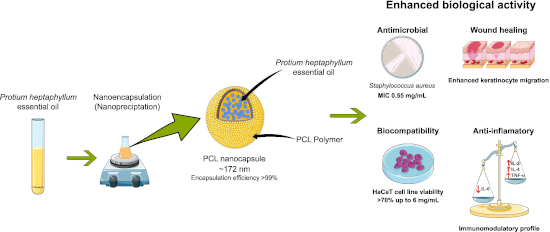
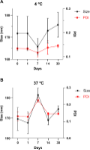
- 0.3, indicating high homogeneity and colloidal stability across the evaluated temperature conditions [41]. Maintaining stable particle size is critical, as variations in this parameter can influence surface area, alter diffusion, and affect release kinetics, ultimately compromising the pharmacokinetic
- on the specific chemical profile of the raw material used. Future investigations should incorporate multiple batches and establish correlations between chemical composition and biological activity to strengthen the translational relevance of the research. In vitro release kinetics studies are highly
- studies should directly address this correlation gap to advance the field, using dialysis membrane methods under physiological conditions to evaluate the release kinetics. Further investigations should examine the antimicrobial activity of nanocapsules against a wider range of microorganisms, particularly




Nanocarrier strategies to overcome P-glycoprotein-mediated drug resistance in cancer therapy
Beilstein J. Nanotechnol. 2026, 17, 882–921, doi:10.3762/bjnano.17.64
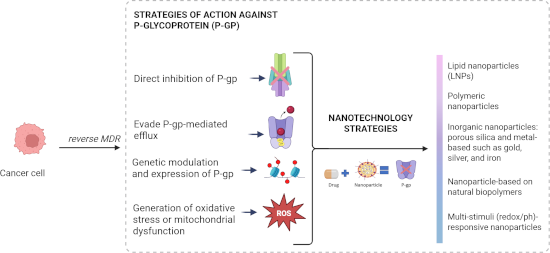
- active field of investigation in medical nanotechnology. Recent studies have reinforced the relevance of polymeric nanospheres and nanocapsules in the context of MDR therapy, particularly due to their tunability in terms of biodegradability, release kinetics, and capacity for surface functionalization


Nanoparticle delivery systems for HIV pre-exposure prophylaxis (PrEP): advances and challenges
Beilstein J. Nanotechnol. 2026, 17, 839–853, doi:10.3762/bjnano.17.60
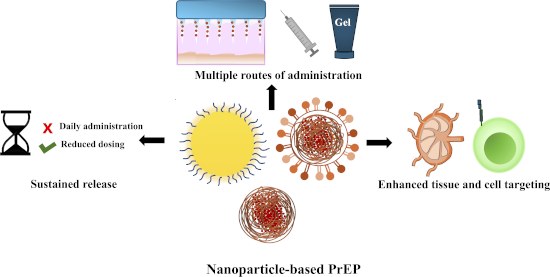
- -PrEP. They can be designed to encapsulate both hydrophobic or hydrophilic drugs, protect drugs from enzymatic degradation, and control release kinetics. Nanoparticle platforms that combine the capacity to hold a high payload of ARVs with the ability to carry it to specific sites and release it locally


Nanocarrier-integrated multilayer films produced by 3D printing for improved skin adhesion and curcumin photostability
Beilstein J. Nanotechnol. 2026, 17, 440–453, doi:10.3762/bjnano.17.30
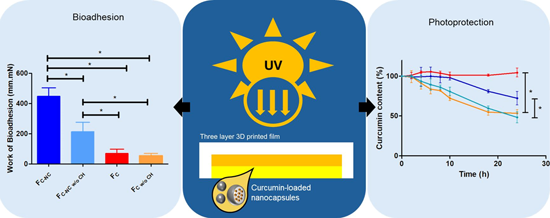
- nanocarrier incorporation alone, is the primary determinant of enhanced photostability. A limitation of this study is the absence of in vitro release kinetics and skin permeation data, which are essential to fully characterise the biopharmaceutical performance of the films. These experiments were not required
- characterise drug release kinetics and skin permeation/penetration behaviour, which will be essential for advancing this printed multilayer system toward broader application in topical drug-delivery research. (A–C) Rheological behaviour with oscillation frequency data for storage (G′), loss modulus (G″), and


Biomimetic nanoparticles in cancer photodynamic therapy: a review of targeted delivery systems and therapeutic outcomes
Beilstein J. Nanotechnol. 2026, 17, 396–422, doi:10.3762/bjnano.17.27
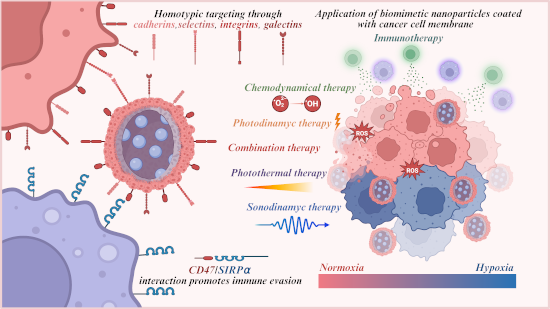
- limited functional capabilities. This realization has driven the development of additional surface modifications aimed at improving targeting specificity to particular cells or tissues, enhancing stability in the bloodstream, controlling drug release kinetics, and tailoring nanoparticle systems to meet
- capacities ensure adequate PS payloads for sufficient ROS generation at tumor sites, release kinetics govern bioavailability within the tumor microenvironment, spatiotemporal control of photoactivation, and minimization of off-target phototoxicity during systemic circulation. Addressing tumor hypoxia: BNP


Development and in vitro evaluation of liposomes and immunoliposomes containing 5-fluorouracil and R-phycoerythrin as a potential phototheranostic system for colorectal cancer
Beilstein J. Nanotechnol. 2026, 17, 97–121, doi:10.3762/bjnano.17.7
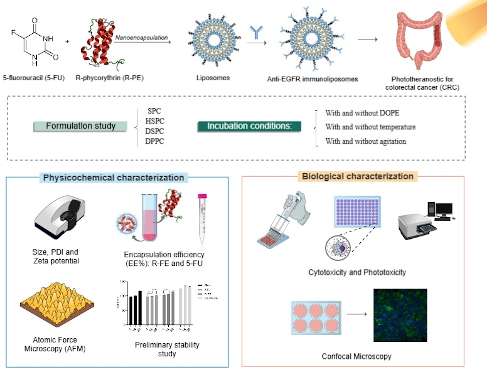
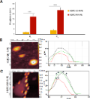
- previously described [24]. 2.3.4.3 Release profile of R-PE and 5-FU. The release profile of R-PE and 5-FU from liposomes and immunoliposomes was analyzed using the Korsmeyer–Peppas (Equation 3) model, commonly employed in drug release kinetics studies, using the DDSolver software [24]. The Korsmeyer–Peppas



Toward clinical translation of carbon nanomaterials in anticancer drug delivery: the need for standardisation
Beilstein J. Nanotechnol. 2025, 16, 2092–2104, doi:10.3762/bjnano.16.144

- biological models. Determining the appropriate dosage is another crucial factor as therapeutic performance is influenced by drug loading capacity, drug release kinetics, and loading efficiency. Careful optimisation of these parameters is required to achieve effective drug delivery while minimising harm to
- provide insight into drug release kinetics based on NM properties and formulation. Animal toxicity studies help determine in vivo safety profiles across organ systems, while biodistribution and pharmacokinetic studies elucidate how CNMs are metabolised, cleared, and accumulate in the body, guiding safe



Beyond the shell: exploring polymer–lipid interfaces in core–shell nanofibers to carry hyaluronic acid and β-caryophyllene
Beilstein J. Nanotechnol. 2025, 16, 2015–2033, doi:10.3762/bjnano.16.139
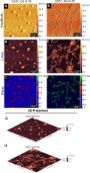
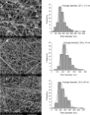
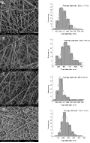
- scaffolds remains challenging, as modifications that improve release kinetics or protect the core can sometimes compromise biocompatibility or cellular interactions [55]. To evaluate the structure of the nanofibers produced, confocal microscopy was used under a fluorescent filter to study the morphologies
- surface distribution may compromise encapsulation efficiency and alter release kinetics [76]. Surface hydrophilicity The hydrophilicity of the membranes was evaluated through contact angle measurements. Figure 10 shows photographs of a water droplet in contact with the surface of the samples: (a
- nanofibers in tissue engineering and controlled drug delivery. Despite these promising results, the present study has some limitations. The encapsulation efficiency and release kinetics of the bioactive compounds were not quantified, and biological assessments were not performed at this stage. Furthermore




Exploring the potential of polymers: advancements in oral nanocarrier technology
Beilstein J. Nanotechnol. 2025, 16, 1751–1793, doi:10.3762/bjnano.16.122
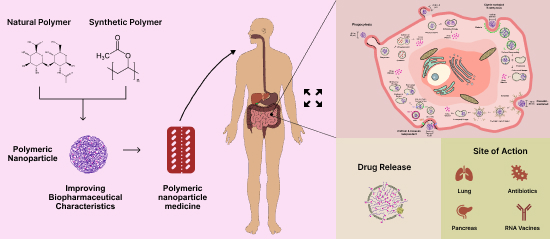
- made PNs a topic of growing interest in light of their small size and unique physicochemical properties [22][23]. These systems offer advantages for drug delivery, including the ability to protect labile compounds, control release kinetics, improve drug solubility and stability, enhance oral
- overall release kinetics [24][32][33]. From a pharmacokinetic perspective, the size, surface charge, and morphology of PNs can modulate their transit through the GIT, and such properties can be tuned during nanoparticle preparation. The choice of manufacturing method considers not only these parameters


Venom-loaded cationic-functionalized poly(lactic acid) nanoparticles for serum production against Tityus serrulatus scorpion
Beilstein J. Nanotechnol. 2025, 16, 1633–1643, doi:10.3762/bjnano.16.115
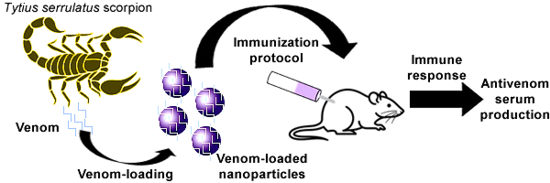
- on the particle size; thus, small particles have a larger surface area for dissolution, providing faster release kinetics [39]. Uniformity of particle size is also important for the stability of the formulation, as well as for the choice of administration route. The intravenous and intramuscular


Ferroptosis induction by engineered liposomes for enhanced tumor therapy
Beilstein J. Nanotechnol. 2025, 16, 1325–1349, doi:10.3762/bjnano.16.97
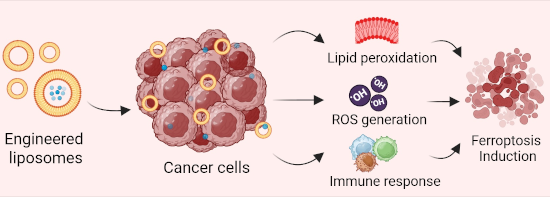
- , lipid peroxidation facilitation, and drug release kinetics. In the following section, we explore how these engineered liposomes contribute to ferroptosis induction and tumor therapy. 3.3 Applications and advancements in liposomal drug delivery systems Liposomes are highly promising nanocarriers for drug


Better together: biomimetic nanomedicines for high performance tumor therapy
Beilstein J. Nanotechnol. 2025, 16, 1246–1276, doi:10.3762/bjnano.16.92
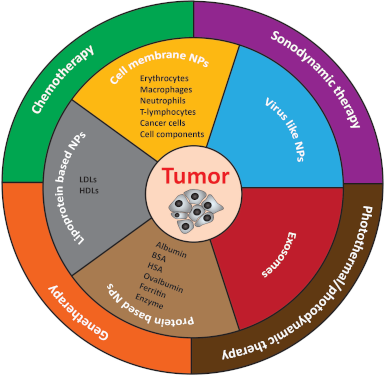
- as brain, liver, spleen, lungs, arterial walls for both immediate and sustained release. Their degradation and release kinetics can be controlled or manipulated by different methods and incorporation or conjugation of specific materials. Importantly, they mainly focus on different biomaterials, drug






Hydrogels and nanogels: effectiveness in dermal applications
Beilstein J. Nanotechnol. 2025, 16, 1216–1233, doi:10.3762/bjnano.16.90
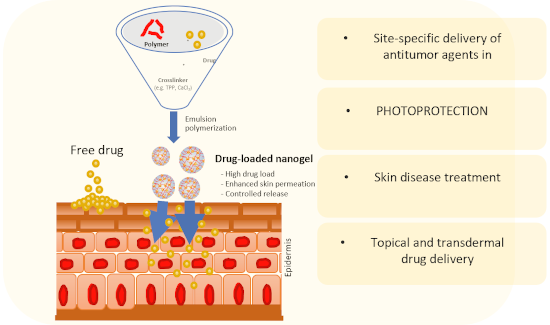
- nanocarriers, pharmacokinetic and pharmacodynamic parameters – such as size, release kinetics, and biodistribution of the encapsulated drug – must be carefully defined to maximize the efficacy of the system [65]. Such considerations are essential to obtain stable formulations with a controlled release profile


Aprepitant-loaded solid lipid nanoparticles: a novel approach to enhance oral bioavailability
Beilstein J. Nanotechnol. 2025, 16, 652–663, doi:10.3762/bjnano.16.50
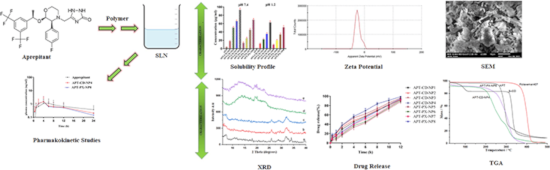
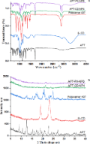
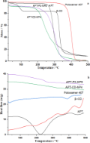
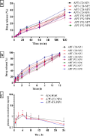
- /chitosan-coated cyclodextrin nanocapsules in acidic and basic media [16]. There is increased wetting of amorphous APT after loading into SLNs with increased surface area leading to rapid and consistent release. Drug release kinetics The drug release data obtained from APT-CD-NP1 to APT-PX-NP8 were analyzed
- (equivalent to 2 mg APT) were placed in a dialysis bag sealed at both ends in dissolution medium. After specified time intervals, samples (5 mL) were taken, replaced with fresh medium and analyzed through UV spectrophotometry at λmax = 210 nm after proper dilution. The drug release kinetics were determined by



Engineered PEG–PCL nanoparticles enable sensitive and selective detection of sodium dodecyl sulfate: a qualitative and quantitative analysis
Beilstein J. Nanotechnol. 2025, 16, 385–396, doi:10.3762/bjnano.16.29
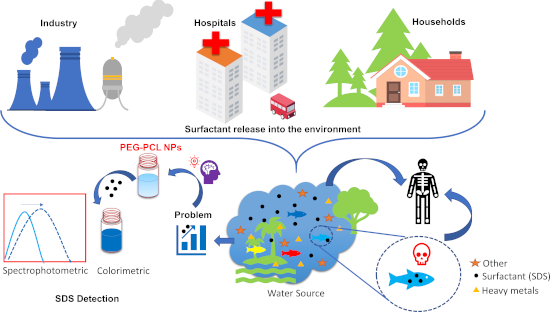
- release kinetics. After copolymerization, the reaction is terminated by dissolving the resulting copolymer in DCM, a solvent that allows the copolymer to remain in solution. The solution is then precipitated in cold diethyl ether, which helps to remove unreacted monomers and other impurities. This


Radiosensitizing properties of dual-functionalized carbon nanostructures loaded with temozolomide
Beilstein J. Nanotechnol. 2025, 16, 229–251, doi:10.3762/bjnano.16.18
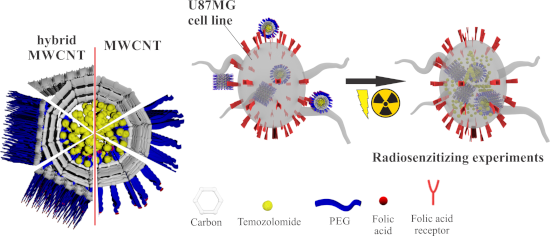
- higher cytotoxicity of the hybrid CN. Additional decrease in the viability of cells was observed when GBM cells pre-treated with the corresponding CNs were exposed to irradiation, which could be ascribed to changes in size, surface charge, and release kinetics of TMZ and to irradiation-induced changes in
- formulation, biopharmaceutics/release kinetics, and pharmacokinetics of TMZ. Also, surface functionalization attempts with multiple targeting ligands were made to deliver TMZ to the site of interest, exploiting the site-specific expression or overexpression of specific molecules on BBTB and GBM cells to




Polymer lipid hybrid nanoparticles for phytochemical delivery: challenges, progress, and future prospects
Beilstein J. Nanotechnol. 2024, 15, 1473–1497, doi:10.3762/bjnano.15.118
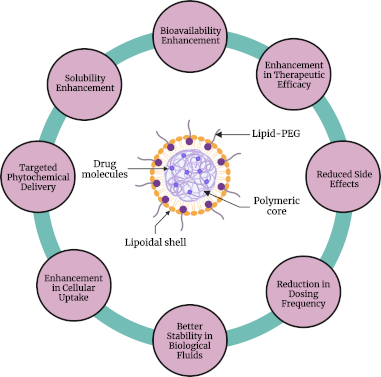
- crucial for maintaining therapeutic drug levels over extended periods of time [20][21]. By adjusting the polymer composition and lipid matrix, researchers can fine-tune the release kinetics of phytochemicals, ensuring sustained therapeutic effects. This controlled release mechanism is particularly


Recent updates in applications of nanomedicine for the treatment of hepatic fibrosis
Beilstein J. Nanotechnol. 2024, 15, 1105–1116, doi:10.3762/bjnano.15.89
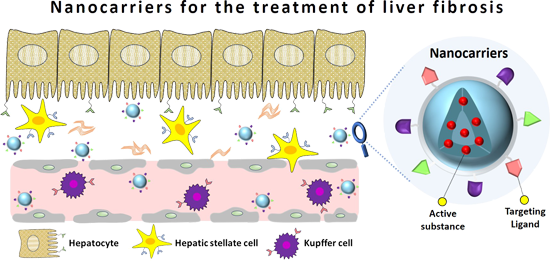
- the FDA up to 2019 [46]. They consist of PLGA microparticles, solid implants, and in situ gels; none of them is a PLGA NP formulation. This fact indicates that there are some challenges, including poor drug entrapment efficiency and drug release kinetics from PLGA nanoformulations [47]. Regarding


Unveiling the potential of alginate-based nanomaterials in sensing technology and smart delivery applications
Beilstein J. Nanotechnol. 2024, 15, 1077–1104, doi:10.3762/bjnano.15.88


Radiofrequency enhances drug release from responsive nanoflowers for hepatocellular carcinoma therapy
Beilstein J. Nanotechnol. 2024, 15, 569–579, doi:10.3762/bjnano.15.49
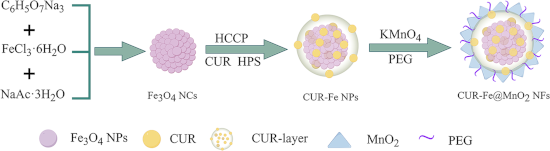
- release from CUR-Fe@MnO2 NFs in the simulated TME. Drug release kinetics model fitting was also performed. The Higuchi, Ritger–Peppas, zero-order, and first-order methods were used to fit the experimental data, and R2 and release constants were calculated, as shown in Table 1. Among them, the Higuchi
- model has the highest degree of fitting with the release of NFs in different simulated environments within 72 h, which indicates conformity with the Fick diffusion mechanism. Meanwhile, we found that RF heating does not affect the release kinetics model. Ritger–Peppas is a semiempirical model, and n is


Fabrication of nanocrystal forms of ᴅ-cycloserine and their application for transdermal and enteric drug delivery systems
Beilstein J. Nanotechnol. 2024, 15, 465–474, doi:10.3762/bjnano.15.42
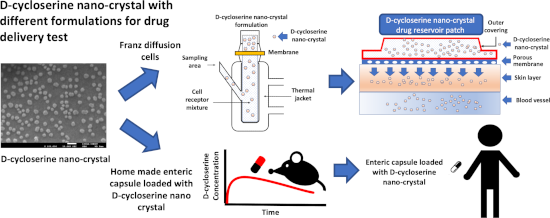
- long-term transdermal release kinetics of DCS nanocrystals and commercial DCS. (A–E are patch formulation compositions loaded with nanocrystals or commercial DCS that have been described in the section "Preparation of DCS nanocrystals" (n = 3)). Preliminary test of DCS solution in the reservoir


Vinorelbine-loaded multifunctional magnetic nanoparticles as anticancer drug delivery systems: synthesis, characterization, and in vitro release study
Beilstein J. Nanotechnol. 2024, 15, 256–269, doi:10.3762/bjnano.15.24
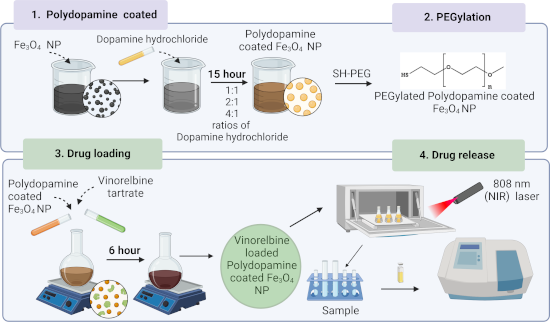
- external magnetic field. This finding is crucial for future studies on magnetic field-guided drug release and tumour treatment. Particularly, our research also investigates the effect of varying polymer ratios on drug release kinetics and photothermal efficiency, which was not addressed in the
- was also determined. Consequently, our study represents a novel contribution to the field by investigating the impact of polymer thickness on drug release, offering enhanced drug loading efficiency, improved magnetic properties, and pH-responsive drug release kinetics. Materials and Methods Materials
- differences in drug release kinetics; our nanostructures exhibit a higher drug release percentage at pH 5.5 (84.57%) compared to pH 7.4 (57.71%). This underscores the pH-responsive behaviour of our drug delivery system, which could potentially enhance drug delivery to tumour sites while minimizing off-target


Development and characterization of potential larvicidal nanoemulsions against Aedes aegypti
Beilstein J. Nanotechnol. 2024, 15, 104–114, doi:10.3762/bjnano.15.10
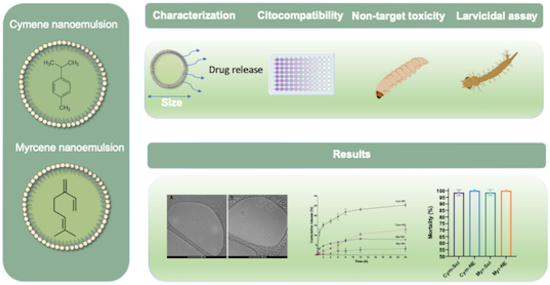
- of cymene and myrcene. Mathematical release kinetics models for nanoemulsions (Cym-NE, Myr-NE) and free terpenes (Cym-Sol and Myr-Sol). Average mortality of Aedes aegypti larvae after 24 h of exposure to the free monoterpenes and their nanoemulsion. Inhibitory concentrations 50 (IC50) of the NEs (Cym


Berberine-loaded polylactic acid nanofiber scaffold as a drug delivery system: The relationship between chemical characteristics, drug-release behavior, and antibacterial efficiency
Beilstein J. Nanotechnol. 2024, 15, 71–82, doi:10.3762/bjnano.15.7
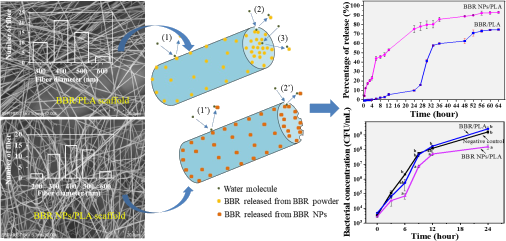
- hydrophilic BBR NPs favorably concentrated on the surface of the nanofibers. The relationship between the wettability and the BBR-release behavior of BBR-loaded PLA nanofiber scaffolds will be reported in the following drug-release profiles. In vitro drug-release profiles and release kinetics In vitro release


Curcumin-loaded nanostructured systems for treatment of leishmaniasis: a review
Beilstein J. Nanotechnol. 2024, 15, 37–50, doi:10.3762/bjnano.15.4
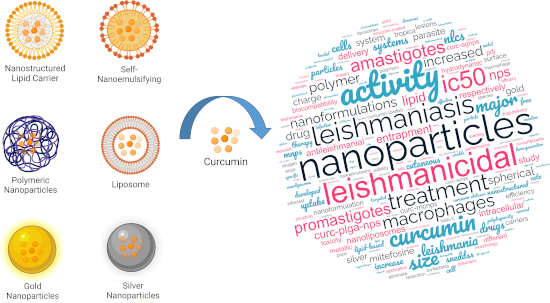
- impact specific drug release kinetics and increase biocompatibility [60]. Different biodegradable polymers have been used for the development of targeted PNPs for the treatment of leishmaniasis [102]. In this scenario, chitosan is an interesting polymer for NP synthesis due to its positive charge, which





