


Search results
Search for "stimuli-responsive" in Full Text gives 40 result(s) in Beilstein Journal of Nanotechnology.
Nanocarrier strategies to overcome P-glycoprotein-mediated drug resistance in cancer therapy
Beilstein J. Nanotechnol. 2026, 17, 882–921, doi:10.3762/bjnano.17.64
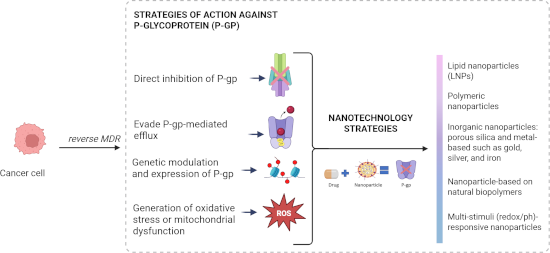
- keywords, including P-glycoprotein, multidrug resistance (MDR), nanoparticles, drug delivery, cancer, siRNA, efflux transporters, tumor microenvironment, stimuli-responsive systems, liposomes, polymeric micelles, hybrid nanocarriers, P-gp inhibitors, and cell membrane-coated nanoparticles. The search
- ”) AND (“liposomes” OR “polymeric micelles” OR “hybrid nanoparticles” OR “stimuli-responsive systems”) AND (“drug resistance”). These search strings were adapted to the syntax requirements of each database to optimize retrieval while maintaining specificity. The final literature search was conducted in
- multifunctional systems incorporating targeting ligands, stimuli-responsive release mechanisms, and co-delivery strategies such as siRNA or natural P-glycoprotein inhibitors. This approach enabled identification and comparative assessment of the most promising nanocarrier systems designed to overcome MDR. 2.6


Towards targeted drugs and next generation of nanomedicines
Beilstein J. Nanotechnol. 2026, 17, 598–601, doi:10.3762/bjnano.17.41

- , enabling targeting to either the liver, the lung, or the spleen [30]. While stimuli-responsive nanomedicines and endogenous targeting are investigated as potential new strategies to achieve targeting, other research topics focus on alternative administration routes for specific applications, such as
Biomimetic nanoparticles in cancer photodynamic therapy: a review of targeted delivery systems and therapeutic outcomes
Beilstein J. Nanotechnol. 2026, 17, 396–422, doi:10.3762/bjnano.17.27
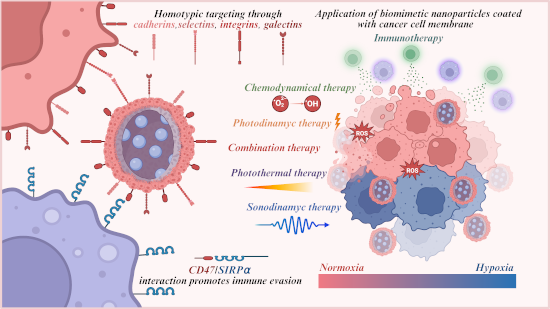
- and active targeting mechanisms, (iii) controlled and stimuli-responsive release profiles, (iv) overcoming of tumor hypoxia, (v) efficient light conversion, and (vi) the development of multifunctional platforms by combining PDT with other therapeutic modalities [38]. Additionally, nanoparticles enable
- PDT, together with a number of diagnosis tools [158]. Beyond efficient loading, controlled PS release from BNPs represents a complementary critical factor governing PDT efficacy within the TME. Biomimetic coatings not only facilitate high payload delivery but also enable stimuli-responsive release


From shield to spear: Charge-reversible nanocarriers in overcoming cancer therapy barriers
Beilstein J. Nanotechnol. 2026, 17, 159–175, doi:10.3762/bjnano.17.10
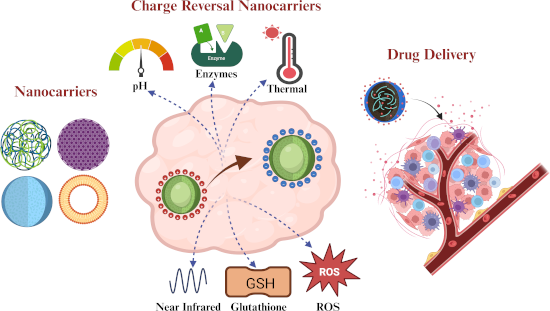
- activity enhances treatment efficacy and minimises off-target effects, thus seamlessly complementing other stimuli-responsive delivery systems discussed earlier. Earlier, a study by Hu et al. demonstrated that nanocarriers functionalized with photoisomerizable azobenzene groups, upon UV–vis or NIR light
- [88]. Jia et al. reported a dual-responsive shape-transformable charge-reversible nanoparticle (DHP@BPP) combined with chemo-photodynamic immunotherapy for treating breast cancer and lung metastasis [81]. Hu et al. developed a hybrid nanocarrier, UPOE, using stimuli-responsive, charge-reversal metal
- responses [91]. In addition to vaccines, CRNs are now being applied to deliver gene-editing systems such as CRISPR-Cas9. Nie et al. emphasised the advancement of stimuli-responsive nanoplatforms such as pH-sensitive structures and redox-responsive polymers that enable protected and precise intracellular


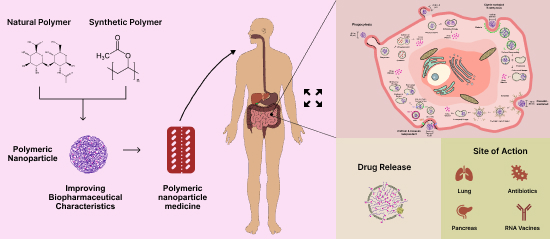
Exploring the potential of polymers: advancements in oral nanocarrier technology
Beilstein J. Nanotechnol. 2025, 16, 1751–1793, doi:10.3762/bjnano.16.122


Advances of aptamers in esophageal cancer diagnosis, treatment and drug delivery
Beilstein J. Nanotechnol. 2025, 16, 1734–1750, doi:10.3762/bjnano.16.121
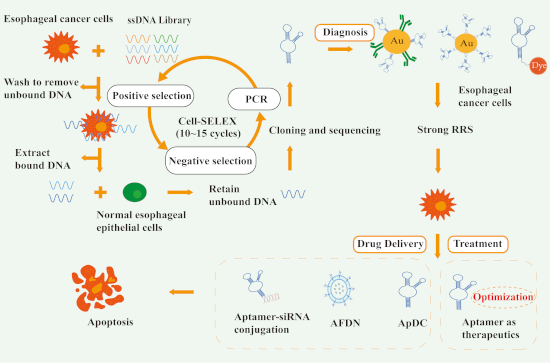
- [106] and stimuli-responsive drug delivery systems [107], represent significant advances toward enhanced therapeutic efficacy and precision medicine. However, most nanomedicines still require intravenous injection [108], and there is no precedent for AFDNs in EC clinical trials; however, this advanced


Transient electronics for sustainability: Emerging technologies and future directions
Beilstein J. Nanotechnol. 2025, 16, 1545–1556, doi:10.3762/bjnano.16.109
- . Third, precise lifetime control remains a critical challenge, necessitating not only improved encapsulation strategies but also dynamic, stimuli-responsive degradation mechanisms. Given the intricate nature of biological environments and the variability of therapeutic requirements, materials used in
- overcome these challenges, active degradation strategies based on stimuli-responsive materials rather than passive, time-dependent breakdown have emerged as a promising complementary approach. As these strategies mature, they may enable the development of intelligent encapsulation layers capable of sensing


Enhancing the therapeutical potential of metalloantibiotics using nano-based delivery systems
Beilstein J. Nanotechnol. 2025, 16, 1350–1366, doi:10.3762/bjnano.16.98
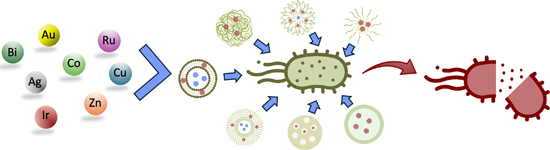
- , which improves cellular uptake and facilitates drug release within the target site [90]. The incorporation of stimuli-responsive agents in the pores also enables MSiNPs to release therapeutic agents upon exposure to specific environmental cues, such as pH or temperature. These interesting features for
- , some formulations enable site-specific drug release in response to infection-associated stimuli, while others reduce off-target effects by confining drug activity to the desired site of action. Moving forward, research should emphasize the development of highly biocompatible and stimuli-responsive


Ferroptosis induction by engineered liposomes for enhanced tumor therapy
Beilstein J. Nanotechnol. 2025, 16, 1325–1349, doi:10.3762/bjnano.16.97
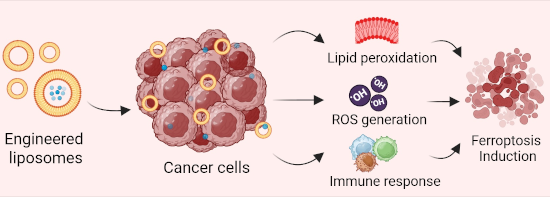
- tumor therapy. It also highlights the fascinating outcome of liposome-mediated ferroptosis in overcoming the obstacles to cancer therapy, along with the limitations and possible future directions. Keywords: cancer; ferroptosis; liposome; nanomedicine; stimuli-responsive; Review 1 Introduction Cancer
- inducing ferroptosis through various pathways to enhance cancer therapy. We also discuss stimuli-responsive liposomes and evaluate their effects on the immune system. 2 Ferroptosis A recently recognized regulated condition of iron-dependent cell death is called ferroptosis [7][22]. The Latin term “ferrum
- PEG can sometimes limit the targetability of liposomes [114]. Another innovation is the development of stimuli-responsive liposomes, which release their payload in response to triggers like pH, temperature, or enzymatic activity. Stimuli-responsive technology, based on specific physiological


Hydrogels and nanogels: effectiveness in dermal applications
Beilstein J. Nanotechnol. 2025, 16, 1216–1233, doi:10.3762/bjnano.16.90
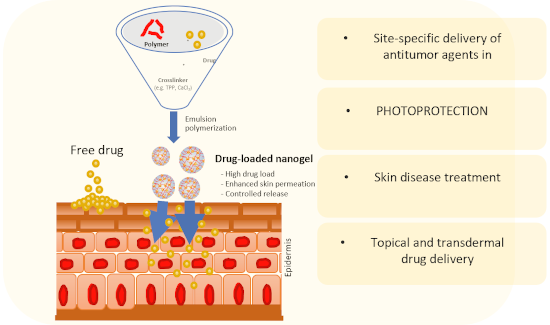
- adequate economic factors in their manufacture. Topical therapies for skin cancer, leveraging nanocarriers with active targeting, show promise. Functionalized and stimuli-responsive nanogels can accumulate in tumor cells, minimizing damage to noncarcinogenic tissues. Advancements in polymers, cross-linkers


Soft materials nanoarchitectonics: liquid crystals, polymers, gels, biomaterials, and others
Beilstein J. Nanotechnol. 2025, 16, 1025–1067, doi:10.3762/bjnano.16.77
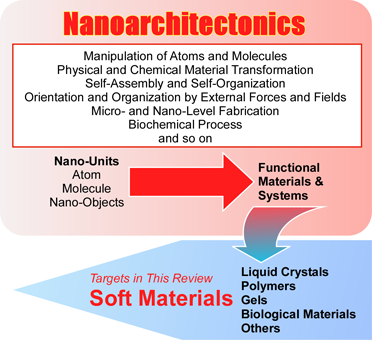
- include a high degree of responsiveness to external stimuli. The nanoarchitectonics of liquid crystal structures offers significant potential for the development of stimuli-responsive materials and functional substances, which would be highly beneficial for advancing materials science. The following
- and stimuli-responsive molecules or polymers represents a promising avenue for the development of soft functional materials. In particular, the incorporation of photoswitchable molecules and polymer systems can result in the creation of intelligent photoresponsive materials. In a recent review, Seki
- . Liquid crystals are an appealing category of soft materials that exhibit a combination of moderate fluidity and order. Liquid crystals can serve as a fundamental component in the field of soft materials nanoarchitectonics, particularly in the development of stimuli-responsive materials. As seen in the






Polyurethane/silk fibroin-based electrospun membranes for wound healing and skin substitute applications
Beilstein J. Nanotechnol. 2025, 16, 591–612, doi:10.3762/bjnano.16.46

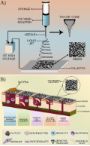


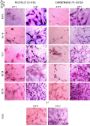
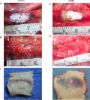
Synthetic-polymer-assisted antisense oligonucleotide delivery: targeted approaches for precision disease treatment
Beilstein J. Nanotechnol. 2025, 16, 435–463, doi:10.3762/bjnano.16.34

- . Emerging strategies, including stimuli-responsive polymers and advanced nanoparticle systems, offer potential solutions to these challenges. The review underscores the transformative potential of polymer-enhanced ASO delivery in personalised medicine, emphasising the importance of continued innovation to


Biomimetic nanocarriers: integrating natural functions for advanced therapeutic applications
Beilstein J. Nanotechnol. 2024, 15, 1619–1626, doi:10.3762/bjnano.15.127

- drug delivery, immunotherapy, targeted delivery, biomimetic-derived NPs, and stimuli-responsive drug release (1). Coated NPs for improving biological activity through biomimetic biomembranes (2): Most used materials for creating nanoparticles (A), binders used for delivery and binding to target cells


Polymer lipid hybrid nanoparticles for phytochemical delivery: challenges, progress, and future prospects
Beilstein J. Nanotechnol. 2024, 15, 1473–1497, doi:10.3762/bjnano.15.118
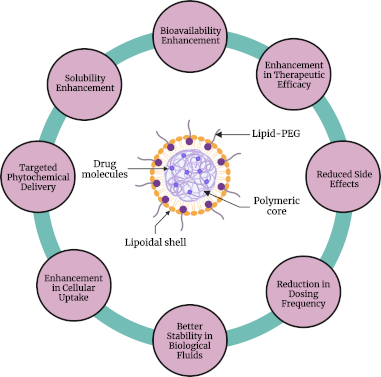
- and controlled release of the encapsulated drugs. Among all PLHNPs, these hybrid nanocarriers show the highest stability in the biological fluids and stimuli-responsive release of encapsulated drugs. In addition, the polymeric cage protects the drug from the harsh environment, and encapsulated drugs
- PLHNPs can also involve the incorporation of stimuli-responsive moieties onto the nanoparticle surface. These moieties enable the nanoparticles to respond to specific stimuli, such as pH changes, temperature shifts, or enzyme activity, thereby triggering controlled drug release at the target site [70][71
- ]. The advantages of stimuli-responsive nanoparticles include targeted and controlled drug delivery. By responding to specific stimuli, these nanoparticles can release their drug payload at the desired site of action, such as a tumor or inflamed tissue, while minimizing drug release in healthy tissues


Synthesis, characterization and anticancer effect of doxorubicin-loaded dual stimuli-responsive smart nanopolymers
Beilstein J. Nanotechnol. 2024, 15, 1189–1196, doi:10.3762/bjnano.15.96
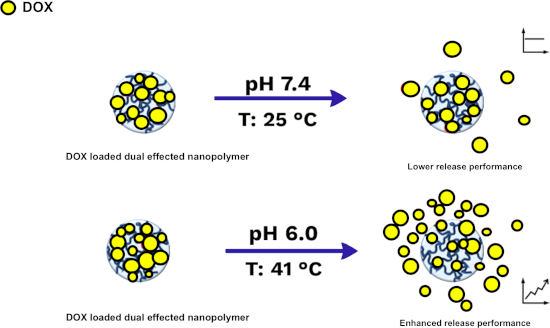
- Belarus, Minsk, Belarus Faculty of Arts and Science, Chemistry Department, Aksaray University, Aksaray, Turkey 10.3762/bjnano.15.96 Abstract Nanopolymers represent a significant group of delivery vehicles for hydrophobic drugs. In particular, dual stimuli-responsive smart polymer nanomaterials might be
- measurements. The DOX loading capacity of the nanopolymers was found to be sufficient. Encapsulation and release studies were conducted, and it turned out that the release from the dual stimuli-responsive system was higher than that from single stimulus-responsive systems. The cytotoxicity of SNP-DOX complexes


Unveiling the potential of alginate-based nanomaterials in sensing technology and smart delivery applications
Beilstein J. Nanotechnol. 2024, 15, 1077–1104, doi:10.3762/bjnano.15.88
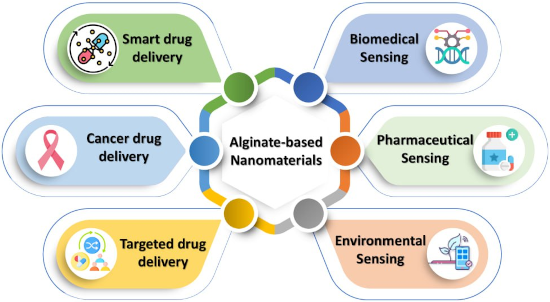
- . These functional groups can include ligands or antibodies that specifically bind to the target cells or tissues [51]. Stimuli-responsive nanoparticles help reduce toxicity and control drug biodistribution [46]. Alginate-based nanoparticles The preparation methods of alginate-based nanoparticles The


Interface properties of nanostructured carbon-coated biological implants: an overview
Beilstein J. Nanotechnol. 2024, 15, 1041–1053, doi:10.3762/bjnano.15.85
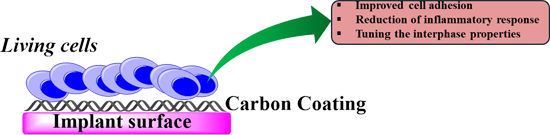
- surfaces able to face these issues. Nanostructured carbon coatings can be groundbreaking in the production of stimuli-responsive implants, such as prosthetic implants. Even if a coherently modulation of nerve signals is still far from being reached, materials such as graphene and CNTs can play a pivotal


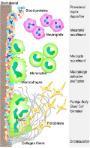

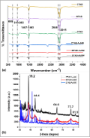
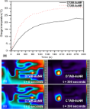
Gold nanomakura: nanoarchitectonics and their photothermal response in association with carrageenan hydrogels
Beilstein J. Nanotechnol. 2024, 15, 678–693, doi:10.3762/bjnano.15.56

- aspiring venture of soft intelligent materials [19]. Soft intelligent materials are primarily hydrogel materials that are stimuli responsive. A recent study showed the use of hydrogels by incorporating gold nanorods for the development of thermo-responsive actuators [20]. The photothermal conversion of






Nanotechnology – a robust tool for fighting the challenges of drug resistance in non-small cell lung cancer
Beilstein J. Nanotechnol. 2023, 14, 240–261, doi:10.3762/bjnano.14.23
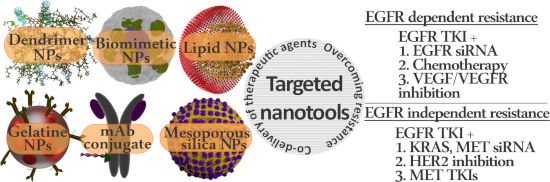
- systems with improved potential for intratumor and intracellular localization, as well as sub-cellular targeting, capable of tackling several body barriers and tumor heterogeneity more efficiently, have been designed to address the problems of efficient targeting [94]. Multifunctional stimuli-responsive


Stimuli-responsive polypeptide nanogels for trypsin inhibition
Beilstein J. Nanotechnol. 2022, 13, 538–548, doi:10.3762/bjnano.13.45
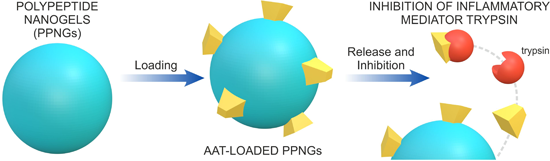
- biocompatible Nα-ʟ-lysine-grafted α,β-poly[(2-propyne)-ᴅ,ʟ-aspartamide-ran-(2-hydroxyethyl)-ᴅʟ-aspartamide-ran-(2-(4-hydroxyphenyl)ethyl)-ᴅʟ-aspartamide] (Nα-Lys-NG). Both nanogels were prepared by HRP/H2O2-mediated crosslinking in inverse miniemulsions with pH and temperature-stimuli responsive behavior
- biodegradable PHEG-Tyr and biocompatible and non-biodegradable Nα-Lys-NG polypeptide precursors by HRP/H2O2-mediated crosslinking in inverse miniemulsion for the delivery of AAT. Both prepared polypeptide nanogels demonstrate stimuli-responsive behavior under different pH values and temperatures. After
- -responsive behavior of the nanogels As the formed polypeptides are polyelectrolytes, their stimuli-responsive behavior was studied [26]. Here, biocompatible and biodegradable PHEG-Tyr and biocompatible Nα-Lys-NG were incubated at different pH values and temperatures to study their physicochemical properties


Engineered titania nanomaterials in advanced clinical applications
Beilstein J. Nanotechnol. 2022, 13, 201–218, doi:10.3762/bjnano.13.15
- . Additionally, an appropriate surface modification could be able to enhance the stability of these TiO2 nanoparticles in physiological fluids, besides facilitating targeted accumulation in tumor cells/tissues. The optimal innoxious concentration of of light stimuli-responsive TiO2 nanomaterials for treating a


A photonic crystal material for the online detection of nonpolar hydrocarbon vapors
Beilstein J. Nanotechnol. 2022, 13, 127–136, doi:10.3762/bjnano.13.9
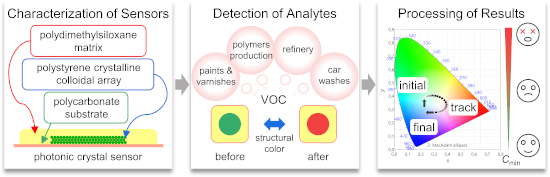
- ) hydrocarbons has been analyzed. The reconstitution of spectral parameters of the sensor during the periodic detection of saturated vapors of toluene has been evaluated. Keywords: diffuse reflectance spectroscopy; photonic crystal sensor; stimuli-responsive materials; Introduction Photonic crystals (PhCs
- [14]. Most of the configuration changes of the photonic bandgap in opal and inverse opal structures occur due to swelling or compression of the polymer matrix or gel. To date, four main methods for the modification of photonic crystals are used for the creation of stimuli-responsive materials: (a
- crystal lattice, and a different ratio of volume fractions. The use of diffuse reflectance spectrometry in further experiments is necessary to obtain integrated optical characteristics of the stimuli-responsive matrix as an analogue of visual recordings. This allows one to optimize the development of


Comprehensive review on ultrasound-responsive theranostic nanomaterials: mechanisms, structures and medical applications
Beilstein J. Nanotechnol. 2021, 12, 808–862, doi:10.3762/bjnano.12.64
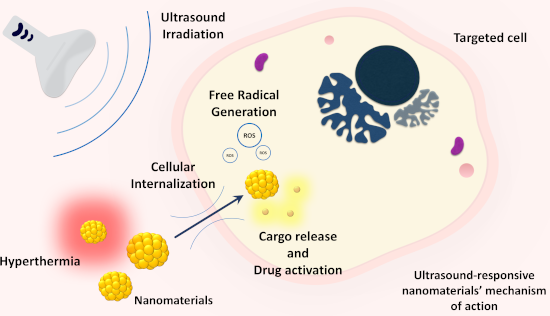
- heat to the tissues [3]. The main goal of stimulus-responsive DDS can be defined as systematic administration combined with local activation. Dual/multi-stimuli-responsive smart delivery systems can be loaded with various bioactive molecules and will only release their cargo in the presence of two or
- [2][3][11][12][13]. Currently, many studies are in the process of evaluating new applications of stimuli-responsive DDS in different diseases, which have been covered in some review articles [1][2][14][15][16][17][18]. General concept of ultrasound-responsive cargo delivery One of the most
- significant advantages of stimuli-responsive DDS is the precise spatial and temporal control of drug release in response to the application of exogenous or endogenous stimuli, including US [3]. Ultrasound is traditionally used in diagnostic medicine but now it is finding a place in drug delivery in


Recent progress in magnetic applications for micro- and nanorobots
Beilstein J. Nanotechnol. 2021, 12, 744–755, doi:10.3762/bjnano.12.58
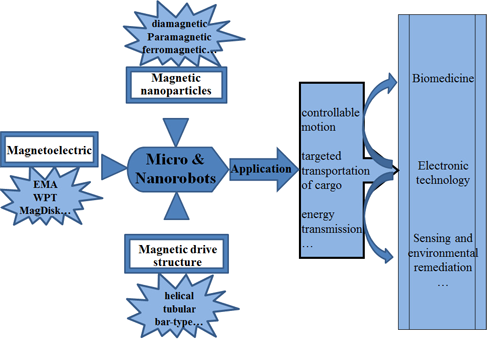
- ]. Also, they respond more sensitively than other stimuli-responsive hydrogels [67]. The proposed microrobot had two arms, both of which were composed of anodic and cathodic electroactive hydrogels and MNPs. So they could be driven in a magnetic field and bent in an electric field to pick up and release
- nanoparticle aggregation in the absence of a magnetic field. This allows the gated compartments to form only in the presence of a magnetic field (ca. 0.4 T), creating a stimuli-responsive nanoreactor. The activated nanoreactor produces a signal only when (i) a second species of magnetic beads, MaB2 carrying F
- sperm cells; magnetic helical enzyme carriers for the cumulus cell removal by enzymes (e.g., hyaluronidase); artificial flagella with multiple windings and a claw-shaped sperm carrier for the delivery of immotile sperm cells; artificial flexible flagella for transport of immotile spermatozoa; stimuli





