Search results
Search for "tissue engineering" in Full Text gives 91 result(s) in Beilstein Journal of Nanotechnology.
Ultrasonic irradiation in the synthesis of nanohydroxyapatite: a chemically friendly technique for improving hemocompatibility and antibiofilm applications
Beilstein J. Nanotechnol. 2026, 17, 991–1015, doi:10.3762/bjnano.17.68
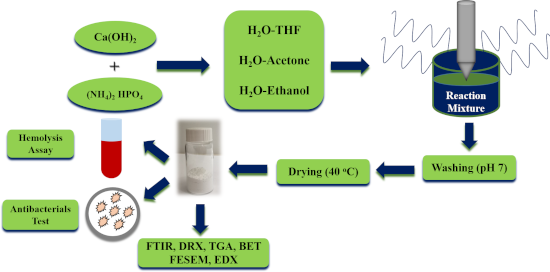
- . Future research will focus on deepening hemolysis studies and evaluating the metabolic activity and proliferative capacity of bone precursor cells in contact with these nanostructures to confirm their long-term clinical viability in tissue engineering. Furthermore, more comprehensive studies are required
- , cellular aggregates, or formation of specialized structures after treatment with this bioceramic, compared to the commercial hydroxyapatite, suggesting potential antibiofilm properties. This research presents an original and efficient method for producing nHA as a promising biomaterial for tissue
- engineering. Keywords: antibiofilm properties; hemocompatibility; nanohydroxyapatite; ultrasonic irradiation; Introduction Nowadays, there is a high demand for the development of bone substitutes that are biocompatible, bioactive, mechanically strong, and well tolerated by the immune system [1], which


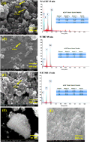


Nanocarrier strategies to overcome P-glycoprotein-mediated drug resistance in cancer therapy
Beilstein J. Nanotechnol. 2026, 17, 882–921, doi:10.3762/bjnano.17.64
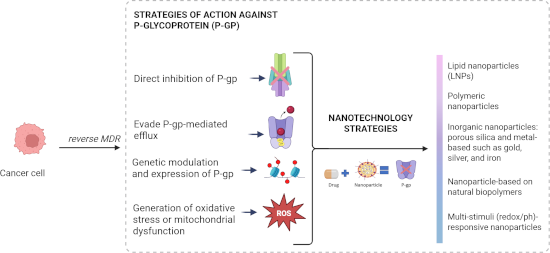


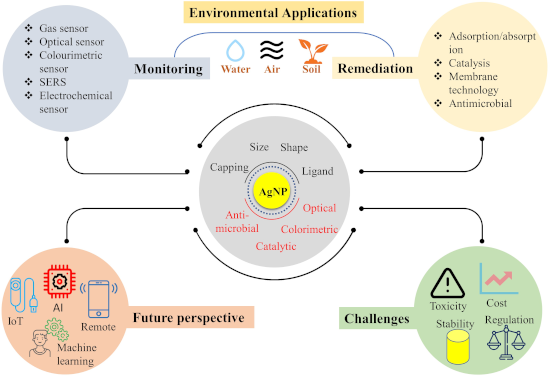
Environmental applications of silver nanoparticles: state-of-the-art review and emerging trends
Beilstein J. Nanotechnol. 2026, 17, 697–736, doi:10.3762/bjnano.17.49


Protein-based custom-designed molecular nanotraps for biomedical applications
Beilstein J. Nanotechnol. 2026, 17, 683–687, doi:10.3762/bjnano.17.47

- , choosing the protein building block among those already in use in tissue engineering and regenerative medicine, such as gelatin and silk fibroin, ensures biocompatibility, biodegradability and non-toxicity. Despite these potentials, to date, the use of proteins as building blocks for the preparation of
- occurring between 30 and 40 °C, depending on the source. Gelatin is often functionalized with pendant double bonds, yielding gelatin methacryloyl (GelMA), and suitable for cross-linking, which enables various degrees of structural stiffening as required by specific tissue engineering applications [14
- ]. Besides, gelatin and GelMA hydrogels exhibit enhanced biocompatibility, making them suitable for biomedical applications, cell scaffolds, wound dressings, and drug delivery [13]. Silk is another promising protein-based material used in tissue engineering [15]. The structure of silk consists of two

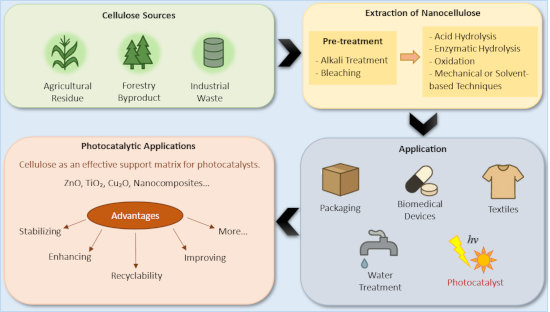
Cellulose as a photocatalyst support material: extraction, structural features, and environmental applications
Beilstein J. Nanotechnol. 2026, 17, 635–652, doi:10.3762/bjnano.17.44
- chemical and mechanical strength, and relatively high heat resistance. These features make CA an essential material for diverse biomedical applications, including drug delivery systems, wound care products, and scaffolds for tissue engineering [70][71][72], reinforcing its position as a reliable and
- gained prominence because of their ability to selectively target specific organs and tissues, thereby reducing side effects, minimizing systemic toxicity, and improving overall treatment efficiency [23]. Researchers are increasingly developing cellulose-based scaffolds for tissue engineering as these


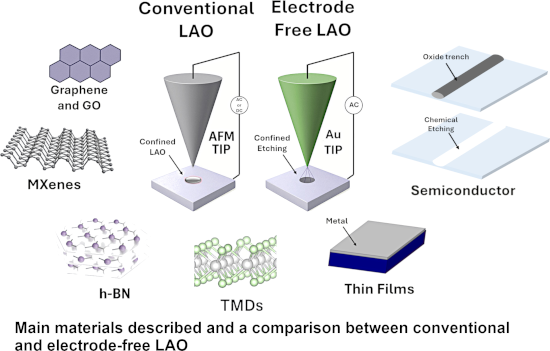
Advancing nanolithography: a comprehensive review of materials for local anodic oxidation with AFM
Beilstein J. Nanotechnol. 2026, 17, 275–291, doi:10.3762/bjnano.17.19
- potential for advancing protein patterning, tissue engineering, biomedical implants, and biosensor development. LAO offers a promising route for fabricating superconducting quantum devices by enabling direct, nanoscale patterning of Josephson junctions without conventional lithography. Using a biased AFM


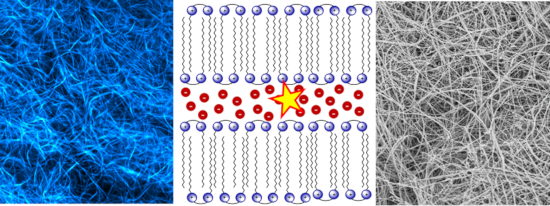
Visualizing nanostructures in supramolecular hydrogels: a correlative study using confocal and cryogenic scanning electron microscopy
Beilstein J. Nanotechnol. 2025, 16, 2274–2284, doi:10.3762/bjnano.16.156
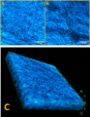
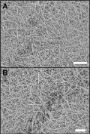
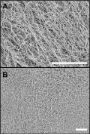
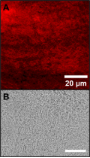
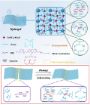
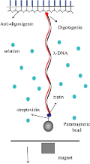
- ; microscopies; nanostructure; supramolecular hydrogel; Introduction Hydrogels, whether based on self-assembling molecules or cross-linked polymers, are useful in fields ranging from tissue engineering to drug delivery and biosensing [1][2][3][4][5]. Their high water content and soft, porous structure make them



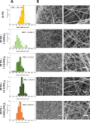
Beyond the shell: exploring polymer–lipid interfaces in core–shell nanofibers to carry hyaluronic acid and β-caryophyllene
Beilstein J. Nanotechnol. 2025, 16, 2015–2033, doi:10.3762/bjnano.16.139
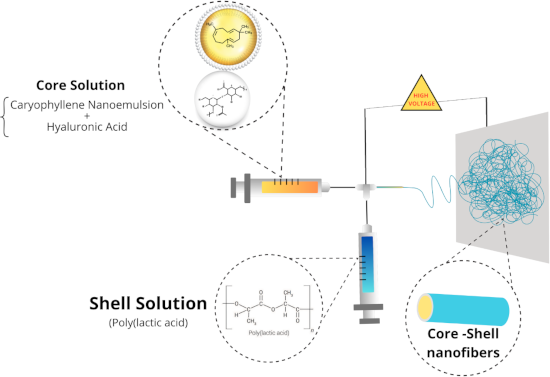
- thermoplastic known for its biodegradability, biocompatibility, and bioabsorbability [20][21]. Highly attractive due to its versatile physical, chemical, and biological properties, PLA is a suitable option for manufacturing tissue engineering scaffolds, implantable devices, and drug delivery systems, holding
- pores. The pore formation on the shell surface is a potential mechanism for regulating the release of the core content [56][57]. A biomedical scaffold must possess suitable pore size and a high level of porosity. The porosity of the scaffold in tissue engineering applications should be adequate. A study
- wettability without altering the internal fiber composition. When combined with the presence of hyaluronic acid in the core, which provides biofunctional potential, these strategies broaden the scope of possible biomedical applications, ranging from wound healing and tissue engineering to the controlled




On the road to sustainability – application of metallic nanoparticles obtained by green synthesis in dentistry: a scoping review
Beilstein J. Nanotechnol. 2025, 16, 1851–1862, doi:10.3762/bjnano.16.128
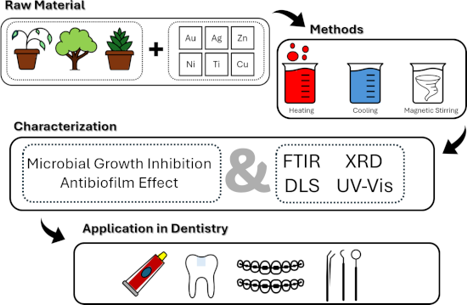
- tubules [8][43]. Moreover, their use in nanoparticle-coated gutta-percha cones has been proposed to improve long-term disinfection and reduce reinfection risks [44]. Furthermore, within dental tissue engineering, recent studies have reported promising outcomes using biogenic nanoparticles incorporated


Nanomaterials for biomedical applications
Beilstein J. Nanotechnol. 2025, 16, 1499–1503, doi:10.3762/bjnano.16.105
- Iqra Zainab Zohra Naseem Syeda Rubab Batool Filippo Pierini Seda Kizilel Muhammad Anwaar Nazeer Biomaterials and Tissue Engineering Research Laboratory, National Textile University, Faisalabad 37610, Pakistan School of Engineering and Technology, National Textile University, 37610, Faisalabad
- diagnostics and medical imaging. Using these materials, physicians diagnose diseases earlier and more accurately than before [4]. In tissue engineering, nanofibers are being used to develop scaffolds to promote the proliferation of cells. These scaffolds aid patients suffering from chronic wounds as they
- additional studies and trials are carried out [23]. The connection between regenerative medicine and tissue engineering applications is notable, as regenerative medicine aims to repair damaged tissues and organs, and nanotechnology is driving major progress in this field [24]. Usually, traditional care works
Hydrogels and nanogels: effectiveness in dermal applications
Beilstein J. Nanotechnol. 2025, 16, 1216–1233, doi:10.3762/bjnano.16.90
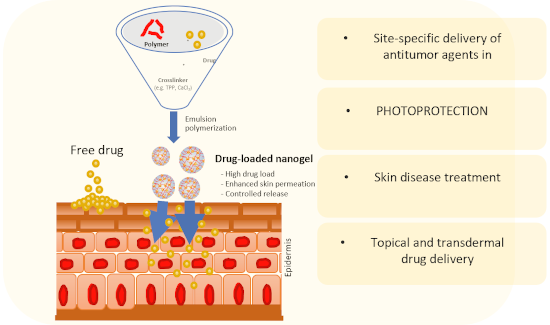
- regenerative tissue engineering [11][12][13][15]. Macroscopic hydrogel networks can be decoupled into microscale particles of any shape, called microgels. When gelatinous particles are configured in the submicrometric range, for example, with diameters in the order of nanometers, they are known as nanogels [16
- properties, which are like living tissues [30][31]. Beyond their application in tissue engineering, nanogels are promising materials as DDSs [32]. Nanogels have been successfully designed as drug carriers for oral [33][34], nasal [35], ocular [36], dermal [37], and intravenous [38] administrations. As the


Piezoelectricity of hexagonal boron nitrides improves bone tissue generation as tested on osteoblasts
Beilstein J. Nanotechnol. 2025, 16, 1068–1081, doi:10.3762/bjnano.16.78
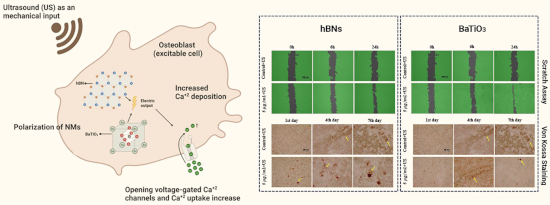
- be sufficient to repair the damage. To address this, the use of piezoelectric nanomaterials (NMs) in bone tissue engineering was investigated. In this study, the influence of the piezoelectric hexagonal boron nitrides (hBNs) and barium titanate (BaTiO3) on human osteoblasts (HOb) was comparatively
- influence on cell proliferation driven by its piezoelectric characteristics [17][24]. It is particularly suitable for tissue engineering applications, especially in promoting osteogenesis [25]. Furthermore, BaTiO3 can be combined with other materials to create composite scaffolds with osteoconductive
- enhance its potential as a nano–bio interface in tissue engineering and regenerative medicine [28][29]. The crystalline structure of hexagonal boron nitride (hBN) consists of in-plane B–N bonds that are sp2 hybridized, polarized, and strongly covalent. Its most stable form is a hexagonal lattice of


Soft materials nanoarchitectonics: liquid crystals, polymers, gels, biomaterials, and others
Beilstein J. Nanotechnol. 2025, 16, 1025–1067, doi:10.3762/bjnano.16.77
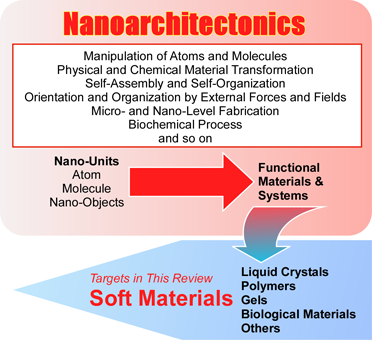
- ][212], tissue engineering [213][214][215][216][217], and medical applications [218][219][220][221][222]. It seems reasonable to posit that nanoarchitectonics will make a significant contribution to the field of soft materials science. This is due to the fact that the methods employed in






Structural and magnetic properties of microwave-synthesized reduced graphene oxide/VO2/Fe2O3 nanocomposite
Beilstein J. Nanotechnol. 2025, 16, 921–932, doi:10.3762/bjnano.16.70
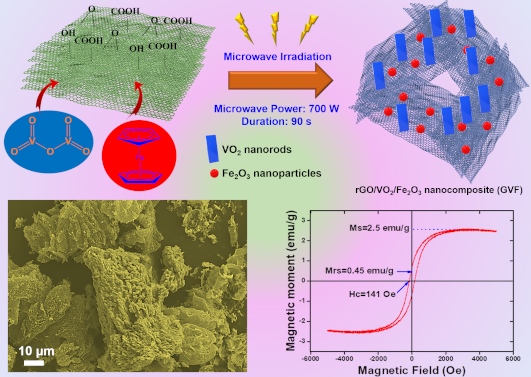
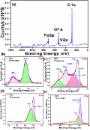
- increased, which would result in a higher concentration of α-Fe2O3 nanoparticles. These composites could be applied in many areas of biomedicine, including contrast agents for MR imaging, cancer theragnostics, and tissue engineering. Conclusion In conclusion, a ternary NC consisting of α-Fe2O3, VO2, and rGO



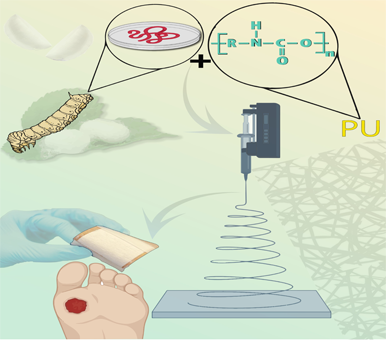
Polyurethane/silk fibroin-based electrospun membranes for wound healing and skin substitute applications
Beilstein J. Nanotechnol. 2025, 16, 591–612, doi:10.3762/bjnano.16.46
- Iqra Zainab Zohra Naseem Syeda Rubab Batool Muhammad Waqas Ahsan Nazir Muhammad Anwaar Nazeer Biomaterials and Tissue Engineering Research (BIOMATTER) Laboratory, National Textile University, Faisalabad 37610, Pakistan School of Engineering and Technology, National Textile University, Faisalabad
- the development of implants, medical devices, and drug delivery systems that solve challenging issues from health to medicine [5]. Because of innovations in tissue engineering, genetic engineering, and nanotechnology, scientists can now see into the innermost functions of living organisms with a level
- ]. Nanofibers are considered promising materials because of their size and structure, making them suitable for drug delivery, tissue engineering, tissue scaffolding, and other biomedical applications [12]. They exhibit distinct chemical and physical properties that distinguish them from macroscale structures



Feasibility analysis of carbon nanofiber synthesis and morphology control using a LPG premixed flame
Beilstein J. Nanotechnol. 2025, 16, 581–590, doi:10.3762/bjnano.16.45
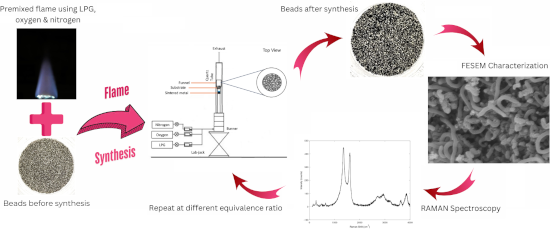
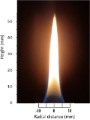
- delivery, tissue engineering, and implants [7]. Methods of CNT/CNF synthesis include (a) chemical vapor deposition, (b) arc discharge, (c) flame synthesis, and (d) laser ablation [1]. Flame-assisted synthesis is a promising method for efficient and continuous one-step production. Various flame



Synthetic-polymer-assisted antisense oligonucleotide delivery: targeted approaches for precision disease treatment
Beilstein J. Nanotechnol. 2025, 16, 435–463, doi:10.3762/bjnano.16.34


Enhancing mechanical properties of chitosan/PVA electrospun nanofibers: a comprehensive review
Beilstein J. Nanotechnol. 2025, 16, 286–307, doi:10.3762/bjnano.16.22

- utilized in various specialized applications, such as scaffolds in tissue engineering [185], controlling drug release mechanisms through the manipulation of core and shell compositions [186], and protecting sensitive biomolecules in food packaging [187]. The combination of core–shell chitosan-based
- improved the antimicrobial activity of the nanofibers against a wide range of bacteria [190]. In tissue engineering applications, aligned fibers are particularly effective as they better mimic the inductive environment, such as that of human tendon stem/progenitor cells, compared to random fibers [191


Radiosensitizing properties of dual-functionalized carbon nanostructures loaded with temozolomide
Beilstein J. Nanotechnol. 2025, 16, 229–251, doi:10.3762/bjnano.16.18
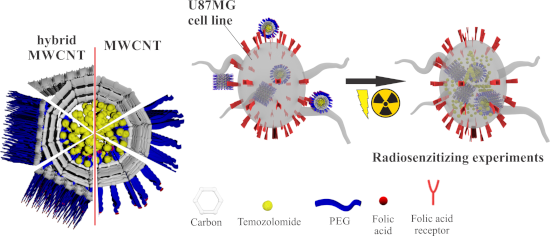
- processes, including neuroregeneration, neuronal differentiation, and stimulation of neuronal electrical signalization and brain activity. Thus, they are promising materials for new products regarding tissue engineering and prosthetic neuronal devices [6][7][8]. There is also an evidence that CNs manifest




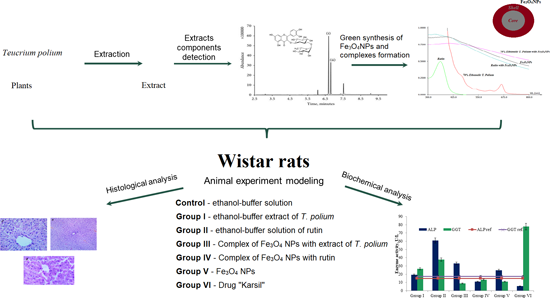
Liver-targeting iron oxide nanoparticles and their complexes with plant extracts for biocompatibility
Beilstein J. Nanotechnol. 2024, 15, 1593–1602, doi:10.3762/bjnano.15.125
- Fe3O4 NPs have great potential for commercial use and have already found applications in biomedicine, such as magnetic resonance imaging (as contrast enhancement agents), targeted drug or gene delivery, tissue engineering, biological fluid detoxification, hyperthermia, biological sensing, nanozymes, and


Introducing third-generation periodic table descriptors for nano-qRASTR modeling of zebrafish toxicity of metal oxide nanoparticles
Beilstein J. Nanotechnol. 2024, 15, 1142–1152, doi:10.3762/bjnano.15.93
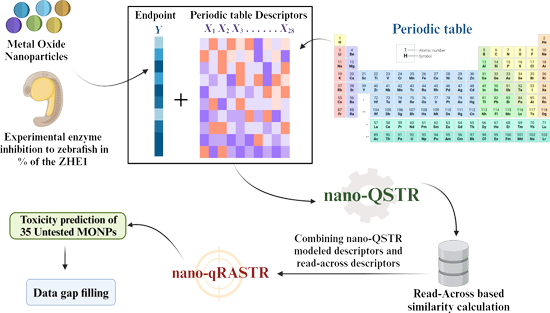
- development of nanotechnology, more and more MONPs including zinc, iron, titanium, and copper are being explored in therapeutic applications such as drug delivery, bioimaging, biosensing, bioelectronics, and tissue engineering applications [4][5][6]. Simultaneously, many of these particles also presented


Unveiling the potential of alginate-based nanomaterials in sensing technology and smart delivery applications
Beilstein J. Nanotechnol. 2024, 15, 1077–1104, doi:10.3762/bjnano.15.88
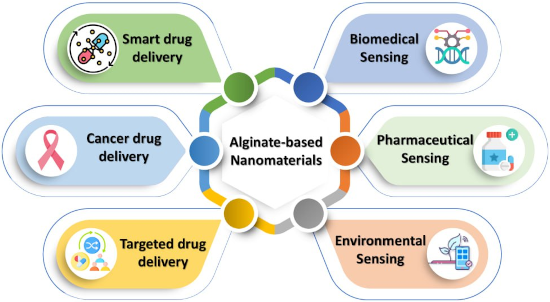
- applications. Biodegradable and bioabsorbable polymers are an excellent choice for a variety of innovative drug delivery systems (DDSs). Biopolymers are also used in cutting-edge scientific applications such as gene expression, tissue engineering, smart drug delivery, and biosensors [11][19]. Modern medicine
- homeostatic dressing agent for wound healing. In addition, it can be utilized as an emulsifier and thickener in cosmetics, dentistry, and tissue engineering [29]. Furthermore, alginate decreases stomach inflammation and helps the healing of the gastric mucosa. Consequently, it can both protect the stomach and
- alginate-based nanoparticles for biomedical applications and the food industry [33]. Another study on alginate-based nanoparticles described the synthesis and characterizations of nanoparticles and their applications to drug delivery, tissue engineering, and gene therapy [34]. Other recent review papers


Interface properties of nanostructured carbon-coated biological implants: an overview
Beilstein J. Nanotechnol. 2024, 15, 1041–1053, doi:10.3762/bjnano.15.85
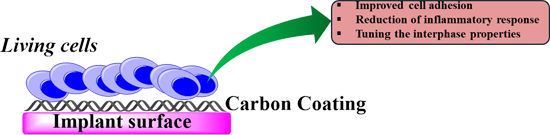
- production of nanocarbon-reinforced materials is paving the way for a new era of tissue engineering thanks to their application as high-performance biocompatible scaffolds [14][15] and implantable devices [16][17]. The key features of these materials should be compatible with the complexity of biological



Electrospun nanofibers: building blocks for the repair of bone tissue
Beilstein J. Nanotechnol. 2024, 15, 941–953, doi:10.3762/bjnano.15.77
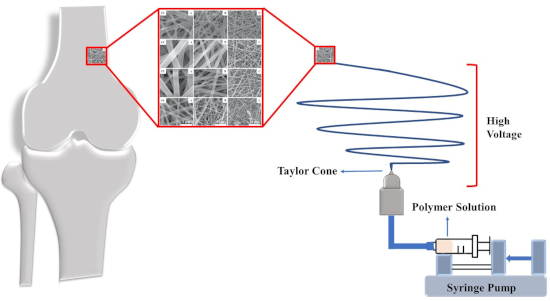
- delivery systems [1][2][3][4][5]. Because of the structural properties of nanofibers, which enable cell growth and proliferation, their use in tissue engineering, especially regarding bone tissue, is quite common [2]. Nanofiber scaffolds may carry active substances such as cells for tissue repair
- dissolve the polymer at the appropriate concentration for nanofiber formation [60]. Commercial products of electrospun polymeric nanofibrous scaffolds The industrial production of polymeric nanofibers by electrospinning has paved the way for commercial products in many fields including tissue engineering
- bone, research in recent years has focused on synthetic scaffolds to stimulate the natural healing process of bone. Polymeric nanofiber scaffolds are of great interest in the fields of drug-release devices and tissue regeneration matrices. In bone tissue engineering, nanofiber scaffolds are widely used


Electrospun polysuccinimide scaffolds containing different salts as potential wound dressing material
Beilstein J. Nanotechnol. 2024, 15, 781–796, doi:10.3762/bjnano.15.65
- )/hydroxyapatite in orthopedics [1][2]. Biocompatible polymers are widely used in biomedical fields, such as stents, drug delivery systems in cancer therapy, bone repair, dentistry, joint prostheses, and tissue engineering [2][3][4][5][6]. Polymers have several advantageous properties for these applications as
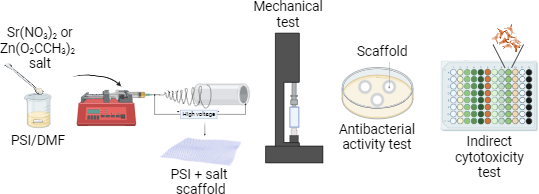
- created and used in numerous biomedical applications, such as tissue engineering, wound dressing, and drug delivery [11][12]. Electrospinning has many advantages: it is a simple technique, cost-effective, reproducible, scalable, and reliable. In addition, various polymers can be used as starting material