Search results
Search for "tumor microenvironment" in Full Text gives 24 result(s) in Beilstein Journal of Nanotechnology.
Nanocarrier strategies to overcome P-glycoprotein-mediated drug resistance in cancer therapy
Beilstein J. Nanotechnol. 2026, 17, 882–921, doi:10.3762/bjnano.17.64
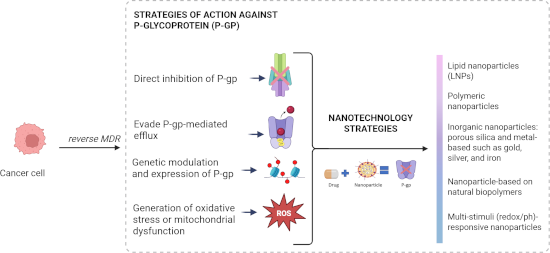
- refractory to conventional chemotherapy regimens [5]. P-gp-mediated efflux constitutes a significant therapeutic barrier in this context, and the complex tumor microenvironment (TME), partly characterized by acidic gastric conditions, further complicates drug delivery and intracellular retention [6]. 1.1.4
- keywords, including P-glycoprotein, multidrug resistance (MDR), nanoparticles, drug delivery, cancer, siRNA, efflux transporters, tumor microenvironment, stimuli-responsive systems, liposomes, polymeric micelles, hybrid nanocarriers, P-gp inhibitors, and cell membrane-coated nanoparticles. The search
- (scavenger receptor, class B type 1)-mediated endocytosis as a form of cellular internalization [32]. (ii) To achieve a release in response to the tumor microenvironment, nanoparticles are designed to be sensitive to tumor-specific stimuli, such as acidic pH or ROS so that the nanoparticles remain stable in


Towards targeted drugs and next generation of nanomedicines
Beilstein J. Nanotechnol. 2026, 17, 598–601, doi:10.3762/bjnano.17.41

- , Germany 10.3762/bjnano.17.41 Keywords: cellular uptake; drug delivery; intracellular trafficking; nanomedicine; nanoparticles; tumor microenvironment; Nanomedicine is dedicated to the application of nanotechnology in the medical field. Nanosized materials are intended for delivering drugs to their
Biomimetic nanoparticles in cancer photodynamic therapy: a review of targeted delivery systems and therapeutic outcomes
Beilstein J. Nanotechnol. 2026, 17, 396–422, doi:10.3762/bjnano.17.27
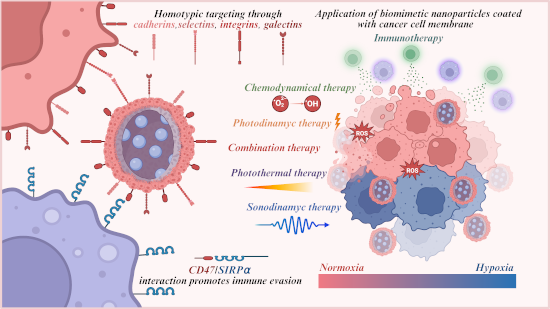
- . Additionally, it explores multifunctional and theranostic nanoplatforms, their applications in various cancers, and advances toward clinical use. By integrating targeted delivery, tumor microenvironment modulation, and immunotherapy, BNP-facilitated PDT holds great potential for advancing precise cancer
- . Beyond delivery, BNPs address hypoxia [5], a critical barrier to PDT efficacy, through oxygen-carrying systems like hemoglobin-based nanostructures, which retain the oxygen-binding capacity of hemoglobin and can effectively transport and release oxygen within the hypoxic tumor microenvironment (TME
- respond to specific stimuli, such as pH, enzymes, or external triggers like light, enabling controlled drug release at the target site [76]. For example, pH-sensitive lipids or peptides can be incorporated to accelerate drug release in the acidic tumor microenvironment. Additionally, BNPs can be loaded


Development and in vitro evaluation of liposomes and immunoliposomes containing 5-fluorouracil and R-phycoerythrin as a potential phototheranostic system for colorectal cancer
Beilstein J. Nanotechnol. 2026, 17, 97–121, doi:10.3762/bjnano.17.7
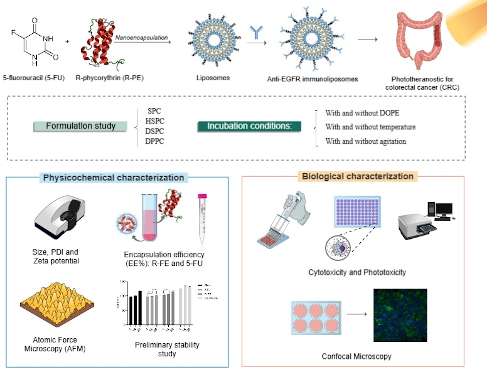
- intratumor accumulation with higher cellular internalization. In addition, the use of immunoliposomes contributes to reducing systemic toxicity, since their delivery is concentrated in the tumor microenvironment, avoiding exposure of healthy tissues [8]. In colorectal cancer, the epidermal growth factor



PEGylated lipids in lipid nanoparticle delivery dynamics and therapeutic innovation
Beilstein J. Nanotechnol. 2025, 16, 1914–1930, doi:10.3762/bjnano.16.133
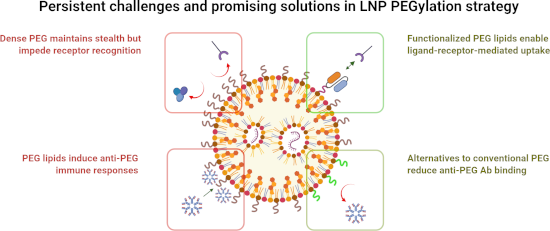
- . Imaging and histological analysis showed that maleimide-LNPs remained localized near the injection site, implying enhanced interaction with the tumor microenvironment. In contrast, carboxylic acid-LNPs showed a reduced cellular association, likely due to electrostatic repulsion [52]. PDP-LNPs had minimal


Advances of aptamers in esophageal cancer diagnosis, treatment and drug delivery
Beilstein J. Nanotechnol. 2025, 16, 1734–1750, doi:10.3762/bjnano.16.121
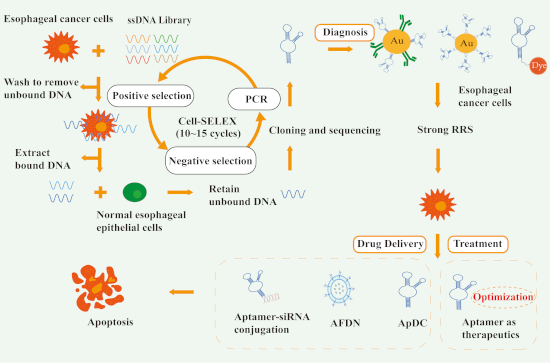
- cellular uptake, poor stability due to tumor microenvironment, and inadequate drug release due to inadequate drug release mechanisms. Two years later, a novel bivalent aptamer-DNA-Dox conjugate (BADD) [117], was developed, and the A2 aptamer was truncated to A2 (35) to reduce steric hindrance and improve


Prospects of nanotechnology and natural products for cancer and immunotherapy
Beilstein J. Nanotechnol. 2025, 16, 1644–1667, doi:10.3762/bjnano.16.116
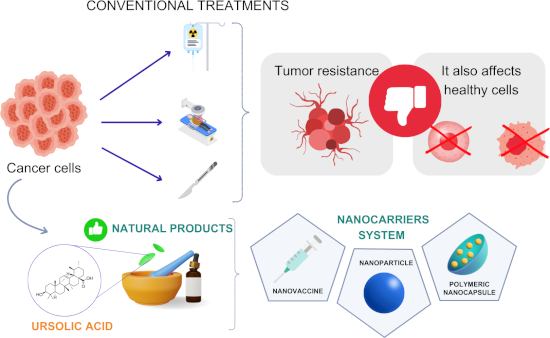
- to evade the immune system, such as expressing immunosuppressive molecules and creating a hostile tumor microenvironment that suppresses antitumor activity [7]. One of the most exploited mechanisms by tumors involves immune checkpoints, such as PD-L1 (programmed death-ligand 1) and CTLA-4 (cytotoxic
- , nanotechnology opens up unprecedented opportunities in cancer immunotherapy by facilitating the co-delivery of chemotherapeutic agents, immunomodulators, and gene editing tools [22]. These multifunctional platforms can modulate the tumor microenvironment, enhance antigen presentation, reverse local
- ]. The use of natural products in cancer treatment and immunotherapy is mainly represented by the use of certain classes of compounds. Among them are saponins, which can remodel the tumor microenvironment, polysaccharides, such as lentinan, which increase immune cell activity, and polyphenols that can


Ferroptosis induction by engineered liposomes for enhanced tumor therapy
Beilstein J. Nanotechnol. 2025, 16, 1325–1349, doi:10.3762/bjnano.16.97
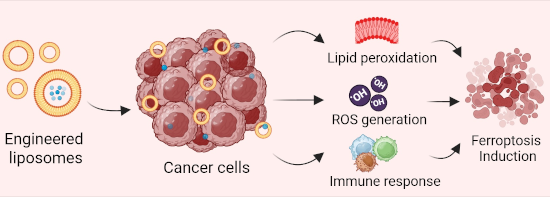
- conditions found in tumors compared to healthy tissue, aids in the spatiotemporal release of cargo. For example, pH-sensitive liposomes use the acidic tumor microenvironment to achieve targeted drug release, reducing systemic toxicity and enhancing therapeutic impact [134][135]. According to recent studies
- their potential ability to regulate drug release according to biological and environmental triggers [167][168][169][170]. Compared to normal tissue, the tumor microenvironment (TME) typically exhibits increased acidity, ROS and GSH levels, hypoxia, expression of enzymes, and ATP levels because of tumors


Better together: biomimetic nanomedicines for high performance tumor therapy
Beilstein J. Nanotechnol. 2025, 16, 1246–1276, doi:10.3762/bjnano.16.92
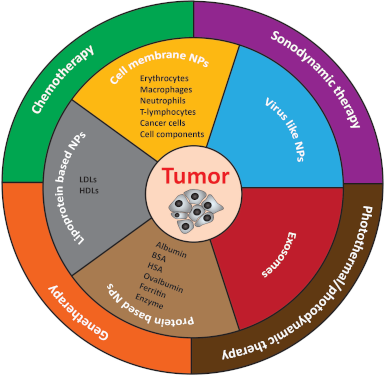
- with a specific focus on their types and recent advancements only for cancer treatment. This review focuses on the recent advancements in biomimetic nanomedicines engineered with various biomaterials, emphasizing their interactions with different types of tumors and tumor microenvironment (TME). It
- modulate the tumor microenvironment and reverse cholesterol transportation to cancer cells to limit their growth [66]. Consequently, HDL has been reported as a therapeutic agent to alleviate certain types of cancers. Recently, Rink et al. have prepared HDL nanoparticles that target SCARB1, inhibit
- therapy applications, bioinspired tumor-homing nanomedicines have also been demonstrated for combinational therapies. Macrophage–CCM hybrid-coated PLGA was used to deliver siRNA against fibrinogen-like protein 1 and metformin, a metabolic immunomodulator for both gene therapy and immunosuppressive tumor


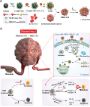


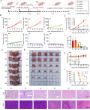

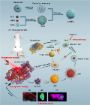

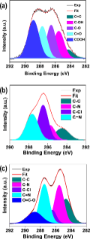
Graphene oxide–chloroquine conjugate induces DNA damage in A549 lung cancer cells through autophagy modulation
Beilstein J. Nanotechnol. 2025, 16, 316–332, doi:10.3762/bjnano.16.24
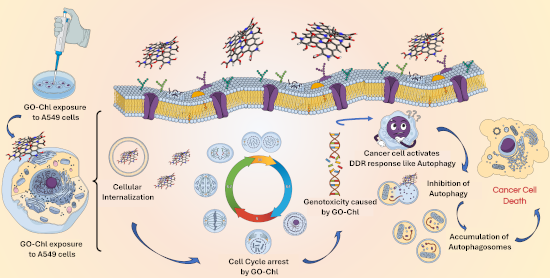
- ; nanoconjugates; SQSTM1/p62; Introduction Despite of advances in basic and clinical research, an increased mortality rate is seen worldwide in cancer-associated deaths [1]. The heterogeneous and complex tumor microenvironment along with intrinsic and/or acquired drug resistance mechanisms, such as increased drug



Nanocarriers and macrophage interaction: from a potential hurdle to an alternative therapeutic strategy
Beilstein J. Nanotechnol. 2025, 16, 97–118, doi:10.3762/bjnano.16.10
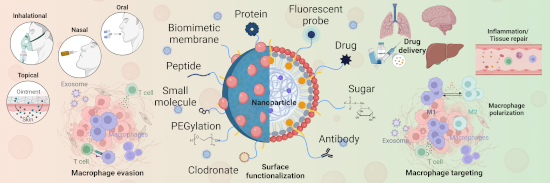
- system, comprising galactose-functionalized polypeptides (GLC) coated with PEG-PLL copolymers (sPEG), was designed to release miR-155 specifically in the acidic tumor microenvironment. At neutral pH, the sPEG coating masked the cationic core, minimizing off-target effects, while at acidic pH, the coating
- designed, allowing the encapsulated siRNA and inhibitors to selectively act on M2 TAMs in the acidic tumor microenvironment. This strategy effectively suppressed tumor growth and metastasis, while avoiding off-target macrophage repolarization in non-tumor tissues, enhancing both safety and efficacy [74
- cancer cells upon near-infrared light exposure, significantly reducing tumor size with minimal damage to surrounding tissues [99]. Moreover, NCs can be designed to deliver immunomodulatory agents, such as checkpoint inhibitors or cytokines, directly to the tumor microenvironment to enhance antitumor


Realizing active targeting in cancer nanomedicine with ultrasmall nanoparticles
Beilstein J. Nanotechnol. 2024, 15, 1208–1226, doi:10.3762/bjnano.15.98
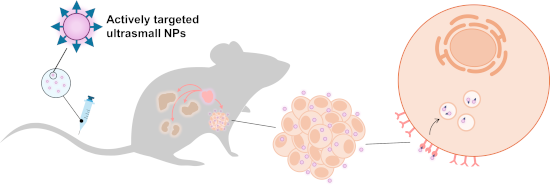
- with targeting ligands (i.e., small molecules, peptides, or antibodies) that bind to overexpressed receptors within the tumor microenvironment. Despite the promise of nanomedicine, neither passive nor active delivery strategies have significantly improved clinical therapeutic outcomes for solid tumors
- % ID/g, while PEG-coated AuNCs displayed even higher passive tumor uptake efficiency of ≈8% ID/g owing to their longer blood retention time [77]. Besides achieving decent tumor uptake levels in some cases, usNPs exhibit easier penetration and diffusion through the dense tumor microenvironment relative
- used to prepare 5.3 nm diameter 64Cu-Cu@CuOx-ECL1i NPs and to covalently conjugate gemcitabine, improving drug stability and prolonging the circulation half-life. Moreover, after accumulation in the tumoral regions due to CCR2 targeting, the drug could be released within the acidic tumor


Recent updates in applications of nanomedicine for the treatment of hepatic fibrosis
Beilstein J. Nanotechnol. 2024, 15, 1105–1116, doi:10.3762/bjnano.15.89
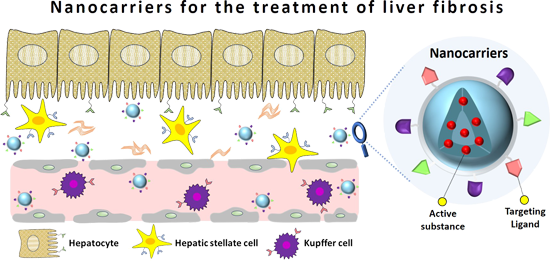
- permeability are increased because of angiogenesis within the tumor microenvironment [41]. The fenestrae of the liver endothelial cells increase to approximately 400–600 nm, often accompanied with impaired lymphatic drainage, leading to the EPR effect [42]. In contrast, the excessive production of ECM by the


Entry of nanoparticles into cells and tissues: status and challenges
Beilstein J. Nanotechnol. 2024, 15, 1017–1029, doi:10.3762/bjnano.15.83
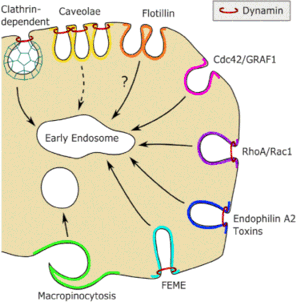
- another breast cancer xenograft model and found a strong reduction in immunosuppressive function of macrophages [94]. An influence of NPs on macrophage recruitment, differentiation, and polarization has also been reported by others [95][96]. Thus, a combined effect on the tumor cells and the tumor
- microenvironment may contribute to a successful treatment. A new type of lipid-based NP was developed in order to obtain vaccines against the Covid-19 pandemic. These lipid-based products, although showing many similarities to other lipid-based NPs, contain a new type of synthetic ionizable cationic lipids [97


Radiofrequency enhances drug release from responsive nanoflowers for hepatocellular carcinoma therapy
Beilstein J. Nanotechnol. 2024, 15, 569–579, doi:10.3762/bjnano.15.49
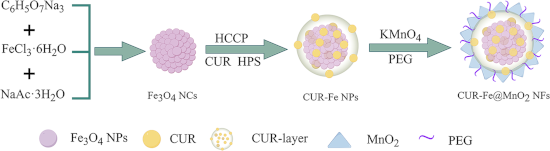
- been developed based on the abnormal physiological signals in the tumor microenvironment (TME), such as a low pH, high glutathione (GSH) levels, hypoxia, and the expression of specific enzymes [21]. Such intelligent nanoparticles (NPs) have successfully improved the solubility and distribution of CUR


Exploring the relationships between physiochemical properties of nanoparticles and cell damage to combat cancer growth using simple periodic table-based descriptors
Beilstein J. Nanotechnol. 2024, 15, 297–309, doi:10.3762/bjnano.15.27
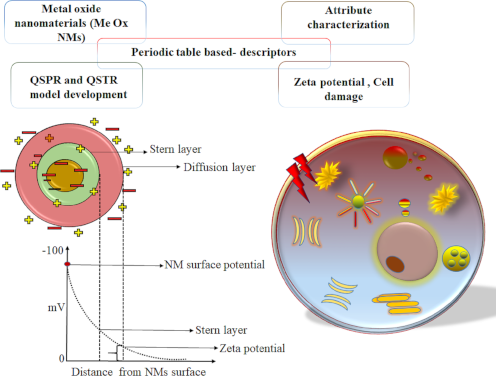
- systems. Metal NPs can lead to greater signal amplification, greater sensitivity, and higher detection. However, NPs with properties that generate ROS can increase cell damage. In cancer cells, rapid proliferation leads to an imbalance of oxygen, abnormal structure, and blood supply, making the tumor
- microenvironment (TME) prone to hypoxic conditions [46]. Insufficient oxygen reduces ROS generation, which decreases the efficacy of oxygen-dependent therapies, such as photodynamic therapy (PDT), chemodynamic therapy (CDT), and radiation therapy. The information derived from the positive contribution of the


Vinorelbine-loaded multifunctional magnetic nanoparticles as anticancer drug delivery systems: synthesis, characterization, and in vitro release study
Beilstein J. Nanotechnol. 2024, 15, 256–269, doi:10.3762/bjnano.15.24
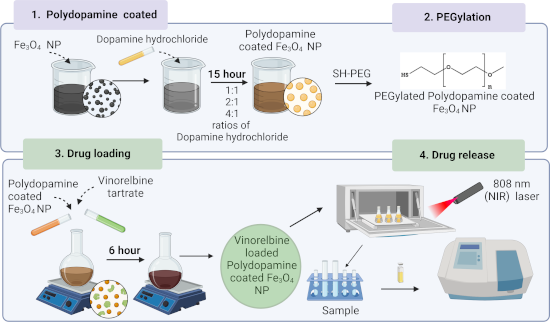
- appropriate sizes exhibited controlled drug release capabilities. Thus, a controlled drug delivery system was established using VNB/PDA/Fe3O4 NPs, which exhibited high release at the tumor microenvironment pH 5.5 for potential application in cancer treatment. The impact of polymer thickness on drug release
- release, VNB/PDA/Fe3O4 NPs were examined over a period of 50 h in acidic citrate buffer at pH 5.5 to simulate the tumor microenvironment. The NPs were also studied in pH 7.4 PBS to ascertain the drug release profile. The cumulative drug release rates (%) for VNB/PDA/Fe3O4 NPs (1:1, 2:1, and 4:1) are
- effect, thereby enhancing its efficacy in cancer treatment. Furthermore, our findings underscore the pivotal roles played by polymer thickness, the acidic tumor microenvironment, and NIR laser irradiation in the drug release process. Notably, the application of a NIR laser in conjunction with the acidic


Nanotechnology – a robust tool for fighting the challenges of drug resistance in non-small cell lung cancer
Beilstein J. Nanotechnol. 2023, 14, 240–261, doi:10.3762/bjnano.14.23
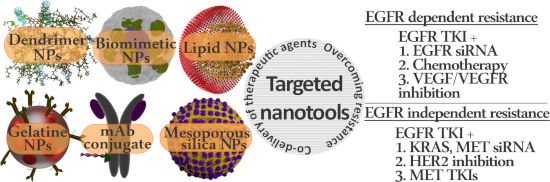
- nanosized drug delivery carriers: Mixed-layer and multilayered nanocarriers with bioresponsive and cleavable layers, possessing different functional properties for improving the enhanced permeability and retention (EPR) effect, diffusion in the tumor microenvironment, cellular internalization and
- targeted delivery may bring improvements in the efficacy of anticancer drugs and may aid in elucidating the beneficial synergistic combinations regarding lung cancer subtype treatment. Nanomedicines have the potential for (i) multivalent targeting and co-delivery of agents to endothelial cells, tumor
- microenvironment, and tumor cells, (ii) delivering large payloads of active substances with different physicochemical properties, such as small-molecular drugs and siRNA, to the site of action, and (iii) limiting drug resistance [91]. Nanotherapy can change the landscape of clinical lung cancer treatment by


Orally administered docetaxel-loaded chitosan-decorated cationic PLGA nanoparticles for intestinal tumors: formulation, comprehensive in vitro characterization, and release kinetics
Beilstein J. Nanotechnol. 2022, 13, 1393–1407, doi:10.3762/bjnano.13.115
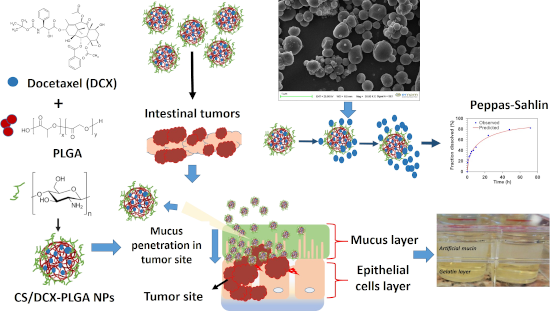
- its polymeric protective structure, with the help of some modifications such as surface modifications, it allows the nanoformulation to exhibit locally higher concentrations in the colon [13][14][16][17][18]. Physiologically specific factors in the tumor microenvironment, such as increased negatively


Self-assembly of amino acids toward functional biomaterials
Beilstein J. Nanotechnol. 2021, 12, 1140–1150, doi:10.3762/bjnano.12.85
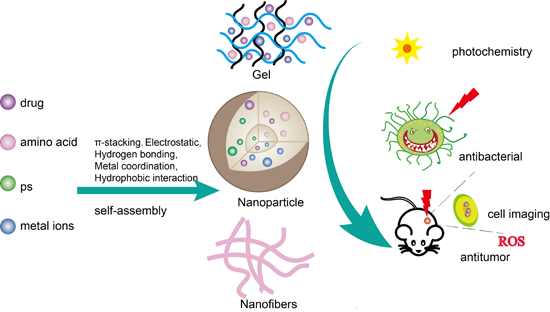
- ]. Therefore, it is necessary to develop an encapsulation system to improve the bioavailability of curcumin in the tumor microenvironment in order to achieve effective delivery of curcumin and improve the therapeutic effect [74]. Li et al. [75] dissolved 9-Fmoc-ʟ-histidine (Fmoc-H) in hexafluoropropofol or

Use of nanosystems to improve the anticancer effects of curcumin
Beilstein J. Nanotechnol. 2021, 12, 1047–1062, doi:10.3762/bjnano.12.78
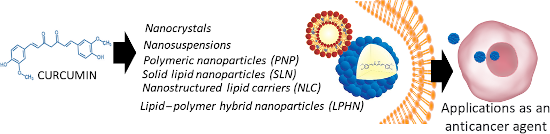
- subcellular anticancer therapies which carry the drug and better focus it on the intended target. They are also able to contain molecules that respond to endogenous (tumor microenvironment, including redox potential, pH, enzymes, ions, or biomolecules) and/or exogenous stimuli (light, electromagnetic fields
- characteristic of the tumor microenvironment (pH 6.5) and subcellular endosomes (pH 5.0). Regarding its apoptotic effects, a high anticancer activity was found when assayed against a breast cancer cell line (MDA-MB-231), an effect that was accompanied by an enhanced cellular uptake in cells that overexpressed


Comprehensive review on ultrasound-responsive theranostic nanomaterials: mechanisms, structures and medical applications
Beilstein J. Nanotechnol. 2021, 12, 808–862, doi:10.3762/bjnano.12.64
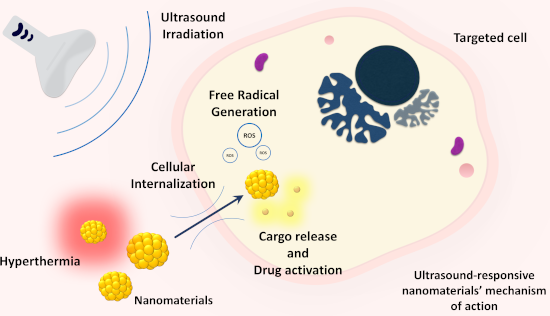
- ]. Microbubbles have also been employed as carriers of O2 into the tumor microenvironment. An oxygen-loaded lipid-coated preparation of MBs with mixed gas (O2/C3F8 5:1 v/v) increases the PO2 of the tumor tissue almost six-fold compared with untreated tissue after exposure to US [206]. Aliabouzar et al


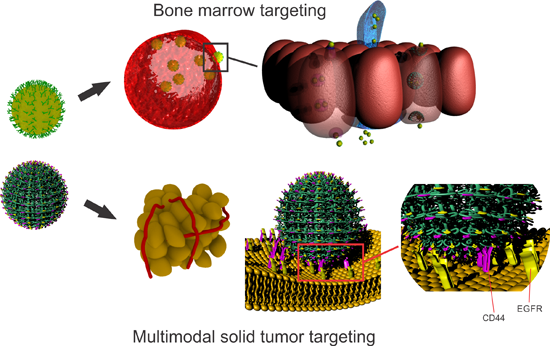
The impact of molecular tumor profiling on the design strategies for targeting myeloid leukemia and EGFR/CD44-positive solid tumors
Beilstein J. Nanotechnol. 2021, 12, 375–401, doi:10.3762/bjnano.12.31


Rational design of block copolymer self-assemblies in photodynamic therapy
Beilstein J. Nanotechnol. 2020, 11, 180–212, doi:10.3762/bjnano.11.15
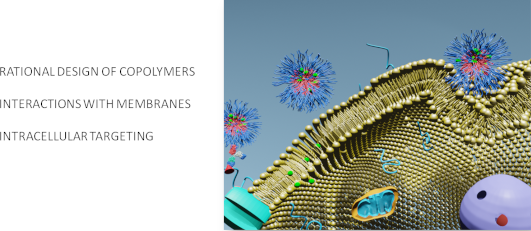
- dedicated section. In the following, we will focus on responsive photosensitizer-loaded nanosystems. In such nanosystems, characteristic properties of the tumor microenvironment (endogenous trigger) or an external trigger can act as a stimulus and bring a structural modification of the block copolymer