Innovative nanomaterials for next-generation bio- and chemosensing

Editors:
Assoc. Prof. Thanh-Danh Nguyen, Vietnam Academy of Science and Technology, Vietnam
Prof. Duong Tuan Quang, Hue University, Vietnam
Prof. Olga Guliy, Institute of Biochemistry and Physiology of Plants & Microorganisms, RAS, Russian Federation
Nanomaterials have emerged as key enablers in the development of advanced sensing technologies, offering unique physicochemical properties which significantly enhance sensitivity, selectivity, and response time in environmental monitoring systems. Recent progress in rapid, low-cost fabrication techniques (e.g. microwave-, ultrasound-, and laser-assisted synthesis) has further accelerated the scalable production of functional nanomaterials suitable for real-world sensing applications. These advances open new opportunities for designing next-generation sensing platforms that integrate nanomaterials with emerging technologies, including smart portable devices and data-driven analytical systems. In this context, there is a growing need to explore innovative nanomaterial-based strategies that push the boundaries of modern bio- and chemosensing, enabling highly efficient, robust, and field-deployable sensing solutions.
We encourage original research articles as well as review and perspective articles that are related to both fundamental and application (but not limited) to the following topics:
- Advanced synthesis strategies for nanomaterials in analytical applications
- Surface engineering and functionalization for targeted sensing performance
- Machine learning and AI–assisted analytical technologies
- Surface-Enhanced Raman Scattering (SERS)–based detection
- Smart colorimetric sensing platform
- Fluorescence-based analytical detection systems
- Nanomaterials for electrical and electrochemical analysis
- Nanomaterials for gas sensing applications
- Electronic properties of organometallic nanomaterials
- Nanomaterials for bio-sensing technologies
This scope aims to promote interdisciplinary advances at the interface of materials science, analytical chemistry, biosensing, and emerging digital technologies.
Submission deadline: December 30, 2026
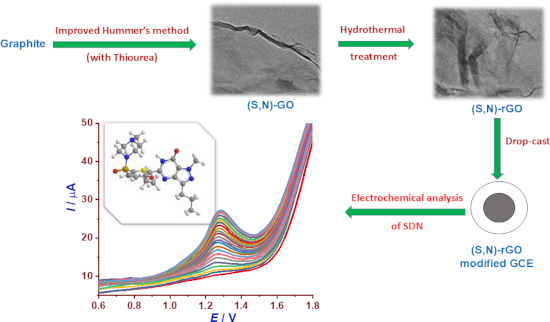
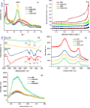
Electrochemical sensing of sildenafil in pharmaceutical formulations using an (S,N)-doped reduced graphene oxide-modified electrode
- Nguyen Quang Man,
- Ngo Thi Thanh Xuan,
- Vo Thi Khanh Ly,
- Le Van Thanh Son,
- Le Duc Anh,
- Le Thi Hong Phong,
- Nguyen Hai Phong,
- Pham Khac Lieu,
- Le Lam Son and
- Dinh Quang Khieu
Beilstein J. Nanotechnol. 2026, 17, 1087–1102, doi:10.3762/bjnano.17.74

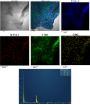


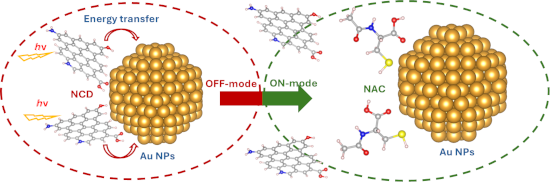
Synthesis of carbon dot-mediated gold nanostructures: experimental and quantum chemical insights into turn-on fluorescence sensing of N-acetylcysteine
- Thuy-Huong Nguyen,
- Van-Nghia Nguyen,
- Ha Thi Thu Nguyen,
- Ha Ngoc Nguyen,
- Anh Duc Nguyen,
- Tuyen Viet Nguyen and
- Truong Xuan Nguyen
Beilstein J. Nanotechnol. 2026, 17, 1103–1116, doi:10.3762/bjnano.17.75


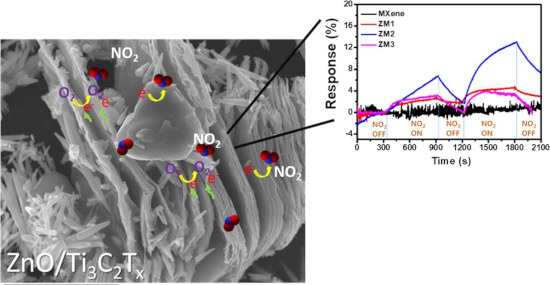
Room-temperature NO2 sensing performance of ZnO/Ti3C2Tx heterojunctions
- Ngo Thi Chau,
- Quoc Vinh Ho,
- Dai Hai Nguyen,
- Phan Khanh Thinh Nguyen and
- Qui Thanh Hoai Ta
Beilstein J. Nanotechnol. 2026, 17, 1159–1169, doi:10.3762/bjnano.17.79





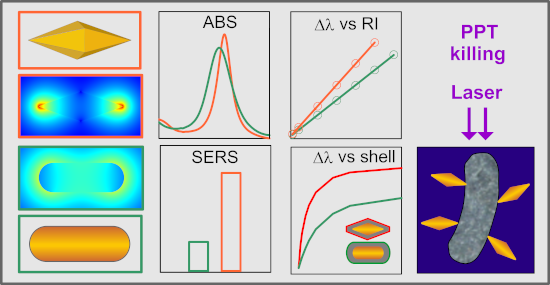
Gold bipyramids as a promising alternative to gold nanorods for analytical and biomedical applications
- Andrey M. Burov,
- Sergey V. Zarkov,
- Arina V. Drozd,
- Igor V. Borisov,
- Elena G. Zavyalova and
- Nikolai G. Khlebtsov
Beilstein J. Nanotechnol. 2026, 17, 1170–1184, doi:10.3762/bjnano.17.80