Search results
Search for "receptors" in Full Text gives 319 result(s) in Beilstein Journal of Organic Chemistry. Showing first 200.
Synthesis of novel 1,2,4-oxadiazole-isoxazoline hybrids and their in silico potential with adenosine receptors
Beilstein J. Org. Chem. 2026, 22, 1033–1047, doi:10.3762/bjoc.22.82
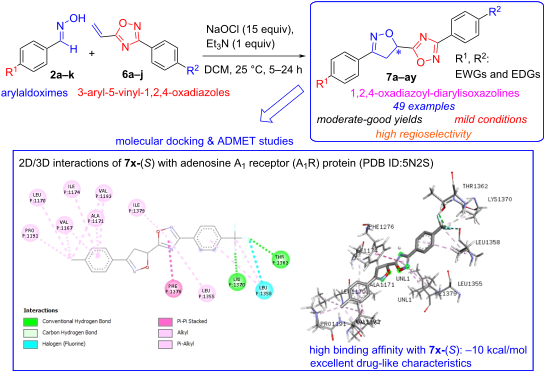
- amide functional groups [1][2][3][4][5]. 1,2,4-Oxadiazole derivatives interact with various receptors as agonists or antagonists, demonstrating a wide spectrum of biological activities including anti-inflammatory, anticancer, antidepressant, anti-HIV, antifungal, and anticonvulsant properties [6][7][8
- ][63]. Adenosine receptors are key players in diverse physiological systems. The A1 and A2A subtypes are vital for managing heart function – specifically myocardial oxygen demand and coronary blood flow – and A2A receptors additionally play a crucial role in reducing systemic inflammation [62]. Beyond
- these peripheral roles, both receptors are key regulators of neurotransmitter activity, particularly concerning dopamine and glutamate levels in the brain. [63][64][65][66]. In contrast, the A2B and A3 receptors are mainly found in peripheral tissues, where they are central to immune and inflammatory


Rh(III)-catalyzed chelation-assisted C–H activation/annulation of 2-arylimidazolines with cyclic diazo-1,3-dicarbonyl compounds: a novel approach to tetracyclic annulated derivatives of 2,3-dihydroimidazo[2,1-a]isoquinoline
Beilstein J. Org. Chem. 2026, 22, 997–1003, doi:10.3762/bjoc.22.78
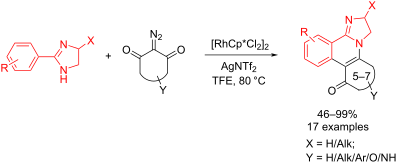
- for the creation of more potent medications and the hunt for novel biologically active compounds. One important group of these are imidazoline derivatives since they are well known as pharmacophores [1] for adrenergic and imidazoline receptors. Imidazolines have found utility in the development of


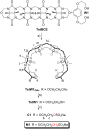
Novel macrocycles: from synthesis to supramolecular function
Beilstein J. Org. Chem. 2026, 22, 982–985, doi:10.3762/bjoc.22.76
- biological receptors. Their well-defined cavities, reminiscent of enzymatic active sites, provide an ideal environment for multiple noncovalent interactions with guest molecules, thereby enhancing binding affinity and recognition selectivity [1][2][3][4]. Between 1980 and 2000, calixarenes [5][6
- ], resorcinarenes [7], and cucurbiturils [8] emerged as some of the most extensively investigated classes of macrocyclic hosts. Their widespread popularity was driven by their straightforward functionalization and unique structural properties. In contrast to first-generation receptors, such as crown ethers [2
- macrocycles: from synthesis to supramolecular function”. The aim of this collection is to highlight recent advances in the design, synthesis, and functional applications of macrocyclic supramolecular receptors. The issue opens with the work of Isaacs and co-workers [33], who report the synthesis of a new
Site-specific labelling of native peptides and proteins: chemical and enzymatic strategies
Beilstein J. Org. Chem. 2026, 22, 857–881, doi:10.3762/bjoc.22.67
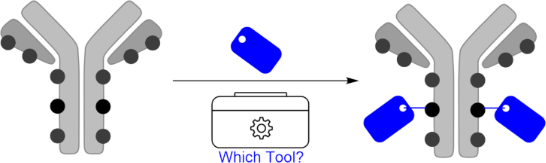
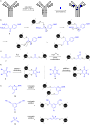
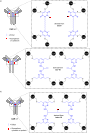
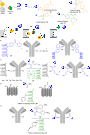
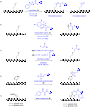
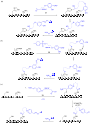
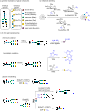
- 4-dimethylaminopyridine-containing binder 20, in which dimethylaminopyridine (DMAP) acts as nucleophilic base catalyst mediating acyl cation transfer, that was successfully applied to label lectins and cell-surface receptors (HER2 and EGFR; Scheme 7d) [62][63]. More recently, genetic code expansion








Design, synthesis, and biological evaluation of FXR/ASK1 dual-target modulators
Beilstein J. Org. Chem. 2026, 22, 771–781, doi:10.3762/bjoc.22.59
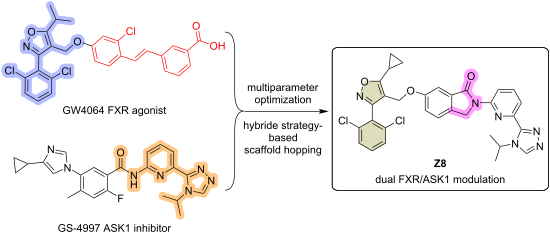
- study, we present the rational design and characterization of a balanced dual modulator targeting the nuclear receptors FXR and ASK1 [32], with the objective of advancing this experimental therapeutic concept (Scheme 3) [33][34]. The conception of this class of dual ligands was achieved by the merging


Synthesis and biological evaluation of new brassinosteroid analogs with C-22 benzoate function
Beilstein J. Org. Chem. 2026, 22, 753–762, doi:10.3762/bjoc.22.57
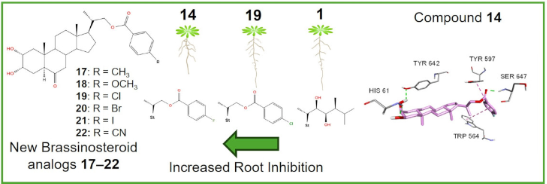
- fraction of the whole exogenous applied BRs effectively reaches the receptors and once bound, the active form can result in a positive or negative feedback on its own biosynthesis, adding an additional level of regulatory complexity. For these reasons, establishing a direct correlation between one of the


Design and synthesis of an erdafitinib-based selective FGFR2 degrader
Beilstein J. Org. Chem. 2026, 22, 583–591, doi:10.3762/bjoc.22.44
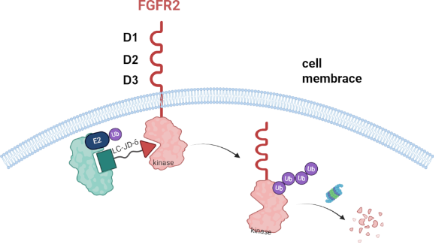
- ; FGFR2; selective degrader; Introduction Fibroblast growth factor receptors (FGFR) are a family of single-pass transmembrane receptor tyrosine kinases (RTKs) localized on the cell surface that bind to fibroblast growth factors [1][2][3]. Dimerization and autophosphorylation of FGFRs are induced by their

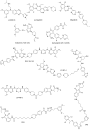

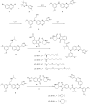
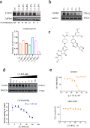

Synthesis and uranyl(VI) extraction performance of a calix[4]pyrrole–tetrahydroxamic acid receptor
Beilstein J. Org. Chem. 2026, 22, 486–494, doi:10.3762/bjoc.22.36
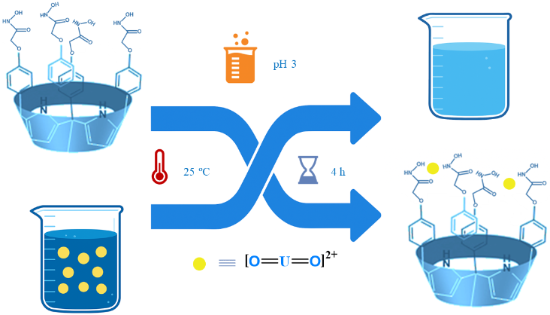
- for their anion chelation capability achieved through the formation of hydrogen bonds with the pyrrolic units [19][20][21][22]. Subsequent studies have demonstrated that the introduction of additional chelation sites via extension of the phenolic groups of PCP can yield anionic receptors, ditopic
- receptors bearing both anion- and cation-binding sites, as well as systems capable of promoting ion-pair formation [23][24]. As effective chelating agents for a broad range of transition metals, hydroxamic acids constitute an important class of organic compounds that have attracted considerable attention


Design, synthesis and biological evaluation of 2,5-diaryloxazolo[4,5-d]pyrimidin-7-ylamines as selective cytotoxic agents against HeLa cells
Beilstein J. Org. Chem. 2026, 22, 390–398, doi:10.3762/bjoc.22.27
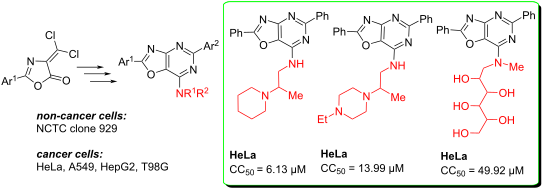
- activity. They combine purine-like recognition features with the synthetic flexibility of heterocycles, offering a platform for selective targeting of tumor-related enzymes and receptors. Tumor cells overexpress kinases, DNA/RNA polymerases, and metabolic enzymes that bind purine nucleotides. Cancer cell
- the human body could be realized and are presented in Table 5. According to Table 5, compound 1 is expected to interact with three nucleic acid receptors and three stress signaling pathways with high probability. However, the cytotoxicity of compounds 7 and 9 is likely not due to interactions with the
- supported by virtual assay results indicating low human toxicity, low probability of interaction with receptors in the Tox21 pathways, very weak substrate specificity for Pgp, very low likelihood of oxidative metabolism, and inability of compound 9 to cross the blood–brain barrier. Hence, according to the


Highly electrophilic, gem- and spiro-activated trichloromethylnitrocyclopropanes: synthesis and structure
Beilstein J. Org. Chem. 2026, 22, 123–130, doi:10.3762/bjoc.22.5
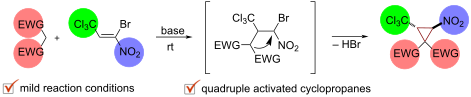
- groups seems attractive for both theoretical chemistry and the synthesis of 2-aminocyclopropanecarboxylic acids, of which representatives have biologically active properties against kynurenine-3-monooxygenase [25] and GABA receptors [26]. Such aminocyclopropane derivatives can be classified as donor


Silica gel with covalently attached bambusuril macrocycle for dicyanoaurate sorption from water
Beilstein J. Org. Chem. 2025, 21, 2604–2611, doi:10.3762/bjoc.21.201
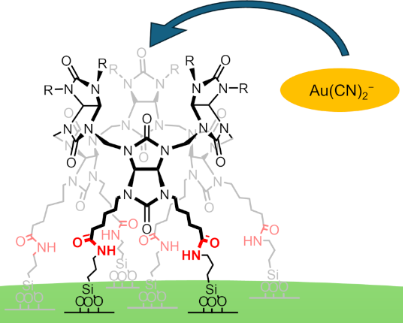
- ]. In the field of anion extraction, there is growing interest in solid-phase substrates functionalized with synthetic macrocyclic receptors. These materials employ a supramolecular approach based on specific host–guest interactions between the immobilized macrocycle and the guest in solution, often
- [10]. Although synthetic anion receptors have attracted increasing attention in the field of supramolecular chemistry, there are still relatively few reports of materials that employ macrocyclic receptors to recognize and selectively bind anionic species specifically in aqueous environments. For
- -sized” molecular box has been used to extract various anions from water [12]. Another family of macrocyclic compounds suitable for anion recognition and binding are bambusurils (BUs). BUs act as very potent anion receptors in both organic solvents and water. Furthermore, their portals can be variously


Total syntheses of highly oxidative Ryania diterpenoids facilitated by innovations in synthetic strategies
Beilstein J. Org. Chem. 2025, 21, 2553–2570, doi:10.3762/bjoc.21.198
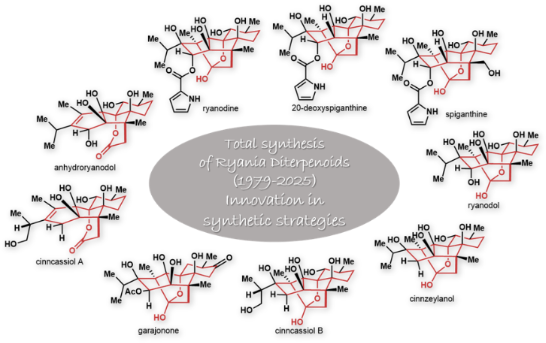
- ) exhibits high specificity and regulatory effects on ryanodine receptors (RyRs) [19][20]. It is among the few small organic molecules identified to date that can modulate these receptors. Dysfunctions of RyRs are closely associated with various diseases: mutations in RyRs can cause genetic disorders such as
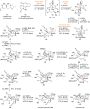
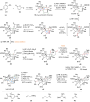
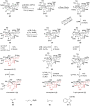
- core, successfully completing the first asymmetric total synthesis of ryanodol (4) in 41 steps. To elucidate the role of the C15 hemiacetal hydroxy group in ryanodine (1)-type diterpenoid natural products in binding to ryanodine receptors, the authors initially proposed reducing the lactone moiety in
- intramolecular oxa-bridged ring, culminating in the first total synthesis of 3-epi-ryanodol (5) and 3-epi-ryanodine (30). The subsequent biological evaluation revealed that 30 possesses only 1% of the affinity of ryanodine (1) for ryanodine receptors (RyRs). Inoue’s total synthesis of ryanodine, ryanodol, 3-epi







Synthesis and characterization of a isothiouronium-calix[4]arene derivative: self-assembly and anticancer activity
Beilstein J. Org. Chem. 2025, 21, 2535–2541, doi:10.3762/bjoc.21.195
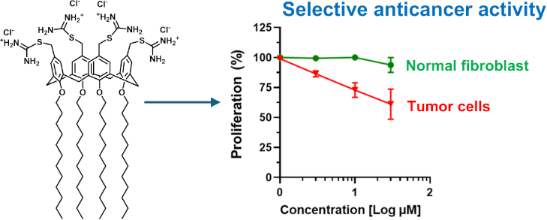
- class of interest in the search for new chemotherapeutic agents. They are known inhibitors of protein kinase C [40] and agonists of the GABA-type [41] and histamine-H3 receptors [42]. S-Allylic isothiouronium salts substituted with aliphatic groups have shown to combine high antitumor activity against


Transformation of the cyclohexane ring to the cyclopentane fragment of biologically active compounds
Beilstein J. Org. Chem. 2025, 21, 2416–2446, doi:10.3762/bjoc.21.185
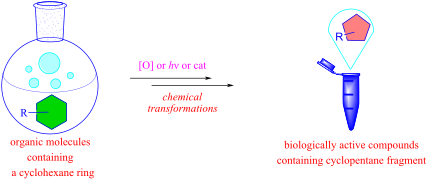
- of cyclopentane derivatives, promising for the synthesis of iridoids and compounds, that stimulate the formation of receptors that prevent platelet aggregation [75]. The derivatives of the Diels–Alder adduct of LG and piperylene, keto epoxide 146 and its analogue 152 lacking the spiro-fused


Conformational effects on iodide binding: a comparative study of flexible and rigid carbazole macrocyclic analogs
Beilstein J. Org. Chem. 2025, 21, 2369–2375, doi:10.3762/bjoc.21.181
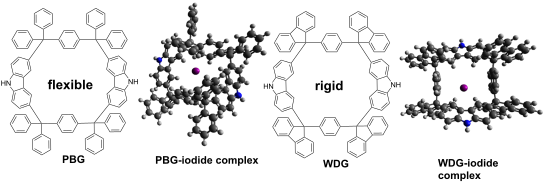
- fluorescence quenching efficiency upon iodide binding compared to the rigid WDG (KPBG/KWDG = 22.78), demonstrating its potential as a highly sensitive optical probe and offering a novel strategy for engineering dynamic supramolecular receptors. Two carbazole-based macrocyclic probes, PBG (flexible benzene ring
- interplay between conformational dynamics and localized structural adaptations governing anion recognition. The findings advance the rational design of tunable, high-affinity anion receptors and deepen the understanding of conformational regulation in supramolecular systems. Keywords: anion recognition
- . This experiment supports a 1:1 stoichiometric binding between the guest TBAI and the host PBG in CDCl3. Then, the binding affinity of the two receptors to iodine ions was further studied, and the changes of UV–visible absorption and fluorescence spectra of the two receptors to anions in CHCl3 were



Insoluble methylene-bridged glycoluril dimers as sequestrants for dyes
Beilstein J. Org. Chem. 2025, 21, 2302–2314, doi:10.3762/bjoc.21.176
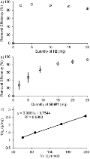
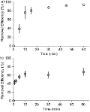
- -type receptors (e.g., H2) and studied their use as sequestrants for organic micropollutants [39]. In this paper, we extend this line of inquiry toward the use of the water-insoluble glycoluril dimer-derived acyclic CB[n] as sequestrants for dyes. Results and Discussion This Results and Discussion
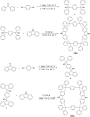
- discern the effect of smaller aromatic sidewalls. The synthesis of acyclic CB[n]-type receptors follows a building block approach involving the reaction of a glycoluril bis(cyclic) ether with an activated aromatic wall by a double electrophilic aromatic substitution process [30]. Scheme 2 shows the
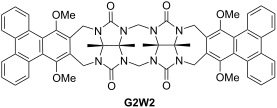
- insoluble in water as required for their use as solid state sequestrants. Unlike most acyclic CB[n]-type receptors, G2W1–G2W4 are soluble in organic solvents (G2W1 and G2W2: soluble in CHCl3, CH2Cl2, DMSO, and TFA but insoluble in methanol, acetone, acetonitrile, and hexane; G2W3: soluble in DMSO and TFA



Thiadiazino-indole, thiadiazino-carbazole and benzothiadiazino-carbazole dioxides: synthesis, physicochemical and early ADME characterization of representatives of new tri-, tetra- and pentacyclic ring systems and their intermediates
Beilstein J. Org. Chem. 2025, 21, 2220–2233, doi:10.3762/bjoc.21.169
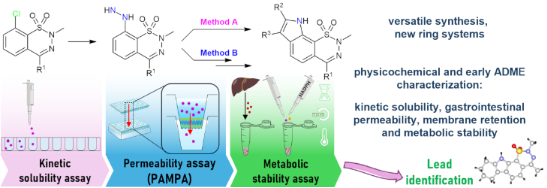
- risk, as the strongly bound compounds affect membrane integrity, thus influencing the conformation of receptors and possibly causing side effects. As the outcome of pharmacokinetic characterization, lead-likeness was interpreted in Table 2 and Table 3, considering kinetic solubility, GI PAMPA


Photoswitches beyond azobenzene: a beginner’s guide
Beilstein J. Org. Chem. 2025, 21, 1808–1853, doi:10.3762/bjoc.21.143
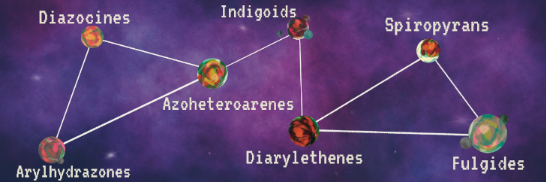
- the protein-binding site than the bent Z-isomer. However, it would be more desirable to have an inactive molecule in its most stable state which can be activated by irradiation [51][59]. Hernando and co-workers were able to design photoswitchable neurotransmitters of ionotropic kainate receptors by




Research progress on calixarene/pillararene-based controlled drug release systems
Beilstein J. Org. Chem. 2025, 21, 1757–1785, doi:10.3762/bjoc.21.139
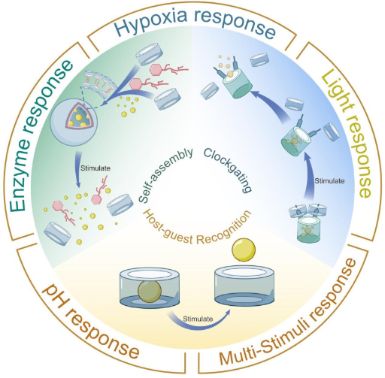
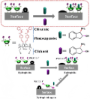
- [52]. The key design features are: 1) The mannose groups at the upper rim confer specific recognition ability for cancer cell surface receptors; 2) The hydrophobic core formed by the alkyl chains at the lower rim and the hydrogen-bonding network constructed by the thiourea unit can efficiently
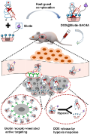
- and azo linkages deepened the cavity and enhanced the interaction strength with drugs. The biotin on the upper rim endows biotin-SAC4A with the ability to actively target tumor cells based on the interaction between biotin and biotin receptors, thereby improving antitumor efficacy. DOX@biotin-SAC4A






Approaches to stereoselective 1,1'-glycosylation
Beilstein J. Org. Chem. 2025, 21, 1700–1718, doi:10.3762/bjoc.21.133
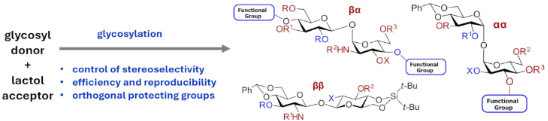
- , the chemical synthesis of thiotrehalose analogs [116][117] provides a versatile tool for the construction of therapeutically relevant ligands or inhibitors of carbohydrate-specific innate immune receptors. Synthetic thiodigalactosides and their derivatives have been identified as selective inhibitors


Formal synthesis of a selective estrogen receptor modulator with tetrahydrofluorenone structure using [3 + 2 + 1] cycloaddition of yne-vinylcyclopropanes and CO
Beilstein J. Org. Chem. 2025, 21, 1639–1644, doi:10.3762/bjoc.21.127
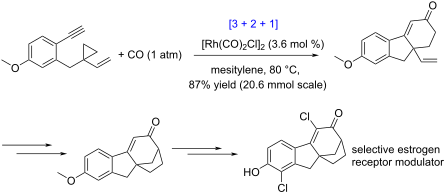
- the 6/5/5 skeleton, and a Heck coupling reaction constructing the [3.2.1] framework, are the two key reactions in this 11-step synthesis. Keywords: [3 + 2 + 1] cycloaddition; selective estrogen receptor modulators; synthesis; tetrahydrofluorenone; Introduction Estrogen receptors (ERs) [1][2] are
- widely distributed nuclear receptor proteins and include two subtypes, ERα [3][4] and ERβ [5][6]. These receptors can bind 17β-estradiol with similar affinity, facilitating the transfer of estrogen to various tissues in the body. Due to this, 17β-estradiol as non-selective ligand has been extensively


A versatile route towards 6-arylpipecolic acids
Beilstein J. Org. Chem. 2025, 21, 1104–1115, doi:10.3762/bjoc.21.88
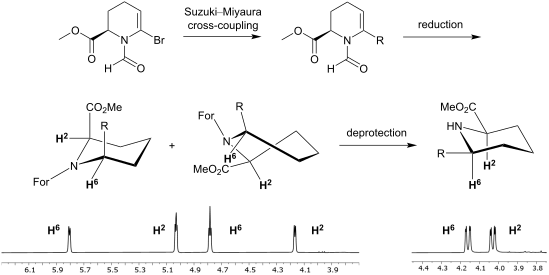
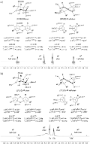
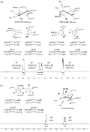
- important role as building blocks for peptide synthesis [1][2][3][4][5], as organocatalysts [6][7][8][9][10] and as enzyme inhibitors [4][11][12][13]. The incorporation of such amino acids into peptides can, for example, influence peptide conformation, the binding affinity to receptors [14], as well as





Dicarboxylate recognition based on ultracycle hosts through cooperative hydrogen bonding and anion–π interactions
Beilstein J. Org. Chem. 2025, 21, 884–889, doi:10.3762/bjoc.21.72
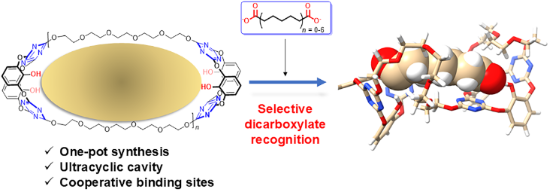
- cellular metabolism; they regulate the activity of numerous enzyme receptors, and serve as intermediates in the synthesis of more complex biomolecules [21]. However, excessive consumption or production, as well as insufficient clearance of dicarboxylates, can lead to various health problems [22
- importance. Despite the development of a number of receptors for dicarboxylates [21][26][27], their recognition remains a challenging task due to their strong hydrophilicity (−400 kJ/mol) [28][29], dispersed negative charges at both ends, complex shapes, and flexible conformations. Moreover, the similar


Unraveling cooperative interactions between complexed ions in dual-host strategy for cesium salt separation
Beilstein J. Org. Chem. 2025, 21, 845–853, doi:10.3762/bjoc.21.68

- separation [4][5][6][7][8]. Building on the extensive research into anion and cation receptors within the realm of supramolecular chemistry [9][10][11][12], numerous heteroditopic ion-pair receptors have been elaborately developed [13][14][15]. These receptors, consisting of binding sites for both anions and
- cations within a single molecule, have facilitated advancements in ion-pair recognition. This progress has led to the development of ion separation utilizing ion-pair receptors [16][17][18][19][20], which eliminate the need for auxiliary reagents to balance overall charges compared to the use of
- individual anion or cation receptors [21]. An alternative approach for ion separation involves the combination of an anion receptor and a cation receptor, known as the dual-host strategy [22][23][24]. Unlike ion-pair receptors, this strategy avoids the intricate, multi-step synthesis required for designing


Acyclic cucurbit[n]uril bearing alkyl sulfate ionic groups
Beilstein J. Org. Chem. 2025, 21, 717–726, doi:10.3762/bjoc.21.55
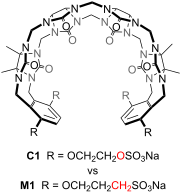
- are acyclic CB[n]-type receptors which have been extensively studied by our lab and others over the past decade [42][43][44][45][46][47][48][49][50][51][52]. Figure 1 shows the chemical structure of the prototypical acyclic CB[n]-type known as M1 [53][54]. M1 features a central glycoluril tetramer
- modular synthesis, acyclic CB[n] can be easily modified synthetically [42][43][44][45][46][47][61]. Acyclic CB[n]-type receptors featuring different length glycoluril oligomers (monomer–pentamer) and different aromatic walls (e.g., naphthalene, anthracene, triptycene) have been studied [42][62][63][64][65
- chemical shift (Δδ) for C1·guest. As the central hydrophobic binding domain of the guests we selected alkylene, p-xylylene, cyclohexane, and adamantane moieties that are known to bind well to (acyclic) CB[n] receptors [71][72][73]. The cross-sectional area of this hydrophobic moiety increases as follows