Search results
Search for "Penicillium" in Full Text gives 42 result(s) in Beilstein Journal of Organic Chemistry.
Volatiles from three genome sequenced fungi from the genus Aspergillus
Beilstein J. Org. Chem. 2018, 14, 900–910, doi:10.3762/bjoc.14.77
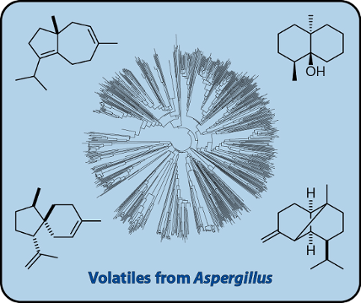
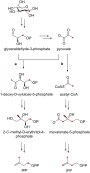
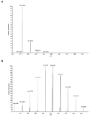
- productive and biosynthetically exceptionally creative source of secondary metabolites from all classes of natural products. Many prominent compounds such as lovastatin from Aspergillus terreus [1] or the penicillin antibiotics from Penicillium [2] are used for human wellfare, whilst others including

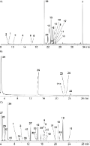

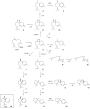


Electrochemical Corey–Winter reaction. Reduction of thiocarbonates in aqueous methanol media and application to the synthesis of a naturally occurring α-pyrone
Beilstein J. Org. Chem. 2018, 14, 547–552, doi:10.3762/bjoc.14.41
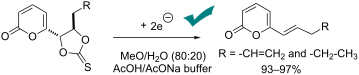
- -(pent-1-enyl)-α-pyrone and trans-6-(pent-1,4-dienyl)-α-pyrone, which are naturally occurring metabolites isolated from Trichoderma viride and Penicillium, in high chemical yield and with excellent stereo selectivity. Keywords: Corey–Winter reaction; electrosynthesis; 6-pentyl-2H-pyran-2-ones; reduction
- 1–3 was reported by our research group [7]. These molecules proved to be enantiomers of metabolites isolated from Trichoderma spp and Penicillium isolates. Unfortunately, our efforts for obtaining the natural metabolite trans-6-(pent-1-enyl)-α-pyrone (5) (isolable from Trichoderma viride [8]) via a
- , N2 bubbling 5 min, WE = vitreous carbon, CE = Pt wire, RE = Ag/AgCl in MeO/H2O (80:20) in AcOH/AcONa buffer 0.5 M media. The Corey–Winter reaction in general. Proposed route for the synthesis of metabolites isolated from Trichoderma and Penicillium species from 7,3-LXF. Preparation of thiocarbonate


Volatiles from the tropical ascomycete Daldinia clavata (Hypoxylaceae, Xylariales)
Beilstein J. Org. Chem. 2018, 14, 135–147, doi:10.3762/bjoc.14.9
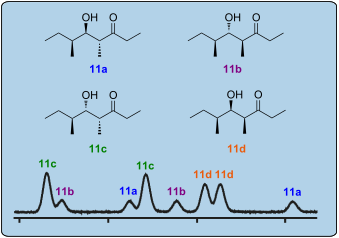
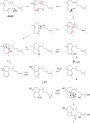
- biocontrol agents [6]. On the contrary, fungi can also produce mycotoxins, which must be excluded for their safe usage in agricultural biocontrol. Some volatiles, especially terpenes, point to the production of certain toxins in fungi, e.g., aristolochene (3) is the precursor of PR toxin in Penicillium




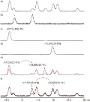


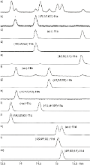

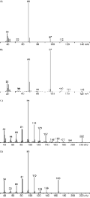

Herpetopanone, a diterpene from Herpetosiphon aurantiacus discovered by isotope labeling
Beilstein J. Org. Chem. 2017, 13, 2458–2465, doi:10.3762/bjoc.13.242
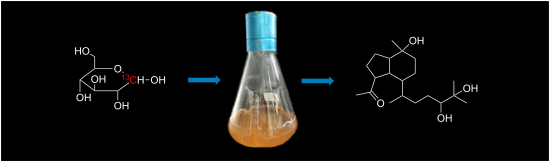
- performed as previously described [27]. The test organisms included Bacillus subtilis ATCC 6633, Staphylococcus aureus SG 511, Mycobacterium vaccae IMET 10670, Escherichia coli SG 458, Pseudomonas aeruginosa K 799/61, Sporobolomyces salmonicolor SBUG 549, Candida albicans ATCC 14053 and Penicillium notatum


Synthesis of 1-indanones with a broad range of biological activity
Beilstein J. Org. Chem. 2017, 13, 451–494, doi:10.3762/bjoc.13.48
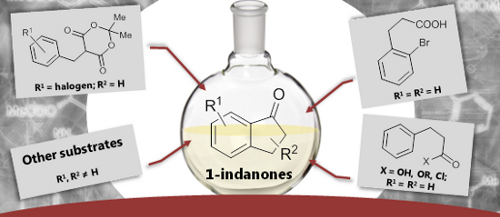
- antibacterial activity against Escherichia coli and Bacillus subtilis, and antifungal activity against Aspergillus niger and Penicillium notatum. Among the synthesized series of 1-indanone derivatives 64, the highest antibacterial activity was exhibited by derivatives 64k and 64l, whereas the most potent


Biosynthesis of α-pyrones
Beilstein J. Org. Chem. 2016, 12, 571–588, doi:10.3762/bjoc.12.56
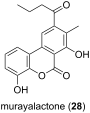
- kill their prey [45][46]. Fusapyrone (32) and the derivative deoxyfusapyrone (33) had been isolated from Fusarium semitectum [39]. These compounds show considerable antifungal activity, e.g., a minimum inhibitory concentration against Botrytis cinerea, Aspergillus parasiticus, and Penicillium brevi






Natural products from microbes associated with insects
Beilstein J. Org. Chem. 2016, 12, 314–327, doi:10.3762/bjoc.12.34
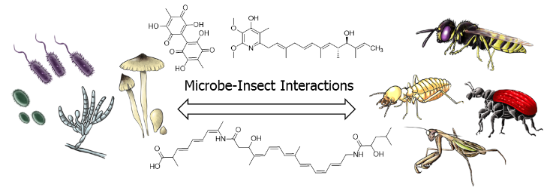
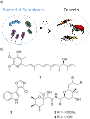
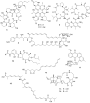
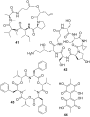
- -rolling weevil Euops chinensis (Attelabidae) undergoes a protofarming symbiosis with the polysaccharide-degrading Penicillium herquei (family Trichocomaceae), which is planted on leave roles containing eggs and larvae to protect the offspring. P. herquei was shown to produce the antibiotic polyketide





Encapsulation of biocides by cyclodextrins: toward synergistic effects against pathogens
Beilstein J. Org. Chem. 2014, 10, 2603–2622, doi:10.3762/bjoc.10.273
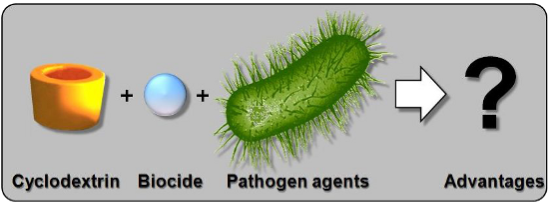
- activity of the 1:1 inclusion complex against Penicillium digitatum and P. italicum [48]. The freshly prepared enilconazole–β-CD complex was as effective as free imazalil. However, after 4 days, the enilconazole–β-CD complex was more effective against the considered microorganisms. The authors proposed


Application of cyclic phosphonamide reagents in the total synthesis of natural products and biologically active molecules
Beilstein J. Org. Chem. 2014, 10, 1848–1877, doi:10.3762/bjoc.10.195
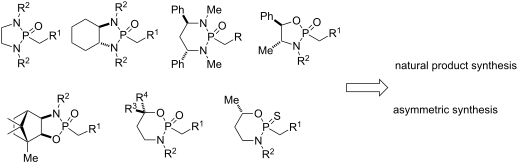
- and 51 µM, respectively) [60][61][124]. Berkelic acid (2009) Berkelic acid (15) (Figure 10) is a spiroketal isolated from a fungus of the Penicillium species that grows in an unusual and harsh environment, Berkeley Pit Lake, an abandoned open-pit copper mine filled with acidic, metal-contaminated








Sacrolide A, a new antimicrobial and cytotoxic oxylipin macrolide from the edible cyanobacterium Aphanothece sacrum
Beilstein J. Org. Chem. 2014, 10, 1808–1816, doi:10.3762/bjoc.10.190
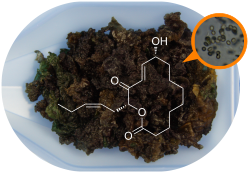
- in 1 was determined by a combination of chiral anisotropy analysis and conformational analysis of different ring-opened derivatives. Compound 1 inhibited the growth of some species of Gram-positive bacteria, yeast Saccharomyces cerevisiae and fungus Penicillium chrysogenum, and was also cytotoxic to
- the growth of Gram-positive bacteria (Micrococcus luteus, Streptomyces lividans, Staphylococcus aureus, Bacillus subtilis), a yeast (Saccharomyces cerevisiae) and a fungus (Penicillium chrysogenum) (Table 2). Moreover, 1 was cytotoxic to 3Y1 rat fibroblasts (GI50 4.5 μM). Under microscopic observation
- fractionation scheme used at the initial antimicrobial screening. The aqueous 90% MeOH fraction of the raw sample exhibited significant antifungal activity (12 mm/6 mm Φ disk) against Penicillium chrysogenum at 200 μg/disk and an intense molecular ion of 1 at m/z 307 [M – H]− in negative mode LC–MS analysis


Tanzawaic acids I–L: Four new polyketides from Penicillium sp. IBWF104-06
Beilstein J. Org. Chem. 2014, 10, 251–258, doi:10.3762/bjoc.10.20
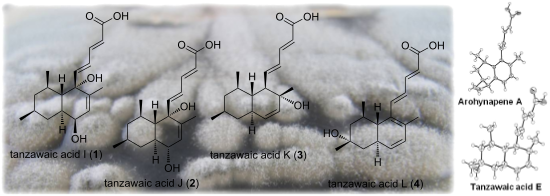
- -University Mainz, Institute of Biotechnology and Drug Research, Duesbergweg 10–14, D-55128 Mainz, Germany 10.3762/bjoc.10.20 Abstract Four new polyketides have been identified in culture filtrates of the fungal strain Penicillium sp. IBWF104-06 isolated from a soil sample. They are structurally based on the
- Hz)/δC 144.8. Moreover, these spectra showed signals of three CH3 groups, two CH2 groups, six CH groups, and two quaternary carbons (Table 1 and Table 2). These data suggested a structural similarity of 1 to the tanzawaic acids, secondary metabolites from Penicillium citrinum [1]. COSY and HMBC
- . Tanzawaic acids were found in different Penicillium species, especially tanzawaic acid A which seems to be omnipresent in Penicillium citrinum [1][2]. Tanzawaic acids E and F were isolated from a marine-derived Penicillium steckii and were detected in at least 16 culture collection strains of the same


The chemistry of isoindole natural products
Beilstein J. Org. Chem. 2013, 9, 2048–2078, doi:10.3762/bjoc.9.243
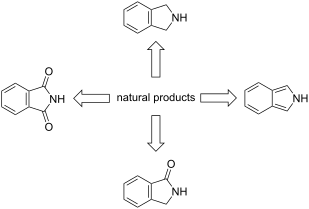
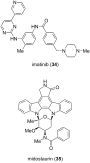
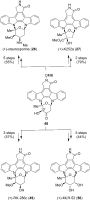
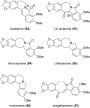
- synthetase of the chaetoglobosin producing fungus Penicillium expansum led to a more sophisticated biosynthetic insight of chaetoglobosin A (57) (Scheme 6). The stepwise assembly of the nonaketide 61 is realized from activated tryptophan (36), one acetyl-CoA (59) starter and eight malonyl-CoA extender (60












Synthesis of a derivative of α-D-Glcp(1->2)-D-Galf suitable for further glycosylation and of α-D-Glcp(1->2)-D-Gal, a disaccharide fragment obtained from varianose
Beilstein J. Org. Chem. 2012, 8, 2142–2148, doi:10.3762/bjoc.8.241

- -Galf-containing glycoconjugates, the mechanisms by which α-D-Galf units are incorporated remain unclear. Penicillium varians is a non-pathogenic fungus that produces varianose, a polysaccharide containing both α- and β-D-Galf units, which can be used as a model for biosynthetic studies on α-D-Galf
- ; glucosylgalactofuranose; glycosylaldonolactone; Penicillium varians; varianose; Introduction Carbohydrates are involved in a wide range of biological processes; they play important roles in host–pathogen interactions and in the immune response, where protein–glycan interactions mediate a variety of biological processes
- , establishing the connection between the glycan structure and its biological function, a discipline called functional glycomics, is one of the most challenging areas nowadays and requires a broad interdisciplinary approach. Penicillium varians elaborates an unusual polysaccharide called varianose [3] that


The multicomponent approach to N-methyl peptides: total synthesis of antibacterial (–)-viridic acid and analogues
Beilstein J. Org. Chem. 2012, 8, 2085–2090, doi:10.3762/bjoc.8.234
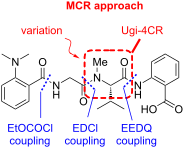
- ; toxin; Ugi reaction; Introduction Viridic acid (1) is a tetrapeptide produced by several fungi of the genus Penicillium, including P. viridicatum, P. nordicum, and P. aurantiogriseum among others [1][2][3][4]. It was first isolated from the basic fraction of the chloroform/methanol extract of P


Marilones A–C, phthalides from the sponge-derived fungus Stachylidium sp.
Beilstein J. Org. Chem. 2011, 7, 1636–1642, doi:10.3762/bjoc.7.192
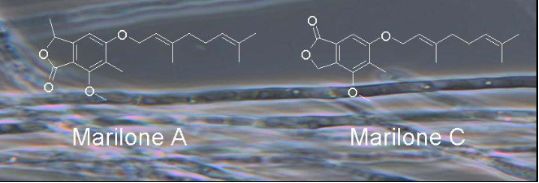
- occurring compounds described [1]. They are produced by a wide range of organisms, i.e., by marine and terrestrial fungi belonging to genera such as Ascochyta [2], Aspergillus [3][4][5], Alternaria [6], Penicillium [7], Hericium [8] or Talaromyces [9], but also by plants and liverworts [1]. Phthalides
- antibacterial, antifungal, antiviral and phytotoxic activity [1]. The medically most important member of this family of natural products is mycophenolic acid, initially isolated from Penicillium brevicompactum, and used in the form of its derivative mycophenolate mofetil as an immunosuppressant drug [10


Biosynthesis and function of secondary metabolites
Beilstein J. Org. Chem. 2011, 7, 1620–1621, doi:10.3762/bjoc.7.190
- and demonstrating its activity in self-tests, as was typical practice during these early times of chemistry. A likewise important discovery was made by Alexander Fleming (1881–1955), who isolated the antibiotic penicillin from the mould Penicillium notatum in a groundbreaking contribution, which was
Advances in synthetic approach to and antifungal activity of triazoles
Beilstein J. Org. Chem. 2011, 7, 668–677, doi:10.3762/bjoc.7.79
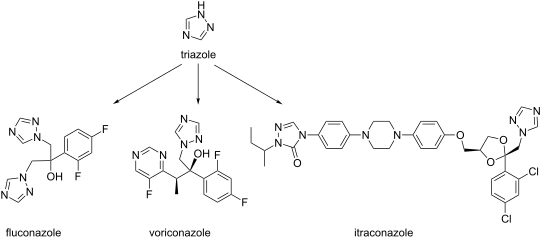
- -benzyl]-4-aryl-1,2,4-triazole-3-thiones were synthesized by Ezabadi et al., and evaluated for in vitro antifungal activity against Aspergillus flavus, Aspergillus versicolor, Aspergillus ochraceus, Aspergillus niger, Trichoderma viride and Penicillium funiculosum. Of the compounds obtained, 5-[2-(N,N
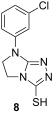
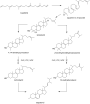
- viride and Penicillium funiculosum [32]. Triazole compound 7 exhibiting an MIC of 25 µg/mL against Aspergillus niger [33]. Triazole compound 8 showing the most significant activity against Aspergillus niger and Fusarium oxysporum [34]. Ergosterol biosynthesis inhibitor pathway. Fluconazole (9