Search results
Search for "linker" in Full Text gives 414 result(s) in Beilstein Journal of Organic Chemistry. Showing first 200.
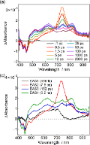
Thermodynamic equilibrium between locally excited and charge transfer states in perylene–phenothiazine dyads
Beilstein J. Org. Chem. 2025, 21, 1577–1586, doi:10.3762/bjoc.21.121
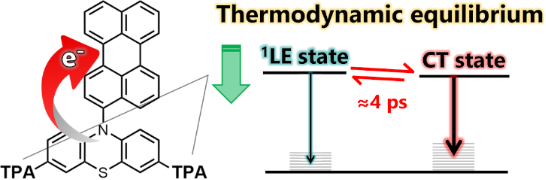
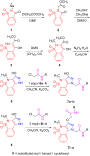
- -catalyzed cross-coupling reactions between bromo-substituted perylene or phenothiazine precursors and appropriate donor or linker units, followed by purification via column chromatography and gel permeation chromatography (Figures S18–S21 in Supporting Information File 1). The details of the syntheses are




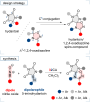
Facile synthesis of hydantoin/1,2,4-oxadiazoline spiro-compounds via 1,3-dipolar cycloaddition of nitrile oxides to 5-iminohydantoins
Beilstein J. Org. Chem. 2025, 21, 1552–1560, doi:10.3762/bjoc.21.118

- therapeutic efficacy (lower IC50 values) [18] but greater toxicity to healthy cells in comparison with spiro compounds [19]. Such hybrid-designed molecules may contain a third heterocycle as a linker, spiro-joined with one of the pharmacophore moieties. In this case, another pharmacophore fragment is included



Recent advances and future challenges in the bottom-up synthesis of azulene-embedded nanographenes
Beilstein J. Org. Chem. 2025, 21, 1272–1305, doi:10.3762/bjoc.21.99
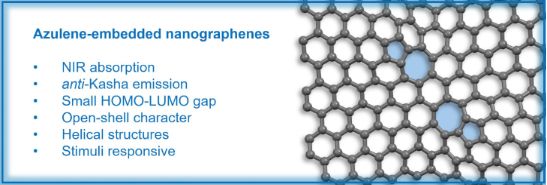
- gap, aromaticity of azulene subunit and anti-Kasha’s emission from higher excited states. In such cases, the azulene unit merely acts as a linker within a more complex benzenoid framework. This review covers all types of azulene-embedded molecular scaffolds, regardless of whether they contain a


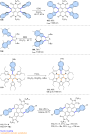


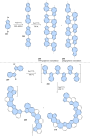
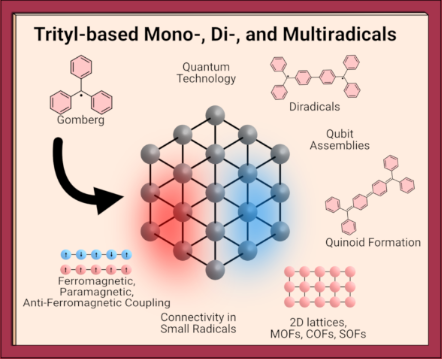
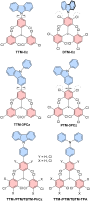
On the photoluminescence in triarylmethyl-centered mono-, di-, and multiradicals
Beilstein J. Org. Chem. 2025, 21, 964–998, doi:10.3762/bjoc.21.80









Synthesis of HBC fluorophores with an electrophilic handle for covalent attachment to Pepper RNA
Beilstein J. Org. Chem. 2025, 21, 727–735, doi:10.3762/bjoc.21.56
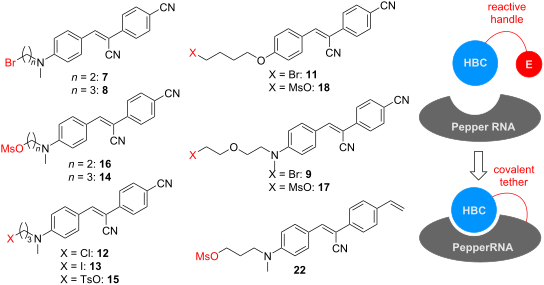
- -cyanophenylacetonitrile afforded HBC 4 and HBC-like ligands 5 and 6 as bright orange solids. Finally, the bromo group was introduced under Appel conditions with carbon tetrabromide and triphenylphosphine to give the fluorophores 7, 8, and 9, with linker lengths of two, three, and five atoms. Unfortunately, this strategy
- additionally synthesized the HBC series with different linker lengths with the mesyloxy group, yielding the derivatives 16 to 18 (Scheme 5). All of these derivatives – although well soluble in the reaction buffer without the need for additional DMSO – were less reactive than N-(3-mesyloxypropyl) HBC derivative



Acyclic cucurbit[n]uril bearing alkyl sulfate ionic groups
Beilstein J. Org. Chem. 2025, 21, 717–726, doi:10.3762/bjoc.21.55
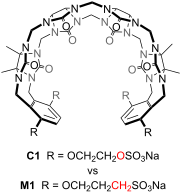
- ][66][67]. Previously, we have studied the influence of the length of the O(CH2)nSO3Na sidearm (n = 0, 2, 3, 4) and found that the M0 host – where the hydrophobic linker (CH2)n was completely removed – displayed higher binding affinity than M1 which we attributed to the location of the ionic group
- closer to the ureidyl C=O portals [68][69]. However, a close examination of the structures of M0 and M1 show that the ionic group for M1 is a sulfonate and for M0 is a sulfate. Accordingly, M1 and M0 differ in two ways: a) different (CH2)n linker length and b) different ionic group (sulfonate versus


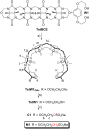


Origami with small molecules: exploiting the C–F bond as a conformational tool
Beilstein J. Org. Chem. 2025, 21, 680–716, doi:10.3762/bjoc.21.54
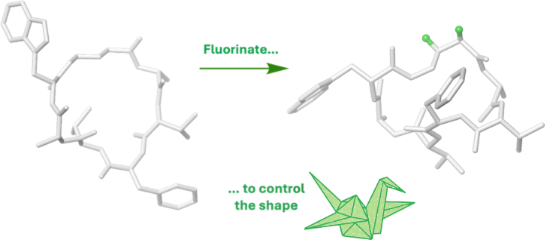
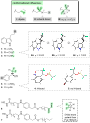
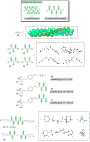
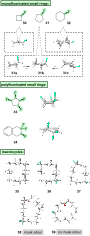
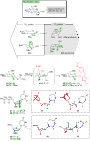
- also seen when Ar–O–CF2- is a linker moiety. For example, consider compound 47 (Figure 6), which is a fluorinated analogue of the antipsychotic drug, aripiprazole (46). The presence of the fluorine atoms in 47 causes a change in the conformation of the aryl ether moiety from planar in 46 [83] to
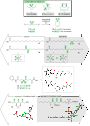
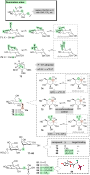
- that lies outside the sugar ring, is the C-1–O anomeric bond in glycosides (highlighted in 74, Figure 10). This anomeric bond serves as a linker between the sugar and the rest of the glycoside; rotation about this bond can dramatically change the overall shape of the molecule, which in turn can affect








Photocatalyzed elaboration of antibody-based bioconjugates
Beilstein J. Org. Chem. 2025, 21, 616–629, doi:10.3762/bjoc.21.49
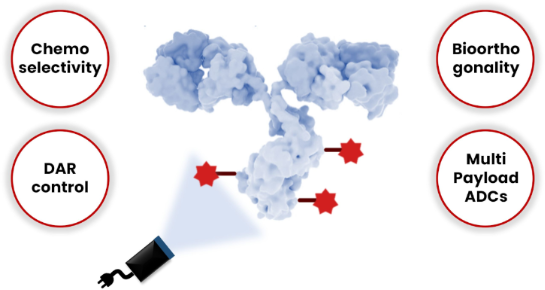
- specifically recognizes and binds to surface antigens present on tumor or other targeted cells. (2) Linker: the linker connects the antibody to the payload. The nature of the moiety linking the drug/radiolabel/imaging agent to the antibody plays a crucial role in the pharmacokinetic properties [4][5
- ], therapeutic index, selectivity, and overall success of the ADC. The linker will ideally be stable in plasma for an extended period before the intended target can be reached, and after internalization, linkers play a key role in the drug-releasing event. Importantly, some exceptions exist. For example, in
- trodelvy, used in a treatment for patients with triple-negative breast cancer, the linker may release the drug prior to internalization. (3) Payload: The payload may be a subunit used in cellular tracking, imaging, or most commonly toxic drug therapeutics. The overall goal of ADCs is to deliver the payload


Cryptophycin unit B analogues
Beilstein J. Org. Chem. 2025, 21, 526–532, doi:10.3762/bjoc.21.40
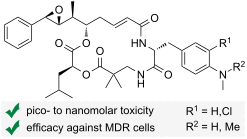
- connected to the homing device by a linker. For covalent attachment of the drug to the linker a suitable functional group is needed such as an amino, hydroxy, carboxy or sulfhydryl group [7]. Since the cryptophycins’ discovery, considerable efforts were made for the establishment of structure–activity
- chain length [21]. The exchange by an amino group showed a similar trend, however, N,N-dimethylation of the amino group again increased cytotoxicity significantly [20]. Nevertheless, this cryptophycin might only be conjugated via an ammonium-based self-immolative linker [22]. We envisioned the synthesis



Synthesis of electrophile-tethered preQ1 analogs for covalent attachment to preQ1 RNA
Beilstein J. Org. Chem. 2025, 21, 483–489, doi:10.3762/bjoc.21.35
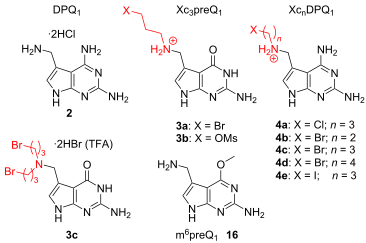
- ). Synthesis of preQ1 and DPQ1 derivatives with electrophilic handles For the synthesis of haloalkyl- and mesyloxyalkyl-modified preQ1 and DPQ1 ligands 3a,b and 4a–e (for target structures see Scheme 1), a divergent synthetic route was sought that provided flexibility with respect to linker length and nature


Identification and removal of a cryptic impurity in pomalidomide-PEG based PROTAC
Beilstein J. Org. Chem. 2025, 21, 407–411, doi:10.3762/bjoc.21.28
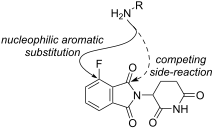
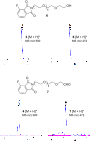
- drug”) class of PROTAC molecules with a PEG linker is frequently used to promote targeted protein degradation. The standard protocol for their synthesis involves nucleophilic aromatic substitution of 4-fluorothalidomide with a PEG-amine. We report herein the identification of a commonly ignored
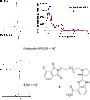
- polyethylene glycol (PEG) linker of various lengths is typically used to build a small library to identify a lead compound. For example, iVeliparib-AP6 (Figure 1) developed through this practice is a PROTAC that degrades poly(ADP-ribose) polymerase 2 (PARP2) selectively [5]. Results and Discussion The




Synthesis, characterization, antimicrobial, cytotoxic and carbonic anhydrase inhibition activities of multifunctional pyrazolo-1,2-benzothiazine acetamides
Beilstein J. Org. Chem. 2025, 21, 348–357, doi:10.3762/bjoc.21.25
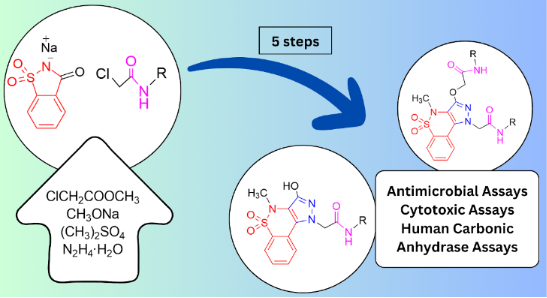
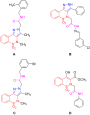
- , makes them a suitable linker unit [34]. The leading example is paracetamol highlighting the utility of an amide containing scaffold in medicinal chemistry. A series of novel scaffolds adjoining benzothiazine with a pyrazole moiety has been reported with antioxidant activity and antibacterial potential


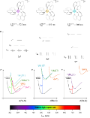
Red light excitation: illuminating photocatalysis in a new spectrum
Beilstein J. Org. Chem. 2025, 21, 296–326, doi:10.3762/bjoc.21.22




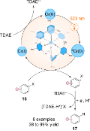

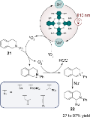
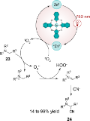

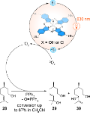


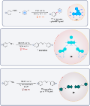


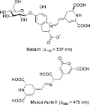






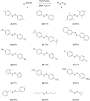
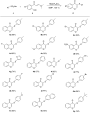
Synthesis of disulfides and 3-sulfenylchromones from sodium sulfinates catalyzed by TBAI
Beilstein J. Org. Chem. 2025, 21, 253–261, doi:10.3762/bjoc.21.17
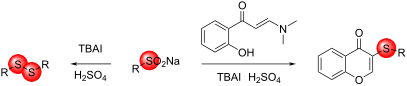
- groups in organic synthesis [1][2][3][4]. In chemistry and biology, disulfide bonds play crucial roles in protein folding and stabilization [5][6][7][8] and in the rubber industry, they are used to link different polymer chains [9][10]. The disulfide bond backbone is commonly used as a linker for




Chemical glycobiology
Beilstein J. Org. Chem. 2025, 21, 8–9, doi:10.3762/bjoc.21.2
- glycan assembly [9]. Target-directed synthetic strategies are being developed by Reihill et al. [10] and Karak et al. [11], exploring the syntheses of the linker-displaying, sulfated TF disaccharide and lipid II analogues, respectively. The direct application of synthetic glycans is shown by Fan et al
Multicomponent reactions driving the discovery and optimization of agents targeting central nervous system pathologies
Beilstein J. Org. Chem. 2024, 20, 3151–3173, doi:10.3762/bjoc.20.261
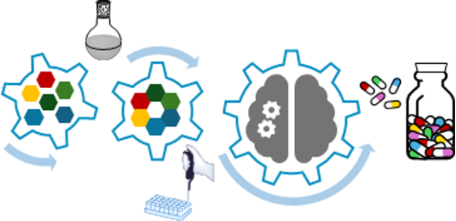
- protocol (Figure 9). CDH 10b emerged as a potent EeAChEI (IC50 = 0.30 μM) and CDH 10c as a strong eqBuChEI (IC50 = 0.03 μM), both showing promising activity compared to tacrine and donepezil. A SAR analysis indicated the linker length's crucial role in CDH inhibition activity, as all the compounds with n


Extension of the π-system of monoaryl-substituted norbornadienes with acetylene bridges: influence on the photochemical conversion and storage of light energy
Beilstein J. Org. Chem. 2024, 20, 3061–3068, doi:10.3762/bjoc.20.254
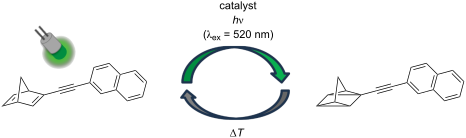
- and the analogues 1c and 1e without an alkyne linker [29][30][34]. As the only exception, the m-substituted derivative 1k has a higher quantum yield than its analog 1b, which is, however, still lower than the one of the cyano-substituted norbornadiene 1c [30][34]. In addition, substitution at the 2
- , showed longer half-lives. Therefore, compounds 1h–l,n have significanty lower half-lives than the corresponding analogues without an alkyne linker [29][30]. Conclusion In summary, a small series of mono-, bis-, and tris-norbornadiene derivatives with alkynylbenzene and alkynylnaphthalene core units was
- properties. However, although the integration of alkyne-linker units into otherwise unsubstituted arene-linked mono-, bis-, and tris-norbornadienes resulted in the anticipated red shift of the absorption, this slight advantage was established to the disadvantage of other relevant MOST properties, especially


Cyclodextrin-based rotaxanes for polymer materials: challenge on simultaneous realization of inexpensive production and defined structures
Beilstein J. Org. Chem. 2024, 20, 3026–3049, doi:10.3762/bjoc.20.252
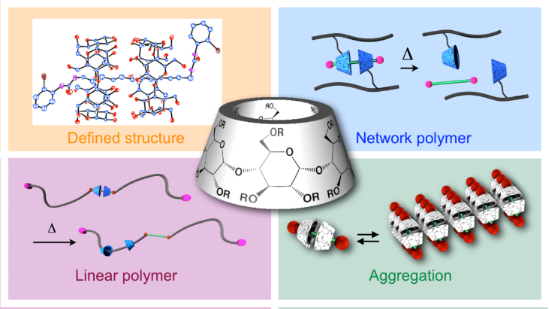
- named the vinylic supramolecular crosslinker (VSC), which was made of an axle component having a polymerizable vinylic group and a bulky end-capping group on the other side, and α-CD oligomer having around 3–5 α-CDs linked by a PPG linker with urethane bonds as the wheel component. This VSC was easily






5th International Symposium on Synthesis and Catalysis (ISySyCat2023)
Beilstein J. Org. Chem. 2024, 20, 2704–2707, doi:10.3762/bjoc.20.227
- organocatalyst for the gram-scale enantioselective synthesis of (S)-baclofen”, an interesting approach to recycling the very useful cinchona squaramide organocatalysts was described. This approach involved functionalization of the organocatalyst with a lipophilic linker (octadecyl side chains), resulting in a

Hypervalent iodine-mediated cyclization of bishomoallylamides to prolinols
Beilstein J. Org. Chem. 2024, 20, 2455–2460, doi:10.3762/bjoc.20.209
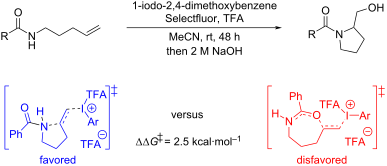
- . Installing a geminal dimethyl group on the alkyl linker was anticipated to lead to an improvement in cyclization, however, very low conversion was observed and the product 7p was isolated in 10% yield. We then investigated the cyclization of cis-disubstituted alkene 3q and were delighted to observe that only


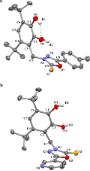
Synthesis, electrochemical properties, and antioxidant activity of sterically hindered catechols with 1,3,4-oxadiazole, 1,2,4-triazole, thiazole or pyridine fragments
Beilstein J. Org. Chem. 2024, 20, 2378–2391, doi:10.3762/bjoc.20.202
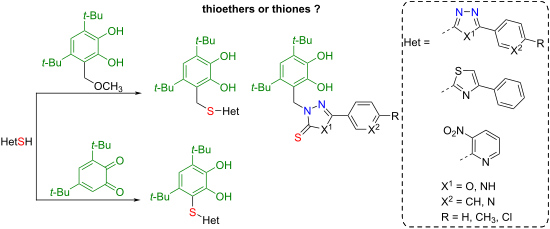
- -derivatives of thiazole or pyridine, this process leads to the formation of the corresponding thioethers with a methylene linker. At the same time, thiolated 1,3,4-oxadiazole or 1,2,4-triazole undergo alkylation at the nitrogen atom in the reaction with 3,5-di-tert-butyl-6-methoxymethylcatechol to form the
- previously found that the reaction between 3,5-di-tert-butyl-6-methoxymethylcatechol and different functionalized thiols occurs via an acid-catalyzed mechanism and leads to corresponding thioethers with methylene linker [53][54]. Hybrid structures of this type are of particular interest from the point of
- –80%) (Scheme 1a). The reaction between 3,5-di-tert-butyl-6-methoxymethylcatechol and 2-mercapto-4-phenylthiazole or 3-nitropyridine-2-thiol occurs via an acid-catalyzed mechanism and leads to corresponding thioethers 4, 5 with methylene linker in a good yield (80% and 63%, correspondingly) (Scheme 1b




Improved deconvolution of natural products’ protein targets using diagnostic ions from chemical proteomics linkers
Beilstein J. Org. Chem. 2024, 20, 2323–2341, doi:10.3762/bjoc.20.199
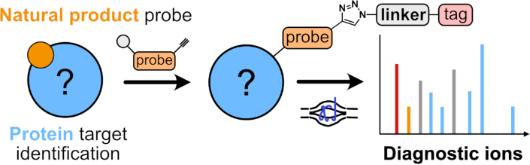
- provide unprecedented depth of proteome coverage and the possibility to detect desired modified peptides with high sensitivity. The chemical ‘linker’ connecting an active compound–protein conjugate with a detection tag is the critical component of all chemical proteomic workflows. In this review, we
- comprehensively in several reviews [45][46][47][48]. Applications of cleavable linkers, which might be considered as pioneers of MS fragmentation-based platforms to search peptide-linker remainders, were reviewed thoroughly as well [49][50][51]. Recent advances in mass spectrometers technology and analysis
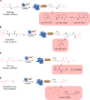
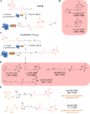
- nowadays mass spectrometric hardware and bioinformatic software tools. Review Principles of chemical proteomics workflows The linker connects the affinity or reporter tag to the probe–protein conjugate to offer several principally different analytical pathways (Figure 3) [53][54]. Although chemical




Factors influencing the performance of organocatalysts immobilised on solid supports: A review
Beilstein J. Org. Chem. 2024, 20, 2129–2142, doi:10.3762/bjoc.20.183
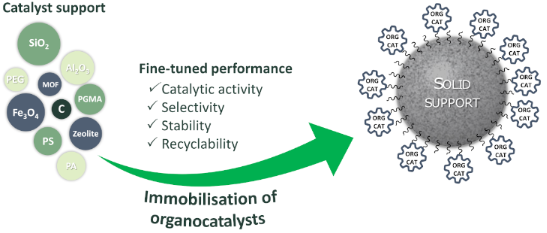
- and selectivity. Proper design of the linker between the catalytic sites and the support surface, along with careful selection of the solid support, can help to optimise the accessibility of the active sites and mitigate this limitation [65][125]. Consequently, the properties of the supported
- organocatalyst also depend on the density of catalytic sites on the support surface, as well as the nature and length of the linker [8]. Additionally, the linker itself could serve as a competitive active site. In the case of enantioselective catalysis, the linker could promote the formation of racemic products
- derivatives 29–31 were immobilised on this polymer support by utilising its reactive epoxy groups (Scheme 9). These structurally diverse precatalysts were prepared by modifying the cinchona skeleton at different positions to investigate how the amino group-containing linker affects them. The immobilised


Cage-like microstructures via sequential Ugi reactions in aqueous emulsions
Beilstein J. Org. Chem. 2024, 20, 2078–2083, doi:10.3762/bjoc.20.179
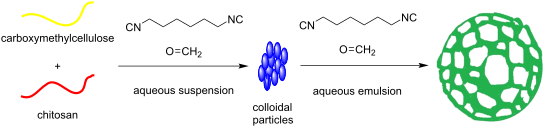
- droplets. Fixing this structure with a cross-linker opened the way to the one-step synthesis of colloidosomes with large pores on the surface. Results and Discussion Previously, we have obtained stable colloidal particles by ionic gelation of carboxymethylcellulose (CMC) and low-molecular-weight chitosan


2-Heteroarylethylamines in medicinal chemistry: a review of 2-phenethylamine satellite chemical space
Beilstein J. Org. Chem. 2024, 20, 1880–1893, doi:10.3762/bjoc.20.163
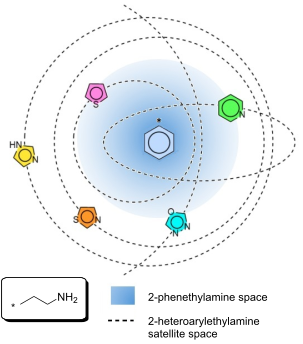
- techniques in any medicinal chemistry program – knowledge-based or computationally aided – is bioisosteric replacement, where a particular arrangement of atoms, such as a functional group, chain, ring, linker, etc., is substituted by motifs with size, electronic, and physicochemical characteristics