


Search results
Search for "lysine" in Full Text gives 124 result(s) in Beilstein Journal of Organic Chemistry.
Towards a biocompatible artificial lung: Covalent functionalization of poly(4-methylpent-1-ene) (TPX) with cRGD pentapeptide
Beilstein J. Org. Chem. 2013, 9, 270–277, doi:10.3762/bjoc.9.33
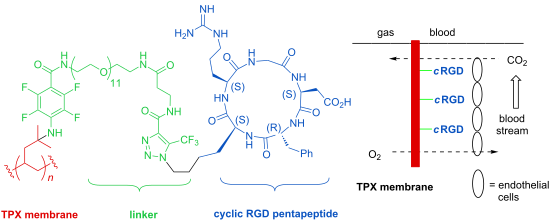
- -acid sequence. We chose cRGD pentapeptide 1b derived from lysine precursor 1a, as cRGD’s intensively studied by the Kessler group [6][7][8][9] are well-established cell-recognition motifs that can trigger integrin-mediated cell adhesion [9]. Because of the high potential to stimulate this, these RGD


Thioester derivatives of the natural product psammaplin A as potent histone deacetylase inhibitors
Beilstein J. Org. Chem. 2013, 9, 81–88, doi:10.3762/bjoc.9.11
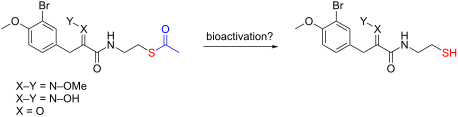
- epigenetic modifications, their biological outcomes, and how their misregulation is involved in diseases such as cancer [1][2]. The dynamic post-translational acetylation/deacetylation of histone proteins is one of the most commonly studied epigenetic events, and occurs at specific lysine residues on the N
- -terminal histone tails, which project out from the nucleosome (the fundamental repeating unit of chromatin). Acetylation/deacetylation of such lysine residues is achieved by the action of histone acetyltransferases (HATs) and histone deacetylases (HDACs), respectively. Histone deacetylation by HDACs causes



Multivalent display of the antimicrobial peptides BP100 and BP143
Beilstein J. Org. Chem. 2012, 8, 2106–2117, doi:10.3762/bjoc.8.237
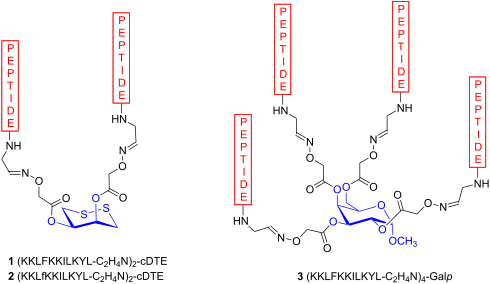
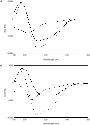
- action of antimicrobial peptides, which are generally poorly understood. Several scaffolds, such as linear and cyclic peptides, alkyne-functionalized dendrimers, a branched lysine core, and also a polymaleic polymer, have been exploited as templates for the synthesis of multivalent antimicrobial peptides


Chemical modification allows phallotoxins and amatoxins to be used as tools in cell biology
Beilstein J. Org. Chem. 2012, 8, 2072–2084, doi:10.3762/bjoc.8.233
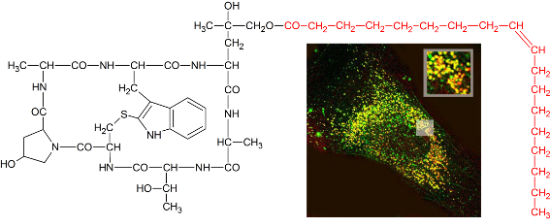
- times less toxic than when bound to poly-(L)-lysine. This suggests that the release of a toxic phalloidin species inside the cell includes the enzymatic breakdown of the carrier. In agreement with this we found no difference between the L-configurated and the D-configurated carrier when the linker
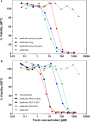
- derivative (8 residues) are comparable, we argue that arginine residues are more effective in mediating internalization of phalloidin than are lysine residues. For phalloidin bound to methoxy-polyethylene-glycol we found that cytotoxicity strictly depended on the molecular weight of the polymer chain (Figure
- comparable to those of the most toxic phalloidin derivatives, phalloidin oleate (1e) and phalloidin-poly-(L)-lysine (2e). More importantly, rhodaminyl-phalloidin seems not to be cleaved inside the cell and, through its fluorescence, can report on the structure of its target protein, the actin filaments




Flow photochemistry: Old light through new windows
Beilstein J. Org. Chem. 2012, 8, 2025–2052, doi:10.3762/bjoc.8.229
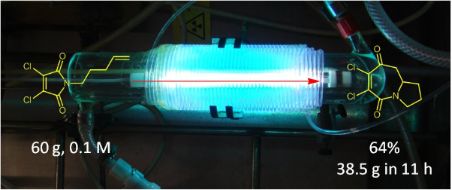
- includes the selective reduction of nitro groups to amines in the presence of ketones (Scheme 11) [50][51], and the oxidation of benzaldehyde to benzoic acid, albeit with incredibly poor conversion [52]. The conversion of L-lysine (32) to L-pipecolinic acid (33, Scheme 12) has also been investigated by
- -functionalised poly-L-lysine with alkyne tethered glycol-dendrons to form cyclobutenes [84]. The reactions were performed on a sub-millimolar scale, but the precise control over reaction conditions with the flow apparatus allowed for high yields of the complex dendronic products. Nettekoven et al. [85] trialled


Dimerization of a cell-penetrating peptide leads to enhanced cellular uptake and drug delivery
Beilstein J. Org. Chem. 2012, 8, 1788–1797, doi:10.3762/bjoc.8.204
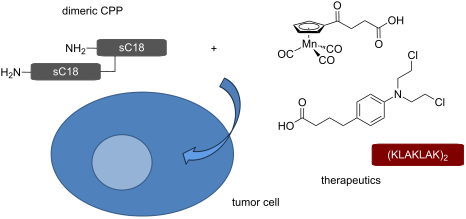
- variety of cargo molecules for therapy and diagnosis, as could be successfully shown for, e.g., cytostatics [1], proteins [2], oligonucleotides [3][4] and nanoparticles [5]. A common feature of CPPs is their typically high content in basic arginine and lysine residues, leading to a positive net charge of
- -293 and MCF-7 was observed. The drastically enhanced uptake of the dimer compared to the monomeric peptide is in contrast to previous studies with the TAT peptide, which is similar to sC18 with respect to the number of arginine and lysine residues and the overall charge of the peptide. Dimerization of
- -butyloxycarbonyl (Boc). Indeed, we did not observe concomitant deprotection of lysine side chains, which was favored by the fact that Mtt groups situated at the N-terminus are even more acid-sensitive than Nε-Mtt groups [25]. The structural analysis of the (sC18)2 conjugates by circular dichroism spectroscopy did


Modulating the activity of short arginine-tryptophan containing antibacterial peptides with N-terminal metallocenoyl groups
Beilstein J. Org. Chem. 2012, 8, 1753–1764, doi:10.3762/bjoc.8.200
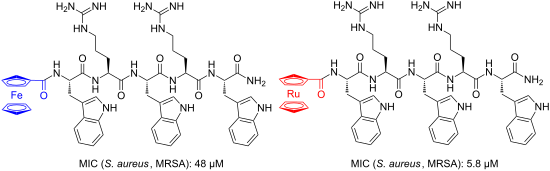
- from being understood. Importantly, the activity of these peptides was comparable in two different media, namely the bacterial Mueller–Hinton (MH) and in the richer cell culture medium. Interestingly, replacement of the arginine residues with lysine residues resulted in an almost completely inactive


The Amadori rearrangement as glycoconjugation method: Synthesis of non-natural C-glycosyl type glycoconjugates
Beilstein J. Org. Chem. 2012, 8, 1619–1629, doi:10.3762/bjoc.8.185

- -3-acetamido-D-gluco-heptulose 34 in the pyranoid form and in 50% yield after purification by column chromatography. Methyl 6-aminohexanoate hydrochloride gave the corresponding α-pyranose 35, albeit in only 25% yield. With the α-N-Boc protected L-lysine derivative Boc-L-Lys(Z)-OMe, the Amadori


Synthesis of trifunctional cyclo-β-tripeptide templates
Beilstein J. Org. Chem. 2012, 8, 1576–1583, doi:10.3762/bjoc.8.180
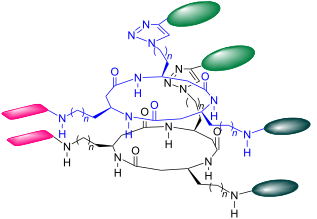
- units, each amino acid residue needs to be specifically addressed. Furthermore, all three amino acids should have side chains long enough to avoid steric hindrance between the moieties and the core. Thus, homo-β-lysine was chosen as the underlying amino acid to build up the scaffold allowing side-chain
- functionalization by amide bond formation. To protect the lysine side chain for selective and orthogonal amide-bond formation following the solid-phase peptide synthesis (SPPS), the protection groups fluorenylmethoxycarbonyl (Fmoc) and carbobenzyloxy (Cbz) were applied. Alteration of the amine in the third β
- silver benzoate and water as a nucleophile [19][20][21][22][23] yielding the homo-β-lysine derivatives 1 and 2 alongside the azide β-amino acid 3 (Figure 2). In previous studies, synthesis of the cyclic β-tripeptide scaffold was provided by cyclization of the linear β-tripeptide obtained by solution


Binaphthyl-anchored antibacterial tripeptide derivatives with hydrophobic C-terminal amino acid variations
Beilstein J. Org. Chem. 2012, 8, 1265–1270, doi:10.3762/bjoc.8.142
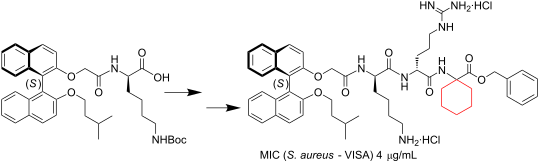
- , then provided access to the key intermediate amines 6a–g (Scheme 1). Diimide-mediated coupling of the previously reported lysine containing (S)-binaphthyl acid derivative 7 [8] then afforded the protected tripeptides 8a–g. Removal of the Pmc (or Pbf) and Boc protecting groups in one pot was then


Multistep organic synthesis of modular photosystems
Beilstein J. Org. Chem. 2012, 8, 897–904, doi:10.3762/bjoc.8.102
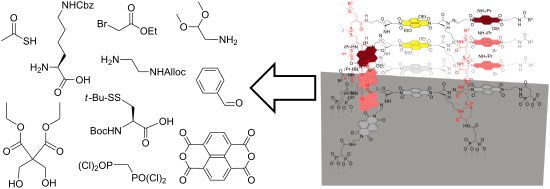
- NDI 18 of initiator 2, designed to initiate and template for SOSIP, was accessible from NDA 13 as well. The synthesis of NDI 19 by microwave-assisted imidation with Boc-protected lysine 20 has been reported before in the literature [15]. Reaction with Cbz-hydrazine gave the Cbz-protected NDI hydrazide
- diphosphonates in NDI 24 gave 18, which was reacted in situ with NDI 12 to yield initiator 2. Synthesis of propagators The synthesis of propagator 3 starts with NDA 13 as well (Scheme 2). Diimidation with Cbz-protected lysine 25 gave the diacid 26. Activation with EDC, HOBt and TEA was followed by the reaction
- naphthalenetetraesters (cNTEs). Nucleophilic core-substitution with ethanolate gave cNTE 34 as described in the literature [16]. NTE 34 was subjected to basic ester hydrolysis followed by diimidation with lysine 25. From this point, the synthesis of cNDI propagator 4 was analogous to the synthesis of NDI propagator 3


Synthetic glycopeptides and glycoproteins with applications in biological research
Beilstein J. Org. Chem. 2012, 8, 804–818, doi:10.3762/bjoc.8.90
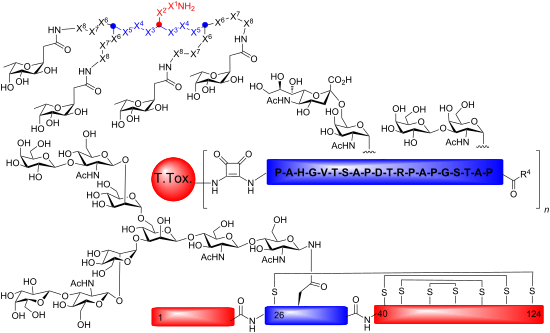
- microbe and lectin binding studies, glycopeptide based glycoclusters/dendrimers were applied, employing linear peptide backbones, cyclic peptide scaffolds or multi-lysine scaffolds [106][107][108][109][110][111][112][113][114][115][116][117][118]. The pentavalent cholera toxin protein secreted by Vibrio
- further increased [137][138][139]. In one study, the FimH inhibition of mannosylated di- and tetravalent lysine core dendrimers resulted in 455- and 2000-fold increases relative to a monovalent mannose residue [114]. The observed multivalency effects are not fully understood. In a recent study, mannose di


Investigation of the network of preferred interactions in an artificial coiled-coil association using the peptide array technique
Beilstein J. Org. Chem. 2012, 8, 640–649, doi:10.3762/bjoc.8.71
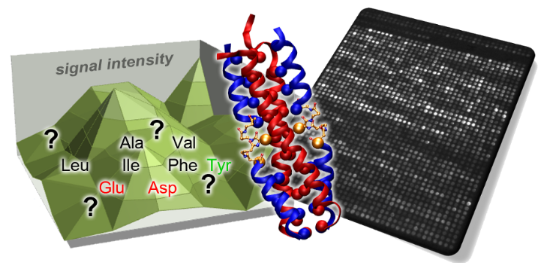
- peptide (Acid-pp) and a lysine-rich chimeric B3β2γ sequence. These systems have a high propensity for heterooligomerization (Figure 1). In B3β2γ, the two central turns of the α-helix are substituted by a pentad of alternating β- and γ-amino acids. Our previous study revealed the heteromeric assembly of


Synthesis of heteroglycoclusters by using orthogonal chemoselective ligations
Beilstein J. Org. Chem. 2012, 8, 421–427, doi:10.3762/bjoc.8.47
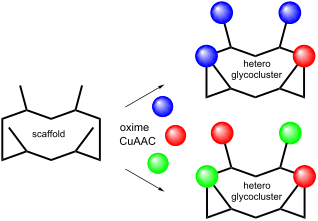
- ., (CH2)4) of the lysine (Lys) and the norleucine (Nle) side chain. Synthesis of heteroglycoclusters of the 3:1 series. Reagents and conditions: (i) 1a, 2a or 3a, 0.1% TFA in H2O; (ii) 1b, 2b or 3b, Cu micropowder, t-BuOH, AcONH4 100 mM pH 7.4 (1:1, v/v). Outcome of the orthogonal ligation procedure



Natural product biosyntheses in cyanobacteria: A treasure trove of unique enzymes
Beilstein J. Org. Chem. 2011, 7, 1622–1635, doi:10.3762/bjoc.7.191
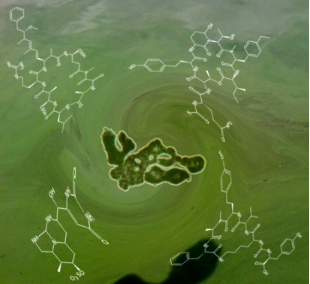
- inhibit proteases. A signature of the group is the conserved ureido linkage connecting the side-chain amino acid to D-lysine. The corresponding NRPS gene cluster was first analyzed in the strain Anabaena sp. 90 and revealed a new mechanism underlying production of diverse variants by the same strain: Two
- /MvdD) and one ω-amide linkage between lysine and aspartate (MdnB/MvdC) (Figure 10) [64][65]. Microviridins can be heterologously produced in E. coli [65]. Cyclizations occur in a strictly defined order. Ring size and composition of the microviridin core peptide is invariant [66], whereas N-terminal and


Synthesis of dye/fluorescent functionalized dendrons based on cyclotriphosphazene
Beilstein J. Org. Chem. 2011, 7, 1577–1583, doi:10.3762/bjoc.7.186
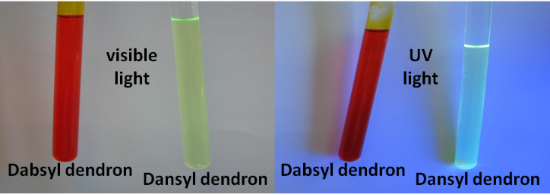
- grafted as terminal groups on to dendrimers. In particular the dansyl group has been frequently used to functionalize poly(propyleneimine) [7][8], poly(lysine) [9], poly(amidoamine) [10], and poly(melamine) [11] dendrimers. It has been shown that no interaction occurs between these terminal fluorophores




Fine-tuning alkyne cycloadditions: Insights into photochemistry responsible for the double-strand DNA cleavage via structural perturbations in diaryl alkyne conjugates
Beilstein J. Org. Chem. 2011, 7, 813–823, doi:10.3762/bjoc.7.93
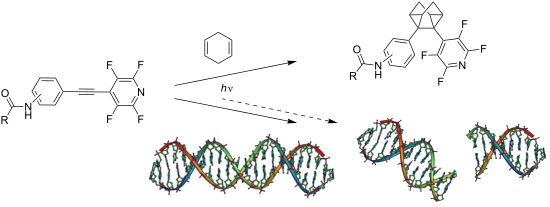
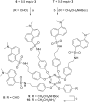
- Wang-Yong Yang Samantha A. Marrone Nalisha Minors Diego A. R. Zorio Igor V. Alabugin Department of Chemistry and Biochemistry, Florida State University, Tallahassee, FL 32306-4390, USA 10.3762/bjoc.7.93 Abstract Hybrid molecules combining photoactivated aryl acetylenes and a dicationic lysine
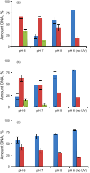
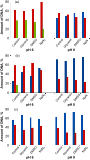
- the kinetics of photoinduced electron transfer (PET). The three analogous isomeric lysine conjugates cleaved DNA with different efficiencies (34, 15, and 0% of ds DNA cleavage for p-, m-, and o-substituted lysine conjugates, respectively) consistent with the alkylating ability of the respective
- acetamides. The significant protecting effect of the hydroxyl radical and singlet oxygen scavengers to DNA cleavage was shown only with m-lysine conjugate. All three isomeric lysine conjugates inhibited human melanoma cell growth under photoactivation: The p-conjugate had the lowest CC50 (50% cell



The allylic chalcogen effect in olefin metathesis
Beilstein J. Org. Chem. 2010, 6, 1219–1228, doi:10.3762/bjoc.6.140
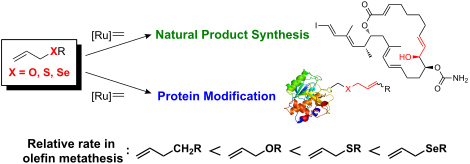
- GlcNAc, mannose and N-acetylamine, which could serve as effective mimics of post-translational protein modifications (glycosylation, lysine acetylation). Conclusion Since the early work by Hoye on secondary allylic alcohols [19] and later the studies on allyl sulfides by our group [17], the allyl


Miniemulsion polymerization as a versatile tool for the synthesis of functionalized polymers
Beilstein J. Org. Chem. 2010, 6, 1132–1148, doi:10.3762/bjoc.6.130
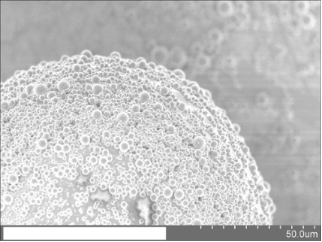
- and amount of the monomers used, and could be re-dispersed in water after removal of the solvent for release studies. Ethylene glycol diglycidyl ether and L-lysine were polymerized via interfacial polyaddition in inverse miniemulsion [100]. The particles were found to be amphoteric and bear positive





Hybrid biofunctional nanostructures as stimuli-responsive catalytic systems
Beilstein J. Org. Chem. 2010, 6, 922–931, doi:10.3762/bjoc.6.98
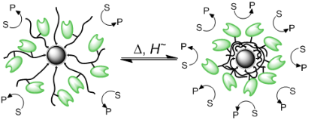
- ), compared to commercially available magnetic particles for the protein binding with reported capacities between 1.5 mg·g−1 and 20 mg·g−1 [33][56]. The catalytic activity of trypsin, a protease for hydrolysis of specific peptide bonds (chain scission after the amino acids arginine and lysine), is




![[Graphic 1]](/bjoc/content/inline/1860-5397-6-98-i6.png?max-width=637&scale=0.1536366) ).
).


RAFT polymers for protein recognition
Beilstein J. Org. Chem. 2010, 6, No. 66, doi:10.3762/bjoc.6.66
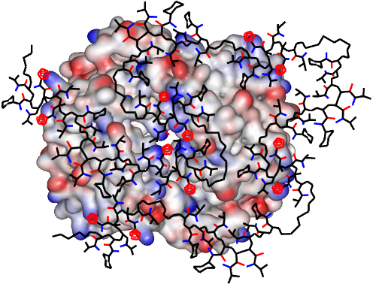
- 5, 45117 Essen, Germany 10.3762/bjoc.6.66 Abstract A new family of linear polymers with pronounced affinity for arginine- and lysine-rich proteins has been created. To this end, N-isopropylacrylamide (NIPAM) was copolymerized in water with a binding monomer and a hydrophobic comonomer using a
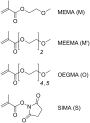
- -soluble trithiocarbonate 8 [13][14] which efficiently caps the growing polymer chain, but can be completely removed from the final polymer by reaction with an excess of AIBN and selective polymer precipitation into hexane [11]. Three anionic comonomers suitable for binding lysine and arginine were chosen
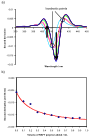
- could be detected for the short version, indicating that size matters and promotes multivalent or cooperative binding. Finally, the protein series was extended to lysine-rich histone (pI 10), lysozyme (pI 9), proteinase K (pI 8) and bovine serum albumin or BSA (pI 6). Again, the strong binders B20CH15




Molecular recognition of organic ammonium ions in solution using synthetic receptors
Beilstein J. Org. Chem. 2010, 6, No. 32, doi:10.3762/bjoc.6.32
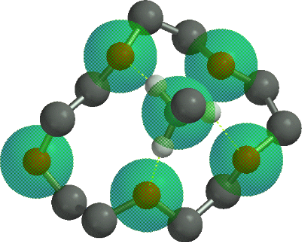


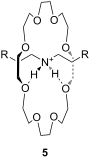


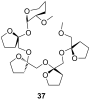


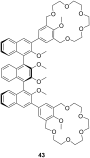


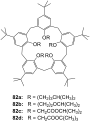


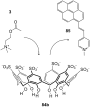


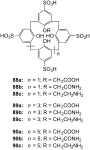


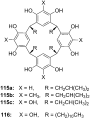
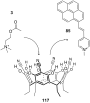


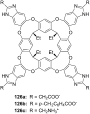


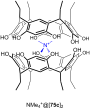


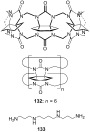


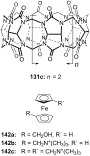


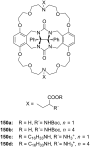
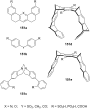


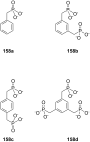

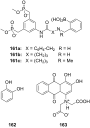


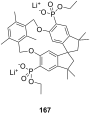
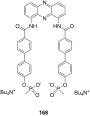

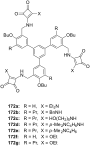
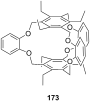


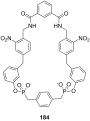


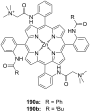


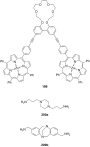








Synthesis of lipophilic 1-deoxygalactonojirimycin derivatives as D-galactosidase inhibitors
Beilstein J. Org. Chem. 2010, 6, No. 21, doi:10.3762/bjoc.6.21
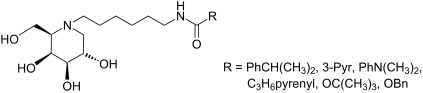
- neurological deterioration [23]. Our studies revealed that 1-deoxy-D-galactonojirimycin-lysine hybrids, when carrying an aromatic substituent, such as a dansyl moiety, in its nature a lipophilic aromatic substituent, are potent D-galactosidase inhibitors and also show activity with human lysosomal β


The first preparative solution phase synthesis of melanotan II
Beilstein J. Org. Chem. 2008, 4, No. 39, doi:10.3762/bjoc.4.39
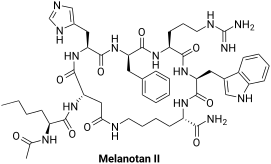
- stimulating the skin tanning process. In this paper we report the first solution phase synthesis of the title compound. The hexapeptide sequence has been assembled by [(2+2)+1+1] scheme. After removing the orthogonal protection, a carbodiimide mediated lactamization, involving the ε-amino group of lysine and
- locking of the linear peptide sequence in its biologically active conformation by lactamization of the lysine ε-amino group and glutamic acid γ-carboxy group, led to a cyclic pseudopeptide analog of α-MSH with good metabolic stability and exceptional activity, known as melanotan II (2) (Figure 1). Results
- groups. The ε-amino group of lysine and the γ-carboxy group of aspartic acid, involved in lactamization, were protected as the base-cleavable Fmoc amide and Fm ester respectively. After synthesizing the peptide chain and cleavage of the base-labile protecting groups, an efficient on-resin cyclization was





