


Search results
Search for "lipid" in Full Text gives 159 result(s) in Beilstein Journal of Organic Chemistry.
Advances in synthetic approach to and antifungal activity of triazoles
- Kumari Shalini,
- Nitin Kumar,
- Sushma Drabu and
- Pramod Kumar Sharma
Beilstein J. Org. Chem. 2011, 7, 668–677, doi:10.3762/bjoc.7.79
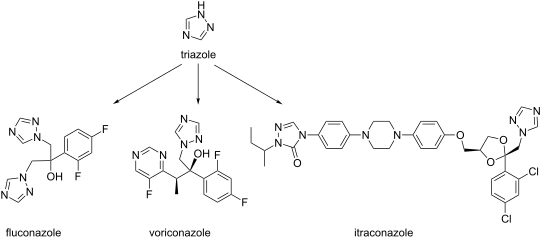
- antifungal for IFIs was amphotericin B. With the introduction of triazoles at the beginning of 1990s, the pace of drug development accelerated. Amphotericin B (AMB) was incorporated in three lipid formulations, whilst the first-generation triazoles (fluconazole (9) and itraconazole (10)) changed the

Graphical Abstract

Figure 1: Isomeric forms of triazole.

Scheme 1: Copper catalyzed azide–alkyne cycloaddition.

Scheme 2: Ruthenium catalyzed azide–alkyne cycloaddition.

Scheme 3: Copper-sulfate catalyzed azide–alkyne cycloaddition.

Scheme 4: Azide–dimethylbut-2-yne-dioate cycloaddition.

Figure 2: Triazole compound 3 with most potent antifugal activity against various strains [20].

Figure 3: Triazole compounds 4 and 5 showing antifungal activity against Candida albicans [31].

Figure 4: Triazole compound 6 with the highest activity against Aspergillus flavus, Aspergillus versicolor, A...

Figure 5: Triazole compound 7 exhibiting an MIC of 25 µg/mL against Aspergillus niger [33].
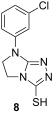
Figure 6: Triazole compound 8 showing the most significant activity against Aspergillus niger and Fusarium ox...
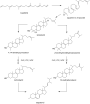
Figure 7: Ergosterol biosynthesis inhibitor pathway.

Figure 8: Fluconazole (9).

Figure 9: Itraconazole (10).

Figure 10: Voriconazole (11).

Figure 11: Posaconazole (12).

Figure 12: Ravuconazole (13).
Synthesis and self-assembly of 1-deoxyglucose derivatives as low molecular weight organogelators
- Guijun Wang,
- Hao Yang,
- Sherwin Cheuk and
- Sherman Coleman
Beilstein J. Org. Chem. 2011, 7, 234–242, doi:10.3762/bjoc.7.31
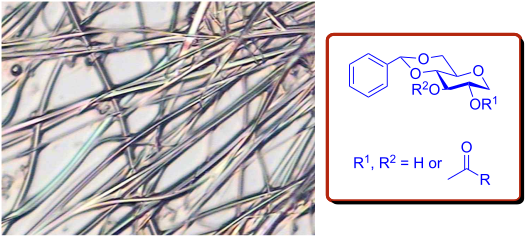
- of UV treatment, it produced a dark blue colored gel (Figure 4e). The blue gel also exhibited interesting color transition properties upon heating (Figure 4f). For a comparison of the two sugar headgroups, the lipid 19 [35] was able gelate ethanol at 7 mg/mL, but it cannot be polymerized as easily

Graphical Abstract

Figure 1: Structures of three ester derivatives of compound 1.

Figure 2: Structures of ester analogs 5–7 and headgroup 8.

Scheme 1: Synthesis of a series of esters 9A–18C.
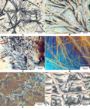
Figure 3: Optical micrographs of the gels formed by compound 9A in hexane at 15 mg/mL (A, B), 9B in DMSO/wate...

Figure 4: An ethanol gel formed by compound 18A at <10 mg/mL. a) A clear solution when heated above 70 °C; b)...

Figure 5: Optical micrographs under bright field (a, b) and scanning electron micrograph (c) of the gel forme...
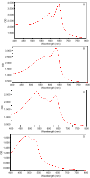
Figure 6: The UV–vis absorption spectra of the polymerized gel formed by compound 18A in ethanol (10 mg/mL): ...
Pyridinium based amphiphilic hydrogelators as potential antibacterial agents
- Sayanti Brahmachari,
- Sisir Debnath,
- Sounak Dutta and
- Prasanta Kumar Das
Beilstein J. Org. Chem. 2010, 6, 859–868, doi:10.3762/bjoc.6.101
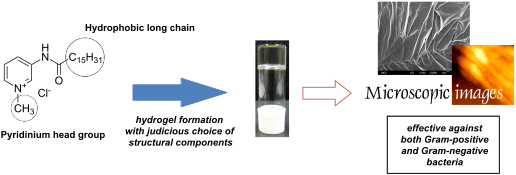
- the difference in the lipid composition as well as in the membrane potential gradient between the target prokaryotic and the non-target eukaryotic cell membranes [41][42]. Conclusion We have utilized a combination of a quaternary pyridinium unit and hydrophobic long chain to build a scaffold, which

Graphical Abstract
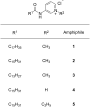
Figure 1: Structure of amphiphiles 1–5.

Scheme 1: Synthetic procedure of the amphiphiles.

Figure 2: Variation of the Tgel with concentration of amphiphiles 1 and 2.

Figure 3: (a, b) FESEM images of the dried gels of 1 and 2, respectively at their MGC. (c, d) Two- and three-...

Figure 4: Luminescence spectra of 2 in water (λex = 330 nm) at various concentrations and room temperature.

Figure 5: FTIR spectra of (a) 1 and (b) 2 in CHCl3 solution (dashed line) and in D2O at the gel state (solid ...

Figure 6: 2D-NOESY spectra of 2 (2%, w/v) in DMSO-d6 with 70% water.

Figure 7: XRD diagram of the dried gel of 2.

Figure 8: Schematic representation of the possible arrangement of molecules during hydrogelation of 2.

Figure 9: MTT assay based percent NIH3T3 cell viability as a function of concentration of amphiphile 2.
Aromatic and heterocyclic perfluoroalkyl sulfides. Methods of preparation
- Vladimir N. Boiko
Beilstein J. Org. Chem. 2010, 6, 880–921, doi:10.3762/bjoc.6.88
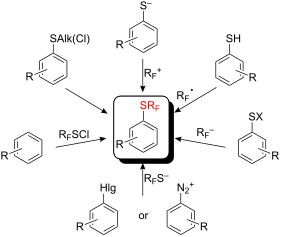
- ligands and even by dimethylformamide. One of the driving forces for the synthesis of perfluoroalkyl sulphides is the high lipophilic properties of perfluoroalkylthio groups (the greatest Hansch constant π = 1.44, belongs to SCF3 group [1]), which increases the ability of such molecules to cross lipid

Graphical Abstract

Figure 1: Examples of industrial fluorine-containing bio-active molecules.

Figure 2: CF3(S)- and CF3(O)-containing pharmacologically active compounds.

Figure 3: Hypotensive candidates with SRF and SO2RF groups – analogues of Losartan and Nifedipin.

Figure 4: The variety of the pharmacological activity of RFS-substituted compounds.

Figure 5: Recent examples of compounds containing RFS(O)n-groups [12-18].

Scheme 1: Fluorination of ArSCCl3 to corresponding ArSCF3 derivatives. For references see: a[38-43]; b[41,42]; c[43]; d[44]; e[38-43,45-47]; f[38-43,48,49]; g...

Scheme 2: Preparation of aryl pentafluoroethyl sulfides.

Scheme 3: Mild fluorination of the aryl SCF2Br derivatives.

Scheme 4: HF fluorinations of aryl α,α,β-trichloroisobutyl sulfide at various conditions.

Scheme 5: Monofluorination of α,α-dichloromethylene group.

Scheme 6: Electrophilic substitution of phenols with CF3SCl [69].

Scheme 7: Introduction of SCF3 groups into activated phenols [71-74].

Scheme 8: Preparation of tetrakis(SCF3)-4-methoxyphenol [72].

Scheme 9: The interactions of resorcinol and phloroglucinol derivatives with RFSCl.

Scheme 10: Reactions of anilines with CF3SCl.

Scheme 11: Trifluoromethylsulfanylation of anilines with electron-donating groups in the meta position [74].

Scheme 12: Reaction of benzene with CF3SCl/CF3SO3H [77].

Scheme 13: Reactions of trifluoromethyl sulfenyl chloride with aryl magnesium and -mercury substrates.

Scheme 14: Reactions of pyrroles with CF3SCl.

Scheme 15: Trifluoromethylsulfanylation of indole and indolizines.

Scheme 16: Reactions of N-methylpyrrole with CF3SCl [80,82].

Scheme 17: Reactions of furan, thiophene and selenophene with CF3SCl.

Scheme 18: Trifluoromethylsulfanylation of imidazole and thiazole derivatives [83].

Scheme 19: Trifluoromethylsulfanylation of pyridine requires initial hydride reduction.

Scheme 20: Introduction of additional RFS-groups into heterocyclic compounds in the presence of CF3SO3H.

Scheme 21: Introduction of additional RFS-groups into pyrroles [82,87].

Scheme 22: By-products in reactions of pyrroles with CF3SCl [82].

Scheme 23: Reaction of aromatic iodides with CuSCF3 [93,95].

Scheme 24: Reaction of aromatic iodides with RFZCu (Z = S, Se), RF = CF3, C6F5 [93,95,96].

Scheme 25: Side reactions during trifluoromethylsulfanylation of aromatic iodides with CF3SCu [98].

Scheme 26: Reactions with in situ generated CuSCF3.

Scheme 27: Perfluoroalkylthiolation of aryl iodides with bulky RFSCu [105].

Scheme 28: In situ formation and reaction of RFZCu with aryl iodides.

Figure 6: Examples of compounds obtained using in situ generated RFZCu methodology [94].

Scheme 29: Introduction of SCF3 group into aromatics via difluorocarbene.

Scheme 30: Tetrakis(dimethylamino)ethylene dication trifluoromethyl thiolate as a stable reagent for substitut...

Scheme 31: The use of CF2=S/CsF or (CF3S)2C=S/CsF for the introduction of CF3S groups into fluorinated heteroc...

Scheme 32: One-pot synthesis of ArSCF3 from ArX, CCl2=S and KF.

Scheme 33: Reaction of aromatics with CF3S− Kat+ [115].

Scheme 34: Reactions of activated aromatic chlorides with AgSCF3/KI.

Scheme 35: Comparative CuSCF3/KI and Hg(SCF3)2/KI reactions.

Scheme 36: Me3SnTeCF3 – a reagent for the introduction of the TeCF3 group.

Scheme 37: Sandmeyer reactions with CuSCF3.

Scheme 38: Reactions of perfluoroalkyl iodides with alkali and organolithium reagents.

Scheme 39: Perfluoroalkylation with preliminary breaking of the disulfide bond.

Scheme 40: Preparation of RFS-substituted anilines from dinitrodiphenyl disulfides.

Scheme 41: Photochemical trifluoromethylation of 2,4,6-trimercaptochlorobenzene [163].

Scheme 42: Putative process for the formation of B, C and D.

Scheme 43: Trifluoromethylation of 2-mercapto-4-hydroxy-6-trifluoromethylyrimidine [145].

Scheme 44: Deactivation of 2-mercapto-4-hydroxypyrimidines S-centered radicals.

Scheme 45: Perfluoroalkylation of thiolates with CF3Br under UV irradiation.

Scheme 46: Catalytic effect of methylviologen for RF• generation.

Scheme 47: SO2−• catalyzed trifluoromethylation.

Scheme 48: Electrochemical reduction of CF3Br in the presence of SO2 [199,200].

Scheme 49: Participation of SO2 in the oxidation of ArSCF3−•.

Scheme 50: Electron transfer cascade involving SO2 and MV.

Scheme 51: Four stages of the SRN1 mechanism for thiol perfluoroalkylation.

Scheme 52: A double role of MV in the catalysis of RFI reactions with aryl thiols.

Scheme 53: Photochemical reaction of pentafluoroiodobenzene with trifluoromethyl disulfide.

Scheme 54: N- Trifluoromethyl-N-nitrosobenzene sulfonamide – a source of CF3• radicals [212,213].

Scheme 55: Radical trifluoromethylation of organic disulfides with ArSO2N=NCF3.

Scheme 56: Barton’s S-perfluoroalkylation reactions [216].

Scheme 57: Decarboxylation of thiohydroxamic esters in the presence of C6F13I.

Scheme 58: Reactions of thioesters of trifluoroacetic and trifluoromethanesulfonic acids in the presence of ar...

Scheme 59: Perfluoroalkylation of polychloropyridine thiols with xenon perfluorocarboxylates or XeF2 [222,223].

Scheme 60: Interaction of Xe(OCORF)2 with nitroaryl disulfide [227].

Scheme 61: Bi(CF3)3/Cu(OCOCH3)2 trifluoromethylation of thiophenolate [230].

Scheme 62: Reaction of fluorinated carbanions with aryl sulfenyl chlorides.

Scheme 63: Reaction of methyl perfluoromethacrylate with PhSCl in the presence of fluoride.

Scheme 64: Reactions of ArSCN with potassium and magnesium perfluorocarbanions [237].

Scheme 65: Reactions of RFI with TDAE and organic disulfides [239,240].

Scheme 66: Decarboxylation of perfluorocarboxylates in the presence of disulfides [245].

Scheme 67: Organization of a stable form of “CF3−” anion in the DMF.

Scheme 68: Silylated amines in the presence of fluoride can deprotonate fluoroform for reaction with disulfide...

Figure 7: Other examples of aminomethanols [264].

Scheme 69: Trifluoromethylation of diphenyl disulfide with PhSO2CF3/t-BuOK.

Scheme 70: Amides of trifluoromethane sulfinic acid are sources of CF3− anion.

Scheme 71: Trifluoromethylation of various thiols using “hyper-valent” iodine (III) reagent [279].

Scheme 72: Trifluoromethylation of p-nitrothiophenolate with diaryl CF3 sulfonium salts [280].

Scheme 73: Trifluoromethyl transfer from dibenzo (CF3)S-, (CF3)Se- and (CF3)Te-phenium salts to thiolates [283].

Scheme 74: Multi-stage paths for synthesis of dibenzo-CF3-thiophenium salts [61].
Molecular recognition of organic ammonium ions in solution using synthetic receptors
- Andreas Späth and
- Burkhard König
Beilstein J. Org. Chem. 2010, 6, No. 32, doi:10.3762/bjoc.6.32

Graphical Abstract

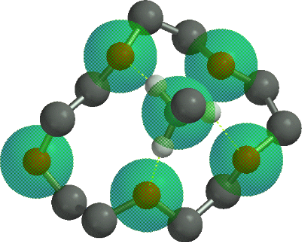
Figure 1: Biologically important amines and quaternary ammonium salts: histamine (1), dopamine (2) and acetyl...

Figure 2: Crown ether 18-crown-6.

Figure 3: Conformations of 18-crown-6 (4) in solvents of different polarity.

Figure 4: Binding topologies of the ammonium ion depending on the crown ring size.
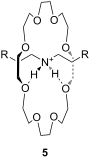
Figure 5: A “pseudorotaxane” structure consisting of 24-crown-8 and a secondary ammonium ion (5); R = Ph.

Figure 6: Typical examples of azacrown ethers, cryptands and related aza macrocycles.

Figure 7: Binding of ammonium to azacrown ethers and cryptands [111-113].

Figure 8: A 19-crown-6-ether with decalino blocking groups (11) and a thiazole-dibenzo-18-crown-6-ether (12).

Figure 9: 1,3-Bis(6-oxopyridazin-1-yl)propane derivatives 13 and 14 by Campayo et al.

Figure 10: Fluorescent azacrown-PET-sensors based on coumarin.

Figure 11: Two different pyridino-cryptands (17 and 18) compared to a pyridino-crown (19); chiral ammonium ion...

Figure 12: Pyridino-18-crown-6 ligand (21), a similar acridino-18-crown-6 ligand (22) and a structurally relat...

Figure 13: Ciral pyridine-azacrown ether receptors 24.

Figure 14: Chiral 15-crown-5 receptors 26 and an analogue 18-crown-6 ligand 27 derived from amino alcohols.

Figure 15: C2-symmetric chiral 18-crown-6 amino alcohol derivatives 28 and related macrocycles.

Figure 16: Macrocycles with diamide-diester groups (30).

Figure 17: C2-symmetric chiral aza-18-crown-6 ethers (31) with phenethylamine residues.

Figure 18: Chiral C-pivot p-methoxy-phenoxy-lariat ethers.

Figure 19: Chiral lariat crown ether 34.

Figure 20: Sucrose-based chiral crown ether receptors 36.
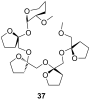
Figure 21: Permethylated fructooligosaccharide 37 showing induced-fit chiral recognition.

Figure 22: Biphenanthryl-18-crown-6 derivative 38.

Figure 23: Chiral lariat crown ethers derived from binol by Fuji et al.

Figure 24: Chiral phenolic crown ether 41 with “aryl chiral barriers” and guest amines.
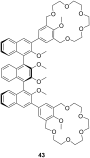
Figure 25: Chiral bis-crown receptor 43 with a meso-ternaphthalene backbone.

Figure 26: Chromogenic pH-dependent bis-crown chemosensor 44 for diamines.

Figure 27: Triamine guests for binding to receptor 44.

Figure 28: Chiral bis-crown phenolphthalein chemosensors 46.

Figure 29: Crown ether amino acid 47.

Figure 30: Luminescent receptor 48 for bis-alkylammonium guests.

Figure 31: Luminescent CEAA (49a), a bis-CEAA receptor for amino acids (49b) and the structure of lysine bindi...

Figure 32: Luminescent CEAA tripeptide for binding small peptides.

Figure 33: Bis crown ether 51a self assembles co-operatively with C60-ammonium ion 51b.

Figure 34: Triptycene-based macrotricyclic dibenzo-[24]-crown-8 ether host 52 and guests.

Figure 35: Copper imido diacetic acid azacrown receptor 53a and the suggested His-Lys binding motif; a copper ...

Figure 36: Urea (54) and thiourea (55) benzo crown receptor for transport and extraction of amino acids.

Figure 37: Crown pyryliums ion receptors 56 for amino acids.

Figure 38: Ditopic sulfonamide bridged crown ether receptor 57.

Figure 39: Luminescent peptide receptor 58.

Figure 40: Luminescent receptor 59 for the detection of D-glucosamine hydrochloride in water/ethanol and lumin...

Figure 41: Guanidinium azacrown receptor 61 for simple amino acids and ditopic receptor 62 with crown ether an...

Figure 42: Chiral bicyclic guanidinium azacrown receptor 63 and similar receptor 64 for the enantioselective t...

Figure 43: Receptors for zwitterionic species based on luminescent CEAAs.

Figure 44: 1,10-Azacrown ethers with sugar podand arms and the anticancer agent busulfan.

Figure 45: Benzo-18-crown-6 modified β-cyclodextrin 69 and β-cyclodextrin functionalized with diaza-18-crown-6...

Figure 46: Receptors for colorimetric detection of primary and secondary ammonium ions.

Figure 47: Porphyrine-crown-receptors 72.

Figure 48: Porphyrin-crown ether conjugate 73 and fullerene-ammonium ion guest 74.

Figure 49: Calix[4]arene (75a), homooxocalix[4]arene (75b) and resorcin[4]arene (75c) compared (R = H, alkyl c...

Figure 50: Calix[4]arene and ammonium ion guest (R = H, alkyl, OAcyl etc.), possible binding sites; A: co-ordi...

Figure 51: Typical guests for studies with calixarenes and related molecules.
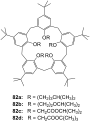
Figure 52: Lower rim modified p-tert-butylcalix[5]arenes 82.

Figure 53: The first example of a water soluble calixarene.

Figure 54: Sulfonated water soluble calix[n]arenes that bind ammonium ions.
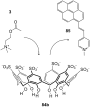
Figure 55: Displacement assay for acetylcholine (3) with a sulfonato-calix[6]arene (84b).

Figure 56: Amino acid inclusion in p-sulfonatocalix[4]arene (84a).

Figure 57: Calixarene receptor family 86 with upper and lower rim functionalization.

Figure 58: Calix[6]arenes 87 with one carboxylic acid functionality.
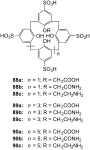
Figure 59: Sulfonated calix[n]arenes with mono-substitution at the lower rim systematically studied on their r...

Figure 60: Cyclotetrachromotropylene host (91) and its binding to lysine (81c).

Figure 61: Calixarenes 92 and 93 with phosphonic acids groups.

Figure 62: Calix[4]arene tetraphosphonic acid (94a) and a double bridged analogue (94b).

Figure 63: Calix[4]arene tetraphosphonic acid ester (92c) for surface recognition experiments.

Figure 64: Calixarene receptors 95 with α-aminophosphonate groups.

Figure 65: A bridged homocalix[3]arene 95 and a distally bridged homocalix[4]crown 96.

Figure 66: Homocalix[3]arene ammonium ion receptor 97a and the Reichardt’s dye (97b) for colorimetric assays.

Figure 67: Chromogenic diazo-bridged calix[4]arene 98.

Figure 68: Calixarene receptor 99 by Huang et al.

Figure 69: Calixarenes 100 reported by Parisi et al.

Figure 70: Guest molecules for inclusion in calixarenes 100: DAP × 2 HCl (101a), APA (101b) and Lys-OMe × 2 HC...

Figure 71: Different N-linked peptido-calixarenes open and with glycol chain bridges.

Figure 72: (S)-1,1′-Bi-2-naphthol calixarene derivative 104 published by Kubo et al.

Figure 73: A chiral ammonium-ion receptor 105 based on the calix[4]arene skeleton.

Figure 74: R-/S-phenylalaninol functionalized calix[6]arenes 106a and 106b.

Figure 75: Capped homocalix[3]arene ammonium ion receptor 107.

Figure 76: Two C3 symmetric capped calix[6]arenes 108 and 109.

Figure 77: Phosphorous-containing rigidified calix[6]arene 110.

Figure 78: Calix[6]azacryptand 111.

Figure 79: Further substituted calix[6]azacryptands 112.

Figure 80: Resorcin[4]arene (75c) and the cavitands (113).

Figure 81: Tetrasulfonatomethylcalix[4]resorcinarene (114).
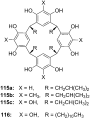
Figure 82: Resorcin[4]arenes (115a/b) and pyrogallo[4]arenes (115c, 116).
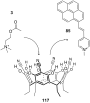
Figure 83: Displacement assay for acetylcholine (3) with tetracyanoresorcin[4]arene (117).

Figure 84: Tetramethoxy resorcinarene mono-crown-5 (118).

Figure 85: Components of a resorcinarene based displacement assay for ammonium ions.

Figure 86: Chiral basket resorcin[4]arenas 121.

Figure 87: Resorcinarenes with deeper cavitand structure (122).

Figure 88: Resorcinarene with partially open deeper cavitand structure (123).

Figure 89: Water-stabilized deep cavitands with partially structure (124, 125).
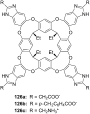
Figure 90: Charged cavitands 126 for tetralkylammonium ions.

Figure 91: Ditopic calix[4]arene receptor 127 capped with glycol chains.

Figure 92: A calix[5]arene dimer for diammonium salt recognition.

Figure 93: Calixarene parts 92c and 129 for the formation molecular capsules.
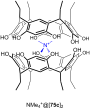
Figure 94: Encapsulation of a quaternary ammonium cation by two resorcin[4]arene molecules (NMe4+@[75c]2 × Cl−...

Figure 95: Encapsulation of a quaternary ammonium cation by six resorcin[4]arene molecules (NMe3D+@[130]6 × Cl−...

Figure 96: Structure and schematic of cucurbit[6]uril (CB[6], 131a).
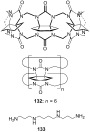
Figure 97: Cyclohexanocucurbit[6]uril (CB′[6], 132) and the guest molecule spermine (133).

Figure 98: α,α,δ,δ-Tetramethylcucurbit[6]uril (134).

Figure 99: Structure of the cucurbituril-phthalhydrazide analogue 135.

Figure 100: Organic cavities for the displacement assay for amine differentiation.

Figure 101: Displacement assay methodology for diammonium- and related guests involving cucurbiturils and some ...

Figure 102: Nor-seco-Cucurbituril (±)-bis-ns-CB[6] (140) and guest molecules.

Figure 103: The cucurbit[6]uril based complexes 141 for chiral discrimination.
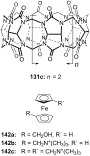
Figure 104: Cucurbit[7]uril (131c) and its ferrocene guests (142) opposed.

Figure 105: Cucurbit[7]uril (131c) guest inclusion and representative guests.

Figure 106: Cucurbit[7]uril (131c) binding to succinylcholine (145) and different bis-ammonium and bis-phosphon...

Figure 107: Paraquat-cucurbit[8]uril complex 149.
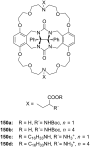
Figure 108: Gluconuril-based ammonium receptors 150.
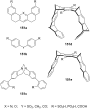
Figure 109: Examples of clefts (151a), tweezers (151b, 151c, 151d) and clips (151e).

Figure 110: Kemp’s triacid (152a), on example of Rebek’s receptors (152b) and guests.

Figure 111: Amino acid receptor (154) by Rebek et al.

Figure 112: Hexagonal lattice designed hosts by Bell et al.

Figure 113: Bell’s amidinium receptor (156) and the amidinium ion (157).
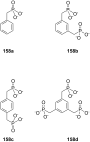
Figure 114: Aromatic phosphonic acids.

Figure 115: Xylene phosphonates 159 and 160a/b for recognition of amines and amino alcohols.
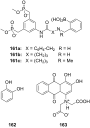
Figure 116: Bisphosphonate recognition motif 161 for a colorimetric assay with alizarin complexone (163) for ca...

Figure 117: Bisphosphonate/phosphate clip 164 and bisphosphonate cleft 165.

Figure 118: N-Methylpyrazine 166a, N-methylnicotinamide iodide (166b) and NAD+ (166c).

Figure 119: Bisphosphate cavitands.
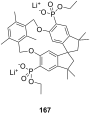
Figure 120: Bisphosphonate 167 of Schrader and Finocchiaro.
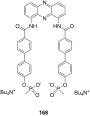
Figure 121: Tweezer 168 for noradrenaline (80b).

Figure 122: Different tripods and heparin (170).
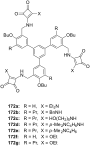
Figure 123: Squaramide based receptors 172.
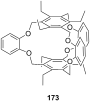
Figure 124: Cage like NH4+ receptor 173 of Kim et al.

Figure 125: Ammonium receptors 174 of Chin et al.

Figure 126: 2-Oxazolin-based ammonium receptors 175a–d and 176 by Ahn et al.

Figure 127: Racemic guest molecules 177.

Figure 128: Tripods based on a imidazole containing macrocycle (178) and the guest molecules employed in the st...

Figure 129: Ammonium ion receptor 180.

Figure 130: Tetraoxa[3.3.3.3]paracyclophanes 181 and a cyclophanic tetraester (182).

Figure 131: Peptidic bridged paraquat-cyclophane.
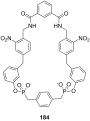
Figure 132: Shape-selective noradrenaline host.

Figure 133: Receptor 185 for binding of noradrenaline on surface layers from Schrader et al.

Figure 134: Tetraphosphonate receptor for binding of noradrenaline.

Figure 135: Tetraphosphonate 187 of Schrader and Finocchiaro.

Figure 136: Zinc-Porphyrin ammonium-ion receptors 188 and 189 of Mizutani et al.
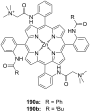
Figure 137: Zinc porphyrin receptor 190.

Figure 138: Zinc porphyrin receptors 191 capable of amino acid binding.

Figure 139: Zinc-porphyrins with amino acid side chains for stereoinduction.

Figure 140: Bis-zinc-bis-porphyrin based on Tröger’s base 193.

Figure 141: BINAP-zinc-prophyrin derivative 194 and it’s guests.

Figure 142: Bisaryl-linked-zinc-porphyrin receptors.
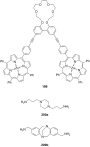
Figure 143: Bis-zinc-porphyrin 199 for diamine recognition and guests.

Figure 144: Bis-zinc-porphyrin crown ether 201.

Figure 145: Bis-zinc-porphyrin 202 for stereodiscrimination (L = large substituent; S = small substituent).

Figure 146: Bis-zinc-porphyrin[3]rotaxane and its copper complex and guests.

Figure 147: Dien-bipyridyl ligand 206 for co-ordination of two metal atoms.

Figure 148: The ligand and corresponding tetradentate co-complex 207 serving as enantioselective receptor for a...

Figure 149: Bis(oxazoline)–copper(II) complex 208 for the recognition of amino acids in aqueous solution.

Figure 150: Zinc-salen-complexes 209 for the recognition tertiary amines.

Figure 151: Bis(oxazoline)–copper(II) 211 for the recognition of amino acids in aqueous solution.

Figure 152: Zn(II)-complex of a C2 terpyridine crown ether.

Figure 153: Displacement assay and receptor for aspartate over glutamate.

Figure 154: Chiral complex 214 for a colorimetric displacement assay for amino acids.

Figure 155: Metal complex receptor 215 with tripeptide side arms.

Figure 156: A sandwich complex 216 and its displaceable dye 217.

Figure 157: Lanthanide complexes 218–220 for amino acid recognition.
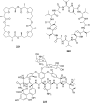
Figure 158: Nonactin (221), valinomycin (222) and vancomycin (223).

Figure 159: Monesin (224a) and a chiral analogue for enantiodiscrimination of ammonium guests (224b).

Figure 160: Chiral podands (226) compared to pentaglyme-dimethylether (225) and 18-crown-6 (4).

Figure 161: Lasalocid A (228).

Figure 162: Lasalocid derivatives (230) of Sessler et al.

Figure 163: The Coporphyrin I tetraanion (231).

Figure 164: Linear and cyclic peptides for ammonium ion recognition.

Figure 165: Cyclic and bicyclic depsipeptides for ammonium ion recognition.
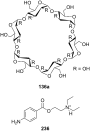
Figure 166: α-Cyclodextrin (136a) and novocaine (236).
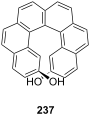
Figure 167: Helical diol receptor 237 by Reetz and Sostmann.

Figure 168: Ammonium binding spherand by Cram et al. (238a) and the cyclic[6]metaphenylacetylene 238b in compar...

Figure 169: Receptor for peptide backbone and ammonium binding (239).

Figure 170: Anion sensor principle with 3-hydroxy-2-naphthanilide of Jiang et al.

Figure 171: 7-bromo-3-hydroxy-N-(2-hydroxyphenyl)naphthalene 2-carboxamide (241) and its amine binding.

Figure 172: Naturally occurring catechins with affinity to quaternary ammonium ions.

Figure 173: Spiropyran (244) and merocyanine form (244a) of the amino acid receptors of Fuji et al.

Figure 174: Coumarin aldehyde (245) and its iminium species with amino acid bound (245a) by Glass et al.
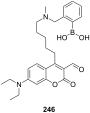
Figure 175: Coumarin aldehyde appended with boronic acid.

Figure 176: Quinolone aldehyde dimers by Glass et al.

Figure 177: Chromogenic ammonium ion receptors with trifluoroacetophenone recognition motifs.

Figure 178: Chromogenic ammonium ion receptor with trifluoroacetophenone recognition motif bound on different m...
The development and evaluation of a continuous flow process for the lipase- mediated oxidation of alkenes
- Charlotte Wiles,
- Marcus J. Hammond and
- Paul Watts
Beilstein J. Org. Chem. 2009, 5, No. 27, doi:10.3762/bjoc.5.27
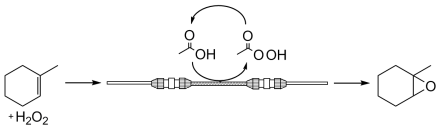
- such as H2O2 (2) and urea–hydrogen peroxide (UHP, 3) [12]. For this transformation, the biocatalysts of choice are lipases (E.C. 3.1.1.3), which are a group of water soluble enzymes that catalyse the hydrolysis of lipid substrates, i.e. triglycerides and fats, in biological systems and are a subclass

Graphical Abstract

Scheme 1: Illustration of the chemo-enzymatic epoxidation of an alkene; involving the biocatalytic perhydroly...

Scheme 2: Illustration of the chemo-enzymatic epoxidation of 1-methylcyclohexene (6) to 1-methylcyclohexene o...

Scheme 3: Model reaction used to compare the continuous flow epoxidation strategy with the conventional batch...

Figure 1: Schematic of the reaction set-up used to evaluate the continuous flow chemo-enzymatic epoxidation o...

Figure 2: Graph illustrating the effect of flow rate (hence residence time) on the conversion of 1-methylcycl...
Figure 3: Graph illustrating the effect of (a) flow rate and (b) residence time on the conversion of 1-methyl...

Figure 4: Graph illustrating the effect of oxidant stoichiometry on the conversion of 1-methylcyclohexene (6)...

Figure 5: Illustration of the enzyme 4 stability to H2O2 (2) for the conversion of 1-methylcyclohexene (6) to...

Scheme 4: Illustration of the reaction products obtained when conducting the continuous flow epoxidation of c...
Trifluoromethyl ethers – synthesis and properties of an unusual substituent
- Frédéric R. Leroux,
- Baptiste Manteau,
- Jean-Pierre Vors and
- Sergiy Pazenok
Beilstein J. Org. Chem. 2008, 4, No. 13, doi:10.3762/bjoc.4.13

- advantageously a fluorine atom (π = +0.14) in most molecules with the benefit of increased lipid solubility. Acidity of trifluoromethyl ethers As described previously, the trifluoromethoxy group is at the same time a strong electron-withdrawing substituent due to the three fluorine atoms and a π-donating

Graphical Abstract

Figure 1: OCF3-bearing pesticides.

Scheme 1: Preparation of trifluoromethyl ethers via a chlorination/fluorination sequence.

Scheme 2: Preparation of trifluoromethyl ethers via an in situ chlorination/fluorination sequence.

Scheme 3: Preparation of trifluoromethyl ethers via chlorothionoformates.

Scheme 4: Preparation of trifluoromethyl ethers via fluoroformates.

Scheme 5: Oxidative desulfurization-fluorination toward trifluoromethyl ethers.

Scheme 6: Mechanism of the oxidative desulfurization-fluorination.

Scheme 7: Umemoto's O-(trifluoromethyl)dibenzofuranium salts 4 as CF3-transfer agents.

Scheme 8: Togni's approach using hypervalent iodine compounds as CF3-transfer agents.

Scheme 9: TAS OCF3 as a nucleophilic OCF3-transfer agent.

Figure 2: Mesomeric structures of the OCF3-group.

Figure 3: Structures of 6 and 7.

Figure 4: Conformational preference of the trifluoromethoxy group on aryl rings.

Scheme 10: Nitration of trifluoromethoxy benzene.

Scheme 11: Synthesis and Nitration of N-Acetyl-(trifluoromethoxy)anilines.

Scheme 12: Bromine/lithium exchange of bromo(trifluoromethoxy)benzenes.

Scheme 13: Metalation of (trifluoromethoxy)benzene.

Scheme 14: Metalation of (trifluoromethoxy)naphthalenes.

Scheme 15: Competition between -CF3- and -OCF3 in Metalation reactions.

Scheme 16: Competition between -F- and -OCF3 in Metalation reactions.
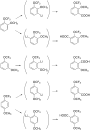
Scheme 17: Metalation of trifluoromethoxyanisoles.

Figure 5: Direction of π-polarization depending on the substituent as described by Schlosser et al. [57].

Scheme 18: Metalation of Bromo(trifluoromethoxy)benzenes.

Scheme 19: Aryne formation from bromo(trifluoromethoxy)phenyllithiums and subsequent Diels-Alder cycloaddition...

Scheme 20: Metalation of (trifluoromethoxy)anilines.
Stereoselective synthesis of (2S,3S,4Z)-4-fluoro- 1,3-dihydroxy- 2-(octadecanoylamino)octadec- 4-ene, [(Z)-4-fluoroceramide], and its phase behavior at the air/water interface
- Gergana S. Nikolova and
- Günter Haufe
Beilstein J. Org. Chem. 2008, 4, No. 12, doi:10.3762/bjoc.4.12

- , sphingolipids are crucial e.g. for the function of the skin because they contribute to the formation of the water permeability barrier consisting of a highly organized multilaminar lipid matrix of free fatty acids, cholesterol and ceramides containing additional hydroxyl groups in the sphingosin part and longer
- water permeability barrier consisting of a highly organized multilaminar lipid matrix of free fatty acids, cholesterol and ceramides containing additional hydroxyl groups in the sphingosin part and longer fatty acid amide functions [23]. The function of the additional free OH group seems to be the
- formation of additional hydrogen bridges, which enhance the rigidity of the intercellular lipid aggregates and hence decrease the transepidermal water loss [24][25]. Several of the biological properties of sphingosines and ceramides (e.g. sphingomyelinase activity) were assigned to the OH group in the 3

Graphical Abstract

Figure 1: Natural sphingosines 1a, 2a and synthesized fluorinated analogues 1b, 2b.

Scheme 1: Synthesis of 4-fluorosphingosine (2b); Reagents: i ClTi(OEt)3/Et3N, CH2Cl2, 13 h, 0 °C; ii 15% aq c...

Scheme 2: Mechanism of the aldol reaction.

Figure 2: Favorable conformations of the tert-butyl amino acid ester 7.

Figure 3: π–A Isotherms of ceramide (2a) and 4-fluoroceramide (2b) at 20 °C (80 cm2/min compression velocity)....

Figure 4: Cycles of compression and expansion for ceramide (2a) and 4-fluoroceramide (2b).
ADDP and PS-PPh3: an efficient Mitsunobu protocol for the preparation of pyridine ether PPAR agonists
- Paul S. Humphries,
- Quyen-Quyen T. Do and
- David M. Wilhite
Beilstein J. Org. Chem. 2006, 2, No. 21, doi:10.1186/1860-5397-2-21
- pathways for lipid handling, insulin sensitivity, inflammation and other functions have led to marketed drugs and vast clinical and preclinical research efforts.[1][2][3][4][5][6][7][8][9][10][11] In 1991, a series of PPAR analogues were disclosed, which for the first time did not contain a thiazolidine

Graphical Abstract

Figure 1: Thiazolidine-2,4-dione mimic & chosen lead scaffold.

Scheme 1: Reagents and conditions: (a) PS-PPh3, DEAD, THF, rt, 16 h, 54%.

Figure 2: Proposed mechanism of the Mitsunobu reaction.

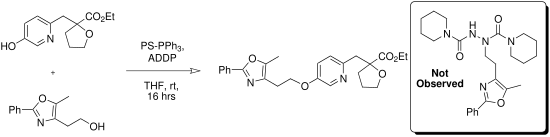
Scheme 2: Reagents and conditions: (a) PS-PPh3, ADDP, THF, rt, 16 h, 81%.

Scheme 3: Reagents and conditions: (a) 1 N aq. NaOH, MeCN, 100°C μW, 10 mins, 96%.



