


Search results
Search for "methods" in Full Text gives 2523 result(s) in Beilstein Journal of Organic Chemistry. Showing first 200.
Chitosan-supported CuI-catalyzed cascade reaction of 2-halobenzoic acids and amidines for the synthesis of quinazolinones
Beilstein J. Org. Chem. 2025, 21, 839–844, doi:10.3762/bjoc.21.67
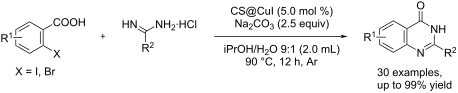
- ], but can also be readily converted into other functional compounds under specific conditions [4][5]. Due to their significant biological relevance and potential applications, numerous synthetic methods have been recently developed to synthesize these useful intermediates [6][7][8][9]. Among these
- methods, the cascade reaction between ortho-halogen (e.g., chlorine, bromine or iodine) substituted benzoic acids and amidines has become a prominent route to synthesize the corresponding quinazolinones [10][11][12][13][14][15][16][17][18]. In 2009, Fu and co-workers found that copper(I) could effectively


Substituent effects in N-acetylated phenylazopyrazole photoswitches
Beilstein J. Org. Chem. 2025, 21, 830–838, doi:10.3762/bjoc.21.66

- LED in CH3CN.a Overview over thermal half-lifes for NAc-PAPs in CH3CN at 30 °C. Eyring analysis of NAc-PAP-CN and NAc-PAP-OMe determined in toluene (for details see Supporting Information File 1, section 3.7). Supporting Information Supporting Information File 46: Materials and methods, analytical


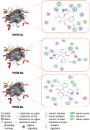
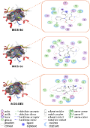
4-(1-Methylamino)ethylidene-1,5-disubstituted pyrrolidine-2,3-diones: synthesis, anti-inflammatory effect and in silico approaches
Beilstein J. Org. Chem. 2025, 21, 817–829, doi:10.3762/bjoc.21.65

- , while density functional theory (DFT) calculations provided insights into their electronic properties, including reactivity and stability. This comprehensive approach, integrating synthesis, biological evaluation, and computational methods, highlights the potential of 4-(1-methylamino)ethylidene-1,5
- development targeting iNOS-related pathologies. Future research should prioritize extensive in vivo studies and clinical evaluations to further explore their therapeutic potential and safety profiles. Experimental Experimental methods All chemicals were purchased from Merck, Sigma-Aldrich and Acros without
- determine the melting points of all products. All NMR spectra were recorded on a Bruker Avance II+ 600 MHz instrument and chemical shifts (δ) are reported in ppm (parts per million) relative to tetramethylsilane (TMS) or internal deuterated solvent signals. Computational methods Prediction of drug-likeness


Recent advances in the electrochemical synthesis of organophosphorus compounds
Beilstein J. Org. Chem. 2025, 21, 770–797, doi:10.3762/bjoc.21.61
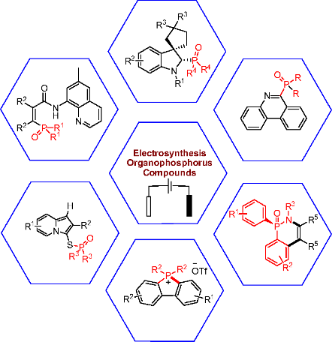
- Babak Kaboudin Milad Behroozi Sepideh Sadighi Fatemeh Asgharzadeh Department of Chemistry, Institute for Advanced Studies in Basic Sciences (IASBS), Gava Zang, Zanjan 45137-66731, Iran 10.3762/bjoc.21.61 Abstract In this review, we describe recent advances in electrochemical green methods for the
- . Electricity can perform the oxidation and reduction process by exchanging electrons on the electrode surface in a region called the double layer (DL) [12]. Unlike traditional methods that require high temperature, pressure, and external oxidants, electrochemistry is an efficient and energy-saving approach
- that controls reaction selectivity by adjusting voltage or current [13]. Simple synthetic systems in electrochemical methods are limited to electrodes, cells, electrolytes, and power supplies. Today, in addition to the above, light, metallic, and organic catalysts are also used to increase the


Development and mechanistic studies of calcium–BINOL phosphate-catalyzed hydrocyanation of hydrazones
Beilstein J. Org. Chem. 2025, 21, 755–765, doi:10.3762/bjoc.21.59
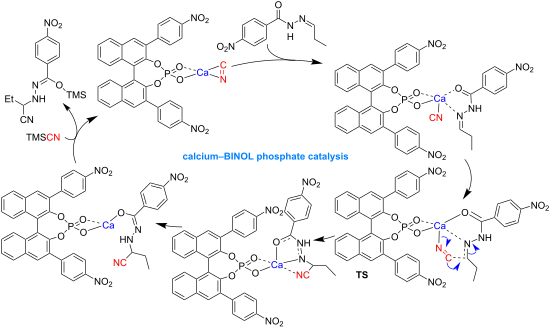
- hydrocyanation of hydrazones, catalyzed by a calcium–BINOL phosphate complex, has been studied for the first time both experimentally and computationally with DFT methods. A full catalytic cycle for the enantioselective synthesis of α-hydrazinonitriles is proposed based on insights gained from DFT calculations
- configuration opposite to the results with in situ-formed Ca complex 6, for which BINOL phosphate was newly synthesized, instead of purchased, and with which we achieved much higher ee values (87–89% ee (R), Table 2, entries 1–3). These distinctly different outcomes, when methods to generate Ca complex 6, or


Origami with small molecules: exploiting the C–F bond as a conformational tool
Beilstein J. Org. Chem. 2025, 21, 680–716, doi:10.3762/bjoc.21.54
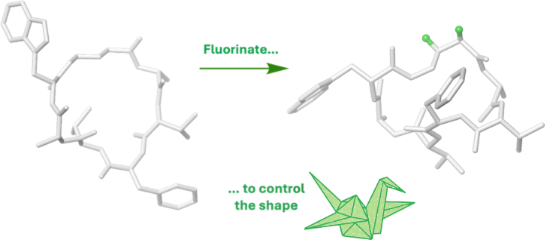
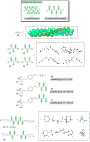
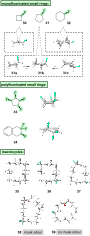
- target binding will incur little entropic cost) and high selectivity (since off-target interactions will be minimised) [1]. There are several methods by which the conformations of small molecules can be controlled, but in this review we will focus upon one particular method, which is the installation of
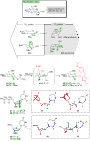
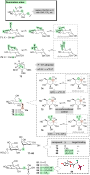
- recognition processes. Therefore, methods for controlling the conformations of sugars are likely to have diverse and valuable applications in biotechnology and medicine. The structure of a sugar molecule offers several potential locations where fluorine can be introduced. Typical patterns include the








Recent advances in allylation of chiral secondary alkylcopper species
Beilstein J. Org. Chem. 2025, 21, 639–658, doi:10.3762/bjoc.21.51
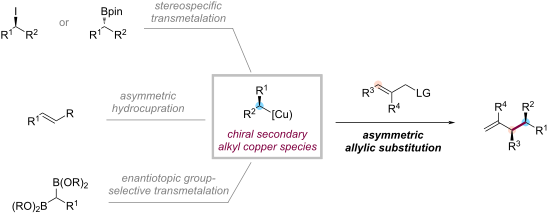
- eponymous Tsuji–Trost reaction, they faced a significant limitation: poor regioselectivity with non-symmetrical allylic substrates 2. This constraint led to the predominant development of Pd-catalyzed methods using symmetric 1,3-disubstituted allylic substrates 1 that contain a leaving group in the allylic
- Following the initial demonstration by Buchwald that styrenes are viable substrates for the CuH-catalyzed hydroallylation, the development of methods applicable to vinylboronic esters presented unique opportunities for the synthesis of versatile chiral organoboron compounds [52]. A breakthrough in this


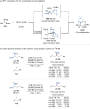


Entry to 2-aminoprolines via electrochemical decarboxylative amidation of N‑acetylamino malonic acid monoesters
Beilstein J. Org. Chem. 2025, 21, 630–638, doi:10.3762/bjoc.21.50
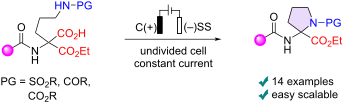
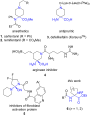
- and the development of efficient synthetic methods to access these medicinally relevant structural motifs. Herein, we report an electrochemical synthesis of 2-aminoproline and 2-aminopipecolic acid derivatives 6 (Figure 1). Recently, we disclosed an electrochemical approach to tetrahydrofuran and
- NMR methods, and all attempts to obtain crystals suitable for X-ray crystallographic analysis were unsuccessful. N-Protected 2-aminoproline derivatives 6 are relatively stable under basic conditions as evidenced by successful hydrolysis of the ester moiety in 6a,d,e using aqueous LiOH to provide acids



Photocatalyzed elaboration of antibody-based bioconjugates
Beilstein J. Org. Chem. 2025, 21, 616–629, doi:10.3762/bjoc.21.49
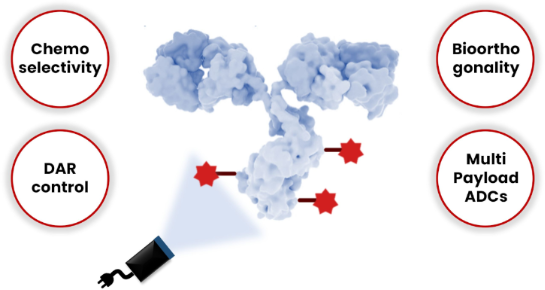
- , combining the specificity of antibodies with the potency of cytotoxic drugs to enhance therapeutic efficacy while minimizing off-target effects. The development of new chemical methods for bioconjugation is essential to generate ADCs and to optimize their stability, efficacy, and safety. Traditional
- conjugation methods often face challenges related to site-selectivity and heterogeneous product mixtures, highlighting the need to develop new, innovative chemical strategies. Photoredox chemistry emerges as a powerful tool in this context, enabling precise, mild, and selective modifications of peptides and
- proteins. By harnessing light to drive chemical transformations, photoredox techniques can facilitate the synthesis of antibody bioconjugates. This perspective will discuss the drive to develop and empower photoredox methods applied to antibody functionalization. Keywords: antibodies; bioconjugation


Sequential two-step, one-pot microwave-assisted Urech synthesis of 5-monosubstituted hydantoins from L-amino acids in water
Beilstein J. Org. Chem. 2025, 21, 596–600, doi:10.3762/bjoc.21.46
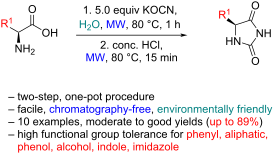
- ]. Furthermore, several methods for hydantoin synthesis have been reported. The modified Bucherer–Bergs reaction using nitriles or methyleneaziridines with organometallic reagents gave moderate yields of 40–77% and 48–75%, respectively [7][8]. Amino acids remain key building blocks, with approaches involving
- amino acid. The hydantoins were found to be optically active (except for H2d), suggesting that enantiomeric information was preserved during the reaction (see Supporting Information File 1). Hydantoin yields (34–89%) are generally comparable to previously reported methods [7][8][9][10][11][12][13][14
- of this process is promising, driven by its simplicity, moderate to high yields, and the use of environmentally friendly reagents. Notably, microwave-assisted one-pot reactions eliminate the need for column chromatography, a common step in traditional purification methods but limits scalability


Formaldehyde surrogates in multicomponent reactions
Beilstein J. Org. Chem. 2025, 21, 564–595, doi:10.3762/bjoc.21.45
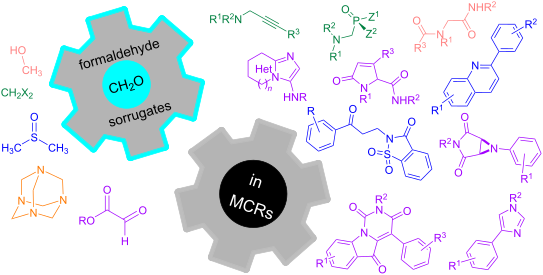
- for obtaining propargylamines. Synthesis of α-aminophosphonates One of the most robust methods for the synthesis of α-aminophosphonates is the Pudovik reaction, along with its multicomponent version, the Kabachnik–Fields reaction (Scheme 25) [72][73]. In the Pudovik reaction, a dialkyl phosphite 31
- is a very interesting alternative for the synthesis of P-chiral α-aminophosphorous compounds without formaldehyde due to the straightforward procedure, the good yields observed, and the absence of byproducts compared to more conventional methods (Pudovik reaction or Kabachnik–Fields MCR reaction) [72


Study of the interaction of 2H-furo[3,2-b]pyran-2-ones with nitrogen-containing nucleophiles
Beilstein J. Org. Chem. 2025, 21, 556–563, doi:10.3762/bjoc.21.44
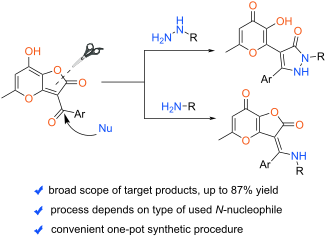
- biological activity [1][2][3]. Among the numerous approaches using considered furanones as starting compounds the recyclization processes are of significant interest [4][5]. The important subclass of such synthetic methods is the interaction with nitrogen-containing reagents. In this case depending on the


Asymmetric synthesis of β-amino cyanoesters with contiguous tetrasubstituted carbon centers by halogen-bonding catalysis with chiral halonium salt
Beilstein J. Org. Chem. 2025, 21, 547–555, doi:10.3762/bjoc.21.43
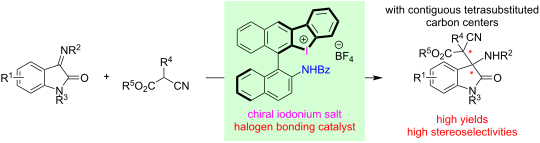
- catalysis (Figure 2c). Results and Discussion Chiral halonium salts 9a–c were prepared according to our previously reported methods [33]. The Mannich reaction of ketimine 7a and cyanoester 16a was selected as a benchmark, and catalyst screening was conducted (Scheme 1). The reaction was carried out with 1.0


Deep-blue emitting 9,10-bis(perfluorobenzyl)anthracene
Beilstein J. Org. Chem. 2025, 21, 515–525, doi:10.3762/bjoc.21.39
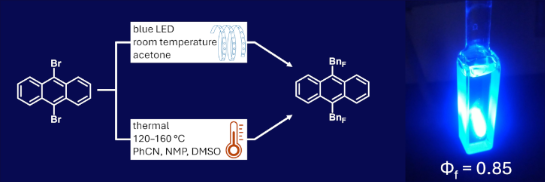
- of the solid products practically impossible. When NMP was used as the solvent, the reaction of 9,10-ANTH(Br)2, BnFI, and Na2S2O3 did not result in the formation of 9,10-ANTH(BnF)2 but mainly in the formation of 9-Br-10-BnF-ANTH (39%, determined by NMR). Overall, the methods described above all
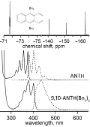
- , whereas 9,10-ANTH(BnF)2 loses vibronic structure in the emission spectrum. This may be the result of different conformations upon relaxation [31]. The HOMO–LUMO gap (Eg) decreases from ANTH (3.28 eV) to 9,10-ANTH(BnF)2 (3.05 eV). A decrease in Eg is regarded as one of the methods for improving the
- reactions) Dry Mg turnings (excess) were added to an oven-dried 100 mL Schlenk flask and mechanically activated via stirring and heating. After 1 h, dry THF (20 mL) and 9,10-ANTH(Br)2 (84 mg, 0.25 mmol) were added. Several activation methods were tried (ultra sonic bath, careful heating, addition of I2





Unprecedented visible light-initiated topochemical [2 + 2] cycloaddition in a functionalized bimane dye
Beilstein J. Org. Chem. 2025, 21, 500–509, doi:10.3762/bjoc.21.37
- absorption correction using SADABS was applied [32][33]. Structures were solved by dual methods using SHELXT and refined by full-matrix least-squares methods against F2 by SHELXL using Olex2 [34][35]. All non-hydrogen atoms were refined with anisotropic displacement parameters. All hydrogen atoms were


Synthesis of electrophile-tethered preQ1 analogs for covalent attachment to preQ1 RNA
Beilstein J. Org. Chem. 2025, 21, 483–489, doi:10.3762/bjoc.21.35
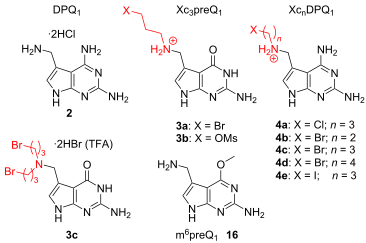
- reasonably fast labeling kinetics and up to quantitative conversion under quasi-physiological conditions [4]. Obviously, the rapid dissemination and widespread acceptance of such labeling methods depend on fast and simple access to the small molecule probes. Here, we report efficient synthetic routes to


Organocatalytic kinetic resolution of 1,5-dicarbonyl compounds through a retro-Michael reaction
Beilstein J. Org. Chem. 2025, 21, 473–482, doi:10.3762/bjoc.21.34
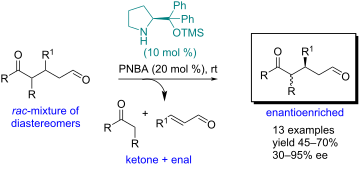
- in the reaction mixture [2] and is the most practical method applied in the pharmaceutical industry [3]. However, research in this field has developed new resolution methods known as deracemization [4] and dynamic kinetic resolution (DKR) [5]. Currently, organocatalysis has enabled more efficient


Photomechanochemistry: harnessing mechanical forces to enhance photochemical reactions
Beilstein J. Org. Chem. 2025, 21, 458–472, doi:10.3762/bjoc.21.33
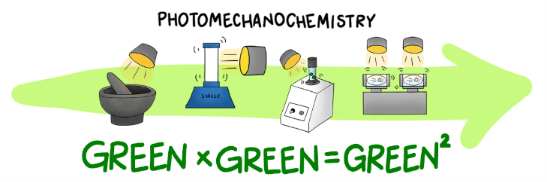
- photon by a molecule causes the reorganization of the electron density around the atoms and unlocks unique reactivity modes [2][3]. In photochemical methods, light is directly absorbed by a functional group embedded in the substrate and can be exploited for example to cleave bonds or trigger
- solvent. Mechanochemical synthesis, particularly through ball milling, has emerged as a powerful and sustainable technique that offers numerous advantages over traditional solution-phase methods [40][41][42]. By often eliminating the need for solvents, mechanochemistry reduces environmental impact and
- of the current technological advancement in the field. This Perspective is organized into four sections based on the adopted setup for photomechanochemistry: manual grinding, vortex mixing, rod milling methods, and ball milling (Figure 2, bottom). One final note is about the solvent adopted: in some




New tandem Ugi/intramolecular Diels–Alder reaction based on vinylfuran and 1,3-butadienylfuran derivatives
Beilstein J. Org. Chem. 2025, 21, 444–450, doi:10.3762/bjoc.21.31
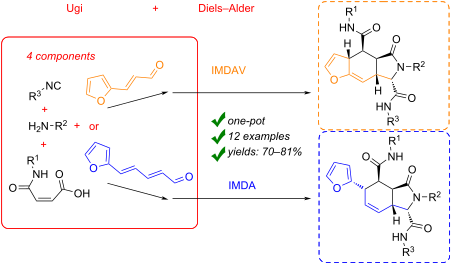
- [11][12][13]. Advancements in one-pot syntheses, like combining the Ugi reaction with other methods [14][15][16][17][18], for example, the Huisgen cycloaddition, have led to the creation of unique [1,2,3]triazolo[1,5-a]pyrazine derivatives [19]. Tandem reactions are particularly valued for their atom




Beyond symmetric self-assembly and effective molarity: unlocking functional enzyme mimics with robust organic cages
Beilstein J. Org. Chem. 2025, 21, 421–443, doi:10.3762/bjoc.21.30
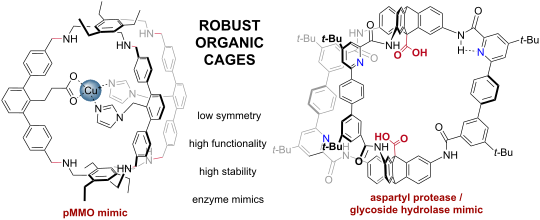
- catalysis [229]. Methods to study the structural detail of catalysis in frameworks remain limited, and crucial techniques like solution-phase NMR are rarely useful [22]. Enzyme encapsulation [230], and electro- and photocatalysis are known [228], and chiral and low symmetry MOFs are an exciting avenue
- methods in materials discovery are unlikely to discover solution-phase sensors or catalysts without a rational starting point to build from. Instead, new receptors [413] and catalysts [414][415][416] will likely arise from improvements in computational rationalization of experimental data [415][417
- purification possibilities available for robust organic cages mean access to structural families via stepwise synthesis or statistical methods followed by separation is facile, as demonstrated by Otte [42][43][44] and ourselves [41]. The lack of internal functionality in cavities doesn’t just reduce the




Unraveling aromaticity: the dual worlds of pyrazole, pyrazoline, and 3D carborane
Beilstein J. Org. Chem. 2025, 21, 412–420, doi:10.3762/bjoc.21.29
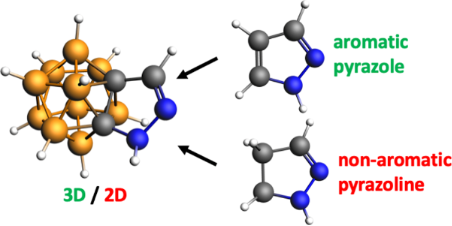
- materials [28][29][30]. As a result, developing efficient methods for selectively introducing functional groups into carboranes has become a key area of research [29][31]. Moreover, replacing planar aryl rings in biologically active molecules with spherical carborane units has led to novel alternatives [32


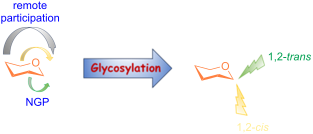
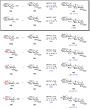
The effect of neighbouring group participation and possible long range remote group participation in O-glycosylation
Beilstein J. Org. Chem. 2025, 21, 369–406, doi:10.3762/bjoc.21.27




Synthesis, structure, ionochromic and cytotoxic properties of new 2-(indolin-2-yl)-1,3-tropolones
Beilstein J. Org. Chem. 2025, 21, 358–368, doi:10.3762/bjoc.21.26
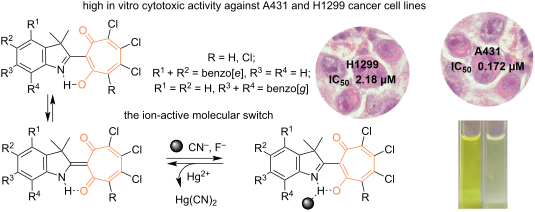
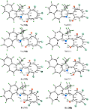
- reaction of o-chloranil with benzoannelated derivatives of 2,3,3-trimethylindolenine, a comprehensive evaluation of the structure of the compounds obtained using quantum chemical methods, X-ray diffraction analysis, two-dimensional correlation NMR spectroscopy, as well as investigation of their ionochromic
- 1,2-benzoquinone and o-chloroanil, respectively [1][25]. The structures of compounds 7 and 8 obtained by methods A and B were confirmed by 1H NMR, IR spectroscopy and mass spectrometry (Supporting Information File 2). A distinctive feature of the 1H NMR spectra of 7 in CDCl3 is the signal of the
- -ray diffraction analysis. Using two-dimensional correlation NMR spectroscopy methods, it was shown that the nature of the solvent significantly affects the equilibrium of the tautomeric forms of the 1,3-tropolones. The obtained compounds represent molecular switches of optical and fluorescent




Synthesis, characterization, antimicrobial, cytotoxic and carbonic anhydrase inhibition activities of multifunctional pyrazolo-1,2-benzothiazine acetamides
Beilstein J. Org. Chem. 2025, 21, 348–357, doi:10.3762/bjoc.21.25
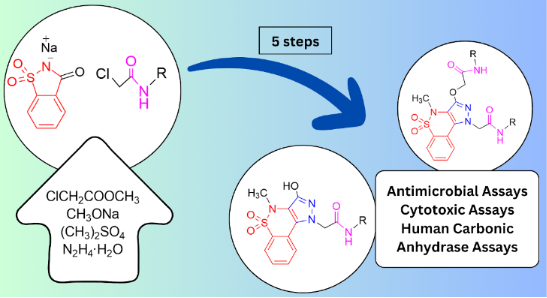
- resistance [2]. Innovative scaffolds for novel antibiotic drug candidates are required to create new methods for safe and effective treatments. Chemically designed drug leads can complement naturally found antibiotics and may engage multiple modes of action and might have a longer lifetime before resistance


Synthesis of new condensed naphthoquinone, pyran and pyrimidine furancarboxylates
Beilstein J. Org. Chem. 2025, 21, 340–347, doi:10.3762/bjoc.21.24
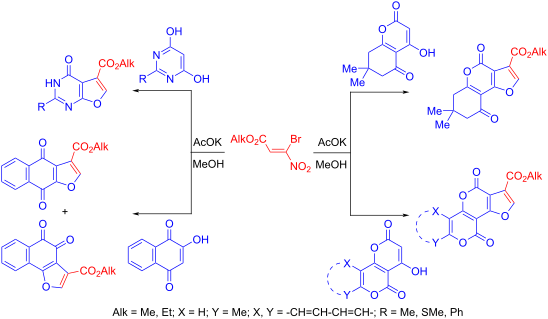
- of the synthesized compounds were proven by a set of physicochemical methods, including X-ray diffraction analysis. Keywords: CH-acids; 1-halo-1-nitroethenes; heterocyclization; nitroacrylates; X-ray diffraction analysis; Introduction The combination of the furan ring with various carbo- and
- ]. In addition, we have previously demonstrated the effective use of alkyl 3-bromo-3-nitroacrylates in the preparation of condensed furancarboxylates using potassium acetate as a catalyst [28][29][30]. The present study is aimed at developing methods for the synthesis of a wide range of condensed
- case of 2e) or alcohol (in the case of 2f,g) solution for 1–3 h (ratio of acrylate/CH-acid/AcOK = 1:1:1.5) with a yield of 43–64% (Scheme 7). The structures of the obtained condensed furans 3–7 were characterized by a set of physicochemical methods, including X-ray diffraction analysis. Analysis of the





