Search results
Search for "oxidation" in Full Text gives 1466 result(s) in Beilstein Journal of Organic Chemistry. Showing first 200.
Deuterated reagents in multicomponent reactions to afford deuterium-labeled products
Beilstein J. Org. Chem. 2024, 20, 2270–2279, doi:10.3762/bjoc.20.195
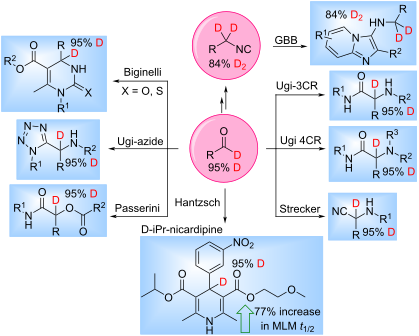
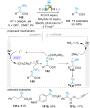
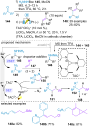
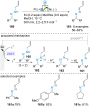
- sites where benzylic C–H bonds readily undergo metabolism driven by cytochrome P450 oxidases via single-electron oxidation [24]. This metabolic lability may be tempered by hydrogen replacement with deuterium, an almost perfect bio-isosteric replacement (C–H to C–D) which maintains 3D surface, shape and


gem-Difluorination of carbon–carbon triple bonds using Brønsted acid/Bu4NBF4 or electrogenerated acid
Beilstein J. Org. Chem. 2024, 20, 2261–2269, doi:10.3762/bjoc.20.194
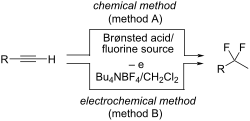
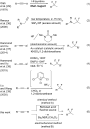
- University, 3-4-1 Kowakae, Higashi-osaka, Osaka, 577-8502, Japan 10.3762/bjoc.20.194 Abstract gem-Difluorination of carbon–carbon triple bonds was conducted using Brønsted acids, such as Tf2NH and TfOH, combined with Bu4NBF4 as the fluorine source. The electrochemical oxidation of a Bu4NBF4/CH2Cl2 solution
- solution of Bu4NBF4/CH2Cl2 containing substrates might also promote the same reactions (Figure 1, reaction 6, electrochemical method). Currently, electrochemistry can be regarded as a promising technique in organic synthesis, because heavy-metal reagents can be avoided for the oxidation or reduction of
- −’’ equivalents might serve as good reagents for the gem-difluorination of alkynes. Thus, we have examined the electrochemical oxidation of a solution of Bu4NBF4/CH2Cl2 containing 1a (0.5 mmol) in a divided cell using 8 mA or 16 mA (Scheme 1, method B, in-cell method). In-cell method means that EGA was generated



Metal-free double azide addition to strained alkynes of an octadehydrodibenzo[12]annulene derivative with electron-withdrawing substituents
Beilstein J. Org. Chem. 2024, 20, 2234–2241, doi:10.3762/bjoc.20.191
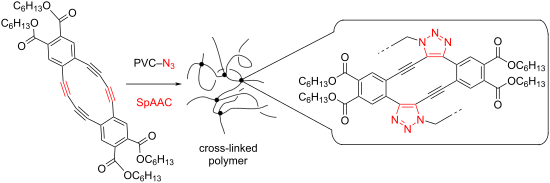
- oxidation-controlled cyclooctyne-1,2-quinone cycloaddition (SPOCQ) was developed and employed in the same fields of chemical biology [6][7]. On the other hand, the use of the SpAAC in materials science was slow. We developed another class of metal-free click chemistry reactions, such as the [2 + 2




Selective hydrolysis of α-oxo ketene N,S-acetals in water: switchable aqueous synthesis of β-keto thioesters and β-keto amides
Beilstein J. Org. Chem. 2024, 20, 2225–2233, doi:10.3762/bjoc.20.190

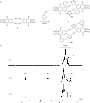
- ) [25] or β-keto esters (Scheme 1a, path 4) [26][27], the aldol reaction between aldehydes and S-ethyl acetothioate followed by oxidation with Dess–Martin periodinane (Scheme 1a, path 5) [28], the hydrolysis of α-oxo ketene dithioacetals (Scheme 1a, path 6) [29] and MgBr2·OEt2-catalyzed acylation of



Electrochemical allylations in a deep eutectic solvent
Beilstein J. Org. Chem. 2024, 20, 2217–2224, doi:10.3762/bjoc.20.189
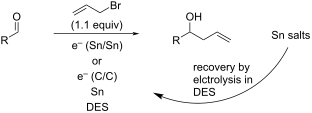
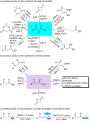
- there are many reasons for this renewed interest, two major motivations are the unmatched control of oxidation or reduction potential that can be achieved and the environmentally friendly aspect of having electrons as the only consumed reagent. This latter reason is certainly an advantage in many cases

Heterocycle-guided synthesis of m-hetarylanilines via three-component benzannulation
Beilstein J. Org. Chem. 2024, 20, 2208–2216, doi:10.3762/bjoc.20.188
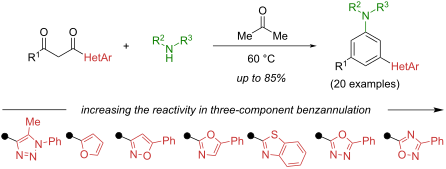
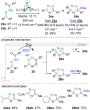
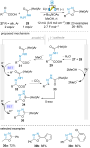
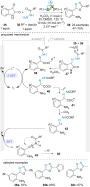
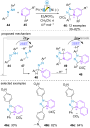
- ) substituent in the meta-position [38][39][40][41][42][43]. For example, several methods based on the Michael condensation–oxidation sequence starting from α,β-unsaturated ketones have been described (Scheme 1B) [44][45][46][47][48][49][50]. Recently, several methods have been developed based on the


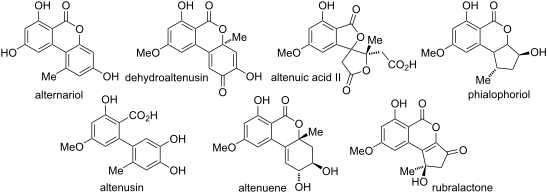
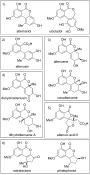
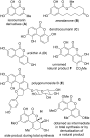
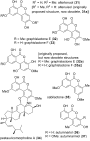
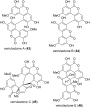
Natural resorcylic lactones derived from alternariol
Beilstein J. Org. Chem. 2024, 20, 2171–2207, doi:10.3762/bjoc.20.187






Efficacy of radical reactions of isocyanides with heteroatom radicals in organic synthesis
Beilstein J. Org. Chem. 2024, 20, 2114–2128, doi:10.3762/bjoc.20.182
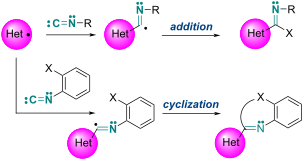
- irradiation (Scheme 23) [81]. After these pioneering reports mentioned above, many examples of cyclization of 2-isocyanobiaryls using a metal-assisted system [82][83][84][85][86], photoredox system [21][87][88][89][90], or some other oxidation systems [91][92][93] were developed as excellent synthetic methods
- in which phosphorus-centered radicals generated from diarylphosphine oxides by Mn(OAc)3-assisted oxidation [94] or the photoredox system [95][96][97] were used in the radical cyclization reaction of 2-isocyanobiaryls (Scheme 24). Yadav and Sigh et al. reported the direct synthesis of 6-sulfonylated


Multicomponent syntheses of pyrazoles via (3 + 2)-cyclocondensation and (3 + 2)-cycloaddition key steps
Beilstein J. Org. Chem. 2024, 20, 2024–2077, doi:10.3762/bjoc.20.178

- blocks or their transformation with additional components besides hydrazines is a logical entry to MCR syntheses of pyrazoles. Therefore, 1,3-dielectrophiles encompass 1,3-dicarbonyl compounds and α,β-unsaturated carbonyl compounds, including alkenoyl and alkynoyl systems, across various oxidation states
- -unsaturated ketone with hydrazine and acetic acid forms a 1-acylpyrazoline, while the chromene moiety and hydrazine form the pyrazole nucleus by ring opening/ring closing cyclocondensation. Upon oxidation with DDQ, the pyrazolylpyrazoline products can be readily converted into the corresponding bispyrazoles
- -unsaturated cyano derivatives, which in turn can cyclocondense with hydrazines to furnish aminopyrazoles after oxidation. Hasanijedad and Firoozi developed a one-pot process for synthesizing 5-aminopyrazoles 62 in a three-component fashion (Scheme 19) [78]. Interestingly, hydrazine acts both as a Brønsted




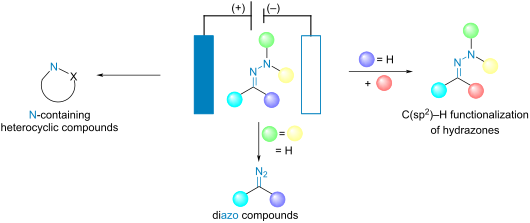
Harnessing the versatility of hydrazones through electrosynthetic oxidative transformations
Beilstein J. Org. Chem. 2024, 20, 1988–2004, doi:10.3762/bjoc.20.175
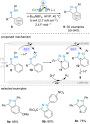
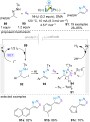
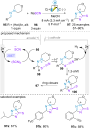
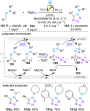
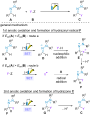
- formation of dimeric side products. Cyclic voltammetry analysis suggested an initial anodic single electron transfer (SET) to radical cation 5, cyclization and deprotonation. Subsequent SET oxidation in solution by 5 led to cation 7. Final deprotonation furnished aromatic cycle 4. In 2022, Zhang et al
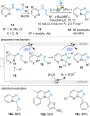
- hydrazones initiated with the SET anodic oxidation of the hydrazone and deprotonation to form the N-centered radical 10. After aza-cyclization on the aromatic ring, a second SET oxidation and deprotonation delivered the heterocycle 9. This mechanism was supported by cyclic voltammetry analysis of a model
- substrate (1-(diphenylmethylene)-2-(4-nitrophenyl)hydrazine), which displayed three oxidation peaks (0.9, 1.7 and 2.2 V vs Ag+/Ag in HFIP ). The authors assumed that the two first peaks would correspond to the oxidation of 8 to 10 and 11 to 12 and that the oxidation of 10 would be responsible for the final









Radical reactivity of antiaromatic Ni(II) norcorroles with azo radical initiators
Beilstein J. Org. Chem. 2024, 20, 1967–1972, doi:10.3762/bjoc.20.172
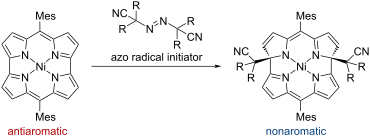
- CH2Cl2 were examined using cyclic voltammetry (Figure 4). Macrocycle 2a exhibited one reversible oxidation wave at 0.44 V and two reversible reduction waves at −0.85 V and −1.14 V. The electrochemical HOMO–LUMO gap of 2a is 1.29 V, which is larger than that of 1a (1.08 V) [2]. DFT calculations We next


Negishi-coupling-enabled synthesis of α-heteroaryl-α-amino acid building blocks for DNA-encoded chemical library applications
Beilstein J. Org. Chem. 2024, 20, 1922–1932, doi:10.3762/bjoc.20.168
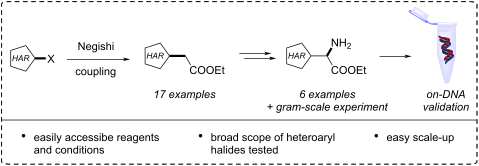
- , no reaction was observed with indazoles and furans using the first two conditions, requiring the formation of the ketoesters 4j and 4r first, followed by the functional group interconversion (FGI) with NH2OH·HCl (Scheme 6, blue and green sections). The Riley oxidation of the furanyl derivative 2j
- proceeded smoothly yielding 4j in quantitative yield. However, obtaining compound 4r presented some challenges due to the resistance of ester 2r towards conventional oxidation methods (see Table S5 in Supporting Information File 1). Consequently, a multi-step process involving ester hydrolysis and


Novel oxidative routes to N-arylpyridoindazolium salts
Beilstein J. Org. Chem. 2024, 20, 1906–1913, doi:10.3762/bjoc.20.166
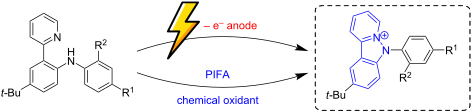
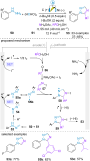
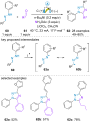
- Oleg A. Levitskiy Yuri K. Grishin Tatiana V. Magdesieva Chemistry Department, Lomonosov Moscow State University, Leninskie Gory, 1/3, Moscow, 119234, Russia 10.3762/bjoc.20.166 Abstract A novel facile approach to N-arylpyridoindazolium salts is proposed, based on direct oxidation of the ortho
- -pyridine substituted diarylamines, either using bis(trifluoroacetoxy)iodobenzene as an oxidant, or electrochemically, via potentiostatic oxidation. Electrochemical synthesis occurs under mild conditions; no chemical reagents are required except electric current. Both approaches can be considered as a late
- -stage functionalization; easily available ortho-pyridyl-substituted diarylamines are used as the precursors. Keywords: anodic oxidation; diarylamines; electrochemical cyclization; pyridoindazolium salts; reversible ring closure; Introduction Aromatic polyfused N-heterocycles are of interest as a


Electrochemical radical cation aza-Wacker cyclizations
Beilstein J. Org. Chem. 2024, 20, 1900–1905, doi:10.3762/bjoc.20.165
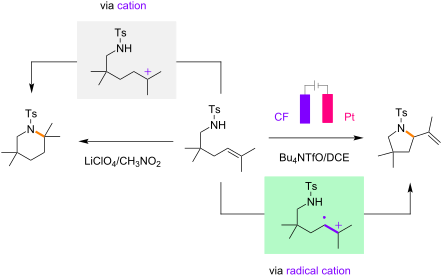
- Sota Adachi Yohei Okada Department of Applied Biological Science, Tokyo University of Agriculture and Technology, 3-5-8 Saiwai-cho, Fuchu, Tokyo 183-8509, Japan 10.3762/bjoc.20.165 Abstract Electrochemical or photochemical single-electron oxidation of bench-stable substrates can generate radical
- aza-Wacker cyclizations under acidic conditions, which are expected to proceed via radical cations generated by single-electron oxidation of alkenes. Keywords: alkene; aza-Wacker cyclization; electrochemistry; radical cation; sulfonamide; Introduction Activating bench-stable substrates is the first
- step to driving bond formation and/or cleavage. Therefore, the discovery of new modes for activation leads to reaction advancements. Electrochemical [1][2][3][4][5] and photochemical [6][7][8][9][10] reactions that induce single-electron reduction and oxidation are widely used in modern synthetic




2-Heteroarylethylamines in medicinal chemistry: a review of 2-phenethylamine satellite chemical space
Beilstein J. Org. Chem. 2024, 20, 1880–1893, doi:10.3762/bjoc.20.163
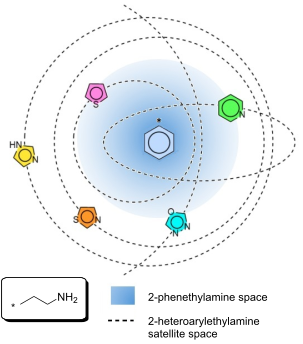
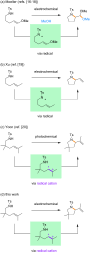
- featuring an exocyclic amine (and their substitutions). Systems out of scope of this review are those, where: non-basic ethylamine systems are present (featuring other functionalities due to oxidation states), condensed or polycyclic systems are present and featuring a key amine embedded in a (poly)cycle




The Groebke–Blackburn–Bienaymé reaction in its maturity: innovation and improvements since its 21st birthday (2019–2023)
Beilstein J. Org. Chem. 2024, 20, 1839–1879, doi:10.3762/bjoc.20.162
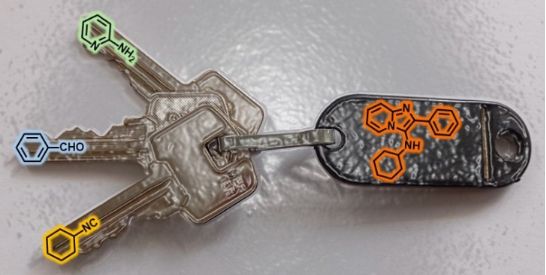
- aldehydic component has been generated in situ through Fe3O4-mediated aerobic oxidation of benzyl alcohols. Magnetic nanoparticles were supported by Shaabani and Farhid on spent coffee ground and served also as catalyst for the GBB reaction, although the role of coffee ground was not clearly explained [33
- corresponding GBB products 64. The authors proposed that adducts 64 were transformed into the intermediates 65 under atmospheric conditions which in turn underwent intramolecular Pictet–Spengler reaction through the addition of C-2 to the imine, to produce dihydropyridines 66. Further oxidation converted 66






Oxidative fluorination with Selectfluor: A convenient procedure for preparing hypervalent iodine(V) fluorides
Beilstein J. Org. Chem. 2024, 20, 1785–1793, doi:10.3762/bjoc.20.157
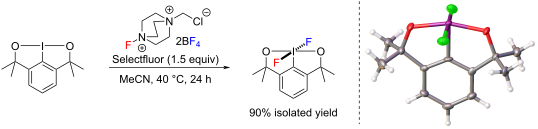
- stability and is highly hygroscopic, it is often prepared in situ and Gilmour [3][4][5][6][7][8] has reported a range of fluorination protocols utilising hypervalent iodine(I/III) catalysis (Scheme 1A). Lennox has also demonstrated that 1 can be generated cleanly by electrochemical oxidation [9][10]. In an
- electron-withdrawing effect made the fluoroiodane precursors more resistant to oxidation. Consequently, higher temperatures, longer reaction times and more equivalents of Selectfluor were required to prepare trifluoroiodanes 21 and 22. Trifluoro(aryl)-λ5-iodane 22 was also prepared directly from its iodine


Synthesis of polycyclic aromatic quinones by continuous flow electrochemical oxidation: anodic methoxylation of polycyclic aromatic phenols (PAPs)
Beilstein J. Org. Chem. 2024, 20, 1746–1757, doi:10.3762/bjoc.20.153
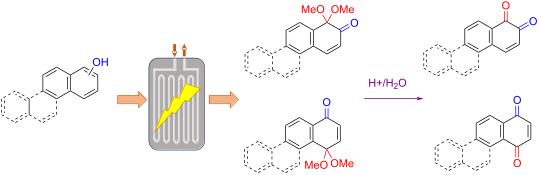
- Chemistry, Norwegian University of Science and Technology, 7491 Trondheim, Norway 10.3762/bjoc.20.153 Abstract The electrochemical oxidation of polycyclic aromatic phenols (PAPs) has been developed in a microfluidic cell to synthesize polycyclic aromatic quinones (PAQs). Methanol was used as nucleophile to
- trap the phenoxonium cation formed in the oxidation as an acetal, that later were hydrolysed to the quinone. Formation of hydrogen gas as the cathode reaction caused challenges in the flow cell and were overcome by recycling the reaction mixture through the cell at increased flow rate several times
- estitmation of the HOMO/LUMO energies to shed more light on this transformation. The easy separation of the supporting electrolyte from the product will allow recycling and makes this a green transformation. Keywords: acetal formation; cyclic voltammetry; flow electrochemistry; green oxidation; polycyclic




Syntheses and medicinal chemistry of spiro heterocyclic steroids
Beilstein J. Org. Chem. 2024, 20, 1713–1745, doi:10.3762/bjoc.20.152
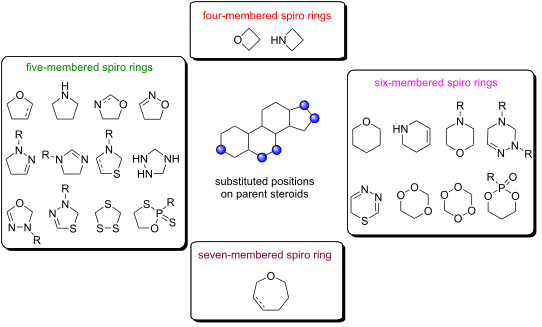
- reported the formation of an α,α-dicyanoalkene from dehydroepiandrosterone (DHEA) and its efficient transformation to dienamides 15 in a single step via a cascade reaction [15][16]. The construction of the β-lactam ring involved a cascade 4-endo N-cyclization/aerobic oxidation sequence in presence of
- of 10% Pd/C and 5% Pd/CaCO3 yielded reduced compound 19. Cleavage of the THP group with Amberlist-15® resin and a final Jones oxidation of the primary alcohol to the carboxylic acid, led to cyclization with the 17β-OH group affording the lactone 20 in a moderate overall yield (Scheme 6). Biological
- ][40]. Following this procedure, a series of substituted spirocarbamates were obtained at C-3 and C-16 positions from aminoalcohols 62 and 65, generated from the opening of the corresponding epoxides 61 and 64. In the case of derivative 66b, a prior oxidation of the 17β-hydroxy group of 65, using the


Chemo-enzymatic total synthesis: current approaches toward the integration of chemical and enzymatic transformations
Beilstein J. Org. Chem. 2024, 20, 1693–1712, doi:10.3762/bjoc.20.151
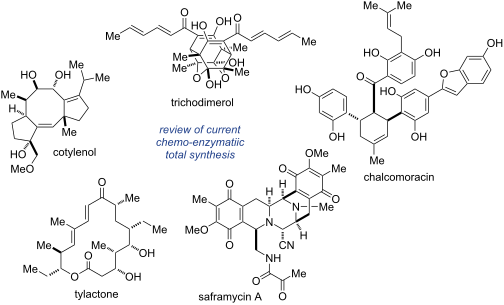
- -enzymatic synthesis, featuring the late-stage enzymatic oxidation of chemically synthesized intricate scaffolds are attracting increasing attention. A collaboration between Stoltz and Arnold led to the pioneering accomplishment in the total synthesis of nigelladine A by exploiting P450 enzymes engineered
- through directed evolution [11]. P450 catalysis during the oxidation phase enabled the total synthesis of mitrephorone A [12], chevalone A [13], polysin [14], excolide B [15], and gedunin [16]. Fe(II)/2OG-dependent dioxygenases, such as FtmOx1, were employed as versatile catalysts in the synthesis of 13
- hydroxy group of the aglycon. Cotylenin exhibits promising anticancer activity, and its diterpene aglycon, cotylenol (1), was isolated from the filamentous fungi such as Phomopsis amygdali and Cladosporium sp. 501-7W (Scheme 2A) [20][21][22]. Brassicicenes, differing in oxidation levels from 1, have been


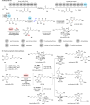
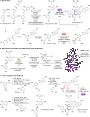


Oxidation of benzylic alcohols to carbonyls using N-heterocyclic stabilized λ3-iodanes
Beilstein J. Org. Chem. 2024, 20, 1677–1683, doi:10.3762/bjoc.20.149
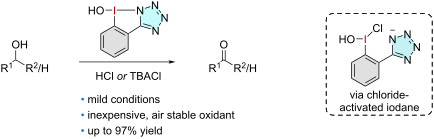
- iodanes (NHIs) as suitable reagents for the mild oxidation of activated alcohols. Two different protocols, both involving activation by chloride additives, were used to synthesize benzylic ketones and aldehydes without overoxidation in up to 97% yield. Based on MS experiments an activated hydroxy(chloro
- )iodane is proposed as the reactive intermediate. Keywords: alcohol oxidation; hypervalent iodine; N-heterocycles; Introduction The oxidation of alcohols to aldehydes and ketones is an essential transformation in organic chemistry [1][2]. Generating aldehydes is particularly challenging as they are
- oxidants in combination with transition-metal catalysts. Metal-free methods employ chlorodimethylsulfonium compounds as the reactive species and have gained great popularity under the name Swern oxidation or the Corey–Kim oxidation [11]. Hypervalent iodine compounds have also been studied and are well


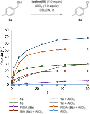


Divergent role of PIDA and PIFA in the AlX3 (X = Cl, Br) halogenation of 2-naphthol: a mechanistic study
Beilstein J. Org. Chem. 2024, 20, 1580–1589, doi:10.3762/bjoc.20.141
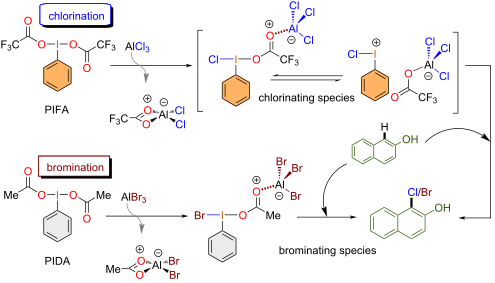
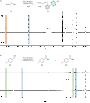
- generated in situ simply by mixing PIFA with a Lewis acid, in this case AlCl3. The importance of this protocol arises from the oxidation of an AlCl3-based chlorine atom, which is an available and cheap reagent. Then it is used as an electrophile source in the chlorination process with an umpolung reactivity


Benzylic C(sp3)–H fluorination
Beilstein J. Org. Chem. 2024, 20, 1527–1547, doi:10.3762/bjoc.20.137

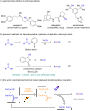
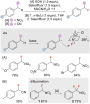
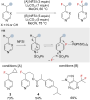
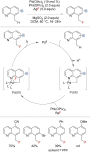
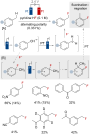
- the relative stability of primary, secondary and tertiary benzylic radicals and cations. As a result, the presence of benzylic C(sp3)–H bonds in bioactive molecules can be problematic as they are particularly labile to enzymatic oxidation [16], and hence, their functionalisation has become a strategy
- palladacycle intermediate, defining the stereochemical outcome. Subsequent oxidation to the Pd(IV)–F species, which triggered reductive elimination, afforded the fluorinated product. The non-innocent behaviour of the isobutyrylnitrile co-solvent aided in stabilising the palladacycle through occupying the
- benzylic fluorination method that employed unprotected amino acids as radical precursors, Figure 12 [50]. Oxidation of glycine by Ag(II) promotes decarboxylation and results in the α-amino radical, which performs a HAT on the benzylic substrate to furnish the benzylic radical. This subsequently undergoes








Tetrabutylammonium iodide-catalyzed oxidative α-azidation of β-ketocarbonyl compounds using sodium azide
Beilstein J. Org. Chem. 2024, 20, 1510–1517, doi:10.3762/bjoc.20.135
- . Keywords: azidation; nitration; organocatalysis; oxidation; quaternary ammonium iodides; Introduction Organic compounds containing an azide functionality are highly valuable synthesis targets that offer considerable potential for various applications and further manipulations [1][2][3][4][5][6][7][8][9
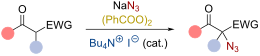
- the presence of a catalytic amount of tetrabutylammonium iodide (TBAI). Control experiments support a mechanistic scenario proceeding via in situ formation of a catalytically competent quaternary ammonium hypoiodite first. This higher oxidation state species then facilitates the α-iodination of the


Electrophotochemical metal-catalyzed synthesis of alkylnitriles from simple aliphatic carboxylic acids
Beilstein J. Org. Chem. 2024, 20, 1497–1503, doi:10.3762/bjoc.20.133
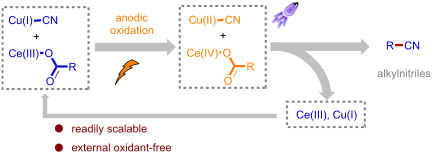
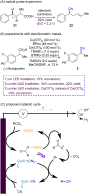
- by anodic oxidation and visible light irradiation of the Ce species in a sequential fashion [38][39][40][41][42][43][44][45]. Therefore, the anodic electrode potential for this process could be substantially reduced. In doing so, a low working potential at the anode offers the opportunity for
- invention of cooperative catalysis with electrochemical transition metal catalysis, which generally has mild oxidation potential for the generation of persistent radicals in the form of nucleophile-bound metal complexes. We and other groups have successfully applied this reaction design to enantioselective
- , experiments using stoichiometric Cu(II) and Ce(IV) indicated that the radical decarboxylative cyanation reaction can only occur under light irradiation. In contrast, reaction with Ce(III) exhibited nearly no reactivity, demonstrating the crucial roles of anodic oxidation and light irradiation to the