


Search results
Search for "solvent-free medium" in Full Text gives 3 result(s) in Beilstein Journal of Organic Chemistry.
The high potential of methyl laurate as a recyclable competitor to conventional toxic solvents in [3 + 2] cycloaddition reactions
Beilstein J. Org. Chem. 2025, 21, 2389–2415, doi:10.3762/bjoc.21.184
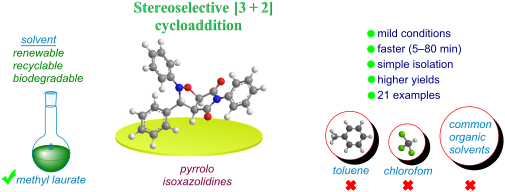
- -based nitrone with some maleimides via a mechanochemical route in a solvent-free medium [67][68]. The development of environmentally friendly green methodologies for the preparation of heterocyclic compounds via such cycloaddition reactions is a significant and ongoing research area that should not be


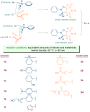


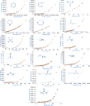


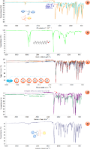
Mechanochemical synthesis of small organic molecules
Beilstein J. Org. Chem. 2017, 13, 1907–1931, doi:10.3762/bjoc.13.186
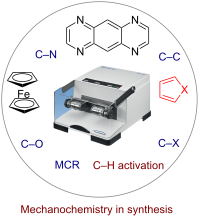
- -workers have successfully demonstrated rhodium(III)-catalyzed C–H bond functionalization under mechanochemical conditions [182]. Advantageously, the developed method adopted mild reaction conditions, i.e., in solvent-free medium and at room temperature. It required a minimum amount of toxic metal salt of


A green approach to the synthesis of novel phytosphingolipidyl β-cyclodextrin designed to interact with membranes
Beilstein J. Org. Chem. 2014, 10, 2654–2657, doi:10.3762/bjoc.10.278
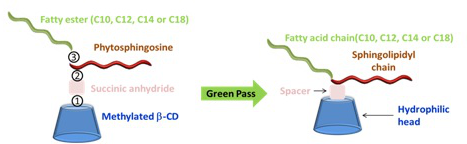
- with a promising yield. Keywords: fatty ester; green chemistry; lipase; mono-substituted amphiphilic cyclodextrins; peptide Coupling; solvent-free medium; transesterification; Introduction Cyclodextrins (CDs) are sustainable compounds which are particularly interesting in the frame of pharmaceutical
- various lipases in solvent free medium was reported [13]. Using specific experimental conditions such as an open reactor leads to a better yield [9][14], however, the reaction time is still long for the synthesis of bicatenar glycerolipidyl derivatives (5 days, 54% for the reaction using ethyl stearate


Other Beilstein-Institut Open Science Activities



