


Search results
Search for "TEM" in Full Text gives 861 result(s) in Beilstein Journal of Nanotechnology. Showing first 200.
Development of Protium heptaphyllum essential oil-loaded nanocapsules: experimental design and biological activity
Beilstein J. Nanotechnol. 2026, 17, 974–990, doi:10.3762/bjnano.17.67
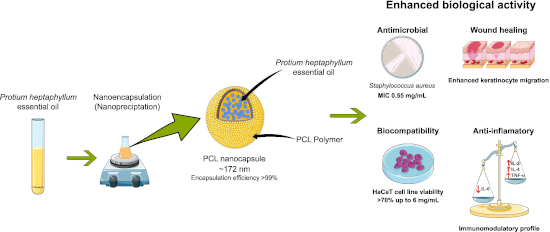
- significant (p = 0.492) (Supporting Information File 1, Table S2) with an adequate precision of 18.91. This indicates that the models adequately describe the experimental data. Furthermore, TEM analysis was performed to confirm the morphology and structural integrity of the nanocapsules prior to optimization




Restorative potential of laser-synthesized silver nanoparticles with Salvia officinalis for periodontal disease treatment: an in vitro study
Beilstein J. Nanotechnol. 2026, 17, 781–795, doi:10.3762/bjnano.17.55
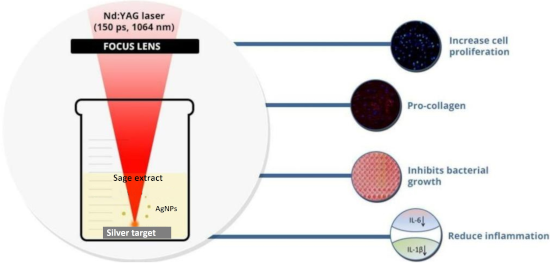
- polystyrene cuvettes (DTS0012, Malvern Panalytical, UK) at ambient temperature (25 ± 0.1 °C). The selected AgNPs that displayed antimicrobial effects were further analyzed by transmission electron microscopy (TEM), to evaluate their size, shape, and dispersity. An FEI Talos F200X microscope, operating at 200
- , respectively, underwent TEM analysis. SageAgNPs6mJ were well dispersed, spherical, and in the narrow size range from 2.1 to 16.3 nm, with an average particle size of 7.98 ± 2.90 nm. Minor agglomeration after one month was observed, suggesting high stability of the nanoparticles (Figure 1a,b). dwAgNPs6mJ were
- significantly influenced both concentration and size parameters. It also improved their dispersity and stability, as shown by DLS and TEM, confirming that sage acts as a reducing and stabilizing agent during the synthesis. The differences in the measured dH and TEM diameters reside in the fact that the



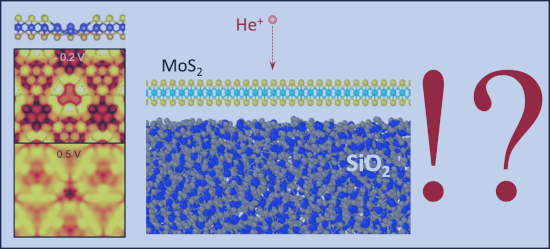
Substrate-dependent pore formation in molybdenum disulfide monolayers under ion irradiation
Beilstein J. Nanotechnol. 2026, 17, 769–780, doi:10.3762/bjnano.17.54
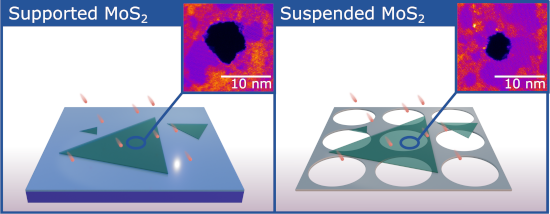
- irradiation using only water, transfer from Au substrates to TEM grids requires chemical removal of the gold support using an iodine/iodide etchant (KI/I2). Consequently, unlike in the previous case, the ion-induced pores cannot be assumed to remain unaffected during transfer [62], as they were in the
- , the furnace is opened to allow for rapid cooling. The freshly grown MoS2 flakes are irradiated on the SiO2/Si substrate and subsequently transferred to a QUANTIFOIL® holey carbon grid with 1.2 µm holes. The transfer is performed by placing the TEM grid onto the sample with the mesh facing the MoS2. By
- Au, the monolayers have to be transferred onto TEM grids for STEM characterization. For this purpose, a thin polystyrene (PS) layer is spin-coated onto the sample. The sample is then immersed in a preheated KI/I2 etching solution (4 g KI, 1 g I2, 150 mL H2O) at 40 °C. After approximately 1 h, the Au


Tailoring Ag–Pt nanoalloys through solid-state dewetting: structural and optical insights
Beilstein J. Nanotechnol. 2026, 17, 748–759, doi:10.3762/bjnano.17.52

- homogeneous Ag–Pt nanoalloys, high-resolution transmission electron microscopy (HR-TEM) observations were performed. Representative cross-section TEM images of two samples with various compositions are shown in Figure 8. Images for both nanostructures exhibit uniform morphology, which strongly indicates alloy
- solid phase. However, based on our HR-TEM investigations (Figure 8a), it can be concluded that our results qualitatively confirm the presence of an ordered phase in the vicinity of the Ag–Pt composition (4 nm Ag/4 nm Pt). The modulation observed in the HR-TEM images may be attributed to either regions
- of differing crystallographic orientations or to the presence of phases with varying stoichiometry (degree of ordering). In contrast, nanostructures with Ag-rich compositions (7 nm Ag/1 nm Pt), as shown in the HR-TEM images (Figure 8b), exhibit a regular crystalline ordering of Ag1−xPtx alloys




Environmental applications of silver nanoparticles: state-of-the-art review and emerging trends
Beilstein J. Nanotechnol. 2026, 17, 697–736, doi:10.3762/bjnano.17.49
- X-ray analysis [49]. TEM analysis is performed on copper grids with varying mesh sizes and coatings, with carbon/formvar-coated copper grids commonly preferred. Scanning electron microscopy (SEM) provides information on the silver nanoparticles’ surface properties and the aggregation state of dried


Molecular engineering of individual dye-based nanoparticle photostability for ultrabright two-photon fluorescence
Beilstein J. Nanotechnol. 2026, 17, 688–696, doi:10.3762/bjnano.17.48
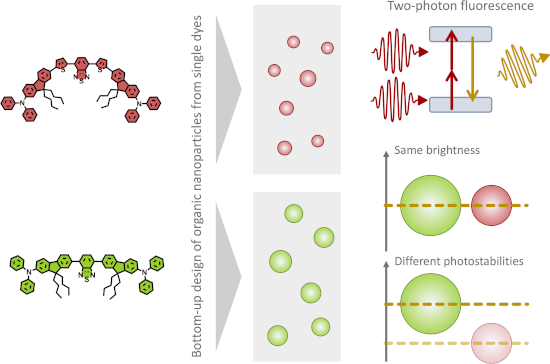
- Instruments, Newtown, CT, USA), with a 6 mm diameter probe) – which was continued for 3 min after the addition, yielding, respectively, dFONs(1) or dFONs(2). TEM observation The dry size of the dFONs was measured using TEM at the Bordeaux Imaging Center (BIC) facility. TEM images were acquired on a Hitachi
- ) Transmission electron microscopy (TEM) and size distribution of dFONs(1), data reused from [20]. (d) TEM and size distribution of dFONs(2). (e) Normalized absorption spectra of dFONs(1) (green) and dFONs(2) (red). (f) Normalized emission spectra of dFONs(1) (green) and dFONs(2) (red). (g) Two-photon absorption


Two-step laser synthesis of Ag@TiO2 nanomaterials for the photocatalytic degradation of rhodamine B
Beilstein J. Nanotechnol. 2026, 17, 622–634, doi:10.3762/bjnano.17.43
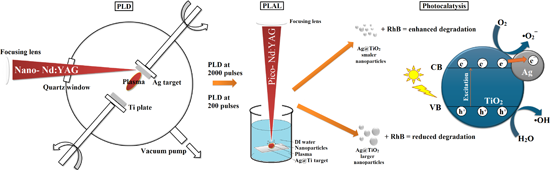
- characterization was performed using scanning electron microscopy (SEM) and transmission electron microscopy (TEM) with energy-dispersive spectroscopy (EDS), aiming to establish a clear correlation between synthesis parameters, nanostructure features, and photocatalytic activity. In our previous studies [6][7][21
- higher concentration of this metal on Ag@TiO2 2000p affected the ablation rate of the Ti plate and induced a growth of titanium oxide nanostructures on the surface. Morphology and size of Ag@TiO2 (200p and 2000p) Morphology and structure of the obtained samples were analyzed using TEM, HRTEM, and SAED
- techniques, as illustrated in Figure 4a–f. The TEM images of the Ag@TiO2 200p and Ag@TiO2 2000p nanoparticles (NPs) are displayed in Figure 4a and Figure 4d, respectively. The synthesized nanoparticles exhibit a spherical morphology, with diameters varying from 97 to 331 nm for Ag@TiO2 200p NPs and from 86


Upcycling agroindustrial waste into graphene oxide supports for gold nanoparticles: toward sustainable nanomaterials
Beilstein J. Nanotechnol. 2026, 17, 489–504, doi:10.3762/bjnano.17.32
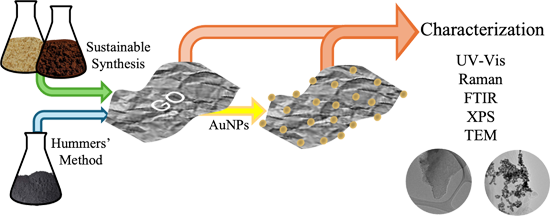
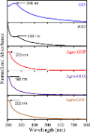
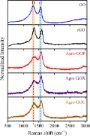
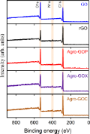
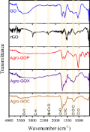
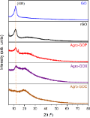
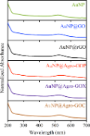
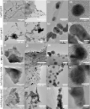
- UV–vis, ATR-FTIR, XPS, XRD, and Raman measurements, complemented by TGA and TEM to assess optical properties, surface chemistry, and structural and morphological features. Additionally, gold nanoparticles (AuNPs) were photochemically deposited onto Agro-GO to evaluate its potential for nanotechnology
- = 1486.6 eV). The pass energy was set to 10 eV for high-resolution scans and to 40 eV for survey spectra. All binding energies were referenced to the C=C peak at 284.4 eV. Transmission electron microscopy (TEM) was carried using a JEOL JEM-2100 microscope operating at an accelerating voltage of 200 kV. TEM
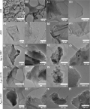
- hydroxy-rich surface chemistry and high defect density. Notably, a band near 2300 cm−1 appears in rGO and the Agro-GO samples, which can be attributed to nitrogen-containing groups such as N=C=O or C≡N, in agreement with the nitrogen detected by XPS [51]. Figure 6 shows TEM images of GO, rGO, and Agro-GO



Defects and defect-mediated engineering of two-dimensional materials: challenges and open questions
Beilstein J. Nanotechnol. 2026, 17, 454–488, doi:10.3762/bjnano.17.31
- created by impacts of energetic particles [18][19][20][21] by foreign atoms. Lots of insights into the structure and properties of defective 2D materials have been obtained using transmission electron microscopy (TEM), including conventional TEM and scanning TEM (STEM). These techniques, along with
- scanning probe methods, can provide information on the atomic structure of materials with sub-angstrom resolution [22]. The aberration-corrected TEM has made it possible not only to obtain images of impurities [23][24][25][26] and intrinsic point defects [27][28][29][30][31], but also to follow their
- evolution in real time. However, it was realized long ago [32][33] that energetic electrons in the TEM interacting with the specimen can give rise to the formation of defects or even to the complete destruction of the sample, an undesirable effect, which stimulated the research on beam–sample interactions





Eco-efficient materials for agricultural crops based on a mineral rich in MOR- and HEU-type zeolites
Beilstein J. Nanotechnol. 2026, 17, 381–395, doi:10.3762/bjnano.17.26
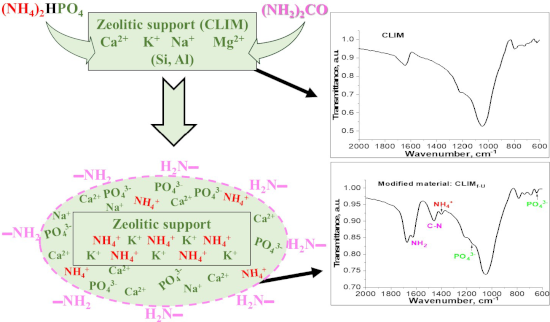
- these experimental materials, studies were conducted using XRD, N2 adsorption isotherms, SEM, TEM, and STEM. However, they will only be presented for the most interesting materials, namely those that were modified with 2.0% and 3.5% DAP and then with a 5 M urea solution, that is, the materials CLIMf2
- electron microscope was used; prior to measurements, samples were adhered to supports to coat them with a gold layer. For TEM analysis, samples were deposited on a 200-mesh copper grid with carbon membrane. Images were observed on a Talos F200X ThermoScientific microscope at 44000× magnification in S-MET




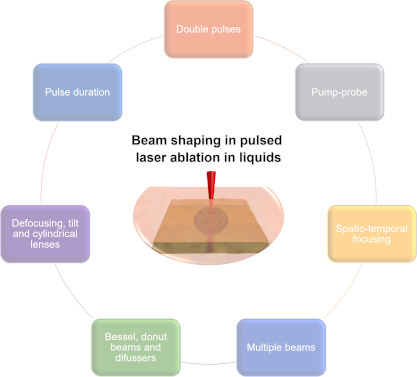
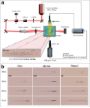
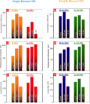
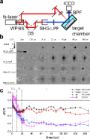
Beam shaping techniques for pulsed laser ablation in liquids: Unlocking tunable control of nanoparticle synthesis in liquids
Beilstein J. Nanotechnol. 2026, 17, 309–342, doi:10.3762/bjnano.17.22







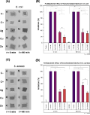
Durable antimicrobial activity of fabrics functionalized with zeolite ion-exchanged nanomaterials against Staphylococcus aureus and Escherichia coli
Beilstein J. Nanotechnol. 2026, 17, 262–274, doi:10.3762/bjnano.17.18
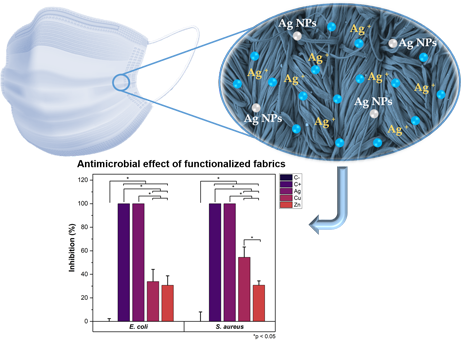
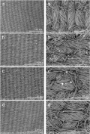
- , transmission electron microscopy (TEM) images were obtained using a JEOL JEM-2200FS (200 kV), and elemental analysis was performed using EDS. The crystalline structure of the modified fabrics was determined by X-ray diffraction (XRD) in a Panalytical AERIS diffractometer using Cu Kα (λ = 1.54184 Å). The




Gold nanoparticle-decorated reduced graphene oxide as a highly effective catalyst for the selective α,β-dehydrogenation of N-alkyl-4-piperidones
Beilstein J. Nanotechnol. 2026, 17, 218–238, doi:10.3762/bjnano.17.15
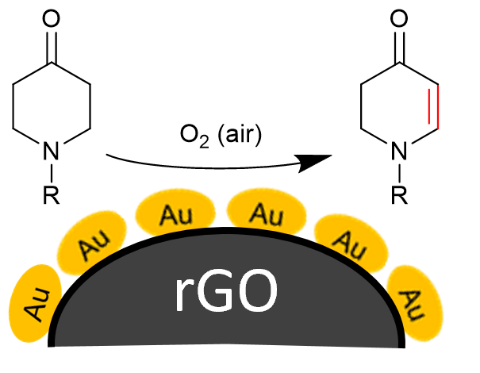
- scattering (DLS) measurements was 12 nm (Figure 4b). Transmission electron microscopy (TEM) analysis showed spherical and well-dispersed nanoparticles and their particle size distribution (Figure 4c), based on the measurements of approximately 200 nanoparticles, yielded an average diameter of 12 nm with a
- , the successful AuNP deposition on the carbon materials was validated through TEM imaging of Au-Cit/AC (Figure 5a), Au-Cit/rGO (Figure 5b), and Au-Cit/CB (Figure 5c). Upon deposition, the average AuNP particle sizes slightly grew to 13 nm within a range of 10–16 nm determined by TEM images and the
- indicates the successful deposition of Au-SiW9 onto the carbon supports. The successful deposition was further confirmed through UV–vis analysis of the filtrate obtained after the filtration step, which revealed the disappearance of the characteristic LSPR band at 508 nm (Figure 6a). The TEM images of the


Internal 3D temperature mapping in biological systems using ratiometric light-sheet imaging and lipid-coated upconversion nanothermometers
Beilstein J. Nanotechnol. 2025, 16, 2306–2316, doi:10.3762/bjnano.16.159
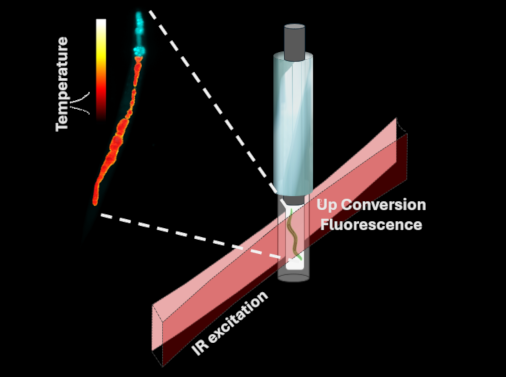
- with the lipid-functionalized UCNPs (inset), revealing a size distribution of approximately 15–20 nm. Because the lipid shell is an ultrathin organic layer (2–3 nm) with low electron contrast, no distinct morphological differences are expected between coated and uncoated nanoparticles in TEM images
- upconversion nanoparticle UCNP (left). TEM micrograph of as-bought UCNPs dispersed in toluene. Inset: functionalized UCNPs@lipids dispersed in Milli-Q water. Scale bar: 50 nm. General scheme of the sample mounting holder used for temperature mapping in the light sheet microscopy system. The numbers in the


Improving magnetic properties of Mn- and Zn-doped core–shell iron oxide nanoparticles by tuning their size
Beilstein J. Nanotechnol. 2025, 16, 2285–2295, doi:10.3762/bjnano.16.157
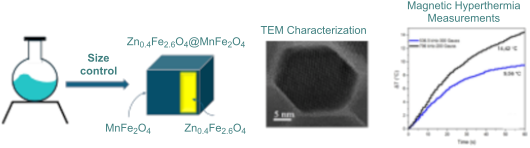
- and sizes were obtained using a CM200 TEM from Philips with an acceleration voltage of 200 kV, a point resolution of approximately 0.27 nm and a magnification from 50.000× to 750.000×. One drop of a diluted solution of NPs in toluene was deposited on a holey carbon grid. The latter was heated on a hot
- is critical as polyhedral-shaped NPs have been shown to exhibit superior magnetic properties compared to spherical particles due to increased surface area and facet effects [17]. High-resolution TEM images (Figure 1a) reveal well-defined, monodisperse polyhedral Zn0.4Fe2.6O4 nanoparticles with an
- –shell spinel ferrites for magnetic hyperthermia and related biomedical applications. (a) TEM images (bright field) of Zn0.4Fe2.6O4 NPs (40 nm). (b) Size distribution histogram of Zn0.4Fe2.6O4 NPs. (c) Zoom on the framed part in yellow (a). (d) HRTEM image of Zn0.4Fe2.6O4 NPs. (e) Diffraction pattern of



Visualizing nanostructures in supramolecular hydrogels: a correlative study using confocal and cryogenic scanning electron microscopy
Beilstein J. Nanotechnol. 2025, 16, 2274–2284, doi:10.3762/bjnano.16.156
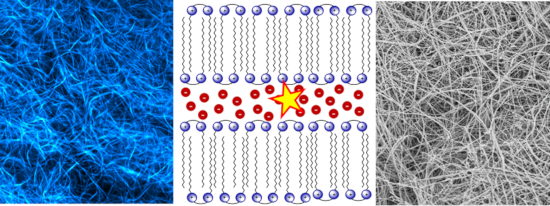
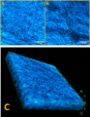
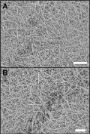
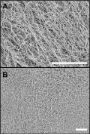
- material. The application of confocal microscopy, stimulated emission depletion (STED) microscopy, and conventional transmission electron microscopy (TEM) to a supramolecular peptide material has been shown to allow for sub-diffraction resolution imaging of fibre morphology in situ without covalent



Chiral plasmonic nanostructures fabricated with circularly polarized light
Beilstein J. Nanotechnol. 2025, 16, 2245–2264, doi:10.3762/bjnano.16.154
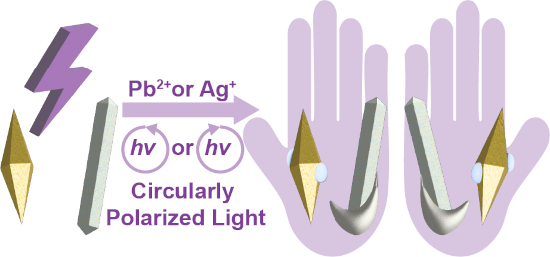
- handedness. The CD spectra in Figure 4a were obtained after 50 min of illuminating an aqueous solution of only HAuCl4 and citrate with 543 nm CPL [57]. The corresponding TEM images of the chiral AuNPs are shown in Figure 4a as the middle and right panels, described by the authors as “irregular and complex
- features of the cPNSs into the simulation software. The morphological features are typically obtained from TEM or SEM. Ideally, electron tomography can generate accurate 3D morphological information of the cPNSs to feed into the simulation, although such analysis on nanocrystals is still far from routine
- optical spectroscopy, such as CD. However, characterizing local chiral domains can be more challenging. References [21][22] have offered valuable insights through simulations, crystallographic analysis, and high-resolution TEM. A more general model would be desirable through further in-depth studies. 4.2





Ultrathin water layers on mannosylated gold nanoparticles
Beilstein J. Nanotechnol. 2025, 16, 2183–2198, doi:10.3762/bjnano.16.151
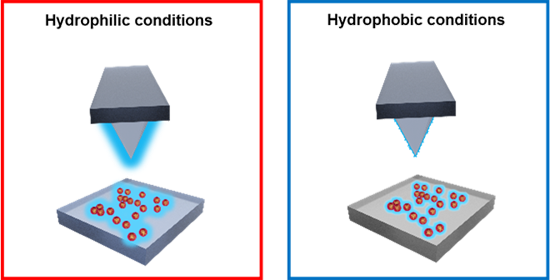
- electrons in SEM (only the gold cores were observed as bright features). We recorded STEM images of dimanno-AuNPs deposited on a carbon-coated TEM grid to visualize the layer. We employed uranyl as a stain, a soluble heavy-metal cation that attaches to the hydrophilic parts of the organic coating, providing
- , while the single dimanno-AuNPs interact efficiently, indicating that NP–surface interactions dominate in this case over NP–NP interactions. We ascribe this to hydrogen bonds between the (multiple) OH groups in the dimannoside and the amine. This finding compares well with TEM on carbon grids: PEG AuNPs
- negative staining, 0.35 µL of dimanno-AuNPs (1.9 × 10¹³ particles/mL) were deposited on glow-discharged carbon TEM grids (air flow, 20 mA, 4 min). Then, 0.35 µL uranyl acetate (0.5% w/w) was deposited and dried on the sample. AFM imaging AFM topography images were recorded with an Agilent 5500 AFM



Rapid synthesis of highly monodisperse AgSbS2 nanocrystals: unveiling multifaceted activities in cancer therapy, antibacterial strategies, and antioxidant defense
Beilstein J. Nanotechnol. 2025, 16, 2105–2115, doi:10.3762/bjnano.16.145
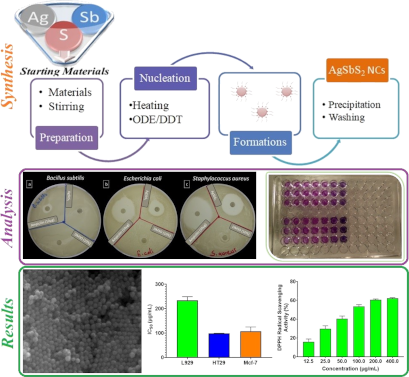
- ) planes of the AgSbS2 phase. TEM and SEM techniques were used to comprehensively characterize the NCs. The results showed that spherical NCs were predominantly formed, with an average diameter of approximately 32 ± 10 nm. Cytotoxicity studies demonstrated a significant inhibitory effect of the NCs
- bonds [34][35]. The characterization of AgSbS2 NCs involved a comprehensive analysis using TEM and SEM techniques, as depicted in Figure 2. Within the SEM and TEM images presented in Figure 2a,b, predominantly spherical NCs are observed, measuring approximately 32 ± 10 nm in diameter. Notably, these
- . Both crystal structure images were created by using the VESTA software [33]. The TEM (a), HRTEM (b), SEM (c) images and SAED (d) patterns of AgSbS2 NCs. Zones of inhibition produced by AgSbS2 NCs against tested bacterial strains. Cytotoxic effects of AgSbS2 NCs on different cell lines (a), IC50 values


The cement of the tube-dwelling polychaete Sabellaria alveolata: a complex composite adhesive material
Beilstein J. Nanotechnol. 2025, 16, 1998–2014, doi:10.3762/bjnano.16.138
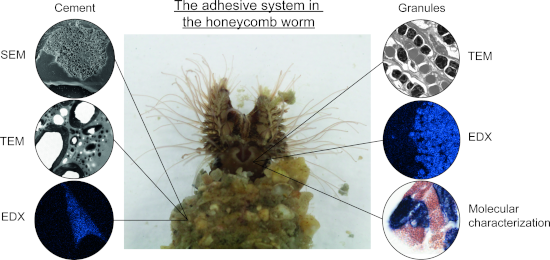
- resin (TEM samples) were used for the observation of cement gland secretory granules. All SEM images were acquired in low vacuum mode (50 Pa), with the backscattered electron detector. X-ray microanalysis and elemental mapping were performed using an Oxford X-MaxN energy-dispersive spectrometer (EDS
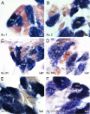
- TEM (Figure 2F,G). The cement matrix is homogeneous and of medium electron density. It encloses hollow spheroids of various sizes, as well as small electron-dense granules and small lacunae (Figure 2F). The exception is the periphery of the cement spot, which is made up entirely of the matrix, giving
- composition of cement cell granules, we used energy-dispersive X-ray spectroscopy (EDS) coupled with scanning electron microscopy (SEM). Elemental composition was measured on four secretory granules of both types of cement cells in the parathoracic part of worms embedded in Spurr resin (TEM blocks). Using the




Laser ablation in liquids for shape-tailored synthesis of nanomaterials: status and challenges
Beilstein J. Nanotechnol. 2025, 16, 1963–1997, doi:10.3762/bjnano.16.137
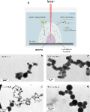
- composition on the shape of the resulting NPs is demonstrated in Figure 5, where the TEM images of the NPs produced by Nd:YAG (1064 nm) nanosecond laser ablation of W and Ti targets in different solvents are presented. For both metals, the ablation in water produces spherical NPs, while in octane, the W





Targeting the vector of arboviruses Aedes aegypti with nanoemulsions based on essential oils: a review with focus on larvicidal and repellent properties
Beilstein J. Nanotechnol. 2025, 16, 1894–1913, doi:10.3762/bjnano.16.132
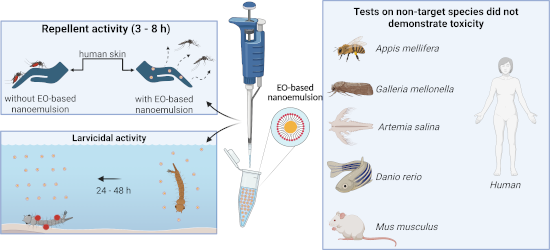
- ultrasonication (40 kHz). This formulation demonstrated physicochemical stability, with good optical transparency and absence of phase separation. Characterization by TEM revealed spherical droplets with sizes between 20 and 40 nm. In the larvicidal bioassay, fourth-instar larvae of Ae. aegypti were exposed to


Self-assembly and adhesive properties of Pollicipes pollicipes barnacle cement protein cp19k: influence of pH and ionic strength
Beilstein J. Nanotechnol. 2025, 16, 1863–1872, doi:10.3762/bjnano.16.129
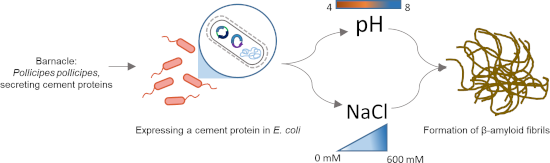
- study, we investigated the influence of environmental parameters on the self-assembly of recombinant cp19k, a key adhesive protein in Pollicipes pollicipes. Using TEM imaging, a low pH (4.0) and high salt concentration (600 mM NaCl) environment, mimicking P. pollicipes gland conditions, was identified
- work, we expressed recombinant P. pollicipes cp19k (rPpolcp19k) in E. coli and identified key environmental modulators of fibril formation by the protein. Transmission electron microscopy (TEM) was used to study the rate of fibril formation and morphology under varied pH and salt concentration
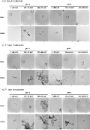
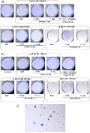
- achieved (Supporting Information File 1, Figure S1). Purified protein was dialysed into 10 mM sodium acetate (pH 4.0) or 10 mM sodium phosphate (pH 8.0) buffer, with NaCl concentrations ranging from 0 to 600 mM. Transmission electron microscopy TEM analysis identified the formation of fibril structures by


Current status of using adsorbent nanomaterials for removing microplastics from water supply systems: a mini review
Beilstein J. Nanotechnol. 2025, 16, 1837–1850, doi:10.3762/bjnano.16.127
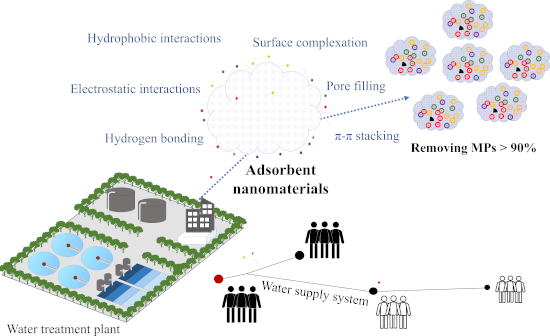
- scalability, adsorbent nanomaterials offer a strong foundation for sustainable solutions that safeguard both human health and aquatic ecosystems. Sources and distribution of MPs in environmental systems. An illustration of the four main groups and mechanisms of adsorbent nanomaterials. SEM and TEM image of
- synthesized Co-MOFs for removing MPs. SEM images of (a) CeO2, (b) CeO2 3D flower-spheres, (c, d) ZIF-67 before and after calcination at 500 °C, (e, f) ZIF-67-90@CeO2, and (g, h) Co–N/C-90@CeO2 composites. TEM images of (i) CeO2 3D flower-spheres, (j) Co–N/C-90@CeO2 composite. (k) Enlarged TEM image of Co–N/C


Phytol-loaded soybean oil nanoemulsion as a promising alternative against Leishmania amazonensis
Beilstein J. Nanotechnol. 2025, 16, 1826–1836, doi:10.3762/bjnano.16.126

- shown in the size distribution graph (Figure 1b). Moreover, the zeta potential (ZP) of both samples was around −20 mV, with no significant changes upon phytol loading. To evaluate the shape and morphological characteristics of the nanoemulsions, transmission electron microscopy (TEM) analysis was





