Search results
Search for "albumin" in Full Text gives 133 result(s) in Beilstein Journal of Nanotechnology.
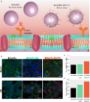
Nanocarrier strategies to overcome P-glycoprotein-mediated drug resistance in cancer therapy
Beilstein J. Nanotechnol. 2026, 17, 882–921, doi:10.3762/bjnano.17.64
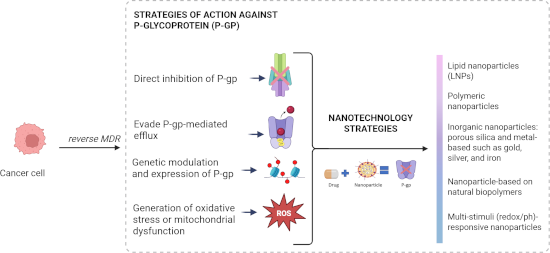


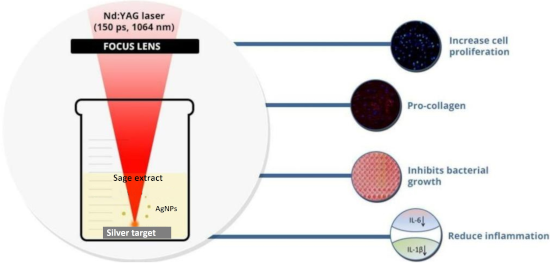
Restorative potential of laser-synthesized silver nanoparticles with Salvia officinalis for periodontal disease treatment: an in vitro study
Beilstein J. Nanotechnol. 2026, 17, 781–795, doi:10.3762/bjnano.17.55
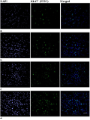
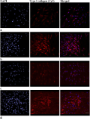
- , Germany), and blocked with 1% bovine serum albumin (BSA, Merck, Germany). The cells were hybridized overnight at 4 °C with directly labeled anti-Ki-67 antibody (SolA15, FITC, eBioscience™, Termo Fisher Scientific, USA). The slides were stained with DAPI-Vectashield solution (Vector Laboratories, United



Protein-based custom-designed molecular nanotraps for biomedical applications
Beilstein J. Nanotechnol. 2026, 17, 683–687, doi:10.3762/bjnano.17.47

- selective molecular recognition. Concerning the breadth of targets and the effectiveness of the molecular recognition, bioMIPs were prepared to recognize either entire proteins (e.g., human serum albumin [5]), or oligopeptides (the peptide hormone hepcidin [18]), or portions of a protein, that is, an

Biomimetic nanoparticles in cancer photodynamic therapy: a review of targeted delivery systems and therapeutic outcomes
Beilstein J. Nanotechnol. 2026, 17, 396–422, doi:10.3762/bjnano.17.27
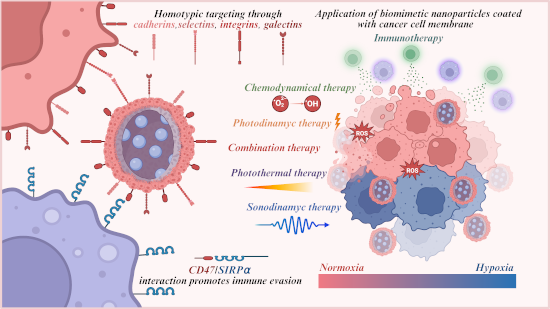
- ) [175][176][177] or MOFs [165][178][179], and a stabilizing matrix often composed of polymers, lipids, or proteins like human serum albumin (HSA) [177]. Figure 6 schematically illustrates examples of these key strategies for mitigating hypoxia in tumor tissues using BNPs. Table 2 presents the main


Polycatecholamine nanocoatings on stainless steel: the effect on attachment of human fibroblasts and platelets
Beilstein J. Nanotechnol. 2026, 17, 365–380, doi:10.3762/bjnano.17.25
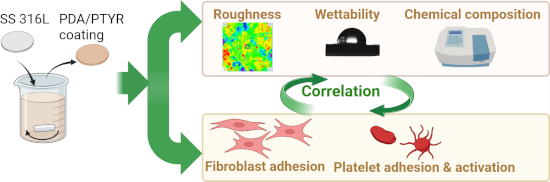
- 0.2% Triton X-100 for 5 min. All samples were washed with PBS at least three times after the fixation and permeabilization process. A 1% solution of bovine serum albumin was applied to block the samples for 1 h. Primary antibody N-cadherin (13A9) (Santa Cruz Biotechnology, Germany) with 1:200 dilution




Influence of surface characteristics on the in vitro stability and cell uptake of nanoliposomes for brain delivery
Beilstein J. Nanotechnol. 2026, 17, 139–158, doi:10.3762/bjnano.17.9
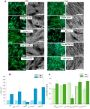
- Phalloidin 488 green (6.6 μM) in 1% bovine serum albumin (10 min, 37 °C), followed by nuclear staining with Hoechst (hCMEC/D3), for 5 min at room temperature. Before microscopic visualization, the Vectashield mounting medium was added to maintain and preserve the fluorescent dye. Images were processed using
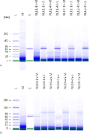
- that the protein adsorption by NLb1 and NLb2 (Figure 5) is already expressed in the first hour of incubation, resulting in strong bands at about 60 kDA, originating from albumin, the most abundant protein in the serum. On the other hand, these bands are not so expressed in NLb0. Considering that the




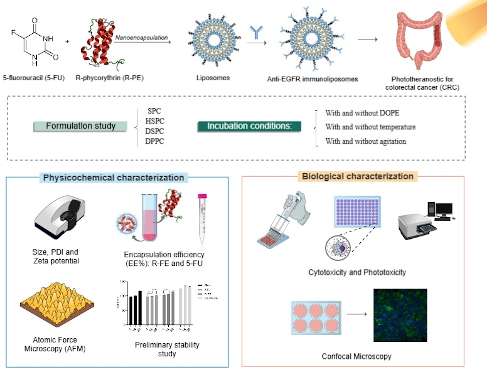
Development and in vitro evaluation of liposomes and immunoliposomes containing 5-fluorouracil and R-phycoerythrin as a potential phototheranostic system for colorectal cancer
Beilstein J. Nanotechnol. 2026, 17, 97–121, doi:10.3762/bjnano.17.7
- was obtained using a previously reported protocol [15]. 5-Fluorouracil, cholesterol (Chol), Sepharose CL-4B, bovine serum albumin, RPMI medium, trypsin, and 3-[4,5-dimethylthiazol-2-yl]-2,5-diphenyltetrazolium bromide (MTT) were obtained from Sigma-Aldrich (St. Louis, MO). 1,2
- chilled on ice for 10 min and washed with live cell buffer (phosphate-buffered saline supplemented with 20 mM glucose and 1% bovine serum albumin). Cells were then treated with Alexa Fluor™ 488-labeled EGF (Thermo Fisher Scientific, E13345, 2 μg/mL) alone or following a sequential pre-incubation with



Optical bio/chemical sensors for vitamin B12 analysis in food and pharmaceuticals: state of the art, challenges, and future outlooks
Beilstein J. Nanotechnol. 2025, 16, 2207–2244, doi:10.3762/bjnano.16.153
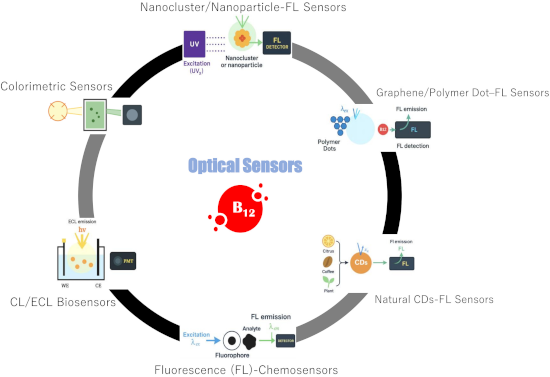
- sample–conjugate interaction, a nitrocellulose membrane for VB12–bovine serum albumin (BSA) conjugation, secondary antibodies as test and control lines, and an absorbent pad for waste. Designed for the small molecular size of VB12, this structure ensures its competitive binding to antibodies. A crucial


Ultrathin water layers on mannosylated gold nanoparticles
Beilstein J. Nanotechnol. 2025, 16, 2183–2198, doi:10.3762/bjnano.16.151
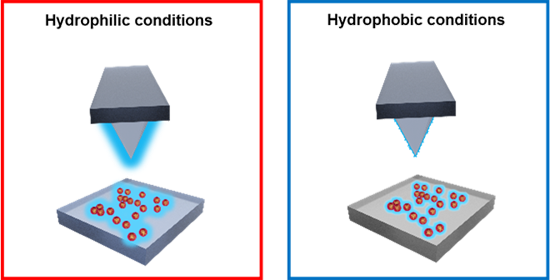
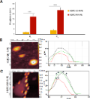
- . Previous studies have shown such clusters for PEG AuNPs in solution [41], and their size is strongly reduced by adding albumin. In our case, the addition of dimannose would lead to the case of the dimanno-AuNPs, for which we do find much decreased agglomeration. Generally, nanoparticles produced inside a



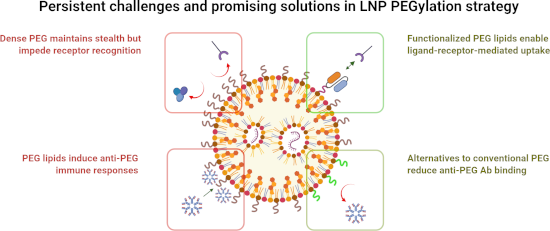
PEGylated lipids in lipid nanoparticle delivery dynamics and therapeutic innovation
Beilstein J. Nanotechnol. 2025, 16, 1914–1930, doi:10.3762/bjnano.16.133


Self-assembly and adhesive properties of Pollicipes pollicipes barnacle cement protein cp19k: influence of pH and ionic strength
Beilstein J. Nanotechnol. 2025, 16, 1863–1872, doi:10.3762/bjnano.16.129
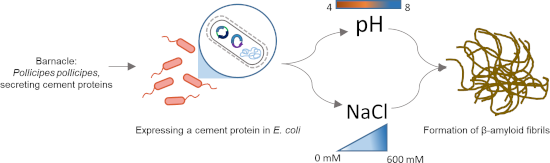
- of 12 nm. Spectra were plotted after subtracting the fluorescence values of the respective buffers. Negative controls (bovine serum albumin (BSA; lyophilised powder, Merck) and hen egg white lysozyme (Fluka)) and a positive control (hen egg white lysozyme denatured at 60 °C for 48 h in 0.1 M HCl-KCl


Exploring the potential of polymers: advancements in oral nanocarrier technology
Beilstein J. Nanotechnol. 2025, 16, 1751–1793, doi:10.3762/bjnano.16.122
- . Similar to CME, dynamin is responsible for vesicle formation; however, in this pathway, vesicles fuse with caveosomes, avoiding lysosomal degradation. This mechanism is the main advantage of this internalization pathway, making it a suitable alternative when NPs are sensitive to degradation. Albumin


Advances of aptamers in esophageal cancer diagnosis, treatment and drug delivery
Beilstein J. Nanotechnol. 2025, 16, 1734–1750, doi:10.3762/bjnano.16.121
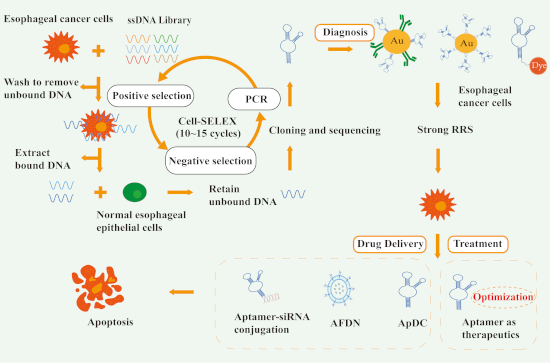
- serum albumin and lidamycin and loading it with the active enediyne chromophore (HSA-LDP-AE). The compound can effectively reduce nucleolin levels, specifically induce apoptosis of esophageal cancer cells, and significantly inhibit the growth of tumor tissues. This study provides a potential therapeutic
- dominated the market for many years until the arrival of Abraxane, an albumin-based formulation of paclitaxel. Abraxane is the gold standard for cancer treatment, and the formulations developed by researchers can be directly compared head-to-head with Abraxane. Related reports include chimeric polypeptide


Prospects of nanotechnology and natural products for cancer and immunotherapy
Beilstein J. Nanotechnol. 2025, 16, 1644–1667, doi:10.3762/bjnano.16.116


Venom-loaded cationic-functionalized poly(lactic acid) nanoparticles for serum production against Tityus serrulatus scorpion
Beilstein J. Nanotechnol. 2025, 16, 1633–1643, doi:10.3762/bjnano.16.115
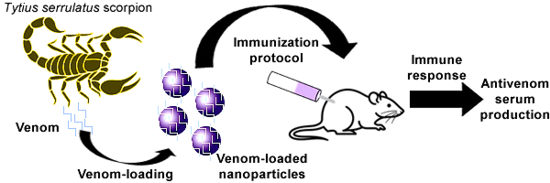
- % and 1.0% (w/w) with T. serrulatus venom was possible to evidence that all proteins of the venom were incorporated within the polymeric matrix, since the protein bands were not evidenced in the gel. The PLA nanoparticles and bovine serum albumin (BSA) were used as controls (Figure 1). This assay
- *** or ###p < 0.001, ** or ##p < 0.01, or * or #p < 0.05 were considered statistically significant. Electrophoretic profile of Tityus serrulatus venom (Tsv), bovine serum albumin (BSA), PLA nanoparticles (NPs), T. serrulatus venom protein-loaded PLA nanoparticles at 0.5% (NPs + Tsv 0.5%), and T


Enhancing the therapeutical potential of metalloantibiotics using nano-based delivery systems
Beilstein J. Nanotechnol. 2025, 16, 1350–1366, doi:10.3762/bjnano.16.98
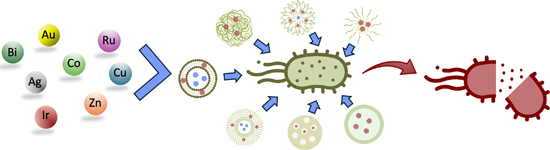
- encapsulation of the antimicrobial morin-Cu(II) complex 13 (Figure 4) in human serum albumin (HSA) or PLGA NPs [118]. The resulting nanoencapsulated systems displayed spherical morphology and high encapsulation efficiency, with average particles sizes of 214 ± 6 nm for Mor-Cu-HSA-NPs and 185 ± 7.5 nm for Mor-Cu


Better together: biomimetic nanomedicines for high performance tumor therapy
Beilstein J. Nanotechnol. 2025, 16, 1246–1276, doi:10.3762/bjnano.16.92
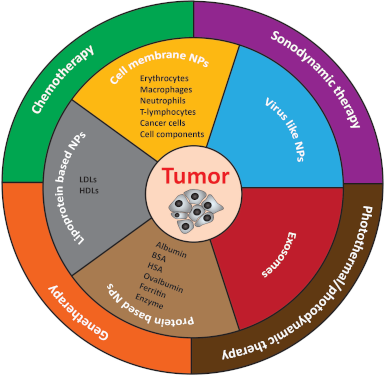
- various NPs, mostly for diagnostic or multifunctional theranostic applications. 1.3.1 Albumin. Albumin is a major protein present in blood and widely studied for drug–protein interaction and nanoparticle corona formation studies. Due to its immunocompatibility, long half-life, and abundance of binding
- sites it is considered safe for drug delivery applications. In fact, albumin-conjugated drugs are already used in clinical practice [75]. Albumin molecules can be used as a template to surface-decorate inorganic/metallic nanoparticles by biomineralization. In this method, the thiol group at the albumin
- surface acts as scaffold for synthesis of nanoparticles [76]. The thiol groups are protonated at neutral pH and can entrap Au(III) ions. When the pH is changed to basic (≈12), Au(III) is reduced to Au and gold nanoparticles are formed [77]. Synthesis of albumin-templated nanomaterials depends upon many






Serum heat inactivation diminishes ApoE-mediated uptake of D-Lin-MC3-DMA lipid nanoparticles
Beilstein J. Nanotechnol. 2025, 16, 740–748, doi:10.3762/bjnano.16.57
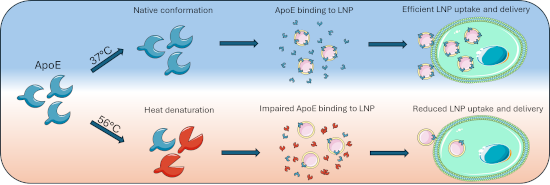
- by which FCS heat inactivation could affect cellular interactions with LNPs were studied in detail. Materials and Methods Buffers, reagents, materials Phosphate buffered saline (PBS), bovine serum albumin (BSA), thioflavin T (ThT), cholesterol and distearoylphosphatidylcholine (DSPC) were purchased
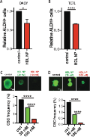
- probed with ThT, a dye that increases in fluorescence after it binds to aggregated or misfolded protein [32] (Figure 2A). Bovine serum albumin was used as a control protein as it is a major component of serum and known to be relatively heat resistant. No increase in fluorescence was seen between ApoE3
- ). These findings are in line with published work, where thermal instability was shown for ApoE3 with an unfolding temperature of around 53 °C [33][34][35]. In contrast, no significant increase in fluorescence was seen for BSA at 56 °C compared to rt or 37 °C (Figure 2B), as can be expected for albumin


A formulation containing Cymbopogon flexuosus essential oil: improvement of biochemical parameters and oxidative stress in diabetic rats
Beilstein J. Nanotechnol. 2025, 16, 617–636, doi:10.3762/bjnano.16.48
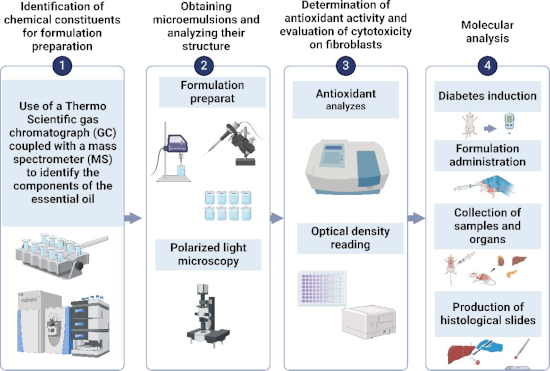
- , and albumin were elevated in the diabetic control group compared to the normal control group. In addition, the group of diabetic rats treated with lemongrass tea showed a modulation in liver alterations, reverting the situation to almost normal, with a reduction in the levels of liver enzymes and




Functionalized gold nanoflowers on carbon screen-printed electrodes: an electrochemical platform for biosensing hemagglutinin protein of influenza A H1N1 virus
Beilstein J. Nanotechnol. 2025, 16, 540–550, doi:10.3762/bjnano.16.42
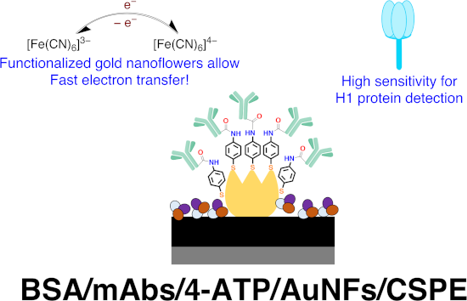
- , followed by blocking with bovine serum albumin to minimize nonspecific hydrophobic binding. The electrodes were characterized by cyclic voltammetry and electrochemical impedance spectroscopy experiments in the presence of [Fe(CN)6]3−/4−. Differential pulse voltammetry was used to measure the change in
- albumin (BSA) (Figure 3). This suggests that the final sensing platform preserved the favorable electrochemical properties achieved using AuNFs functionalized with 4-ATP. Electrochemical impedance spectroscopy (EIS) was performed to study the charge transfer processes at the surface of the modified
- , potassium chloride, potassium hexacyanoferrate(II) trihydrate, potassium hexacyanoferrate(III), N-(3-dimethylaminopropyl)-N′-ethylcarbodiimide hydrochloride (EDC), N-hydroxy succinimide (NHS), phosphate-buffered saline pH 7.4 (PBS), and bovine serum albumin (BSA) were all purchased from Sigma-Aldrich


Nanocarriers and macrophage interaction: from a potential hurdle to an alternative therapeutic strategy
Beilstein J. Nanotechnol. 2025, 16, 97–118, doi:10.3762/bjnano.16.10
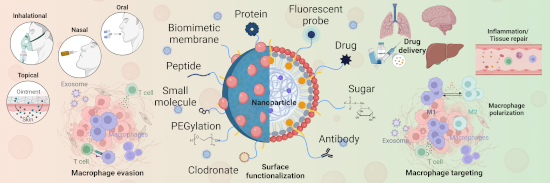
- opsonization in the bloodstream, mediated by opsonins that recognize plasma proteins (serum albumin, apolipoproteins, complement components, and immunoglobulins) adsorbed onto the surface of circulating NPs. This forms the so-called “protein corona” (PC), a layer of more than 300 proteins that effectively


Liver-targeting iron oxide nanoparticles and their complexes with plant extracts for biocompatibility
Beilstein J. Nanotechnol. 2024, 15, 1593–1602, doi:10.3762/bjnano.15.125
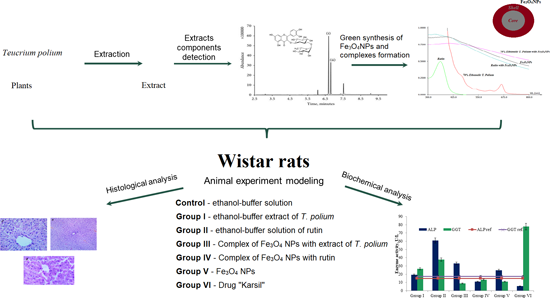
- complexes on biochemical markers of liver function (ALT, AST, ALP, GGT, HDL, LDL, total cholesterol, total protein, and albumin) and morphological indicators of rat liver was investigated. Fe3O4 NPs, rutin, and T. polium extract do not show direct hepatotoxicity when administered intraperitoneally to rats
- albumin is 29.33 ± 1.3 g/L, and the level of total protein is 45.23 ± 1.43 g/L. In the control series of experiments, hyperalbuminemia is observed in groups III, IV, V, and VI according to this indicator (Table 2). Against this background, almost all groups, except for the groups II and V, also show an
- increase in total protein content. Increases compared to almost normal albumin levels are characteristic in pathological conditions when the total protein fraction increases due to acute phase proteins. Increases in total protein content may also be due to the release of ALT, AST, ALP, and GGT enzymes into


A biomimetic approach towards a universal slippery liquid infused surface coating
Beilstein J. Nanotechnol. 2024, 15, 1376–1389, doi:10.3762/bjnano.15.111
- of 1 × 10⁸ platelets/mL [33][34]. FXIIa assay Wells of interest of a nontreated 96-well polystyrene were blocked with 300 μL 1% bovine serum albumin (BSA) in Milli-Q water for 2 h at 37 °C. After 2 h, the wells were rinsed three times with Milli-Q water. Plates were coated immediately prior to use




Interaction of graphene oxide with tannic acid: computational modeling and toxicity mitigation in C. elegans
Beilstein J. Nanotechnol. 2024, 15, 1297–1311, doi:10.3762/bjnano.15.105
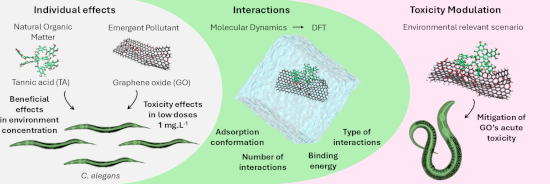
- translocation to other organs or oxidative stress. Similarly, Rive et al. [58] did not detect any detrimental effects in C. elegans exposed to amino-functionalized GO. Moreover, biomolecules interacting with the GO surface also have an effect on its toxicity, Côa et al. [14] observed that a bovine serum albumin


Dual-functionalized architecture enables stable and tumor cell-specific SiO2NPs in complex biological fluids
Beilstein J. Nanotechnol. 2024, 15, 1238–1252, doi:10.3762/bjnano.15.100
- adsorbed protein, and the supernatant was discarded. The bead+protein set was then incubated with 50 mM (hydroxymethyl)aminomethane buffer (Tris, pH 7.4) + 0.03% bovine serum albumin (BSA) + 0.1% Triton X for 60 min at room temperature and under manual agitation. Then, the supernatant was removed, and the
- cells were fixed with 4% paraformaldehyde for 20 min and permeabilized with 0.1% Triton X-100 and 2% bovine serum albumin for 40 min. F-actin was stained for 30 min with 10 µg/mL phalloidin-FITC (fluorescein isothiocyanate), and the nuclei were counterstained with 2 µg/mL of 4’,6-diamino-2-phenylindole
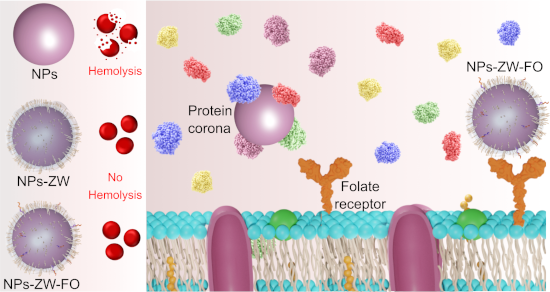
- (Supporting Information File 1, Table S1 and Supporting Information File 2). Albumin was the major protein identified in pure DMEM (10% FBS); however, there was a significant reduction in the amount of this protein in the hard corona of SiO2NPs, especially non-functionalized ones (Figure 2j). Although albumin