


Search results
Search for "bovine serum albumin" in Full Text gives 82 result(s) in Beilstein Journal of Nanotechnology.
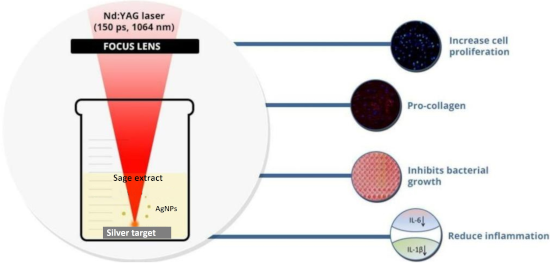
Restorative potential of laser-synthesized silver nanoparticles with Salvia officinalis for periodontal disease treatment: an in vitro study
Beilstein J. Nanotechnol. 2026, 17, 781–795, doi:10.3762/bjnano.17.55
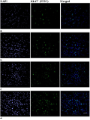
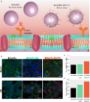
- , Germany), and blocked with 1% bovine serum albumin (BSA, Merck, Germany). The cells were hybridized overnight at 4 °C with directly labeled anti-Ki-67 antibody (SolA15, FITC, eBioscience™, Termo Fisher Scientific, USA). The slides were stained with DAPI-Vectashield solution (Vector Laboratories, United


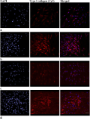

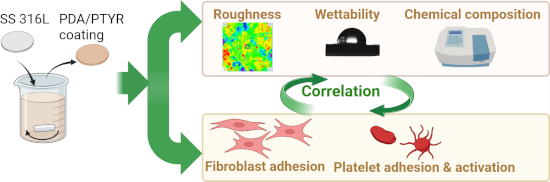
Polycatecholamine nanocoatings on stainless steel: the effect on attachment of human fibroblasts and platelets
Beilstein J. Nanotechnol. 2026, 17, 365–380, doi:10.3762/bjnano.17.25
- 0.2% Triton X-100 for 5 min. All samples were washed with PBS at least three times after the fixation and permeabilization process. A 1% solution of bovine serum albumin was applied to block the samples for 1 h. Primary antibody N-cadherin (13A9) (Santa Cruz Biotechnology, Germany) with 1:200 dilution




Influence of surface characteristics on the in vitro stability and cell uptake of nanoliposomes for brain delivery
Beilstein J. Nanotechnol. 2026, 17, 139–158, doi:10.3762/bjnano.17.9
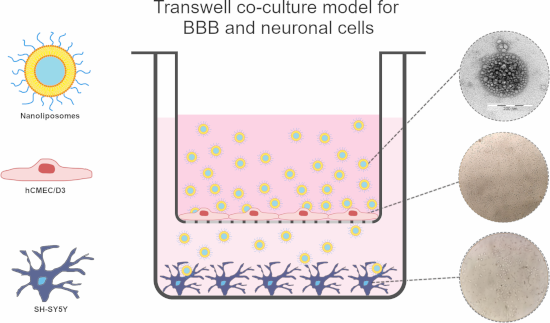
- Phalloidin 488 green (6.6 μM) in 1% bovine serum albumin (10 min, 37 °C), followed by nuclear staining with Hoechst (hCMEC/D3), for 5 min at room temperature. Before microscopic visualization, the Vectashield mounting medium was added to maintain and preserve the fluorescent dye. Images were processed using




Development and in vitro evaluation of liposomes and immunoliposomes containing 5-fluorouracil and R-phycoerythrin as a potential phototheranostic system for colorectal cancer
Beilstein J. Nanotechnol. 2026, 17, 97–121, doi:10.3762/bjnano.17.7
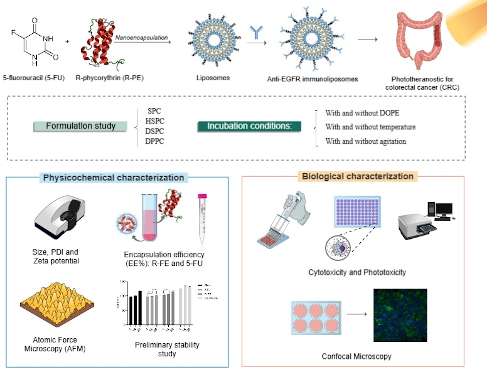
- was obtained using a previously reported protocol [15]. 5-Fluorouracil, cholesterol (Chol), Sepharose CL-4B, bovine serum albumin, RPMI medium, trypsin, and 3-[4,5-dimethylthiazol-2-yl]-2,5-diphenyltetrazolium bromide (MTT) were obtained from Sigma-Aldrich (St. Louis, MO). 1,2
- chilled on ice for 10 min and washed with live cell buffer (phosphate-buffered saline supplemented with 20 mM glucose and 1% bovine serum albumin). Cells were then treated with Alexa Fluor™ 488-labeled EGF (Thermo Fisher Scientific, E13345, 2 μg/mL) alone or following a sequential pre-incubation with



Optical bio/chemical sensors for vitamin B12 analysis in food and pharmaceuticals: state of the art, challenges, and future outlooks
Beilstein J. Nanotechnol. 2025, 16, 2207–2244, doi:10.3762/bjnano.16.153
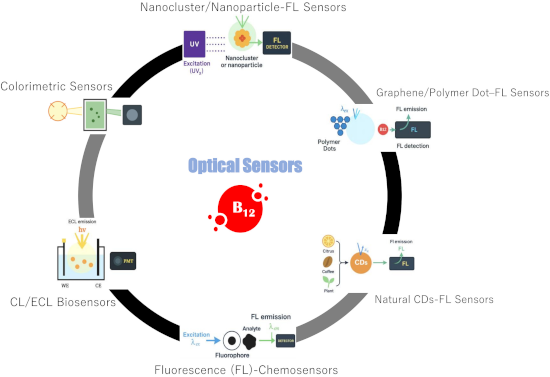
- sample–conjugate interaction, a nitrocellulose membrane for VB12–bovine serum albumin (BSA) conjugation, secondary antibodies as test and control lines, and an absorbent pad for waste. Designed for the small molecular size of VB12, this structure ensures its competitive binding to antibodies. A crucial


Self-assembly and adhesive properties of Pollicipes pollicipes barnacle cement protein cp19k: influence of pH and ionic strength
Beilstein J. Nanotechnol. 2025, 16, 1863–1872, doi:10.3762/bjnano.16.129
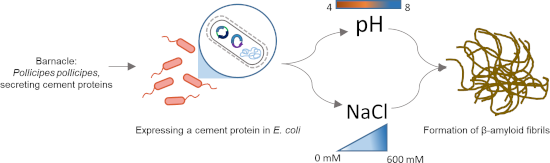
- of 12 nm. Spectra were plotted after subtracting the fluorescence values of the respective buffers. Negative controls (bovine serum albumin (BSA; lyophilised powder, Merck) and hen egg white lysozyme (Fluka)) and a positive control (hen egg white lysozyme denatured at 60 °C for 48 h in 0.1 M HCl-KCl


Exploring the potential of polymers: advancements in oral nanocarrier technology
Beilstein J. Nanotechnol. 2025, 16, 1751–1793, doi:10.3762/bjnano.16.122


Venom-loaded cationic-functionalized poly(lactic acid) nanoparticles for serum production against Tityus serrulatus scorpion
Beilstein J. Nanotechnol. 2025, 16, 1633–1643, doi:10.3762/bjnano.16.115
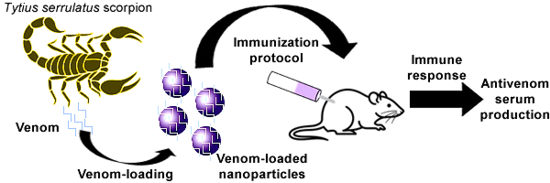
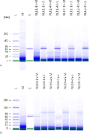
- % and 1.0% (w/w) with T. serrulatus venom was possible to evidence that all proteins of the venom were incorporated within the polymeric matrix, since the protein bands were not evidenced in the gel. The PLA nanoparticles and bovine serum albumin (BSA) were used as controls (Figure 1). This assay
- *** or ###p < 0.001, ** or ##p < 0.01, or * or #p < 0.05 were considered statistically significant. Electrophoretic profile of Tityus serrulatus venom (Tsv), bovine serum albumin (BSA), PLA nanoparticles (NPs), T. serrulatus venom protein-loaded PLA nanoparticles at 0.5% (NPs + Tsv 0.5%), and T


Better together: biomimetic nanomedicines for high performance tumor therapy
Beilstein J. Nanotechnol. 2025, 16, 1246–1276, doi:10.3762/bjnano.16.92
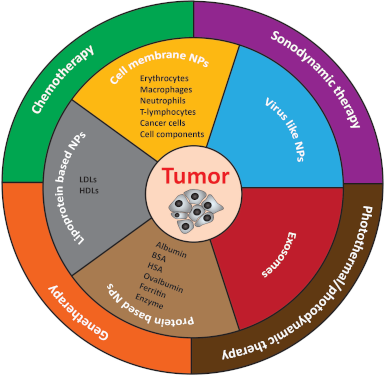
- structure of protein, and reducible disulfide groups [78][79][80]. 1.3.2 Bovine serum albumin. Bovine serum albumin (BSA) is widely used in biomedical applications such as supplemental growth media and protein standards. BSA was used as a template for the synthesis of organic–inorganic hybrid nanoparticles






Serum heat inactivation diminishes ApoE-mediated uptake of D-Lin-MC3-DMA lipid nanoparticles
Beilstein J. Nanotechnol. 2025, 16, 740–748, doi:10.3762/bjnano.16.57
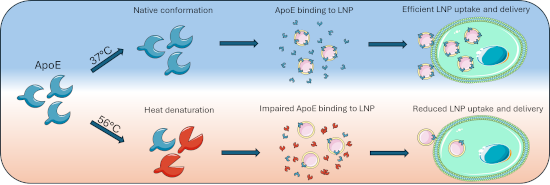
- by which FCS heat inactivation could affect cellular interactions with LNPs were studied in detail. Materials and Methods Buffers, reagents, materials Phosphate buffered saline (PBS), bovine serum albumin (BSA), thioflavin T (ThT), cholesterol and distearoylphosphatidylcholine (DSPC) were purchased
- probed with ThT, a dye that increases in fluorescence after it binds to aggregated or misfolded protein [32] (Figure 2A). Bovine serum albumin was used as a control protein as it is a major component of serum and known to be relatively heat resistant. No increase in fluorescence was seen between ApoE3


Functionalized gold nanoflowers on carbon screen-printed electrodes: an electrochemical platform for biosensing hemagglutinin protein of influenza A H1N1 virus
Beilstein J. Nanotechnol. 2025, 16, 540–550, doi:10.3762/bjnano.16.42
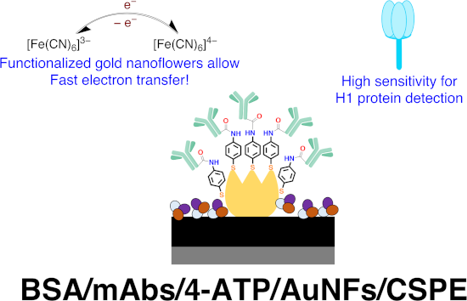
- , followed by blocking with bovine serum albumin to minimize nonspecific hydrophobic binding. The electrodes were characterized by cyclic voltammetry and electrochemical impedance spectroscopy experiments in the presence of [Fe(CN)6]3−/4−. Differential pulse voltammetry was used to measure the change in
- , potassium chloride, potassium hexacyanoferrate(II) trihydrate, potassium hexacyanoferrate(III), N-(3-dimethylaminopropyl)-N′-ethylcarbodiimide hydrochloride (EDC), N-hydroxy succinimide (NHS), phosphate-buffered saline pH 7.4 (PBS), and bovine serum albumin (BSA) were all purchased from Sigma-Aldrich
- the section bound to the surface. This leads to proper antibody orientation such that the entire antigen binding site is available for adequate biorecognition [44]. No significant peak-to-peak separation change was observed in the CV analysis after immobilization of mAbs and blocking with bovine serum


A biomimetic approach towards a universal slippery liquid infused surface coating
Beilstein J. Nanotechnol. 2024, 15, 1376–1389, doi:10.3762/bjnano.15.111
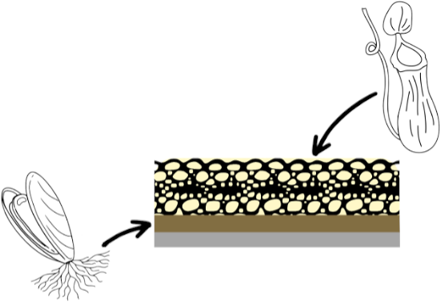
- of 1 × 10⁸ platelets/mL [33][34]. FXIIa assay Wells of interest of a nontreated 96-well polystyrene were blocked with 300 μL 1% bovine serum albumin (BSA) in Milli-Q water for 2 h at 37 °C. After 2 h, the wells were rinsed three times with Milli-Q water. Plates were coated immediately prior to use




Interaction of graphene oxide with tannic acid: computational modeling and toxicity mitigation in C. elegans
Beilstein J. Nanotechnol. 2024, 15, 1297–1311, doi:10.3762/bjnano.15.105
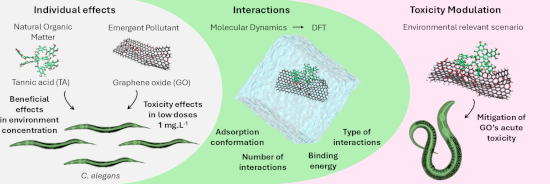
- translocation to other organs or oxidative stress. Similarly, Rive et al. [58] did not detect any detrimental effects in C. elegans exposed to amino-functionalized GO. Moreover, biomolecules interacting with the GO surface also have an effect on its toxicity, Côa et al. [14] observed that a bovine serum albumin


Dual-functionalized architecture enables stable and tumor cell-specific SiO2NPs in complex biological fluids
Beilstein J. Nanotechnol. 2024, 15, 1238–1252, doi:10.3762/bjnano.15.100
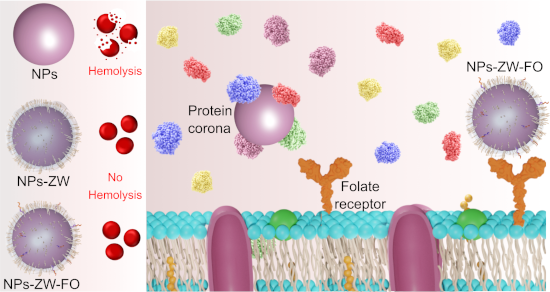
- adsorbed protein, and the supernatant was discarded. The bead+protein set was then incubated with 50 mM (hydroxymethyl)aminomethane buffer (Tris, pH 7.4) + 0.03% bovine serum albumin (BSA) + 0.1% Triton X for 60 min at room temperature and under manual agitation. Then, the supernatant was removed, and the
- cells were fixed with 4% paraformaldehyde for 20 min and permeabilized with 0.1% Triton X-100 and 2% bovine serum albumin for 40 min. F-actin was stained for 30 min with 10 µg/mL phalloidin-FITC (fluorescein isothiocyanate), and the nuclei were counterstained with 2 µg/mL of 4’,6-diamino-2-phenylindole


Unveiling the potential of alginate-based nanomaterials in sensing technology and smart delivery applications
Beilstein J. Nanotechnol. 2024, 15, 1077–1104, doi:10.3762/bjnano.15.88
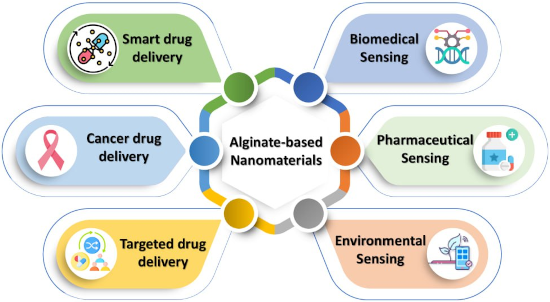
- authors used theophylline and bovine serum albumin as drug models and alginate–starch polymer as a drug matrix for studying the controlled release. Research confirmed that modification of alginate with starch can improve the encapsulation efficiency of the matrix from 60% to 75%. Moreover, this novel drug
- nanoparticles might be further developed as a tracking device for sweat glucose detection. Another microfluidic fiber-based enzymatic biosensor was developed. Microfibers encapsulated bovine serum albumin (BSA), glucose oxidase (GOx), and horseradish peroxidase (HRP) efficiently (Figure 9). In contrast


Exfoliation of titanium nitride using a non-thermal plasma process
Beilstein J. Nanotechnol. 2024, 15, 631–637, doi:10.3762/bjnano.15.53
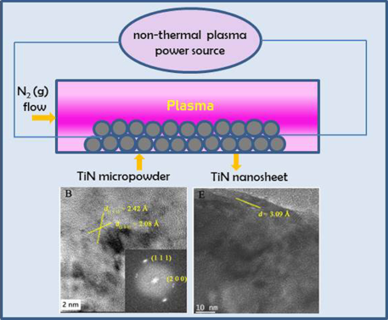
- electrostatically driven exfoliation of WO3 powder using bovine serum albumin as an exfoliating agent at pH 4 [8]. Subsequently, in 2018, Balan et al. [9] achieved the synthesis of hematene, a n-vdW 2D material, from natural iron ore hematite (α-Fe2O3) using liquid exfoliation. Unlike hematite, hematene exhibited



Cholesterol nanoarchaeosomes for alendronate targeted delivery as an anti-endothelial dysfunction agent
Beilstein J. Nanotechnol. 2024, 15, 517–534, doi:10.3762/bjnano.15.46
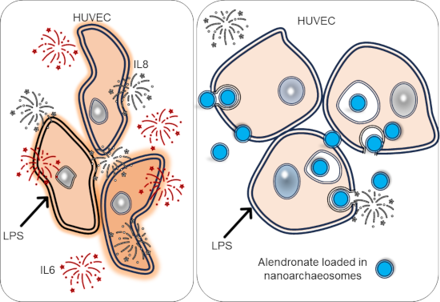
- with PBS and fixed with 3.7% formaldehyde in PBS for 30 min. Then, cells were permeabilized with 0.1% Triton X-100 in PBS for 10 min, followed by 30 min incubation with 1% bovine serum albumin (BSA) in PBS. Finally, cells were incubated with CytoPainter Phalloidin-iFluor 488 [87] for 90 min and Hoechst





Classification and application of metal-based nanoantioxidants in medicine and healthcare
Beilstein J. Nanotechnol. 2024, 15, 396–415, doi:10.3762/bjnano.15.36
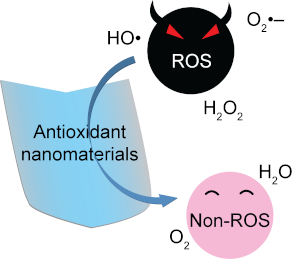
- homeostasis in tumors through a series of cascade reactions but also establish cyclic regeneration of relevant substrates. Another study combined MnO2 nanoparticles with bovine serum albumin (BSA) to obtain GPx activity [47]. The in vitro results showed excellent biocompatibility of the MnO2-BSA nanoparticles


Study of the reusability and stability of nylon nanofibres as an antibody immobilisation surface
Beilstein J. Nanotechnol. 2024, 15, 83–94, doi:10.3762/bjnano.15.8
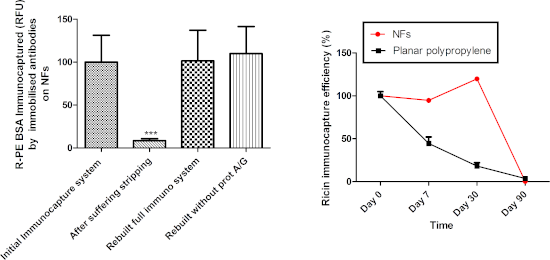
- ” developed in this paper, bovine serum albumin (BSA) was chosen as a surrogate for biotoxins. In contrast, in the “Stability study” carried out in this paper, ricin was used as a representative biotoxin instead of a surrogate because the “Stability study” required less handling than the “Nanofibre


Fluorescent bioinspired albumin/polydopamine nanoparticles and their interactions with Escherichia coli cells
Beilstein J. Nanotechnol. 2023, 14, 1208–1224, doi:10.3762/bjnano.14.100
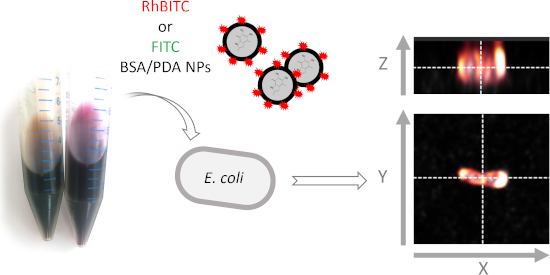
- applications, especially because of their biocompatibility. We synthesized and characterized fluorescent PDA NPs of 10–25 nm diameter based on a protein containing a lysine–glutamate diad (bovine serum albumin, BSA) and determined whether they can penetrate and accumulate in bacterial cells to serve as a
- protein and to determine whether they can enter and accumulate in bacterial cells. The investigation has been conducted with NPs made of polydopamine (PDA) and bovine serum albumin (BSA), and Escherichia coli (E. coli) bacteria as a bacterial model. Three different types of fluorescent BSA/PDA NPs have
- . Experimental Synthesis Reagents Dopamine (DA) hydrochloride and bovine serum albumin (BSA) were purchased from Merck (Darmstadt, Germany) and used without purification. Fluorescein isothiocyanate (FITC), rhodamine B isothiocyanate (RhBITC), hydrochloric acid 37% (wt/v), absolute ethanol and Hellmanex® were



Recognition mechanisms of hemoglobin particles by monocytes – CD163 may just be one
Beilstein J. Nanotechnol. 2023, 14, 1028–1040, doi:10.3762/bjnano.14.85
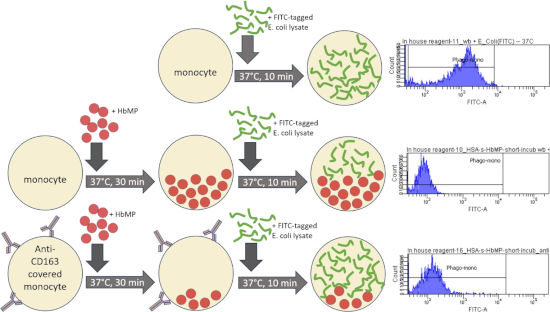
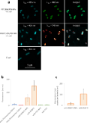
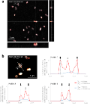
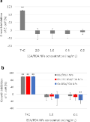
- might not be their Hb content. In their work from 2013, Yan et al. [40] showed how the formation of a protein corona influences particle–cell interactions. Especially bovine serum albumin (BSA) showed an ambivalent effect. On the one hand, the corona, which consisted mainly of BSA, reduced the direct




Carboxylic acids and light interact to affect nanoceria stability and dissolution in acidic aqueous environments
Beilstein J. Nanotechnol. 2023, 14, 762–780, doi:10.3762/bjnano.14.63
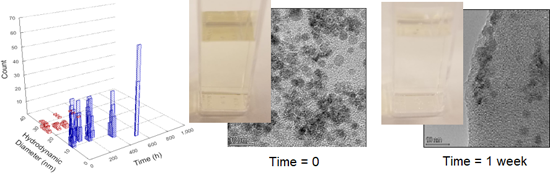
- , distribution, and toxicity of nanoceria within biological systems. Cellular uptake studies of nanoceria in lung adenocarcinoma (A549) cells favored particles with a negative zeta potential. However, positively charged particles resulted in greater bovine serum albumin adsorption. This suggests that surface
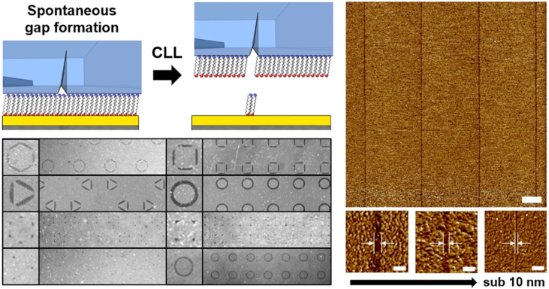
Gap-directed chemical lift-off lithographic nanoarchitectonics for arbitrary sub-micrometer patterning
Beilstein J. Nanotechnol. 2023, 14, 34–44, doi:10.3762/bjnano.14.4
- Grove, PA, USA). Bovine serum albumin (BSA) and 10× phosphate buffered saline (PBS, contains 1.37 M NaCl, 0.027 M KCl, 0.10 M Na2HPO4, and 0.018 M KH2PO4) were purchased from Bioman Scientific Co., Ltd. (Taipei, Taiwan). Ethanol (99.5 wt %), acetone (99.5 wt %), and isopropanol (99.9 wt %) were


Design of surface nanostructures for chirality sensing based on quartz crystal microbalance
Beilstein J. Nanotechnol. 2022, 13, 1201–1219, doi:10.3762/bjnano.13.100
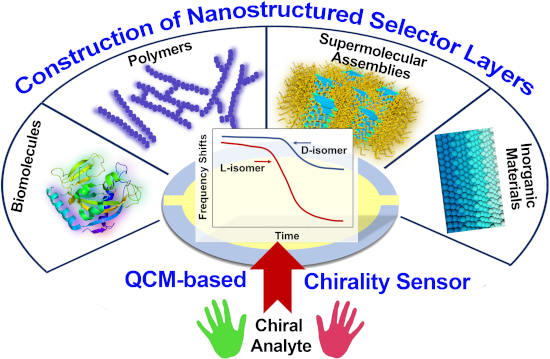
- modified QCM sensors [29]. The sensor layers were constructed by self-assembly of ʟ(ᴅ)-Val monolayers or comb-teeth-type grafted polymer brushes with ʟ(ᴅ)-Val. According to the frequency shifts upon bovine serum albumin (BSA) adsorption, ʟ-Val-modified sensors were shown to have a stronger binding to BSA


Stimuli-responsive polypeptide nanogels for trypsin inhibition
Beilstein J. Nanotechnol. 2022, 13, 538–548, doi:10.3762/bjnano.13.45
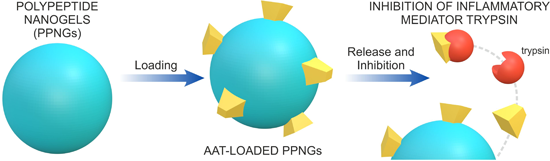
- confirmed by dynamic light scattering and zeta potential measurements. The loading capacity of PHEG-Tyr and Nα-Lys-NG nanogels and their release profiles were first optimized with bovine serum albumin. The nanogels were then used for loading and release of AAT. PHEG-Tyr and Nα-Lys-NG nanogels showed
- acid-labile cholesteryl-modified pullulan nanogel that formed a complex with loaded bovine serum albumin and released it under acidic conditions [17]. Landfester et al. used a bio-orthogonal reaction to fabricate a dextran nanogel with pH-responsive hydrazine linkages allowing for a controlled release
- optimizing the loading and release from PHEG-Tyr and Nα-Lys-NG with bovine serum albumin (BSA), loading and release of AAT were investigated. The results show that AAT has a higher affinity to Nα-Lys-NG and both nanogel depots demonstrate burst release over 6 h followed by continuous release over ca. 160 h





