


Search results
Search for "brain" in Full Text gives 117 result(s) in Beilstein Journal of Nanotechnology.
Nanocarrier strategies to overcome P-glycoprotein-mediated drug resistance in cancer therapy
Beilstein J. Nanotechnol. 2026, 17, 882–921, doi:10.3762/bjnano.17.64
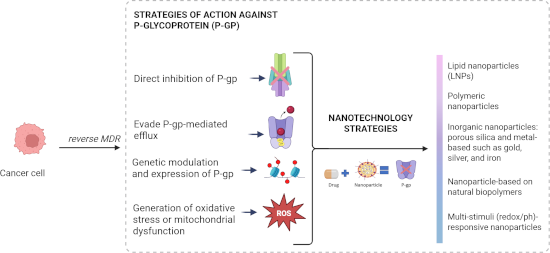
- , kidney, the apical surface of ileal and colonic epithelial cells, and the blood–brain barrier, while its expression is comparatively lower in the jejunum, duodenum, and stomach [22][24]. Systemic P-gp inhibitors, therefore, risk disrupting normal physiological efflux at these sites, a liability that has
- careful control. P-gp plays essential physiological roles in normal tissues, such as blood–brain barrier, liver, and kidneys, where it contributes to detoxification and xenobiotic efflux. Consequently, non-selective silencing could lead to adverse effects such as altered pharmacokinetics or increased


Nanoparticle delivery systems for HIV pre-exposure prophylaxis (PrEP): advances and challenges
Beilstein J. Nanotechnol. 2026, 17, 839–853, doi:10.3762/bjnano.17.60
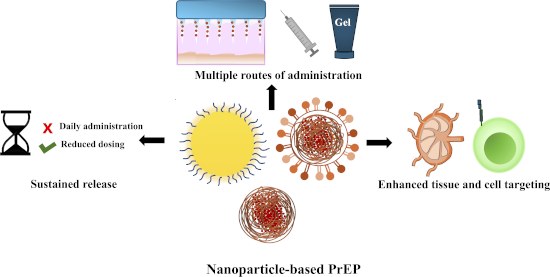
- challenges, polymeric nanoparticles with their widely tunable properties are a promising class of materials to facilitate LA-PrEP and selective targeting of ARVs to relevant tissues. Mannosylated PLGA nanoparticles even showed some promise to improve drug uptake in the brain macrophages compared to free drug
- solutions [55]. This effect may be attributed to mannose receptor-mediated uptake into macrophages, but the exact mechanism of blood–brain barrier (BBB) transfer has not been determined. Lipid-based nanoparticles LBNPs, including liposomes, LNPs, SLNs, and NLCs, represent a well-established class of
- achieved higher concentrations of the drug in potential HIV reservoir organs, such as spleen and brain. Expanding the ligand functionalization strategy, another study developed a CD4-targeted LNP system designed for the delivery of mRNA rather than ARVs in which the nanoparticles were functionalized with


Superconducting artificial neural networks and quantum circuits
Beilstein J. Nanotechnol. 2026, 17, 744–747, doi:10.3762/bjnano.17.51

- , technologists, and circuit designers – actively working in these research directions. Below, the main ideas and technical solutions discussed in this thematic issue are briefly summarised. During the last decade, brain-inspired artificial neural networks based on superconducting elements have become the subject
Molecular engineering of individual dye-based nanoparticle photostability for ultrabright two-photon fluorescence
Beilstein J. Nanotechnol. 2026, 17, 688–696, doi:10.3762/bjnano.17.48
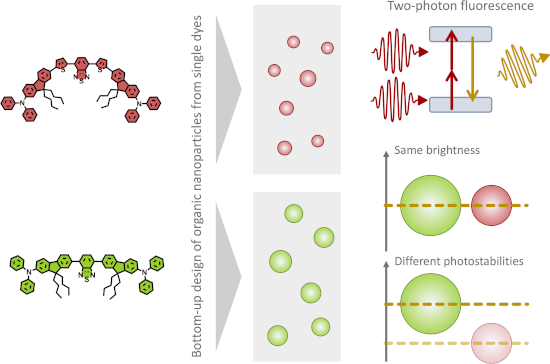
- whole animals, such as Xenopus tadpoles [3], zebrafish [16][17], and mice [15]. Furthermore, dFONs have proven highly effective as probes for single-particle tracking (SPT) experiments, both within cells [18][19] and deep in the extracellular space of the mouse brain [20]. Recently, we achieved a


Towards targeted drugs and next generation of nanomedicines
Beilstein J. Nanotechnol. 2026, 17, 598–601, doi:10.3762/bjnano.17.41
- pulmonary delivery for lung diseases and nose-to-brain delivery as a means of reaching the brain [31][32]. Overall, while we are also gaining a better understanding of how nanomaterials are processed at organism and cell levels, research is exploring several new directions for advancing the development of
Biomimetic nanoparticles in cancer photodynamic therapy: a review of targeted delivery systems and therapeutic outcomes
Beilstein J. Nanotechnol. 2026, 17, 396–422, doi:10.3762/bjnano.17.27
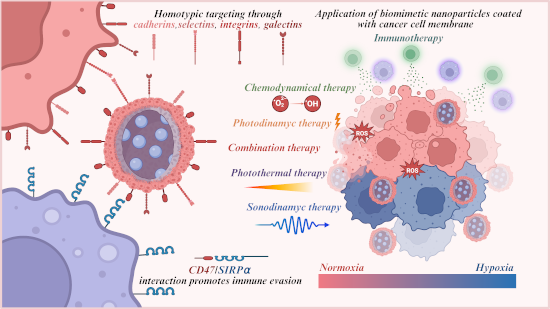
- . These properties are particularly valuable for treating inflammatory diseases and targeting tumors. Crossing the blood–brain barrier (BBB) remains a significant challenge for nanomedicine. BNPs coated with membranes from cells capable of BBB penetration, such as neutrophils or cancer cells, show
- improved brain delivery [67]. Additional modifications with targeting peptides can further enhance BBB crossing, opening new possibilities for treating neurological diseases. Finally, successful therapy depends on efficient cellular uptake and drug release. Biomimetic shells can increase nanoparticle
- peptides targeting aminopeptidase N have improved photoinduced activity of chlorin e6 in fibrosarcoma cells [95]; dual peptide modification of PLGA nanoparticles enhanced brain targeting in glioma models [96]. Integrin expression varies across tumor types, influencing homotypic targeting strategies [89][97


Ferroelectric nanodot reservoir for neuromorphic computing
Beilstein J. Nanotechnol. 2026, 17, 352–364, doi:10.3762/bjnano.17.24
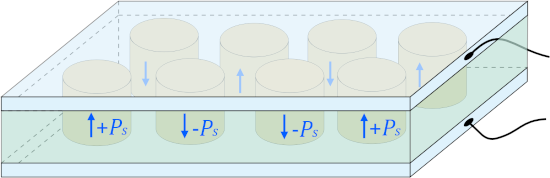
- architecture and processing mechanisms of the human brain to achieve energy-efficient and adaptive information processing [1][2][3][4][5][6]. Among various neuromorphic approaches, reservoir computing has emerged as a particularly promising paradigm, owing to its conceptual simplicity and hardware amenability
- storage and computational richness. Such statistical properties are closely related to neuromorphic architectures. In analogy with the brain, each nanodot (site) functions similarly to a binary neuron, being in an “active” or “inactive” state, corresponding to mi = +1 and −1, respectively. The overall


Influence of surface characteristics on the in vitro stability and cell uptake of nanoliposomes for brain delivery
Beilstein J. Nanotechnol. 2026, 17, 139–158, doi:10.3762/bjnano.17.9
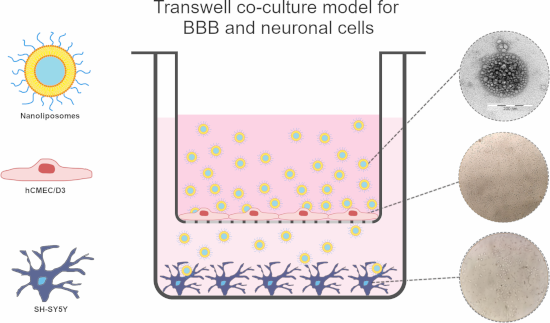
- evolution of physicochemical characteristics and surface properties of NLs in biorelevant media. Additionally, in order to point out the influence of specific characteristics on the brain targeting potential of these formulations, we investigated interactions between NLs and blood–brain barrier (BBB, hCMEC
- neurons (ranging from 25.17% to 27.54%). Fluorescence and confocal microscopy micrographs revealed that, once internalized, NLs were concentrated in the perinuclear cell regions. Keywords: blood–brain barrier; cell co-culture; cell uptake; internalization; nanoliposomes; stability; surface
- well known that incorporating AC into NLs improves their biological distribution, reduces macrophage uptake, and lowers free AC concentrations, thus decreasing systemic toxicity. Additionally, modifying the composition and surface properties of NLs can enhance their passage through the blood–brain




Optical bio/chemical sensors for vitamin B12 analysis in food and pharmaceuticals: state of the art, challenges, and future outlooks
Beilstein J. Nanotechnol. 2025, 16, 2207–2244, doi:10.3762/bjnano.16.153
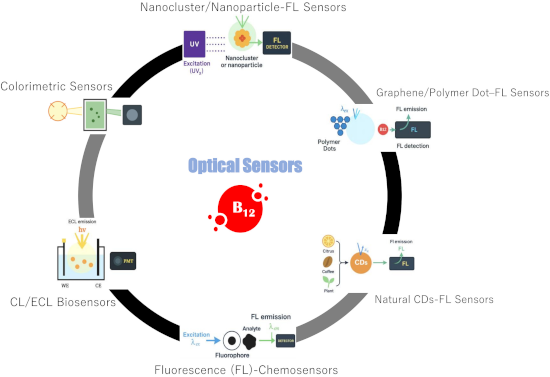
- ]. This water-soluble micronutrient is essential for improving brain and nervous system functions, blood cell development, bone health improvement, energy and DNA production, fertility and embryo development, control of neurological symptoms (e.g., stress, depression, dementia, and visual disturbances
- populations, vegetarians and vegans, pregnant women, and breastfeeding infants of VB12-deficient mothers, particularly in developing countries [10][38][39][40]. VB12 has a pivotal role in the development of the fetal and neonatal brain. Therefore, mothers with vegetarian and vegan diets should significantly
- increase the intake rate of this vitamin during pregnancy and lactation as VB12 deficiency can cause some fully reversible damage to newborns’ brain and nervous system health [41][42]. A recent study revealed that VB12 deficiency should be considered one of the most important parameters in infants with


PEGylated lipids in lipid nanoparticle delivery dynamics and therapeutic innovation
Beilstein J. Nanotechnol. 2025, 16, 1914–1930, doi:10.3762/bjnano.16.133
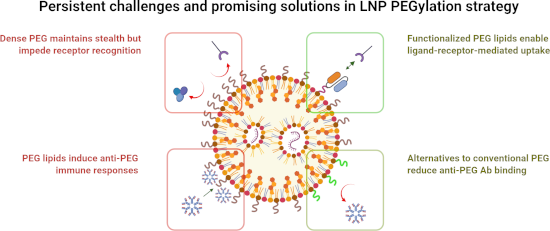
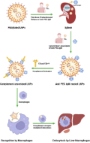
- moieties that might be adversely affected by harsh reaction conditions [36][37]. A selection of functionalized PEG lipids for ligand conjugation is shown in Figure 4. A study of engineered peptide-functionalized LNPs (pLNPs) used DSPE-PEG-maleimide as a linker to conjugate brain-targeting peptides
- were subsequently conjugated to the maleimide groups under mild aqueous reaction. These pLNPs demonstrated substantial enhancements in mRNA transfection in vitro. RVG29 and mApoE pLNPs with 10% DSPE-PEG-maleimide substitution achieved up to 60-fold and 20-fold higher luciferase expression in brain
- . Intravenous injection at 0.3 mg·kg−1 further validated the efficacy of these functionalized pLNPs. RVG29 and AP2 pLNPs achieved nearly 70-fold increases in brain transfection, while mApoE pLNPs demonstrated significant tropism shift from liver to spleen. A liver luminescence reduction from over 90% to 25% was


Programmable soliton dynamics in all-Josephson-junction logic cells and networks
Beilstein J. Nanotechnol. 2025, 16, 1883–1893, doi:10.3762/bjnano.16.131

- neurons, implement synaptic pruning, and even “kill” parts of the artificial brain. Human or animal brains contain a huge number of synapses, many times greater than the number of neurons (e.g., the Norwegian rat brain contains about 200 million neurons, each of which roughly has an average of about 1000


Nanotechnology-based approaches for the removal of microplastics from wastewater: a comprehensive review
Beilstein J. Nanotechnol. 2025, 16, 1607–1632, doi:10.3762/bjnano.16.114
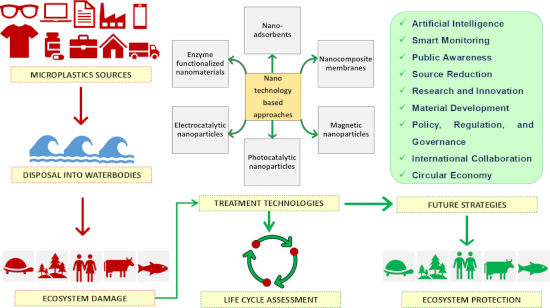
- their small size allows them to penetrate various biological barriers. MPs smaller than 5 μm can reach the alveoli, enter the circulatory system, and accumulate in the organs such as the brain, lungs, liver, spleen and digestive system. Those around 10 μm can breach cell membranes and the placental


Transient electronics for sustainability: Emerging technologies and future directions
Beilstein J. Nanotechnol. 2025, 16, 1545–1556, doi:10.3762/bjnano.16.109
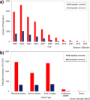
- have already been demonstrated, including transient pressure and temperature sensors designed for short-term intracranial monitoring after traumatic brain injury. These devices capture delayed-onset symptoms and naturally degrade without requiring surgical retrieval [6] (Figure 1a). Examples are a
- unfolds on the brain cortex to enable neural signal monitoring following syringe-based implantation [27] (Figure 1d). The exploration of new materials and fabrication techniques has also enabled the realization of large-area transient devices. In particular, the large-area fabrication of 2D materials and
- transient technologies across biomedical, environmental, and security applications. Transient electronics for implantable biomedical applications. (a) A biodegradable silicon pressure sensor (left) and its application to intracranial pressure monitoring in the brain (right). Figure 1a was adapted from [6


Nanomaterials for biomedical applications
Beilstein J. Nanotechnol. 2025, 16, 1499–1503, doi:10.3762/bjnano.16.105
- effectively treat brain cancer cells. These nanocarriers helped drugs stay longer in the body, get to the brain tumor by crossing protective barriers, and directly target cancer cells [13]. However, carbon nanotubes require further investigation before being implanted into the human body due to their toxicity
Better together: biomimetic nanomedicines for high performance tumor therapy
Beilstein J. Nanotechnol. 2025, 16, 1246–1276, doi:10.3762/bjnano.16.92
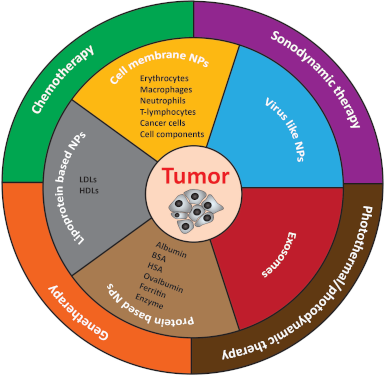
- as brain, liver, spleen, lungs, arterial walls for both immediate and sustained release. Their degradation and release kinetics can be controlled or manipulated by different methods and incorporation or conjugation of specific materials. Importantly, they mainly focus on different biomaterials, drug
- among the white blood cells [35]. Neutrophils are the first to appear at the site of inflammation and easily cross different biological barriers such as blood–tissue barrier, blood–brain barrier (BBB) or blood–tumor barrier (BTB). Therefore, neutrophil membrane-coated nanoparticles have been
- -modified nanosystem showed increased drug accumulation and enhanced therapeutic activity both in subcutaneous and orthotopic tumor models [125][126]. Another study regarding targeted therapy and improved drug delivery to the brain used the dual modification of RBC-coated lipid nanoparticles with T7 peptide





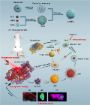

Serum heat inactivation diminishes ApoE-mediated uptake of D-Lin-MC3-DMA lipid nanoparticles
Beilstein J. Nanotechnol. 2025, 16, 740–748, doi:10.3762/bjnano.16.57
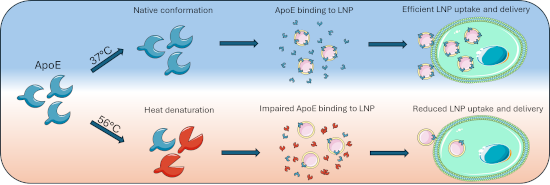
- Integrated DNA Technologies and were annealed in-house for 5 min at 97 °C. siRNA sequence: Sense: ‘5-GGA CGA GGU GCC UAA AGG AdCdG-3’ Antisense: ‘5-UCC UUU AGG CAC CUC GUC CdCdG-3’. FCS was obtained from Gibco, Biowest and Lonza. Cell culture Brain cancer cell line U87-MG (ATCC) and breast cancer cell line


Aprepitant-loaded solid lipid nanoparticles: a novel approach to enhance oral bioavailability
Beilstein J. Nanotechnol. 2025, 16, 652–663, doi:10.3762/bjnano.16.50
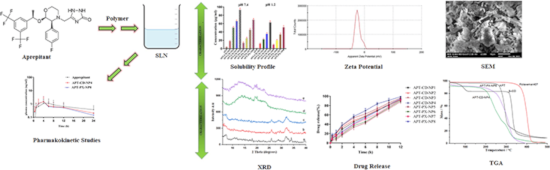
- solitary tract in the brain. APT is equally effective in the prevention of pre/postoperative nausea and as rescue antiemetic, offering better control of vomiting after 24 and 48 h compared with conventional therapies [6]. APT has an oral bioavailability of 60–65%. The maximum concentration of drug in
- blood–brain barrier [8]. Its mean volume of distribution is approximately 70 L. In the range of pH 2–10, APT has very low solubility (0.37 µg/mL) [9]. Because of the low water-solubility, the low permeability, and the rate-limiting step of poor gastrointestinal absorption, APT is categorized as a BCS



Polyurethane/silk fibroin-based electrospun membranes for wound healing and skin substitute applications
Beilstein J. Nanotechnol. 2025, 16, 591–612, doi:10.3762/bjnano.16.46
- factors such as brain-derived neurotrophic factor and NGF. These growth factors increased the alignment and myelination of Schwann cells, which are critical for nerve regeneration and repair. The study also showed that the AuPBs were cell-compatible, which meant they were non-toxic and supported cell



Nanomaterials in targeting amyloid-β oligomers: current advances and future directions for Alzheimer's disease diagnosis and therapy
Beilstein J. Nanotechnol. 2025, 16, 561–580, doi:10.3762/bjnano.16.44
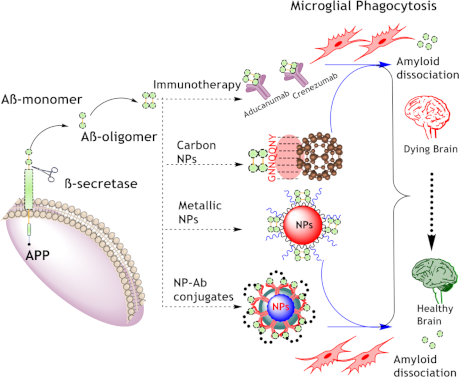
- ) influence of the APOE4 allele, that is, positive clinical trial outcomes tend to have a higher concentration of AβOs in the brain of individuals carrying the E4 allele of apolipoprotein E (APOE4). The origins of AβOs in AD patients remain a subject of debate and require further extensive research for a
- ]. Comparisons between AD patients who carry the APOE4 allele and those who do not reveal that the former group has about three times the concentration of AβOs in the brain. This suggests that the APOE4 genotype plays a significant role in the progression of AD by facilitating the accumulation of these toxic
- yielded limited clinical success, primarily because of the tendency to treat patients at later stages, when extensive brain damage has already occurred. However, monoclonal antibodies targeting AβOs such as aducanumab, have demonstrated promising efficacy, leading to its FDA approval [12]. Early diagnosis


Synthetic-polymer-assisted antisense oligonucleotide delivery: targeted approaches for precision disease treatment
Beilstein J. Nanotechnol. 2025, 16, 435–463, doi:10.3762/bjnano.16.34

- oligonucleotide drugs, their poor biodistribution and intracellular delivery have limited their use as therapeutic agents. In fact, efficient delivery to most tissues other than liver, kidneys, lungs, retina, brain, and spinal cord poses major challenges because of the broad systemic distribution, the extensive
- study, Min et al. investigated the use of PLL to develop glucose-coated polymeric nanocarriers for the systemic delivery of ASOs across the blood–brain barrier (BBB) [71]. The authors utilised a polyion complex micelle (PIC/M) platform based on poly(ethylene glycol)-b-poly(ʟ-lysine) (PEG–PLL, DPPLL = 42
- stability in the bloodstream and enabled the controlled release of MALAT1 ASO in the brain’s reductive environment. As a result, significant knockdown of targeted long non-coding RNA was observed in key brain regions, including the cerebral cortex and hippocampus, after a single intravenous administration


Quantification of lead through rod-shaped silver-doped zinc oxide nanoparticles using an electrochemical approach
Beilstein J. Nanotechnol. 2025, 16, 422–434, doi:10.3762/bjnano.16.33
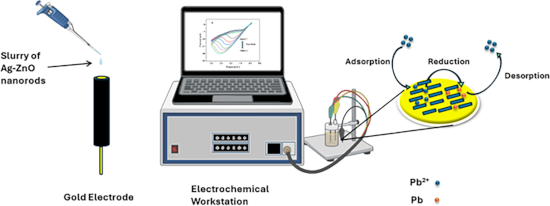
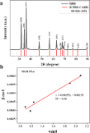
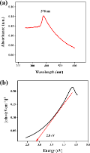
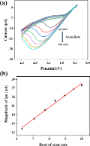
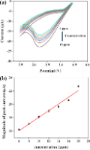
- health, determining the presence of trace heavy metals is crucial. Lead is a highly toxic element that affects human soft tissues and organs, acting in concert with other carcinogens to cause cancer in the kidneys, lungs, or brain. Lead paint, lead-containing petrol, mining, and smelting are some of the





Radiosensitizing properties of dual-functionalized carbon nanostructures loaded with temozolomide
Beilstein J. Nanotechnol. 2025, 16, 229–251, doi:10.3762/bjnano.16.18
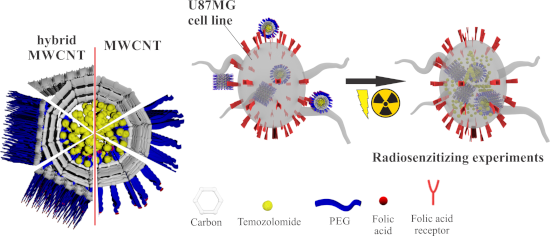
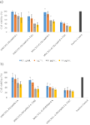
- aim to prepare nanocarriers with the potential to prolong the drug circulation time, cross the blood–brain–tumor barrier (BBTB), and provide targeted and controlled drug release in the brain tumor cells. Cytotoxicity and effects on cell membrane integrity of the blank and TMZ-loaded dual
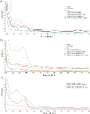
- suitable for crossing the BBTB and targeting brain cancer cells. A biphasic drug release profile was observed for all functionalized TMZ-loaded formulations in simulated in vivo conditions, with a sustained release pointing to the potential for controlled release of TMZ in brain tumor cells. The
- for active agent loading and functionalization with (intra)cellular component targeting ligands, and extremely small size for crossing the blood–brain barrier (BBB) and targeted delivery to the brain. The hydrophobic nature of the CNs offers good membrane permeability. Through chemical modifications




Recent advances in photothermal nanomaterials for ophthalmic applications
Beilstein J. Nanotechnol. 2025, 16, 195–215, doi:10.3762/bjnano.16.16
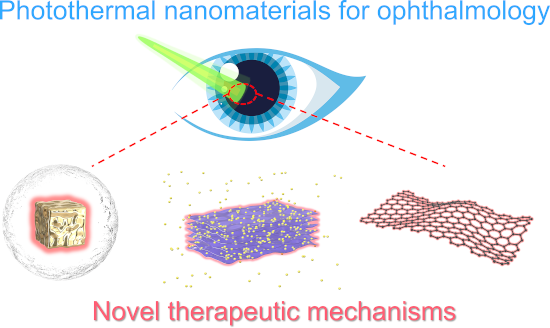
- adjacent healthy cells [109]. After eliminating tumor cells, small gold nanorods can penetrate the blood–brain barrier and be effectively excreted from the body through renal excretion, thereby avoiding the production of VNBs near non-cancerous cells. 3.2 Posterior capsule opacity after cataract surgery
- , representing a significant stride forward in enhancing human environmental perception capabilities. 3.7 Facilitating drug delivery to the retina The retina is the crucial visual tissue that converts light signals into nerve signals and transmits them to the brain. Functional damage of the retina often leads to


Clays enhanced with niobium: potential in wastewater treatment and reuse as pigment with antibacterial activity
Beilstein J. Nanotechnol. 2025, 16, 141–154, doi:10.3762/bjnano.16.13
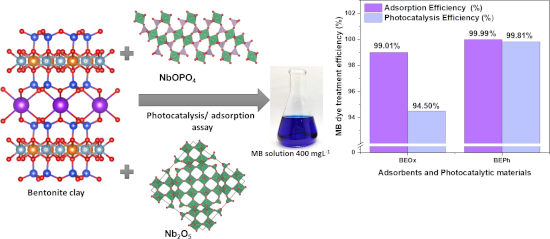
- concentrations ranging from 1.25 to 0.09 mg/mL. The bacterial stock cultures were activated by culturing in brain heart infusion (BHI) broth at 37 °C for 24 h. Then, the cellular concentrations were standardized according to the McFarland 0.5 scale (≈1.5 × 10⁸ CFU/mL) using a spectrophotometer at a wavelength of



Nanocarriers and macrophage interaction: from a potential hurdle to an alternative therapeutic strategy
Beilstein J. Nanotechnol. 2025, 16, 97–118, doi:10.3762/bjnano.16.10
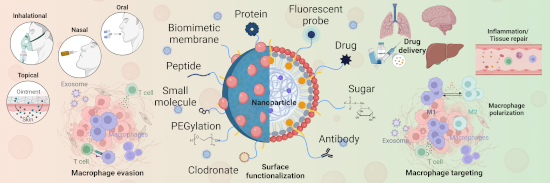
- . Intranasal delivery has emerged as a promising strategy for targeting the central nervous system by bypassing the blood–brain barrier (BBB). This approach was demonstrated by the nose-to-brain administration of D6-cholestrol-loaded liposomes, which led to an accumulation of D6-cholesterol in the brain in





