


Search results
Search for "collagen" in Full Text gives 74 result(s) in Beilstein Journal of Nanotechnology.
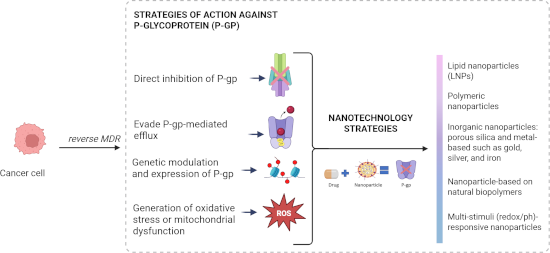
Nanocarrier strategies to overcome P-glycoprotein-mediated drug resistance in cancer therapy
Beilstein J. Nanotechnol. 2026, 17, 882–921, doi:10.3762/bjnano.17.64


Restorative potential of laser-synthesized silver nanoparticles with Salvia officinalis for periodontal disease treatment: an in vitro study
Beilstein J. Nanotechnol. 2026, 17, 781–795, doi:10.3762/bjnano.17.55
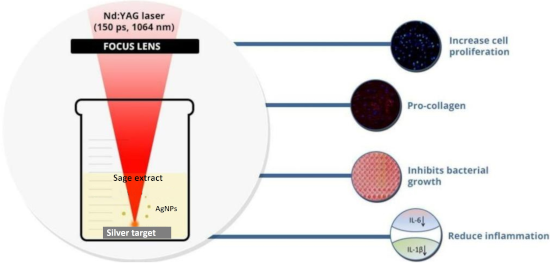
- collagen production up to 11% after 24 h and significantly reduced IL-6 by 23% after 24 h, which returned to the baseline levels after 48 h. These findings define a clear therapeutic window, where the same concentration that eradicates bacteria also promotes gingival cell regeneration and reduces
- , connective tissue damage occurs, beginning with fibroblast alteration and secretion of metalloproteinases, which degrade collagen and other components of the extracellular matrix [17][18]. Eventually, fibroblast apoptosis and inhibition of collagen production ensue, causing overall gingival atrophy and
- elimination of pathogenic microbes and reduction of inflammation and gingival atrophy, but also toward collagen production. This study aimed to evaluate the biological properties of AgNPs synthesized by PLAL, where the varying parameters were different laser pulse energies (2 and 6 mJ) and distinct synthesis



Interface-engineered Caco-2 cell culture on a collagen-coated liquid–liquid interface in a microfluidic device
Beilstein J. Nanotechnol. 2026, 17, 760–768, doi:10.3762/bjnano.17.53
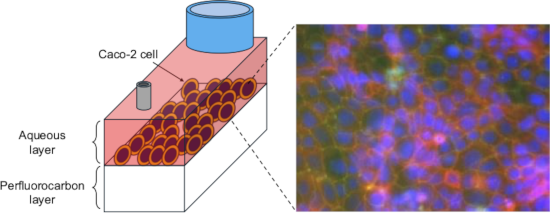
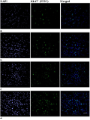
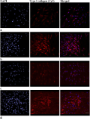
- substrates, which limit the physicochemical flexibility of the cellular microenvironment. Here, we introduce a microfluidic platform in which a collagen-coated liquid–liquid interface formed between perfluorocarbon (FC-43) and culture medium serves as a substrate for epithelial cell adhesion. By culturing
- enables the formation of stable liquid–liquid interfaces that serve as viable and flexible substrates for epithelial cell culture, offering new opportunities for multiphase microfluidic models of epithelial barriers. Keywords: Caco-2; collagen; FC-43; gut-on-a-chip; liquid–liquid interface; Introduction
- attractive due to their chemical inertness, immiscibility with aqueous media, and high gas solubility [11], making them well suited for multiphase microfluidic applications. In this study, we propose a novel microfluidic cell culture system by utilizing a collagen-coated liquid–liquid interface that serves


Protein-based custom-designed molecular nanotraps for biomedical applications
Beilstein J. Nanotechnol. 2026, 17, 683–687, doi:10.3762/bjnano.17.47

- far explored for preparing bioMIPs, there is gelatin, which is obtained from collagen, the most plentiful structural protein in animals that offers mechanical strength and supports tissues like skin, tendons, and bones. While collagen consists of triple-helix polypeptide chains, which are particularly
- rich in glycine, proline, and hydroxyproline, gelatin is a denatured and fragmented form of collagen produced through partial acidic or basic hydrolysis [13]. Gelatin is a water-soluble polymer that typically undergoes a temperature-dependent gelation, with the transition from a liquid to a hydrogel

Nanocarrier-integrated multilayer films produced by 3D printing for improved skin adhesion and curcumin photostability
Beilstein J. Nanotechnol. 2026, 17, 440–453, doi:10.3762/bjnano.17.30
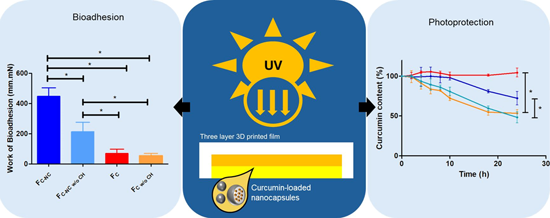
- inhibiting MRSA growth in vivo in a murine wound model [21]. More recently, Terzopoulou et al. developed collagen patches containing chitosan nanoparticles loaded with curcumin, which showed efficacy against psoriasis in in vitro assays [22]. Similarly, Olmos-Juste et al. employed 3D printing to produce


Polycatecholamine nanocoatings on stainless steel: the effect on attachment of human fibroblasts and platelets
Beilstein J. Nanotechnol. 2026, 17, 365–380, doi:10.3762/bjnano.17.25
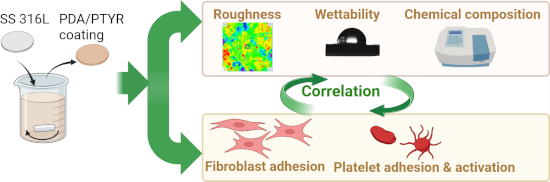
- stability. Consequently, a variety of surface modifications have been developed to improve cell–material interactions, including anodized nanopit arrays, hydroxyapatite–collagen layers on polydopamine-modified steel, nanoporous coatings influencing integrin/ERK signaling, and bilayers comprising graphene




Influence of surface characteristics on the in vitro stability and cell uptake of nanoliposomes for brain delivery
Beilstein J. Nanotechnol. 2026, 17, 139–158, doi:10.3762/bjnano.17.9
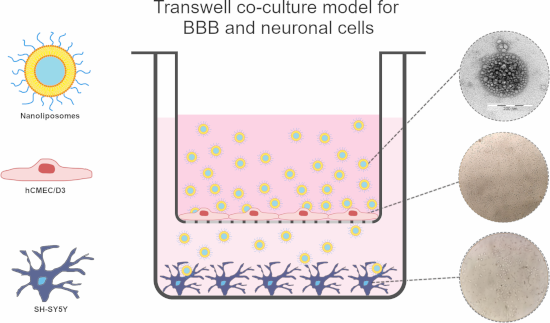
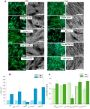
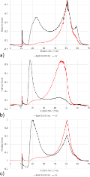
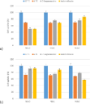
- artifacts and avoiding false positives. Materials and Methods Materials Soybean lecithin (SL) was purchased from Vitalia (Skopje, N. Macedonia) and LIPOID PE 18:0/18:0-PEG 2000 (PEG) from Lipoid (Ludwigshafen am Rhein, Germany). Cholesterol (CH), Dulbecco’s Phosphate Buffered Saline (DPBS), collagen type I
- internalization experiments were conducted using hCMEC/D3 cell cultures (passages 21–25). T-75 cell culture flasks (Greiner Bio-One GmbH, Germany) were initially coated with 0.05 mg/mL of rat tail collagen type I in DPBS and left to stand for at least 1 h at 37 °C. The cells were cultured in supplemented EBM-2 at
- onto 96-well plates at a density of 104 cells/well in their respective cell culture medium (200 μL/well) and incubated for 48 h at 37 °C in the presence of 5% CO2. As previously described, wells for hCMEC/D3 cells were pre-coated with collagen type 1 (0.05 mg/mL) for 1 h. After reaching confluence, the





Beyond the shell: exploring polymer–lipid interfaces in core–shell nanofibers to carry hyaluronic acid and β-caryophyllene
Beilstein J. Nanotechnol. 2025, 16, 2015–2033, doi:10.3762/bjnano.16.139
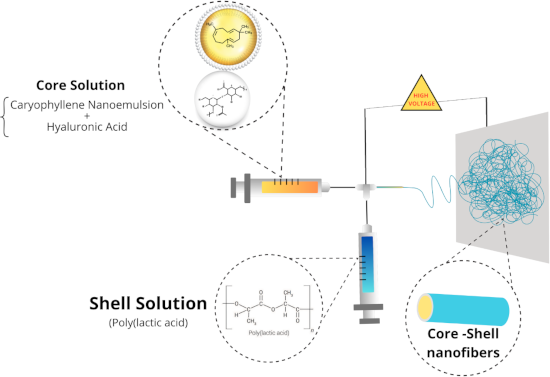
- applications and naturally occurring in vertebrates [26][27]. It is a key element of the extracellular matrix, providing a gelatinous structure where collagen and elastin fibers are embedded. As an endogenous molecule, it demonstrates ideal biocompatibility and full absorption by human tissues. Its natural




Self-assembly and adhesive properties of Pollicipes pollicipes barnacle cement protein cp19k: influence of pH and ionic strength
Beilstein J. Nanotechnol. 2025, 16, 1863–1872, doi:10.3762/bjnano.16.129
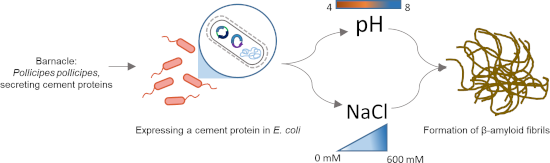
- stalk (peduncle) that anchors it to a surface [23]. Structural and biochemical analyses revealed that the cuticle is primarily composed of α-chitin, with indications of elastin-like proteins and collagen [23], and stiffness values comparable to those found in elastomers and in the soft cuticles of


Bioinspired polypropylene-based functionally graded materials and metamaterials modeling the mistletoe–host interface
Beilstein J. Nanotechnol. 2025, 16, 1592–1606, doi:10.3762/bjnano.16.113
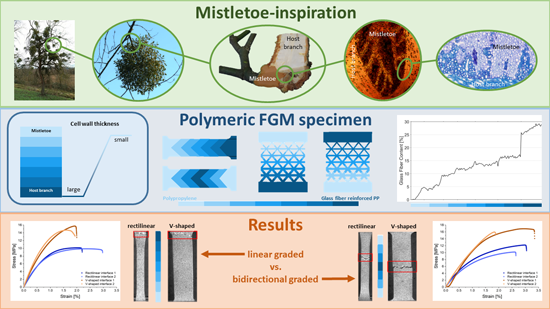
- colleagues have also structured the interfaces of the gradients in their work on bioinspired 3D-printed fused deposition modeling materials, incorporating different patterns such as collagen-like triple helices into their geometric design, resulting in a 50% toughness increase compared to the non-graded


Transient electronics for sustainability: Emerging technologies and future directions
Beilstein J. Nanotechnol. 2025, 16, 1545–1556, doi:10.3762/bjnano.16.109
- extensively explored (Figure 2f) [14][85][86][87]. Well-known bioresorbable polymers such as silk, PLGA, and collagen have been utilized as encapsulation materials [14]. In addition, naturally derived wax-based compounds have attracted attention due to their enhanced hydrophobicity [85]. To further improve


Hydrogels and nanogels: effectiveness in dermal applications
Beilstein J. Nanotechnol. 2025, 16, 1216–1233, doi:10.3762/bjnano.16.90
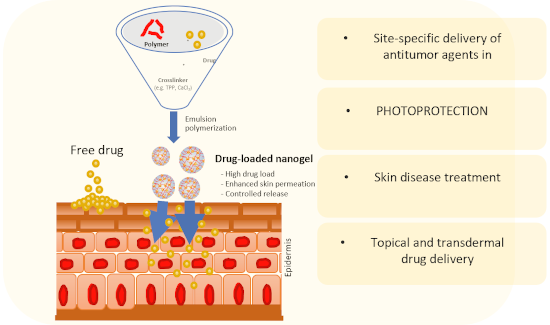
- polymer mixtures generate thermo-sensitive hydrogels, such as chitosan/β-glycerophosphate/collagen-based hydrogels [129]. In another example, hydrogels comprised of gelatin microspheres, glutaraldehyde – as a cross-linker, added to Pluronic F127 and F68 can vary from sol to gel phases by changing both
- overnight at 37 °C. Collagen-based hydrogels can be developed by using different sources of collagen. Both plant and animal protein sources can provide raw materials needed for adequate collagen production, which includes rat tail tendons [84][86][139], goat tendons [87], swine skin [88], and gelatin [87
- ]. The collagen concentration may vary in the resulting hydrogels (e.g., from 1.5% [84] to 30% [85]). Polyvinyl alcohol hydrogels can be obtained in several ways, which include dissolving PVA in water at 90 °C with the addition of PEG-200, followed by freezing and thawing cycles. For the formation of


Piezoelectricity of hexagonal boron nitrides improves bone tissue generation as tested on osteoblasts
Beilstein J. Nanotechnol. 2025, 16, 1068–1081, doi:10.3762/bjnano.16.78
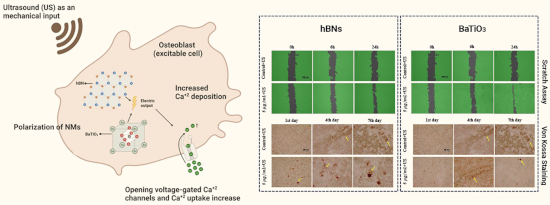
- nucleation of calcium and phosphate ions, imparting stiffness and resistance to bone. Additionally, collagen and noncollagenous matrix proteins contribute to bone formation by offering a scaffold for hydroxyapatite deposition [2][3]. Bone tissue consists of four main cell types: bone lining cells
- ]. Osteocytes, the longest-lived bone cells, arise from osteoblast differentiation and regulate bone maintenance [7]. Osteoblasts, found on bone surfaces, drive bone formation through two key steps: matrix deposition and mineralization. During matrix deposition, collagen and noncollagenous proteins are secreted
- structural changes [2]. Bone has an intrinsic regenerative capacity, enabling new bone formation after injury through the piezoelectric properties of its natural collagen structure. The piezoelectricity of bone tissue facilitates regeneration by converting mechanical stimuli into electrical signals. This


Polyurethane/silk fibroin-based electrospun membranes for wound healing and skin substitute applications
Beilstein J. Nanotechnol. 2025, 16, 591–612, doi:10.3762/bjnano.16.46
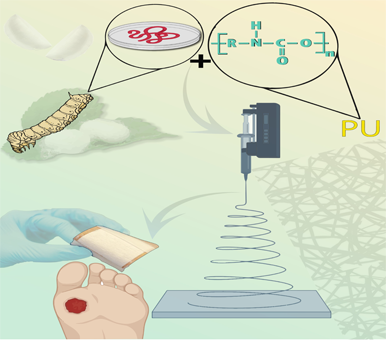
- remodeling of tissues or maturation [32]. Hemostasis After an injury, the first response is contraction blood vessels and coagulation of blood to reduce blood and fluid loss. Platelets play a key role in hemostasis function. Platelet receptors interact with ECM proteins, such as collagen, fibronectin, and
- deposits of the ECM and collagen protein, contributing to tissue repair. Interaction between the dermis and epidermis helps in regulating and restoring the skin’s homeostasis function while maintaining its overall integrity. This period might extend from a few months to a year, depending on the wound [45
- , SF, cellulose, and collagen, along with their composites and derivatives can be electrospun [58]. Electrospinning has emerged as a versatile technique investigated across various fields, including tissue engineering, drug delivery, filtration, wound dressings, self-cleaning surfaces, biotechnology



Enhancing mechanical properties of chitosan/PVA electrospun nanofibers: a comprehensive review
Beilstein J. Nanotechnol. 2025, 16, 286–307, doi:10.3762/bjnano.16.22

- . For example, collagen is one substance used in electrospinning that has low strength [22]. Its loose structure and weak composition are the reasons behind its inherent poor mechanical performance. Electrospinning solutions with non-Newtonian fluids come next. They exhibit unstable properties
- diameter measurements from SEM, Hartatiek et al. [148] observed an inversely proportional correlation between fiber diameter and the ultimate tensile strength of the chitosan/PVA/collagen nanofibers, with the smallest average diameter of 154 nm resulting in the highest tensile strength of 5.6 MPa due to


Radiosensitizing properties of dual-functionalized carbon nanostructures loaded with temozolomide
Beilstein J. Nanotechnol. 2025, 16, 229–251, doi:10.3762/bjnano.16.18
- detail explained in a recent review by Thabet et al. [96], emphasizing its role in DNA synthesis and repair mechanisms, gene expression, protection from oxidative stress, homocysteine regulation, collagen synthesis, and effect on enzymes, on one side, and the stimulation of nucleotide synthesis and




Recent advances in photothermal nanomaterials for ophthalmic applications
Beilstein J. Nanotechnol. 2025, 16, 195–215, doi:10.3762/bjnano.16.16
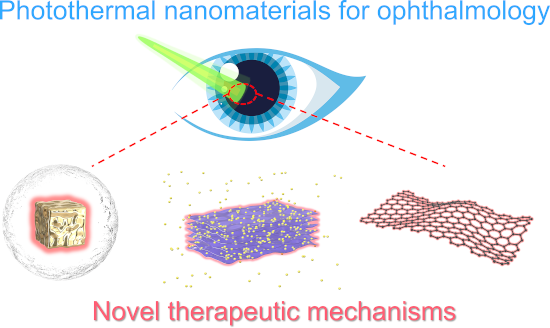
- the migration of LECs and their inflammatory response following photothermal treatment, without causing significant damage to the surrounding healthy tissues (Figure 3f). 3.3 Vitreous turbidity The vitreous is a highly hydrated, transparent gel supported by a network of long and thin collagen fibers
- [118]. Factors such as aging, myopia, or diabetes can lead to the liquefaction of this vitreous gel and the accumulation of collagen fibers, resulting in turbidity that casts shadows on the retina, manifesting as floaters in a patient’s field of vision (Figure 4a) [119][120]. Vitreous opacity can
- nanosecond low-energy laser pulses (about 1000 times weaker than the pulses used in standard clinical YAG laser therapy), these nanoparticles rapidly heat up, producing rapidly expanding and collapsing VNBs. This action generates jets and high-pressure shockwaves that mechanically disrupt the collagen


Nanocarriers and macrophage interaction: from a potential hurdle to an alternative therapeutic strategy
Beilstein J. Nanotechnol. 2025, 16, 97–118, doi:10.3762/bjnano.16.10
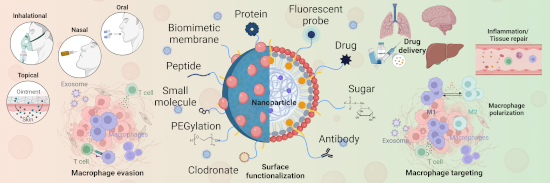
- , induced M1 apoptosis, and facilitated M1 to M2 polarization. In murine models of collagen-induced arthritis, FA-AgNPs significantly reduced joint swelling, improved cartilage integrity, and outperformed standard treatments like methotrexate [67]. Stabilizing macrophage polarization for long-lasting
- stellate cells, which transform into myofibroblasts responsible for producing collagen and other ECM components. This fibrogenic response is significantly influenced by the interplay among a diverse population of immune cells, particularly macrophages. Chronic inflammatory responses sustain this process
- receptors involved in fibrosis on hepatic stellate cells [90]. Another example includes fluorescent dexamethasone (Dex)-loaded liposomes, which have been demonstrated to deplete hepatic and systemic T cells and polarize macrophages towards an anti-inflammatory phenotype [91]. Polymeric NCs modulate collagen


A low-kiloelectronvolt focused ion beam strategy for processing low-thermal-conductance materials with nanoampere currents
Beilstein J. Nanotechnol. 2024, 15, 1197–1207, doi:10.3762/bjnano.15.97

- by milling a TEM lamella and assessing the ion beam-induced heat damage in collagen. Purified collagen was selected as the experimental test material for two main reasons. First, it is the principal component of skin, for which well-documented literature values are readily available [21]. Second
- , collagen’s fibrillar structure, visible by microscopy, is denatured by heat to give gelatin that lacks any fixed structure [22][23], making heat damage easily recognizable. Despite the focus on Ga ions impacting in skin (simulations) and collagen (experimental), the broader results presented here are true
- into account, the SRIM simulations suggest that FIB processing should be three times faster when using a lower acceleration voltage of 5 kV instead of 30 kV. COMSOL simulations The heat induced by a single gallium ion impacting collagen as well as multiple ion impacts were studied using COMSOL




Recent updates in applications of nanomedicine for the treatment of hepatic fibrosis
Beilstein J. Nanotechnol. 2024, 15, 1105–1116, doi:10.3762/bjnano.15.89
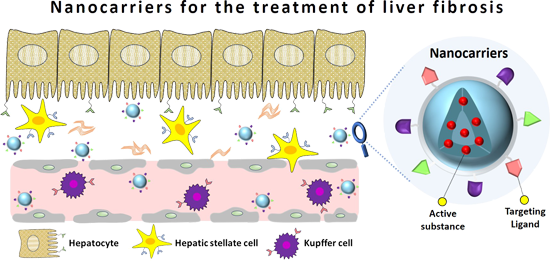
- to the trans-differentiation of hepatic stellate cells (HSCs) into collagen-producing myofibroblasts, resulting in the progressive accumulation of extracellular matrix (ECM) protein [12]. The condition may be caused by various etiologies, including viral hepatitis infection, alcohol abuse, and
- liver-targeting properties. Targeting of the curcumin nanocarrier, therefore, significantly improved the in vivo therapeutic outcome of curcumin, as shown by reduction of liver fibrosis biomarkers, proinflammatory cytokine levels in the serum, and liver collagen deposition. Besides providing a carrier
- , including the reduced expression of collagen I and alpha smooth muscle actin. These NPs also contributed to proteolytic breakdown of collagen by up-regulation of matrix metalloproteinases (MMPs) and down-regulation of tissue inhibitors of MMPs (TIMPs). TiO2 NPs also could induce enhanced leakiness and drug


Interface properties of nanostructured carbon-coated biological implants: an overview
Beilstein J. Nanotechnol. 2024, 15, 1041–1053, doi:10.3762/bjnano.15.85
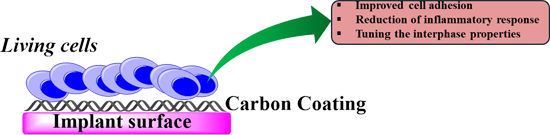
- accumulation of collagen leading to the foreign-body reaction. This phenomenon involves the formation of a fibrous capsule around the implant, which compromises its functionality (such as the flexibility of cardiovascular stents) and, thus, limits the integration of soft tissue implants. The effect of
- roughness, inducing macrophage polarization to the pro-inflammatory state without producing a great excess of pro-inflammatory factors. Furthermore, GO-coated implants showed a reduction of the expression of the fibrosis-related protein α-SMA and collagen deposition in the presence of both fibroblasts and


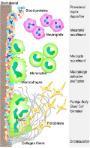

Electrospun nanofibers: building blocks for the repair of bone tissue
Beilstein J. Nanotechnol. 2024, 15, 941–953, doi:10.3762/bjnano.15.77
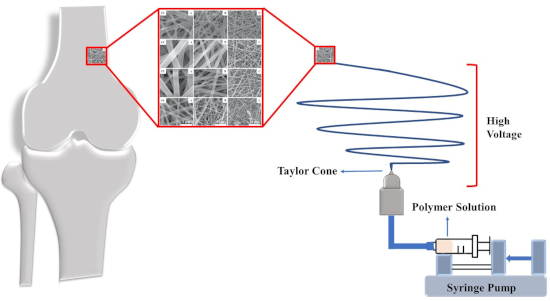
- bone [16]. The most dominant component of the organic matrix is collagen, which is synthesized by osteoblasts and performs many mechanical functions. Collagen is a protein found abundantly not only in bones but also in almost every tissue of mammals. One third of all body proteins are collagens [20
- ]. Type-I collagen constitutes approximately 90–95% of the organic matrix in bone tissue, and smaller amounts of other collagen types (i.e., III, V, X, and XII) are included in the bone composition [12][21]. It has been emphasized that type-I collagen is the most important protein structure that carries
- stress in mammals [20]. Tropocollagen, the most basic unit of collagen, is formed by the combination of three polypeptide chains, and each chain contains about 1000 amino acids. Type-I collagen forms well-organized fibers and fibrils. Collagen molecules in a triple helix structure self-assemble to form


Electrospun polysuccinimide scaffolds containing different salts as potential wound dressing material
Beilstein J. Nanotechnol. 2024, 15, 781–796, doi:10.3762/bjnano.15.65
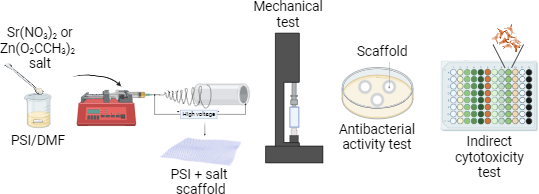
- , and fibers can be produced with uniform diameters in a controlled way [13][14]. Electrospun fibers are similar to macromolecule networks (e.g., collagen, fibrinogen, elastin) around the cells, which are called extracellular matrix (ECM). The ECM has fiber diameters in the size range of 50–500 nm and



Functional fibrillar interfaces: Biological hair as inspiration across scales
Beilstein J. Nanotechnol. 2024, 15, 664–677, doi:10.3762/bjnano.15.55
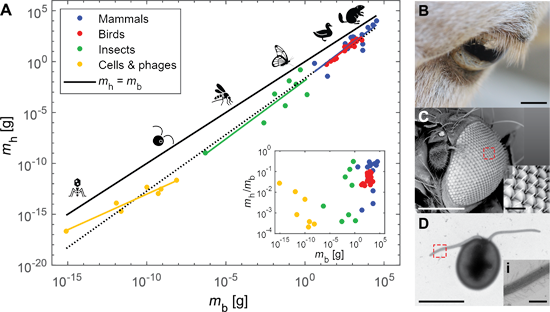
- form of collagen [1] and microtubules and microfilaments [2], and externally in the form of silk [3] and hair [4][5]. Among these prevalent, quasi-one-dimensional structures, here we loosely define biological “hairs” as high-aspect-ratio structures that are external and passive. This definition is


Berberine-loaded polylactic acid nanofiber scaffold as a drug delivery system: The relationship between chemical characteristics, drug-release behavior, and antibacterial efficiency
Beilstein J. Nanotechnol. 2024, 15, 71–82, doi:10.3762/bjnano.15.7
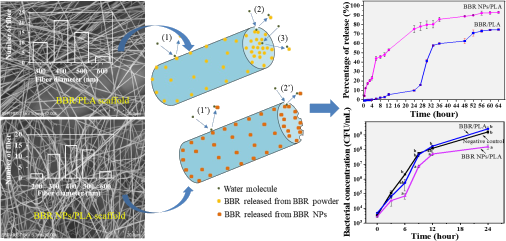
- rate of BBR from PCL nanofibers [28] was significantly lower with an initial BBR release of 38 wt % in the first day, and a subsequent sustained BBR release of 76% during seven days. Meanwhile, a lower burst release of BBR from PCL/collagen nanofibers [3] was achieved on the first day (14.83 wt %) and
- applications which require different release behaviors for desired therapeutic effects. Ma et al. [3] reported that the prolonged release of BBR from PCL/collagen nanofiber scaffolds up to 27 days was favorable for bone tissue repair. Meanwhile, a high concentration of BBR release within the first 24 h brought





