Search results
Search for "cytokines" in Full Text gives 43 result(s) in Beilstein Journal of Nanotechnology.
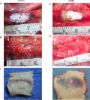
Development of Protium heptaphyllum essential oil-loaded nanocapsules: experimental design and biological activity
Beilstein J. Nanotechnol. 2026, 17, 974–990, doi:10.3762/bjnano.17.67
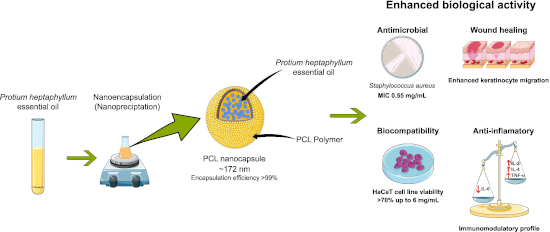
- tissues and prolonged exposure, potentially explaining the increased cytokine responses observed at higher doses in our study [59][60][61]. Some studies report that nanoencapsulated EOs reduce pro-inflammatory cytokines (IL-6 and TNF-α) in wound healing and arthritis models while improving therapeutic




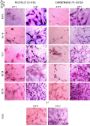
Restorative potential of laser-synthesized silver nanoparticles with Salvia officinalis for periodontal disease treatment: an in vitro study
Beilstein J. Nanotechnol. 2026, 17, 781–795, doi:10.3762/bjnano.17.55
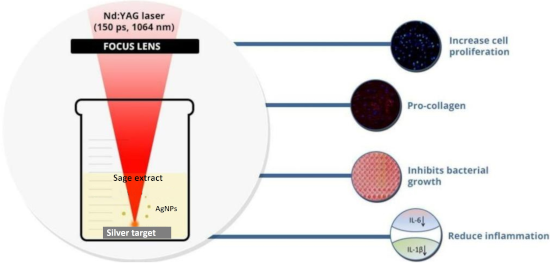
- data [15][16]. Its origin stands on microbial dysbiosis induced by the maturation of dental plaque, which, in susceptible hosts, leads to polymorphonuclear and mononuclear cell infiltration, initiating gingival inflammation followed by excessive production of pro-inflammatory cytokines. Progressively
- by stimulating fibroblast proliferation and collagen synthesis [54], thus contributing to the pro-collagen effect. During the progression of periodontal disease, the increase in secretion of the pro-inflammatory cytokines IL-1β and IL-6 contributes to periodontal detachment and alveolar bone loss



Protein-based custom-designed molecular nanotraps for biomedical applications
Beilstein J. Nanotechnol. 2026, 17, 683–687, doi:10.3762/bjnano.17.47

- building blocks have been explored for forming bioMIPs, enabling selective and specific targeting of clinically relevant molecules, such as hormones, cytokines, and protein biomarkers [5][6][8][18][19]. Results and Discussion As described in Figure 1, with the aim to fabricate bioMIPs, gelatin and SF

From shield to spear: Charge-reversible nanocarriers in overcoming cancer therapy barriers
Beilstein J. Nanotechnol. 2026, 17, 159–175, doi:10.3762/bjnano.17.10
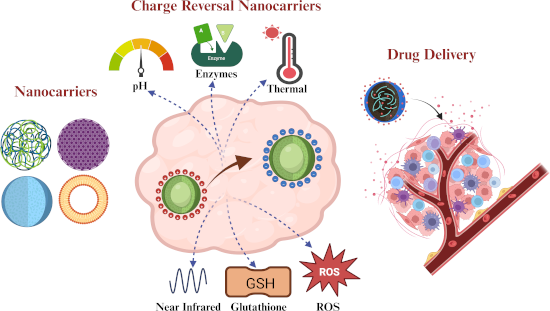
- nuclear delivery in HeLa cells, reduced inflammatory cytokines, and improved tumour inhibition over free DOX, showing promise for cervical carcinoma therapy [72]. Cheah et al. developed a charge-responsive CPH material enabling electrically controlled protein release, reducing off-target effects through


PEGylated lipids in lipid nanoparticle delivery dynamics and therapeutic innovation
Beilstein J. Nanotechnol. 2025, 16, 1914–1930, doi:10.3762/bjnano.16.133
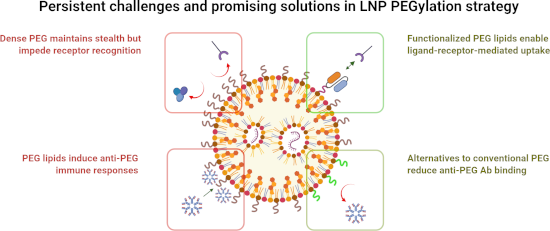
- proinflammatory cytokines such as TNF, IL-6, and IFN-γ; this immune-stimulation supported robust IgG- and IFN-γ-producing T cell responses after repeated dosing [75]. A similar effect was observed in another study, where mice with pre-existing anti-PEG antibodies exhibited a modest increase in OVA-specific IgG
- the same mouse model, strong protein expressions were observed after injection of 10 µg mRNA per dose. Additionally, in vitro studies using human whole blood also revealed that pSar-LNPs triggered lower levels of the proinflammatory cytokines IL-1β, IL-6, and IL-8, compared to PEG-LNPs [81]. Recent


Prospects of nanotechnology and natural products for cancer and immunotherapy
Beilstein J. Nanotechnol. 2025, 16, 1644–1667, doi:10.3762/bjnano.16.116
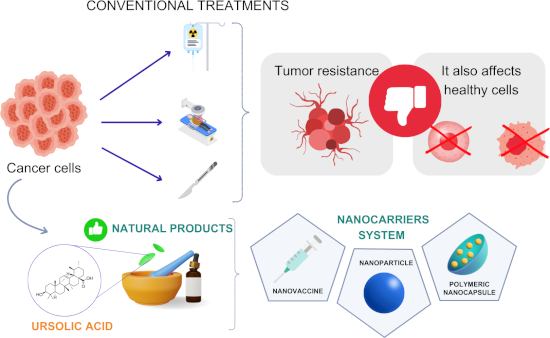
- tumor cells. This highly specialized network includes cells such as T lymphocytes, dendritic cells, macrophages, and natural killer (NK) cells, as well as soluble mediators like cytokines and chemokines, which regulate inflammatory and adaptive responses [5][6]. However, cancer often employs strategies
- potential effects include tumor cell death, inhibition of proliferation, increased autophagy, and enhanced immune system response [51]. Furthermore, natural products can also promote the regulation of immune cells and cytokines, increasing immunogenic cancer cell death, natural killer cell activity, and


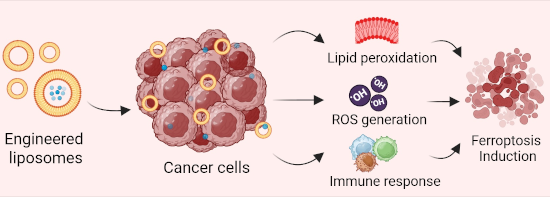
Ferroptosis induction by engineered liposomes for enhanced tumor therapy
Beilstein J. Nanotechnol. 2025, 16, 1325–1349, doi:10.3762/bjnano.16.97


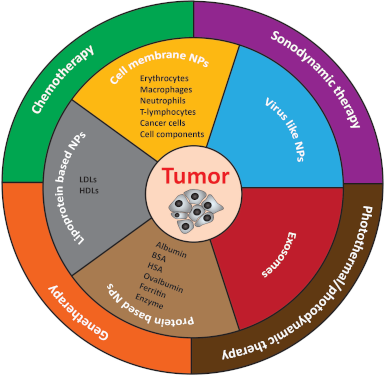
Better together: biomimetic nanomedicines for high performance tumor therapy
Beilstein J. Nanotechnol. 2025, 16, 1246–1276, doi:10.3762/bjnano.16.92






Hydrogels and nanogels: effectiveness in dermal applications
Beilstein J. Nanotechnol. 2025, 16, 1216–1233, doi:10.3762/bjnano.16.90
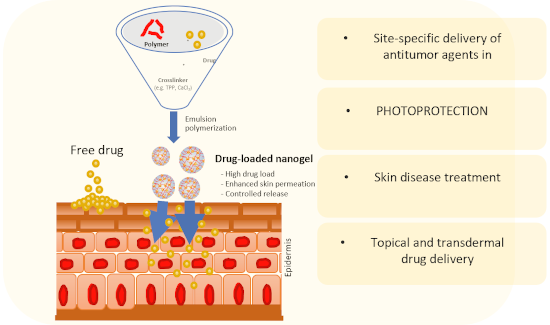
- test was performed with a collagen-induced arthritis model. The methotrexate nanogel showed significant improvement in the hind paw edema, reduced arthritic score, reduction in joint damage (histological and radiological), and attenuation of serum cytokines levels, such as TNF-alpha and IL-6. The


Polyurethane/silk fibroin-based electrospun membranes for wound healing and skin substitute applications
Beilstein J. Nanotechnol. 2025, 16, 591–612, doi:10.3762/bjnano.16.46
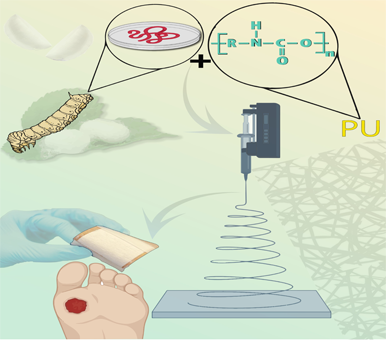
- against microbes and as scaffold for immune cells. Also, it stores growth factors and cytokines to promote healing [35]. Platelets bring the immune cells to the injury site either through direct capturing or by the release of the secretome. The secretome activates keratinocytes and fibroblasts of the
- , and cytokines regulate the leucocytes at the injury site. Neutrophils (leucocytes) remove pathogens and necrotic tissues by phagocytosis, antimicrobial peptides, and the release of active oxygen species, proteolytic enzymes, as well as eicosanoids [39]. Excessive and uncontrolled inflammation causes



Engineered PEG–PCL nanoparticles enable sensitive and selective detection of sodium dodecyl sulfate: a qualitative and quantitative analysis
Beilstein J. Nanotechnol. 2025, 16, 385–396, doi:10.3762/bjnano.16.29
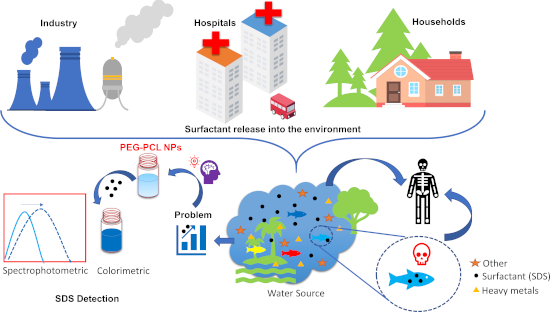
- assessed using the in vitro model system (MucilAir™) at a concentration of ≤10 mM. The study concluded that the release of IL-8 cytokines (≥0.063 mM) increased mucin secretion and decreased transepithelial electrical resistance (TEER) (≥1.25 mM), and the release of lactate dehydrogenase (LDH) (≥2.5 mM) [9


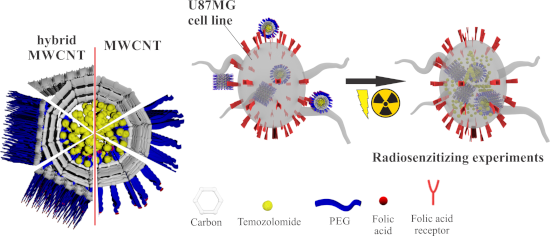
Radiosensitizing properties of dual-functionalized carbon nanostructures loaded with temozolomide
Beilstein J. Nanotechnol. 2025, 16, 229–251, doi:10.3762/bjnano.16.18




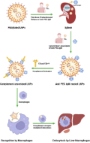
Nanocarriers and macrophage interaction: from a potential hurdle to an alternative therapeutic strategy
Beilstein J. Nanotechnol. 2025, 16, 97–118, doi:10.3762/bjnano.16.10
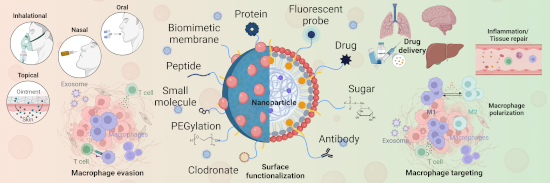
- strong pro-inflammatory response. These cells release cytokines such as tumor necrosis factor-α (TNF-α), interleukin (IL)-6, and IL-1β, essential for pathogen clearance and initiating immune defense mechanisms [19]. However, if an inflammation remains active for extended periods, it can contribute to
- – pro-resolving functions: In contrast, M2 macrophages are activated by anti-inflammatory stimuli, such as IL-4 and IL-13, and are primarily involved in resolving inflammation and promoting tissue repair. They secrete anti-inflammatory cytokines such as IL-10 and transforming growth factor β (TGF-β) [20
- ADP/ATP translocase in the mitochondria, ultimately leading to KCs apoptosis. When encapsulated in liposome in combination with nintedanib, a triple tyrosine kinase inhibitor, there is also a reduction in the secretion of inflammatory cytokines, which enhances the antifibrotic effects. This has been


Recent updates in applications of nanomedicine for the treatment of hepatic fibrosis
Beilstein J. Nanotechnol. 2024, 15, 1105–1116, doi:10.3762/bjnano.15.89
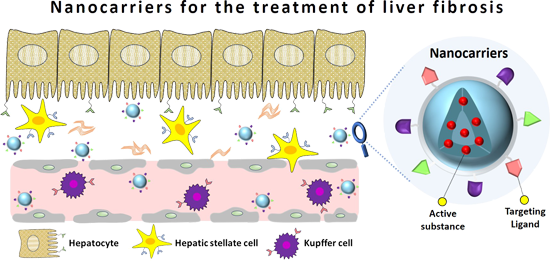
- nanoparticle-encapsulated curcumin (NanoCurc™) could ameliorate CCl4-induced hepatic injury and fibrosis through reduction of pro-inflammatory cytokines [54]. The polymer platform of NanoCurc™ consists of N-isopropylacrylamide, vinylpyrrolidone, and acrylic acid and was selected because of its capability to


Interface properties of nanostructured carbon-coated biological implants: an overview
Beilstein J. Nanotechnol. 2024, 15, 1041–1053, doi:10.3762/bjnano.15.85
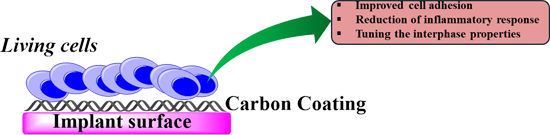
- . Furthermore, the authors were able to fine-tune the topology of the CNT coating, reducing inflammatory events by down-regulated pro-inflammatory cytokines and macrophages. The coated polymeric nanofibers showed the ability to up-regulate the formation of new blood vessels and osteogenic pathways, proving the



Cholesterol nanoarchaeosomes for alendronate targeted delivery as an anti-endothelial dysfunction agent
Beilstein J. Nanotechnol. 2024, 15, 517–534, doi:10.3762/bjnano.15.46
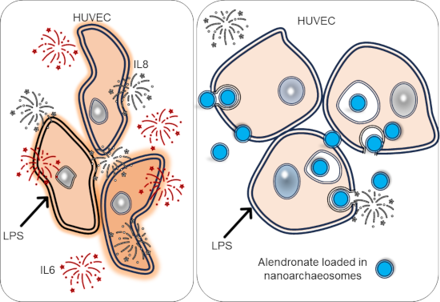
- findings show that the co-culture of HUVECs with macrophages decreases the expression of eNOS [62], making them more likely to produce pro-inflammatory cytokines such as IL-6 and IL-8 and to express cell adhesion molecules, that is, making them more activated and pro-atherogenic [63]. Overall, the results
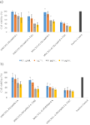
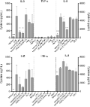
- ± SD (n = 3). Effect of nanovesicle uptake on cytokines released in the mild inflammation model: (A) apical (HUVEC) and (B) basolateral (THP-1 macrophages). Values of IL-6 and TNF-α are shown on the left Y axis, and values of IL-8 are shown on the right Y axis. Data are expressed as mean ± SD (n = 3
- ). Asterisks indicate significant differences against LPS. ROSs in (A) THP-1 macrophages and (B) FCs. Data are expressed as mean ± SD (n = 3). Effect of nanovesicle uptake on cytokines released in the pronounced inflammation model: (A) apical (HUVECs) and (B) basolateral (FCs). Values of IL-6 and TNF-α are





Classification and application of metal-based nanoantioxidants in medicine and healthcare
Beilstein J. Nanotechnol. 2024, 15, 396–415, doi:10.3762/bjnano.15.36
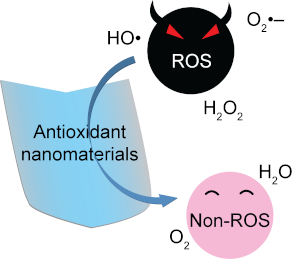
- strategy for treating inflammatory diseases. Recently, Kim et al. introduced ultrasmall antioxidant cerium oxide nanoparticles (CeONPs) with strong SOD and CAT activities, which were used to decrease ROS levels and suppress the production of inflammatory cytokines (TNFα and IL-1β) in macrophages. CeONPs
- intracellular ROS scavenging and anti-inflammatory capability for curing acute lung injury [95]. Fe-Cur NPs acted as an anti-inflammatory agent by downregulating the level of proinflammatory cytokines (TNF-α, IL-1β, and IL-6), suppressing NF-κB signaling pathways, inhibiting NLRP3 inflammasomes, and reducing
- capability and were used to decrease the level of proinflammatory cytokines, including TNF-α and IL-6, at the inflammatory sites. As another example, an alendronate-coated nanoceria (CeAL) nanozyme was reported by Zhou et al. for both ROS and RNS scavenging [107]. Other RNS scavenging nanomaterials such as


Nanomedicines against Chagas disease: a critical review
Beilstein J. Nanotechnol. 2024, 15, 333–349, doi:10.3762/bjnano.15.30
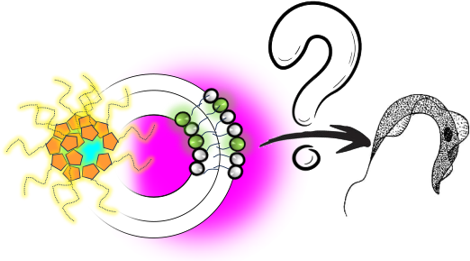
- hypertrophy and parasite load, chronic inflammation, fibrosis, and the levels and activities of cardiopathogenic biomarker enzymes and cytokines/chemokines (IL-1β, TNF-α, IL-6, and CCL5), matrix metalloproteinases (MMP-2 and MMP-9), and inducible enzymes (cyclooxygenase and nitric oxide synthase) implicated

Curcumin-loaded nanostructured systems for treatment of leishmaniasis: a review
Beilstein J. Nanotechnol. 2024, 15, 37–50, doi:10.3762/bjnano.15.4
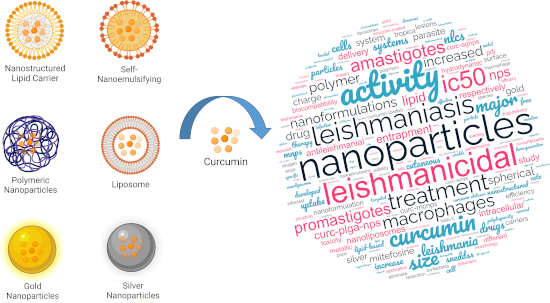
- cytotoxicity observed in in vivo studies. Hence, chitosan-based nanoparticles are a good strategy for drug delivery intended to treat leishmaniasis. This polymer can stimulate macrophages to produce pro-inflammatory cytokines, as they bind to receptors present in the cells of the immune system [106]. In this


Overview of mechanism and consequences of endothelial leakiness caused by metal and polymeric nanoparticles
Beilstein J. Nanotechnol. 2023, 14, 329–338, doi:10.3762/bjnano.14.28
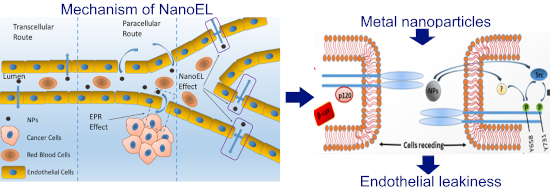
- leukocyte diapedesis and produce inflammatory cytokines such as interleukin 6 (IL-6) or tumor necrosis factor-α (TNF-α) (Figure 1). The factors secreted by the endothelium also include angiokines, which affect the parenchymal cells, thus conditioning the functioning of entire organs. Endothelial cells play
- common causes of cell damage including endothelium damage [6][14]. An increased ROS concentration closely correlates with the amount of pro-inflammatory cytokines, whose participation has been confirmed to increase endothelial permeability. Histamine and bradykinin are among the pro-inflammatory
- cytokines known to increase endothelial permeability. Moreover, modulators that stimulate endothelial permeability include thrombin, angiopoietins (Ang1, Ang2), bacterial endotoxin (LPS), and VEGF (vascular permeability factor). The main mechanism of action of the above modulators is based primarily on the


Nanotechnology – a robust tool for fighting the challenges of drug resistance in non-small cell lung cancer
Beilstein J. Nanotechnol. 2023, 14, 240–261, doi:10.3762/bjnano.14.23
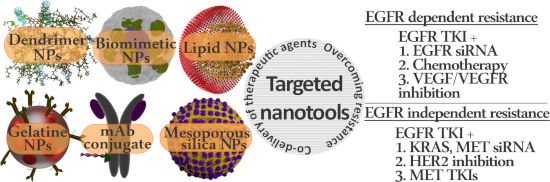
- -target effects that may generate systemic cytokines, activate complements, and intensify the frequency of the side effects. A multifunctional envelope-type nanodevice (MEND


Stimuli-responsive polypeptide nanogels for trypsin inhibition
Beilstein J. Nanotechnol. 2022, 13, 538–548, doi:10.3762/bjnano.13.45
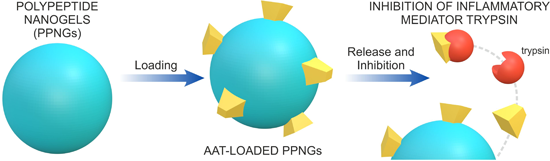
- mediators [19]. Interestingly, it was revealed that subjects with AAT deficiency suffer from increased activation of neutrophils, levels of cytokines, and inflammation, and that AAT administration can slow down a decrease in insulin production during diabetes [20][21]. A few poly (ᴅ,ʟ-lactide-co-glycolide


Micro- and nanotechnology in biomedical engineering for cartilage tissue regeneration in osteoarthritis
Beilstein J. Nanotechnol. 2022, 13, 363–389, doi:10.3762/bjnano.13.31
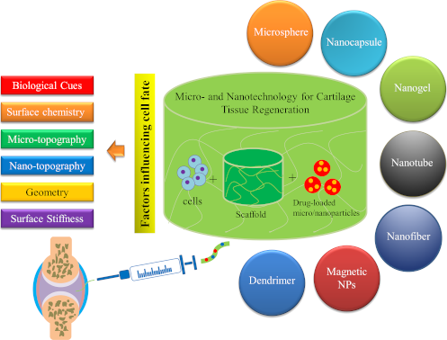
- enzymes by chondrocytes [63][64]. Anti-inflammatory drugs can be used as a primary strategy to suppress inflammatory cytokines to ameliorate OA, particularly inflammatory arthritis. For instance, celecoxib-loaded hyaluronan nanocapsules showed excellent potential in the management of osteoarthritis by
- prolonging the drug residence time. The intra-articular administration of these nanocapsules in a rat model of OA remarkably decreased knee swelling and improved cartilage repair [65]. In another study, to suppress the expression of pro-inflammatory cytokines in inflamed cartilage, researchers designed poly
- (NIPAm-AMPS) NPs for the delivery of cell penetrating anti-inflammatory peptides, which selectively target defective sites [66]. In this study, the results showed that an anti-inflammatory peptide-loaded NP could selectively and effectively reduce the expression of pro-inflammatory cytokines within the


The role of deep eutectic solvents and carrageenan in synthesizing biocompatible anisotropic metal nanoparticles
Beilstein J. Nanotechnol. 2021, 12, 924–938, doi:10.3762/bjnano.12.69
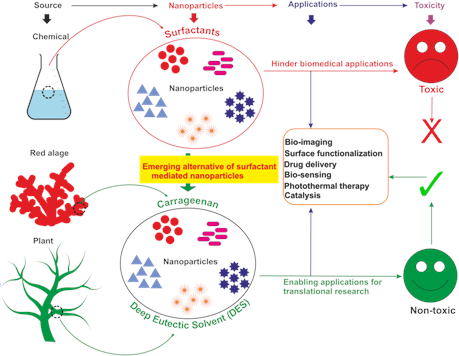
- cytokines of carrageenan was carried out using human intestinal cells (HCT-8 and HT-29) [108]. Also, carrageenan, due to the SO3− groups, showed interaction with positively charged quaternary ammonium surfactants [109]. However, this sulfated oligosaccharide is yet to realize its full potential in the field


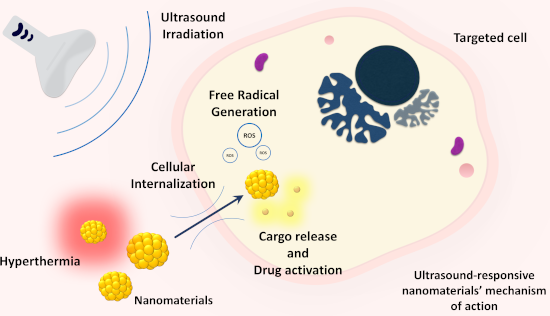
Comprehensive review on ultrasound-responsive theranostic nanomaterials: mechanisms, structures and medical applications
Beilstein J. Nanotechnol. 2021, 12, 808–862, doi:10.3762/bjnano.12.64