


Search results
Search for "dissolution" in Full Text gives 292 result(s) in Beilstein Journal of Nanotechnology. Showing first 200.
Ultrasonic irradiation in the synthesis of nanohydroxyapatite: a chemically friendly technique for improving hemocompatibility and antibiofilm applications
Beilstein J. Nanotechnol. 2026, 17, 991–1015, doi:10.3762/bjnano.17.68
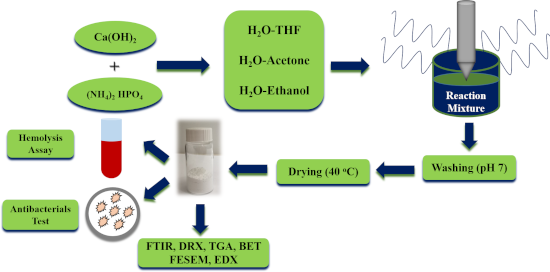
- of the precursor reagents. Results shown by Kitamura et al. [62] revealed that the dissolution of calcium hydroxide in the reaction medium significantly influences the nucleation of specific calcium carbonate polymorphs. In this context, the solubility product (Ksp) is a key parameter for predicting
- the formation or dissolution of solids. For Ca(OH)2 in aqueous solution, this constant is 5.5 × 10⁻⁶ [63], which is significantly higher than the Ksp of CaCO3 (3.3 × 10⁻⁹) [63]. This marked difference explains why calcite forms preferentially at the expense of Ca(OH)2, as the latter is more soluble
- indicates the degree to which hydroxyapatite will dissolve in water or biological fluids at standard temperature and pressure: The equilibrium constant for the dissolution reaction of HA in a saturated solution is given by Equation 15: This low solubility is vital in biological systems such as bones and


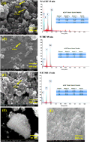


Glycerol photoelectrochemical oxidation reaction at carbon nitrides/BiVO4 materials
Beilstein J. Nanotechnol. 2026, 17, 806–817, doi:10.3762/bjnano.17.57
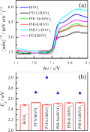
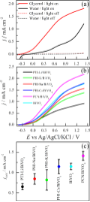
- losses at lower temperatures, which can be divided into two stages: (i) mass losses at T < 300 °C are probably due to water in the CN structures, which is connected to the residual water after the last part of the synthesis protocol which involves dissolution in water; (ii) mass losses at T > 300 °C are




Environmental applications of silver nanoparticles: state-of-the-art review and emerging trends
Beilstein J. Nanotechnol. 2026, 17, 697–736, doi:10.3762/bjnano.17.49
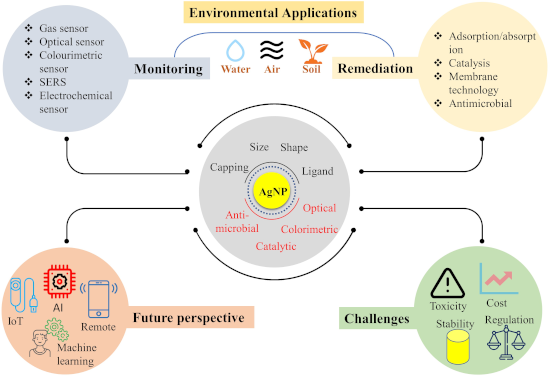
- stabilising NPs. The pH-dependent detection of metal ions using PVP-AgNPs was reported, with Pb2+ detected at pH 9.6 at a LOD of 14.4 nM [66]. The reaction pH influences stability and dissolution of the AgNPs, which are among the main factors in AgNPs-mediated applications [67]. Particle aggregation is a


Recent progress in enhancing built-in electric fields of perovskite solar cells via junction engineering
Beilstein J. Nanotechnol. 2026, 17, 602–621, doi:10.3762/bjnano.17.42
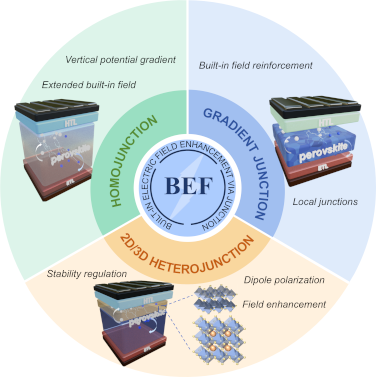
- depends critically on interfacial stability and order. Inappropriate solvent or processing conditions can induce dissolution and recrystallization of the 3D lattice, resulting in energy-level disorder and disruption of the BEF [61][62]. Excessive deposition or a disordered distribution of the low
- as isopropanol, can disturb the A-site composition on the surface of 3D perovskites during the formation of 2D/3D heterojunctions, inducing local dissolution and recrystallization, which leads to energy level disorder and phase instability. Surface planarization can mitigate these effects by removing
- construction of a structurally intact 2D/3D heterojunction interface without disrupting the perovskite lattice. The strategy avoids the need for highly polar solvents to induce diffusion or recrystallization, thereby preventing dissolution of the quasi-2D layer and damage to the 3D perovskite lattice. The



Electrochemical determination of ciprofloxacin using a MIL-101/reduced graphene oxide-modified electrode
Beilstein J. Nanotechnol. 2026, 17, 541–554, doi:10.3762/bjnano.17.35
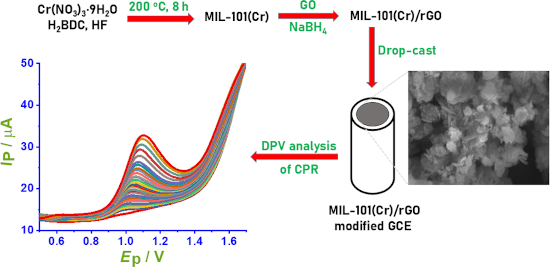
- samples containing CPR were prepared by carefully weighing and finely grinding the tablets (or powder for oral suspension). A suitable amount of the powdered sample was dissolved in deionized water and sonicated to ensure complete dissolution. The resulting solution was filtered to remove insoluble


Eco-efficient materials for agricultural crops based on a mineral rich in MOR- and HEU-type zeolites
Beilstein J. Nanotechnol. 2026, 17, 381–395, doi:10.3762/bjnano.17.26
- development of plants, as evidenced in the cultivation tests. Keywords: adsorption; agroecological fertilizer; ion exchange; MOR–HEU zeolite mixture; natural zeolite; Introduction Traditional chemical fertilizers, widely used in agriculture, undergo significant nutrient losses resulting from dissolution and
- losses during dissolution [6][7][8][9]; also, more than 30% of their total weight is water, which provides additional moisture during hot and dry periods. These characteristics make zeolites potentially applicable in agriculture for the development of modern fertilizers with controlled release and
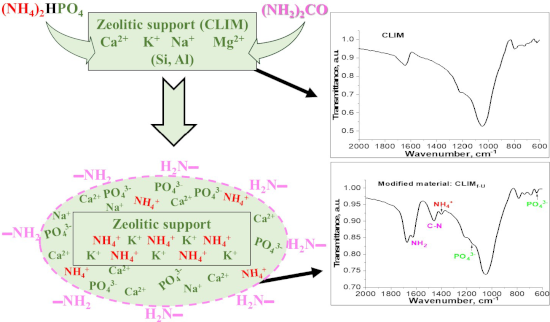
- release of nutrients. These results validate that there is indeed an interaction between urea and zeolitic support at the surface level, where urea can be found coating the surface of the material. This coating becomes more permeable over time, facilitating the dissolution of urea and, therefore, the




Polycatecholamine nanocoatings on stainless steel: the effect on attachment of human fibroblasts and platelets
Beilstein J. Nanotechnol. 2026, 17, 365–380, doi:10.3762/bjnano.17.25
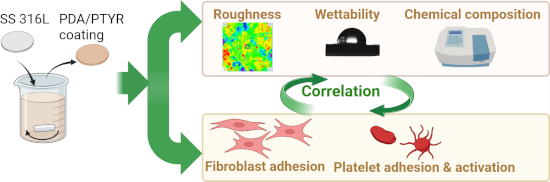
- used atmospheric oxidation (because the amount of oxidant in the solution is not limited by its dissolution) and allows for precise control over coating uniformity and thickness at the nanoscale. Also, for the synthesis of PTYR coatings, there is a limitation in the substrate availability for the




Advancing nanolithography: a comprehensive review of materials for local anodic oxidation with AFM
Beilstein J. Nanotechnol. 2026, 17, 275–291, doi:10.3762/bjnano.17.19


Structure-dependent thermochromism of PAZO thin films: theory and experiment
Beilstein J. Nanotechnol. 2026, 17, 186–199, doi:10.3762/bjnano.17.12
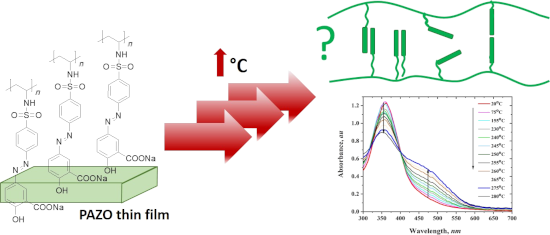
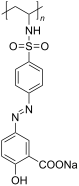
- based on PAZO polymer. Preparation of thin-film samples All thin films used in this work were fabricated using spin-coating technique. Methanol was used as solvent for all samples, and a magnetic stirrer ensured complete dissolution. The solution was then poured onto the substrate (quartz or glass) and


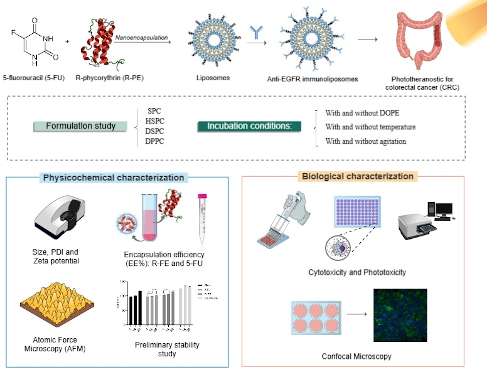
Development and in vitro evaluation of liposomes and immunoliposomes containing 5-fluorouracil and R-phycoerythrin as a potential phototheranostic system for colorectal cancer
Beilstein J. Nanotechnol. 2026, 17, 97–121, doi:10.3762/bjnano.17.7



Laser ablation in liquids for shape-tailored synthesis of nanomaterials: status and challenges
Beilstein J. Nanotechnol. 2025, 16, 1963–1997, doi:10.3762/bjnano.16.137





Multifunctional anionic nanoemulsion with linseed oil and lecithin: a preliminary approach for dry eye disease
Beilstein J. Nanotechnol. 2025, 16, 1711–1733, doi:10.3762/bjnano.16.120
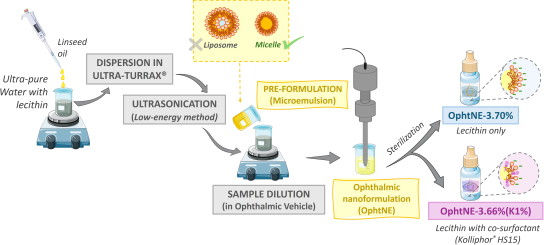
- micelles and liposomes [51]. Considering the approximately 60% phosphatidylcholine content in the egg lecithin utilized in this study, its dissolution in the aqueous phase was prioritized due to the predominance of its hydrophilic (polar) properties. However, mixed micellar systems (comprising lipid mono



Ambient pressure XPS at MAX IV
Beilstein J. Nanotechnol. 2025, 16, 1677–1694, doi:10.3762/bjnano.16.118
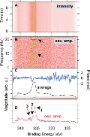
- beneath the native oxide layer, as reported in Figure 13. The Ni-Cr-Mo alloy exhibited activity towards the oxygen evolution reaction (OER), which is responsible for initiating passivity breakdown due to the dissolution of Mo in its Mo6+ state. This mechanism contrasts with the typical transpassive
- breakdown behavior observed in Cr-containing alloys, where Cr6+ dissolution occurs at high anodic potentials, compromising the integrity of the passive layer. However, in this case, Cr6+ dissolution was not observed. Furthermore, at high current densities, the OER contributes to the localized acidification
- near the alloy’s surface, exacerbating metal dissolution. The passive film breakdown has been studied for different acidities of the electrolyte solution, as reported in Figure 14. A parallel study extended these findings to martensitic stainless steel, offering further insights into the chemical





Venom-loaded cationic-functionalized poly(lactic acid) nanoparticles for serum production against Tityus serrulatus scorpion
Beilstein J. Nanotechnol. 2025, 16, 1633–1643, doi:10.3762/bjnano.16.115
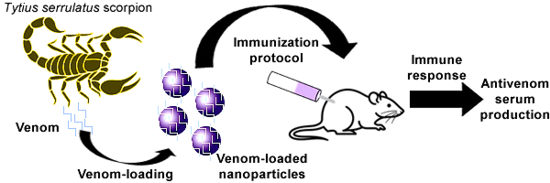
- on the particle size; thus, small particles have a larger surface area for dissolution, providing faster release kinetics [39]. Uniformity of particle size is also important for the stability of the formulation, as well as for the choice of administration route. The intravenous and intramuscular


Transient electronics for sustainability: Emerging technologies and future directions
Beilstein J. Nanotechnol. 2025, 16, 1545–1556, doi:10.3762/bjnano.16.109

- , offering the potential to replace conventional high-performance silicon-based devices with transient alternatives. In aqueous environments, silicon undergoes degradation via well-defined mechanisms with the rate of dissolution being highly sensitive to external conditions [42][44]. Elevated temperatures
- materials exhibit strong potential for the use in implantable medical devices. For instance, Ge nanomembranes have been employed in fully biodegradable strain and temperature sensors, demonstrating proven biocompatibility and gas-free dissolution. In addition, IGZO has been utilized to fabricate transient
- to their tunable dissolution profiles in physiological environments [52][53]. Notably, Mo and W were employed as the underlying metal foils for building metal-oxide-semiconductor field-effect transistors (MOSFETs) and PIN diodes, suggesting their utility in the development of next-generation


Synthesis and antibacterial properties of nanosilver-modified cellulose triacetate membranes for seawater desalination
Beilstein J. Nanotechnol. 2025, 16, 1380–1391, doi:10.3762/bjnano.16.100
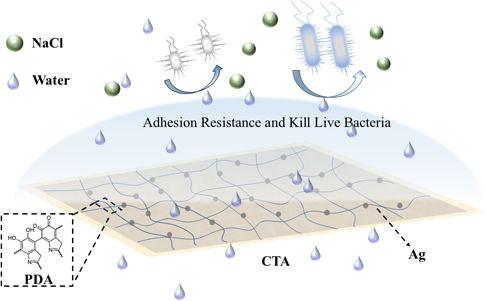
- 12 h. Subsequently, 1.31 g of dried powder was added to a round bottom flask. A mixed solution of 1,4-dioxane (6.24 g) and acetone (2.49 g) in a mass ratio of 5:2 was added to the flask while stirring vigorously for 12 h until complete dissolution of the materials was achieved. The resulting


Hydrogels and nanogels: effectiveness in dermal applications
Beilstein J. Nanotechnol. 2025, 16, 1216–1233, doi:10.3762/bjnano.16.90
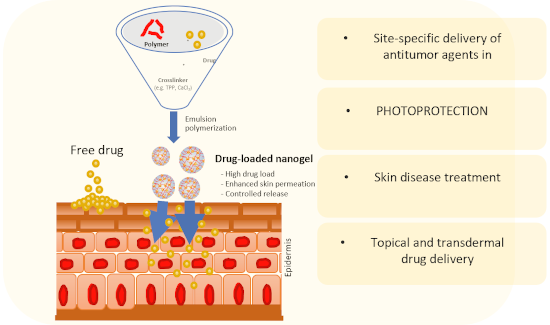
- amine (NH2) and hydroxyl (OH) functional groups [77], as shown in Figure 1. The stability of hydrogels is maintained by cross-links that, in aqueous media, prevent the dissolution of polymer chains [134]. Another polymer widely used in the preparation of hydrogels is cellulose. Cellulose hydrogels have
- stirring followed by rest to form the gel [138]. Keratin concentrations varied between 10, 15, and 20% in water, and vigorous agitation was used for dissolution [136]. Then, to promote the formation of disulfide bonds, a 5% solution of H2O2 is added. For gel formation, mixtures should be incubated
- hydrogel films, drying for four days at room temperature and storage in a desiccator is required [94]. In the method described by Gao et al. (2018), PVA 15% w/v is added into water and stirred at 95 °C until complete dissolution [55]. The freeze/thaw cycle was carried out at −20 °C and room temperature and


Investigation of the solubility of protoporphyrin IX in aqueous and hydroalcoholic solvent systems
Beilstein J. Nanotechnol. 2025, 16, 1209–1215, doi:10.3762/bjnano.16.89
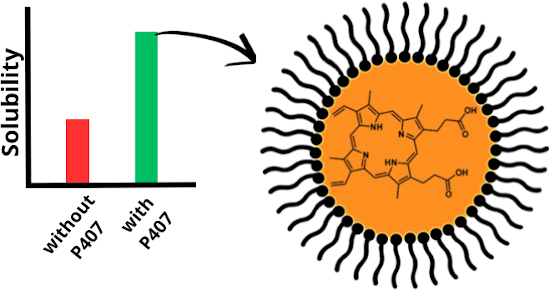
- min. The dissolution profiles of the micellar systems were also evaluated using the Korsmeyer–Peppas model with lag time (tlag), which indicated a Fickian diffusion mechanism, preceded by a thermodynamically driven accommodation stage of PpIX into the micelles. The solubility of PpIX ranged from 0.138
- , the findings observed at 0.4 mg/mL PpIX are not in line. While spectrophotometric readings indicated high solubility, the visual inspection revealed turbidity, suggesting incomplete dissolution of the photosensitizer. This discrepancy may be attributed to the filtration step performed prior to UV–vis
- the formation of a stable micellar solution. The presence of P407 enhanced PpIX dissolution, even in water, which otherwise exhibited some limitations. Mathematical models were employed to better understand and simplify the complex dissolution behavior of the micellar systems. Several models


Changes of structural, magnetic and spectroscopic properties of microencapsulated iron sucrose nanoparticles in saline
Beilstein J. Nanotechnol. 2025, 16, 762–784, doi:10.3762/bjnano.16.59
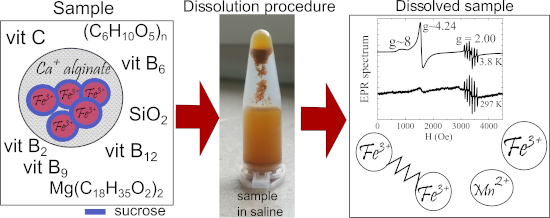
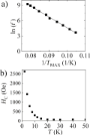
- changes upon dissolution in saline were tested. For the undissolved sample, calcium alginate microcapsules with irregular shapes were registered via scanning electron microscopy, inside which core–shell nanoparticles were identified by transmission electron microscopy micrographs. Magnetic studies (DC and
- compounds and SiO2 are the major phases, while the iron phase was recognized as iron oxyhydroxide (FeOOH) (most probably the α polymorph). The dissolution procedure had significant influence on structural and physical properties of the investigated compound, such as lowering of the blocking temperature with
- the dissolution time. Electron paramagnetic resonance (EPR) studies performed on the completely dissolved sample revealed that some of the Fe3+ ions became paramagnetic, while the rest remained exchange coupled into clusters. The nonintentional manganese contamination was determined using EPR in the





Synthesis of a multicomponent cellulose-based adsorbent for tetracycline removal from aquaculture water
Beilstein J. Nanotechnol. 2025, 16, 728–739, doi:10.3762/bjnano.16.56
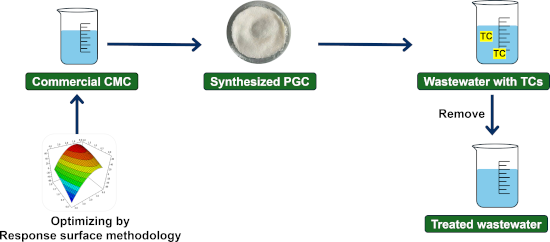
- concentration exceeds this threshold, TC adsorption efficiency declines. This is because higher PVA levels hinder dissolution and mixing, particularly as viscosity increases. Similarly, TC adsorption efficiency also declines as GA concentration increases. At high concentrations, GA can dissolve PVA
- the lateral bonding effect of GA and PVA, as well as the dissolution of cellulose by Zn2+. The rough, wrinkled surface and cracks are likely due to the focused high-energy electron beam during the FE-SEM imaging process [22]. Larger agglomerates, possibly ZnSO4 residues, are also apparent, which
- dissolution via hydrate bridge formation. Additionally, the presence of Zn enhances the TC adsorption capacity of PGC through a chemical adsorption mechanism. According to our findings, Zn content increased significantly from 12.45% in pristine CMC to 22.24% in PGC, aligning with FTIR outcomes confirming the


Efficiency of single-pulse laser fragmentation of organic nutraceutical dispersions in a circular jet flow-through reactor
Beilstein J. Nanotechnol. 2025, 16, 711–727, doi:10.3762/bjnano.16.55
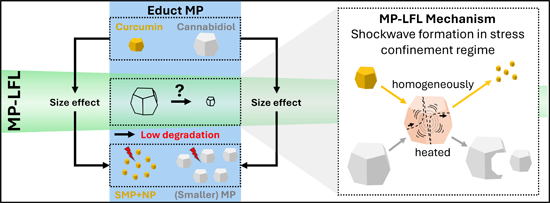
- ]. The LFL of lipophilic drugs is of particular interest in improving their dissolution properties and oral absorption. Better dissolution properties and dissolution rates lead to a higher saturation limit, which allows one to reduce the required amount of the drug [38]. However, for sensitive active
- extinction and particle-related extinction cross sections are conceivable. To differentiate molecular extinction properties from those of the particles, both suspensions were transformed to their molecular state by dissolution. Figure S13, Supporting Information File 1, shows the extinction spectra of


Aprepitant-loaded solid lipid nanoparticles: a novel approach to enhance oral bioavailability
Beilstein J. Nanotechnol. 2025, 16, 652–663, doi:10.3762/bjnano.16.50
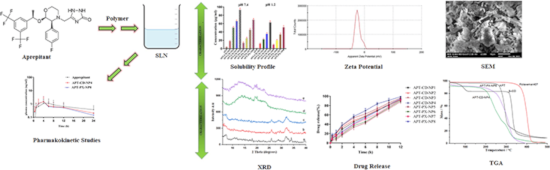
- class-IV drug [10]. Low solubility and poor dissolution of BCS class-IV drugs can be improved by using techniques such as incorporating the drug or prodrug into lipid or polymeric formulations, using solid lipid nanoparticles (SLNs), applying surfactants, adjusting the pH value, reducing particle size
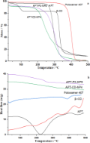
- solubility and enhanced dissolution using a minimum quantity of carriers. The developed SLNs were evaluated regarding drug content and using scanning electron microscopy (SEM), thermal gravimetric analysis (TGA) and differential scanning calorimetry (DSC), as well as polydispersity index (PDI), particle size
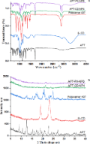
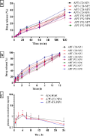
- , and zeta potential measurements. Also Fourier-transform infrared (FTIR) spectroscopy, X-ray diffraction (XRD), solubility, in vitro dissolution, and in vivo and stability studies were carried out. Result and Discussion Physicochemical evaluation The solubility of APT in the SLNs was 24-fold higher



Effect of additives on the synthesis efficiency of nanoparticles by laser-induced reduction
Beilstein J. Nanotechnol. 2025, 16, 464–472, doi:10.3762/bjnano.16.35
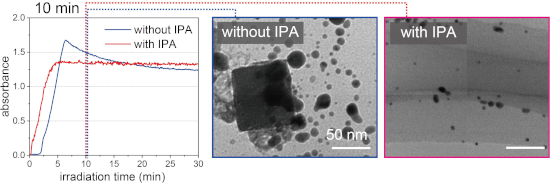
- 2 min after laser irradiation, reaches a maximum after 6 min, and then decreases to a constant value at 26 min. This is assumed to be based on the following mechanism. 1) From the start of laser irradiation to 2 min: equilibrium between nucleation due to ion reduction and atom re-dissolution due to
- possible to synthesize non-equilibrium solid–solution alloy nanoparticles by LRL even when a radical scavenger was added to improve the reaction efficiency. Synthesis of base metal nanoparticles by LRL with radical scavengers Since the addition of radical scavengers can inhibit the re-dissolution of formed
- been difficult to synthesize in LRL due to re-dissolution of reduced atoms by oxidizing species. In the future, we will attempt to further improve the efficiency of nanoparticle synthesis by optimizing the volume of the solution, the concentration of precursor ions, and the type and concentration of


Development of a mucoadhesive drug delivery system and its interaction with gastric cells
Beilstein J. Nanotechnol. 2025, 16, 371–384, doi:10.3762/bjnano.16.28

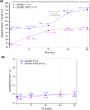
- nanoparticles loaded with FAM-labeled peptide were suspended in different dissolution media (pH 1.2 and pH 6.8) and incubated for 7 days (Figure 3). At specified time intervals, the nanoparticles were centrifuged and resuspended in dissolution medium, and the fluorescence of the resuspended nanoparticles was
- measured. The purpose of the different dissolution media was to investigate possible release differences under different pH conditions. It is known that gastric mucus is acidic (around pH 2) at the luminal site and almost neutral (around 6) at the epithelial surface [9]. Since the drug delivery system is
- ) were resuspended in a freshly prepared dissolution medium (2 mL), that is, either simulated gastric fluid (pH 1.2) or phosphate buffer (pH 6.8), in the absence of enzymes. Alg or EudAlg nanoparticle suspensions were incubated for 7 days with a constant shaking of 50 rpm. At the end of specified time


Enhancing mechanical properties of chitosan/PVA electrospun nanofibers: a comprehensive review
Beilstein J. Nanotechnol. 2025, 16, 286–307, doi:10.3762/bjnano.16.22

- steps but minimizes the risk of incomplete dissolution or phase separation due to different solubility requirements of each polymer [84]. Nevertheless, the instabilities can still occur when blending the two solutions if the solvents are incompatible. Sequential electrospinning Sequential





