Search results
Search for "doxorubicin" in Full Text gives 66 result(s) in Beilstein Journal of Nanotechnology.
Nanocarrier strategies to overcome P-glycoprotein-mediated drug resistance in cancer therapy
Beilstein J. Nanotechnol. 2026, 17, 882–921, doi:10.3762/bjnano.17.64
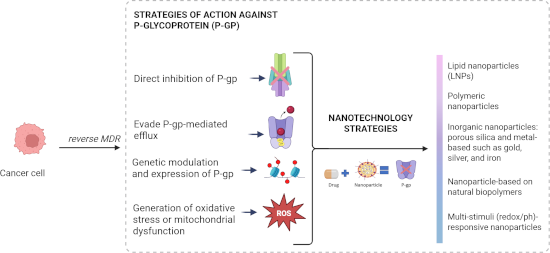
- -gp functions as an ATP-dependent efflux pump with broad substrate promiscuity for hydrophobic and amphipathic compounds. Clinically relevant chemotherapeutic agents expelled by P-gp include anthracyclines (doxorubicin, daunorubicin), vinca alkaloids (vinblastine, vincristine), taxanes (paclitaxel
- of free therapies. EQNPs increased Ertb and Quer uptake while decreasing P-gp and nuclear epidermal growth factor receptor expression [30]. Another study aimed at increasing the efficiency of two chemotherapeutic drugs and reducing their adverse effects combined doxorubicin (DOX) and chloroquine (CQ
- ) in individual nanoparticles (NPDOX+CQ). In A549 and A549/Taxol cells, this co-delivery strategy enabled chloroquine to inhibit autophagy and protect doxorubicin from degradation, thereby increasing its accumulation in cancer cells. The fact that the drugs are encapsulated in NPDOX+CQ prevents them


Biomimetic nanoparticles in cancer photodynamic therapy: a review of targeted delivery systems and therapeutic outcomes
Beilstein J. Nanotechnol. 2026, 17, 396–422, doi:10.3762/bjnano.17.27
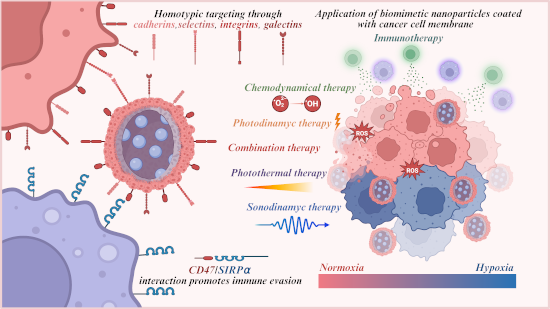
- of the most extensively studied integrins, αVβ3, is a transmembrane receptor for extracellular matrix proteins that binds cyclic RGD peptides with high affinity and interacts with SRC oncogene to promote lymph node metastasis. For example, RGD-coated BNPs enhanced doxorubicin (DOX) uptake by 1.4
- example, DOX was preloaded into RBC nanovesicles while Ce6 was encapsulated in polymeric cores coated with RBC membranes [112]. Doxorubicin and ICG were loaded to BNPs with CCMs and in vivo demonstrated high tumor ablation with low systemic toxicity. This multifunctional system combines chemotherapy and


From shield to spear: Charge-reversible nanocarriers in overcoming cancer therapy barriers
Beilstein J. Nanotechnol. 2026, 17, 159–175, doi:10.3762/bjnano.17.10
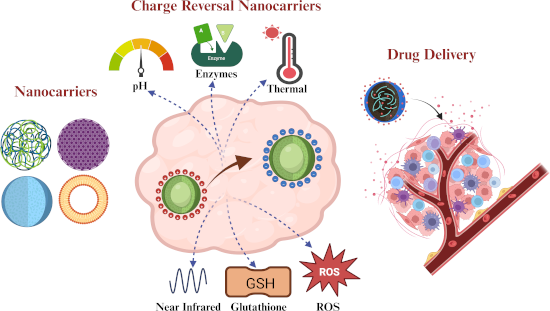
- lysosomes. Upon bond cleavage, the nanoparticles undergo a surface charge shift by exposing cationic groups, which significantly enhances cellular adsorption and uptake. This charge-switching mechanism, exemplified by PEG-b-poly(ʟ-lysine)-hydrazone- doxorubicin micelles from the cited study, enables
- toxicity [52]. For example, a nanocarrier constructed by conjugating 2,3-dimethylmaleic anhydride (DMA) and 3,3-dithiopropionic acid-modified doxorubicin (DTPA-DOX) onto poly(ethylene glycol)-b-poly(ʟ-lysine) (PEG-b-PLL) encapsulates triptolide in its hydrophobic core. Under acidic tumour extracellular pH
- ., DOX, geldanamycin) under alternating magnetic fields while preserving systemic safety [65]. Core–shell magnetic nanoparticles (Fe3O4@P(MEO2MA60-OEGMA40)) combine magnetic hyperthermia with controlled doxorubicin release, achieving localized heating (≈42 °C) under an alternating magnetic field to


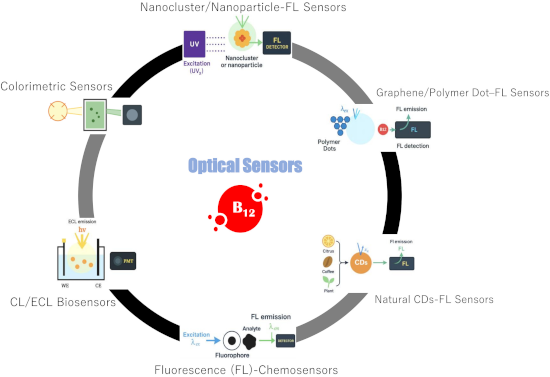
Optical bio/chemical sensors for vitamin B12 analysis in food and pharmaceuticals: state of the art, challenges, and future outlooks
Beilstein J. Nanotechnol. 2025, 16, 2207–2244, doi:10.3762/bjnano.16.153


Toward clinical translation of carbon nanomaterials in anticancer drug delivery: the need for standardisation
Beilstein J. Nanotechnol. 2025, 16, 2092–2104, doi:10.3762/bjnano.16.144

- doxorubicin (DOX), for example. Used in cancer treatment for decades, DOX has become a mainstay in oncology and is often nicknamed “the red devil” [34]. This name stems not only from its distinctive red colour, attributed to the quinone ring in its chemical structure, which absorbs in the visible spectrum and
- the incidence and severity of side effects associated with traditional chemotherapy (Table 2). There are several model anticancer therapeutics that are commonly used in nanocarrier design, such as doxorubicin or gemcitabine. By encapsulating or loading these therapeutics onto nanocarriers, researchers



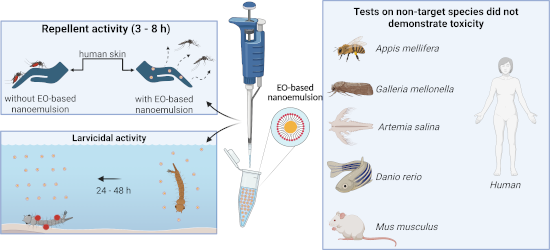
Targeting the vector of arboviruses Aedes aegypti with nanoemulsions based on essential oils: a review with focus on larvicidal and repellent properties
Beilstein J. Nanotechnol. 2025, 16, 1894–1913, doi:10.3762/bjnano.16.132
- Food and Drug Administration (FDA) agency approved the first nanomedicine, Doxil® (doxorubicin-loaded liposomes) for chemotherapy. Over the past 30 years, research and development in nanotechnology have expanded significantly, with more than 70 nanomedicines approved by FDA or EMA [83][84][85][86


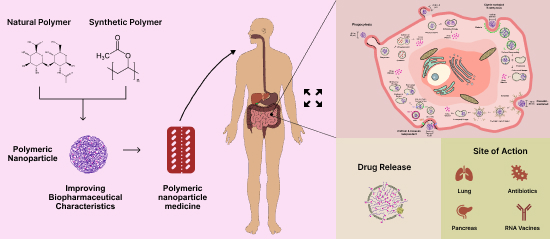
Exploring the potential of polymers: advancements in oral nanocarrier technology
Beilstein J. Nanotechnol. 2025, 16, 1751–1793, doi:10.3762/bjnano.16.122
- reduction in tumor size and prevented recurrence when compared to intraperitoneal injection of taxol and doxorubicin. The in vitro and in vivo findings (see Table 2) confirmed that the nanocapsules isolated the active payload, preventing enzymatic degradation, while functionalization facilitated targeted


Advances of aptamers in esophageal cancer diagnosis, treatment and drug delivery
Beilstein J. Nanotechnol. 2025, 16, 1734–1750, doi:10.3762/bjnano.16.121
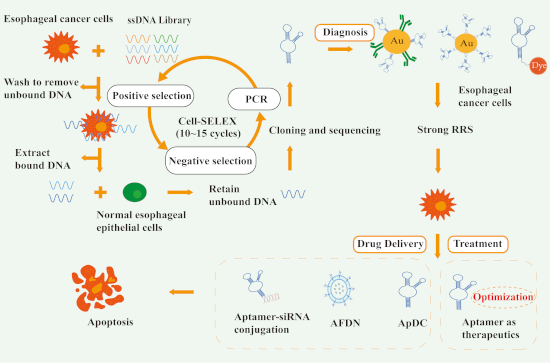
- -delivery of a P-glycoprotein (P-gp) inhibitor, specifically, small interfering RNA (siRNA) against the MDR1 gene, along with the chemotherapeutic agent doxorubicin (DOX). This system capitalizes on the high-affinity binding of the AS1411 aptamer to nucleolin, a protein overexpressed on the surface of
- literature on drugs directly modified with aptamers and aptamer-functionalized drug nanocarriers for drug delivery in esophageal cancer (Table 3). 5.1 Aptamer–drug conjugates The anthracycline drug doxorubicin serves as a first-line therapeutic agent for esophageal carcinoma, yet its clinical efficacy is


Prospects of nanotechnology and natural products for cancer and immunotherapy
Beilstein J. Nanotechnol. 2025, 16, 1644–1667, doi:10.3762/bjnano.16.116
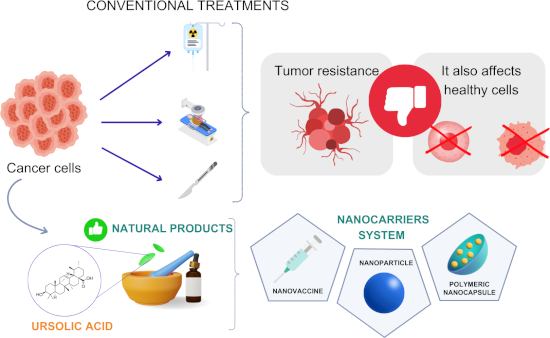
- targeted delivery [72]. Patent CN222367609 (2017) describes targeted amphiphilic nanoparticles composed lecithin, procyanidine, and doxorubicin condensated with epigallocatechin gallate in N-hydroxysuccinimide solution, which were developed to inhibit breast cancer. The procyanidine and epigallocatechin
- -molecule drugs, including methotrexate (MTX) and doxorubicin (DOX), and divalent cations like calcium (Ca2+). Alginate is a cross-linked polymeric network derived from algae and shows potential for cancer treatment due to its improved bioavailability, sustained release, and environmentally benign
- polyethylene glycol, optionally combined with chitosan or polyvinyl alcohol, and an anticancer agent such as cisplatin, doxorubicin, or temozolomide. The characterization of this technology involved


Ferroptosis induction by engineered liposomes for enhanced tumor therapy
Beilstein J. Nanotechnol. 2025, 16, 1325–1349, doi:10.3762/bjnano.16.97
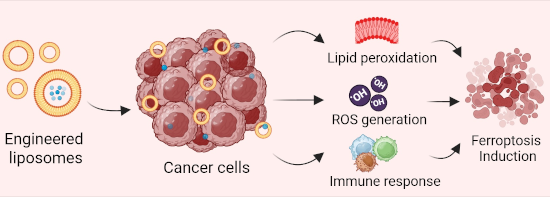
- doxorubicin and sorafenib (DS@MA-LS) was developed to treat 4T1 tumor cells. The EE of doxorubicin (DOX) in liposomes about 80%, whereas the EE of sorafenib (SRF) in liposomes was approximately 90%. DS@MA-LS showed extensive presence in the bloodstream, selectively aggregated in the tumor area, and cleaved


Better together: biomimetic nanomedicines for high performance tumor therapy
Beilstein J. Nanotechnol. 2025, 16, 1246–1276, doi:10.3762/bjnano.16.92
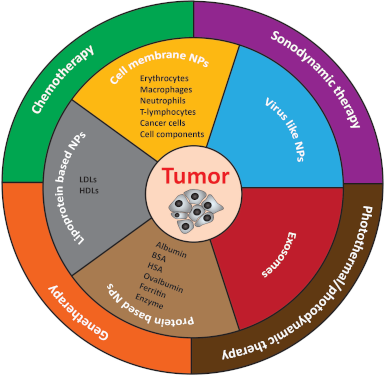
- with chemotherapeutic agents, rHDL shows outstanding active targeting and anticancer activities [57]. Moreover, rHDL showed potential to co-load hydrophobic paclitaxel and hydrophilic doxorubicin in apo A-I targeted rHDL nanoparticles. These nanoparticles showed superior antitumor activity in vitro and
- metastatic breast cancer (Figure 7) [128]. The nanosystem was modified with TAT (T) and RGD (R) peptides for targeted delivery of the chemotherapeutics gamabufotalin (C) and doxorubicin (DOX) in triple-negative breast cancer (TNBC), resulting in potent inhibition of tumor growth and breast cancer metastasis
- targeting of the tumor in patient-derived tumor cells animal models through homologous targeting. In another study, the homologous targeting effect was successfully utilized to deliver doxorubicin (DOX), mefuparib hydrochloride (MHP) and poly(ADP-ribose) polymerase inhibitor in MCF7-tumor bearing mice [46





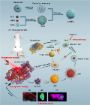

Hydrogels and nanogels: effectiveness in dermal applications
Beilstein J. Nanotechnol. 2025, 16, 1216–1233, doi:10.3762/bjnano.16.90
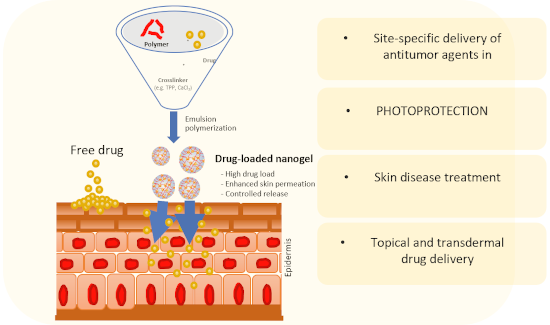
- recent years, such as tissue regeneration or tumor models in vivo. For example, 3D-printed scaffolds have been employed and shown to be effective in bone regeneration [226] and in promoting the restoration of craniofacial cartilage defects [227]. Also, in in vivo breast cancer models, doxorubicin-loaded
- cellulose nanocrystals poly(ε-caprolactone-co-lactide)-b-poly(ethyleneglycol)-b-poly(ε-caprolactone-co-lactide) [217] or doxorubicin-loaded polydopamine-alginate [219] showed inhibition in tumor growth. Thus, this technique tends to present a great advance in the design methods and in the ease of obtaining


Synthetic-polymer-assisted antisense oligonucleotide delivery: targeted approaches for precision disease treatment
Beilstein J. Nanotechnol. 2025, 16, 435–463, doi:10.3762/bjnano.16.34


Recent advances in photothermal nanomaterials for ophthalmic applications
Beilstein J. Nanotechnol. 2025, 16, 195–215, doi:10.3762/bjnano.16.16
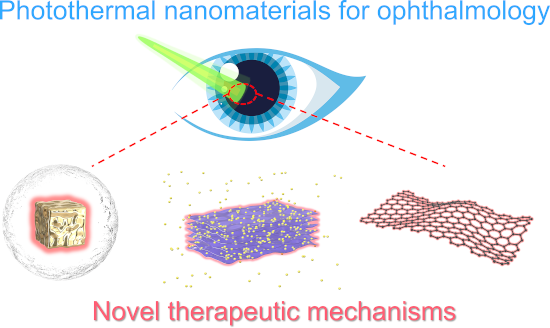
- -tumor efficacy both in vitro and in vivo [106]. Additionally, Au nanoparticles synthesized using fucoidan (Fu-AuNPs) loaded with the chemotherapy drug doxorubicin (DOX), effectively inhibit choroidal melanoma via a synergistic PTT–chemotherapy approach [107]. Fu, as a reducing agent, assisted in the


Realizing active targeting in cancer nanomedicine with ultrasmall nanoparticles
Beilstein J. Nanotechnol. 2024, 15, 1208–1226, doi:10.3762/bjnano.15.98
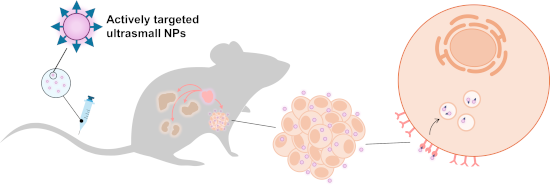
- aptamer ligand/nucleolin receptor Chen et al. prepared AuNCs (≈3 nm) stabilized with histidine amino acids [142]. These particles were then functionalized through chemical conjugation with two targeting ligands, cyclic RGD (cRGD) and AS1411, along with the incorporation of doxorubicin (DOX) or the near
- targeted ultrasmall NPs Since the introduction of liposomal doxorubicin in 1995, there has been a significant research effort in the field of nanomedicine-based drugs [162]. Yet, only a select few have successfully progressed to the market, highlighting the challenges inherent in this developmental process


Synthesis, characterization and anticancer effect of doxorubicin-loaded dual stimuli-responsive smart nanopolymers
Beilstein J. Nanotechnol. 2024, 15, 1189–1196, doi:10.3762/bjnano.15.96
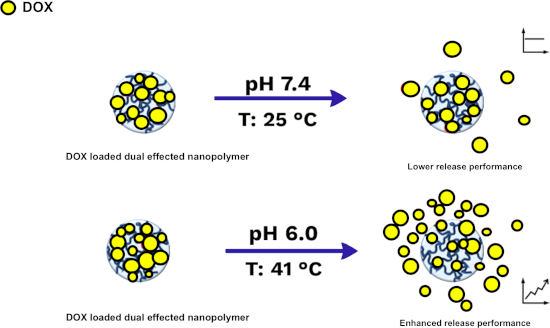
- extremely useful for drug delivery and release. We analyzed the possibility to include the known antitumor drug doxorubicin (DOX), which has antimitotic and antiproliferative effects, in a nanopolymer complex. Thus, doxorubicin-loaded temperature- and pH-sensitive smart nanopolymers (DOX-SNPs) were produced
- that observed for the commercial liposomal formulation of doxorubicin Doxil. The obtained results demonstrated that smart nanopolymers can be efficiently used to create new types of doxorubicin-based drugs. Keywords: cancer cell line HeLa; cytotoxicity; doxorubicin; drug delivery; smart nanopolymers
- drug doxorubicin (DOX) has been used in the present study. It is a known antitumor antibiotic of the anthracycline series, which has been approved as anticancer drug in 1974. It has antimitotic and antiproliferative effects. The mechanism of action is interaction with DNA, the formation of free


AI-assisted models to predict chemotherapy drugs modified with C60 fullerene derivatives
Beilstein J. Nanotechnol. 2024, 15, 1170–1188, doi:10.3762/bjnano.15.95
- women globally, and about 685,000 died from this disease [8]. A recurrent problem with standard treatments are the side effects. Regarding the use of chemotherapeutic drugs, such issues are nephrotoxicity of cisplatin, cardiotoxicity of doxorubicin, and pulmonary fibrosis from the use of bleomycin [9
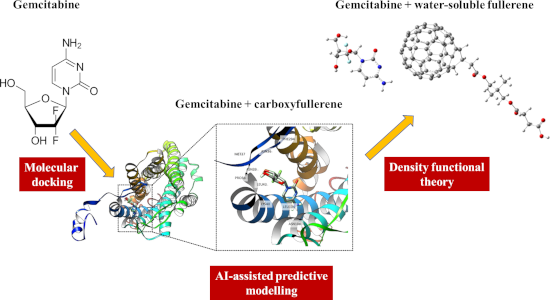
- study the interactions with doxorubicin and gemcitabine [36]. The water-soluble fullerene is introduced to avoid known mutagenic reactions related to breast cancer [36]. It was also studied as a potential carrier for bedaquiline, an agent against tuberculosis [37]. The current study only considered
- interacting residues with those recently obtained by Muthiah et al. [45], it is possible to conclude that the pockets are similar. For instance, doxorubicin was obtained in both cases with Asp179, Cys196, and Trp100 as interacting residues. Also, similar pockets could be obtained because the selected drugs


Recent updates in applications of nanomedicine for the treatment of hepatic fibrosis
Beilstein J. Nanotechnol. 2024, 15, 1105–1116, doi:10.3762/bjnano.15.89
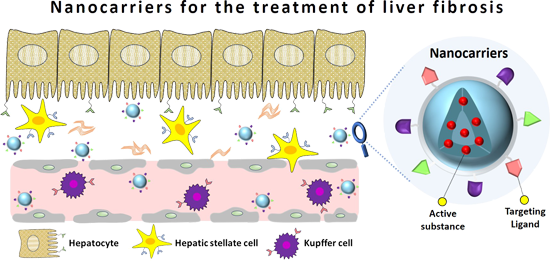
- ingredients. Cancer nanomedicine represents the most extensively studied nanotechnology application in the field of pharmaceutics and pharmacology since the first nanodrug for cancer treatment, liposomal doxorubicin (Doxil®), has been approved by the FDA. The advancement of cancer nanomedicine and its
- cancer nanomedicines are now under evaluation in clinical stages [6]. Simple liposomal and micellar formulations containing chemotherapeutic agents still predominate in this group. Despite the obstacles and challenges, oncology has become the main focus of nanomedicine [8]. Liposomal doxorubicin was the


Unveiling the potential of alginate-based nanomaterials in sensing technology and smart delivery applications
Beilstein J. Nanotechnol. 2024, 15, 1077–1104, doi:10.3762/bjnano.15.88
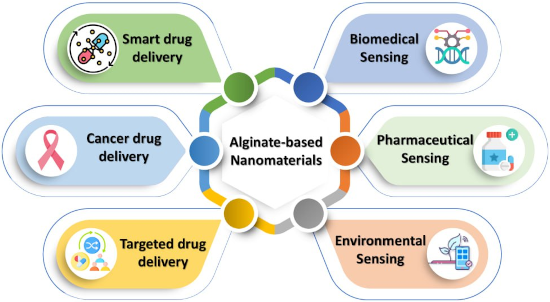
- folate (FA) and polyethylene glycol (PEG) onto the alginic acid backbone. These compounds can be utilized in the encapsulation of doxorubicin (DOX) by coating with upconversion nanoparticles (UCNPs), as shown in Figure 3A. When DOX-loaded UCNP-Al-NH-PEG-NH-FA was used, an effective encapsulation


Entry of nanoparticles into cells and tissues: status and challenges
Beilstein J. Nanotechnol. 2024, 15, 1017–1029, doi:10.3762/bjnano.15.83
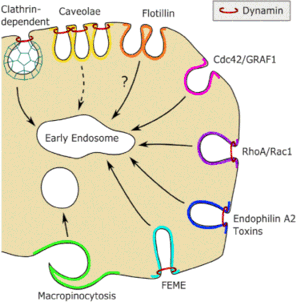
- intravenous (i.v.) injection is required to benefit from NPs as therapeutics or imaging agents in an optimal way. Many different types of NPs have been made; for an overview, see [1]. Doxorubicin encapsulated in liposomes (Doxil®/Caelyx®) was the first NP-based drug approved for cancer treatment by the US


Nanomedicines against Chagas disease: a critical review
Beilstein J. Nanotechnol. 2024, 15, 333–349, doi:10.3762/bjnano.15.30
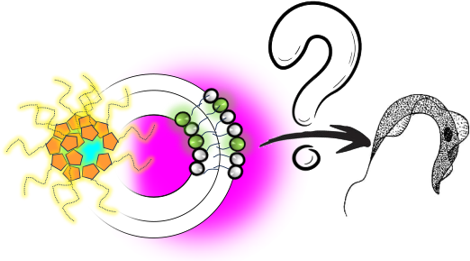
- drugs with low molecular weight, such as Doxil® (for delivery of doxorubicin) launched in 1995, DoceAqualip® (for delivery of docetaxel, devoid of polysorbate-80 and ethanol) launched in 2014, Onivyde® (for delivery of irinotecan) launched in 2015, and Vyxeos® (for synchronous delivery of cytarabine and

Nanocarrier systems loaded with IR780, iron oxide nanoparticles and chlorambucil for cancer theragnostics
Beilstein J. Nanotechnol. 2024, 15, 180–189, doi:10.3762/bjnano.15.17
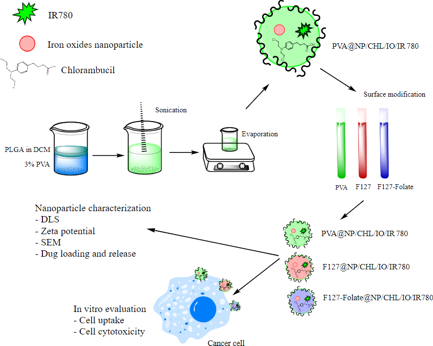
- ][24]. Thus, using IR780 in our NPs would bring advantages for local imaging and treatment. Chemotherapy medications assist in inhibiting the development of tumors. Chemotherapeutic agents such as doxorubicin attach to chromosomes and inhibit DNA replication, while paclitaxel depolymerizes the
- cytoskeleton and chlorambucil (CHL) inhibits DNA synthesis. These drugs can be encapsulated inside nanoparticles for administration to increase the stability of the medication in circulation and therapeutic efficacy. For example, doxorubicin can be inserted into liposomes and paclitaxel attaches to the protein
- particle [25][26]. PLGA is one of the finest materials for transporting chemotherapy drugs. PLGA transports not only hydrophobic but also hydrophilic drugs. The encapsulation of chemotherapeutics in PLGA nanoparticles has been extensively studied. PLGA has been loaded with doxorubicin, for instance, for


Berberine-loaded polylactic acid nanofiber scaffold as a drug delivery system: The relationship between chemical characteristics, drug-release behavior, and antibacterial efficiency
Beilstein J. Nanotechnol. 2024, 15, 71–82, doi:10.3762/bjnano.15.7
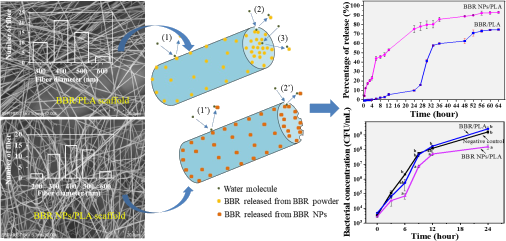
- ] explained the difference in the drug-release profile of PLA nanofibers loaded with hydrophilic doxorubicin hydrochloride (Dox-HCl) and hydrophobic free base doxorubicin (Dox-base). The rapid release of Dox-HCl from the PLA nanofiber carrier was attributed to Dox-HCl crystal aggregates mainly distributed on


Curcumin-loaded albumin submicron particles with potential as a cancer therapy: an in vitro study
Beilstein J. Nanotechnol. 2023, 14, 1127–1140, doi:10.3762/bjnano.14.93
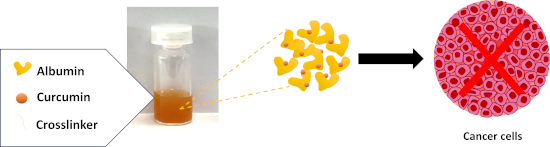
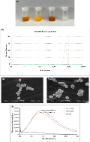
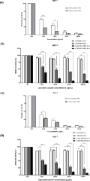
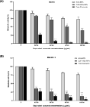
- recently developed method of encapsulation to produce high-quality submicron albumin particles loaded with riboflavin [28] or doxorubicin [29]. In this work, our aim was to determine the ability of albumin microparticles to load CUR by adsorption and to investigate binding with and release from the




Metal-organic framework-based nanomaterials as opto-electrochemical sensors for the detection of antibiotics and hormones: A review
Beilstein J. Nanotechnol. 2023, 14, 631–673, doi:10.3762/bjnano.14.52