Search results
Search for "drug delivery" in Full Text gives 371 result(s) in Beilstein Journal of Nanotechnology. Showing first 200.
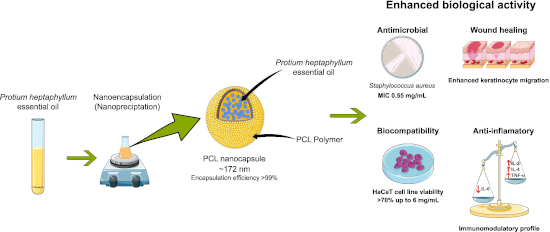
Development of Protium heptaphyllum essential oil-loaded nanocapsules: experimental design and biological activity
Beilstein J. Nanotechnol. 2026, 17, 974–990, doi:10.3762/bjnano.17.67
- Junior Emmanuel Abraham Ho Marcele Fonseca Passos Institute of Biological Sciences, Federal University of Pará, PA, Brazil Technological Development Group on Biomaterials and Bioproducts of the Amazon, PA, Brazil Laboratory for Drug Delivery and Biomaterials, School of Pharmacy, University of Waterloo
- nanoencapsulation not only stabilizes breu branco essential oil but also enhances its antimicrobial, regenerative, and immunomodulatory effects, while fostering the sustainable valorization of Amazonian biodiversity. Keywords: biocompatibility; cytokine modulation; drug delivery systems; nanoprecipitation; wound




Nanocarrier strategies to overcome P-glycoprotein-mediated drug resistance in cancer therapy
Beilstein J. Nanotechnol. 2026, 17, 882–921, doi:10.3762/bjnano.17.64
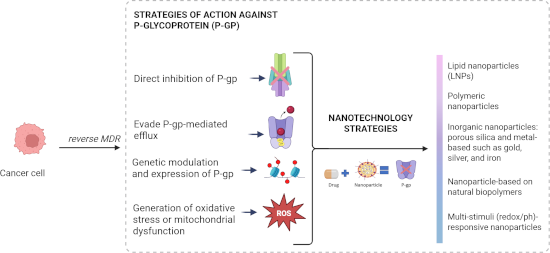
- refractory to conventional chemotherapy regimens [5]. P-gp-mediated efflux constitutes a significant therapeutic barrier in this context, and the complex tumor microenvironment (TME), partly characterized by acidic gastric conditions, further complicates drug delivery and intracellular retention [6]. 1.1.4
- contributed to the clinical failure of several generations of pharmacological P-gp inhibitors. Against this backdrop, nanoparticle-based drug delivery has emerged as a mechanistically distinct strategy. By encapsulating chemotherapeutic agents within nanocarriers that exploit endocytic uptake pathways
- keywords, including P-glycoprotein, multidrug resistance (MDR), nanoparticles, drug delivery, cancer, siRNA, efflux transporters, tumor microenvironment, stimuli-responsive systems, liposomes, polymeric micelles, hybrid nanocarriers, P-gp inhibitors, and cell membrane-coated nanoparticles. The search


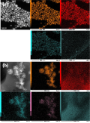
Supramolecular one-dimensional conducting nanofibers from a C3-symmetric tetrathiafulvalene derivative
Beilstein J. Nanotechnol. 2026, 17, 872–881, doi:10.3762/bjnano.17.63
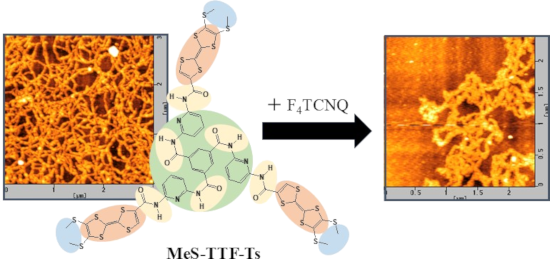
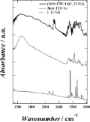
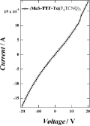
- considerable attention in the fields of materials science and nanotechnology because of their diverse functionalities, including luminescence, sensing, charge transport, and drug delivery [3][4][5][6]. Supramolecular gels are formed through bottom-up self-assembly driven by weak intermolecular interactions


Nanoparticle delivery systems for HIV pre-exposure prophylaxis (PrEP): advances and challenges
Beilstein J. Nanotechnol. 2026, 17, 839–853, doi:10.3762/bjnano.17.60
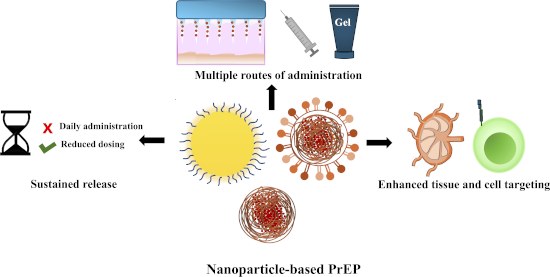
- mice even when challenged 24 h after gel application demonstrates that the PLGA-based system has the potential for localized PrEP for at least 24 h after dosing. In another study, also focused on localized mucosal drug delivery, the INSTI dolutegravir (DTG) was encapsulated into nanoparticles made from
- nanoparticle containing gel could be a promising strategy for LA topical PrEP due to its ability to provide pH-responsive release of ARV drugs localized to the potential exposure site while minimizing systemic absorption of nanoparticles and drugs. In another recent approach to polymeric drug delivery, Zhang
- to the free drug, indicating enhanced antiviral potency, presumably due to enhanced intracellular drug delivery and retention. This study highlights that the encapsulation of FTC or other drugs with similar chemical properties may improve sustained drug release and provide a potential LA-PrEP


Molecular engineering of individual dye-based nanoparticle photostability for ultrabright two-photon fluorescence
Beilstein J. Nanotechnol. 2026, 17, 688–696, doi:10.3762/bjnano.17.48
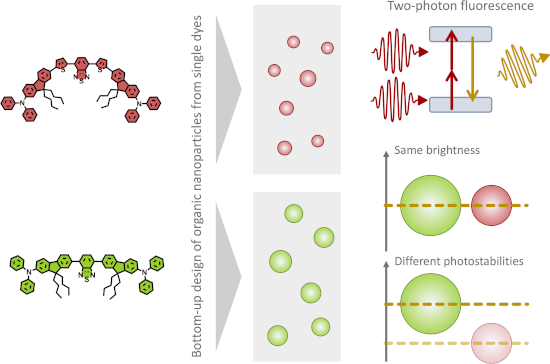
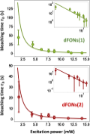
- bioactuators for drug delivery [6][7][8][9], and most recently as actuators for optogenetics in mice [10]. However, dFONs are most widely used as biomarkers for fluorescence imaging. Their stealth properties can be engineered as needed [11][12][13][14], making them versatile for use in cells, tissues [15] and


Protein-based custom-designed molecular nanotraps for biomedical applications
Beilstein J. Nanotechnol. 2026, 17, 683–687, doi:10.3762/bjnano.17.47

- imprinted polymers; natural polymers silk fibroin; SilMA; Introduction Molecular recognition is a cornerstone in biomedical nanotechnology; it is pivotal to applications ranging from drug delivery to sequestering and to sensing. Where traditional affinity systems, such as antibodies, fall short for
- structural precision and enable functionalities such as molecular recognition and cargo delivery, which have the potential for overcoming some challenges of drug delivery. In contrast, the concept of exploiting unfolded proteins for binding and targeting applications remains largely counterintuitive and
- ]. Besides, gelatin and GelMA hydrogels exhibit enhanced biocompatibility, making them suitable for biomedical applications, cell scaffolds, wound dressings, and drug delivery [13]. Silk is another promising protein-based material used in tissue engineering [15]. The structure of silk consists of two

Cellulose as a photocatalyst support material: extraction, structural features, and environmental applications
Beilstein J. Nanotechnol. 2026, 17, 635–652, doi:10.3762/bjnano.17.44
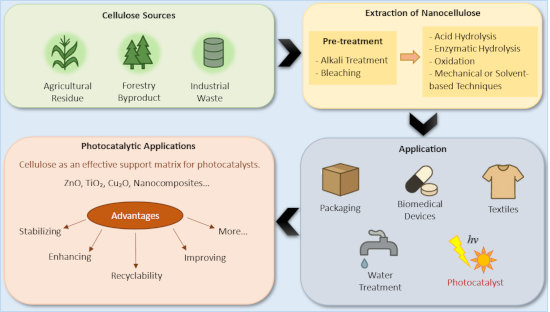
- chemical and mechanical strength, and relatively high heat resistance. These features make CA an essential material for diverse biomedical applications, including drug delivery systems, wound care products, and scaffolds for tissue engineering [70][71][72], reinforcing its position as a reliable and
- sustainable choice for next-generation healthcare solutions. In recent years, cellulose-based fibers, films, and aerogels have found widespread application in drug delivery, where cellulose typically serves as the foundational material that can be further modified to enhance its performance. These
- method, the derived cellulose may exist in both amorphous and crystalline forms with various structural variations such as macrofibers, fibrils, pores, and both micro- and nanocrystals, each offering distinct advantages for medical applications. Within drug delivery research, nanoscale systems have


Towards targeted drugs and next generation of nanomedicines
Beilstein J. Nanotechnol. 2026, 17, 598–601, doi:10.3762/bjnano.17.41
- , Germany 10.3762/bjnano.17.41 Keywords: cellular uptake; drug delivery; intracellular trafficking; nanomedicine; nanoparticles; tumor microenvironment; Nanomedicine is dedicated to the application of nanotechnology in the medical field. Nanosized materials are intended for delivering drugs to their
- that the first drug carriers that reached the clinics, such as liposomes and protein-based drug carriers (e.g., Doxil and Abraxane, respectively) have been investigated for drug delivery long before the term "nanomedicine" was coined, at the end of the last century, and became popular. The same is true
Advances in nanotechnology applied to natural products
Beilstein J. Nanotechnol. 2026, 17, 555–558, doi:10.3762/bjnano.17.36
- , Brazil Laboratory of Micro and Nanostructured Systems (LASMINano), Federal University of Mato Grosso do Sul (UFMS), 79070-900, Campo Grande, MS, Brazil Université de Lorraine, CITHEFOR EA3452 - Nancy, France 10.3762/bjnano.17.36 Keywords: drug delivery; nanomaterials; nanomedicine; natural compounds
Nanocarrier-integrated multilayer films produced by 3D printing for improved skin adhesion and curcumin photostability
Beilstein J. Nanotechnol. 2026, 17, 440–453, doi:10.3762/bjnano.17.30
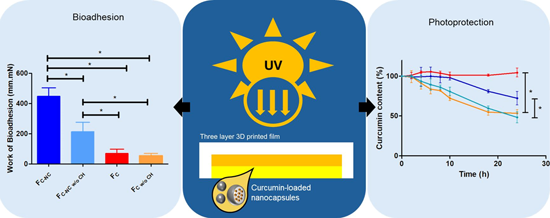
- the spatial separation of adhesion, drug delivery, and photoprotection functions, representing a significant advance over conventional single-layer topical films. Regarding rheological properties, both yield stress and complex viscosity were estimated using an oscillatory amplitude sweep test. Yield
- rationally position functional components within distinct layers. In this system, bioadhesion, drug delivery, and photoprotection were structurally separated, yet integrated within a single construct. The data therefore support the central design hypothesis that the multilayer architecture, rather than
- cutaneous delivery, including improved bioadhesion and enhanced photoprotection. The results demonstrate the potential of additive manufacturing to engineer hierarchically structured, nano-enabled systems with spatially resolved functionalities for advanced drug delivery. Further work is required to


Nanoinformatics: spanning scales, systems and solutions
Beilstein J. Nanotechnol. 2026, 17, 423–427, doi:10.3762/bjnano.17.28
- overcomes two major challenges: the scarcity of data on nanomaterial-based neural drug delivery and the enormous number of possible nanomaterial–drug combinations. The approach combines information fusion, perturbation theory, and machine learning to create a unified dataset comprising 4403 neuronal drug
- delivery assays from ChEMBL and 260 nanoparticle cytotoxicity assays from journal articles on which linear discriminant analysis and artificial neural network algorithms were applied. The resulting models were effective as an initial rapid pre-screening of putative nanoparticle-based drug delivery systems

Biomimetic nanoparticles in cancer photodynamic therapy: a review of targeted delivery systems and therapeutic outcomes
Beilstein J. Nanotechnol. 2026, 17, 396–422, doi:10.3762/bjnano.17.27
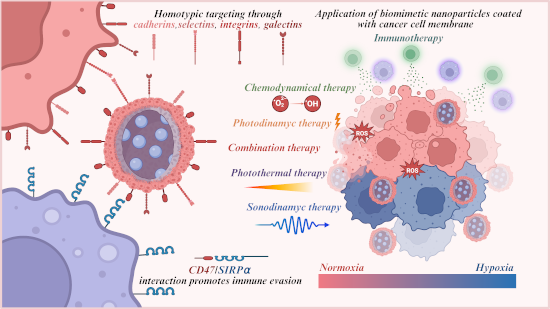
- treatments. Keywords: biomimetic nanoparticles; immunogenic cell death; nanocarriers; photodynamic therapy; targeted drug delivery; tumor hypoxia modulation; Review Introduction Cancer remains a formidable global health challenge, demanding innovative therapeutic strategies that balance efficacy with
- maintaining sterility, especially for BNPs derived from bacterial membranes [60]. Heterogeneous coverage can affect nanoparticle stability and drug delivery efficiency, while purification processes must effectively separate fully coated particles from impurities. For bacterial membrane-based BNPs, thorough
- and functions of biological cells, present promising advantages for drug delivery and therapeutic applications. Nonetheless, they face notable challenges that require thorough investigation. Key areas of focus include developing standardized, scalable manufacturing techniques, elucidating their


Durable antimicrobial activity of fabrics functionalized with zeolite ion-exchanged nanomaterials against Staphylococcus aureus and Escherichia coli
Beilstein J. Nanotechnol. 2026, 17, 262–274, doi:10.3762/bjnano.17.18
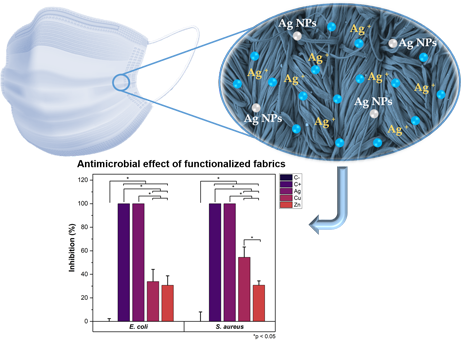
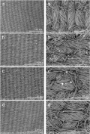
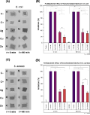
- are currently explored for various biomedical applications, including disease prevention, diagnosis, and the improvement of antiviral drug delivery systems [5][6]. In some cases, the antimicrobial properties of NPs lead to creation of new “nano-antimicrobial” materials [7]. The mechanism by which




Micro- and nanoscale effects in biological and bioinspired materials and surfaces
Beilstein J. Nanotechnol. 2026, 17, 214–217, doi:10.3762/bjnano.17.14
- medicine, Perini et al. [25] reviewed the importance of biomimetic nanocarriers for drug delivery systems with improved biocompatibility and target specificity, whereas Mohammed et al. [26] focused on biomimetic potential for nanomedicines in tumor therapy. Besides nanotechnological solutions inspired by
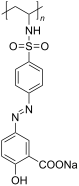
Structure-dependent thermochromism of PAZO thin films: theory and experiment
Beilstein J. Nanotechnol. 2026, 17, 186–199, doi:10.3762/bjnano.17.12
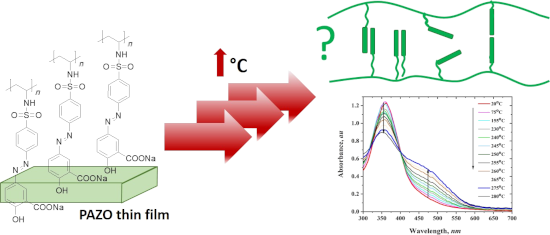
- a wide range of applications. This knowledge is particularly important in fields such as organic electronics and drug delivery, where thin films play a pivotal role. Our study focuses on these aspects to deepen the understanding of how to optimize PAZO thin films for photonic and optoelectronic


Safe and sustainable by design with ML/AI: A transformative approach to advancing nanotechnology
Beilstein J. Nanotechnol. 2026, 17, 176–185, doi:10.3762/bjnano.17.11
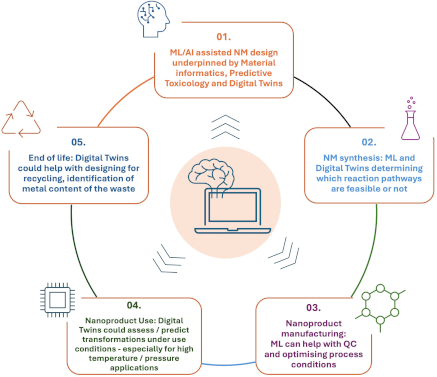
- efficiency. From advanced drug delivery systems to clean energy solutions, the applications of nanotechnology are diverse and transformative. However, these innovations are accompanied by complex challenges regarding safety and sustainability for both the nanoscale materials themselves and for the products
- , offering unprecedented opportunities to design and develop nanomaterials with unique, tailored properties. These advances have significantly impacted diverse industrial sectors, including healthcare, energy, environmental remediation, and defence. For instance, nanoparticle-based drug delivery systems have
- formulations that offer both optimal performance and a reduced risk profile [47][48]. By combining high-throughput computational screening with experimental data, this approach enables rapid candidate selection for diverse applications, from catalysis to targeted drug delivery [49][50]. One of the most


From shield to spear: Charge-reversible nanocarriers in overcoming cancer therapy barriers
Beilstein J. Nanotechnol. 2026, 17, 159–175, doi:10.3762/bjnano.17.10
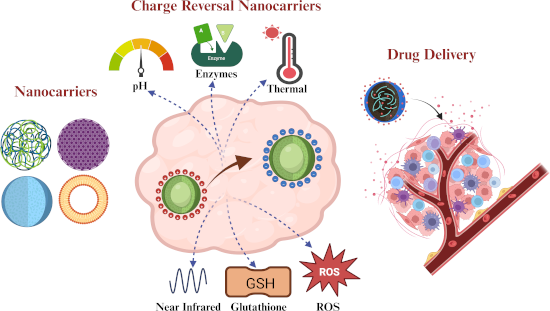
- , drug resistance, and poor tumour selectivity. In response to these limitations, nanotechnology-based drug delivery systems have gained prominence for enhancing solubility, improving molecular stability, enabling controlled drug release, and prolonging systemic circulation, offering superior therapeutic
- pressing need for innovative solutions. An example would be smart nanocarrier drug delivery systems that enhance targeting precision and mitigate adverse effects [9][10]. Nanotechnology-based drug delivery systems have revolutionised cancer treatment by improving drug solubility, stability, and
- advancements in nanocarrier-based cancer therapy, recent research has increasingly emphasised refining their physicochemical traits, especially surface charge, to boost therapeutic outcomes. A notable development in this context is the emergence of charge-reversible nanoscale drug delivery systems (CR-NDDSs


Development and in vitro evaluation of liposomes and immunoliposomes containing 5-fluorouracil and R-phycoerythrin as a potential phototheranostic system for colorectal cancer
Beilstein J. Nanotechnol. 2026, 17, 97–121, doi:10.3762/bjnano.17.7
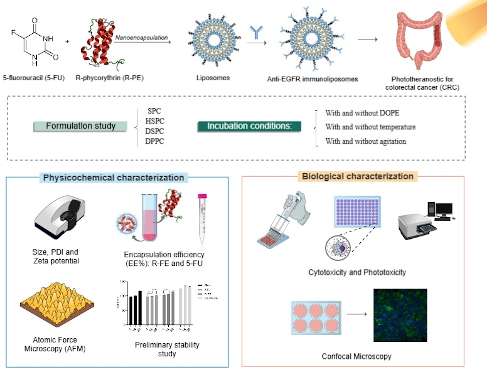
- that approximately half of metastatic CRC cases are resistant to 5-FU treatments, contributing to decrease the survival rate of patients [5]. In this context, nanotechnology has emerged as a promising therapeutic strategy for cancer treatment. Nanostructured drug delivery systems enable preferential



Improving magnetic properties of Mn- and Zn-doped core–shell iron oxide nanoparticles by tuning their size
Beilstein J. Nanotechnol. 2025, 16, 2285–2295, doi:10.3762/bjnano.16.157
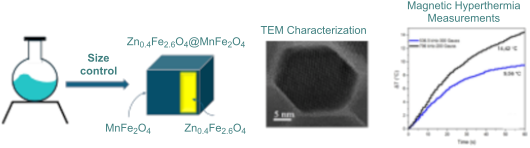
- unique magnetic properties, small size, and biocompatibility, which enable them to be used in a wide range of biomedical applications. These applications include magnetic resonance imaging, magnetic separation, targeted drug delivery, and hyperthermia [1][2]. Magnetic hyperthermia has been extensively
- as a promising alternative due to its biocompatibility, high magnetic moment, and potential for use in hyperthermia and drug delivery applications [10]. Manganese is naturally present in the human body and exists primarily as Mn2+ and Mn3+ ions, making it more biocompatible than cobalt. The
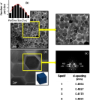



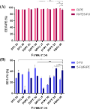
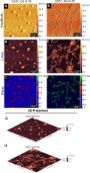
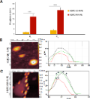
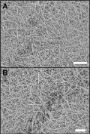
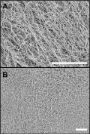
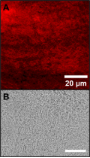
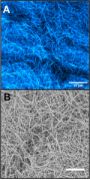
Visualizing nanostructures in supramolecular hydrogels: a correlative study using confocal and cryogenic scanning electron microscopy
Beilstein J. Nanotechnol. 2025, 16, 2274–2284, doi:10.3762/bjnano.16.156
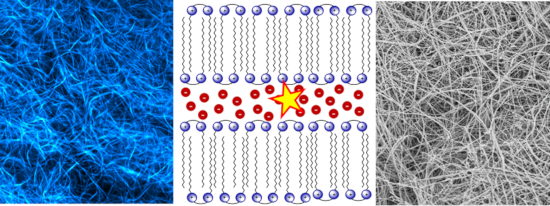
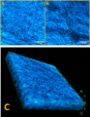
- ; microscopies; nanostructure; supramolecular hydrogel; Introduction Hydrogels, whether based on self-assembling molecules or cross-linked polymers, are useful in fields ranging from tissue engineering to drug delivery and biosensing [1][2][3][4][5]. Their high water content and soft, porous structure make them



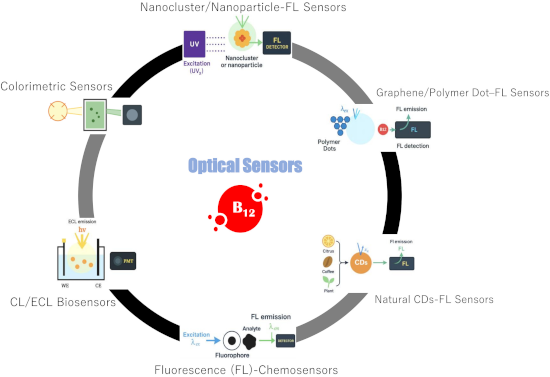
Optical bio/chemical sensors for vitamin B12 analysis in food and pharmaceuticals: state of the art, challenges, and future outlooks
Beilstein J. Nanotechnol. 2025, 16, 2207–2244, doi:10.3762/bjnano.16.153


Ultrathin water layers on mannosylated gold nanoparticles
Beilstein J. Nanotechnol. 2025, 16, 2183–2198, doi:10.3762/bjnano.16.151
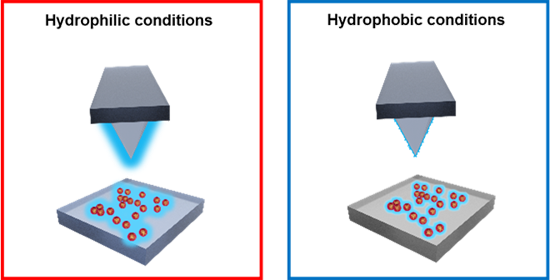
- century [3]. They are investigated, for example, regarding drug delivery [4], but they are also parts of actual products, for example, of sensors [5]. All this is based on the ease of synthesis, chemical stability, size tuneability, and unique optical properties [6]. The extreme dependence of the
- sensing, imaging, or drug delivery systems. The success of these platforms stems from their dispersion in water, stability, and biocompatibility in fully hydrated states, as well as in biological fluids. Our investigation shows a novel approach to these particles by testing the hydration properties under



Rapid synthesis of highly monodisperse AgSbS2 nanocrystals: unveiling multifaceted activities in cancer therapy, antibacterial strategies, and antioxidant defense
Beilstein J. Nanotechnol. 2025, 16, 2105–2115, doi:10.3762/bjnano.16.145
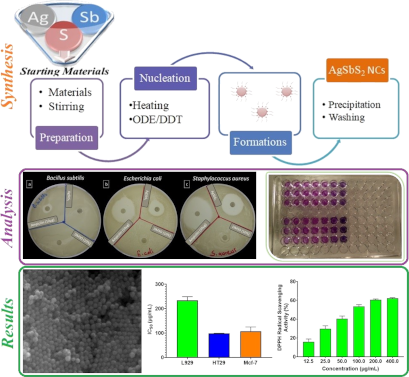
- specificity. Integration with emerging nanomedicine approaches such as theranostics, controlled drug delivery, and precision oncology could further advance the translational potential of AgSbS2 NCs. Synthesis procedure (a), XRD pattern (b), crystal geometry (c), and FTIR spectrum (d) of the synthesized NCs


Toward clinical translation of carbon nanomaterials in anticancer drug delivery: the need for standardisation
Beilstein J. Nanotechnol. 2025, 16, 2092–2104, doi:10.3762/bjnano.16.144
- nanotubes, and carbon dots, have attracted considerable interest as nanocarriers for drug delivery due to their unique physicochemical properties. Their high surface area, biocompatibility, and modifiable surface chemistry make them highly attractive for a range of biomedical applications. However, concerns
- nanomaterials (CNMs) have been largely developed as nanocarriers for drug delivery due to their biocompatibility, high surface area, tuneable physicochemical properties, and targeting capabilities [13][14]. However, CNMs also present a subset of challenges, including toxicity concerns, expensive and time
- translational hurdles, extend broadly across therapeutic contexts. Regardless of indication, many of the key challenges in standardising CNM-based drug delivery systems remain largely the same. Using carbon nanocarrier to address the global burden of cancer Cancer, a group of diseases characterised by



Beyond the shell: exploring polymer–lipid interfaces in core–shell nanofibers to carry hyaluronic acid and β-caryophyllene
Beilstein J. Nanotechnol. 2025, 16, 2015–2033, doi:10.3762/bjnano.16.139
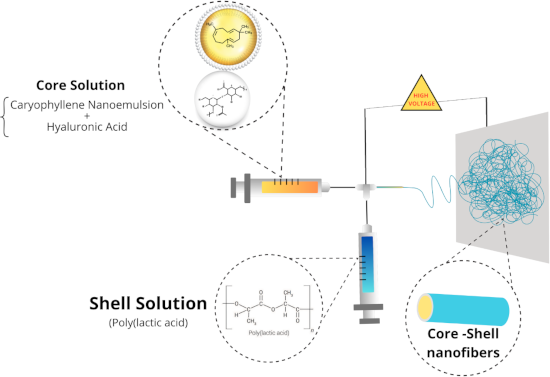
- conventional fibrous materials. Their flexibility in fabrication allows for integration into a broad range of applications, from drug delivery scaffolds to composite biomaterials, contributing to their increasing relevance in both scientific research and industrial development [11][12][13][14]. To leverage the
- thermoplastic known for its biodegradability, biocompatibility, and bioabsorbability [20][21]. Highly attractive due to its versatile physical, chemical, and biological properties, PLA is a suitable option for manufacturing tissue engineering scaffolds, implantable devices, and drug delivery systems, holding
- profile can be modulated, and the initial burst release minimized [7]. Beyond drug delivery, an ideal biomedical scaffold should support cellular attachment while providing effective drug release; balancing these functions is crucial for promoting tissue formation. Achieving this balance in electrospun