


Search results
Search for "emulsion" in Full Text gives 77 result(s) in Beilstein Journal of Nanotechnology.
Functional surface engineering for cultural heritage protection: the role of superhydrophobic and superoleophobic coatings – a comprehensive review
Beilstein J. Nanotechnol. 2026, 17, 63–96, doi:10.3762/bjnano.17.6
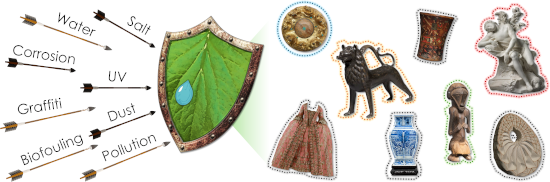
- copolymer (poly(vinylidene fluoride-co-hexafluoropropylene, PVDF-HFP), an aqueous emulsion of alkylpolysiloxane (PSW), a dispersion of functionalized silica nanoparticles (n-SiOR), and a nanostructured silica gel in hydroalcoholic solution (wnf-SiO2). Terracotta specimens chemically and physically matching




Exploring the potential of polymers: advancements in oral nanocarrier technology
Beilstein J. Nanotechnol. 2025, 16, 1751–1793, doi:10.3762/bjnano.16.122
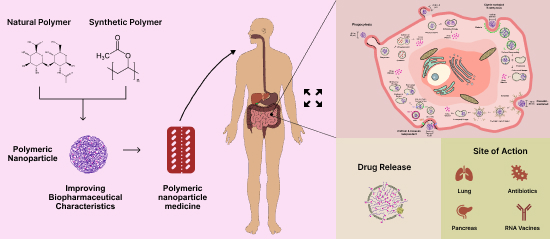
- preformed polymers are the most commonly used techniques. Methods based on the polymerization of monomers include emulsion polymerization, miniemulsion, microemulsion, and interfacial polymerization, which differ in initiation mechanisms and stabilization strategies. Emulsion polymerization, for instance
- other and produced through polymerization reactions such as addition, condensation, ring-opening polymerization, emulsion, precipitation, and others [57]. Monomers determine the decomposition products of polymers in the body and, consequently, their toxicity and biocompatibility. This is why synthesis


Multifunctional anionic nanoemulsion with linseed oil and lecithin: a preliminary approach for dry eye disease
Beilstein J. Nanotechnol. 2025, 16, 1711–1733, doi:10.3762/bjnano.16.120
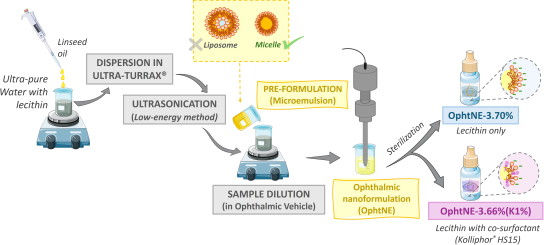
- off. This formulation, designated as OphtNE-3.70%, was obtained by diluting the optimized pre-emulsion in the OV, resulting in a final concentration of 3.70% (w/w) with 2.6% (w/v) LO (equivalent to 26 mg·mL−1). The detailed mass composition of OphtNE-3.70% is provided in Table S2 (Supporting
- homogenized using a Q125 Sonicator (QSonica, USA), with a 4435 probe (QSonica, USA) for 10 min (two cycles of 5 min), set to 100% amplitude with 10 s on and 2 s off pulses. This nanoemulsion, designated as OphtNE-3.66%(K1%), was obtained by diluting the optimized pre-emulsion in the OV to a final
- within the emulsion [74]. An important quality parameter of LO is the free fatty acid (FFA) content, determined by the AV. A lower AV signifies a reduced FFA content, indicating higher oil quality and enhanced bioactive functionality, making it well-suited for medical applications. The AV measured for LO



Prospects of nanotechnology and natural products for cancer and immunotherapy
Beilstein J. Nanotechnol. 2025, 16, 1644–1667, doi:10.3762/bjnano.16.116
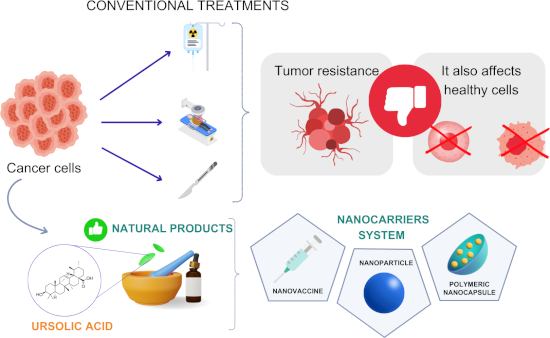
- methods for developing PNCs involve appropriate materials and various production techniques, including emulsion polymerization, layer-by-layer self-assembly, interface polymerization, nanoprecipitation, spray-drying, and supercritical fluids [179][180]. This technology offers the ability to encapsulate


Acrocomia aculeata oil-loaded nanoemulsion: development, anti-inflammatory properties, and cytotoxicity evaluation
Beilstein J. Nanotechnol. 2025, 16, 1277–1288, doi:10.3762/bjnano.16.93
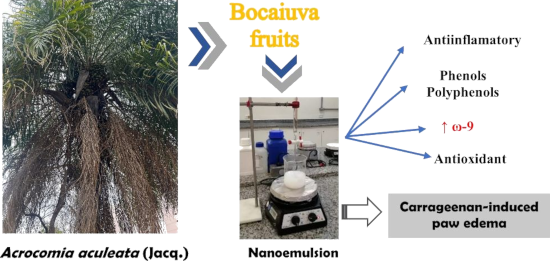
- under mechanical agitation [48]. Nevertheless, while these conditions favor the formation of smaller nanodroplets, temperatures above 60 °C may compromise emulsion stability, potentially triggering phase separation or degradation of labile components. This highlights the necessity for stringent


Functional bio-packaging enhanced with nanocellulose from rice straw and cinnamon essential oil Pickering emulsion for fruit preservation
Beilstein J. Nanotechnol. 2025, 16, 1234–1245, doi:10.3762/bjnano.16.91
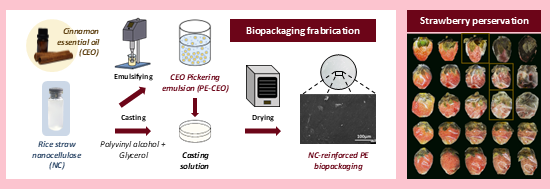
- a plasticizer, rice straw-derived nanocellulose as a mechanical property enhancer and cinnamon essential oil Pickering emulsion as the main functional ingredient for strawberry preservation. With the combination of nanocellulose and Pickering emulsion, this study finds that the packaging material
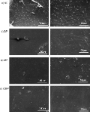
- exhibits good heat-resistance, mechanical, and water-barrier properties. At an emulsion concentration as low as 10% (v/w) in the casting solution, high UV absorbance capacity (up to 100% UVC), high antibacterial activity (92.4% Escherichia coli inhibition), and good antioxidative properties (up to 43% DPPH
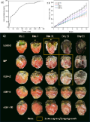
- combination of biopackaging with a naturally derived functional additive is proven to be effective in preserving fruits, especially easily spoiled ones like strawberries. Keywords: cinnamon essential oil; fruit preservation; Pickering emulsion; polyvinyl alcohol; Introduction Biopackaging materials are



Hydrogels and nanogels: effectiveness in dermal applications
Beilstein J. Nanotechnol. 2025, 16, 1216–1233, doi:10.3762/bjnano.16.90
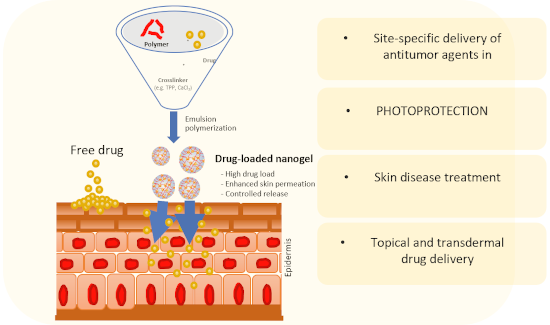
- nucleic acids and proteins [48][132]. Different techniques have been tested for the preparation of chitosan hydrogels, including ionotropic gelation [76], emulsion polymerization [108], and copolymerization [57][133]. Chitosan can be cross-linked with several organic and inorganic compounds due to its
- [158] and surface chemical functionalization [159], which helps to achieve high drug levels at the target site. Several strategies have been developed to obtain nanoscale or micrometric gels instead of macroscopic networks formed by a simple gelation process [20][160][161]. In emulsion polymerization


Synthetic-polymer-assisted antisense oligonucleotide delivery: targeted approaches for precision disease treatment
Beilstein J. Nanotechnol. 2025, 16, 435–463, doi:10.3762/bjnano.16.34


Development of a mucoadhesive drug delivery system and its interaction with gastric cells
Beilstein J. Nanotechnol. 2025, 16, 371–384, doi:10.3762/bjnano.16.28

- nanoparticles (Alg NPs) were prepared with a technique similar to the one used in [77]. Briefly, sodium alginate (1.35 mL of 0.5% w/v) and sunflower oil (6.75 g) containing Span 80 (405 µL) were emulsified at 30000 rpm for 5 min. The emulsion was then probe-sonicated in an ice bath (50 s pulses on and 10 s off
- , 40% Amp) for 10 min. At the end of sonication, CaCl2 (0.22 M, 1 mL) containing poloxamer 407 (1%, w/v) was dripped with an injector (Genject, Türkiye) into the mixing emulsion with a syringe pump at a rate of 6 mL/h. The final emulsion was probe-sonicated in an ice bath (50 s pulses on and 10 s off
- , 40% Amp) for 5 min, followed by 30 min of incubation on a magnetic stirrer. Finally, isopropanol (4 mL) was added to the emulsion, and the nanoparticles were collected by centrifugation (3000g for 5 min). The pellet was washed once with isopropanol and three times with double-distilled water (ddH2O


Enhancing mechanical properties of chitosan/PVA electrospun nanofibers: a comprehensive review
Beilstein J. Nanotechnol. 2025, 16, 286–307, doi:10.3762/bjnano.16.22

- out through methods such as blend electrospinning, sequential electrospinning, co-electrospinning, and emulsion electrospinning. Blend electrospinning Blend electrospinning refers to the electrospinning of a single solution or mixture containing more than one material or polymer, which makes up one
- coaxial electrospinning in which spinneret is conceptualized as two half-cylindrical nozzles joined together. The fibers formed from the process are attached side-by-side instead of a core–shell structure. Figure 8 illustrates the different types of fibers formed using multichamber nozzles. Emulsion
- electrospinning Emulsion electrospinning is similar to blend electrospinning in principle, but instead of a single homogenous mixture, the emulsion is based on multiple phases that are not mixed during the process [97][98]. To prepare an emulsion, two immiscible fluids, for example, oil and water are mixed with


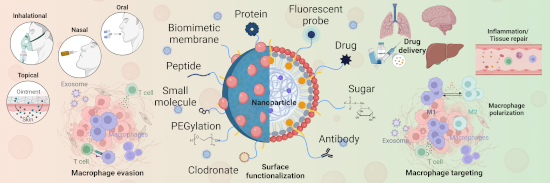
Nanocarriers and macrophage interaction: from a potential hurdle to an alternative therapeutic strategy
Beilstein J. Nanotechnol. 2025, 16, 97–118, doi:10.3762/bjnano.16.10


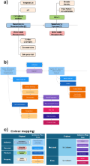
Instance maps as an organising concept for complex experimental workflows as demonstrated for (nano)material safety research
Beilstein J. Nanotechnol. 2025, 16, 57–77, doi:10.3762/bjnano.16.7

- procurement) of the particles, which for SiO2 nanomaterials is either the Stöber method or the emulsion method, followed by chemical modification. Here, nanomaterial functionalisation was realised by addition of amino or carboxyl groups with shorter or longer aliphatic linkers. Alteration in the particles


Bioinspired nanofilament coatings for scale reduction on steel
Beilstein J. Nanotechnol. 2025, 16, 25–34, doi:10.3762/bjnano.16.3

- coatings on steel were conducted under conditions relevant to oil production, which represents one of the most challenging applications for steel coatings. Specifically, the tests were performed in a 3 wt % toluene/water emulsion at a pressure of 70 bar and a temperature of 100 °C, with shear stresses at


A nanocarrier containing carboxylic and histamine groups with dual action: acetylcholine hydrolysis and antidote atropine delivery
Beilstein J. Nanotechnol. 2025, 16, 11–24, doi:10.3762/bjnano.16.2

- react with BA to form boronate esters through cross-linking (Scheme 1). To synthesize p(Hist-CA), 4 mL of BA solution (1.25 mM) in PB, pH 8.5, and 7.3 μL of triolein (TO) were added to a mixture of Hist-RA (2 mM) and CA-RA (4.4 mM) in 1 mL of water. The mixture was vortexed for 1.5 min until an emulsion
- formed. Subsequently, the emulsion underwent homogenization in an ultrasonic bath while being bubbled with argon for 1.5 h to generate a uniformly dispersed solution. Then, the solution was diluted three times. Polycondensation occurred at 25 °C overnight under stirring. p(Hist-CA) was then purified
- 8.5) was added, along with 7.3 μL of TO. The mixture was vortexed at 3500 rpm for 1 min. Following this, the solution underwent argon purging and 90 min of sonication to homogenize the microemulsion. Then the emulsion was stirred at room temperature overnight. Last, the solution was diluted three


Polymer lipid hybrid nanoparticles for phytochemical delivery: challenges, progress, and future prospects
Beilstein J. Nanotechnol. 2024, 15, 1473–1497, doi:10.3762/bjnano.15.118
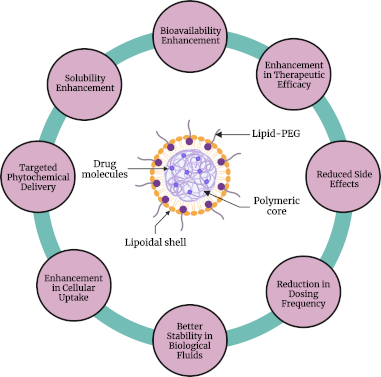
- modification of PLHNPs begins with the preparation of the nanoparticles themselves. PLHNPs are typically synthesized using techniques such as solvent evaporation, nanoprecipitation, double emulsion, or solvent injection, resulting in the formation of nanoparticles with a lipid–polymer hybrid structure [60


Nanotechnological approaches for efficient N2B delivery: from small-molecule drugs to biopharmaceuticals
Beilstein J. Nanotechnol. 2024, 15, 1400–1414, doi:10.3762/bjnano.15.113
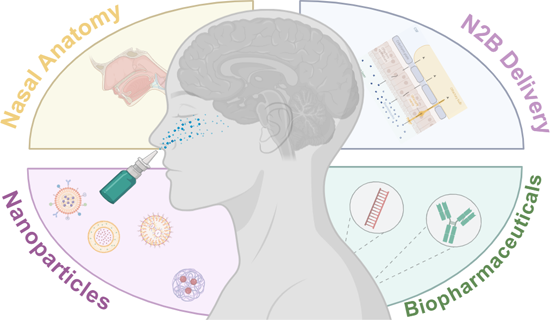
- microfluidics and high-shear-force homogenization [110]. As DDS, nanoemulsions can be reservoirs for encapsulating hydrophobic substances [111]. Moreover, emulsions of emulsions or double emulsions can be prepared by dispersing the droplets of primary emulsion into another liquid phase. Double emulsions can be
- delivery to further improve the expression of the RNA. For instance, Hao et al. modified RVG29 by a PEG–PLGA polymer and encapsulated microRNA(miR)-124 via double emulsion to synthesize NPs for ischemic stroke treatment. The results in in vivo studies showed that NPs entered the brain rapidly, and the


Unveiling the potential of alginate-based nanomaterials in sensing technology and smart delivery applications
Beilstein J. Nanotechnol. 2024, 15, 1077–1104, doi:10.3762/bjnano.15.88
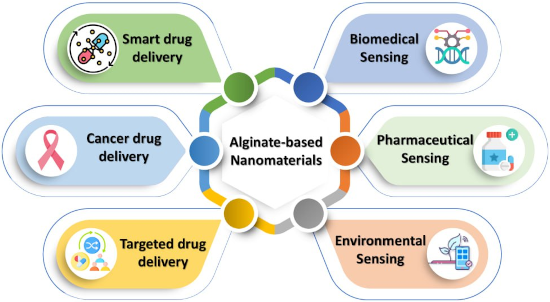
- , researchers have improved the formulation procedures for alginate-based nanoparticles to improve drug-loading capacity, stability, and controlled release characteristics. To improve the formulation of alginate nanoparticles, several methods have been developed, including emulsion-based approaches, solvent


Therapeutic effect of F127-folate@PLGA/CHL/IR780 nanoparticles on folate receptor-expressing cancer cells
Beilstein J. Nanotechnol. 2024, 15, 954–964, doi:10.3762/bjnano.15.78
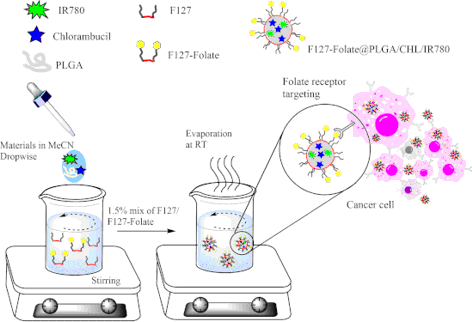
- ) (PLA) and poly(glycolic acid) (PGA), has been employed in the synthesis of nanoparticles for cancer diagnostics and therapy because of its excellent biocompatibility and biodegradability [1][2][3]. PLGA nanoparticles can be prepared via a variety of techniques, including single emulsion, double
- emulsion, or nanoprecipitation [1][4], in which copolymers are dissolved in an organic solvent, called the organic phase, and then are put into an immiscible aqueous solution, called the water phase, to form the nanoparticles. Various surfactants, including poly(vinyl alcohol) (PVA), sodium cholate, or
- F127-folate to enhance their therapeutic efficacy. Size and charge of the nanoparticles PLGA nanoparticles can be synthesized by several methods, such as single emulsion evaporation, double emulsion evaporation, or microfluidics using different surfactants, including PVA, F127, sodium cholate, or SDS



Fabrication of nanocrystal forms of ᴅ-cycloserine and their application for transdermal and enteric drug delivery systems
Beilstein J. Nanotechnol. 2024, 15, 465–474, doi:10.3762/bjnano.15.42
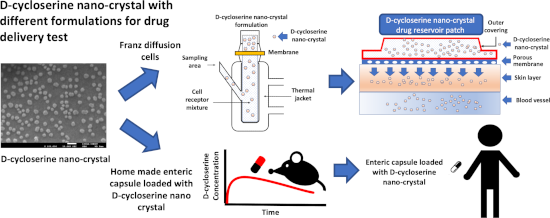
- different hydrophobic solutions to obtain emulsion solutions, and loaded into the donor compartment of the Franz diffusion cell for 24 h. The release of DCS was detected in the receptor compartment. The summary of DCS formulations and release is shown in Table 1 and described as: Formulation Test 1: 20 mg
- dipropylene glycerol (Sigma-Aldrich), 0.6 mL of PEG 400 (Sigma-Aldrich), and 0.2 mL of corn oil (Sigma-Aldrich) to form an emulsified solution by vortexing and sonication. An amount of 15 mg of DCS nanocrystals was added to this emulsion by stirring. After the DCS nanocrystals were well suspended, the final
- to form an emulsion by vortexing and sonication. Then, 30 mg of DCS nanocrystals was added to this formulation by stirring. When the DCS nanocrystals were well suspended, the final product was added to the donor part of the Franz diffusion cell system. Patch formulation C: 5 mg of mannitol and 10 mg


Nanocarrier systems loaded with IR780, iron oxide nanoparticles and chlorambucil for cancer theragnostics
Beilstein J. Nanotechnol. 2024, 15, 180–189, doi:10.3762/bjnano.15.17
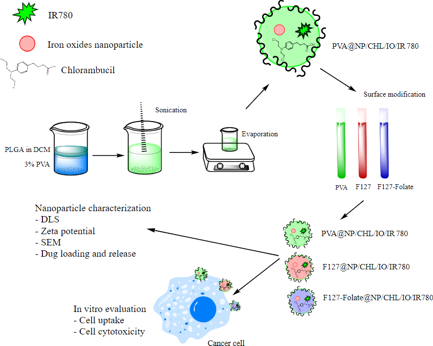
- alcohol)-based nanoparticles (NPs) using the single emulsion technique. Then the NPs were coated with F127 and F127-folate by simple incubation for five days. The nanoparticles have the hydrodynamic size of approx. 250 nm with negative charge. Similar to chlorambucil and IR780, iron oxide loadings were
- purification and freeze-drying. The results showed that there was approx. 0.5% of CHL in the NPs (Table 2). The encapsulation efficiency of the single emulsion was approx. 5%. However, it was reported that the encapsulation efficiency could be increased up to 92% using the double emulsion method [28] or to 70
- a size over 200 nm activate the lymphatic system and are more quickly removed from circulation [32][33]. The core size and hydrodynamic size of our nanoparticles were around 100 nm and 245 ± 3 nm, respectively, making them suitable for intravenous delivery. Thus, the single emulsion/evaporation


Development and characterization of potential larvicidal nanoemulsions against Aedes aegypti
Beilstein J. Nanotechnol. 2024, 15, 104–114, doi:10.3762/bjnano.15.10
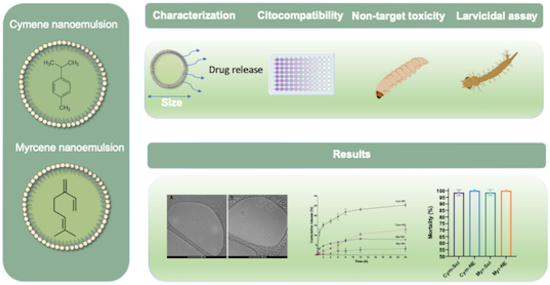
- present work was (i) to develop stable oil-in-water nanoemulsions containing myrcene or cymene as the dispersed phase, (ii) to determine the required rHLB values for emulsion stability, (iii) to assess the biocompatibility via in vitro and in vivo assays, and (iv) to evaluate the bioefficacy of the NE
- was the one with HLB 16, which has in its composition a greater amount of Tween 20, the more hydrophilic surfactant. It has been shown that a significant difference of the headgroup size of the surfactants has a synergistic effect on emulsion stabilization. Furthermore, the use of mixed surfactants


Nanotechnological approaches in the treatment of schistosomiasis: an overview
Beilstein J. Nanotechnol. 2024, 15, 13–25, doi:10.3762/bjnano.15.2
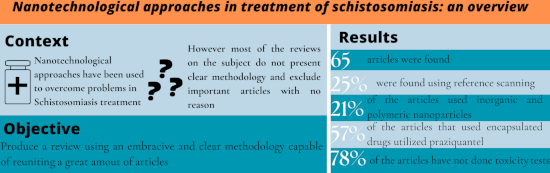
- organoleptic properties of PZQ [8][48]. da Fonseca et al. [8] used poly(methyl methacrylate) nanoparticles loaded with PZQ produced by in situ mini emulsion polymerizations to mask the drug taste and develop an oral formulation. Although the taste was masked, the authors reported a gritty tongue sensation


Polymer nanoparticles from low-energy nanoemulsions for biomedical applications
Beilstein J. Nanotechnol. 2023, 14, 339–350, doi:10.3762/bjnano.14.29
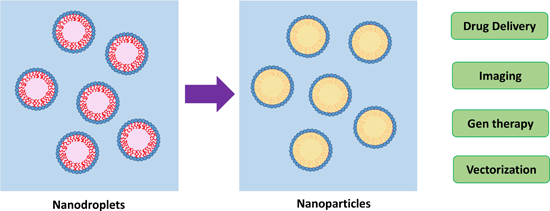
- . Nanoemulsions can be formulated to contain oily (hydrophobic) droplets in a continuous aqueous phase, that is, as in oil-in-water (O/W) nanoemulsions or aqueous droplets in a continuous oily (hydrophobic) phase as in water-in-oil (W/O) nanoemulsions. To form an emulsion, the liquid to be dispersed should be
- first fractionated into droplets. This process implies an increase in specific surface area A with an associated theoretical energy penalty (Et) expressed as where γ is the O/W interfacial tension, ϕ is the volume fraction of the dispersed phase, and dE is the droplet diameter in the emulsion. In the so
- tensions that promote the formation of very small droplets. However, since the colloidal stability is very low, the systems need to be quenched to lower temperatures to obtain kinetically stable nanoemulsions [10][11]. In contrast, the PIC method (also called emulsion inversion point method) [12][13




Solvent-induced assembly of mono- and divalent silica nanoparticles
Beilstein J. Nanotechnol. 2023, 14, 52–60, doi:10.3762/bjnano.14.6
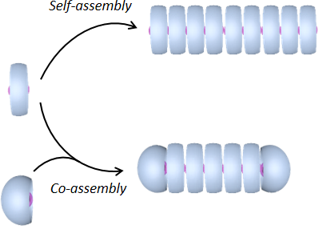
- to synthesize 1-PSN with controlled patch size. First, silica/PS monopods consisting of a central silica core attached to one PS nodule (Figure 2a) have been prepared by seeded-growth emulsion polymerization of styrene, as reported elsewhere [32] (see experimental details). The silica core of the
- silica/PS monopods and bipods In a manner similar to the already reported procedure [32], monopods consisting of a central silica core attached to one PS nodule have been prepared by seeded-growth emulsion polymerization of styrene. Briefly, silica nanoparticles with an average diameter of 44 ± 2 nm were
- corresponded to a nominal grafting surface density of 0.7 funct./nm2. Then, MMS-functionalized silica NPs (1.8 × 10¹⁶ part/L) were used as seeds for the seed-growth emulsion polymerization of styrene (100 g/L) stabilized by a mixture (3 g/L) of Symperonic® NP30 and SDS (5 wt %) and initiated by 1.3 mL of


Orally administered docetaxel-loaded chitosan-decorated cationic PLGA nanoparticles for intestinal tumors: formulation, comprehensive in vitro characterization, and release kinetics
Beilstein J. Nanotechnol. 2022, 13, 1393–1407, doi:10.3762/bjnano.13.115
- acetate, dialysis cellulose tubing membrane (average flat width 25 mm, MWCO 14,000 Da), gelatin type B from bovine skin, mucine from porcine stomach (type II), diethylenetriaminepentaacetic acid (DTPA; min 99%, titration), and egg yolk emulsion were purchased from Sigma-Aldrich, USA. All other chemicals
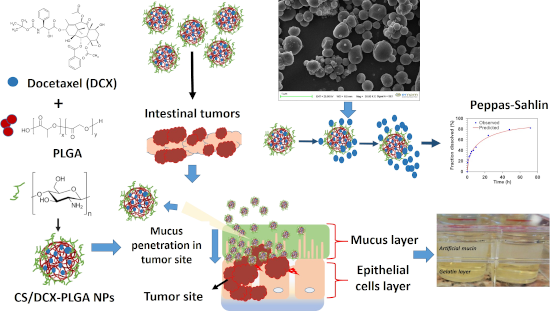
- used were of analytical grade and obtained from Sigma-Aldrich. Methods Preparation of DCX-PLGA and CS/DCX-PLGA NPs DCX-PLGA NPs and CS/DCX-PLGA NPs were prepared by the previously reported single-emulsion preparation method, with some modifications [75][76]. In accordance with the principle of the
- of 0.2% [77]. The organic phase was added to the aqueous phase on a magnetic stirrer at 550 rpm. The resulting o/w emulsion was sonicated on an ice bath with an ultrasonic probe at 25% power for 1 min (four times at 10 s intervals), and PLGA nanoparticles were obtained. The nanoparticles were stirred





