


Search results
Search for "formulation" in Full Text gives 202 result(s) in Beilstein Journal of Nanotechnology. Showing first 200.
Decontamination from water pollutants and pathogens by electrospun nanofibers doped with heavy-atom-free borafluorene-BODIPY photosensitizers
Beilstein J. Nanotechnol. 2026, 17, 668–682, doi:10.3762/bjnano.17.46
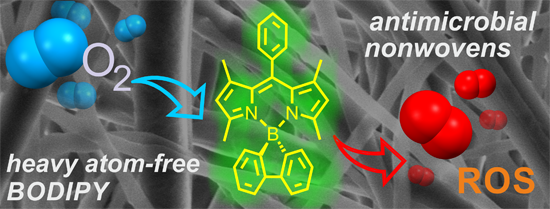
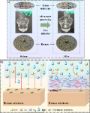
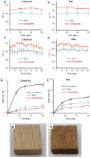
- excellent oxidation resistance without losing catalytic activity over 20 consecutive cycles. All tested PCL-based materials show high antimicrobial activity. Among them, 1(0.50 wt %)@PCL was chosen as the optimal formulation; it did not hinder the growth of S. aureus in the dark but triggered a substantial



Advances in nanotechnology applied to natural products
Beilstein J. Nanotechnol. 2026, 17, 555–558, doi:10.3762/bjnano.17.36

- experimental models [13]. In topical applications, they can promote skin permeation, and controlled release and support formulation robustness, including those intended for transdermal and ocular administration, thereby consolidating microemulsions as versatile and practical platforms for the development of
Electrochemical determination of ciprofloxacin using a MIL-101/reduced graphene oxide-modified electrode
Beilstein J. Nanotechnol. 2026, 17, 541–554, doi:10.3762/bjnano.17.35
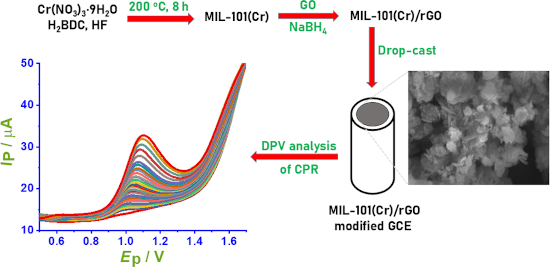
- standard addition method (Table 3). The recovery values obtained ranged from 95.91% to 104.67%, demonstrating good accuracy of the method. The slightly higher recovery for Tablets 2 (104.67%) may be due to excipients in the formulation. Some excipients can produce weak electrochemical responses or


Fractional shot noise of an SU(N) Kondo system
Beilstein J. Nanotechnol. 2026, 17, 515–540, doi:10.3762/bjnano.17.34
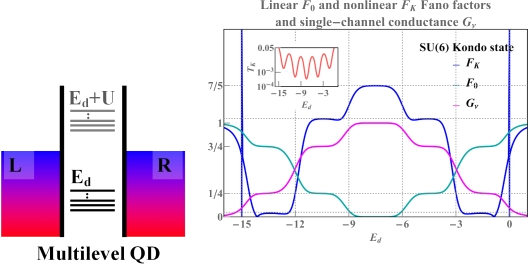
- complete the text with two appendices containing an approximate analytical SBMFA expression for the Kondo temperature in SU(N) systems and formulas for the susceptibilities and Wilson coefficients of an isolated N-QD. Formulation Model We consider a N-QD coupled to electrodes, described by the N-level


![[Graphic 127]](/bjnano/content/inline/2190-4286-17-34-i187.svg?max-width=637&scale=1.18182)

Nanocarrier-integrated multilayer films produced by 3D printing for improved skin adhesion and curcumin photostability
Beilstein J. Nanotechnol. 2026, 17, 440–453, doi:10.3762/bjnano.17.30
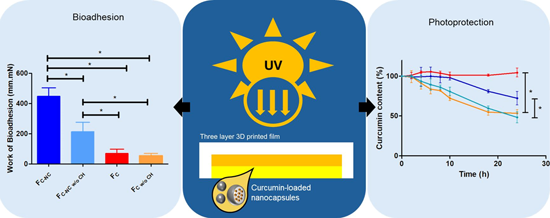
- potential The z-average particle size and the polydispersity index were measured by dynamic light scattering using a Zetasizer® Nano ZS (ZEN 3600, Malvern Instruments, USA). For this analysis, 10 µL of the C-NC formulation was diluted in 5 mL of ultrapure water (previously filtered through a 0.45 µm
- = 0.9994), with intra-day variability lower than 2% and limits of detection and quantification of 0.2 and 0.7 µg/mL, respectively. Method specificity was confirmed by comparing chromatograms of the samples with those obtained from the placebo formulation. The curcumin content was determined after
- . Nevertheless, residual solvent determination represents an important quality attribute for translation and regulatory purposes. Future studies will include validated headspace gas chromatography analysis in accordance with official guidelines to quantitatively assess residual solvents in the final formulation


Influence of surface characteristics on the in vitro stability and cell uptake of nanoliposomes for brain delivery
Beilstein J. Nanotechnol. 2026, 17, 139–158, doi:10.3762/bjnano.17.9
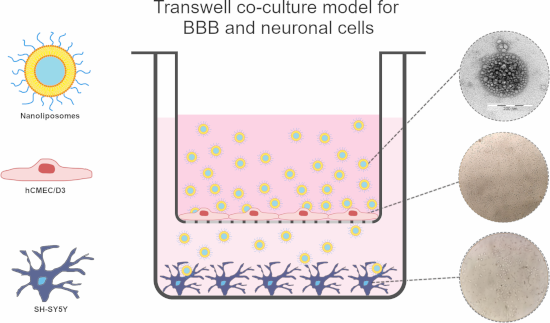
- barrier (BBB) and target specific brain regions [2][3]. However, despite these advantages, only few NLs formulations for brain diseases have completed clinical trials and are commercially available [4]. Among other limitations, one of the most underestimated steps especially in early formulation stages
- -SY5Y cell lines to predict how formulation properties and the extracellular microenvironment affect the in vivo performance of NLs, and access transport mechanisms as well as internalization in brain tissues. Additionally, transport experiments on a co-culture system (hCMEC/D3/SH-SY5Y) were performed
- ), observed at a retention time of about 20 min, are most likely related to the absorption of the PEG present on the surface of NLs. In addition, it can be seen that a more intense absorption peak is obtained at the same retention time for NLb1, the formulation with the highest amount of PEG on the surface




Development and in vitro evaluation of liposomes and immunoliposomes containing 5-fluorouracil and R-phycoerythrin as a potential phototheranostic system for colorectal cancer
Beilstein J. Nanotechnol. 2026, 17, 97–121, doi:10.3762/bjnano.17.7
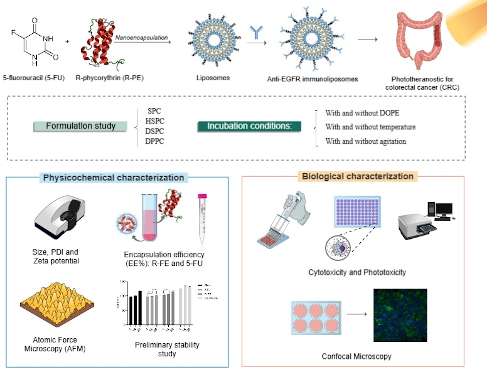
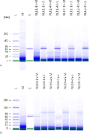
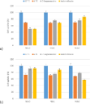
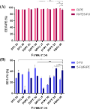
- in a stable range. From the choice of the 50 mg HSPC liposome, the immunoliposomes were developed. The selected immunoliposomes, composed HSPC/DOPE/Chol/DSPE-PEG-Mal in a ratio of 64:10:22.2:3.7, were named HSPC IM 07. This formulation presented low PDI (0.185 ± 0.01), small vesicle size (99.45
- , the HSPC 50 formulation containing R-PE and 5-FU, functionalized with cetuximab, is a promising alternative for the development of co-encapsulation delivery systems as a phototheranostic nanocarriers. Keywords: colorectal cancer; immunoliposomes; photodynamic therapy; R-phycoerythrin; 5-fluorouracil
- by the National Cancer Institute (USA). 2.2 Formulation development 2.2.1 Liposomes Liposomes were prepared by the lipid film hydration method as previously described [18], based on phospholipid/Chol/DSPE–PEG 2000 (70:20:5) with eight different compositions varying the lipid type (HSPC, DSPC, DPPC



Functional surface engineering for cultural heritage protection: the role of superhydrophobic and superoleophobic coatings – a comprehensive review
Beilstein J. Nanotechnol. 2026, 17, 63–96, doi:10.3762/bjnano.17.6

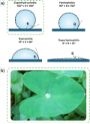
- ), to the initial mixture in order to reduce the wettability of the final coating. The formulation containing 2% of MCC enhanced with oregano essential oil (OEO) showed the lowest solubility, swelling, and wettability, along with strong antimicrobial activity against stone-deteriorating microorganisms
- highlight the potential of chitosan-MCC-OEO coatings as biodegradable alternatives for stone conservation with low risk regarding human safety. Moreover, a majority of the ICOM criteria is fulfilled. The chitosan-MCC-OEO formulation is optically transparent and non-intrusive, ensuring no significant
- remained unexplored. Overall, stability and partial safety are the most consistently fulfilled criteria, while reversibility and sustainability remain weakly developed. Transparency depends strongly on the formulation, with silica-based and acrylic systems performing better than TiO2 sol–gels




Hartree–Fock interaction in superconducting condensate fractals
Beilstein J. Nanotechnol. 2025, 16, 2177–2182, doi:10.3762/bjnano.16.150
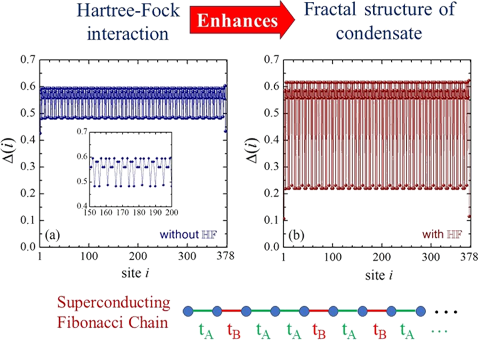
- the observables are not affected due to translational invariance. Hence, the HF field is a kind of “spectator” that defines the single-particle states and chemical potential but does not act on the pair formation and, thus, can be neglected, as in the standard formulation of the BCS model [2][3
- hopping parameters tA or tB, respectively, between adjacent lattice sites. This results in a one-dimensional chain with a total of N = Fn + 1 sites, following the well-established off-diagonal formulation of the Fibonacci model [15][19][24][25]. All energy-related quantities, that is, Δ(i), UHF(i), μ, T


Quality by design optimization of microemulsions for topical delivery of Passiflora setacea seed oil
Beilstein J. Nanotechnol. 2025, 16, 2116–2131, doi:10.3762/bjnano.16.146
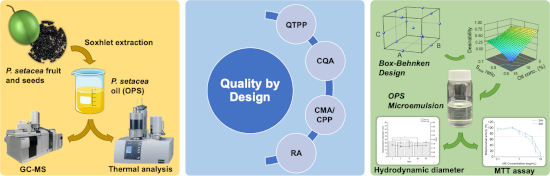
- poor physicochemical and organoleptic properties. This study aimed to develop and optimize a topical microemulsion (ME) system incorporating P. setacea seed oil using quality by design principles to address formulation challenges. The oil was extracted via Soxhlet and characterized by gas
- chromatography–mass spectrometry and thermal analysis. A full factorial design, followed by a Box–Behnken design, was employed to optimize the formulation based on critical quality attributes and the defined quality target product profile. The optimized ME presented a hydrodynamic diameter of approximately 22 nm
- and polydispersity index below 0.2 and remained stable for 60 days. The ME was gelled with sodium carboxymethyl cellulose, while vitamin E and Liquid Germall® Plus were incorporated as antioxidant and preservative agents, respectively, yielding the final topical gel formulation. Cytocompatibility


Toward clinical translation of carbon nanomaterials in anticancer drug delivery: the need for standardisation
Beilstein J. Nanotechnol. 2025, 16, 2092–2104, doi:10.3762/bjnano.16.144
- provide insight into drug release kinetics based on NM properties and formulation. Animal toxicity studies help determine in vivo safety profiles across organ systems, while biodistribution and pharmacokinetic studies elucidate how CNMs are metabolised, cleared, and accumulate in the body, guiding safe



Molecular and mechanical insights into gecko seta adhesion: multiscale simulations combining molecular dynamics and the finite element method
Beilstein J. Nanotechnol. 2025, 16, 2055–2076, doi:10.3762/bjnano.16.141




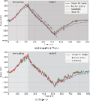
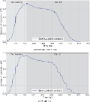


Beyond the shell: exploring polymer–lipid interfaces in core–shell nanofibers to carry hyaluronic acid and β-caryophyllene
Beilstein J. Nanotechnol. 2025, 16, 2015–2033, doi:10.3762/bjnano.16.139
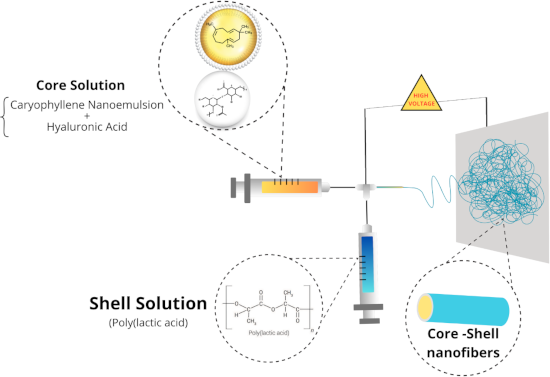
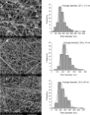
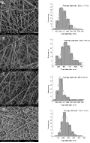
- optimal core formulation (1% w/w HA, 2% w/w NE) and process parameters (17 kV applied voltage, 6.25 flow rate ratio (0.04 mL/h inner; 0.25 mL/h outer), 12 cm needle-to-collector distance). These conditions provided highly uniform fibers with an average diameter of 439 ± 100 nm, notably 37% larger than
- biomaterials, recent decades have seen intensive research into novel therapeutic strategies for regenerative medicine [1][2][3][4]. Within this scenario, a pivotal current strategy in formulation development focuses on integrating nanocarriers with nanoscale three-dimensional biomaterials, enabling major
- nature can present formulation challenges, particularly when seeking integration into solid scaffolds like nanofibers. The strategic combination of polymers and lipids in hybrid systems has emerged as a promising approach to overcome these limitations. Incorporating polymer–lipid interfaces within core




PEGylated lipids in lipid nanoparticle delivery dynamics and therapeutic innovation
Beilstein J. Nanotechnol. 2025, 16, 1914–1930, doi:10.3762/bjnano.16.133
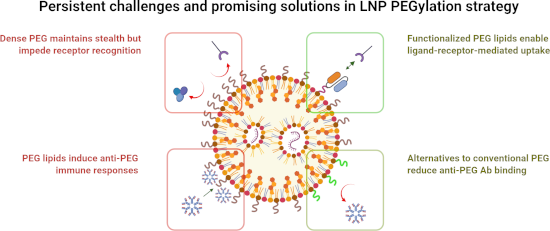
- nanoparticle formulation is polyethylene glycol-modified (i.e., PEGylated) lipids (PEG lipids), which can significantly influence the stability, cell interactions, and overall effectiveness of LNP delivery vehicles. This review collates insights into the role of PEG lipids in LNPs by illustrating how the PEG
- providing steric stabilization and controlling interactions during blood circulation [9]. A study using small-angle neutron scattering (SANS) with selective deuteration has provided compelling insights into the lipid localizations. In a LNP formulation composed of MC3, DSPC, cholesterol, and DMPE-PEG2k at a
- LNPs during formulation and minimizes nonspecific bindings during blood circulation. In the utilization of PEG lipids to create PEGylated LNPs, it is important to consider not only where these PEG lipids reside but also how the conformations of PEG chain can influence nanoparticle behavior. Once


Targeting the vector of arboviruses Aedes aegypti with nanoemulsions based on essential oils: a review with focus on larvicidal and repellent properties
Beilstein J. Nanotechnol. 2025, 16, 1894–1913, doi:10.3762/bjnano.16.132
- -in-water (O/W), water-in-oil (W/O), or multiple emulsions (W/O/W or O/W/O) (Figure 2), depending on the preparation techniques and the choice and interaction of formulation components [34][88][89]. Nanoemulsions exhibit several advantages, making them promising systems for pharmaceutical and
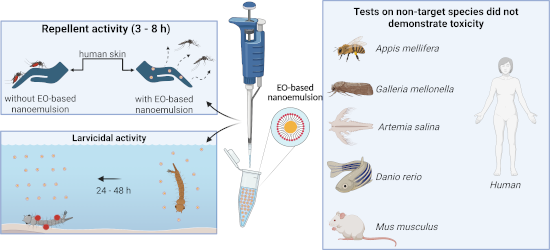
- through a low-energy method, using polysorbate 20 as a surfactant. The formulation presented an average droplet size ranging from 244.6 to 280.4 nm, a polydispersity index of less than 0.25, and a negative zeta potential (−15.7 to −18.6 mV), maintaining stability for 14 days. In the bioassays, fourth
- Pyriproxyfen) were used as controls. It should be noted that the study did not perform comparisons with the free essential oil nor did it evaluate the formulation in non-target species [111][112]. Machado et al. (2023) developed an oil-in-water nanoemulsion containing 5% of surfactants and 5% of the essential


Programmable soliton dynamics in all-Josephson-junction logic cells and networks
Beilstein J. Nanotechnol. 2025, 16, 1883–1893, doi:10.3762/bjnano.16.131

- analyze the circuit dynamics, we adopt a nodal analysis approach. In this approach, the gauge-invariant phase difference across any element is expressed in terms of the nodal phases at its terminals, φ = φk − φj. The phase of the ground node is set to zero by convention. This formulation inherently


Self-assembly and adhesive properties of Pollicipes pollicipes barnacle cement protein cp19k: influence of pH and ionic strength
Beilstein J. Nanotechnol. 2025, 16, 1863–1872, doi:10.3762/bjnano.16.129
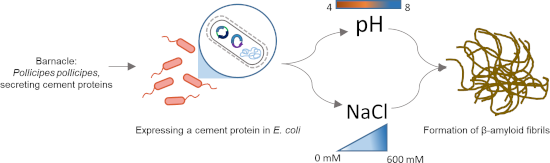
- their formulation, biocompatibility, long-term stability, and clinical efficacy still require significant investigation [12][13]. Barnacles are sessile marine organisms which employ a different strategy for underwater adhesion: they secrete a multicomponent proteinaceous cement that facilitates robust


Phytol-loaded soybean oil nanoemulsion as a promising alternative against Leishmania amazonensis
Beilstein J. Nanotechnol. 2025, 16, 1826–1836, doi:10.3762/bjnano.16.126

- phase inversion composition (PIC) method, and then characterized and evaluated. The PHYT-NE had a mean droplet diameter close to 200 nm, a polydispersity index of less than 0.2, spherical shape, and a pH value compatible with cutaneous application. The formulation showed high colloidal stability for at
- formulation parameters – such as drug miscibility with the oil phase, droplet size, and size uniformity – have been directly correlated with permeation efficiency across the skin barrier [32][33]. Specifically, the encapsulation of lipophilic compounds like phytol in finely dispersed droplets within oil-in
- by nanoemulsions with a mean diameter between 84.3 and 241.6 nm [37]. In this context, PHYT-NE exhibits suitable droplet size, low PdI, spherical shape, and a pH value within the physiological range of human skin, which suggests that it is a promising formulation for transdermal administration route


Exploring the potential of polymers: advancements in oral nanocarrier technology
Beilstein J. Nanotechnol. 2025, 16, 1751–1793, doi:10.3762/bjnano.16.122
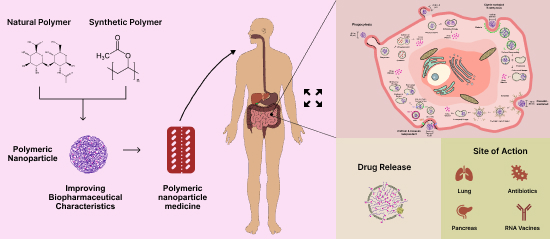
- bioavailability, and enable site-specific targeting and combination therapies [24]. PNs are stable colloidal nanostructures formed from synthetic or natural polymers, characterized by synthetic versatility, which allows for customization based on the requirements of the final formulation. Biopolymers can undergo
- reference in formulation development, the design of PNs expands the delivery possibilities for drugs in all four BCS classes by overcoming limitations related to poor solubility or permeability [34]. Among the various techniques used for preparing NPs, the polymerization of monomers or dispersion of
- commonly used methods for the preparation of PNs employing preformed polymers. These methods typically begin with the formulation of an emulsifying system, a step common to all techniques, followed by the formation of NPs through a process that varies depending on the method, such as solvent precipitation


Advances of aptamers in esophageal cancer diagnosis, treatment and drug delivery
Beilstein J. Nanotechnol. 2025, 16, 1734–1750, doi:10.3762/bjnano.16.121
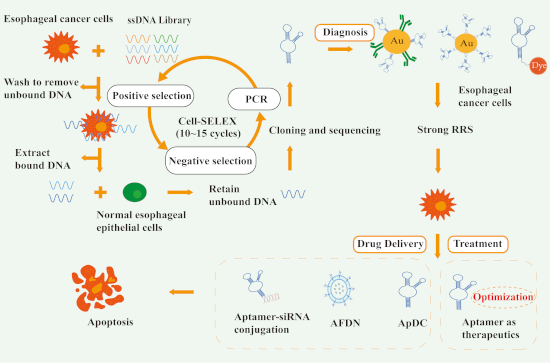
- dominated the market for many years until the arrival of Abraxane, an albumin-based formulation of paclitaxel. Abraxane is the gold standard for cancer treatment, and the formulations developed by researchers can be directly compared head-to-head with Abraxane. Related reports include chimeric polypeptide
- the cell-penetrating peptide iRGD and the aptamer EpCAM, and thus demonstrated optimal antitumor effects in vitro and in vivo experiments. Three of the articles cited in this review utilized nanotechnology to form ApDCs. Among them, the parameters to be improved include optimizing the formulation


Multifunctional anionic nanoemulsion with linseed oil and lecithin: a preliminary approach for dry eye disease
Beilstein J. Nanotechnol. 2025, 16, 1711–1733, doi:10.3762/bjnano.16.120
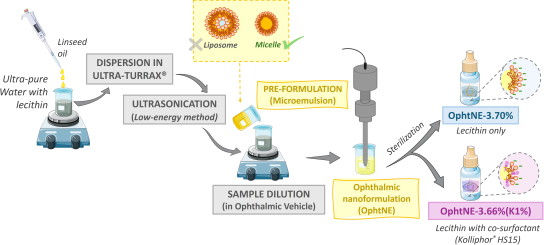
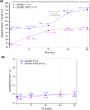
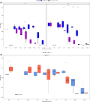
- 60 days, the formulation remained physically quite stable without phase separation. Both nanoformulations contained 2.6% (w/v) linseed oil, providing a bioactive concentration compatible with ocular administration volumes (~50 µL). At a final concentration of 1.30 mg·mL−1, OphtNE-3.66%(K1%) showed
- investigated as potential drug delivery technologies [14][15]. However, our formulation is not a drug delivery system (DDS) since it lacks pharmacological agents. Instead, it is a functional nanoemulsion designed to mimic the tear film’s properties and provide antioxidant and osmoprotective benefits, aiming to
- components. When NE is instilled, the oil nanodroplets merge with the lipid layer, the water in the formulation interacts with the aqueous layer of the tear film, and the surfactant interacts with the mucin layer [21][22][23]. The literature cites various lipids as components of the oily phase in



Prospects of nanotechnology and natural products for cancer and immunotherapy
Beilstein J. Nanotechnol. 2025, 16, 1644–1667, doi:10.3762/bjnano.16.116
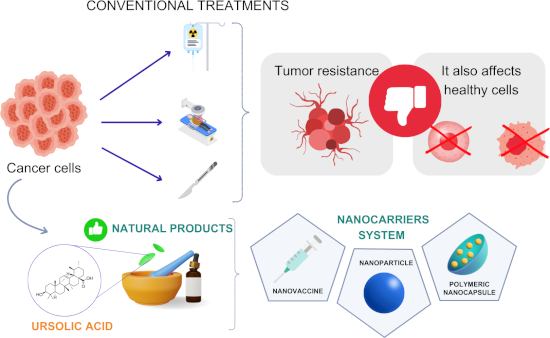
- adverse effects [53][54]. Therefore, the use of natural products for cancer treatment and immunotherapy formulation presents a promising option for the pharmaceutical industry. One of the main technologies implemented in pharmaceutical development for incorporating natural products in cancer and
- formulation evaluation tests, such as data on the species, strains, and doses used. This reduces the reliability of the results, as it limits access to the reliability, reproducibility, and predictive value of the findings. Especially in the field of oncology, it is essential to have information about the
- characterization, and therapeutic evaluation of nanotechnology [92]. The formulation of patent CN114470229 was discussed in an article by Guo et al., which showed that the nanoparticle, as in the patent, achieved better solubility, synergistic effect, and better targeting [93]. In addition, the article published


Venom-loaded cationic-functionalized poly(lactic acid) nanoparticles for serum production against Tityus serrulatus scorpion
Beilstein J. Nanotechnol. 2025, 16, 1633–1643, doi:10.3762/bjnano.16.115
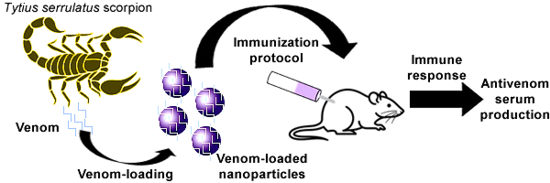
- the nanosystems at 0.5% demonstrated to be equipotent to AH 0.5%. The NP formulation produced antibodies that were detected until the 1:3,200 dilution, whereas the AH formulation produced antibodies that were detected until the 1:1,600 dilution. The Figure 5 shows the antibody production results from
- on the particle size; thus, small particles have a larger surface area for dissolution, providing faster release kinetics [39]. Uniformity of particle size is also important for the stability of the formulation, as well as for the choice of administration route. The intravenous and intramuscular
- routes are very common for the administration of proteins with pharmacological activity and with particle sizes of around 200 nm [40]. Regarding stability, only minimal changes in physicochemical parameters were observed, indicating colloidal stability of the nanoparticle formulation. This is


Enhancing the therapeutical potential of metalloantibiotics using nano-based delivery systems
Beilstein J. Nanotechnol. 2025, 16, 1350–1366, doi:10.3762/bjnano.16.98
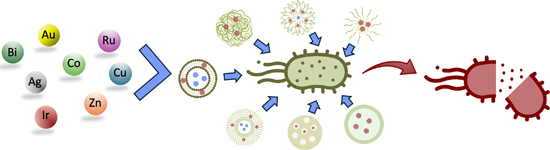
- interface or within imperfections of the solid core [74]. Despite their advantages, SLNs face certain challenges, such as limited drug loading capacity due to the crystalline structure of the solid lipid matrix, risks of drug leakage during storage, and a relatively high water content in the formulation [73
- encapsulate a wide variety of therapeutic agents, from hydrophilic to hydrophobic compounds. Due to their biocompatibility and easy formulation, polymeric NPs can be engineered to offer precise control over drug release, stability, and targeting, making them ideal candidates in the treatment of infections [77
- cellulose-based dressings. The resulting formulation displayed improved antimicrobial activity and enhanced wound healing properties [105]. Additionally, in vitro assays revealed that encapsulating silver sulfadiazine in SLNs protected fibroblasts and keratinocytes from metal-induced toxicity. Finally, the


Ferroptosis induction by engineered liposomes for enhanced tumor therapy
Beilstein J. Nanotechnol. 2025, 16, 1325–1349, doi:10.3762/bjnano.16.97
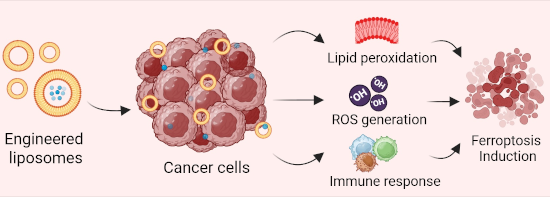
- method for clinical liposome formulations is the thin film hydration/Bangham technique [113]. DepoFoam liposome technology utilizes a proprietary liposome formulation that can be administered by injection and provides sustained release of the encapsulated drug over an extended period. DepoFoam liposomes
- be internalized by receptor-mediated endocytosis, which improves the accumulation of the drug at the desired site [130][131]. By integrating multiple components, such as targeting ligands, imaging agents, and therapeutic drugs, into a single liposomal formulation, theranostic liposomes can be created
- oxidation or hydrolysis processes. After the hydrolysis of free fatty acids, compounds are formed that are toxic to the human body and lower the pH value of the environment. Antioxidants such as flavonoids and vitamins C and E can be included in the formulation of liposomes to stop oxidation [138]. While





