


Search results
Search for "hydration" in Full Text gives 80 result(s) in Beilstein Journal of Nanotechnology.
Materials challenges in solid-state sensors for continuous monitoring of ions in water
Beilstein J. Nanotechnol. 2026, 17, 935–973, doi:10.3762/bjnano.17.66
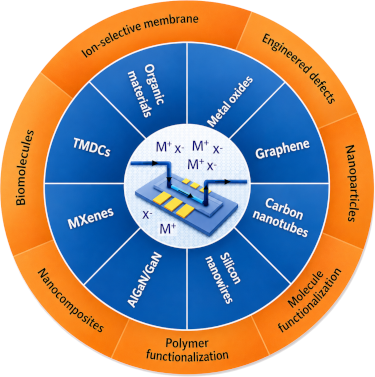
- sensor platform introduces practical challenges. Maintaining a constant potential requires careful material choice, hydration control, and sometimes bulky internal electrolyte reservoirs, all of which complicate miniaturization and packaging. Additionally, adding a separate reference element increases


Nanocarrier-integrated multilayer films produced by 3D printing for improved skin adhesion and curcumin photostability
Beilstein J. Nanotechnol. 2026, 17, 440–453, doi:10.3762/bjnano.17.30
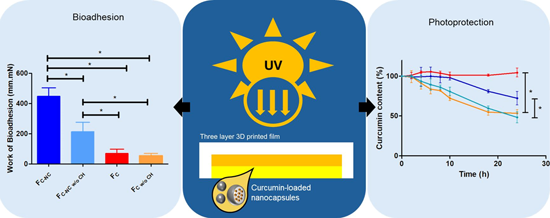
- experiment, without using any media or further treatment. On the day of the experiments, skin tissue was maintained under room conditions for at least 30 min prior to the experiments. A volume (20 µL) of ultrapure water was added by pipette onto the tissue to ensure hydration, and excess water was removed


Influence of surface characteristics on the in vitro stability and cell uptake of nanoliposomes for brain delivery
Beilstein J. Nanotechnol. 2026, 17, 139–158, doi:10.3762/bjnano.17.9
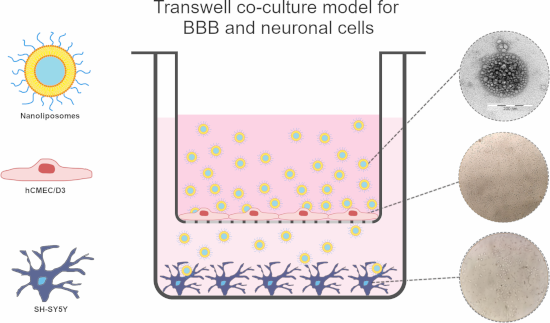
- ratios for NLb0, NLb1, and NLb2, respectively) were prepared by modified lipid film hydration technique as described in our previous work [18]. The chosen formulations used for these studies were previously optimized and underwent complete characterization, where it was shown that the used amounts of PEG
- evaporated under vacuum using a rotary evaporator (25 °C, 50 rpm, 50 mbar; Büchi 215, Switzerland). The resulting thin lipid film was hydrated with phosphate buffer (PB) at pH 7.4. The hydration process involved four consecutive cycles, each consisting of three 5 min steps: ultrasonication (50/60 Hz
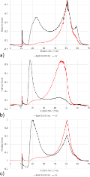


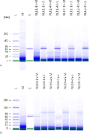


Development and in vitro evaluation of liposomes and immunoliposomes containing 5-fluorouracil and R-phycoerythrin as a potential phototheranostic system for colorectal cancer
Beilstein J. Nanotechnol. 2026, 17, 97–121, doi:10.3762/bjnano.17.7
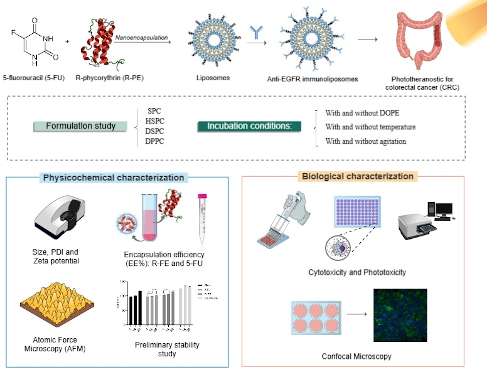
- by the National Cancer Institute (USA). 2.2 Formulation development 2.2.1 Liposomes Liposomes were prepared by the lipid film hydration method as previously described [18], based on phospholipid/Chol/DSPE–PEG 2000 (70:20:5) with eight different compositions varying the lipid type (HSPC, DSPC, DPPC
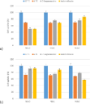
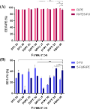
- hydration and 5-FU encapsulation were performed at 37 °C, this may explain the reduced EE% observed with DPPC formulations [37][38]. Regarding HSPC, the EE% for 5-FU was 26% for HSPC 50 and 30% for HSPC 25. Although other studies report EE% values of 75–80% for HSPC-based liposomes, those formulations often



Internal 3D temperature mapping in biological systems using ratiometric light-sheet imaging and lipid-coated upconversion nanothermometers
Beilstein J. Nanotechnol. 2025, 16, 2306–2316, doi:10.3762/bjnano.16.159
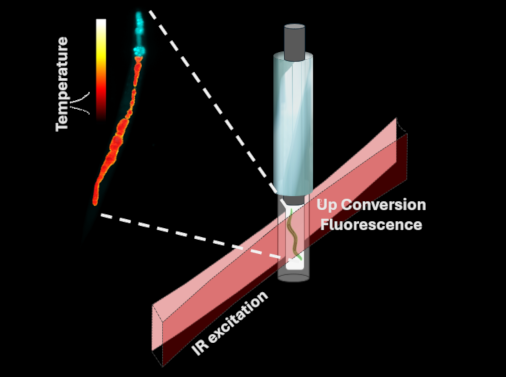
- thin-film hydration method based on Rojas-Gutierrez’s procedure [52]. Based on the size distribution and concentration of the nanoparticles (10 mg·mL−1), a lipid layer was formed with DOPS, cholesterol, and DMPC at a molar ratio of 64:29:7. The three lipids were dispersed in chloroform and mixed with


Ultrathin water layers on mannosylated gold nanoparticles
Beilstein J. Nanotechnol. 2025, 16, 2183–2198, doi:10.3762/bjnano.16.151
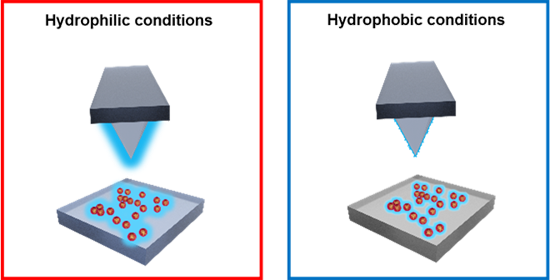
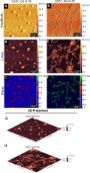
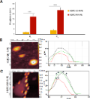
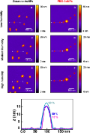
- hydrophobic tips. While VSFG indicated preferential hydration of the dimannoside and proved conformational changes in the organic ligands, AFM provided sub-nanometer changes in particle topography due to water adsorption. In general, the dimannoside nanoparticles condense ultrathin water layers upon humidity
- increase. In contrast, we found that the water adsorption on the oligo(ethylene glycol) particles depends little on humidity. Our insights into structural changes on glyconanoparticles and the hydration properties of glycosylated particles are of application value for biosensors and help model the
- organic layers. In contrast, VSFG was applied to obtain interface-sensitive information on CH and OH bonds at the AuNP/air interface, under hydration and dehydration. We also used a deuterated water (D2O) atmosphere to distinguish the mannosyl hydroxy groups from adsorbed and absorbed water. Absorption is



PEGylated lipids in lipid nanoparticle delivery dynamics and therapeutic innovation
Beilstein J. Nanotechnol. 2025, 16, 1914–1930, doi:10.3762/bjnano.16.133
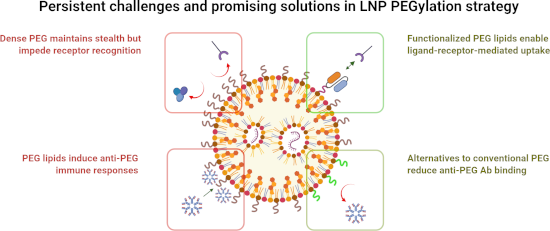
- below 4.1 nm. Importantly, neutron reflectometry studies showed that the thickness of the hydration layer increases with the RPEG/D ratio, a geometric parameter now recognized as critical for predicting the in vivo fate of nanoparticles [15]. Pharmacokinetics data in the study further demonstrated that
- chains that can prevent strong interchain association. This can create a more uniform and stable hydration shell around the polymers to reduce protein adsorption and prevent complement activation [84]. In LNPs formulated with PMOZ-DM-amide to replace the 1.5 mol % DMG-PEG, payload encapsulation


Exploring the potential of polymers: advancements in oral nanocarrier technology
Beilstein J. Nanotechnol. 2025, 16, 1751–1793, doi:10.3762/bjnano.16.122
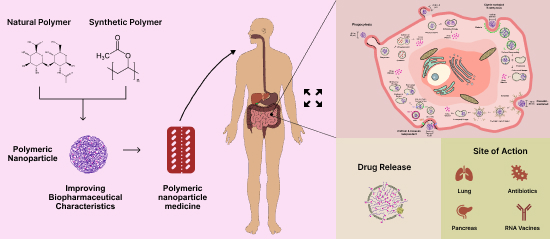
- matrix, osmotic pumping, and erosion. Release via diffusion through water-filled pores depends on a concentration gradient. Water absorbed by the NPs penetrates the polymer matrix, and progressive hydration leads to the formation and expansion of water-filled pores, the structure of which evolves with


Beyond the bilayer: multilayered hygroscopic actuation in pine cone scales
Beilstein J. Nanotechnol. 2025, 16, 1695–1710, doi:10.3762/bjnano.16.119
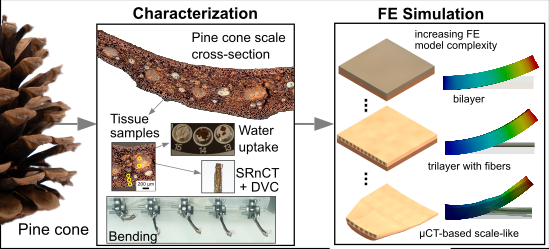
- arrangement impact the bending motion, can therefore benefit the development and improvement of novel bioinspired technical applications. At present, some characteristics of pine cones have been described that help to explain how their individual tissues can deform under desiccation/hydration and thus lead to


Enhancing the therapeutical potential of metalloantibiotics using nano-based delivery systems
Beilstein J. Nanotechnol. 2025, 16, 1350–1366, doi:10.3762/bjnano.16.98
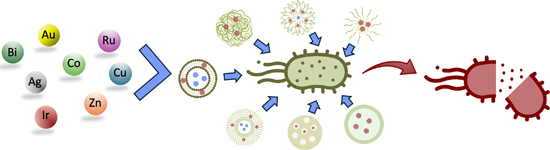
- coatings also exhibited excellent biocompatibility, elasticity, hydration, and bioadhesion properties [106]. Encapsulation into SLNs was also used to enhance antibacterial activity and achieve sustained release of the silver–furosemide (FSE) complex 8 (Figure 3) [107]. Although the free complex showed


Ferroptosis induction by engineered liposomes for enhanced tumor therapy
Beilstein J. Nanotechnol. 2025, 16, 1325–1349, doi:10.3762/bjnano.16.97
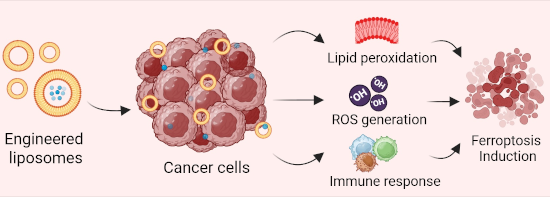
- efficiency (EE). These techniques can be categorized into conventional approaches such as thin film hydration, reverse phase evaporation, solvent injection, detergent removal, and newer innovations. Also, modern techniques are further developments or adaptations of conventional approaches. These methods
- method for clinical liposome formulations is the thin film hydration/Bangham technique [113]. DepoFoam liposome technology utilizes a proprietary liposome formulation that can be administered by injection and provides sustained release of the encapsulated drug over an extended period. DepoFoam liposomes
- traditional methods, such as thin film hydration, to produce liposomes and lipid nanoparticles [113][120]. Microfluidics offers exceptional control over particle size, lower variability, higher EE, and better scalability, making it the most advanced and practical approach for nanoparticle production [115][119


Hydrogels and nanogels: effectiveness in dermal applications
Beilstein J. Nanotechnol. 2025, 16, 1216–1233, doi:10.3762/bjnano.16.90
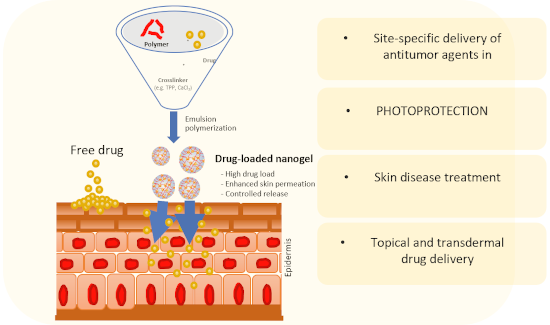
- embedded in hydrophilic solvents, usually water, which can carry active materials and biomolecules [11][12][13]. After hydration in an aqueous environment, the hydrogel structure is created by hydrophilic groups or regions arranged in a polymeric network [14]. Hydrogels present interesting properties


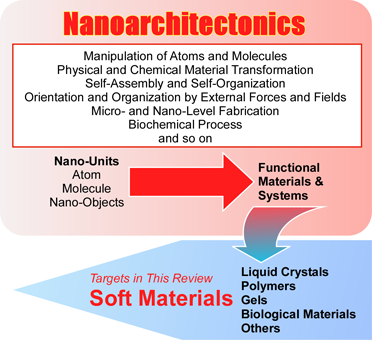
Soft materials nanoarchitectonics: liquid crystals, polymers, gels, biomaterials, and others
Beilstein J. Nanotechnol. 2025, 16, 1025–1067, doi:10.3762/bjnano.16.77






Shape, membrane morphology, and morphodynamic response of metabolically active human mitochondria revealed by scanning ion conductance microscopy
Beilstein J. Nanotechnol. 2025, 16, 951–967, doi:10.3762/bjnano.16.73
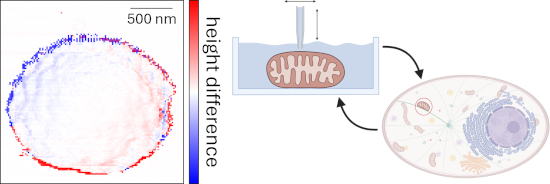
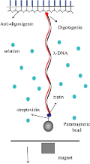
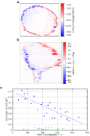
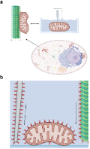
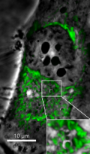
- microtubule. Nanopipette, mitochondrion, and microtubule have negative ζ-potentials. In a physiological medium, a cation layer forms on the surface (its hydration shell is represented by the water molecules). These cations on the glass of the pipette move through the pipette electrode into the pipette. A



Supramolecular hydration structure of graphene-based hydrogels: density functional theory, green chemistry and interface application
Beilstein J. Nanotechnol. 2025, 16, 806–822, doi:10.3762/bjnano.16.61
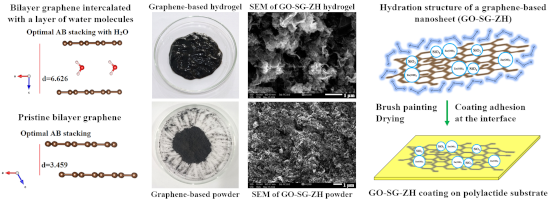
- Education, Can Tho University, Can Tho City, 90000, Vietnam Faculty of Chemistry, University of Science, Ho Chi Minh City, 700000, Vietnam Multifunctional Materials Laboratory, University of Science, Ho Chi Minh City, 700000, Vietnam 10.3762/bjnano.16.61 Abstract Natural hydration shells are discovered to
- play an essential role in the structure and function of biomolecules (deoxyribonucleic acid, protein, and phospholipid membrane). Hydration layers are also important to the structure and property of artificial graphene-based materials. Our recent works prove that graphene-based hydrogels are
- supramolecular hydration structures that preserve graphene nanosheets from the restacking through hydrophobic force, van der Waals force, and π–π interaction. In this manuscript, density functional theory and high-performance computing (HPC) are used for modeling and calculating van der Waals force between


Aprepitant-loaded solid lipid nanoparticles: a novel approach to enhance oral bioavailability
Beilstein J. Nanotechnol. 2025, 16, 652–663, doi:10.3762/bjnano.16.50
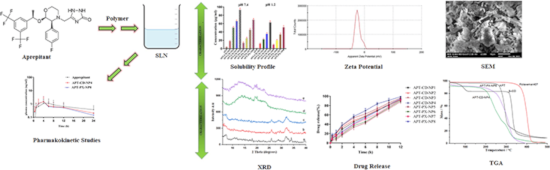
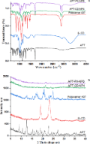
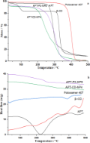
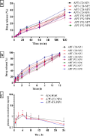
- membrane comes in contact with the aqueous medium, it absorbs water and swells. Water penetrates the APT-loaded SLN formulations fast and passes through toward the drug core such that the drug dissolves. Diffusion is enhanced because of the equilibrium between elastic polymer strength and hydration by



Polyurethane/silk fibroin-based electrospun membranes for wound healing and skin substitute applications
Beilstein J. Nanotechnol. 2025, 16, 591–612, doi:10.3762/bjnano.16.46
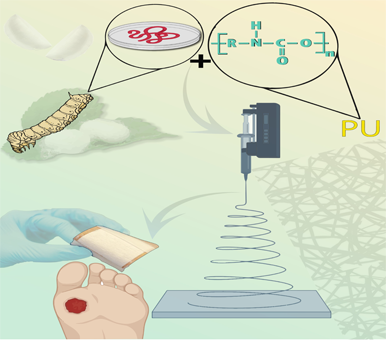
- capability of SF increased hydration and moisture-holding ability [108]. The physical durability of SF supports the strength of wound dressing, inhibits disruption of the wound bed, and allows for adaptation to size and form of a wound [104]. The inherent bioactive properties of SF, which also stimulate cell



Synthetic-polymer-assisted antisense oligonucleotide delivery: targeted approaches for precision disease treatment
Beilstein J. Nanotechnol. 2025, 16, 435–463, doi:10.3762/bjnano.16.34


Mechanistic insights into endosomal escape by sodium oleate-modified liposomes
Beilstein J. Nanotechnol. 2024, 15, 1667–1685, doi:10.3762/bjnano.15.131
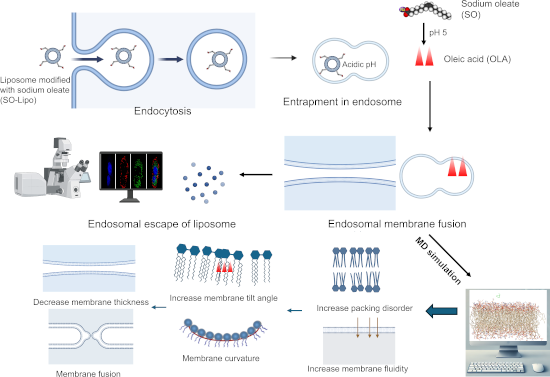
- elucidate the mechanistic role of sodium oleate in promoting endosomal escape and compared the performance of SO-Lipo with unmodified liposomes (Unmodified-Lipo) and Aurein 1.2-modified liposomes (AUR-Lipo). Liposomes were prepared using the thin-film hydration method, resulting in Unmodified-Lipo, SO-Lipo
- medium. This approach ensures the anchorage of the peptide to the liposome membrane surface. Synthesis of the liposomal formulations was conducted via a refined thin-film hydration technique, as inspired by existing protocols [34]. Initially, the lipids were dissolved in a chloroform and methanol




Natural nanofibers embedded in the seed mucilage envelope: composite hydrogels with specific adhesive and frictional properties
Beilstein J. Nanotechnol. 2024, 15, 1603–1618, doi:10.3762/bjnano.15.126
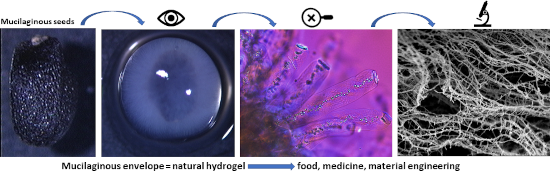
- . Natural hydrogels share some features with synthetic hydrogels, but are more easy to obtain and recycle. One of the main sources of such hydrogels are mucilaginous seeds and fruits, which produce after hydration a gel-like, transparent capsule, the so-called mucilage envelope. Mucilage serves several
- . Macroscopically observable mucilage is often a transparent, gel-like capsule formed around the diaspore after hydration with water (Figure 1). At the microscale mucilage exhibits, before hydration, successive layers formed by adcrustation in the mucilaginous cells of the seed/fruit coat (the outermost covering of
- osmotic stress [4][5][6][10][24][25]. Depending on the hydration level, mucilage exhibits distinct physical properties, which are also connected with its biological functions. In a fully hydrated state, it demonstrates very low friction, important for example, in endozoochoric diaspore dispersal [26][27


Dual-functionalized architecture enables stable and tumor cell-specific SiO2NPs in complex biological fluids
Beilstein J. Nanotechnol. 2024, 15, 1238–1252, doi:10.3762/bjnano.15.100
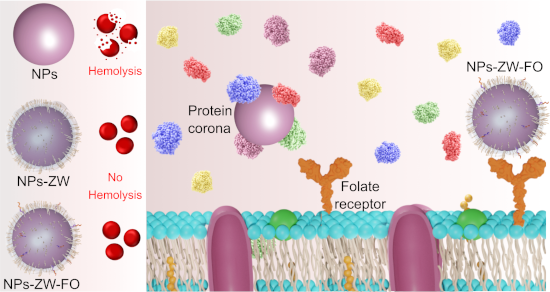
- . Sulfobetaine zwitterionic (ZW) and folate groups were chosen as kinetic stabilizers and targeting agents, respectively. It is worth highlighting that sulfobetaines were selected specifically for their enhanced hydration properties, effectively preventing protein adsorption on various NPs and contributing to
- is maintaining the NP physicochemical integrity when exposed to physiological environments, preventing protein corona formation (Figure 2a) [15][16][17][18]. It is expected that the ZW on the NP surface minimizes the adsorption of proteins due to a hydration layer formation, increasing the colloidal


Water-assisted purification during electron beam-induced deposition of platinum and gold
Beilstein J. Nanotechnol. 2024, 15, 884–896, doi:10.3762/bjnano.15.73
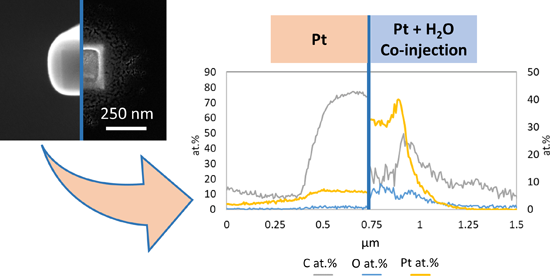
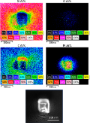
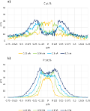
- was monitored in ultrahigh vacuum by mass spectrometry, leading to the detection of both gaseous CO and CH4 species [45]. The production of these two volatile species is ascribed to two different processes: (i) for CH4 the removal of trapped species and (ii) for CO the electron-induced hydration of





The effect of age on the attachment ability of stick insects (Phasmatodea)
Beilstein J. Nanotechnol. 2024, 15, 867–883, doi:10.3762/bjnano.15.72

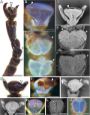
- attachment control and the influence of hemolymph within the attachment pads on cuticle hydration and on the production of adhesive fluid. Focal species. (A) Adult female of Sungaya aeta. (B–D) Overviews of the tarsal morphology obtained with different techniques: (B) stereomicroscope, (C) scanning electron


Cholesterol nanoarchaeosomes for alendronate targeted delivery as an anti-endothelial dysfunction agent
Beilstein J. Nanotechnol. 2024, 15, 517–534, doi:10.3762/bjnano.15.46
- -O-phytanylglycerol] (SDGD-5PA) (Figure 1). Preparation and characterization of nanovesicles In a manner analogous to [29], nanoarchaeosomes made of TPA (nanoARC) and of TPA/Chol 7:3 w/w (nanoARC-Chol), and nanoliposomes made of HSPC/Chol 7.5:2.5 w/w, were prepared by the film hydration method. To





Berberine-loaded polylactic acid nanofiber scaffold as a drug delivery system: The relationship between chemical characteristics, drug-release behavior, and antibacterial efficiency
Beilstein J. Nanotechnol. 2024, 15, 71–82, doi:10.3762/bjnano.15.7
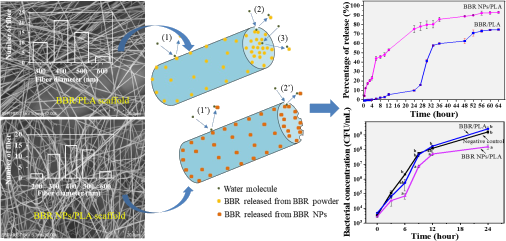
- nanofiber compositions [11][12][13]. For a long-term drug release, hydrophobic polymers are chosen for the preparation of drug-loaded nanofiber scaffolds. This is because the hydrophobicity of the polymer could form air gaps, slowing matrix hydration and suppressing drug diffusion from the nanofibers [14





