


Search results
Search for "hydrogels" in Full Text gives 73 result(s) in Beilstein Journal of Nanotechnology.
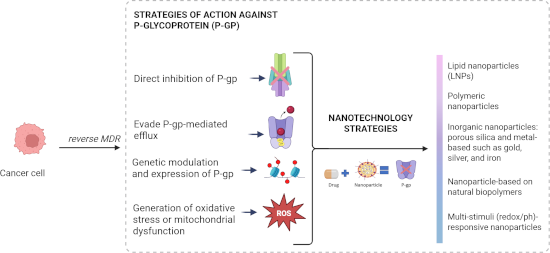
Nanocarrier strategies to overcome P-glycoprotein-mediated drug resistance in cancer therapy
Beilstein J. Nanotechnol. 2026, 17, 882–921, doi:10.3762/bjnano.17.64


Protein-based custom-designed molecular nanotraps for biomedical applications
Beilstein J. Nanotechnol. 2026, 17, 683–687, doi:10.3762/bjnano.17.47

- ]. Besides, gelatin and GelMA hydrogels exhibit enhanced biocompatibility, making them suitable for biomedical applications, cell scaffolds, wound dressings, and drug delivery [13]. Silk is another promising protein-based material used in tissue engineering [15]. The structure of silk consists of two

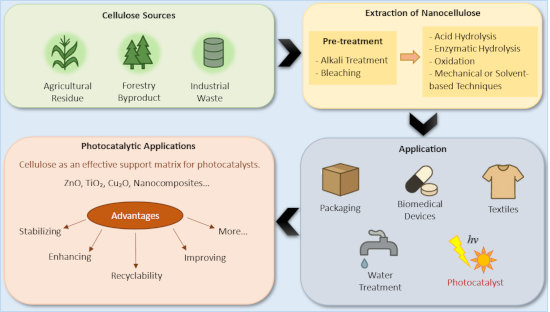
Cellulose as a photocatalyst support material: extraction, structural features, and environmental applications
Beilstein J. Nanotechnol. 2026, 17, 635–652, doi:10.3762/bjnano.17.44
- detect glucose levels non-invasively through sweat or saliva, offering a promising platform for biomedical monitoring [75]. Hydrogels are highly water-absorbing materials with a three-dimensional network structure, and they are widely recognized for their flexibility, responsiveness to external stimuli
- , tunable performance, and strong biocompatibility, which collectively make them an excellent base material for wearable electronic devices [76][77]. Traditional hydrogels mainly contain water; water molecules form extensive hydrogen bonds that unfortunately lower the material’s resistance to cold
- nanocellulose-based hydrogels that provide enhanced stability and maintain performance even under challenging temperature conditions [77][78]. MCC bio-composites are emerging as a practical and sustainable alternative to conventional polymer-based composites, offering eco-friendly solutions that can address


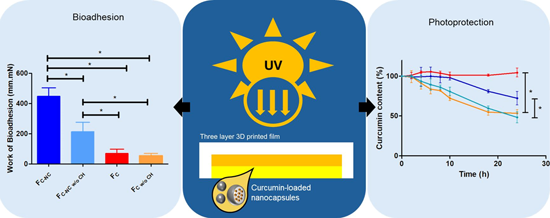
Nanocarrier-integrated multilayer films produced by 3D printing for improved skin adhesion and curcumin photostability
Beilstein J. Nanotechnol. 2026, 17, 440–453, doi:10.3762/bjnano.17.30
- for incorporation into topical dosage forms such as emulsions, fibres, films, and hydrogels for wound-healing applications. However, curcumin also exhibits low aqueous solubility, which limits its use in certain formulations [18]. Nanoparticles have the potential to overcome this limitation, as they
- compared with previously developed hydrogels for skin delivery include improved control over the applied curcumin dose, as well as the personalisation of the size and shape of the printed films for the treatment of specific skin areas, such as wounds. In this proof-of-concept study, we hypothesised that
- content and the non-encapsulated curcumin content. Production of the printing Inks Three different polymeric hydrogels or hydrogel blends were produced, corresponding to the three distinct layers of the film. Table 1 presents the composition of the different hydrogels prepared and used as printing inks


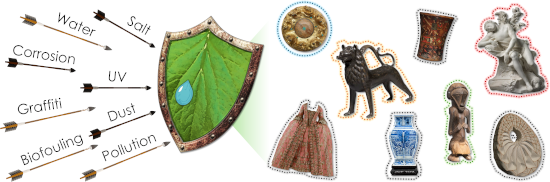
Functional surface engineering for cultural heritage protection: the role of superhydrophobic and superoleophobic coatings – a comprehensive review
Beilstein J. Nanotechnol. 2026, 17, 63–96, doi:10.3762/bjnano.17.6
- damage in these delicate phases [4]. Just like the analyses of the damaged pieces of art, great attention is devoted to the interventions for their restoration [14], most of which consist of gels and hydrogels [15]. Passaretti et al. [16] analyzed the efficacy of a specifically designed sustainable




Visualizing nanostructures in supramolecular hydrogels: a correlative study using confocal and cryogenic scanning electron microscopy
Beilstein J. Nanotechnol. 2025, 16, 2274–2284, doi:10.3762/bjnano.16.156
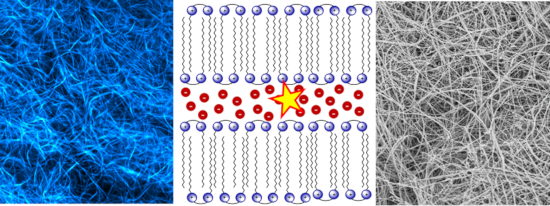
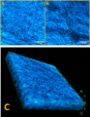
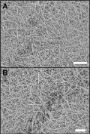
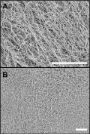
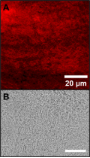
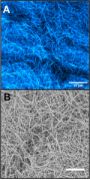
- supramolecular hydrogels present unique challenges in nanoscale morphological characterization because of their fragile fibrous nature and low concentration of the solid component. In this study, imidazolium-based hydrogels containing either diketopyrrolopyrrole (DPP) or zinc(II) phthalocyanine (ZnPc
- ; microscopies; nanostructure; supramolecular hydrogel; Introduction Hydrogels, whether based on self-assembling molecules or cross-linked polymers, are useful in fields ranging from tissue engineering to drug delivery and biosensing [1][2][3][4][5]. Their high water content and soft, porous structure make them
- -limited, preventing direct visualization of nanoscale features [6][8]. Confocal fluorescence microscopy addresses some of these limitations by allowing hydrogels to be imaged in situ, fully hydrated, and often in real time when a fluorophore is incorporated into the colloidal network [2][9]. Through



PEGylated lipids in lipid nanoparticle delivery dynamics and therapeutic innovation
Beilstein J. Nanotechnol. 2025, 16, 1914–1930, doi:10.3762/bjnano.16.133
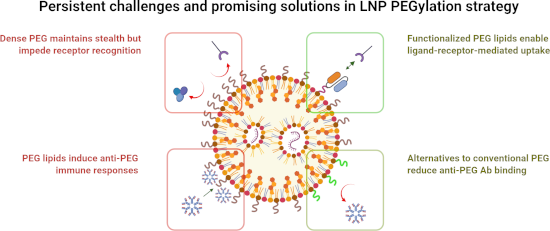
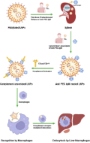
- cosmetics, hydrogels, and lubricants [62]. In lipid nanoparticles, PEG is normally incorporated in the form of PEG lipids, which reside in the surface bilayer to reduce particle aggregation and nonspecific binding. However, studies have shown that PEGylated LNPs can elicit immune responses and accelerated


On the road to sustainability – application of metallic nanoparticles obtained by green synthesis in dentistry: a scoping review
Beilstein J. Nanotechnol. 2025, 16, 1851–1862, doi:10.3762/bjnano.16.128
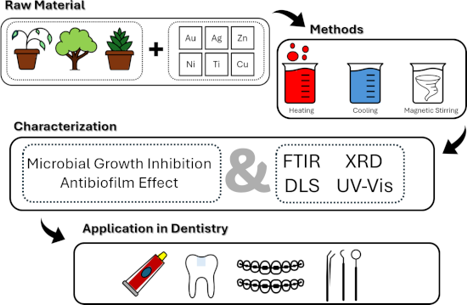
- also hold promise in regenerative dentistry. Incorporated into scaffolds, membranes, and hydrogels, they have demonstrated the ability to enhance osteogenesis and angiogenesis while simultaneously reducing microbial contamination [19]. These multifunctional biomaterials not only support bone and


Parylene-coated platinum nanowire electrodes for biomolecular sensing applications
Beilstein J. Nanotechnol. 2025, 16, 1392–1400, doi:10.3762/bjnano.16.101
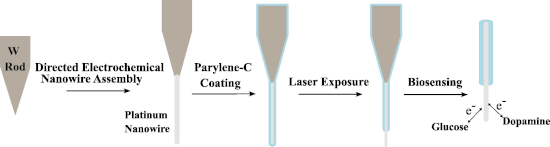
- stability of metal nanoparticles limits their application in biological systems and decreases their performance [12]. Other materials like silicon quantum dots, ion-imprinted polymer, and hydrogels have unique biocompatibility and specificity advantages, but long-term stability and cost make them


Hydrogels and nanogels: effectiveness in dermal applications
Beilstein J. Nanotechnol. 2025, 16, 1216–1233, doi:10.3762/bjnano.16.90
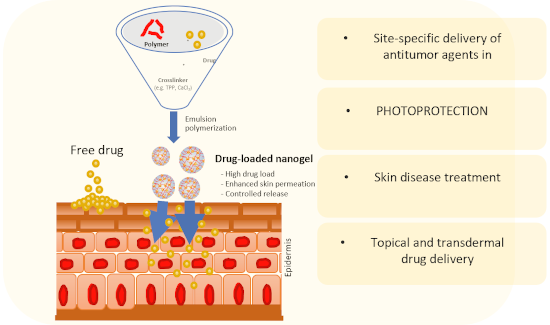
- stability, absorption, and biodistribution impairments. Among the DDSs, we can highlight hydrogels and nanogels, which are easy to obtain, show good biocompatibility, and have several applications in the design of drug carriers for dermal and ocular administration. In this review, we introduce a brief
- concept on hydrogels, underlining compounds such as chitosan and alginate, and methods used for their preparation. Nanogels, with their attractive features, such as high drug encapsulation and penetration enhancer embedding, are also addressed. Finally, the application of these systems in dermal
- -1950s and 1960s [1][2][3][4]. From the beginning, hydrogels composed of cross-linked acrylic acid were designed to release drugs into the body [5]. 2-Hydroxyethyl methacrylate was one of the first compounds used to build hydrogels as drug delivery systems (DDSs) [6]. Over the past century, hydrogels


Investigation of the solubility of protoporphyrin IX in aqueous and hydroalcoholic solvent systems
Beilstein J. Nanotechnol. 2025, 16, 1209–1215, doi:10.3762/bjnano.16.89
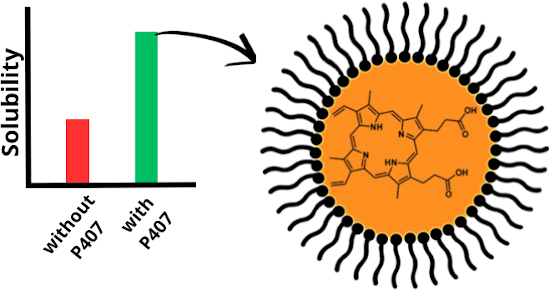
- aggregation, and improve bioavailability in aqueous media [5][16]. Additionally, at high concentrations, P407 can transition into more complex nanostructured systems, such as hydrogels and lyotropic liquid crystals, providing additional control over drug release and stability. The thermosensitive and self
- -assembling properties of P407 make it suitable for advanced nanostructures drug delivery platforms, including polymeric microneedles and hydrogels, ensuring enhanced drug retention and permeation [15][17][18]. Therefore, the present study aimed to investigate the best solvent system for PpIX, in order to


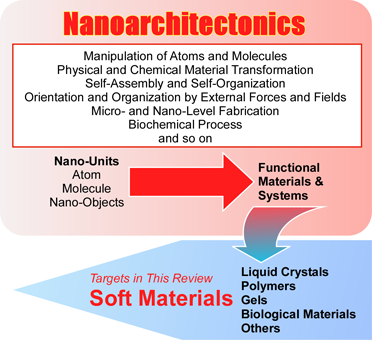
Soft materials nanoarchitectonics: liquid crystals, polymers, gels, biomaterials, and others
Beilstein J. Nanotechnol. 2025, 16, 1025–1067, doi:10.3762/bjnano.16.77
- composition of living cells and organisms includes a multitude of biomolecules, which can be regulated in terms of both concentration and spatial distribution. This enables the exertion of complex biological functions. Synthetic multinetwork hydrogels can be considered analogous to extracellular matrices, and
- have attracted attention due to their exceptionally high toughness and other properties. In a recent review, Kubota provided an overview of the advancements in research on supramolecular-polymer composite hydrogels, a novel class of multinetwork hydrogels [282]. Composite hydrogels can be designed to
- integrate the stimuli responsiveness of supramolecular gels with the rigidity of polymer gels in a rational manner. Supramolecular–polymer composite hydrogels integrate the properties of supramolecular networks and polymer networks, including stimuli responsiveness and rigidity/toughness. This distinctive






Supramolecular hydration structure of graphene-based hydrogels: density functional theory, green chemistry and interface application
Beilstein J. Nanotechnol. 2025, 16, 806–822, doi:10.3762/bjnano.16.61
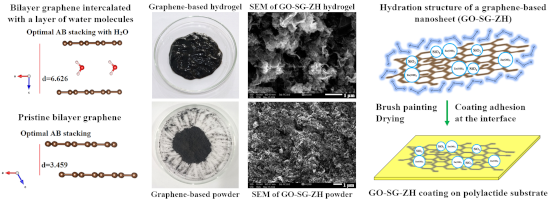
- play an essential role in the structure and function of biomolecules (deoxyribonucleic acid, protein, and phospholipid membrane). Hydration layers are also important to the structure and property of artificial graphene-based materials. Our recent works prove that graphene-based hydrogels are
- hydrogel structure in comparison with dry powder structure. The synthesis of graphene-based hydrogels is a green chemistry approach to attain extraordinary properties of graphene-based nanostructures. Analytical characterizations exhibited moisture contents, water evaporation rates, three-dimensional
- coating on polymer substrates, typically polylactide films. Interfacial adhesion of graphene-based nanosheets on polylactide substrates made the antibacterial coating stable for several application purposes. In general, supramolecular graphene-based hydrogels are bioinspired hydration structures to


Polyurethane/silk fibroin-based electrospun membranes for wound healing and skin substitute applications
Beilstein J. Nanotechnol. 2025, 16, 591–612, doi:10.3762/bjnano.16.46
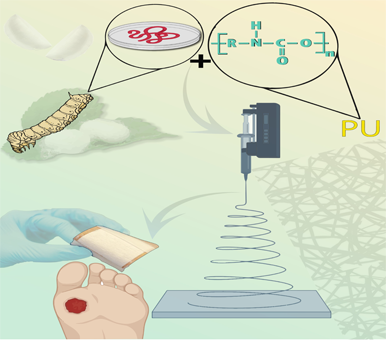
- more effective wound-healing substitutes [50]. Recent advancements in tissue regeneration have further led to the development of innovative wound dressings such as hydrogels and electrospun scaffolds [51]. Electrospinning is an extremely flexible technique that can convert liquids, suspensions, or
- dermal matrix [85]. In vitro studies showed that the use of electrospun silk nanofibers favors the attachment of human fibroblasts, keratinocytes, and deposition of collagen type I [86]. Silk can be processed into hydrogels, scaffolds, and films with the incorporation of bioactive factors such as growth
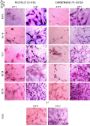
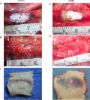
- for tissue engineering, particularly for bone, ligaments, tendons, blood vessels, and cartilage, where mechanical properties and biological interactions are crucial. SF can be fabricated into foams, films, fibers, meshes, and hydrogels, as shown in Figure 4 [97]. Films made of fibroin and collagen



Synthetic-polymer-assisted antisense oligonucleotide delivery: targeted approaches for precision disease treatment
Beilstein J. Nanotechnol. 2025, 16, 435–463, doi:10.3762/bjnano.16.34

- both protein and gene expression, thereby inhibiting the proliferation of targeted colon cancer cells [147][148][149]. In another study, Venuganti et al. prepared hydrogels containing anti-Bcl-2-PAMAM G4 dendrimer complexes for topical targeted iontophoretic delivery of phosphorothioate


Recent advances in photothermal nanomaterials for ophthalmic applications
Beilstein J. Nanotechnol. 2025, 16, 195–215, doi:10.3762/bjnano.16.16
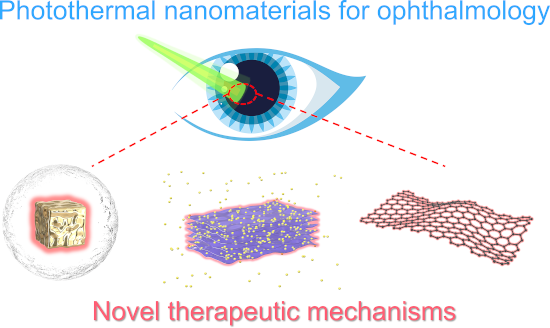
- rich functional groups and surface dangling bonds, enables the effective loading of drugs, targeting molecules, and antibodies [15]. When combined with thermal/pH-sensitive materials, shape memory materials, and hydrogels, they form an efficient platform for photothermal therapy [16]. The efficient
- release are crucial to enhancing drug utilization efficiency and positively impact patient compliance [129][130]. Hydrogels that exhibit reversible gel-to-sol transitions upon heating are emerging as promising materials for photothermal drug release [131]. The application of visible and NIR light locally
- heats the photothermal nanomaterials embedded in these hydrogels, causing them to soften reversibly and release the encapsulated drug. The rate of drug release can be finely tuned by adjusting the concentration of the hydrogel and photothermal nanomaterial, as well as the irradiation conditions [132


A review of metal-organic frameworks and polymers in mixed matrix membranes for CO2 capture
Beilstein J. Nanotechnol. 2025, 16, 155–186, doi:10.3762/bjnano.16.14




Natural nanofibers embedded in the seed mucilage envelope: composite hydrogels with specific adhesive and frictional properties
Beilstein J. Nanotechnol. 2024, 15, 1603–1618, doi:10.3762/bjnano.15.126
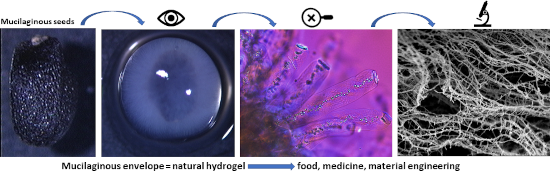
- The increasing interests in natural, biodegradable, non-toxic materials that can find application in diverse industry branches, for example, food, pharmacy, medicine, or materials engineering, has steered the attention of many scientists to plants, which are a known source of natural hydrogels
- . Natural hydrogels share some features with synthetic hydrogels, but are more easy to obtain and recycle. One of the main sources of such hydrogels are mucilaginous seeds and fruits, which produce after hydration a gel-like, transparent capsule, the so-called mucilage envelope. Mucilage serves several
- the mucilage envelope, primarily in the context of its structure and physical properties, as well as biological functions associated with these properties. Keywords: adhesion; cellulose; friction; hydrogel; mucilage envelope; seeds; Introduction The definition of hydrogels describes them as


Unveiling the potential of alginate-based nanomaterials in sensing technology and smart delivery applications
Beilstein J. Nanotechnol. 2024, 15, 1077–1104, doi:10.3762/bjnano.15.88


Electrospun polysuccinimide scaffolds containing different salts as potential wound dressing material
Beilstein J. Nanotechnol. 2024, 15, 781–796, doi:10.3762/bjnano.15.65
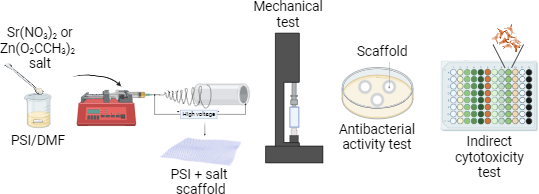
- observed no significant difference in the viability between the control (nontreated) and PASP-treated cells [74]. Furthermore, Juriga et al. found that MG-63 cells can proliferate on PASP-based hydrogels [75]. Like the tumor cells, 155BR human fibroblasts were also subjected to cytotoxicity assays (Figure



Gold nanomakura: nanoarchitectonics and their photothermal response in association with carrageenan hydrogels
Beilstein J. Nanotechnol. 2024, 15, 678–693, doi:10.3762/bjnano.15.56

- hydrogels is not well reported. In this study, nanomakura-shaped anisotropic gold nanoparticles (AuNMs) were synthesized via a surfactant-assisted seed-mediated protocol. Quaternary cationic surfactants having variable carbon tail length (n = 16, 14, 12) were used as capping for tuning the plasmon peak of
- photothermal conversion was exclusively assigned to morphological features (i.e., nanoparticles of higher aspect ratio showed higher temperature change and vice versa irrespective of the surfactant used). To enable biofunctionality and stability, we used kappa-carrageenan- (k-CG) based hydrogels for
- hydrogels for enabling usage on nanophotonic, photothermal, and bio-imaging applications. Keywords: anisotropy; hydrogel; kappa-carrageenan; metal nanoparticles; nanoarchitectonics; nanomakura; photothermal properties; surfactants; Introduction Nanoarchitectonics is the fabrication of functional material






Classification and application of metal-based nanoantioxidants in medicine and healthcare
Beilstein J. Nanotechnol. 2024, 15, 396–415, doi:10.3762/bjnano.15.36
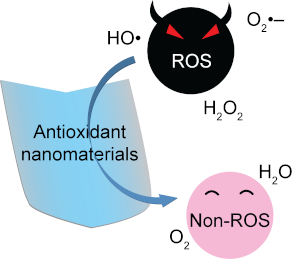
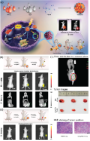
- is not an ideal method because it can be painful. In response, antioxidant nanomaterials coupled with hydrogels provide a promising method to topically deliver antioxidant nanomaterials into the body [154][155]. Nanoantioxidants (such as fullerene, cerium, gold, silver, and iron nanoparticles) and
- hydrogels (such as gelatin methacryloyl, chitosan/polycaprolactone, polyvinyl alcohol/chitosan, and polypyrrole-grafted gelatin) were combined to generate diverse combinations of nanocomposites for wound repair [156][157][158][159][160][161]. This strategy not only endows nanoantioxidants with topical


Influence of conductive carbon and MnCo2O4 on morphological and electrical properties of hydrogels for electrochemical energy conversion
Beilstein J. Nanotechnol. 2024, 15, 57–70, doi:10.3762/bjnano.15.6
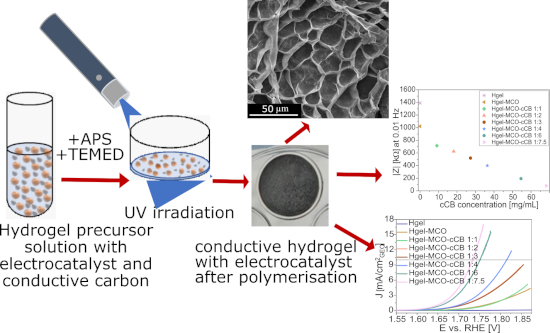
- ; hydrogel; hydrogen; oxygen evolution reaction; polymer composites; Introduction Hydrogels are defined as a group of polymeric materials with an insoluble hydrophilic structure which gives them the ability to absorb and hold large amounts of water (up to over 99 wt %) in their three-dimensional network
- . The phenomenon in which hydrogels swell in water while not dissolving in it is due to hydrophilic functional groups attached to the polymer backbone and cross-links between the network chains. High water content makes hydrogel materials similar in terms of microstructure and flexibility to living
- ][2][3]. The methods of synthesising hydrogels are divided into two basic groups, including physical and chemical cross-linking. Physical cross-linking methods, which are mainly related to the synthesis of natural hydrogels, include changes in intermolecular interactions (e.g., hydrophobic


Industrial perspectives for personalized microneedles
Beilstein J. Nanotechnol. 2023, 14, 857–864, doi:10.3762/bjnano.14.70
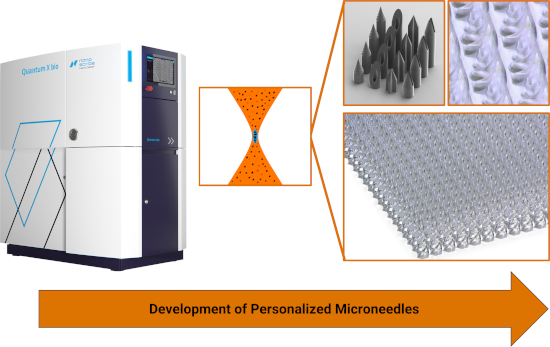
- hydrogels infused with hyaluronic acid, salicylic acid, caffeine, various vitamins (B3, C, and E), and a blend of various peptides. Beyond cosmetic applications, microneedle patches are also being investigated for vaccine delivery. The most notable example of vaccine-loaded microneedles comes from the


Conjugated photothermal materials and structure design for solar steam generation
Beilstein J. Nanotechnol. 2023, 14, 454–466, doi:10.3762/bjnano.14.36
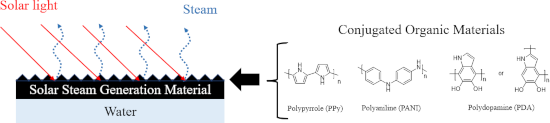
- animal dermis and ensures its long-term applicability for actual solar steam generation [42]. In 2018, Yin et al. reported a poly(ethylene glycol) diacrylate (PEGDA) and PANI-based photothermal double-network hydrogel called p-PEGDA-PANI [35]. Porous PEGDA (p-PEGDA) hydrogels were obtained by a facile
- solvent casting/particle leaching process. Then, the polymeric photothermal material PANI nanowires were cross-linked to the p-PEGDA hydrogels. This manufacturing process is simple, time-saving, and cost-effective (Figure 7a). The strong absorption capability of PANI was verified by its absorption
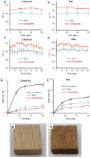
- spectrum and UV–vis–NIR absorption spectra of the hydrogels. (Figure 7 was adapted with permission from [35], Copyright 2018 American Chemical Society). (a) Schematic illustration of the synthetic route to APDA. (b) UV–vis–NIR absorption spectra of APDA and PDA. (c) Absorption spectrum of the APDA–wood





