


Search results
Search for "hydrophilicity" in Full Text gives 135 result(s) in Beilstein Journal of Nanotechnology.
Environmental applications of silver nanoparticles: state-of-the-art review and emerging trends
Beilstein J. Nanotechnol. 2026, 17, 697–736, doi:10.3762/bjnano.17.49
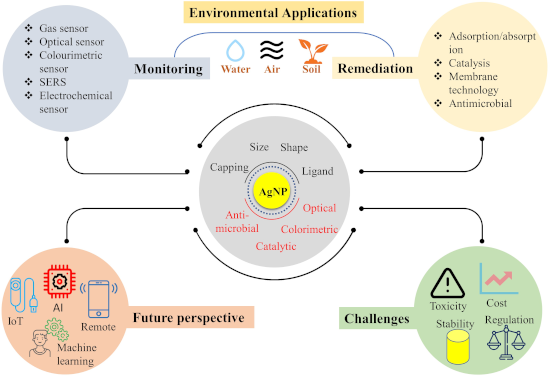
- . This nanosystem degrades more than 89% of dye even after the 25th cycle and increases flux (3–12 times) compared to the layer-by-layer approach [142]. A hydrophilic PVC-based nanofiber membrane was developed by adding PEG, chitosan NPs, and AgNPs. PEG provides hydrophilicity to the membrane, and AgNPs


Decontamination from water pollutants and pathogens by electrospun nanofibers doped with heavy-atom-free borafluorene-BODIPY photosensitizers
Beilstein J. Nanotechnol. 2026, 17, 668–682, doi:10.3762/bjnano.17.46
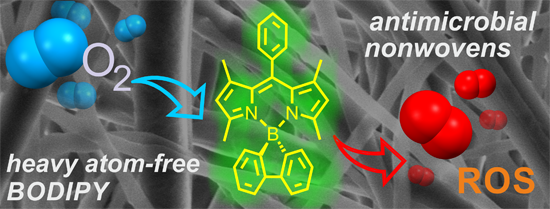
- typical range for electrospun materials. The addition of highly hydrophobic BODIPY to the polymer fibers slightly reduced the hydrophilicity of the material. This is evidenced by a small but systematic decrease in the water contact angle (WCA), from 122° ± 0.9° for pure PCL to 117.49° ± 3.1° for 1(0.50 wt
- selected as optimal matrix for the immobilization of 1 due to its higher hydrophilicity and wettability with respect to poly(methyl methacrylate) and polystyrene. Remarkably, the 1@PCL materials enabled complete degradation of cimetidine, selected as a model pollutant from pharmaceutical industry



Cellulose as a photocatalyst support material: extraction, structural features, and environmental applications
Beilstein J. Nanotechnol. 2026, 17, 635–652, doi:10.3762/bjnano.17.44
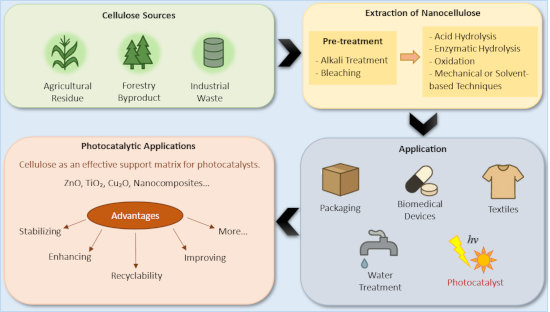
- applications, the addition of CNCs has been shown to enhance several key membrane characteristics, including increased hydrophilicity, greater mechanical strength, and reduced susceptibility to irreversible fouling. These combined improvements result in CNCs-based membranes that are not only more effective but


Upcycling agroindustrial waste into graphene oxide supports for gold nanoparticles: toward sustainable nanomaterials
Beilstein J. Nanotechnol. 2026, 17, 489–504, doi:10.3762/bjnano.17.32
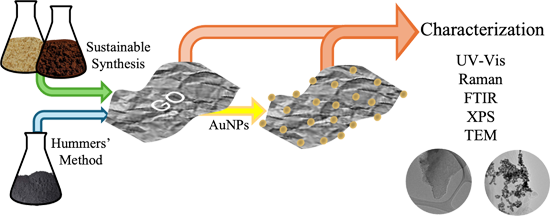
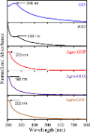
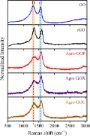
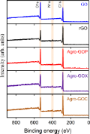
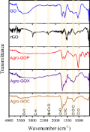
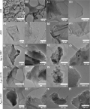
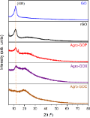
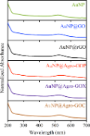
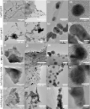
- below ~100 °C is observed for all samples and is attributed to the removal of physically adsorbed and intercalated water, being more pronounced for GO due to its higher hydrophilicity. GO displays a sharp weight loss in the 150–250 °C range, corresponding to the decomposition of labile oxygen-containing



Biomimetic nanoparticles in cancer photodynamic therapy: a review of targeted delivery systems and therapeutic outcomes
Beilstein J. Nanotechnol. 2026, 17, 396–422, doi:10.3762/bjnano.17.27
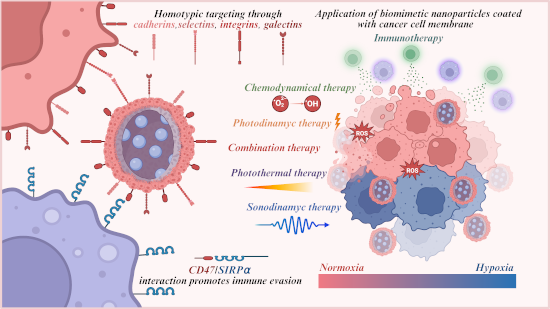
- hydrophilicity/lipophilicity ensures selective accumulation in target tissues, such as tumors via the EPR effect, and efficient cellular internalization. Low photobleaching sustains activity during treatment, while biocompatibility and biodegradability reduce adverse effects and enhance the therapeutic index
- PSs bearing conjugatable functional groups (e.g., carboxyl) onto the surface of bioinspired nanoparticles such as noble metal nanoparticles (Ag and Au). Stable ester bond formation secures the PS to the nanocarrier surface, offering hydrophilicity, biocompatibility, and enhanced biological delivery


Polycatecholamine nanocoatings on stainless steel: the effect on attachment of human fibroblasts and platelets
Beilstein J. Nanotechnol. 2026, 17, 365–380, doi:10.3762/bjnano.17.25
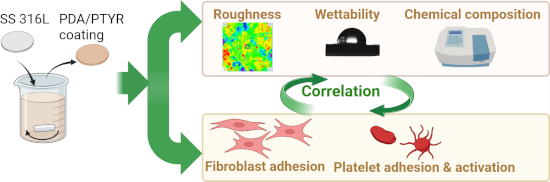
- potential to serve as a biomedical coating. In a previous study from our groups, coatings derived from ʟ-tyrosine, ʟ-phenylalanine, and 2-phenylethylamine were shown to substantially reduce water contact angles by 50–80%, indicating a pronounced increase in surface hydrophilicity [12]. Thus, we now focused
- nanocoatings might thus be more promising than thicker PDA coatings in this respect, and more extensive research is needed to explore their potential in nanoengineered biomaterial applications. In terms of cell adhesion to polycatechol nanocoatings, our study showed that there is a hydrophilicity and roughness




Advancing nanolithography: a comprehensive review of materials for local anodic oxidation with AFM
Beilstein J. Nanotechnol. 2026, 17, 275–291, doi:10.3762/bjnano.17.19
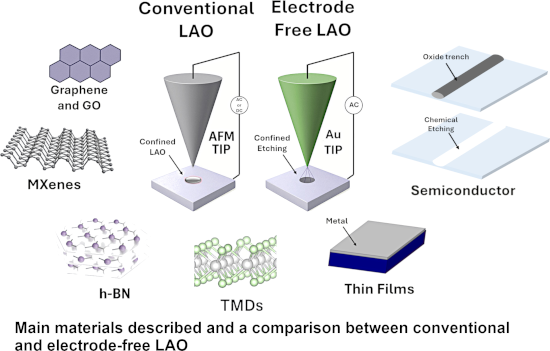
- the meniscus and broadens oxide lines. Conversely, lower humidity reduces meniscus volume and enables narrower, better-defined features. Although RH of 35–55% is widely used for Si and other common substrates, the optimal range can shift depending on the substrate surface chemistry, hydrophilicity


Influence of surface characteristics on the in vitro stability and cell uptake of nanoliposomes for brain delivery
Beilstein J. Nanotechnol. 2026, 17, 139–158, doi:10.3762/bjnano.17.9
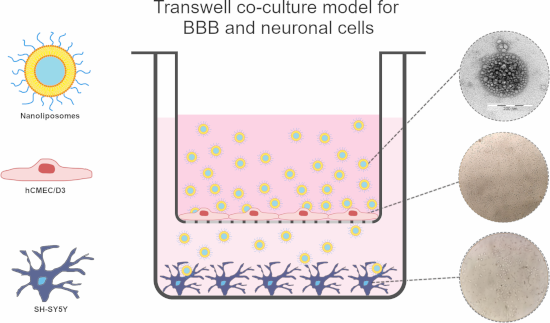
- can conclude that hydrophilicity as well as surface charge can significantly affect the nanosystem delivery to the BBB, and thus brain tissues. When it comes to the cellular uptake of the NLs by the SH-SY5Y cell line, there is a different trend of quantitative internalization among the formulations




Development and in vitro evaluation of liposomes and immunoliposomes containing 5-fluorouracil and R-phycoerythrin as a potential phototheranostic system for colorectal cancer
Beilstein J. Nanotechnol. 2026, 17, 97–121, doi:10.3762/bjnano.17.7
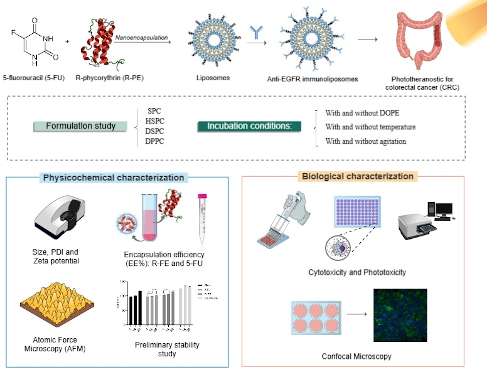
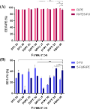
- be explained by small size and high hydrophilicity of the drug – features that hinder its retention in the aqueous core of liposomes. These findings are in line with previous studies: Petrilli et al. (2018) reported EE% values of 45.8 ± 2.0 using DSPC and cholesterol [19], while Crisóstomo et al
- findings highlight the importance of optimizing lipid composition not only according to the general hydrophilicity or lipophilicity of the drug, but also considering the molecular size, structure, and specific interactions with lipid components. The stability of formulations containing HSPC 50 was



Functional surface engineering for cultural heritage protection: the role of superhydrophobic and superoleophobic coatings – a comprehensive review
Beilstein J. Nanotechnol. 2026, 17, 63–96, doi:10.3762/bjnano.17.6





Ultrathin water layers on mannosylated gold nanoparticles
Beilstein J. Nanotechnol. 2025, 16, 2183–2198, doi:10.3762/bjnano.16.151
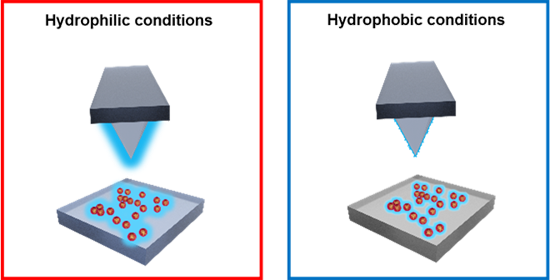
- transmission of airborne viruses, such as influenza. Keywords: AFM; humidity; hydrophilicity; hydrophobicity; nanoparticles; sum frequency generation spectroscopy; viruses; water; wetting; Introduction Gold nanoparticles (AuNPs) have been a staple in biomedical and biophysical research [1][2] for almost a
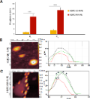
- either case the NPs will expand. We will, however, demonstrate the role of the ligand conformation. We obtained detailed spatial characterization by SEM, to measure size and shape, and to detect aggregation upon adsorption on surfaces of different hydrophilicity (see Supporting Information File 1
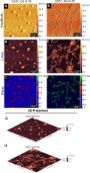
- amplitude–distance curves are accessed. Second, tips with different hydrophilicity complement topographic information with accurate height determination. Third, the same is true for surfaces; self-assembled monolayers (SAMs) of silanes are well suited to assess the water layer contribution in AFM



Beyond the shell: exploring polymer–lipid interfaces in core–shell nanofibers to carry hyaluronic acid and β-caryophyllene
Beilstein J. Nanotechnol. 2025, 16, 2015–2033, doi:10.3762/bjnano.16.139
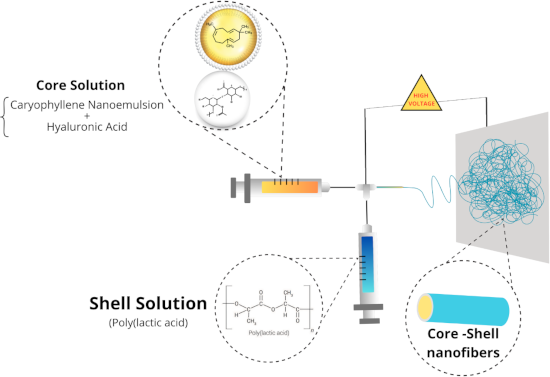
- degradation, and moderate hydrophilicity, but also biocompatibility, non-toxicity, and non-carcinogenicity [5]. Adhering to these critical quality requirements for biomedical products, polylactic acid (PLA) was selected for nanofiber production. This biotechnologically derived aliphatic polyester is a rigid
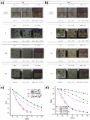
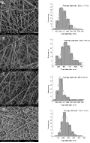
- surface distribution may compromise encapsulation efficiency and alter release kinetics [76]. Surface hydrophilicity The hydrophilicity of the membranes was evaluated through contact angle measurements. Figure 10 shows photographs of a water droplet in contact with the surface of the samples: (a
- high hydrophobicity of this polymer. In cases where not all the hydrophilic core content is fully coated by the shell, a reduction in membrane hydrophobicity is observed due to the presence of hydrophilic nanofibers [77]. Surface hydrophilicity assays revealed that the produced nanofibers exhibit high




PEGylated lipids in lipid nanoparticle delivery dynamics and therapeutic innovation
Beilstein J. Nanotechnol. 2025, 16, 1914–1930, doi:10.3762/bjnano.16.133
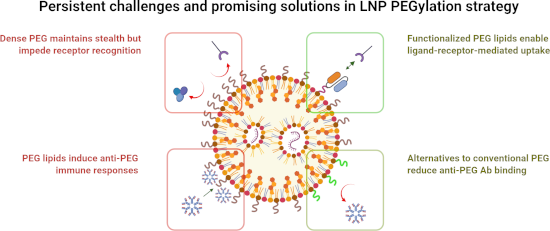
- ) (PMOZ) and poly(2-ethyl-2-oxazoline) (PEOZ) [82][83]. Structurally, these polymers have short alkyl side chains that contribute to high hydrophilicity and flexibility. Unlike the entangled PEG chains due to interchain hydrogen bonding and van der Waals forces, poly(2-oxazoline) chains have shorter side
- functional end group, offering a potential strategy to modulate antibody recognition. Commonly used PEG lipids such as DMG-PEG and DSPE-PEG have methoxy as their terminal capping group. This methoxy group is chemically stable and contributes to hydrophilicity. However, it is also the primary epitope



Exploring the potential of polymers: advancements in oral nanocarrier technology
Beilstein J. Nanotechnol. 2025, 16, 1751–1793, doi:10.3762/bjnano.16.122
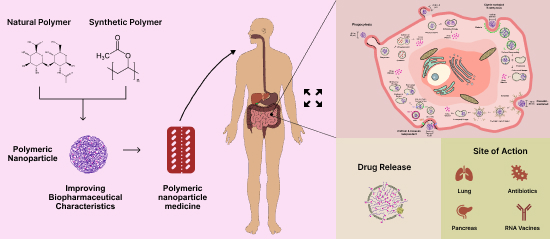
- enzymatic degradation. Consequently, copolymers with hydrophobic and hydrophilic segments are widely used in NPs to ensure more predictable release rates [28][62][63]. The hydrophobicity and hydrophilicity of polymers are directly related to their in vivo stability, influencing the pharmacokinetics and
- biological distribution of NPs. Increased hydrophilicity determines the degradation rate and their recognition by the reticuloendothelial system, preventing adsorption and nonspecific protein interactions. Furthermore, it enhances steric repulsion, reducing opsonization and activation of the complement


Nanotechnology-based approaches for the removal of microplastics from wastewater: a comprehensive review
Beilstein J. Nanotechnol. 2025, 16, 1607–1632, doi:10.3762/bjnano.16.114
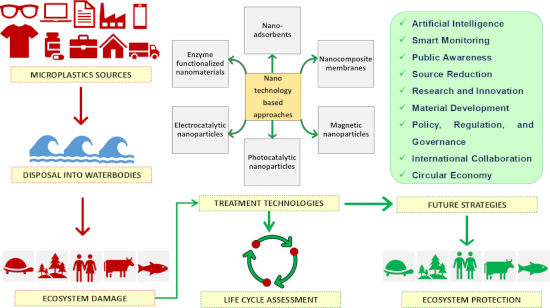
- membrane by integrating sustainably synthesized MIL-100 (Fe) MOF nanoparticles into a polysulfone (PSF) matrix. This PSF/MIL-100 (Fe) membrane exhibited substantial improvements over the unmodified PSF membrane (M0), particularly in terms of membrane structure, surface hydrophilicity (with the water
- area and layered, folded structures. These 2D materials are known for their chemical robustness, surface functionality, hydrophilicity, excellent electrical conductivity, and eco-friendly nature. Due to these properties, MXenes, particularly titanium carbide derivatives (Ti3C2Tx), have become widely


Photocatalytic degradation of ofloxacin in water assisted by TiO2 nanowires on carbon cloth: contributions of H2O2 addition and substrate absorbability
Beilstein J. Nanotechnol. 2025, 16, 1567–1579, doi:10.3762/bjnano.16.111
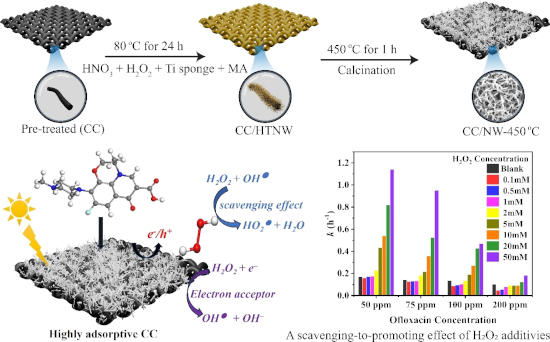
- ). Remarkably, the CC/NW-450 °C composite exhibits a contact angle of 0° (Supporting Information File 1, Figure S9c), showing complete wettability. This significant enhancement in hydrophilicity is attributed to the high surface roughness and porous hydrophilic nanowire architecture formed on the carbon cloth
- , which improves water spreading and facilitates the adsorption of aqueous pollutants during photocatalytic degradation [34]. The Ti foil covered with TiO2 nanowires (TiP/NW-450 °C) exhibits a contact angle of around 62.4° (Supporting Information File 1, Figure S9a), reflecting a moderate hydrophilicity


Laser processing in liquids: insights into nanocolloid generation and thin film integration for energy, photonic, and sensing applications
Beilstein J. Nanotechnol. 2025, 16, 1428–1498, doi:10.3762/bjnano.16.104






Synthesis and antibacterial properties of nanosilver-modified cellulose triacetate membranes for seawater desalination
Beilstein J. Nanotechnol. 2025, 16, 1380–1391, doi:10.3762/bjnano.16.100
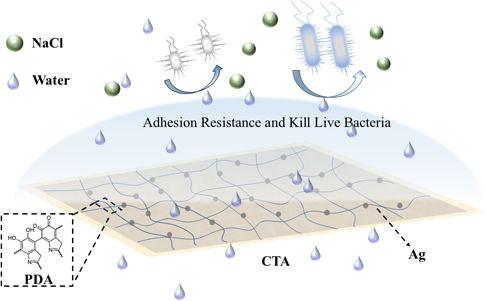
- PAN nanofibers, enhancing the hydrophilicity and antibacterial properties of the membrane [20]. Elimelech’s group introduced copper nanoparticles (Cu NPs) onto the surface of thin-film composite (TFC) polyamide RO membranes through a method involving electrostatic functionalization. The functionalized
- fibers boast exceptional hydrophilicity, facile film-forming ability, high salt retention rate, cost effectiveness, environmental friendliness, and resistance to chlorine; making it a promising material for water desalination [25][26][27]. However, CTA is susceptible to erosion and degradation by
- primary factors. First, the abundant –OH and amino groups in PDA promote hydrogen bonding with water molecules, thereby enhancing the hydrophilicity of the membrane surface. This effect is further amplified by the dopamine coating, which not only increases the membrane thickness but also augments its


Soft materials nanoarchitectonics: liquid crystals, polymers, gels, biomaterials, and others
Beilstein J. Nanotechnol. 2025, 16, 1025–1067, doi:10.3762/bjnano.16.77






Polyurethane/silk fibroin-based electrospun membranes for wound healing and skin substitute applications
Beilstein J. Nanotechnol. 2025, 16, 591–612, doi:10.3762/bjnano.16.46
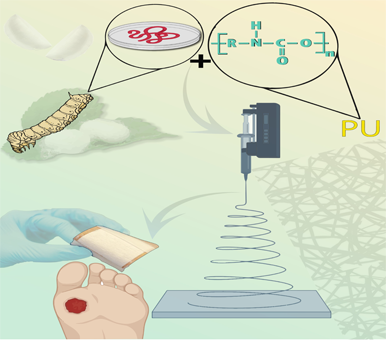
- suitable hydrophilicity for cell proliferation and promoted higher keratinocyte proliferation and viability after seven days compared to pure PCL and SF nanofibers [68]. In another study, Lee et al. explored the use of 3D electrospun SF nanofibers as a dermal substitute for full-thickness skin defects
- to speed up the PU synthesis. The initial ratio of the three key components and synthesis route and parameters are the primary factors that influence the properties of PU, such as degradability, flexibility, and hydrophilicity. By adjusting these factors, the characteristics of PU can be effectively
- survival, cell adhesion and proliferation, increased blood clotting capacity, and better hydrophilicity, PU was employed as the base polymer and combined with CA and zein (a natural polymer) [158]. Numerous studies have shown that manufacturing PU with organic polymers, such as chitosan, helps to create a



Water in nanoporous hexagonal boron nitride nanosheets: a first-principles study
Beilstein J. Nanotechnol. 2025, 16, 510–519, doi:10.3762/bjnano.16.39
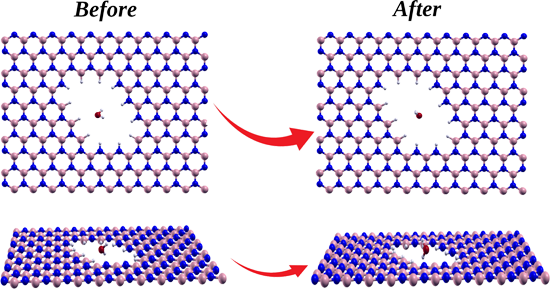
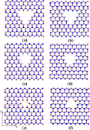
- affect the hydrophilicity of the h-BN monolayer. Triangular pores render h-BN less hydrophilic than rhombic pores. This distinct behavior between triangular and rhombic pores suggests that pore shape can have a substantial impact on the flow of water through the material. An intriguing aspect of the




Pulsed laser in liquid grafting of gold nanoparticle–carbon support composites
Beilstein J. Nanotechnol. 2025, 16, 349–361, doi:10.3762/bjnano.16.26
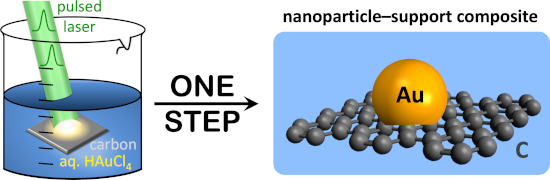
- , rapid, scalable, acid-free process to make carbon fiber paper hydrophilic without destroying the carbon network, as other carbon fiber paper oxidation methods do [22], evident from scanning electron microscopy (SEM) imaging (Figure 2A). Hydrophilicity was achieved by graphitic edge carbon oxygenation


Graphene oxide–chloroquine conjugate induces DNA damage in A549 lung cancer cells through autophagy modulation
Beilstein J. Nanotechnol. 2025, 16, 316–332, doi:10.3762/bjnano.16.24
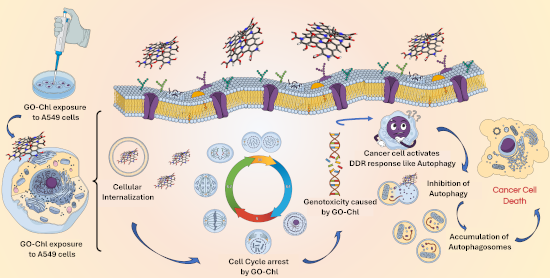
- -based propidium iodide uptake analysis The efficacy of nanomedicines mainly depends upon the effective cellular internalization and their transport to the appropriate intercellular effector site [52][53]. Studies have shown that based on its size and surface characteristics (i.e., hydrophilicity or



Enhancing mechanical properties of chitosan/PVA electrospun nanofibers: a comprehensive review
Beilstein J. Nanotechnol. 2025, 16, 286–307, doi:10.3762/bjnano.16.22

- hydrophilicity, and low thermal stability [106][107]. The disadvantages often necessitate the combination of PVA with other materials or the application of post-processing techniques such as cross-linking or coating for performance improvement [108]. As a countermeasure, Rafieian et al. [109] proposed
- number of adsorption sites on the surface, improve mechanical properties, enhance hydrophilicity and wettability, and stabilize nanofibers in aqueous solutions [156]. Numerous techniques have been developed to modify the surface properties of electrospun nanofibers, including surface graft polymerization


Recent advances in photothermal nanomaterials for ophthalmic applications
Beilstein J. Nanotechnol. 2025, 16, 195–215, doi:10.3762/bjnano.16.16
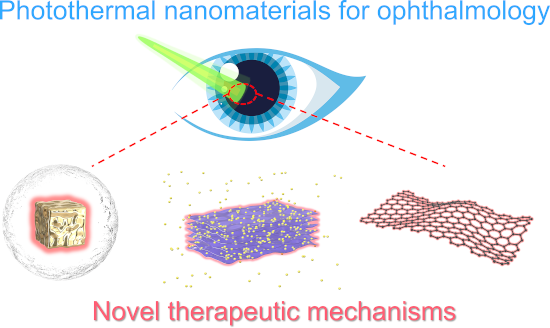
- the dielectric environment present during their synthesis (see below in Figure 2b) [48][49]. Because of the direct occurrence of photothermal conversion on the surfaces of LSPR metals and its rapid nature, combined with the metals’ inherent high thermal conductivity and strong hydrophilicity, LSPR





