


Search results
Search for "hydrothermal" in Full Text gives 241 result(s) in Beilstein Journal of Nanotechnology. Showing first 200.
Room-temperature NO2 sensing performance of ZnO/Ti3C2Tx heterojunctions
Beilstein J. Nanotechnol. 2026, 17, 1159–1169, doi:10.3762/bjnano.17.79
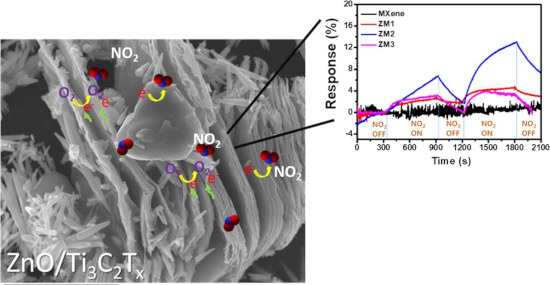
- hydrothermal approach to fabricate ZnO nanofibers, yielding enhanced NO2 sensing performance. Notably, ultraviolet (UV) irradiation has emerged as an efficacious strategy to enhance the recovery kinetics of gas-sensitive materials by facilitating desorption reactions. Zhang et al. demonstrated the efficacy of

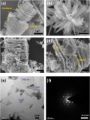


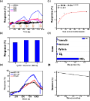


Synthesis of carbon dot-mediated gold nanostructures: experimental and quantum chemical insights into turn-on fluorescence sensing of N-acetylcysteine
Beilstein J. Nanotechnol. 2026, 17, 1103–1116, doi:10.3762/bjnano.17.75
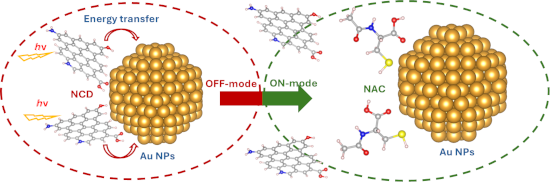
- sustainable hydrothermal approach was employed to synthesize nitrogen-doped carbon dots (NCDs) using lemon juice as a natural precursor. The as-prepared NCDs served as eco-friendly reducing agents and stabilizing scaffolds for the subsequent in situ synthesis of gold nanoparticles (Au@NCDs). The structural
- -100-Z2, Japan). The glass chromatographic column with 45 cm in length and 2 cm in diameter was purchased from Duran, Germany. Synthesis of nitrogen-doped carbon dots NCDs were synthesized via a modified hydrothermal method [46]. Typically, a mixture of 20 mL of fresh lemon juice and 0.8 g of urea was
- matrix-spike experiments are required for complete method validation and should be included in future studies. Conclusion NCDs were successfully synthesized via a facile green process based on modified hydrothermal method from fresh lemon juice and urea as precursors. These NCDs function as both reducing


Electrochemical sensing of sildenafil in pharmaceutical formulations using an (S,N)-doped reduced graphene oxide-modified electrode
Beilstein J. Nanotechnol. 2026, 17, 1087–1102, doi:10.3762/bjnano.17.74
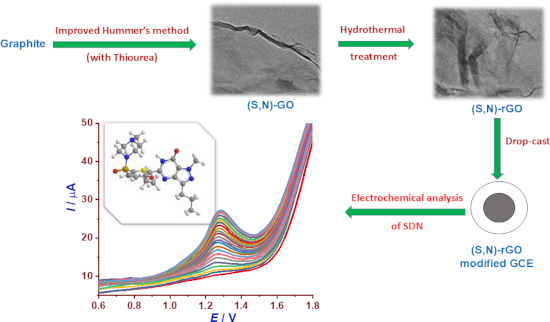
- was dispersed in a mixture of 50 mL distilled water and 30 mL ethanol. The suspension was ultrasonicated for 60 min to ensure uniform dispersion, then transferred into a Teflon-lined autoclave. The hydrothermal reduction was conducted at 180 °C for 12 h. After naturally cooling to room temperature
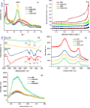
- , mesopores originate from the partial restacking and wrinkling of graphene layers. In contrast, (S,N)-rGO shows reduced microporous (13.1 m2·g−1) and mesoporous (29.6 m2·g−1) contributions compared to rGO. This decrease may result from structural rearrangement or partial pore collapse during hydrothermal
- attributed to the synergistic effects of reduced graphene oxide and nitrogen/sulfur heteroatom doping. The hydrothermal reduction restores the conjugated sp2 carbon network, resulting in improved electrical conductivity and accelerated electron-transfer kinetics. Meanwhile, the incorporation of nitrogen and



Ultrasonic irradiation in the synthesis of nanohydroxyapatite: a chemically friendly technique for improving hemocompatibility and antibiofilm applications
Beilstein J. Nanotechnol. 2026, 17, 991–1015, doi:10.3762/bjnano.17.68
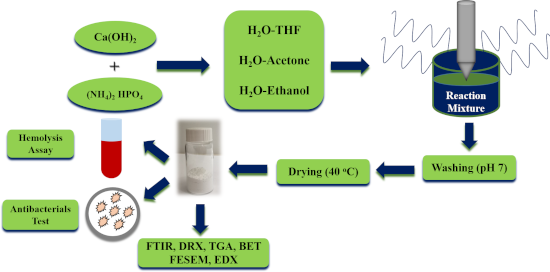
- ], and implant coatings [13]. The most widely reported method for obtaining hydroxyapatite is the hydrothermal method [14]. However, this synthesis procedure involves high energy consumption and prolonged reaction times [15]. Figure 2 summarizes some of the advantages and disadvantages of each synthesis
- , significantly reducing energy consumption compared to traditional hydrothermal routes that require more drastic conditions. In addition, selecting aqueous solvents contributes to a greener process, aligning with the goal of reducing chemical toxicity through proper solvent selection and dilution [25]. Green
- can be prepared in shorter periods than those used in conventional synthesis methods such as hydrothermal, precipitation, and sol–gel. For the W/THF mixtures, the optimum time for maximum yield was 30 min. Using W/ACET and W/ETOH, the maximum yields were achieved after 45 min of irradiation. These




Materials challenges in solid-state sensors for continuous monitoring of ions in water
Beilstein J. Nanotechnol. 2026, 17, 935–973, doi:10.3762/bjnano.17.66


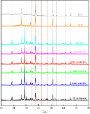
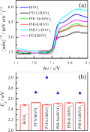
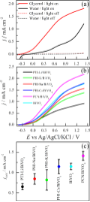
Glycerol photoelectrochemical oxidation reaction at carbon nitrides/BiVO4 materials
Beilstein J. Nanotechnol. 2026, 17, 806–817, doi:10.3762/bjnano.17.57
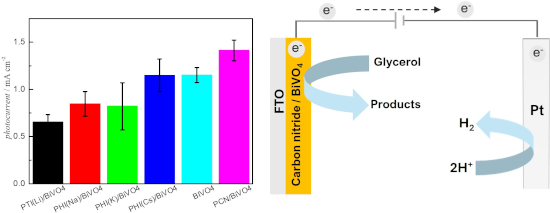
- Synthesis of carbon nitrides The PCN synthesis followed the procedure described by Silva et al. [31]. Briefly, the synthesis was carried out in a hydrothermal reactor for the polymerization of melamine in 25 mL of distilled water at 80 °C for 4 h. At the end of the process, the solvent was evaporated, and




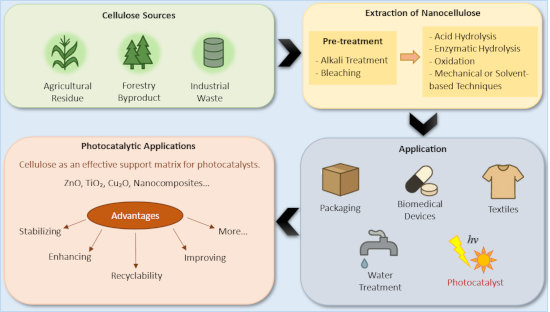
Cellulose as a photocatalyst support material: extraction, structural features, and environmental applications
Beilstein J. Nanotechnol. 2026, 17, 635–652, doi:10.3762/bjnano.17.44


Two-step laser synthesis of Ag@TiO2 nanomaterials for the photocatalytic degradation of rhodamine B
Beilstein J. Nanotechnol. 2026, 17, 622–634, doi:10.3762/bjnano.17.43
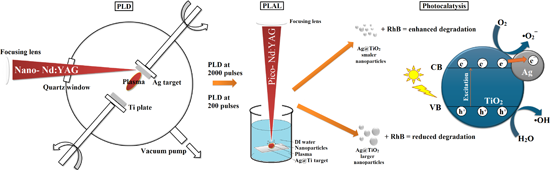
- -assisted photoreduction, hydrothermal synthesis, and microwave synthesis), more powerful light sources (500 W), and higher dosages of the photocatalyst. It is important to note that the samples in the present study were prepared using a purely physical method, that is, a combination of pulsed laser


Electrochemical determination of ciprofloxacin using a MIL-101/reduced graphene oxide-modified electrode
Beilstein J. Nanotechnol. 2026, 17, 541–554, doi:10.3762/bjnano.17.35
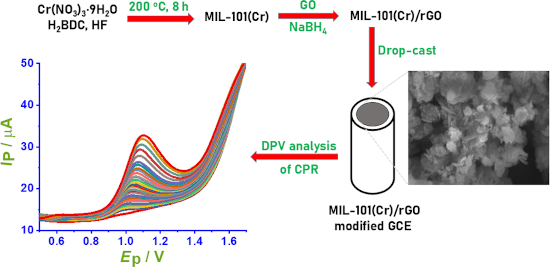
- [17]. MIL-101(Cr) was prepared through a hydrothermal reaction by dissolving terephthalic acid (H2BDC, 1.66 g) and chromium(III) nitrate nonahydrate (Cr(NO3)3·9H2O, 4.0 g) in 48 mL of deionized water, followed by the addition of 2 mL of hydrofluoric acid. The mixture was transferred to a Teflon-lined


Upcycling agroindustrial waste into graphene oxide supports for gold nanoparticles: toward sustainable nanomaterials
Beilstein J. Nanotechnol. 2026, 17, 489–504, doi:10.3762/bjnano.17.32
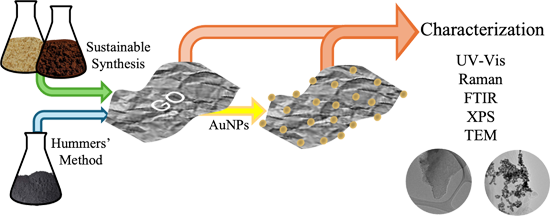
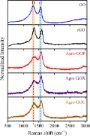
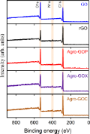
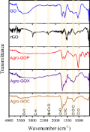
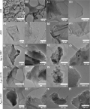
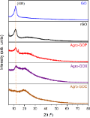
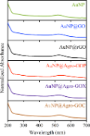
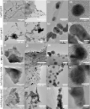
- scaled up for industrial applications. In this context, there is an urgent need to develop sustainable methods for producing GO-based materials. Alternative approaches such as electrochemical exfoliation, green oxidation processes, hydrothermal treatment, and pyrolysis have emerged as more eco-friendly



Eco-efficient materials for agricultural crops based on a mineral rich in MOR- and HEU-type zeolites
Beilstein J. Nanotechnol. 2026, 17, 381–395, doi:10.3762/bjnano.17.26
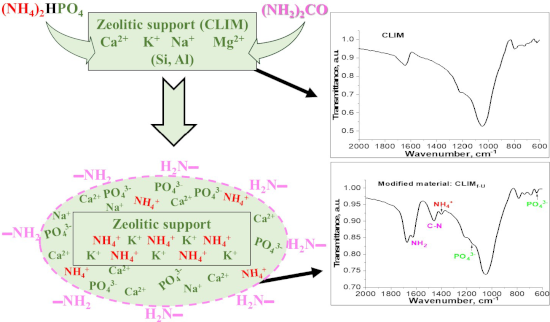
- zeolites, unlike synthetic analogues, do not require expensive chemical raw materials and energy-intensive stages of hydrothermal synthesis. The main costs of their exploitation are associated with extraction and mechanical processing, which significantly reduces the cost of the final product. At the same
- model CHNS-932 was used, for which 6 mg of sample were used, dried before at 60 °C and pulverized in a mortar. For the determination of N content by Kjeldahl, samples were dissolved by hydrothermal treatments with HF, HClO4, and HCl, followed by a procedure similar to that described in [15]. In addition




Functional surface engineering for cultural heritage protection: the role of superhydrophobic and superoleophobic coatings – a comprehensive review
Beilstein J. Nanotechnol. 2026, 17, 63–96, doi:10.3762/bjnano.17.6
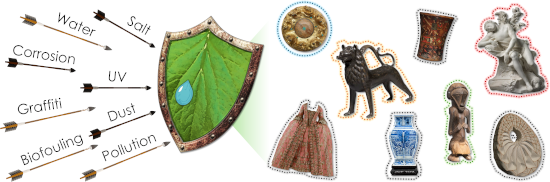
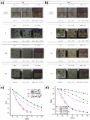
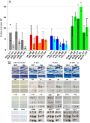
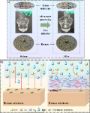
- activity under both UV-A and visible light. The TiO2/C-dot composites were synthesized via a green, hydrothermal method using citric acid and hydroxylamine, resulting in anatase-phase particles. Various C-dot loadings were tested; composites with moderate content (i.e., TC25 and TC50) demonstrated superior




Reduced graphene oxide paper electrode for lithium-ion cells – towards optimized thermal reduction
Beilstein J. Nanotechnol. 2026, 17, 24–37, doi:10.3762/bjnano.17.3
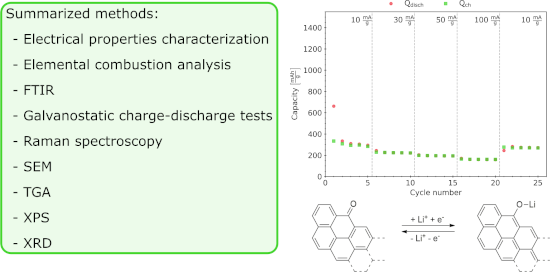
- material reduced at 650 °C in a reducing atmosphere; also, a surfactant agent was applied for the preparation of the film. The capacity values presented herein are also close to those reported by Wen et al. for a non-nitrogen-doped graphene paper sample obtained via a hydrothermal process [58], with a



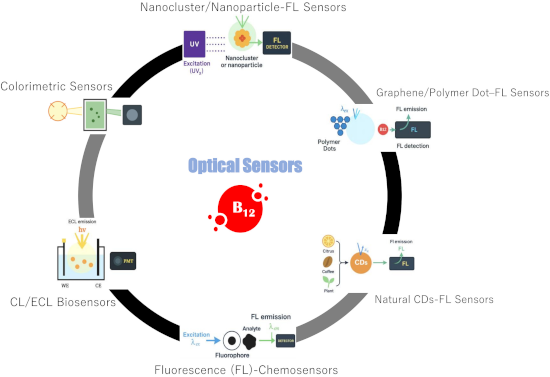
Optical bio/chemical sensors for vitamin B12 analysis in food and pharmaceuticals: state of the art, challenges, and future outlooks
Beilstein J. Nanotechnol. 2025, 16, 2207–2244, doi:10.3762/bjnano.16.153


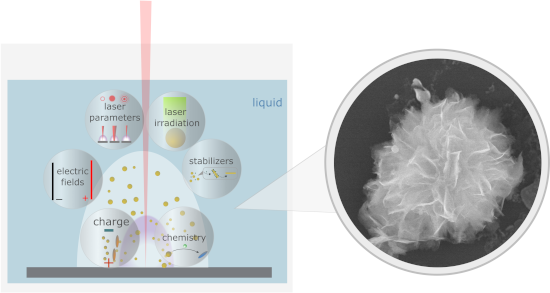
Laser ablation in liquids for shape-tailored synthesis of nanomaterials: status and challenges
Beilstein J. Nanotechnol. 2025, 16, 1963–1997, doi:10.3762/bjnano.16.137




Prospects of nanotechnology and natural products for cancer and immunotherapy
Beilstein J. Nanotechnol. 2025, 16, 1644–1667, doi:10.3762/bjnano.16.116
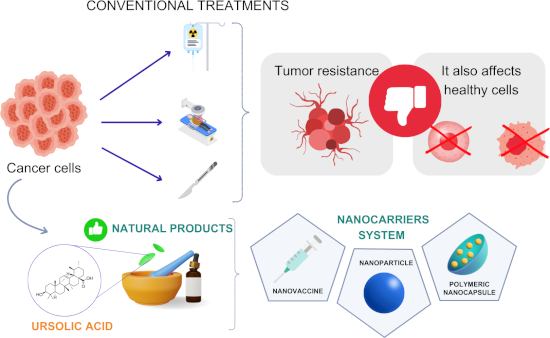
- , microemulsion and inverse microemulsion, hydrothermal method, seeding, sonoelectrodeposition, and coprecipitation can be implemented for the synthesis of nanoparticles [98]. In the context of cancer treatment, nanoparticles promote enhanced biocompatibility, reduced toxicity, and increased stability and
- for therapeutic applications [138]. Organic solvents, ionic liquids, inorganic strong alkalis and acids, enzymes, and hydrothermal treatment are used to obtain polysaccharide nanoparticles [139]. Consequently, polysaccharide-containing nanoparticles offer an alternative for cancer treatment, promoting


Nanotechnology-based approaches for the removal of microplastics from wastewater: a comprehensive review
Beilstein J. Nanotechnol. 2025, 16, 1607–1632, doi:10.3762/bjnano.16.114
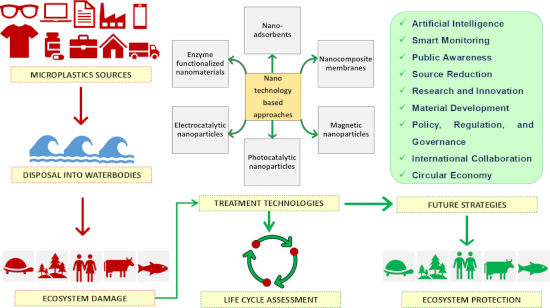
- solution into a gel, enabling precise compositional control and producing homogenous metal oxides suited for photocatalytic applications [74]. Hydrothermal synthesis uses high-temperature, high-pressure aqueous environments to yield well crystalized particles with controlled morphologies, while co


Laser processing in liquids: insights into nanocolloid generation and thin film integration for energy, photonic, and sensing applications
Beilstein J. Nanotechnol. 2025, 16, 1428–1498, doi:10.3762/bjnano.16.104


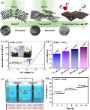


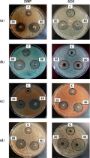


Enhancing the photoelectrochemical performance of BiOI-derived BiVO4 films by controlled-intensity current electrodeposition
Beilstein J. Nanotechnol. 2025, 16, 1289–1301, doi:10.3762/bjnano.16.94
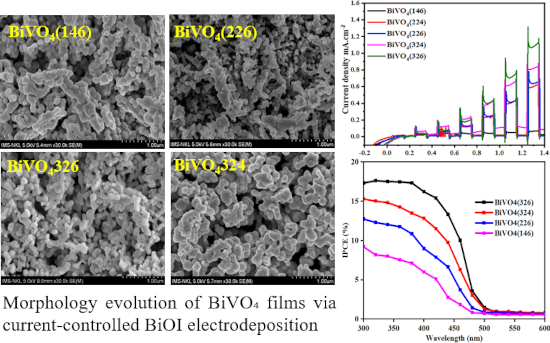
- charge carriers, which severely restrict its PEC performance [10][11][12]. Various strategies have been explored to overcome these challenges and optimize the structural, electronic, and surface properties of BiVO4 [13][14]. Hydrothermal synthesis has been used to produce highly crystalline BiVO4 films
- with large surface areas; for instance, Yun He et al. [15] reported flower-like BiVO4 photoanodes achieving a photocurrent density of 0.81 mA·cm−2 at 1.23 V vs RHE. However, the hydrothermal method often requires high temperatures and prolonged reaction times, and offers limited control over film
- ) was benchmarked against similar studies employing hydrothermal synthesis, direct electrodeposition, and BiOI-derived conversion methods. As summarized in Table 2, our sample achieved a photocurrent density of 1.2 mA·cm−2 at 1.23 V vs RHE, which is comparable to or better than the values reported for

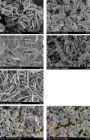


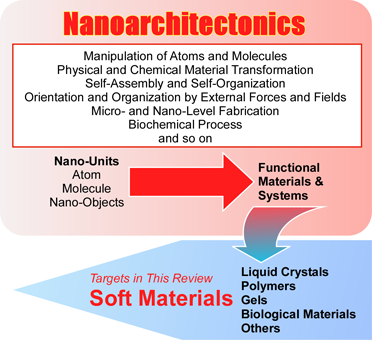
Soft materials nanoarchitectonics: liquid crystals, polymers, gels, biomaterials, and others
Beilstein J. Nanotechnol. 2025, 16, 1025–1067, doi:10.3762/bjnano.16.77






Structural and magnetic properties of microwave-synthesized reduced graphene oxide/VO2/Fe2O3 nanocomposite
Beilstein J. Nanotechnol. 2025, 16, 921–932, doi:10.3762/bjnano.16.70
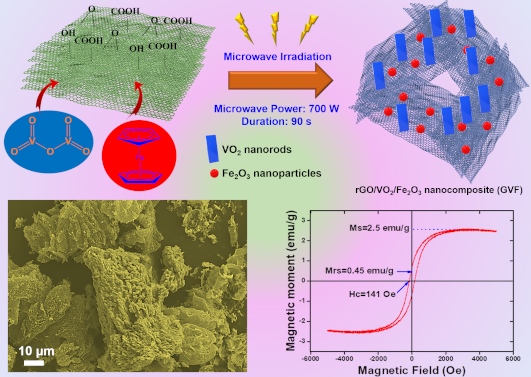
- ternary NCs of graphene materials, several conventional approaches, such as sol–gel, hydrothermal/solvothermal, calcination/thermal annealing, chemical vapor deposition, liquid-phase exfoliation, and freeze-drying have been reported. However, the MW-assisted synthetic approaches are found to be superior
- for supercapacitor applications. In another work, Mn3O4 nanograins-intercalated rGO NC was synthesized through the MW-assisted hydrothermal approach, which showed superior oxygen reduction reaction (ORR) activity [11]. Aside from the oxides, mixed metal sulfides are likewise reported to be combined
- irradiation of constant power for a fixed time duration was applied to form the NC. It is evident that the NCs of Fe2O3 and graphene materials are usually synthesized through hydrothermal/solvothermal processes. In this aspect, a comparative study of a few ternary NCs based on Fe2O3 and graphene materials is



Facile one-step radio frequency magnetron sputtering of Ni/NiO on stainless steel for an efficient electrode for hydrogen evolution reaction
Beilstein J. Nanotechnol. 2025, 16, 837–846, doi:10.3762/bjnano.16.63
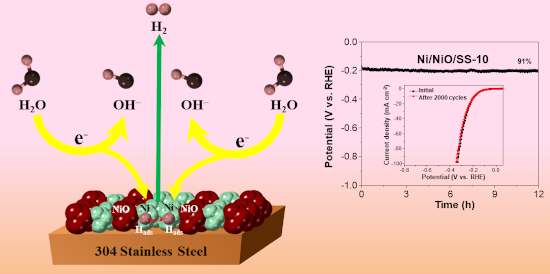
- and coworkers prepared Ni/NiO nanosheets via a hydrothermal process and annealing, which gave a high HER efficiency [18]. Wang et al. found that Ni metal plays a crucial role in NiOx-based material for water electrolysis [19]. However, using chemical methods to fabricate Ni/NiO-based nanomaterials is
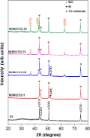


Morphology and properties of pyrite nanoparticles obtained by pulsed laser ablation in liquid and thin films for photodetection
Beilstein J. Nanotechnol. 2025, 16, 785–805, doi:10.3762/bjnano.16.60
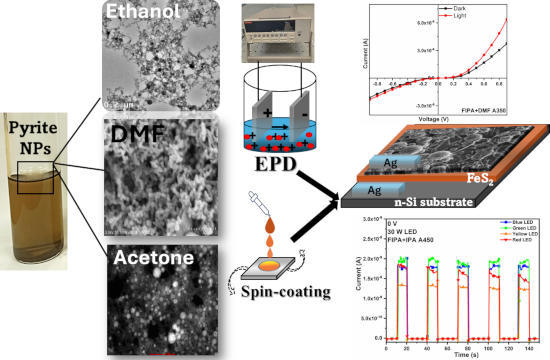
- performance by first fabricating amorphous iron oxide films on normal glass substrates by spray pyrolysis followed by heating in sulfur atmosphere at 350 and 400 °C [20]. For pyrite film fabrication, solvothermal or hydrothermal and chemical synthetic routes are generally adopted [21][22][23]. Henríquez et al
- . reported the synthesis of single-phase FeS2 thin films using a combination of electrochemical and hydrothermal techniques. The electrodeposition was performed in a nonaqueous electrolytic bath consisting of diethylene glycol [24]. Among the deposition techniques, electrophoretic deposition (EPD) is a cost
- ][27][28]. In previous reports on pyrite thin films produced by EPD, Duan et al. deposited pyrite powder created using the sol–gel hydrothermal technique onto ITO substrates [29]. There are no other reports on the deposition of pyrite films using electrophoretic deposition. Spin coating is another thin


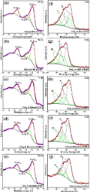


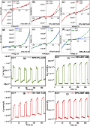


Feasibility analysis of carbon nanofiber synthesis and morphology control using a LPG premixed flame
Beilstein J. Nanotechnol. 2025, 16, 581–590, doi:10.3762/bjnano.16.45
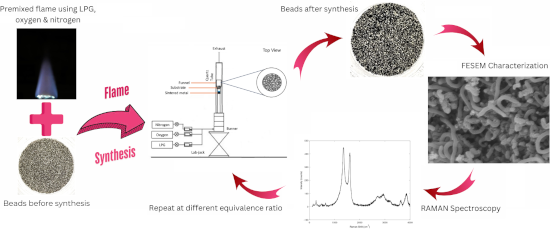
- temperatures of 550–650 °C [13]. Also, CNFs were produced by loading a stainless-steel autoclave with 7.50 mL of diethyl ether and a solution containing 1.00 g of zinc powder and 0.50 g of iron powder. The sealed autoclave was heated to 650 °C and kept overnight for the hydrothermal reaction. After cooling to



Zeolite materials with Ni and Co: synthesis and catalytic potential in the selective hydrogenation of citral
Beilstein J. Nanotechnol. 2025, 16, 520–529, doi:10.3762/bjnano.16.40
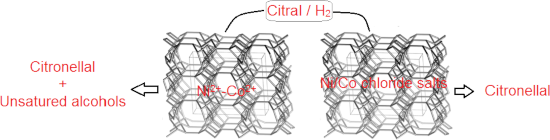
- elements, as well as the Si/Al ratios for the obtained materials are shown in Table 1 and/or Figure 3. The Si/Al ratio shows no significant change (Table 1), indicating a high degree of stability for the clinoptilolite–heulandite and mordenite phases after the applied hydrothermal treatments. Additionally





