


Search results
Search for "insect" in Full Text gives 63 result(s) in Beilstein Journal of Nanotechnology.
Development of Protium heptaphyllum essential oil-loaded nanocapsules: experimental design and biological activity
Beilstein J. Nanotechnol. 2026, 17, 974–990, doi:10.3762/bjnano.17.67
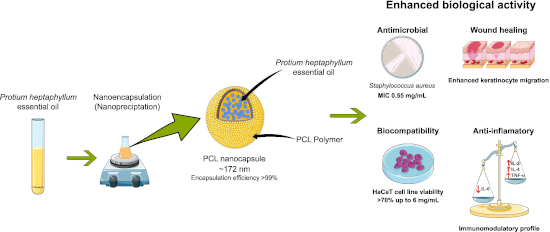
- included p-mentha-1(7),8-diene (9.54%), recognized for its insect repellent activity [23], and α-pinene (7.54%), widely known to exhibit anti-inflammatory, antioxidant, antimicrobial, antitumor, neuroprotective, and hepatoprotective effects through multiple molecular pathways [24][25][26][27][28][29




Micro- and nanoscale effects in biological and bioinspired materials and surfaces
Beilstein J. Nanotechnol. 2026, 17, 214–217, doi:10.3762/bjnano.17.14

- Bioinspired Surfaces: From Nature to Theory and Applications" collected a range of studies by symposium attendees and further international colleagues on the scope of the symposium [4]. Due to the enthusiasm of the community and high number of submissions, covering a broad scope related to insect adhesion [5
- nanostructures aiding in efficient cleaning of the eyes and antennae of this insect to maintain sensory functions. Another insect study by Lopez et al. [13] investigated the ultrablack cuticle of a velvet ant using a range of microscopy methods and optical spectrometry providing structural and spectrometric
Targeting the vector of arboviruses Aedes aegypti with nanoemulsions based on essential oils: a review with focus on larvicidal and repellent properties
Beilstein J. Nanotechnol. 2025, 16, 1894–1913, doi:10.3762/bjnano.16.132
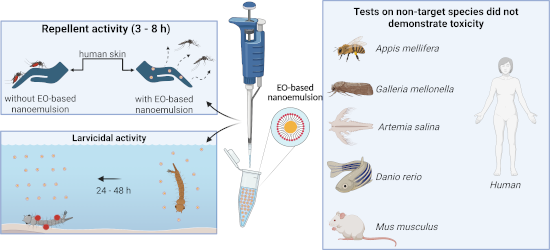
- larvae. Additionally, the application of larvicides, including chemical and biological agents, insect growth regulators, and bacterial toxins, has been widely used to reduce mosquito populations. Internal residual spraying to eliminate adult mosquitoes and the use of insecticide-treated nets are also
- . aegypti mosquitoes using thermal fogging techniques in outdoor environments [104]. This superior performance was attributed to the reduced droplet size, which facilitates penetration through mesothoracic spiracles and into the inner walls of the mesothoracic trachea, thereby increasing insect mortality


Phytol-loaded soybean oil nanoemulsion as a promising alternative against Leishmania amazonensis
Beilstein J. Nanotechnol. 2025, 16, 1826–1836, doi:10.3762/bjnano.16.126

- promastigote, which resides in the insect vector and represents the infective stage, and the amastigote, the intracellular form found in vertebrate hosts [4][5]. Different Leishmania spp. species are responsible for distinct clinical manifestations, including (i) cutaneous leishmaniasis, (ii) mucocutaneous


Hydrogels and nanogels: effectiveness in dermal applications
Beilstein J. Nanotechnol. 2025, 16, 1216–1233, doi:10.3762/bjnano.16.90
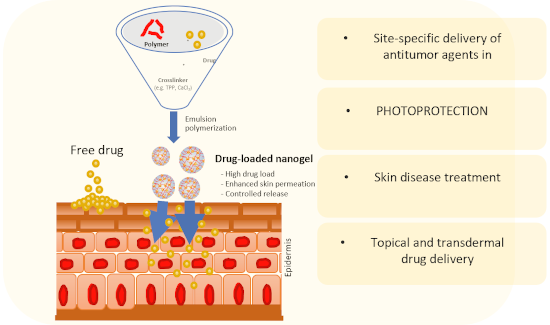
- [20][21], drug monitoring in biological fluids [22], CO2 absorption from the atmosphere [23], dye removal from industrial effluents [24], cavity-prevention in oral products [25], insect repellent coating for textiles [26], lead detection in water reservoirs [27], production of vaccines [28], and


Chitosan nanocomposite containing rotenoids: an alternative bioinsecticidal approach for the management of Aedes aegypti
Beilstein J. Nanotechnol. 2025, 16, 1197–1208, doi:10.3762/bjnano.16.88
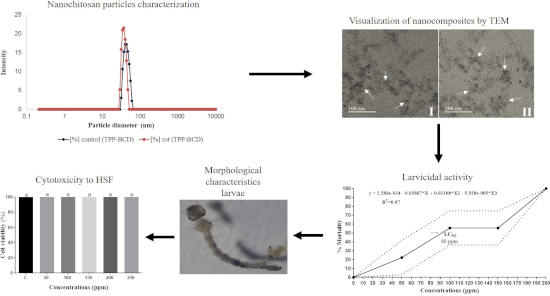
- nanoparticles exhibited no adverse effects on larval survival, which is attributed to the biocompatibility and nontoxic nature of chitosan, a biodegradable polysaccharide structurally related to the insect exoskeleton and widely recognized for its environmental safety. Additionally, neither rotenoids nor the CS
- [11][12]. Furthermore, a chitosan nanocomposite with fungal metabolites has been reported as a promising alternative for managing insect pests of economic importance without affecting non-target organisms [13]. In previous research by our group, two rotenoids were identified and characterized from
- isolated rotenoids. The nanocomposite represented a 23.6% increase in efficacy compared to the previously described natural rotenoids. These results highlight the potential of chitosan nanocomposites as an innovative, effective, and environmentally sustainable solution for managing the insect vector. By



Biomimetics and bioinspired surfaces: from nature to theory and applications
Beilstein J. Nanotechnol. 2025, 16, 418–421, doi:10.3762/bjnano.16.32
- technology and new insights into the future of this field of research. Striking advance has been made regarding the study of surfaces on biological models, especially insects. For instance, insect attachment devices and adhesive secretions were thoroughly studied regarding the impact of contamination [2] and
- , substrate compliance, and overall pad geometry. The attachment system of a second stick insect species was structurally investigated by Thomas et al. [4]. This article employed a range of imaging techniques to elucidate the ultrastructure and material composition of the two attachment pad types of this

Bioinspired nanofilament coatings for scale reduction on steel
Beilstein J. Nanotechnol. 2025, 16, 25–34, doi:10.3762/bjnano.16.3

- moisture control and water interaction [1][2]. The structure and chemistry of insect skin are finely tuned to navigate these challenges, showcasing a sophisticated natural adaptation to efficiently repel water [3]. Springtails have mastered this capability using micro- and nanostructured skin surfaces


Orientation-dependent photonic bandgaps in gold-dust weevil scales and their titania bioreplicates
Beilstein J. Nanotechnol. 2025, 16, 1–10, doi:10.3762/bjnano.16.1
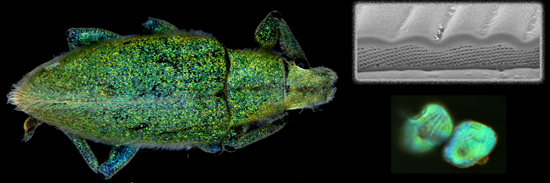
- photonic crystals are arguably one of the most sophisticated structures of photonics research [14][28][29], but the refractive index of chitin (n = 1.55, see also [4]) in intact insect scales is too low to allow for the formation of a complete bandgap, hindering photonic applications. The diamond networks
- in insect scales are, however, ideal templates for transferring these complex geometries, which cannot be otherwise synthesized, into media with higher refractive index. Plasma etching is an effective way to open the beetle scales and make them accessible to the chemical environment used for


Green synthesis of silver nanoparticles derived from algae and their larvicidal properties to control Aedes aegypti
Beilstein J. Nanotechnol. 2024, 15, 1566–1575, doi:10.3762/bjnano.15.123
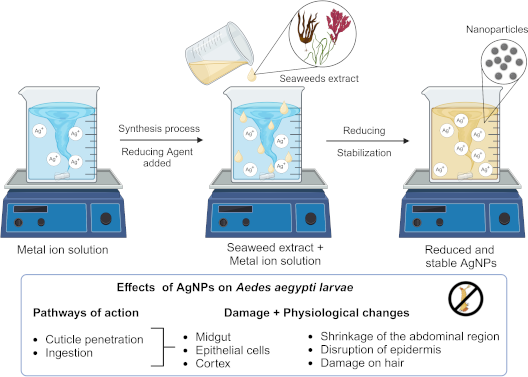
- of toxicity of AgNPs in mosquito larvae has recently been reported (Figure 3). The small size of AgNPs is linked to two pathways of action. First, AgNPs can pass through the insect cuticle and penetrate individual cells. The second way is the ingestion of AgNPs by larvae through their generalist


Ultrablack color in velvet ant cuticle
Beilstein J. Nanotechnol. 2024, 15, 1554–1565, doi:10.3762/bjnano.15.122

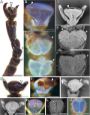
- , Leica Biosystems, Solms, Germany) and contrasted with osmium tetroxide. Confocal laser scanning microscopy (CLSM) The capacity of insect cuticle to emit autofluorescence at various wavelengths is extensively documented, influenced by material composition, degree of sclerotization, and the presence of
- resilin [18]. Insect cuticle with protein-dominated regions, which can include resilin, an elastic protein present in arthropod cuticles, or unsclerotized chitin exhibits autofluorescence when excited with a laser of 405 nm wavelength. Regions with a low degree or high degree of sclerotization emit
- most probably coupled with melanin as in other velvet ants [24]. Similar cases of white–black structural colors can be observed in other insect groups. For instance, the tiger mosquito Aedes albopictus (Diptera: Culicidae) exhibits black and white scales with micro- and nanostructures that turn


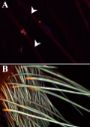

Hymenoptera and biomimetic surfaces: insights and innovations
Beilstein J. Nanotechnol. 2024, 15, 1333–1352, doi:10.3762/bjnano.15.107
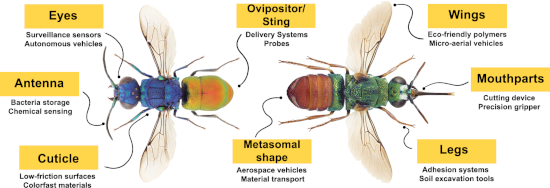
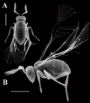
- materials and devices that replicate the efficiency and functionality of insect body structures, driving progress in medical technology, robotics, environmental monitoring, and beyond. Keywords: arthropods; bio-inspired surfaces; bioengineering; cuticle; nanoscale structures; Introduction The body
- region of the insect. This structure is fundamental for generating flight power and precise wing adjustments. The remainder of the abdomen is known as the metasoma. The articulation between the mesosoma and metasoma, marked by the wasp waist (or petiole), enhances the maneuverability of the metasoma and
- ensures the survival of the offspring by creating a microenvironment hostile to pathogens, showcasing a fascinating example of insect–microbe symbiosis. The ability of these wasps to maintain and apply symbiotic bacteria through their antennal glands can inspire the development of bioactive medical

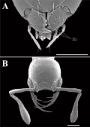


Functional morphology of cleaning devices in the damselfly Ischnura elegans (Odonata, Coenagrionidae)
Beilstein J. Nanotechnol. 2024, 15, 1260–1272, doi:10.3762/bjnano.15.102

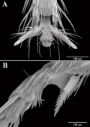
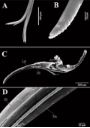
- Abstract Among the different micro- and nanostructures located on cuticular surfaces, grooming devices represent fundamental tools for insect survival. The present study describes the grooming microstructures of the damselfly Ischnura elegans (Odonata, Coenagrionidae) at the adult stage. These structures
- portion and from the seta to the cuticular lamina. The removal of the grooming devices induces a strong increase in the contaminated areas on the eyes after grooming. Further studies on insect grooming can provide valuable data on the functional morphology of insect micro- and nanostructures and can
- tasks through the presence of micro- and nanostructures located on its cuticular surface, serving functions from sensory reception to surface adhesion, air retention, food grinding, thermoregulation, and color production (reviews in [4][5]). The insect cuticle is frequently exposed to a variety of


The effect of age on the attachment ability of stick insects (Phasmatodea)
Beilstein J. Nanotechnol. 2024, 15, 867–883, doi:10.3762/bjnano.15.72

- Marie Grote Stanislav N. Gorb Thies H. Buscher Functional Morphology and Biomechanics, Kiel University, Am Botanischen Garten 1-9, D-24118 Kiel, Germany 10.3762/bjnano.15.72 Abstract Many insect species have found their way into ageing research as small and easy-to-keep model organisms. A major
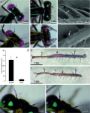
- , adhesive microstructures covering those pads support attachment. Stick insects do not molt again after reaching the imaginal stage; hence, the cuticle of their pads is subject to continuous ageing. This study aims to quantify how attachment ability changes with age in the stick insect Sungaya aeta
- the pads, scarring of the cuticle, and alteration of the autofluorescence, likely indicating stiffening of the cuticle, were observed to accumulate over time. This would reduce the attachment ability of the insect, as pads lose their pliant properties and cannot properly maintain sufficient contact


Functional fibrillar interfaces: Biological hair as inspiration across scales
Beilstein J. Nanotechnol. 2024, 15, 664–677, doi:10.3762/bjnano.15.55
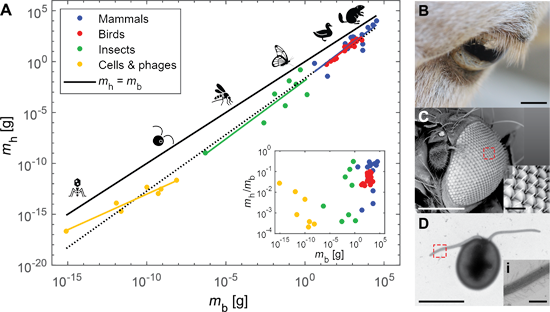
- providing low adhesion. Such structures are typically found on body parts where contamination is common, such as adhesive pads [40], or where cleanliness is crucial for survival, such as insect wings [41]. Hairs provide more ways to prevent or clean contamination. For a dedicated review on the topic, please
- when they have a hooked morphology or even sting herbivores [55]. It has been observed that plants with higher densities of trichomes suffer less from insect herbivory. Also, there is a reduced incidence of internal egg laying by insects with ovipositors [55]. Locomotion and feeding While hairs can
- of glues or fluids [62][63]. For insects, the adhesive hairs are around one order of magnitude thicker than those of geckos, and they rely on fluid secreted by the hairs to generate adhesive forces. The hairs on insect footpads can vary in morphology, and these variations have been linked to their


Comparative analysis of the ultrastructure and adhesive secretion pathways of different smooth attachment pads of the stick insect Medauroidea extradentata (Phasmatodea)
Beilstein J. Nanotechnol. 2024, 15, 612–630, doi:10.3762/bjnano.15.52
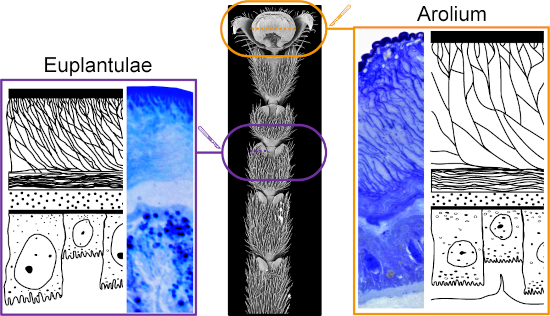
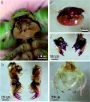
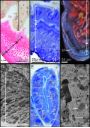
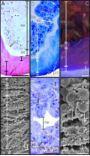
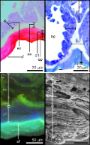
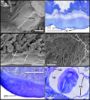
- stick insect Medauroidea extradentata using scanning electron microscopy, micro-computed tomography, light microscopy, and confocal laser scanning microscopy. Our observations revealed structural differences between both attachment pads, reflecting their distinct functionality. Furthermore, our results
- enhance the actual contact area between the pad and the substrate for the realisation of efficient attachment due to adhesion and friction forces [3][9][12][13][14]. Smooth attachment pads have independently evolved in most large insect groups, possessing multiple specialized types of pads on the same leg
- particles together into larger complexes for easier removal [25][26]. It can also improve attachment to surfaces with different surface chemistry by mediating between the two surfaces in contact [27][28]. The lipid-containing pad secretion protects the insect from additional water loss through the thin



Insect attachment on waxy plant surfaces: the effect of pad contamination by different waxes
Beilstein J. Nanotechnol. 2024, 15, 385–395, doi:10.3762/bjnano.15.35
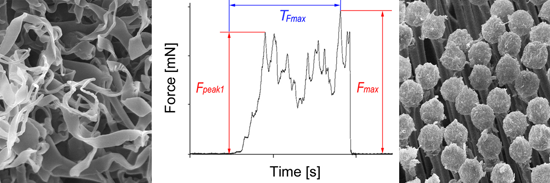
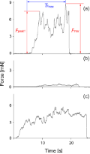
- contamination of insect adhesive pads with three-dimensional epicuticular waxes of different plant species contributes to the reduction of insect attachment. We measured traction forces of tethered Chrysolina fastuosa male beetles having hairy adhesive pads on nine wax-bearing plant surfaces differing in both
- shape and dimensions of the wax structures and examined insect adhesive organs after they have contacted waxy substrates. For comparison, we performed the experiments with the same beetle individuals on a clean glass sample just before (gl1) and immediately after (gl2) the test on a plant surface. The
- cases of the plant surfaces covered with wax projections having higher aspect ratios. The data obtained clearly indicated the impact of waxy plant surfaces on the insect ability to subsequently attach to the clean smooth surface. This effect is caused by the contamination of adhesive pads and




Development and characterization of potential larvicidal nanoemulsions against Aedes aegypti
Beilstein J. Nanotechnol. 2024, 15, 104–114, doi:10.3762/bjnano.15.10
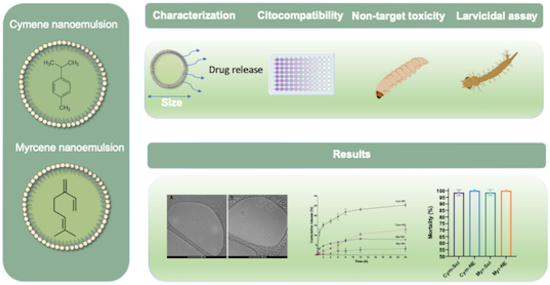
- , and immunity to resistance issues that plague conventional chemicals. However, the practical use of monoterpenes in insect control has been hampered by challenges including their poor solubility and stability in aqueous environments. In recent years, the application of nanotechnology-based


Curcumin-loaded nanostructured systems for treatment of leishmaniasis: a review
Beilstein J. Nanotechnol. 2024, 15, 37–50, doi:10.3762/bjnano.15.4
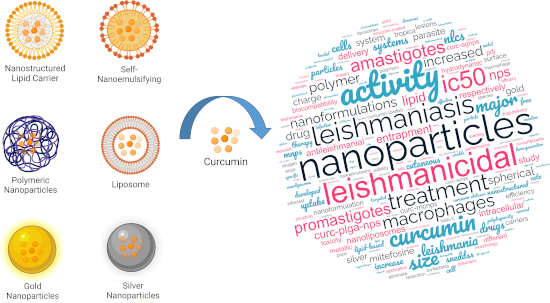
- tropical disease caused by a flagellated protozoa of the genus Leishmania. The genus belongs to the Trypanosomatidae family, and it is transmitted by insect vectors of the genus Phlebotomus (in the Old World) or Lutzomyia (in the New World) [25]. The disease is present in several countries and it has


Sulfur nanocomposites with insecticidal effect for the control of Bactericera cockerelli
Beilstein J. Nanotechnol. 2023, 14, 1106–1115, doi:10.3762/bjnano.14.91
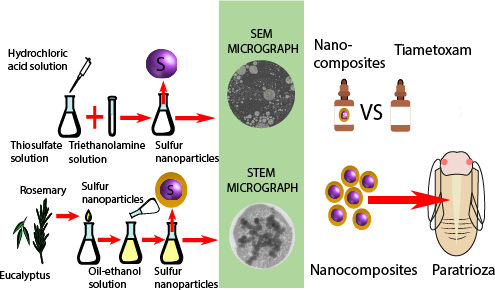
- oil concentration of 0.5% have an insecticidal efficacy of 100% for the control of insect nymphs 24 h after application. The insecticidal efficacy of rosemary nanocomposites with oil concentrations of 0.25% and 0.75% increases over time and reaches 100% at 24 and 72 h, respectively. The synthesized
- cockerelli Šulc) (Hemiptera: Triozidae) is one of the most dangerous pests of potato, tomato, pepper, and other crops of the family Solanaceae [1]. The insect is one of the most destructive potato pests in the western hemisphere, New Zealand, and Australia [2]. It is native to North America. However, because
- , carbamates, and pyrethroids, that are used to combat this pest [9]. The insect pest has developed resistance through high fecundity and short doubling time [10]. Also, persistence, bioaccumulation, toxicity, misuse, and overuse of synthetic insecticides have led to deterioration of soil, air pollution


Biomimetics on the micro- and nanoscale – The 25th anniversary of the lotus effect
Beilstein J. Nanotechnol. 2023, 14, 850–856, doi:10.3762/bjnano.14.69
- and insect attachment on leaf surfaces of Schismatoglottis calyptrata (Araceae)” a study of the development of cuticular ridges on the adaxial leaf surfaces during leaf ontogeny of the tropical Araceae S. calyptrata. The structure of these microscopic ridges helps plants to defend themselves against
- the three species of beetles flying tethered in a wind tunnel. The results show that at low wind speeds, typical during insect flight, the species with the highest folding ratio and highest flapping frequencies produced the highest lift-to-drag ratio. The results are in agreement with other studies of


Nanostructured lipid carriers containing benznidazole: physicochemical, biopharmaceutical and cellular in vitro studies
Beilstein J. Nanotechnol. 2023, 14, 804–818, doi:10.3762/bjnano.14.66
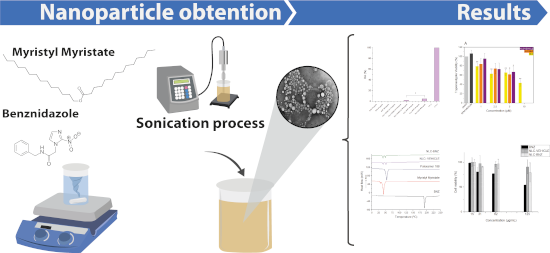
- ]. It is caused by the hemoflagellate protozoan Trypanosoma cruzi, whose life cycle involves transitioning from non-flagellated multiplicative intracellular forms (amastigotes) to blood-circulating non-multiplicative forms (trypomastigotes). It is mainly transmitted by an insect vector of the


The origin of black and white coloration of the Asian tiger mosquito Aedes albopictus (Diptera: Culicidae)
Beilstein J. Nanotechnol. 2023, 14, 496–508, doi:10.3762/bjnano.14.41
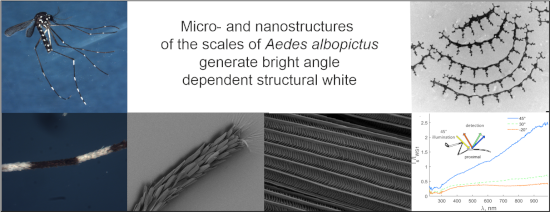
- ; insects; nanostructure; scales; structural white; Introduction Body color (coloration) and light signals (bioluminescence) have a fundamental role in insect inter- and intra-specific visual communication allowing for species recognition, mating, prey capture, and predator avoidance [1]. Insect colours
- , diffraction and scattering, that cause the selective reflection of light [3]. Quite often, structural colors are present together with pigment colors, to increase or to reduce the brightness and to produce particular effects [4]. Insect exoskeletons with their multilayered internal organisation and the
- related to the superhydrophobicity of their body surface, as an adaptation of an aquatic insect to the subaerial life at the adult stage. Indeed, leg scales with their nanostructures are able to entrap air [11][12][13] and play an important role in contact with water during egg laying, giving the mosquito



Supramolecular assembly of pentamidine and polymeric cyclodextrin bimetallic core–shell nanoarchitectures
Beilstein J. Nanotechnol. 2022, 13, 1361–1369, doi:10.3762/bjnano.13.112
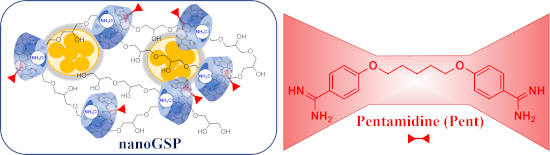
- long) infected female insect vectors of the Phlebotomine subfamily (sandflies). It is an endemic disease in tropical and subtropical regions as well as in Southern Europe. According to the current WHO data, 50.000–90.000 new cases of visceral leishmaniasis [17] (the most severe form of this disease


Interaction between honeybee mandibles and propolis
Beilstein J. Nanotechnol. 2022, 13, 958–974, doi:10.3762/bjnano.13.84
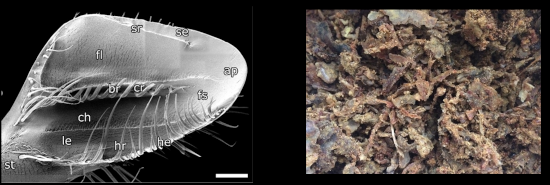
- that anti-adhesive properties minimize adhesion of resins and propolis to their body parts. Various anti-adhesive strategies have been found in nature. Different mechanisms can lead to low adhesion. Possible strategies to reduce adhesion on the insect cuticle, as suggested in [16], are specific surface
- propolis adhesion on mandibles Insect preparation for adhesion tests After insects for experiments were caught, they were placed and stored in the freezer at −20 °C for a minimum of 15 min and up to many months. The mandibles were prepared as described above (Figure 2). Without further treatment a mandible
- ][37]. The low contact angle (<30°) of the substance suggests that the mandible surface might be oleophilic. This is consistent with observations that insect cuticles are generally rather wetted by oils than by water [38]. There are different possibilities for the origin of the lubricating layer. It





