Search results
Search for "layers" in Full Text gives 1202 result(s) in Beilstein Journal of Nanotechnology. Showing first 200.
Vibration-induced dynamic structural superlubricity on MoS2/Au(111) under ultrahigh vacuum
Beilstein J. Nanotechnol. 2026, 17, 1039–1046, doi:10.3762/bjnano.17.71
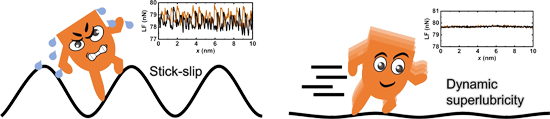
- applied normal load for actuation frequencies of 0 kHz and (d) 554 kHz. (a) A schematic diagram showing a one-dimensional PF model with a tip sliding on a composite structure comprising two periodic layers of MoS2 and Au(111). The top MoS2 layer exhibits perturbed energy corrugation stemming from out-of


Influence of an external electric field on the catalytic CO oxidation of nanoscaled CeO2 and its La3+ and Gd3+ congeners
Beilstein J. Nanotechnol. 2026, 17, 1028–1038, doi:10.3762/bjnano.17.70
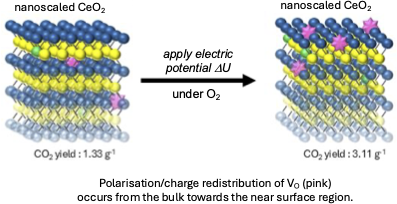
- measured CO2 yields are included for comparison. Oxygen vacancies are indicated by pink stars, while Ce4+, Ce3+, La3+/Gd3+ dopants, and oxygen are represented by yellow, green, red, and blue spheres, respectively. The fcc layers are shown with decreasing opacity from the surface to the bulk to visualize
- , particularly for 5%La3+–nCeO2. Schematic representation of undoped nCeO2 under field-free conditions and under an applied external potential. Ce4+ (yellow), Ce3+ (green), O2− (blue), and oxygen vacancies (pink) are represented. The atomic layers are shown with decreasing opacity from the surface to the bulk to
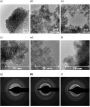


Synthesis and characterization of RF-sputtered ZnTe/Cu2−xTe thin films for solar cell applications
Beilstein J. Nanotechnol. 2026, 17, 1016–1027, doi:10.3762/bjnano.17.69
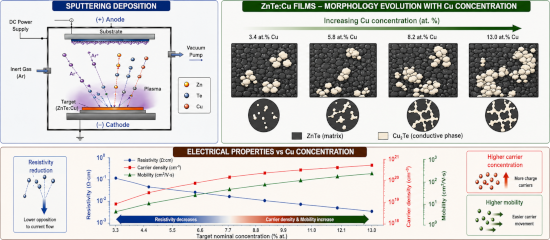
- an unresolved scientific and technological challenge [5]. Among the proposed strategies, CuxTe thin films have been introduced as interfacial layers to improve back contact properties. Nevertheless, these films are typically grown at relatively high temperatures (250–300 °C), conditions that may



Ultrasonic irradiation in the synthesis of nanohydroxyapatite: a chemically friendly technique for improving hemocompatibility and antibiofilm applications
Beilstein J. Nanotechnol. 2026, 17, 991–1015, doi:10.3762/bjnano.17.68
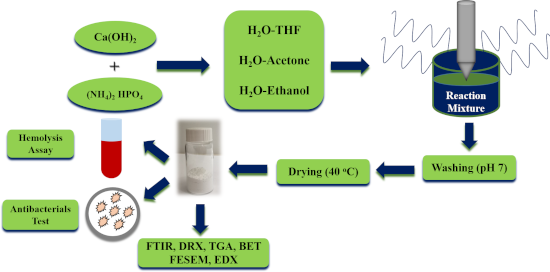
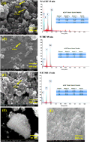
- layers. This structure resembles the mineral phase found in bones [81]. The theory suggests that, in the presence of aprotic solvents in W/ACET and W/THF mixtures, which do not form hydrogen bonds, the electrostatic forces between hydroxyapatite-forming ions are robust. This results in faster nucleation




Materials challenges in solid-state sensors for continuous monitoring of ions in water
Beilstein J. Nanotechnol. 2026, 17, 935–973, doi:10.3762/bjnano.17.66
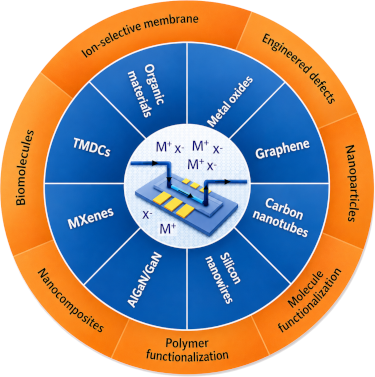
- active edge sites, and susceptibility to chemical and mechanical degradation often lead to signal instability in liquid-phase sensing. In contrast, FLG, typically comprising two to five stacked graphene layers, provides improved structural robustness and reduced noise while retaining high electrical



Supramolecular one-dimensional conducting nanofibers from a C3-symmetric tetrathiafulvalene derivative
Beilstein J. Nanotechnol. 2026, 17, 872–881, doi:10.3762/bjnano.17.63
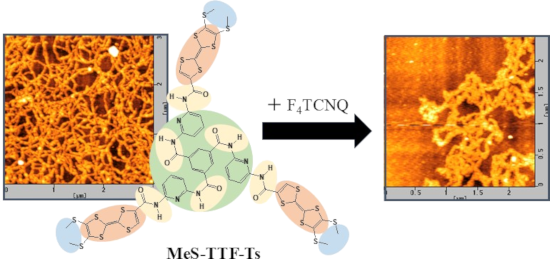
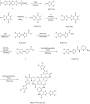
- acetate. The combined organic layers were washed with brine, dried over MgSO4, filtered, and concentrated under reduced pressure. The crude product was purified by column chromatography (chloroform) to afford compound 5 as a brown solid. Yield 130.8 mg (42.3%) [43][44]. 1H NMR (400 MHz, CDCl3) δ 7.34 (s
- . Additional 5 M HCl was added until the pH reached 1–2. The layers were separated, and the aqueous phase was extracted with diethyl ether. The combined organic layers were dried over MgSO4, filtered, and concentrated under reduced pressure to afford compound 6 as a red solid. Yield 115.7 mg (92.1%) [44][45


Cross-scale design of chemosensor arrays: from molecular self-assembly in water to paper-based devices for metal ion detection
Beilstein J. Nanotechnol. 2026, 17, 828–838, doi:10.3762/bjnano.17.59
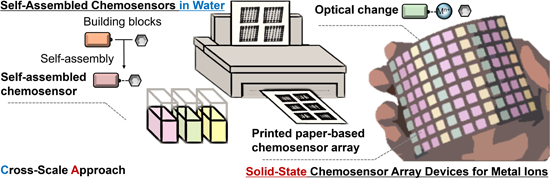
- sensing layers (Figure 7B). Upon exposure to metal ions in aqueous solutions, the immobilized chemosensors interact with the analytes and induce optical changes on the paper substrate. These optical patterns are rapidly recorded using portable devices. Subsequently, the captured digital photographs are


Sustainable fabrication of 2D-based devices through reuse of substrates with microfabricated electrodes
Beilstein J. Nanotechnol. 2026, 17, 818–827, doi:10.3762/bjnano.17.58
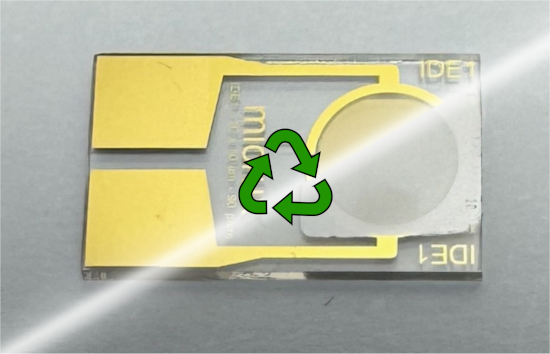
- effectively removes the MoS2 flakes while preserving the structural integrity of the electrodes, indicating that the method is compatible with different adhesion layers used beneath Au. The insets in Figure 2 provide zoomed-in optical images that further illustrate the removal of material from the electrode


Glycerol photoelectrochemical oxidation reaction at carbon nitrides/BiVO4 materials
Beilstein J. Nanotechnol. 2026, 17, 806–817, doi:10.3762/bjnano.17.57
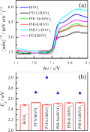
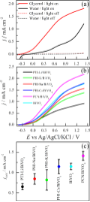
- [6]. These strategies include the synthesis of new photocatalysts, such as metal oxides, doped oxides, heterojunctions, and protective layers to enhance charge transfer at both interfaces and in the bulk, thereby lowering the activation energy barriers [7]. In this sense, bismuth vanadate (BiVO4) has
- peaks related to the FTO (since the incident beam interacts with all layers of the material). The main FTO contributions are highlighted by the gray dashed lines. The film containing only BiVO4 presents a diffraction pattern consistent with the monoclinic structure, according to ICDD file 00-044-0081
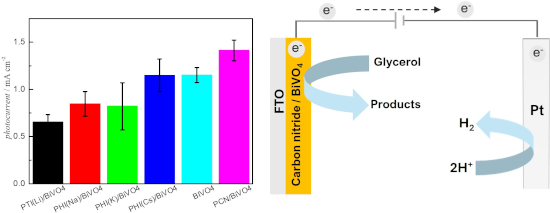
- , respectively, are challenging to perform on these CN layers with the features of those thermally treated under the Bi layer. Interestingly, the higher activity observed for glycerol oxidation in PCN/BiVO4 is consistent with Gonzaga et al. [12], who reported enhanced BiVO4 activity when combined with PCN for




Tuning the electronic properties of defect-rich MoS2
Beilstein J. Nanotechnol. 2026, 17, 796–805, doi:10.3762/bjnano.17.56
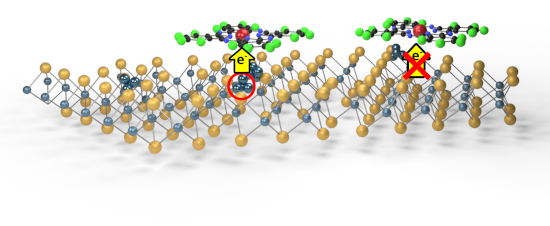
- TMDC layers [15]. Since interaction mechanisms depend strongly on the central metal atom and the ionization potential of the phthalocyanine, we focus specifically on CoPcF16 and vary the properties of the substrate. In general, electronic defects play a crucial role in novel optoelectronic devices, as
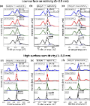
- contrast, for the more defect-rich, 4 min Ar+-sputtered MoS2 substrate, we detect significant changes of the spectral shape. Most notably, the relative intensity of B2 at normal incidence (90°) is substantially weaker than B1 for 2–3 layers of CoPcF16 (Figure 2f) and almost completely vanishes for a
- increasing number of CoPcF16 layers. Consistent with the XAS results in Figure 2, an additional peak was found at 778–779 eV (see black arrows in Figure 3) for a monolayer coverage, which decreases in intensity as the thickness rises. The peak is particularly prominent for the longest sputtering times


Restorative potential of laser-synthesized silver nanoparticles with Salvia officinalis for periodontal disease treatment: an in vitro study
Beilstein J. Nanotechnol. 2026, 17, 781–795, doi:10.3762/bjnano.17.55
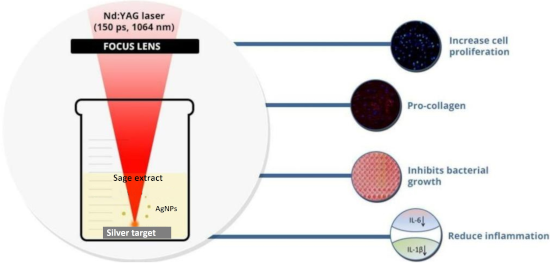
- resulting dH value represents the nanoparticle size in a hydrated state, along with the adjacent layers of water or sage extract molecules, expanding the hydrodynamic diameter, which cannot be observed by TEM. These differences are more pronounced for dwAgNPs6mJ, suggesting a certain extent of particle



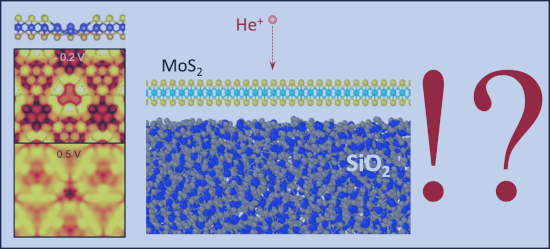
Substrate-dependent pore formation in molybdenum disulfide monolayers under ion irradiation
Beilstein J. Nanotechnol. 2026, 17, 769–780, doi:10.3762/bjnano.17.54
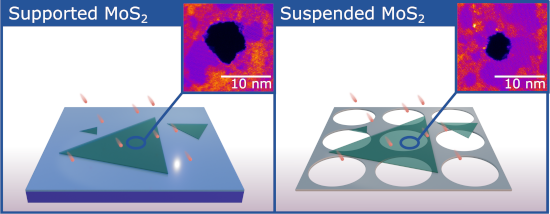
- -of-plane dissipation without changing the substrate material. Although adjacent layers are coupled only weakly via van der Waals forces, a second (or third) MoS2 layer can act as an additional reservoir for charge and excitation redistribution relative to an isolated monolayer, offering a simplified
- present but limited in magnitude: Coupling to a second layer is sufficient to modify pore formation, yet the available excitation appears insufficient to efficiently drive a fully perforating defect through three layers. The observed anisotropy of the defects (radius ≈2.2 nm; depth ≈1.5 nm) likely
- -irradiated suspended monolayers, a fraction of ion impacts generate local energy densities below the threshold required for pore formation, depending on the trajectory relative to atomic sites. Adding a substrate and/or additional layers reduces the likelihood of such “sub-threshold” events because energy


Interface-engineered Caco-2 cell culture on a collagen-coated liquid–liquid interface in a microfluidic device
Beilstein J. Nanotechnol. 2026, 17, 760–768, doi:10.3762/bjnano.17.53
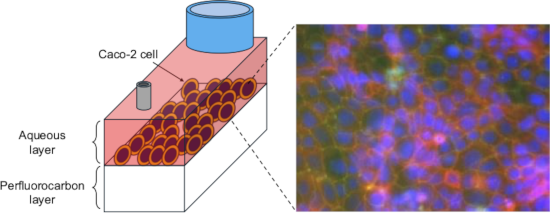
- rectangularity decreased to approximately 87%, comparable to the rectangularity observed for aqueous layers in channels 5 and 10 mm wide at a height of 7 mm. These results indicate that channel height is also a critical parameter for the formation of the liquid–liquid interface. Rectangularity was evaluated by


Tailoring Ag–Pt nanoalloys through solid-state dewetting: structural and optical insights
Beilstein J. Nanotechnol. 2026, 17, 748–759, doi:10.3762/bjnano.17.52

- to be thermally activated dewetting of thin metal films deposited on glass or other substrates [9][10][11][12]. This method is noteworthy due to its cost-effectiveness, making it a compelling alternative for various applications. From a thermodynamic perspective, continuous metallic layers with
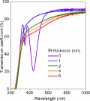
- metallic layers is their thickness: the thinner the layer, the lower the temperature at which it transforms into isolated islands. It can be stated that the significant influence of surface energy in thin-film structures, phase separation boundaries (layer–substrate, layer–liquid phase), grain boundaries
- . Observations of alloy formation at the nanoscale confirm that the miscibility between different metals can significantly increase as particle size decreases [3][4][5][6][33]. Nevertheless, in the case of nanoalloy formation induced by thermal dewetting of alternately deposited thin metallic layers, it is




Superconducting artificial neural networks and quantum circuits
Beilstein J. Nanotechnol. 2026, 17, 744–747, doi:10.3762/bjnano.17.51

- is a time-consuming process. To reduce the number of costly technological iterations, modelling of technological processes is essential for predicting the properties of prepared layers and multilayers. Smart computational experiments based on a mathematical model describing coordinated atomic motion
- predict unique magnetic properties of thin cobalt-based layers widely used in hybrid superconductor–ferromagnet structures for superconducting spintronics [18][19]. New elements of quantum circuits based on transmon “superconducting atoms” demonstrate rapid qubit control in real superconducting systems
Environmental applications of silver nanoparticles: state-of-the-art review and emerging trends
Beilstein J. Nanotechnol. 2026, 17, 697–736, doi:10.3762/bjnano.17.49


Cellulose as a photocatalyst support material: extraction, structural features, and environmental applications
Beilstein J. Nanotechnol. 2026, 17, 635–652, doi:10.3762/bjnano.17.44
- with conductive polymers, depositing metallic layers on them, converting them through carbonization, and integrating them with carbon nanotubes (CNTs), each approach offering unique pathways to tailor the performance of CNCs-based conductive nanomaterials [87]. Cellulose-based nanostructured


Recent progress in enhancing built-in electric fields of perovskite solar cells via junction engineering
Beilstein J. Nanotechnol. 2026, 17, 602–621, doi:10.3762/bjnano.17.42
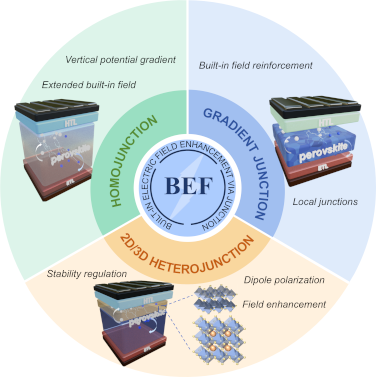
- modulations into the bulk to realize continuous potential profiles over larger length scales. The vertical gradients and thickness-dependent extensions of these effects are discussed in the following section on gradient junctions. In PSCs, the band structures of charge transport layers (CTLs) and their
- interfacial compatibility are critical factors governing device performance [3][22][23]. Compared with organic hole transport layers (HTLs) such as Spiro-MeOTAD [24], PEDOT:PSS [25], and PTAA [26], which are prone to moisture absorption and exhibit poor thermal stability, inorganic materials such as CuO [27
- that dopants fail to penetrate the crystalline domains of the polymer, limiting the achievable doping level. To overcome this limitation, Zhang et al. [31] proposed an anion-assisted molecular-doping (AMD) strategy using BF4− for the PTAA and Poly-TPD hole-transport layers in p–i–n inverted devices




Probing tribological evolution in atomically thin MoS2 at different scales
Beilstein J. Nanotechnol. 2026, 17, 586–597, doi:10.3762/bjnano.17.40
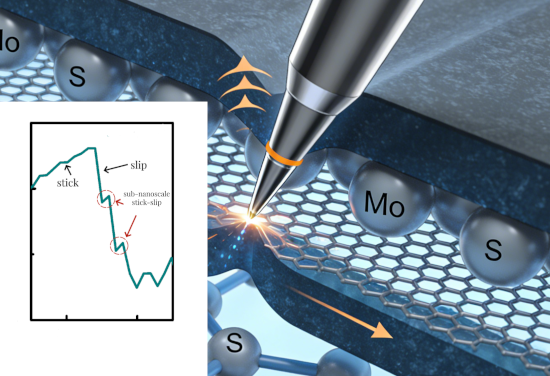
- layers increases, attributed to the reduced out-of-plane flexibility in thicker films. Critically, we identify the slip distance during the slip phase as a reliable metric for sub-nanoscale stick–slip motion. The slip distance increases with the frequency of sub-nanoscale stick–slip events and exhibits a
- inertness [13][14][15]. Molybdenum disulfide (MoS2) as a representative 2D materials is particularly promising because of its trilayered structure (one Mo layer sandwiched between two S layers) and tunable interlayer interactions, making it a model system for investigating the nanoscale and sub-nanoscale
- puckering effect [17][18]. However, these studies focused on nanoscale phenomena; the sub-nanoscale origins of stick–slip motion remains unaddressed. Here, we use a calibrated AFM to quantitatively study the sub-nanoscale friction behaviors of a single layer (1L) and four layers (4L) of MoS2 under different


Probing internal continua and atomic ultrafast charge transfer within size-controlled nanoparticles by post-collision interaction in core-hole clock spectroscopy
Beilstein J. Nanotechnol. 2026, 17, 505–514, doi:10.3762/bjnano.17.33
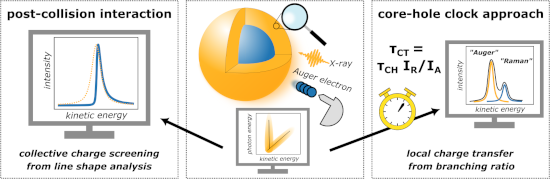
- local charge transfer dynamics and internal continuum states. We observe an acceleration of charge transfer times by almost one order of magnitude in thin-shell quantum dots, comprising only one or three double layers of ZnS, before reaching a size-independent limit. This size-dependence is governed by
- the existence of a faster charge transfer channel toward the CdSe core, only accessible for the inner-most shell layers, rather than a quantum confinement effect. By extending the traditional PCI model from free-electron systems to bound-state continua, we further establish a framework for
- interpreting line shape asymmetries and peak shifts that are frequently observed but often overlooked in resonant Auger measurements. We show that the strongly enhanced PCI in the samples with one or three double layers can be attributed to reduced collective electronic screening. This comprehensive



Upcycling agroindustrial waste into graphene oxide supports for gold nanoparticles: toward sustainable nanomaterials
Beilstein J. Nanotechnol. 2026, 17, 489–504, doi:10.3762/bjnano.17.32
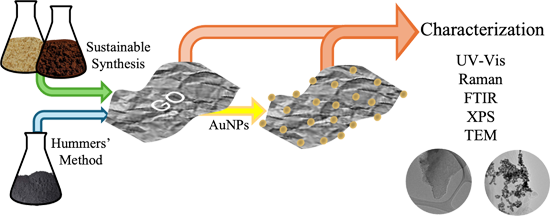
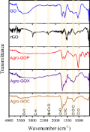
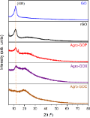
- conventionally synthesized through oxidation of graphite by chemical methods such as the Hummers' method or its modifications, which involve strong acids (e.g., H2SO4 or H3PO4), oxidants (e.g., KMnO4), and occasionally NaNO3 to facilitate exfoliation and oxidation of the graphite layers [6][7][8][9][10]. While
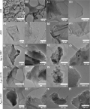
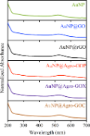
- coordination to AuCl4− than hydroxy and carboxyl groups. Moreover, residual biomass-derived carbonaceous layers or amorphous carbon deposits may partially mask the GO surface, physically blocking otherwise reactive sites. The combination of these factors reduces the effective density of accessible nucleation


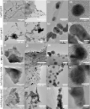

Defects and defect-mediated engineering of two-dimensional materials: challenges and open questions
Beilstein J. Nanotechnol. 2026, 17, 454–488, doi:10.3762/bjnano.17.31
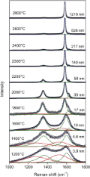
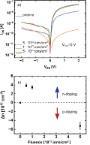
- layers was predicted to be very high [62], hampering the vacancy diffusion mechanism. Nevertheless, a relatively thick native oxide layer can still form on otherwise stable HfS2 after plasma oxidation. In this process, O ions are believed to permeate through grain boundaries between small crystals and
- contains a mirror twin boundary as a 1D line defect, in full analogy to a 3D twin crystal with a 2D twin plane. An atomic model of a mirror twin crystal with a MTB as formed in single layers of MoS2 is shown in Figure 10a. Such MTBs emerge when the threefold-symmetric MoS2 is grown on a sixfold-symmetric
- substrates or adjacent layers in multilayered structures. Techniques such as angle-resolved XPS may address this issue by varying the photoelectron emission angle, enabling depth profiling and providing insights into defect distributions across different layers [193][194][195]. The complexity of defect types





Nanocarrier-integrated multilayer films produced by 3D printing for improved skin adhesion and curcumin photostability
Beilstein J. Nanotechnol. 2026, 17, 440–453, doi:10.3762/bjnano.17.30
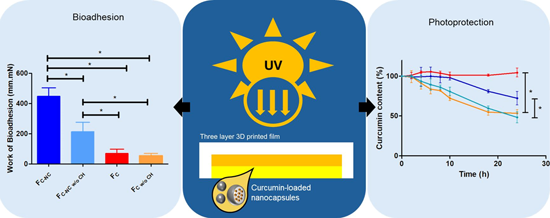
- efficiency. Films were fabricated containing either C-NCs (FC-NC) or unloaded curcumin (FC) and consisted of three layers, namely, a chitosan-based bottom layer, a middle layer of carboxymethylcellulose and alginate, and a carboxymethylcellulose top layer incorporating titanium dioxide (TiO2). The lower and
- intermediate layers contained C-NC or curcumin. The final films (15 × 15 × 1.5 mm) contained 282.20 ± 7.75 µg and 246.80 ± 6.70 µg of curcumin in FC-NC and FC, respectively. Films containing the bottom chitosan layer exhibited the highest bioadhesion, while the presence of a TiO2 top layer effectively
- limited. Therefore, in the present study, we designed 3D-printed topical films comprising three distinct layers, namely, (i) a bottom layer composed of a chitosan gel containing curcumin, (ii) an intermediate layer composed of carboxymethylcellulose, alginate gel, and curcumin, and (iii) a top layer


First-principles study on elastic properties of Cu, (Cu1−x,Nix)3Sn and interfacial mechanical properties of (Cu1−x,Nix)3Sn/Cu in the lead-free solder joint
Beilstein J. Nanotechnol. 2026, 17, 428–439, doi:10.3762/bjnano.17.29
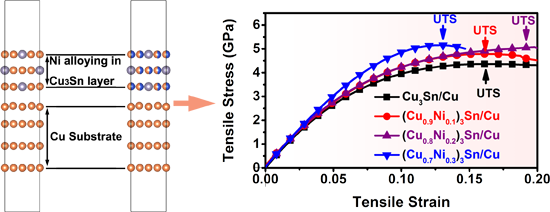
- calculated. Based on the orientation relationship of Cu3Sn/Cu interfaces [13], namely, (001)ε//(111)Cu and [100]ε//[−110]Cu, the interface was constructed by adhering Cu and (CuxNi1−x)3Sn slabs. The Cu slab consisted of four atomic layers, the (CuxNi1−x)3Sn slab consisted of three atomic layers, and the
- layers, a Cu slab with four atomic layers, and a vacuum layer with thickness of 1 nm. The adjacent atomic layers of Cu slab and (CuxNi1−x)3Sn slab were free, and the remaining atomic layers of Cu slab and (CuxNi1−x)3Sn slab were fixed. The thickness of the interface layer was defined as thickness of free
- atomic layers, a. Tensile stress was applied along the direction normal to the interface plane, and the relationship between tensile stress and tensile strain of (CuxNi1−x)3Sn/Cu interfaces were calculated (Figure 4b). The tensile modulus, Etensile, was determined as the ratio of the tensile stress to


Polycatecholamine nanocoatings on stainless steel: the effect on attachment of human fibroblasts and platelets
Beilstein J. Nanotechnol. 2026, 17, 365–380, doi:10.3762/bjnano.17.25
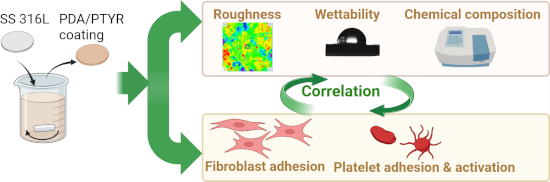
- layers on stainless steel 316L via a novel in situ oxidation process and evaluated their physicochemical properties and cellular interactions at the nano/microscale. Surface characterization revealed that the polymeric coatings formed a homogenous layer with distinct topographical features and thickness
- stability. Consequently, a variety of surface modifications have been developed to improve cell–material interactions, including anodized nanopit arrays, hydroxyapatite–collagen layers on polydopamine-modified steel, nanoporous coatings influencing integrin/ERK signaling, and bilayers comprising graphene
- 1.58 and 4.09 µm, respectively. For PTYR, much thinner coating layers were measured, with a mean value of 308.78 nm (range: 168–441 nm) for SS-PTYR 30 min and mean value of 360.86 nm (range: 243–637 nm) for SS-PTYR 24 h. As expected, the thickness of PDA and PTYR layers increased with the coating time