Search results
Search for "low toxicity" in Full Text gives 117 result(s) in Beilstein Journal of Nanotechnology.
Nanocarrier strategies to overcome P-glycoprotein-mediated drug resistance in cancer therapy
Beilstein J. Nanotechnol. 2026, 17, 882–921, doi:10.3762/bjnano.17.64
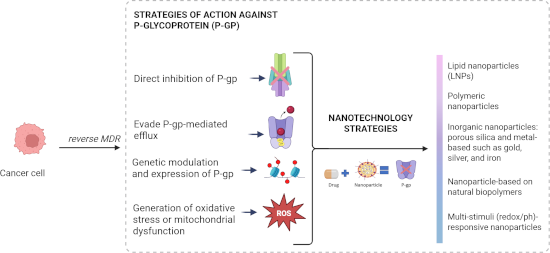
- enhance therapeutic efficacy by improving solubility, stability, bioavailability, and controlled drug release. Additionally, their low toxicity, scalability, and manufacturing feasibility make them attractive for both clinical and industrial applications [44]. There are several types of LNPs, including


Beam shaping techniques for pulsed laser ablation in liquids: Unlocking tunable control of nanoparticle synthesis in liquids
Beilstein J. Nanotechnol. 2026, 17, 309–342, doi:10.3762/bjnano.17.22
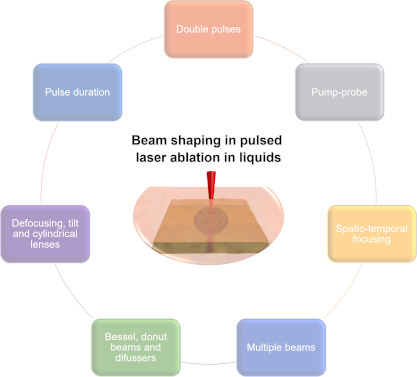
- indeed eco-friendly and offer advantages like low toxicity and reduced environmental impact; however, they generally offer less control over NP properties. Moreover, other physical methods such as milling, pyrolysis, sputtering, and arc discharge, or gas-phase processes such as flame spray pyrolysis or







From shield to spear: Charge-reversible nanocarriers in overcoming cancer therapy barriers
Beilstein J. Nanotechnol. 2026, 17, 159–175, doi:10.3762/bjnano.17.10
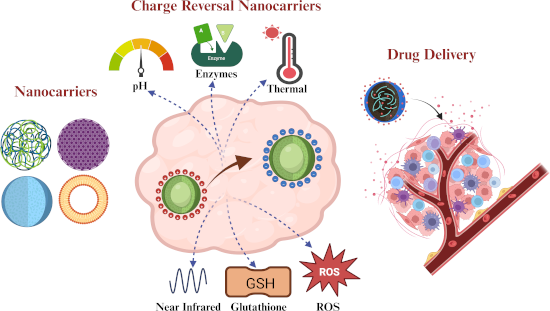
- the complex stimuli-responsive nature of CRNs, which can affect immunogenicity, cytotoxicity, and long-term biocompatibility [94]. Research showing low toxicity at high concentrations for specific nanocarriers emphasizes their advantages over inorganic substitutes, such as silica and gold


Functional surface engineering for cultural heritage protection: the role of superhydrophobic and superoleophobic coatings – a comprehensive review
Beilstein J. Nanotechnol. 2026, 17, 63–96, doi:10.3762/bjnano.17.6
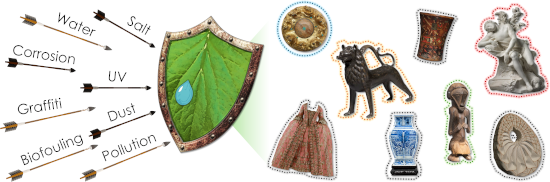
- organogel, composed of poly-3-hydroxybutyrate (PHB), ethyl lactate (EL), and deferoxamine B (DFO), for the simultaneous removal of iron corrosion and aged acrylic coatings from historical metal artefacts. This gel is made of bio-based, biodegradable, and low-toxicity materials, aligned with Green Chemistry
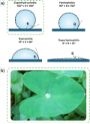
- materials and low-toxicity systems, while the other studies [78][80] approach it only indirectly, through solvent-free processing or durability improvements rather than fully closed life-cycle considerations. Textile substrates Just like wood, heritage textile materials are organic substrates since they are




Improving magnetic properties of Mn- and Zn-doped core–shell iron oxide nanoparticles by tuning their size
Beilstein J. Nanotechnol. 2025, 16, 2285–2295, doi:10.3762/bjnano.16.157
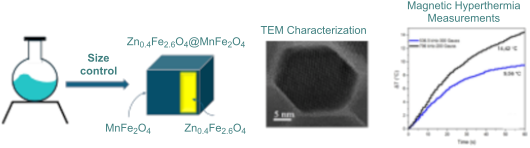
- ), have been extensively studied due to their low toxicity, biocompatibility, and ease of synthesis [5]. However, SPIONs face several challenges related to their relatively low saturation magnetization (Ms) and specific loss power (SLP), which limit their effectiveness in hyperthermia applications



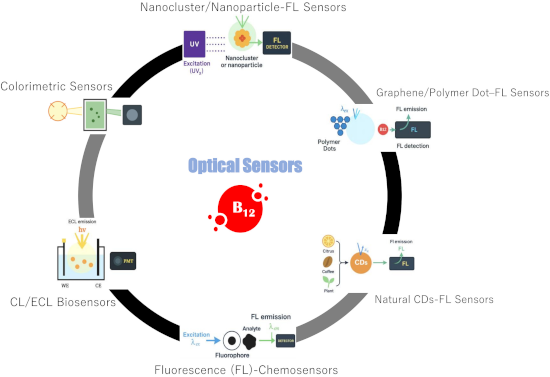
Optical bio/chemical sensors for vitamin B12 analysis in food and pharmaceuticals: state of the art, challenges, and future outlooks
Beilstein J. Nanotechnol. 2025, 16, 2207–2244, doi:10.3762/bjnano.16.153


Targeting the vector of arboviruses Aedes aegypti with nanoemulsions based on essential oils: a review with focus on larvicidal and repellent properties
Beilstein J. Nanotechnol. 2025, 16, 1894–1913, doi:10.3762/bjnano.16.132
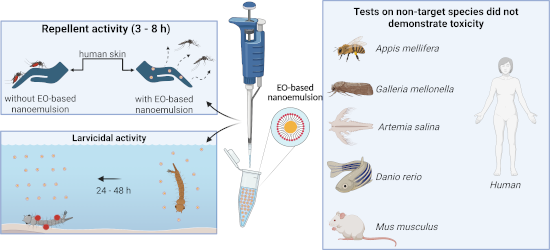
- insecticides, ovicides, pupicides, oviposition deterrents, and repellents [25][26]. The main advantages include low toxicity, biodegradability, and action in multiple locations due to the variety of compounds [12][19]. On the other hand, essential oils in their natural form are not stable under environmental
- demonstrated high efficacy, with a LC50 of 2.91 µg/mL after 48 hours, outperforming the free essential oil. Finally, tests with zebrafish revealed only mild changes in the gills at concentrations higher than those used in the bioassays, demonstrating low toxicity of the nanoemulsion. Folly et al. (2021
- (Table 1) suggest that nanoemulsions enhance the larvicidal properties of essential oils against Ae. aegypti, with efficacy varying according to the plant, composition, and formulation method. Many nanoemulsions have demonstrated stability over time and low toxicity to non-target species, making them a


On the road to sustainability – application of metallic nanoparticles obtained by green synthesis in dentistry: a scoping review
Beilstein J. Nanotechnol. 2025, 16, 1851–1862, doi:10.3762/bjnano.16.128
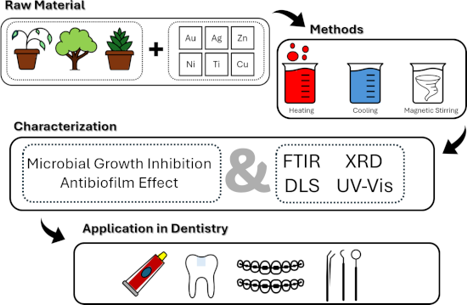
- demonstrated that these nanoparticles exhibit low toxicity, effectiveness against antibiotic-resistant microorganisms, and strong colloidal stability, ensuring long-term dispersion [26][27]. Additionally, they exhibit antioxidant activity and selective cytotoxic effects on tumor cells, including oral cancer


Phytol-loaded soybean oil nanoemulsion as a promising alternative against Leishmania amazonensis
Beilstein J. Nanotechnol. 2025, 16, 1826–1836, doi:10.3762/bjnano.16.126

- diterpenes exhibit promising antileishmanial activity while displaying low toxicity to host cells [13][14][15]. One such compound is a phytol, a highly lipophilic, acyclic monounsaturated diterpene alcohol derived from chlorophyll metabolism in plants [16], and has demonstrated promising antileishmanial


Exploring the potential of polymers: advancements in oral nanocarrier technology
Beilstein J. Nanotechnol. 2025, 16, 1751–1793, doi:10.3762/bjnano.16.122
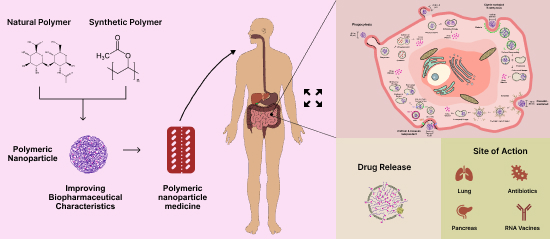
- modifications to enhance molecular target specificity, allowing for adaptation to specific therapeutic targets. Furthermore, their responsiveness to stimuli, particularly pH, makes them ideal for oral applications, given the diverse chemical environments of the GIT. Biocompatibility, low toxicity, and cost


Prospects of nanotechnology and natural products for cancer and immunotherapy
Beilstein J. Nanotechnol. 2025, 16, 1644–1667, doi:10.3762/bjnano.16.116
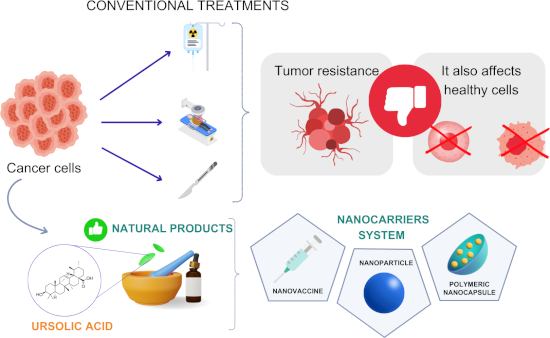
- by Li et al. discussed patent CN115671277 [94]. Nanoparticles Nanoparticles are materials with at least one dimension ranging from 1 to 999 nm [95]. This technology possesses a high contact surface, a high concentration of surface-active centers, and low toxicity due to promoting a reduction in the
- , durability, and innate immune responses [149][150]. In addition, gold nanoparticles lead to more selective oncological treatments with biocompatibility and low toxicity and their use in association with natural products is promising [151][152]. The patent KR20220169108 (2022) claims that gold nanoparticles


Venom-loaded cationic-functionalized poly(lactic acid) nanoparticles for serum production against Tityus serrulatus scorpion
Beilstein J. Nanotechnol. 2025, 16, 1633–1643, doi:10.3762/bjnano.16.115
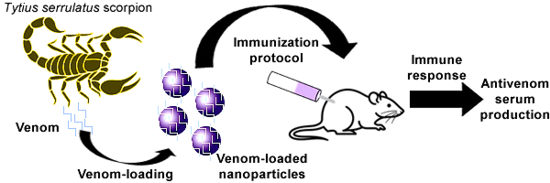
- barriers, their biocompatibility, and low toxicity [18]. Their manipulation at the nanoscale changes specific surface properties, possibly improving the ability to cross biological barriers targeting the affected tissues [18][19]. In this context, nanoparticle controlled release based on biodegradable


Nanotechnology-based approaches for the removal of microplastics from wastewater: a comprehensive review
Beilstein J. Nanotechnol. 2025, 16, 1607–1632, doi:10.3762/bjnano.16.114
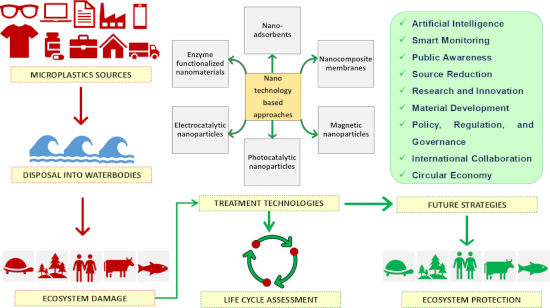
- MPs from water. Its natural abundance, low toxicity, and biodegradability position it as sustainable option for water treatment applications [129][130]. Another challenge that arises is the precise detection and characterization of MPs. Commonly employed techniques for MPs identification include


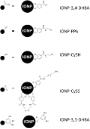
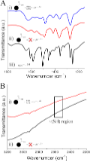
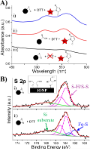
Cross-reactivities in conjugation reactions involving iron oxide nanoparticles
Beilstein J. Nanotechnol. 2025, 16, 1504–1521, doi:10.3762/bjnano.16.106
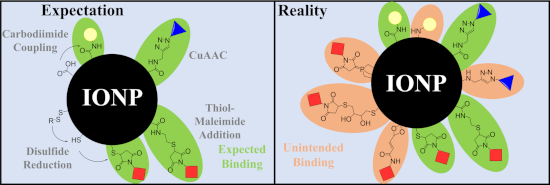
- ]. Magnetite (Fe3O4) nanoparticles (NPs), in particular, have been explored for these applications, due to their low toxicity, biocompatibility, and high saturation magnetization [4]. These applications require reliable and controlled surface functionalization to impart desired functionality, such as tissue







Ferroptosis induction by engineered liposomes for enhanced tumor therapy
Beilstein J. Nanotechnol. 2025, 16, 1325–1349, doi:10.3762/bjnano.16.97
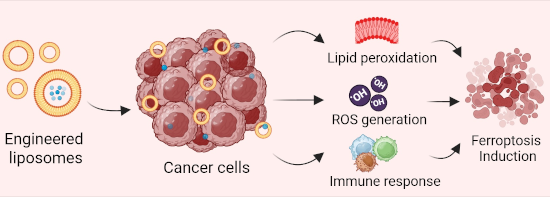
- hydrophobic substances and offer additional advantages such as biocompatibility, biodegradability, low toxicity, lack of immunogenicity, and flexibility for chemical and structural modifications [142][143]. Recent developments in liposomes focus on modifying their chemical and structural properties to target


Better together: biomimetic nanomedicines for high performance tumor therapy
Beilstein J. Nanotechnol. 2025, 16, 1246–1276, doi:10.3762/bjnano.16.92
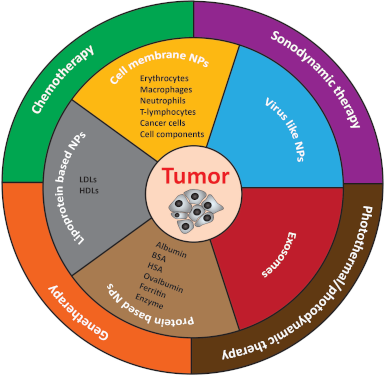
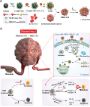
- emerged as an ideal strategy to protect synthetic nanoparticles during circulation. Cell membrane-coated biomimetic nanoparticles act like source cells with significant biomedical properties including biocompatibility, low toxicity, and potent targetability. They are recognized as “own” by the immune
- . Exosomes have also been used to deliver chemotherapeutic agents, nucleic acids, macromolecules, and diagnostic agents. Thus, exosomes are ideal delivery vehicles for therapeutic treatments that should be specific to the targeting sites with low toxicity to other organs, high encapsulation and delivery
- biomimetic nanoparticles by using MMP2-responsive peptides to bind with miR-126-3p and then further camouflaged with RBC membrane (REMAIN). Due to the natural RBC membrane, REMAIN showed extended circulation, low toxicity, better biocompatibility, and immune escape; they induced the apoptosis of lung cancer






Investigation of the solubility of protoporphyrin IX in aqueous and hydroalcoholic solvent systems
Beilstein J. Nanotechnol. 2025, 16, 1209–1215, doi:10.3762/bjnano.16.89
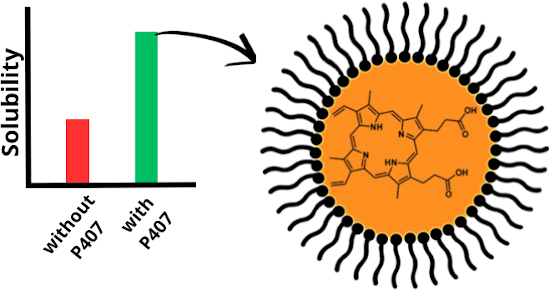
- are unsuitable solvents for PpIX, whereas the nanostructured systems containing P407 showed the greatest potential for future pharmaceutical applications, mainly the aqueous one because of its low toxicity considering topical preparations. Keywords: 5-aminolevulinic acid; photodynamic therapy
- suitable light source, and molecular oxygen, generating reactive oxygen species that induce cellular damage [3][4]. Among the PSs used in PDT, protoporphyrin IX (PpIX) stands out as a natural precursor of hemoglobin and porphyrins, exhibiting low toxicity in its monomeric form [5]. When exposed to light


A calix[4]arene-based supramolecular nanoassembly targeting cancer cells and triggering the release of nitric oxide with green light
Beilstein J. Nanotechnol. 2025, 16, 1003–1013, doi:10.3762/bjnano.16.75
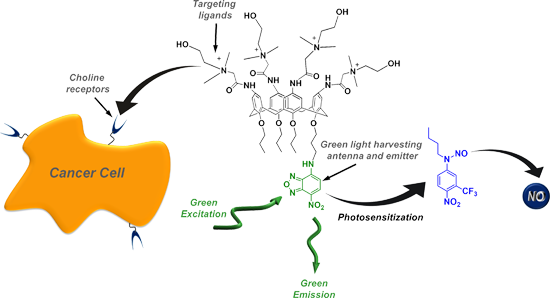
- light, not only for its intrinsic low toxicity but also for its deeper tissue penetration. Our recent work reported a supramolecular approach to trigger the NO release from a blue-light-activatable nitroso-derivative NOPD through red light [51][52]. This was achieved by a bimolecular photochemical


Supramolecular hydration structure of graphene-based hydrogels: density functional theory, green chemistry and interface application
Beilstein J. Nanotechnol. 2025, 16, 806–822, doi:10.3762/bjnano.16.61
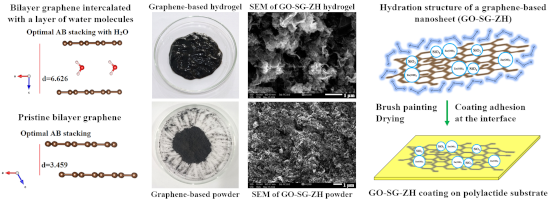
- Zn(OH)2 constituent). ZH nanoparticles and GO nanosheets in the GO-SG-ZH hydrogel are antibacterial and antibiofilm agents with low toxicity for food packaging and biomedical applications [56][57]. The main antibacterial mechanism of GO nanosheets is cell membrane damage caused by direct contact of


A formulation containing Cymbopogon flexuosus essential oil: improvement of biochemical parameters and oxidative stress in diabetic rats
Beilstein J. Nanotechnol. 2025, 16, 617–636, doi:10.3762/bjnano.16.48
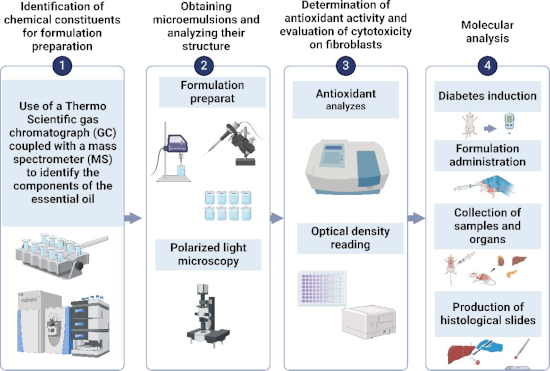
- diagram Various surfactants in different combinations were tested to obtain the ME. In general, non-ionic surfactants are most commonly used because they have a low critical micelle concentration, low toxicity, and greater stability to changes in pH and charge when compared to other classes of surfactants




Synthetic-polymer-assisted antisense oligonucleotide delivery: targeted approaches for precision disease treatment
Beilstein J. Nanotechnol. 2025, 16, 435–463, doi:10.3762/bjnano.16.34

- expression in intraocular tumours [151]. The incorporation of the penetratin moiety significantly enhanced cellular uptake and gene silencing, while G5 dendrimers provided efficient ASO loading and maintained low toxicity. A similar strategy was used by Zhang and coworkers [152], who evaluated the efficacy


Quantification of lead through rod-shaped silver-doped zinc oxide nanoparticles using an electrochemical approach
Beilstein J. Nanotechnol. 2025, 16, 422–434, doi:10.3762/bjnano.16.33
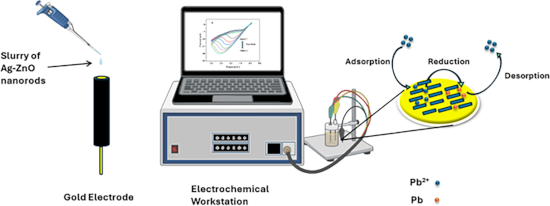
- employed as effective electron mediators [9]. Zinc oxide nanoparticles have gained a lot of attention due to their unique features, such as wide bandgap (approximately 3.37 eV), excellent electron transportation, piezoelectric behavior, semiconductor nature, low toxicity, and enhanced electrochemical





Radiosensitizing properties of dual-functionalized carbon nanostructures loaded with temozolomide
Beilstein J. Nanotechnol. 2025, 16, 229–251, doi:10.3762/bjnano.16.18
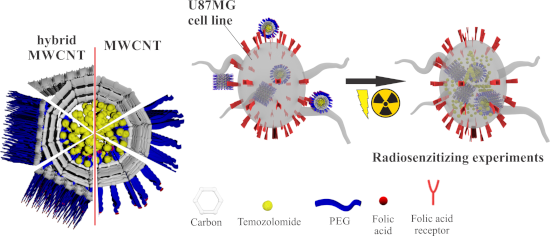
- a matter of increasing importance in the field of neurology, neuro-oncology, and neuropharmacology. This is because of their specific intrinsic physicochemical, biopharmaceutical, and pharmacological properties such as good bioavailability, relatively low toxicity, low weight and large surface area




Comparison of organic and inorganic hole transport layers in double perovskite material-based solar cell
Beilstein J. Nanotechnol. 2025, 16, 119–127, doi:10.3762/bjnano.16.11
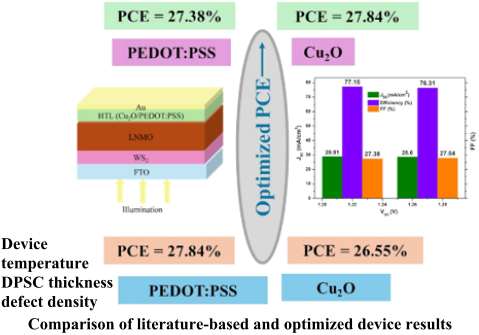
- -based PSCs as a promising photovoltaic material. The double perovskite layer is a remarkable choice as active layer because of intrinsic carrier stability, low exciton binding energy, and low toxicity. Herein, the optimization of a planar DPSC with a multifunctional double perovskite absorber layer


Enhanced catalytic reduction through in situ synthesized gold nanoparticles embedded in glucosamine/alginate nanocomposites
Beilstein J. Nanotechnol. 2024, 15, 1227–1237, doi:10.3762/bjnano.15.99
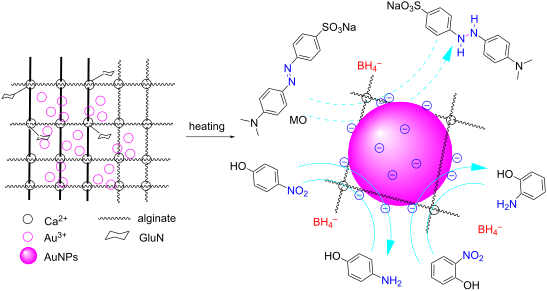
- particular, have demonstrated significant control over the nucleation and growth of metallic nanoparticles. Utilizing polysaccharide-mediated procedures for AuNP synthesis offers several advantages over conventional methods, including cost-effectiveness, energy efficiency, low toxicity, and eco-friendliness