


Search results
Search for "medical" in Full Text gives 386 result(s) in Beilstein Journal of Nanotechnology. Showing first 200.
Environmental applications of silver nanoparticles: state-of-the-art review and emerging trends
Beilstein J. Nanotechnol. 2026, 17, 697–736, doi:10.3762/bjnano.17.49
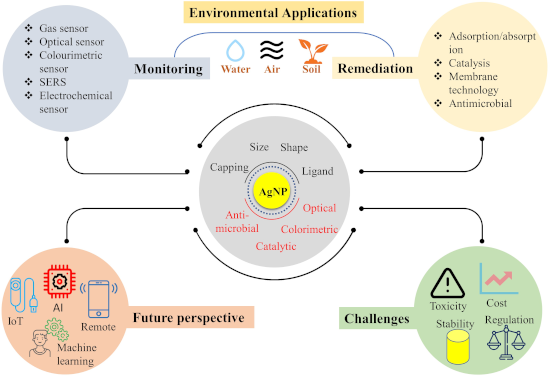
- Soni Prajapati Akash Kumar Ranjana Singh Department of Biochemistry, King George’s Medical University, Lucknow, India Academy of Scientific and Innovative Research, Ghaziabad, India 10.3762/bjnano.17.49 Abstract Silver nanoparticles (AgNPs) possess inherent catalytic, antimicrobial, and optical
- , medical and research institutions, household waste, and agricultural practices are major contributors [1]. Pollution arises from any chemical, biological, physical, or radiological substance that impacts soil, water, air, or living beings. These include metals (e.g., lead, mercury, arsenic, cadmium


Protein-based custom-designed molecular nanotraps for biomedical applications
Beilstein J. Nanotechnol. 2026, 17, 683–687, doi:10.3762/bjnano.17.47

- , as building blocks for the synthesis of imprinted bioderived materials was proposed, referring to them as bioMIPs [5][6]. Imprinting with biopolymers, such as proteins, could revolutionize the field and, ultimately, shape a new class of therapeutics and medical devices. The bioMIPs, by being fully
- balance between cost-effectiveness and material quality remains nontrivial and may necessitate the use of recovered or waste-derived feedstocks, which must nonetheless meet stringent medical-grade certification requirements. Furthermore, the use of whole proteins introduces potential risks associated with

Cellulose as a photocatalyst support material: extraction, structural features, and environmental applications
Beilstein J. Nanotechnol. 2026, 17, 635–652, doi:10.3762/bjnano.17.44
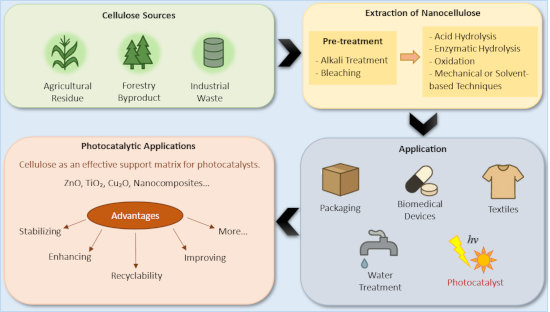
- development of magnetic paper designed for anti-counterfeiting purposes [66]. Cellulose has a long history of use in the biomedical field. Today, several forms of medical-grade cellulose are widely available, including propellant cellulose, MCC, and its common derivatives such as carboxymethyl cellulose and
- methyl cellulose [67]. The medical sector benefits greatly from cellulose’s natural biocompatibility, while its derivatives and nanocellulose can be produced through chemical modifications or combined physical and chemical treatments, which have further expanded its applications by offering better
- method, the derived cellulose may exist in both amorphous and crystalline forms with various structural variations such as macrofibers, fibrils, pores, and both micro- and nanocrystals, each offering distinct advantages for medical applications. Within drug delivery research, nanoscale systems have


Towards targeted drugs and next generation of nanomedicines
Beilstein J. Nanotechnol. 2026, 17, 598–601, doi:10.3762/bjnano.17.41
- , Germany 10.3762/bjnano.17.41 Keywords: cellular uptake; drug delivery; intracellular trafficking; nanomedicine; nanoparticles; tumor microenvironment; Nanomedicine is dedicated to the application of nanotechnology in the medical field. Nanosized materials are intended for delivering drugs to their
- , synthesis and functionalization of nanobiomaterials, nanotechnology applied to therapy and medical diagnostics, and pharmaceutical nanotechnology. The collected articles and contributions provide a broad overview on recent advances in the field within the aforementioned topics. Additionally, it includes
Advances in nanotechnology applied to natural products
Beilstein J. Nanotechnol. 2026, 17, 555–558, doi:10.3762/bjnano.17.36
- Douglas Dourado Fabio Rocha Formiga Everton do Nascimento Alencar Franceline Reynaud Department of Immunology, Aggeu Magalhães Institute (IAM), Oswaldo Cruz Foundation (FIOCRUZ), 50670-420, Recife, PE, Brazil Faculty of Medical Sciences (FCM), University of Pernambuco (UPE), 50100-130, Recife, PE
Polycatecholamine nanocoatings on stainless steel: the effect on attachment of human fibroblasts and platelets
Beilstein J. Nanotechnol. 2026, 17, 365–380, doi:10.3762/bjnano.17.25
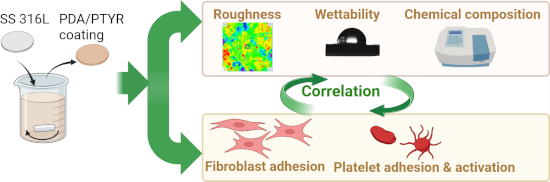
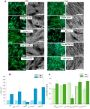
- need for durable, biocompatible, and hemocompatible coatings to improve the long-term safety of stainless steel implants. Polydopamine (PDA) has emerged as a versatile coating material for cardiovascular devices, tissue engineered scaffolds and antimicrobial medical devices [13][14][15][16][17]. PDA
- controlled nanoscale surface features in the development of next-generation bioactive coatings for medical implants and blood-contacting devices. Experimental Materials and methods Stainless steel samples Stainless steel 316L discs (14 mm in diameter, 0.8 mm in thickness) were laser-cut by STOMILEX (Poland




Advancing nanolithography: a comprehensive review of materials for local anodic oxidation with AFM
Beilstein J. Nanotechnol. 2026, 17, 275–291, doi:10.3762/bjnano.17.19
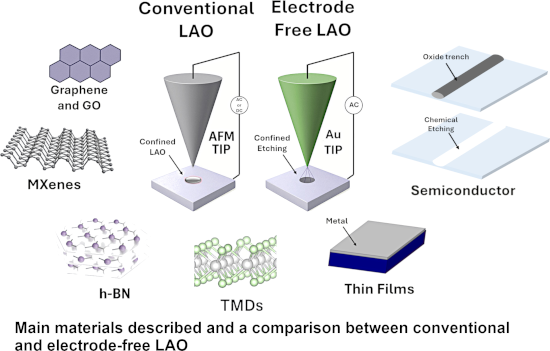
- functional surfaces tailored for medical applications [114]. By leveraging LAO’s precise patterning capabilities, researchers can develop surfaces with nanoscale features that promote specific interactions with biological systems. For instance, functionalized surfaces could enhance cell adhesion, guide


Durable antimicrobial activity of fabrics functionalized with zeolite ion-exchanged nanomaterials against Staphylococcus aureus and Escherichia coli
Beilstein J. Nanotechnol. 2026, 17, 262–274, doi:10.3762/bjnano.17.18
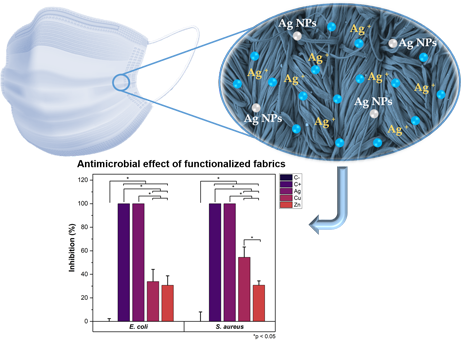
- inactivate a wide range of microorganisms. Today, both silver and copper are widely used in various medical and healthcare applications due to their effective antimicrobial activity. For example, copper was found to be 99.9% efficient in inactivating microorganisms within the first two hours of contact [13




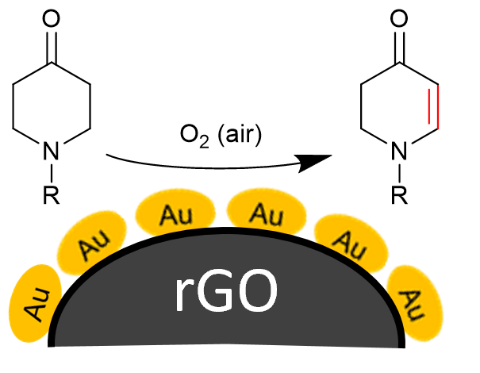
Gold nanoparticle-decorated reduced graphene oxide as a highly effective catalyst for the selective α,β-dehydrogenation of N-alkyl-4-piperidones
Beilstein J. Nanotechnol. 2026, 17, 218–238, doi:10.3762/bjnano.17.15


Micro- and nanoscale effects in biological and bioinspired materials and surfaces
Beilstein J. Nanotechnol. 2026, 17, 214–217, doi:10.3762/bjnano.17.14
- Chimica, Biologia e Biotecnologie, University of Perugia, Via Elce di Sotto 8, 06121 Perugia, Italy 10.3762/bjnano.17.14 Keywords: adhesion; bioengineering; functional morphology; material properties; medical coatings; microstructures; nanostructures; optics; structure–function relationships; Micro- and
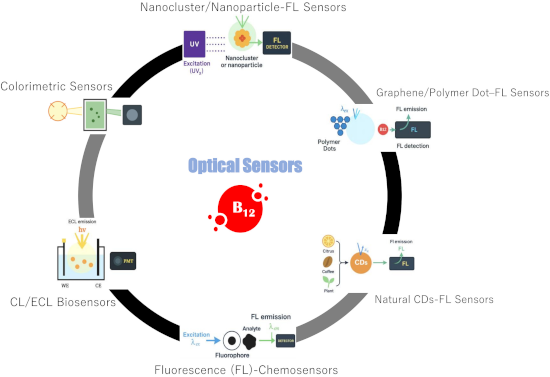
- to produce surface passivation materials that avoid clot formation in a biomedical context. Lastly, the issue includes reviews on applications of such bioinspired nanotechnologies for cultural heritage protection [24], medical therapeutic treatments [25][26], and vitamin B12 biosensing [27]. Lama et
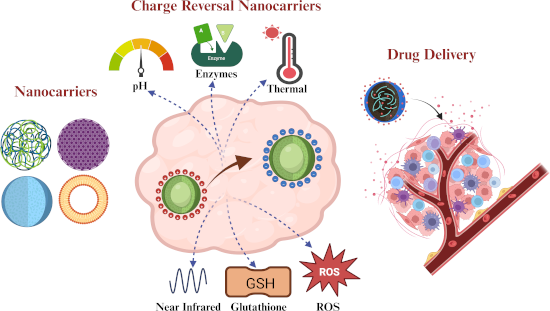
From shield to spear: Charge-reversible nanocarriers in overcoming cancer therapy barriers
Beilstein J. Nanotechnol. 2026, 17, 159–175, doi:10.3762/bjnano.17.10
- 16.8% of all deaths and 30.3% of premature mortality due to noncommunicable diseases, and continues to be one of the leading causes of death worldwide despite medical progress. Conventional treatment methods such as surgery, chemotherapy, and radiotherapy often face challenges such as systemic toxicity
- CELL, NUCLEUS and PROTEIN were provided by Servier Medical Art (https://smart.servier.com/), licensed under CC BY 4.0 (https://creativecommons.org/licenses/by/4.0/). Illustrative mechanisms of various charge-reversible nanocarrier (CRN) types. Figure 3 was created in BioRender. Yeduvaka, M. (2025


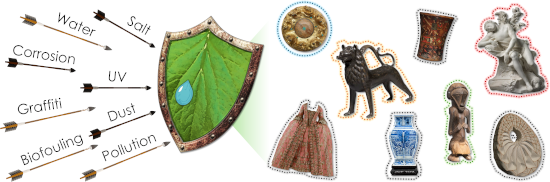
Functional surface engineering for cultural heritage protection: the role of superhydrophobic and superoleophobic coatings – a comprehensive review
Beilstein J. Nanotechnol. 2026, 17, 63–96, doi:10.3762/bjnano.17.6
- ) has expanded significantly in recent years, especially in high-tech sectors such as electronics, telecommunications, medical devices, automotive, aerospace, and defense [40][41][42]. This growing interest reflects the critical need to address specific surface-level threats, including icing, fogging
- , contamination, biofouling, and corrosion [43][44], by leveraging the multifunctional shielding capabilities provided by such advanced coatings. Several review papers provide summary of all these materials and techniques, focusing on applications including aerospace, medical, and automotive. Only in the last




Optical bio/chemical sensors for vitamin B12 analysis in food and pharmaceuticals: state of the art, challenges, and future outlooks
Beilstein J. Nanotechnol. 2025, 16, 2207–2244, doi:10.3762/bjnano.16.153


Quality by design optimization of microemulsions for topical delivery of Passiflora setacea seed oil
Beilstein J. Nanotechnol. 2025, 16, 2116–2131, doi:10.3762/bjnano.16.146
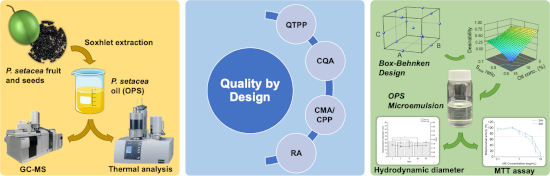
- ® and additional licensed figures. The image of the beaker was provided by Servier Medical Art (https://smart.servier.com/), licensed under CC BY 4.0 (https://creativecommons.org/licenses/by/4.0/); The image of the GC–MS was adapted from https://commons.wikimedia.org/wiki


Rapid synthesis of highly monodisperse AgSbS2 nanocrystals: unveiling multifaceted activities in cancer therapy, antibacterial strategies, and antioxidant defense
Beilstein J. Nanotechnol. 2025, 16, 2105–2115, doi:10.3762/bjnano.16.145
- , chemical, or biological attributes offer novel foundational elements for the design and development of devices and systems aimed at diagnosing and treating various diseases. Hence, nanoparticles or nanomaterials can be engineered to have various useful medical functions [4]. The assessment of the
- cascade of events leads to DNA breakage, heightened expression of death receptors, and ultimately culminates in apoptosis-driven cell death [10]. Therefore, nanoparticles can be considered as a medical agent in the treatment of various diseases that can be caused by free radicals, such as cancer


Targeting the vector of arboviruses Aedes aegypti with nanoemulsions based on essential oils: a review with focus on larvicidal and repellent properties
Beilstein J. Nanotechnol. 2025, 16, 1894–1913, doi:10.3762/bjnano.16.132
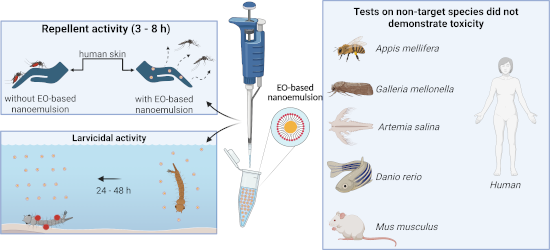
- , Aggeu Magalhães Institute (IAM), Oswaldo Cruz Foundation (FIOCRUZ), 50670-420 Recife, PE, Brazil Department of Entomology, Aggeu Magalhães Institute (IAM), Oswaldo Cruz Foundation (FIOCRUZ), 50670-420 Recife, PE, Brazil Faculty of Medical Sciences (FCM), University of Pernambuco (UPE), 50100-130, Recife


Self-assembly and adhesive properties of Pollicipes pollicipes barnacle cement protein cp19k: influence of pH and ionic strength
Beilstein J. Nanotechnol. 2025, 16, 1863–1872, doi:10.3762/bjnano.16.129
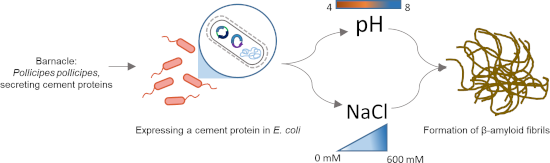
- Shrutika Sawant Anne Marie Power J. Gerard Wall Microbiology, School of Biological and Chemical Sciences, University of Galway, University Rd, Galway H91 TK33, Ireland CÚRAM Research Ireland Centre for Medical Devices, University of Galway H91 TK33, Ireland Ryan Institute, School of Natural


On the road to sustainability – application of metallic nanoparticles obtained by green synthesis in dentistry: a scoping review
Beilstein J. Nanotechnol. 2025, 16, 1851–1862, doi:10.3762/bjnano.16.128
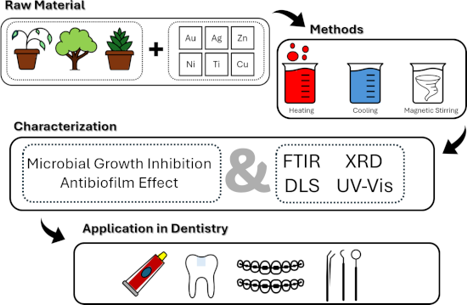
- country is home to a large number of public and private universities, research institutes, and government-funded agencies (e.g., “Council of Scientific & Industrial Research” (CSIR), “Indian Council of Medical Research” (ICMR), and “Department of Biotechnology” (DBT)), which actively promote low-cost, eco


Phytol-loaded soybean oil nanoemulsion as a promising alternative against Leishmania amazonensis
Beilstein J. Nanotechnol. 2025, 16, 1826–1836, doi:10.3762/bjnano.16.126

- considered statistically significant for p < 0.05. Schematic illustration of PHYT-NE preparation: (a) size distribution of nanodroplets (b) and morphological aspects of blank-NE (c) and PHYT-NE (d). Figure 1a) is adapted from Servier Medical Art (https://smart.servier.com/), licensed under CC BY 4.0 (https
- nanoemulsion (per 10 g). Supporting Information Supporting Information File 14: Additional figure. Acknowledgements The Graphical Abstract was created from elements from the Servier Medical Art collection (https://smart.servier.com/), licensed under CC BY 4.0 (https://creativecommons.org/licenses/by/4.0


Advances of aptamers in esophageal cancer diagnosis, treatment and drug delivery
Beilstein J. Nanotechnol. 2025, 16, 1734–1750, doi:10.3762/bjnano.16.121
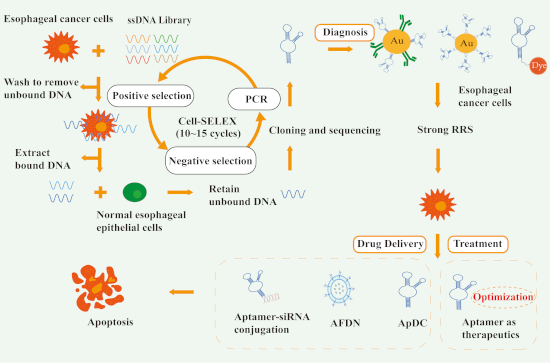
- Yang Fei Hui Xu Chunwei Zhang Jingjing Wang Yong Jin School of Pharmaceutical Sciences, Anhui Medical University, Hefei, Anhui, China 10.3762/bjnano.16.121 Abstract Esophageal cancer (EC) is a common malignant tumor of the digestive tract with poor prognosis and high mortality. The early
- against esophageal cancer. Funding This work was supported by the Pharmaceutical Summit Discipline Fund of Anhui Medical University (2023xkjd04). Conflict of Interest The authors declare no conflict of interest.


Multifunctional anionic nanoemulsion with linseed oil and lecithin: a preliminary approach for dry eye disease
Beilstein J. Nanotechnol. 2025, 16, 1711–1733, doi:10.3762/bjnano.16.120
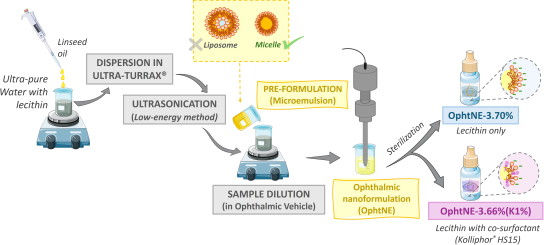
- within the emulsion [74]. An important quality parameter of LO is the free fatty acid (FFA) content, determined by the AV. A lower AV signifies a reduced FFA content, indicating higher oil quality and enhanced bioactive functionality, making it well-suited for medical applications. The AV measured for LO



Prospects of nanotechnology and natural products for cancer and immunotherapy
Beilstein J. Nanotechnol. 2025, 16, 1644–1667, doi:10.3762/bjnano.16.116
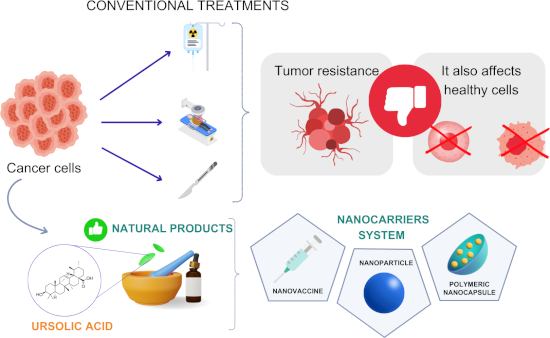
- dose of its active ingredients [96]. These characteristics have made nanoparticles widely used in medicines, medical applications, and the food industry, as they provide increased shelf life, improved drug delivery, and enhanced therapeutic efficacy [97]. Various methods, such as chemical reduction


Venom-loaded cationic-functionalized poly(lactic acid) nanoparticles for serum production against Tityus serrulatus scorpion
Beilstein J. Nanotechnol. 2025, 16, 1633–1643, doi:10.3762/bjnano.16.115
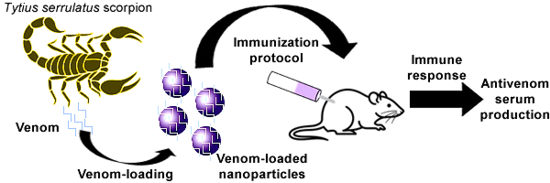
- a Brazilian scorpion species with great medical significance [2][5], responsible for the highest number of accidents and also the most severe ones [6][7]. Scorpion toxins represent a vast collection (≈100,000) of pharmacologically relevant peptide toxins that have provided an important foundation


Transient electronics for sustainability: Emerging technologies and future directions
Beilstein J. Nanotechnol. 2025, 16, 1545–1556, doi:10.3762/bjnano.16.109
- discourse, it has long been recognized in several application domains. For instance, biodegradable polymer-based materials have been extensively explored as environmentally benign alternatives that do not leave persistent residues [4]. Similarly, in the realm of implantable medical devices, efforts have
- persistence. One of the most compelling applications of transient electronics is in minimally invasive implantable medical devices designed for postoperative care and rehabilitative medicine. During the immediate postoperative recovery period, clinical needs are typically limited to short-term monitoring or
- materials exhibit strong potential for the use in implantable medical devices. For instance, Ge nanomembranes have been employed in fully biodegradable strain and temperature sensors, demonstrating proven biocompatibility and gas-free dissolution. In addition, IGZO has been utilized to fabricate transient


Nanomaterials for biomedical applications
Beilstein J. Nanotechnol. 2025, 16, 1499–1503, doi:10.3762/bjnano.16.105
- diagnostics and medical imaging. Using these materials, physicians diagnose diseases earlier and more accurately than before [4]. In tissue engineering, nanofibers are being used to develop scaffolds to promote the proliferation of cells. These scaffolds aid patients suffering from chronic wounds as they
- color upon detecting the virus. Their capability to attach to specific antibodies or DNA strands makes them perfect for detecting even faint traces of disease [18]. Moreover, magnetic nanoparticles specially made from iron oxide are also being used in medical imaging. They are usually employed as
- used in the future for tissue recovery, which was previously thought to be beyond repair [31]. In addition to diagnosis and tissue regeneration, nanomaterials can create new treatment methods and enhance the design and performance of medical implants. An area that is getting a lot of attention is



