


Search results
Search for "metal–organic frameworks" in Full Text gives 69 result(s) in Beilstein Journal of Nanotechnology.
Materials challenges in solid-state sensors for continuous monitoring of ions in water
Beilstein J. Nanotechnol. 2026, 17, 935–973, doi:10.3762/bjnano.17.66
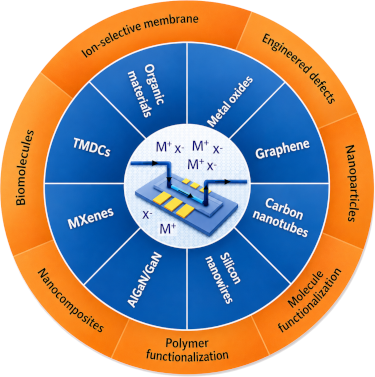
- through strategies such as defect engineering, nanoparticle doping, surface functionalization with organic molecules, or incorporation of advanced recognition elements like metal–organic frameworks, covalent organic frameworks, ion-imprinted polymers, and biomaterials. Hybrid nanocomposites and ion



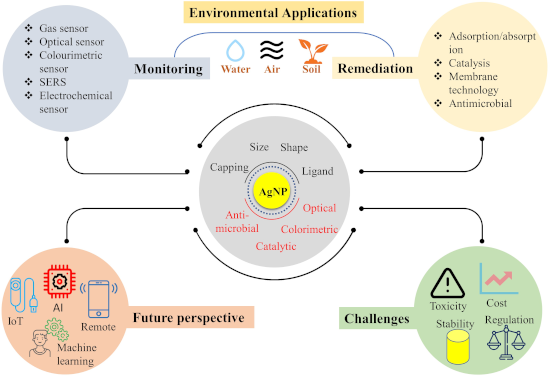
Environmental applications of silver nanoparticles: state-of-the-art review and emerging trends
Beilstein J. Nanotechnol. 2026, 17, 697–736, doi:10.3762/bjnano.17.49


Cellulose as a photocatalyst support material: extraction, structural features, and environmental applications
Beilstein J. Nanotechnol. 2026, 17, 635–652, doi:10.3762/bjnano.17.44
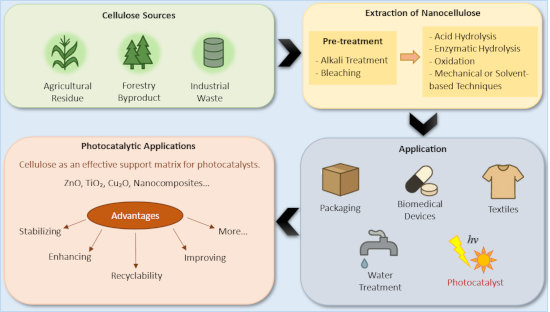
- production often requires large amounts of solvents, reagents, reducing agents, and capping agents to ensure stability [67][85]. In recent years, metal–organic frameworks have attracted considerable attention as versatile supports or precursors for catalysts because of their high porosity, tunable functions


Electrochemical determination of ciprofloxacin using a MIL-101/reduced graphene oxide-modified electrode
Beilstein J. Nanotechnol. 2026, 17, 541–554, doi:10.3762/bjnano.17.35
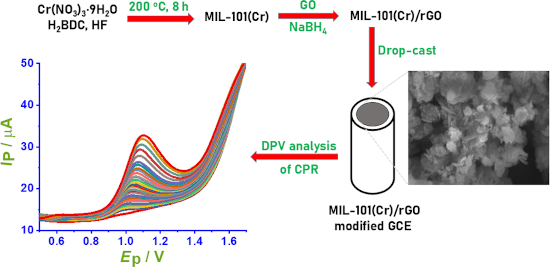
- potential for miniaturization and field use. The performance of electrochemical sensors heavily relies on the electrode’s surface properties. Recently, metal–organic frameworks (MOFs) have attracted significant interest in electrochemical sensing due to their highly ordered porous structures, very high


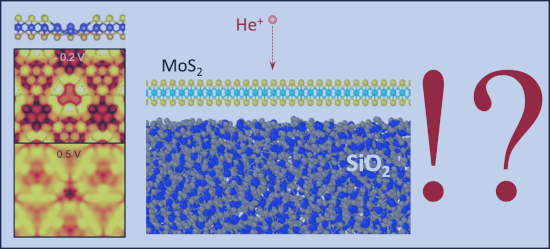
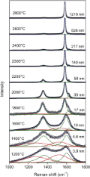
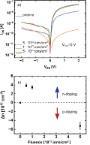
Defects and defect-mediated engineering of two-dimensional materials: challenges and open questions
Beilstein J. Nanotechnol. 2026, 17, 454–488, doi:10.3762/bjnano.17.31





Biomimetic nanoparticles in cancer photodynamic therapy: a review of targeted delivery systems and therapeutic outcomes
Beilstein J. Nanotechnol. 2026, 17, 396–422, doi:10.3762/bjnano.17.27

- isolation procedures, heterogeneity, scalability limitations, and potential loss of membrane protein activity during processing [122]. CCM-coated platforms involve cloaking synthetic nanoparticle cores (e.g., PLGA, silica, and metal-organic frameworks (MOFs)) with membranes derived from tumor cells [123


Missing links in nanomaterials research impacting productivity and perceptions
Beilstein J. Nanotechnol. 2025, 16, 2168–2176, doi:10.3762/bjnano.16.149

- , and FeCl2), 2D nitrides (e.g., BCN), 2D transition metal nitrides(e.g., MoN, Ti4N3, and GaN) [10], 2D carbides (e.g., α-C2N and B2C), 2D perovskites (e.g., (BA)2PbI4), and 2D metal-organic frameworks have also shown extraordinary promise. These nanosystems exhibit exceptional physical and chemical
Stereodiscrimination of guests in chiral organosilica aerogels studied by ESR spectroscopy
Beilstein J. Nanotechnol. 2025, 16, 2034–2054, doi:10.3762/bjnano.16.140
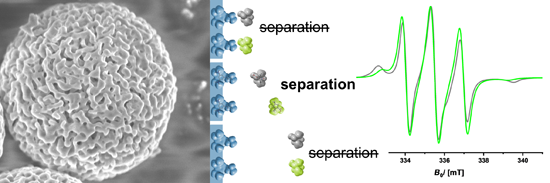
- , chiral materials are crucial in asymmetric synthesis, where the selective production of a desired enantiomer is needed, particularly in pharmaceuticals [7]. Chiral metal-organic frameworks [8] and nanoporous materials [9][10] are emerging as vital components in enantioselective catalysis due to their





Current status of using adsorbent nanomaterials for removing microplastics from water supply systems: a mini review
Beilstein J. Nanotechnol. 2025, 16, 1837–1850, doi:10.3762/bjnano.16.127
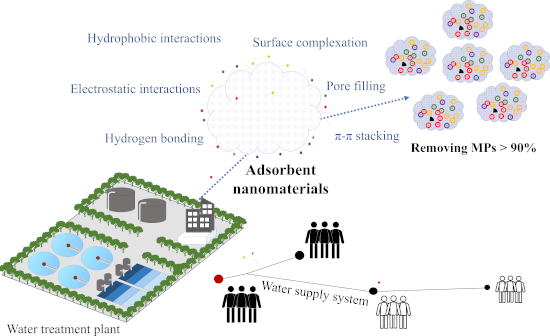
- materials provide a foundation for developing sustainable, effective solutions to mitigate MPs pollution in the water supply system. Keywords: adsorbent interactions; adsorbent nanomaterials; carbon-based adsorbents; metal-organic frameworks (MOFs); microplastics (MPs); Introduction Plastic materials have
- methods Adsorbent nanomaterials have recently shown great potential for removing MPs. They can be classified into four main groups, including carbon-based adsorbents, metal-organic frameworks (MOFs), magnetic nanomaterials, and aerogels and sponge-based adsorbents [49]. These materials are fabricated and
- , and the main mechanism involved electrostatic attractions between the positive charge of MPs and negatively charge of GAC [58]. Metal-organic frameworks. MOFs are highly ordered crystalline materials characterized by high porosity and large surface area (Figure 3). Their pore size, volume, and


Nanotechnology-based approaches for the removal of microplastics from wastewater: a comprehensive review
Beilstein J. Nanotechnol. 2025, 16, 1607–1632, doi:10.3762/bjnano.16.114
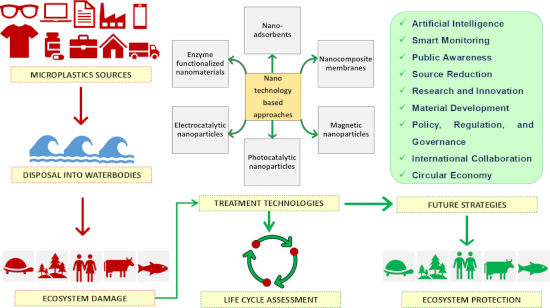
- various nanoenabled treatment strategies such as adsorption, photocatalysis, and membrane filtration using materials like metal-organic frameworks, carbon-based nanomaterials, MXenes, and metal oxides. It also highlights recent innovations such as microrobotic systems and AI-assisted detection frameworks
- nanomaterials in membrane fabrication are zeolites, various metals and metal oxides, as well as carbon-based materials such as CNTs and graphene derivatives [86]. The nanomaterials that can be used membrane components for the removal of MPs are discussed in detail below. Metal-organic frameworks: Metal-organic
- frameworks (MOFs) are a complex and relatively new category of highly porous nanomaterials that have gained attention over the past two decades, showing broad potential in wastewater treatment. These crystalline materials are formed through coordination bonds that connect clusters or metal ions with



Laser processing in liquids: insights into nanocolloid generation and thin film integration for energy, photonic, and sensing applications
Beilstein J. Nanotechnol. 2025, 16, 1428–1498, doi:10.3762/bjnano.16.104






Soft materials nanoarchitectonics: liquid crystals, polymers, gels, biomaterials, and others
Beilstein J. Nanotechnol. 2025, 16, 1025–1067, doi:10.3762/bjnano.16.77
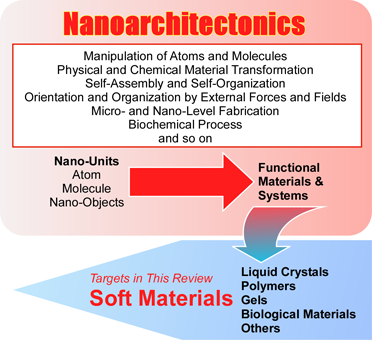
- . Technologies that facilitate the conversion of these materials, not limited to typical soft materials, into more advanced assemblies include self-assembly via supramolecular chemistry [60][61][62][63][64], the creation of metal-organic frameworks (MOFs) through coordination chemistry [65][66][67][68][69], and







Synthesis of a multicomponent cellulose-based adsorbent for tetracycline removal from aquaculture water
Beilstein J. Nanotechnol. 2025, 16, 728–739, doi:10.3762/bjnano.16.56
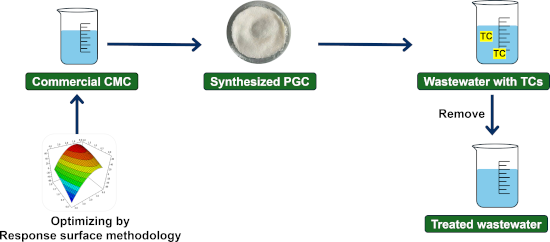
- , electrostatic forces, and van der Waals forces, adsorbed antibiotics may desorb and reenter aquatic environments [12]. Moreover, activated carbon exhibits low selectivity and adsorption capacity. Among novel adsorbents, metal-organic frameworks [13] and molecularly imprinted polymers (MIPs) [14] are


Nanomaterials in targeting amyloid-β oligomers: current advances and future directions for Alzheimer's disease diagnosis and therapy
Beilstein J. Nanotechnol. 2025, 16, 561–580, doi:10.3762/bjnano.16.44
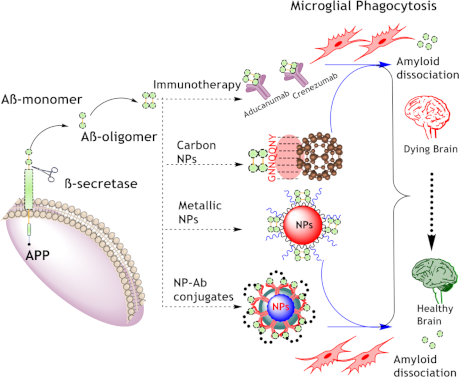
- to the development of diagnostic strategies for NDs. Zhou and colleagues introduced an advanced electrochemical aptasensor that utilizes metal-organic frameworks (MOFs) as signal probes for detecting AβOs. They engineered an electrode modified with gold nanoflowers to capture targets, employing


Emerging strategies in the sustainable removal of antibiotics using semiconductor-based photocatalysts
Beilstein J. Nanotechnol. 2025, 16, 264–285, doi:10.3762/bjnano.16.21
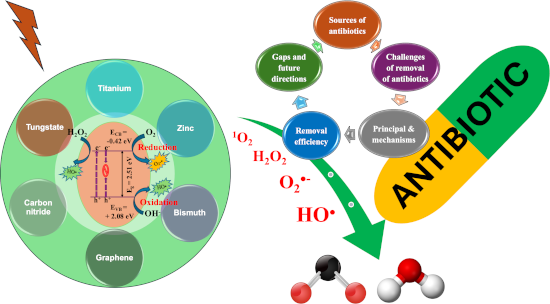
- , including biochar, metal-organic frameworks (MOFs), functionalized mesoporous silica, porous organic polymers, zeolite, and derivatives of graphene. These substances act as a support for metal oxides and immobilize the catalyst, increase the catalyst surface area, and improve the chemical stability



Recent advances in photothermal nanomaterials for ophthalmic applications
Beilstein J. Nanotechnol. 2025, 16, 195–215, doi:10.3762/bjnano.16.16
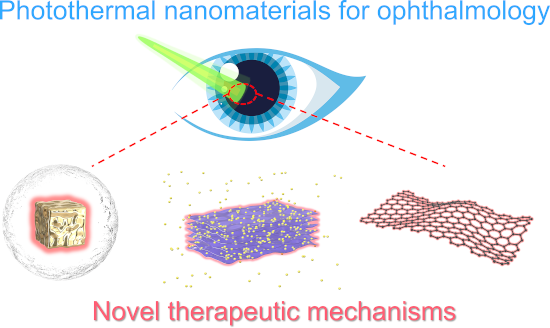
- and selection. Additionally, because of concerns over material toxicity, novel materials like metal-organic frameworks, covalent organic frameworks, high-entropy materials, single-atom materials, electric power generation nanomaterials, 3D bioprinting materials, and upconversion luminescent materials


A review of metal-organic frameworks and polymers in mixed matrix membranes for CO2 capture
Beilstein J. Nanotechnol. 2025, 16, 155–186, doi:10.3762/bjnano.16.14

- , metal-organic frameworks (MOFs) have received a growing focus in the past decade [5][12][23][24][25]. The MOFs play the role of versatile and porous dispersive fillers, providing a multitude of opportunities to fabricate highly efficient MOF-derived MMMs tailored for CO2 separation. The present review
- membranes. To address this challenge, the development of mixed matrix membranes (MMMs) is a promising strategy. MMMs are obtained by carefully integrating porous nano-fillers into polymeric matrices, enabling the simultaneous enhancement of selectivity and permeability. In particular, metal-organic
- frameworks (MOFs) have gained recognition as MMM fillers for CO2 capture. Here, a review of the current state, recent advancements, and challenges in the fabrication and engineering of MMMs with MOFs for selective CO2 capture is proposed. Key considerations and promising research directions to fully exploit


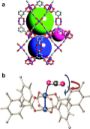



Electrochemical nanostructured CuBTC/FeBTC MOF composite sensor for enrofloxacin detection
Beilstein J. Nanotechnol. 2024, 15, 1522–1535, doi:10.3762/bjnano.15.120
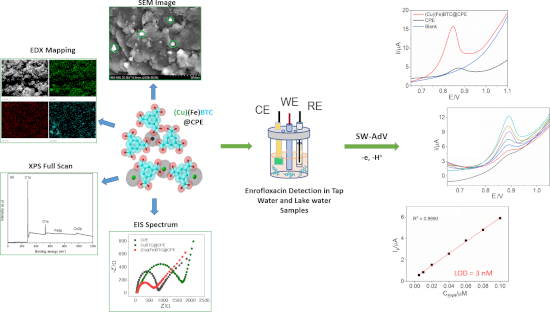
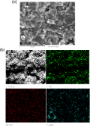
- /bjnano.15.120 Abstract A novel electrochemical sensor for the detection of enrofloxacin (ENR) in aqueous solutions has been developed using a carbon paste electrode modified with a mixture of metal-organic frameworks (MOFs) of CuBTC and FeBTC. These MOFs were successfully synthesized via a solvothermal
- efficacy in the detection of ENR with quick response, low cost, and simple handling; hence, these methods are promising to quantify ENR [15][16]. Noble metals and metal-organic frameworks (MOFs) are the most typical electrode materials to detect antibiotics [17][18]. MOFs emerged as the outstanding
- detected in the original samples. However, in the spiked samples, the sensor yielded favourable results with recoveries ranging from 90.2% to 121.3%, indicating the reliability of the sensor and its effectiveness in real-world applications. Conclusion CuBTC and FeBTC metal-organic frameworks (MOFs) were







Synthesis, characterization and anticancer effect of doxorubicin-loaded dual stimuli-responsive smart nanopolymers
Beilstein J. Nanotechnol. 2024, 15, 1189–1196, doi:10.3762/bjnano.15.96
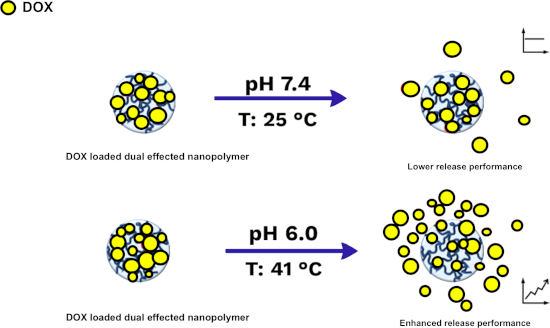
- than free DOX. To date, several types of nanoparticles, such as liposomes, micelles, and metal-organic frameworks, have been studied to encapsulate DOX to obtain effective and non-toxic drugs [7][8]. Great attention has been paid to nanoparticles because of their specific properties, such as small size


Unveiling the potential of alginate-based nanomaterials in sensing technology and smart delivery applications
Beilstein J. Nanotechnol. 2024, 15, 1077–1104, doi:10.3762/bjnano.15.88

- aldehydes is widely awaited. Coating fluorescent alginate-modified surfactants (APGF and APOF) on ZIF-8 metal-organic frameworks (MOFs) resulted in the development of novel APGF@ZIF-8 and APOF@ZIF-8 sensing materials, which are porous fluorescent sensors (SBET up to 1519 m2/g). The developed sensors


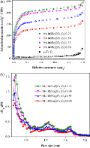
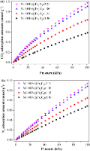
Facile synthesis of Fe-based metal–organic frameworks from Fe2O3 nanoparticles and their application for CO2/N2 separation
Beilstein J. Nanotechnol. 2024, 15, 897–908, doi:10.3762/bjnano.15.74
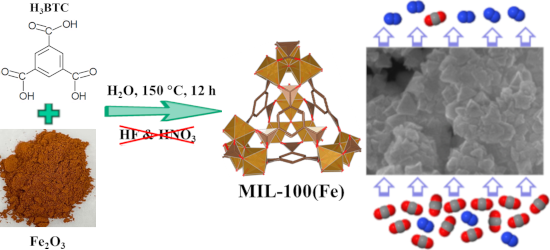
- -organic frameworks (MOFs) are well-ordered porous hybrid structures assembled from the fundamental components of metal ion clusters and organic linkers. MOFs are well known as multipurpose materials that serve a broad range of applications because of their unique construction variants, enormous surface
- . Importantly, this route opens a new approach to utilizing Fe2O3-based waste materials from the iron and steel industry in manufacturing Fe-based MIL-100 materials. Keywords: CO2/N2 separation; Fe2O3 nanoparticles; hydrothermal reaction; IAST-predicted CO2/N2 selectivity; MIL-100(Fe); Introduction Metal






Metal-organic framework-based nanomaterials for CO2 storage: A review
Beilstein J. Nanotechnol. 2023, 14, 964–970, doi:10.3762/bjnano.14.79

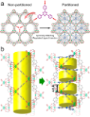
- , including pore size manipulation, post-synthetic modifications, and composite formation. Finally, the extant challenges and anticipated prospects pertaining to the development of MOF-based nanomaterials for CO2 storage are described. Keywords: CO2 storage; metal-organic frameworks; nanomaterials; open
- -organic frameworks (MOFs) promising contenders for CO2 uptake. This review commences by discussing recent advancements in MOFs with diverse adsorption sites, encompassing open metal sites and Lewis basic centers. Next, diverse strategies aimed at enhancing CO2 adsorption capabilities are presented
- ]. Therefore, identification and development of durable and efficient adsorbents are critical to the successful implementation of CCS. Until now, various classes of materials have been investigated for CO2 adsorption, such as covalent organic frameworks, molecular sieves, activated carbon, and metal-organic




Upscaling the urea method synthesis of CoAl layered double hydroxides
Beilstein J. Nanotechnol. 2023, 14, 927–938, doi:10.3762/bjnano.14.76
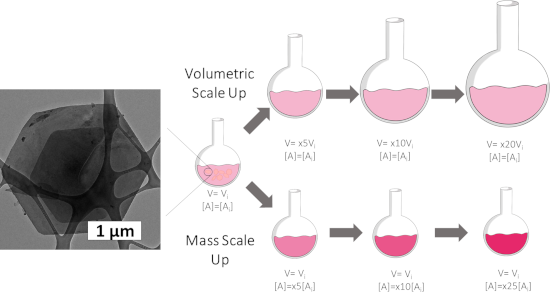
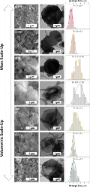
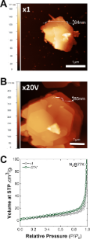
- compare different synthesis protocols, as it has been demonstrated for metal-organic frameworks [63][64][65]. As expected, no-changes in STY values for the volumetric scale-up are observed, while in the case of the mass scale-up, there is a linear relation between STY values and initial concentration


Ni, Co, Zn, and Cu metal-organic framework-based nanomaterials for electrochemical reduction of CO2: A review
Beilstein J. Nanotechnol. 2023, 14, 904–911, doi:10.3762/bjnano.14.74

- of converting CO2 into valuable chemicals through electrochemical techniques has garnered significant attention. Metal-organic frameworks (MOFs) have occured as highly prospective materials for the reduction of CO2, owing to their exceptional attributes including extensive surface area, customizable
- CO2 conversion. Finally, a meticulous discourse encompasses the challenges encountered and the prospects envisioned for the advancement of MOF-based nanomaterials in the realm of electrochemical reduction of CO2. Keywords: carbon capture; CO2 reduction; electrocatalysis; metal-organic frameworks
- exhibited considerable variation depending on the elemental composition of pure metal catalysts [19]. Notably, Au, Ag, and Zn catalysts exhibit preferential CO generation, while Sn, In, and Pb catalysts prove effective in producing formate ions (HCOO−) [20]. Metal-organic frameworks (MOFs) are established


Metal-organic framework-based nanomaterials as opto-electrochemical sensors for the detection of antibiotics and hormones: A review
Beilstein J. Nanotechnol. 2023, 14, 631–673, doi:10.3762/bjnano.14.52

- that are time-consuming and require experienced professionals. Metal-organic frameworks (MOFs) with variable porosity, active functional sites, and fluorescence capacity are attractive materials for developing opto-electrochemical sensors. Herein, the insights into the capabilities of electrochemical
- demonstrated a wide linearity range for the detection of the antibiotic. Metal-organic frameworks: properties and synthesis In recent years, there has been a lot of interest in metal-organic frameworks (MOFs) [72][73][74][75], which are extremely porous materials. They are highly crystalline materials with





