Search results
Search for "nanofibers" in Full Text gives 136 result(s) in Beilstein Journal of Nanotechnology.
Supramolecular one-dimensional conducting nanofibers from a C3-symmetric tetrathiafulvalene derivative
Beilstein J. Nanotechnol. 2026, 17, 872–881, doi:10.3762/bjnano.17.63
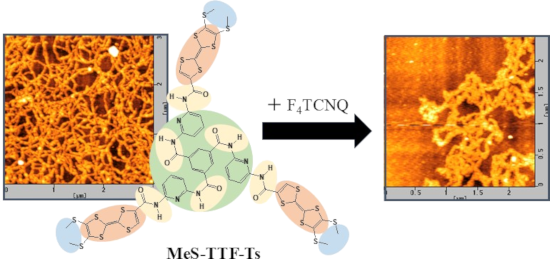
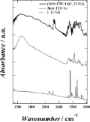
- resulting morphologies. Furthermore, MeS-TTF-Ts was combined with the strong electron acceptor F4TCNQ to form a charge-transfer complex, (MeS-TTF-Ts)(F4TCNQ)3, which yielded well-defined one-dimensional nanofibers. UV–vis and FTIR spectroscopic analyses confirmed substantial charge transfer from MeS-TTF-Ts
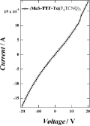
- to F4TCNQ through the formation of F4TCNQ− and TTF+ species. These results indicate the formation of a highly charge-transferred donor–acceptor assembly in the nanofibers. Electrical conductivity measurements revealed that the (MeS-TTF-Ts)(F4TCNQ)3 nanofibers exhibit a conductivity of 1.24 × 10⁻²
- nanofibers; one-dimensional nanostructures; supramolecular self-assembly; tetrathiafulvalene; Introduction Supramolecular gels have been developed as organized soft materials that form anisotropic nanostructures such as ribbons and fibers within their networks [1][2]. These materials have attracted


Oxidative atmosphere-driven formation of single-phase spinel CuRh2O4 nanofibers for alkaline water oxidation
Beilstein J. Nanotechnol. 2026, 17, 737–743, doi:10.3762/bjnano.17.50
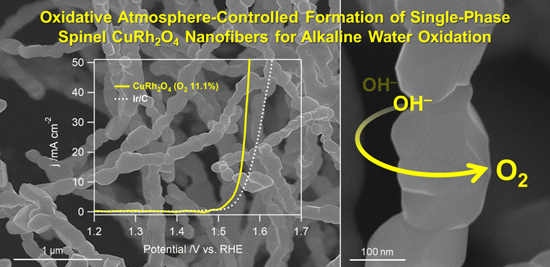
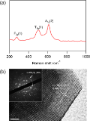
- (IMMS), Ewha Womans University, Seoul 03760, Republic of Korea 10.3762/bjnano.17.50 Abstract Cu–Rh bimetallic single-phase spinel oxide nanofibers were synthesized via electrospinning followed by post-annealing in precisely controlled oxidative environments. By systematically tuning the O2
- concentration in the He carrier gas flow during the annealing process, the optimal atmosphere was identified to produce phase-pure CuRh2O4. The as-prepared CuRh2O4 nanofibers exhibited excellent electrocatalytic performance toward the oxygen evolution reaction in 1.0 M NaOH (aq), highlighting the importance of
- oxide nanofibers via electrospinning followed by post-annealing under precisely controlled oxidative environments. By deliberately controlling the annealing atmosphere under the continuous O2/He flow, optimized conditions were identified to obtain single-phase CuRh2O4 nanofibers. The resulting spinel




Environmental applications of silver nanoparticles: state-of-the-art review and emerging trends
Beilstein J. Nanotechnol. 2026, 17, 697–736, doi:10.3762/bjnano.17.49
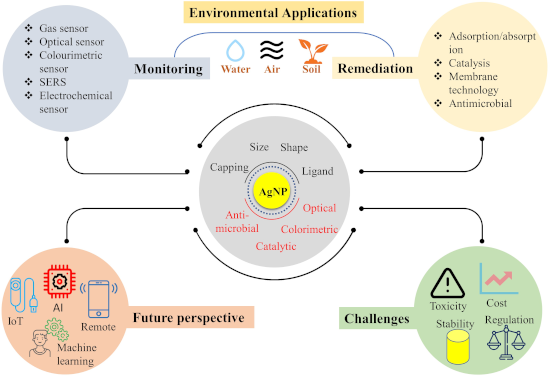
- purification and indoor air quality. Incorporating AgNPs into air filters enhances their ability to remove airborne pollutants, such as particulate matter, aerosols and microorganisms, improving air quality and protecting public health [147]. Graphene oxide AgNPs impregnated on polyacrylonitrile nanofibers
- removal of foul-smelling pollutants, including hydrogen sulfide (H2S) and ethanethiol (C2H5SH), was achieved at 95% for H2S (50 ppm) and C2H5SH (25 ppm) [154]. An efficient nanosystem was developed using polyamide-6 electrospun nanofibers attached to AgNPs via hydrogen bonding for antibacterial, antiviral


Decontamination from water pollutants and pathogens by electrospun nanofibers doped with heavy-atom-free borafluorene-BODIPY photosensitizers
Beilstein J. Nanotechnol. 2026, 17, 668–682, doi:10.3762/bjnano.17.46
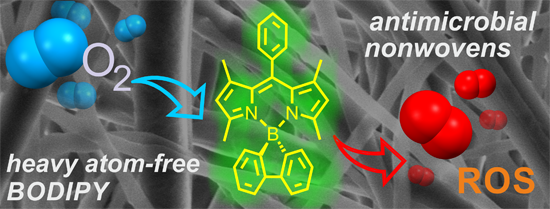
- successfully incorporated into electrospun polymeric nanofibers. Optimization of the material composition revealed that polycaprolactone (PCL), an FDA- and EMA-approved, biodegradable, easily accessible, and cost-efficient polymer, doped with BODIPY at a concentration of only 0.15 wt %, is an efficient
- photocatalyst for the degradation of the pharmaceutical agents ranitidine, propranolol, and cimetidine, selected as model water pollutants. The obtained nanofibers showed smooth and uniform morphology along with very high durability and resistance toward oxidation, remaining active even after 20 reaction cycles
- findings highlight the potential of the electrospun PCL nanofibers as optimal matrix for the immobilization with singlet oxygen photosensitizers and subsequent application in the decontamination of water from pollutants and pathogens. Keywords: antimicrobial photodynamic therapy; BODIPY; electrospun



Cellulose as a photocatalyst support material: extraction, structural features, and environmental applications
Beilstein J. Nanotechnol. 2026, 17, 635–652, doi:10.3762/bjnano.17.44
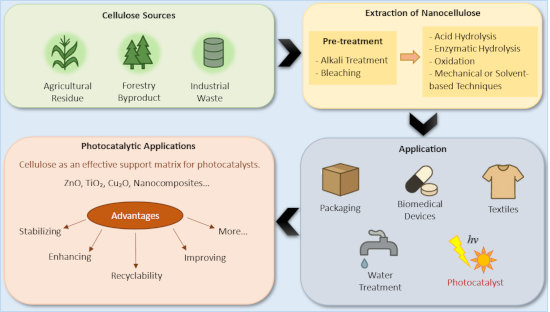
- formation of nanofibers. These nanofibers further assemble into larger cellulose microfibrils [4]. With the global cellulose production now exceeding hundreds of billions of tons annually and continuing to grow steadily, this abundant biopolymer stands out for its exceptional mechanical, physical, and
- producing CNCs. TEMPO acts as the catalyst, and the process is followed by mechanical disintegration to obtain nanoscale structures [41][60]. This technique generally produces nanofibers with nanoscale diameters and microscale lengths, making them particularly suitable for advanced applications. The
- nanofibers from biomass. It operates through two main steps involving high-pressure steaming followed by rapid pressure release [54][55]. In the first stage, dry biomass absorbs steam under elevated pressure and temperature, and when the pressure is suddenly released, the rapid drop causes instant water


Advances in nanotechnology applied to natural products
Beilstein J. Nanotechnol. 2026, 17, 555–558, doi:10.3762/bjnano.17.36

- nanofibers, have been proposed for the simultaneous transport of hydrophilic and lipophilic bioactives, leveraging compartmentalization to combine material advantages and enable multifunctional controlled-release strategies [25]. Beyond organic nanocarriers, research has increasingly extended to inorganic
Beyond the shell: exploring polymer–lipid interfaces in core–shell nanofibers to carry hyaluronic acid and β-caryophyllene
Beilstein J. Nanotechnol. 2025, 16, 2015–2033, doi:10.3762/bjnano.16.139
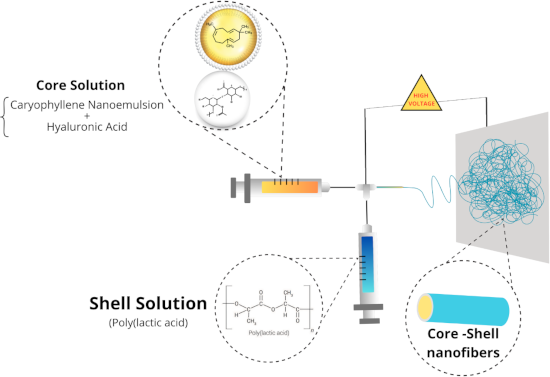
- innovative strategies to ensure their compatibility and sustained activity. This study addresses this critical challenge through the rational design and fabrication of hybrid core–shell nanofibers manufactured via coaxial electrospinning. Poly(lactic acid) (PLA) was used as an outer shell providing
- -sectional imaging, and attenuated total reflectance with Fourier transform infrared (ATR-FTIR) spectroscopy provided compelling evidence for the successful formation of the intended core–shell structure. The resulting nanofibers exhibited surface hydrophobicity, suggesting potential for anti-adhesive
- encapsulated within a PLA shell, highlighting substantial potential for biomedical applications by overcoming key material integration hurdles. Keywords: co-axial nanofibers; electrospinning; hybrid nanosystem; nanofibers; nanoemulsion; poly(lactic acid); Introduction Driven by the significant potential of




Laser ablation in liquids for shape-tailored synthesis of nanomaterials: status and challenges
Beilstein J. Nanotechnol. 2025, 16, 1963–1997, doi:10.3762/bjnano.16.137
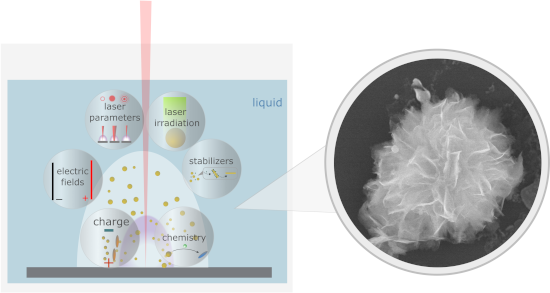
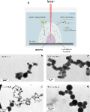
- formation and deposition of nanostructures. The method was successfully applied for the formation of nanoflakes [80], nanoflowers [81], and nanofibers [82][83]. In this method, the choice of the organic precursor influences the shape of the produced nanostructures. For example, the formation of Ag
- nanofibers has been shown to occur via anisotropic growth, using the fibrous products of the organic precursor decomposition for self-templating, which guides the following processes of reduction of silver ions at their surface. The concentration of the organic precursor further influences the shape




Nanotechnology-based approaches for the removal of microplastics from wastewater: a comprehensive review
Beilstein J. Nanotechnol. 2025, 16, 1607–1632, doi:10.3762/bjnano.16.114
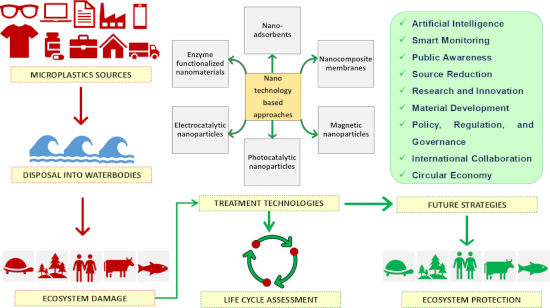
- -precipitation involves solvent displacement method, where acetone, ethanol, hexane are some of the solvents used [75]. In electrospinning, nanofibers are generated [76]. In parallel, green synthesis utilises biological entities such as plant extracts or microorganisms as reducing agents to produce eco-friendly


Nanomaterials for biomedical applications
Beilstein J. Nanotechnol. 2025, 16, 1499–1503, doi:10.3762/bjnano.16.105
- diagnostics and medical imaging. Using these materials, physicians diagnose diseases earlier and more accurately than before [4]. In tissue engineering, nanofibers are being used to develop scaffolds to promote the proliferation of cells. These scaffolds aid patients suffering from chronic wounds as they
- tissue engineering, scaffolds are the main element that assists cells to grow, organize, and create new tissue [25]. Nanofibers are ideal in creating scaffolds because they have a large surface area and resemble the natural extracellular matrix (ECM). Moreover, nanofibers offer a proper place for cells
- to spread, stay attached, and turn into different cell types. Electrospun polymers could produce these nanofibers, which are widely applied for nerve treatment, bone growth, and wound healing [26]. A second approach is the utilization of nano-patterned surfaces. These surfaces have carefully designed
Synthesis and antibacterial properties of nanosilver-modified cellulose triacetate membranes for seawater desalination
Beilstein J. Nanotechnol. 2025, 16, 1380–1391, doi:10.3762/bjnano.16.100
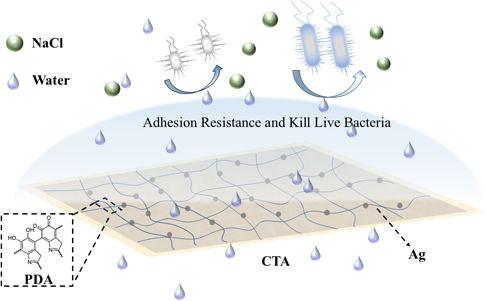
- into polyacrylonitrile (PAN) nanofibers, the fabricated Ag/PAN-TFN FO membrane demonstrated excellent antibacterial activity against Escherichia coli and Staphylococcus aureus with improved water flux and salt rejection. The in situ synthesis method ensures a uniform distribution of AgNPs within the
- PAN nanofibers, enhancing the hydrophilicity and antibacterial properties of the membrane [20]. Elimelech’s group introduced copper nanoparticles (Cu NPs) onto the surface of thin-film composite (TFC) polyamide RO membranes through a method involving electrostatic functionalization. The functionalized


Hydrogels and nanogels: effectiveness in dermal applications
Beilstein J. Nanotechnol. 2025, 16, 1216–1233, doi:10.3762/bjnano.16.90
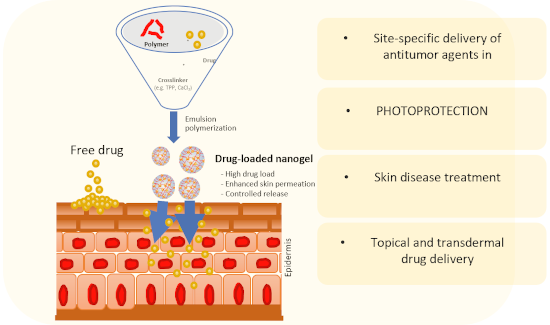
- as cellulose ether [90], carboxymethyl cellulose (CMC) [82], hydroxyethyl cellulose (HEC) [113], or cellulose nanofibers [135] yield valuable hydrogels. Keratin hydrogels are interesting for the properties of keratin, as they have intrinsic biocompatibility, therapeutic activity, and favorable


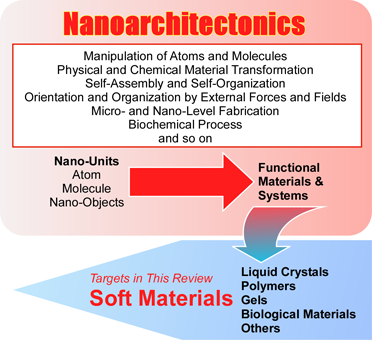
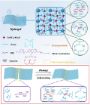
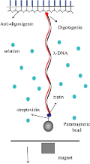
Soft materials nanoarchitectonics: liquid crystals, polymers, gels, biomaterials, and others
Beilstein J. Nanotechnol. 2025, 16, 1025–1067, doi:10.3762/bjnano.16.77






Polyurethane/silk fibroin-based electrospun membranes for wound healing and skin substitute applications
Beilstein J. Nanotechnol. 2025, 16, 591–612, doi:10.3762/bjnano.16.46
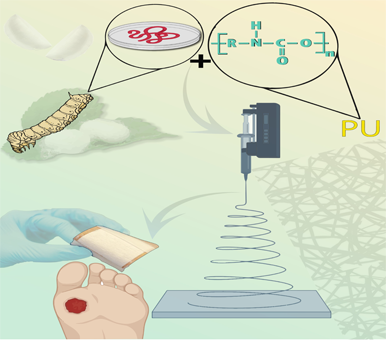
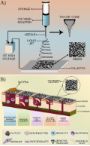
- silk fibroin (SF) and highlights their benefits as a skin substitute. This review also highlights the electrospinning technique used to prepare nanofibers for these biomedical applications. Silk, well-known for its excellent biocompatibility, biodegradability, structural properties, and low immunogenic
- by combining the unique properties of silk and PU, opening up the possibilities for innovative treatments. Keywords: electrospinning; nanofibers; polyurethane; silk fibroin; skin regeneration; wound healing; Introduction The biomedical field is a revolutionary sector in healthcare and research
- versatile and provides the best control over fiber morphology and structure [10]. Electrospinning is a straightforward and adaptable technique that can be used to directly spin polymeric solutions into nanofibers that are at least 100 times thinner than fibers created using more conventional techniques [11



Feasibility analysis of carbon nanofiber synthesis and morphology control using a LPG premixed flame
Beilstein J. Nanotechnol. 2025, 16, 581–590, doi:10.3762/bjnano.16.45
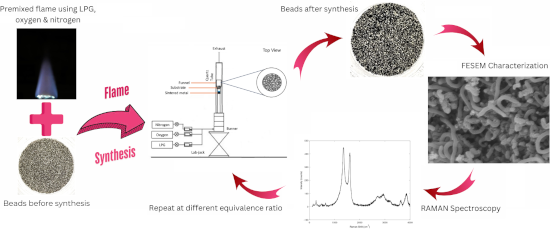
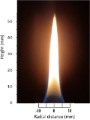
- , Udayana University 80231 Badung, Bali, Indonesia 10.3762/bjnano.16.45 Abstract Flame synthesis using liquefied petroleum gas (LPG) as the precursor gas to produce carbon nanofibers (CNFs) is an economical alternative to conventional chemical vapor deposition methods using single-component fuels such as
- synthesis; liquefied petroleum gas (LPG); nanomaterial synthesis; Introduction Carbon nanotubes (CNTs) and carbon nanofibers (CNFs) have gained significant interest because of their distinctive properties and their wide range of applications in nanotechnology [1][2][3]. CNTs are a modified version of CNFs
- graphene sheath. These nanofibers can have three different structural configurations including herringbone, tubular, and platelet configurations [4][5]. A premixed flame of liquefied petroleum gas (LPG) can be used as a fuel source for carbon nanomaterial growth processes. A premixed flame is a specific



Synthetic-polymer-assisted antisense oligonucleotide delivery: targeted approaches for precision disease treatment
Beilstein J. Nanotechnol. 2025, 16, 435–463, doi:10.3762/bjnano.16.34


Enhancing mechanical properties of chitosan/PVA electrospun nanofibers: a comprehensive review
Beilstein J. Nanotechnol. 2025, 16, 286–307, doi:10.3762/bjnano.16.22

- Department of Chemical Engineering, Faculty of Engineering, University of Malaya, 50603 Kuala Lumpur, Malaysia 10.3762/bjnano.16.22 Abstract This review examines strategies to enhance the mechanical properties of chitosan/polyvinyl alcohol (PVA) electrospun nanofibers, recognized for their biomedical and
- evaluate mechanical properties and provides a comparative analysis of different enhancement approaches. Applications in biomedical and industrial contexts are explored, showcasing the versatility and innovation potential of these nanofibers. Finally, current challenges are addressed, and future research
- directions are proposed to overcome these obstacles and further enhance the mechanical properties of chitosan/PVA electrospun nanofibers, guiding their development for practical applications. Keywords: biomaterials; chitosan; electrospun nanofiber; mechanical properties; polyvinyl alcohol; Introduction In


Emerging strategies in the sustainable removal of antibiotics using semiconductor-based photocatalysts
Beilstein J. Nanotechnol. 2025, 16, 264–285, doi:10.3762/bjnano.16.21
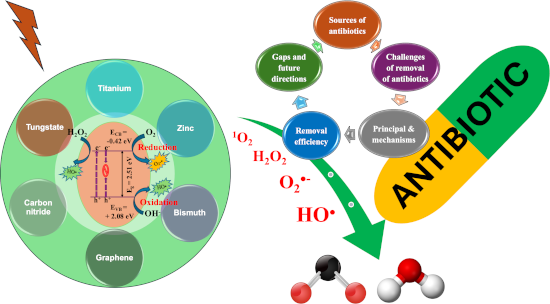
- bandgap of 2.77 eV. The research community has shown significant interest in zero-dimensional Bi2WO6 quantum dots and one-dimensional Bi2WO6 nanofibers. Bismuth tungstate exhibits excellent thermal and chemical stability in addition to its activity in visible light. It is typically synthesized through


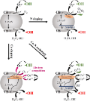

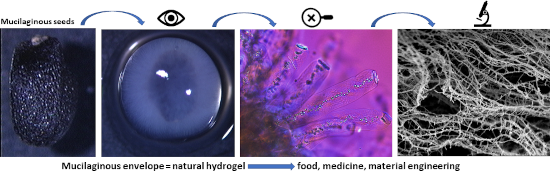
Natural nanofibers embedded in the seed mucilage envelope: composite hydrogels with specific adhesive and frictional properties
Beilstein J. Nanotechnol. 2024, 15, 1603–1618, doi:10.3762/bjnano.15.126


Unveiling the potential of alginate-based nanomaterials in sensing technology and smart delivery applications
Beilstein J. Nanotechnol. 2024, 15, 1077–1104, doi:10.3762/bjnano.15.88
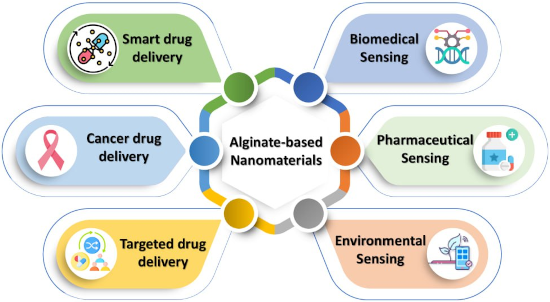
- NPs, yielding sustained release of the medicine and promising results as a transmucosal DDSs for hydrophobic medicines. Another enhanced cancer drug delivery system was developed by Iranian scientists. They conceived a nanoparticles-in-nanofibers DDS, which they called nano-in-nano delivery technique


Effect of wavelength and liquid on formation of Ag, Au, Ag/Au nanoparticles via picosecond laser ablation and SERS-based detection of DMMP
Beilstein J. Nanotechnol. 2024, 15, 1054–1069, doi:10.3762/bjnano.15.86

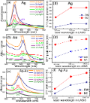
- ], Au NPs on electrospun polymer nanofibers [33], and alloy Ag/Au NPs on filter paper [44]. However, the size-dependent SERS performance of NPs over time needed to be investigated, and the optimization of substrates, depending on their stability over time, was aimed to be studied. This study


Interface properties of nanostructured carbon-coated biological implants: an overview
Beilstein J. Nanotechnol. 2024, 15, 1041–1053, doi:10.3762/bjnano.15.85
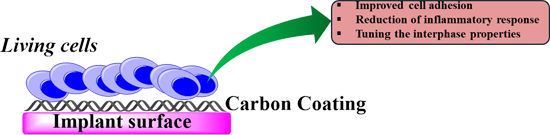
- tailored to the tissues where the implant will be placed [99]. Nevertheless, CNTs are able to regulate the cell proliferation better than other nanocarbon species. Patel et al. [100] coated polymer nanofibers with a 25 nm thick layer of MWCNTs modulating in vivo angiogenesis and bone regeneration
- . Furthermore, the authors were able to fine-tune the topology of the CNT coating, reducing inflammatory events by down-regulated pro-inflammatory cytokines and macrophages. The coated polymeric nanofibers showed the ability to up-regulate the formation of new blood vessels and osteogenic pathways, proving the



Electrospun nanofibers: building blocks for the repair of bone tissue
Beilstein J. Nanotechnol. 2024, 15, 941–953, doi:10.3762/bjnano.15.77
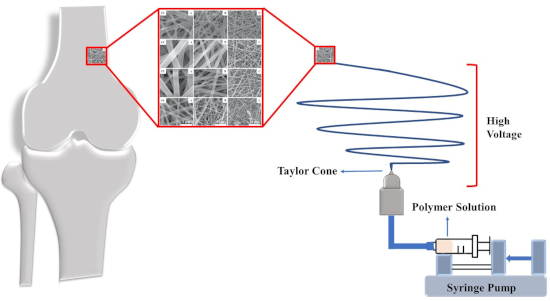
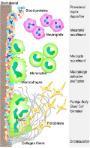
- because of their extremely large surface area-to-volume ratio, small pore size, and high porosity. Nanofibers are known to be highly functional systems with the ability to mimic the structure and function of the natural bone matrix, facilitating osteogenesis for cell proliferation and bone regeneration
- regeneration and give an insight about bone regeneration, production techniques of the electrospun nanofibers, and varying formulation parameters in order to reach different drug delivery goals. This review also provides an extensive market research of electrospun nanofibers and an overview on scientific
- research and patents in the field. Keywords: bone regeneration; controlled release; drug delivery; electrospinning; nanofibers; Introduction The nanofiber technology is a recent technology developed for producing implantable systems that can be used for structural support to the bones as well as drug


Electrospun polysuccinimide scaffolds containing different salts as potential wound dressing material
Beilstein J. Nanotechnol. 2024, 15, 781–796, doi:10.3762/bjnano.15.65
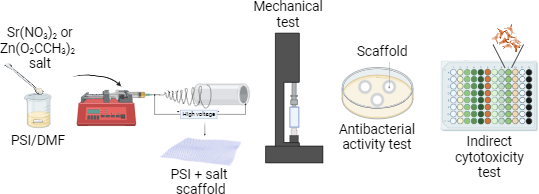
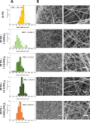
- fulfill multiple needs: shielding the wound against bacterial infection, facilitating proper gas exchange, providing an environment that promotes healing, and controlling biofluid production [8][9]. Furthermore, it should be nontoxic and hypoallergenic [10]. By using electrospinning, nanofibers can be
- has several functions in the human body, including wound healing [15][16]. Nanofibers produced by electrospinning have beneficial structural attributes, such as elevated porosity, high specific surface area, and nanoscale fiber dimensions; thus, adequately mimicking the ECM and promoting cellular



Classification and application of metal-based nanoantioxidants in medicine and healthcare
Beilstein J. Nanotechnol. 2024, 15, 396–415, doi:10.3762/bjnano.15.36
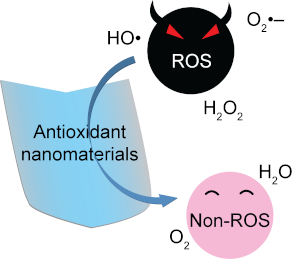
- nanoparticles whose H2O2 decomposition increased with increasing pH values (up to 11) and temperatures (up to 90 °C) [40]. The activity of natural CAT can also be improved by immobilizing it on nanomaterials. Immobilized CAT on Cu(II) nanofibers maintained approximately half of its catalytic activity after
- typical example, nanofibers composed of polygalacturonic acid, hyaluronic acid, and embedded silver nanoparticles were applied to recover wounded areas of albino rats in vivo [149]. In this nanocomposite, silver nanoparticles acted as an antioxidant, polygalacturonic acid acted as a reducing agent for