Search results
Search for "nanoparticles" in Full Text gives 1300 result(s) in Beilstein Journal of Nanotechnology. Showing first 200.
Nanoglasses: a trail towards uncharted regions of vitreous materials and their properties?
Beilstein J. Nanotechnol. 2026, 17, 1047–1062, doi:10.3762/bjnano.17.72

- nanoparticles at elevated compaction pressure, enabling room-temperature processing [4][5][6], or through energetic deposition of amorphous clusters [42][43]. Consequently, when vitreous powder particles are compacted at low homologous temperatures, interfacial regions arise between the glass “grains
- ”, characterized by increased excess volume. The increase of excess volume can be attributed to the nanometre-sized porosity among the consolidated glass nanoparticles, which facilitates localized dissipation of the excess volume, that is, initially condensed into pores and consequently results in alterations in


Influence of an external electric field on the catalytic CO oxidation of nanoscaled CeO2 and its La3+ and Gd3+ congeners
Beilstein J. Nanotechnol. 2026, 17, 1028–1038, doi:10.3762/bjnano.17.70
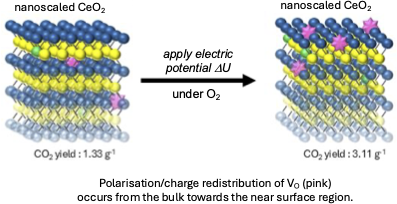
- negative bias (Pt: 4–8% and Pd: 4–12%) [14][15]. The catalytic decomposition of ammonia over organoboron nanoparticles was also examined under an external electric potential. Applying positive or negative potential allowed the decomposition rate to be tuned between +26% and −37% relative to the zero-bias
- Information File 1, Figures S20–S24). All cerium oxide nanoparticles are strongly aggregated and form dense strongly corrugated films with an agglomerated particle size of about 50 nm in scanning electron microscopy (SEM) (Supporting Information File 1, Figure S25). Transmission electron microscopy (TEM) and


Ultrasonic irradiation in the synthesis of nanohydroxyapatite: a chemically friendly technique for improving hemocompatibility and antibiofilm applications
Beilstein J. Nanotechnol. 2026, 17, 991–1015, doi:10.3762/bjnano.17.68
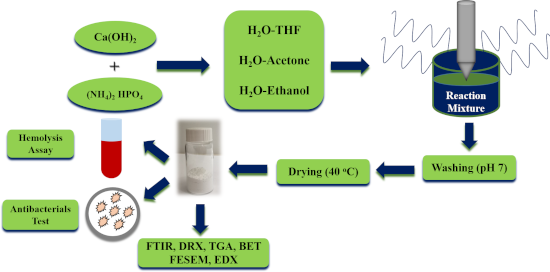
- for nHA up to 40 mg/mL for 1 h and less than 4% hemolysis for nHA up to 100 mg/mL for 1 h. As the hemolytic activity is directly proportional to the diameter of the nanoparticles [86], the observed behavior could be related to the fact that the nHA obtained in the W/THF mixture exhibited very small




Development of Protium heptaphyllum essential oil-loaded nanocapsules: experimental design and biological activity
Beilstein J. Nanotechnol. 2026, 17, 974–990, doi:10.3762/bjnano.17.67
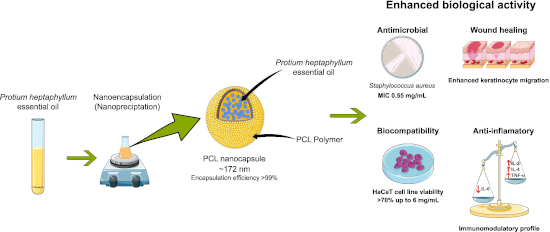
- nanoparticles, which favors direct bacterial contact and may contribute to sustained release of active constituents [50]. The release profile of such systems is influenced by factors such as polymer composition, shell thickness, and interactions between the encapsulated compound and the carrier matrix
- . Simultaneously, the aqueous phase was prepared with 12 mL of a Tween® 80 solution (20–60 mg) in Milli-Q® water. Nanoparticles were formed by adding the organic phase to the aqueous phase using a syringe with an 11.2 mm diameter, under magnetic stirring at 400 rpm and room temperature. The dispersion was then
- complete removal of residues, after which the nanoparticles were filtered using 0.22 μm polyethersulfone filters. For nanomaterial optimization, a Box–Behnken design with three factors and three levels was used (Table 5), as described in [62]. The independent variables evaluated were PCL concentration (20




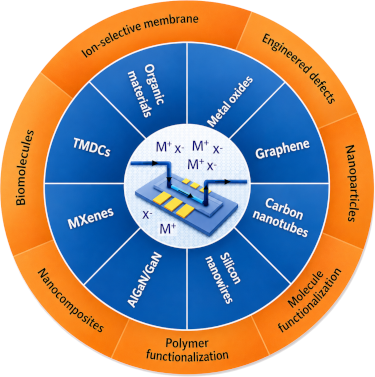
Materials challenges in solid-state sensors for continuous monitoring of ions in water
Beilstein J. Nanotechnol. 2026, 17, 935–973, doi:10.3762/bjnano.17.66



Nanocarrier strategies to overcome P-glycoprotein-mediated drug resistance in cancer therapy
Beilstein J. Nanotechnol. 2026, 17, 882–921, doi:10.3762/bjnano.17.64
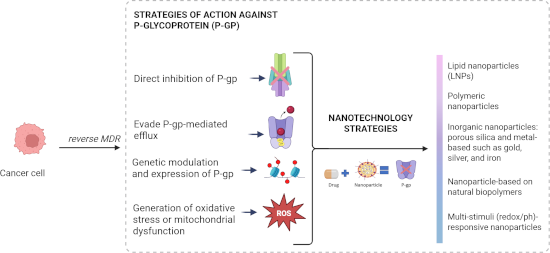
- ) suppression of transporter expression via co-delivery of siRNA, shRNA, or anti-miRNA payloads targeting ABCB1 regulatory pathways. We further discuss advances in nanoplatform engineering, including lipid-based nanoparticles, polymeric micelles, lipid–polymer hybrid systems, and biomimetic carriers designed to
- . Keywords: cancer chemotherapy; efflux transporters; multidrug resistance (MDR); nanoparticles; siRNA nanocarriers; tumor-targeted therapy; Review 1 Introduction 1.1 Cancer and current challenges in chemotherapy Cancer remains one of the leading causes of mortality worldwide, with millions of new cases
- keywords, including P-glycoprotein, multidrug resistance (MDR), nanoparticles, drug delivery, cancer, siRNA, efflux transporters, tumor microenvironment, stimuli-responsive systems, liposomes, polymeric micelles, hybrid nanocarriers, P-gp inhibitors, and cell membrane-coated nanoparticles. The search


Light-driven ammonia electrooxidation via carbon nitride–ruthenium molecular interfaces
Beilstein J. Nanotechnol. 2026, 17, 854–862, doi:10.3762/bjnano.17.61
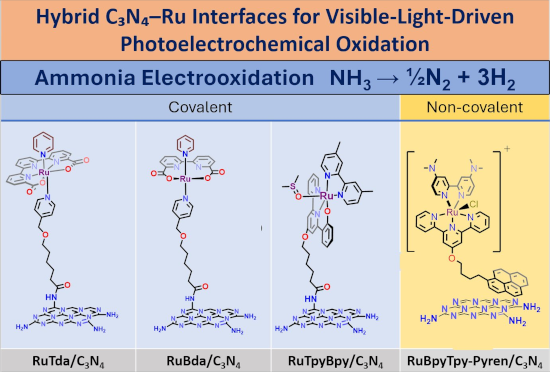
- , nanoparticles, and carbon supports) are manufactured into electrodes or serve as the electrode itself, industrially scalable, but with poorly understood active sites and inactive bulk material [1][2][3][4][5]. In practice, however, bridging these two families is not straightforward. A homogeneous catalyst
- preliminary unpublished data, to strengthen the credibility of this strategy, RuBda covalently grafted onto polymeric C3N4 nanoparticles, achieved a ruthenium surface density of 5.5 mol % Ru (5.5 × 10⁻⁴ mol per gram of C3N4), validated by ion-coupled plasma and a turnover frequency for ammonia oxidation of


Nanoparticle delivery systems for HIV pre-exposure prophylaxis (PrEP): advances and challenges
Beilstein J. Nanotechnol. 2026, 17, 839–853, doi:10.3762/bjnano.17.60
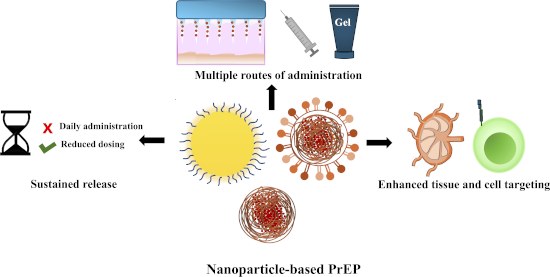
- classes of nanomaterials, namely, polymeric nanoparticles, lipid-based nanoparticles, inorganic nanoparticles, and hybrid nanoparticles. Nanoparticle design considerations and targeting strategies for the individual classes are examined, and the opportunities and challenges for the different nanomaterials
- ]. Effective LA-ARV formulations that require administration once every few months under medical supervision can address many issues related to adherence. Nanoparticles play a key role in achieving this goal. Nanosuspensions, for instance, are used to induce depots of poorly soluble ARVs at the injection site
- prevention options beyond daily pills, there is continued interest in the development of additional LA technologies based on nanoparticle delivery systems, especially in combination with active or passive targeting strategies. Nanoparticles are promising delivery systems for concentrating ARVs in tissues


Cross-scale design of chemosensor arrays: from molecular self-assembly in water to paper-based devices for metal ion detection
Beilstein J. Nanotechnol. 2026, 17, 828–838, doi:10.3762/bjnano.17.59
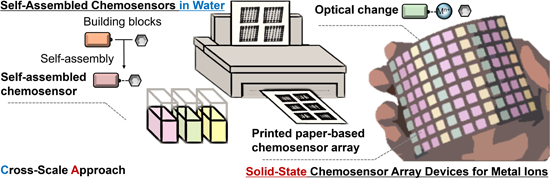
- ], approaches for self-assembled chemosensors [17][19][31], chemosensor arrays (nanoparticles [32][33], polymers [34][35], and self-assembled elements [36]), solid-state analytical devices using gels [37][38] and paper substrates [21], and chemometric techniques [39] and their principles [40][41], independently


Restorative potential of laser-synthesized silver nanoparticles with Salvia officinalis for periodontal disease treatment: an in vitro study
Beilstein J. Nanotechnol. 2026, 17, 781–795, doi:10.3762/bjnano.17.55
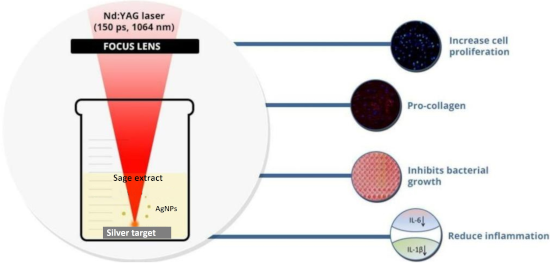
- local damage, systemic associations highlight the urgent need for innovative therapies. Herein, we present an eco-friendly synthesis of silver nanoparticles (AgNPs) by picosecond pulsed laser ablation in liquid (PLAL), using Salvia officinalis aqueous extract (sage extract) as both medium and stabilizer
- well-dispersed, spherical nanoparticles (7.98 ± 2.9 nm) at a concentration of 21.6 ± 1.75 mg·L−1. SageAgNPs6mJ exhibited potent antibacterial activity against Aggregatibacter actinomycetemcomitans, Fusobacterium nucleatum, and Porphyromonas gingivalis (MIC = 5.4 mg·L−1), and showed equal or superior
- ; silver nanoparticles (AgNPs); Introduction Synthesis of silver nanoparticles (AgNPs) is a promising nanotechnology with numerous biomedical applications, especially in the field of tissue restoration and regeneration [1]. The most commonly used methods in AgNP synthesis are (i) chemical methods, which



Environmental applications of silver nanoparticles: state-of-the-art review and emerging trends
Beilstein J. Nanotechnol. 2026, 17, 697–736, doi:10.3762/bjnano.17.49
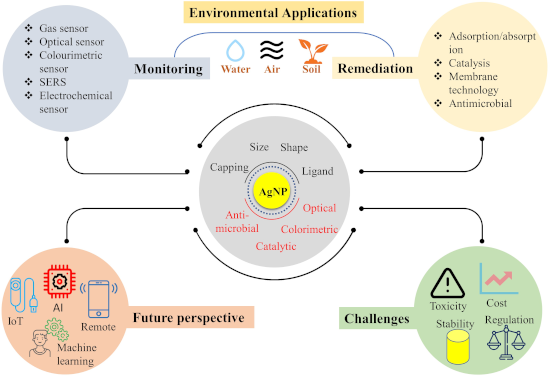
- Soni Prajapati Akash Kumar Ranjana Singh Department of Biochemistry, King George’s Medical University, Lucknow, India Academy of Scientific and Innovative Research, Ghaziabad, India 10.3762/bjnano.17.49 Abstract Silver nanoparticles (AgNPs) possess inherent catalytic, antimicrobial, and optical
- of the environment (i.e., water, air, and soil). Among the broad family of engineered nanomaterials evaluated for environmental applications, silver nanoparticles (AgNPs) have attracted exceptional attention owing to their unique combination of properties that directly address the requirements of
- environmental monitoring and remediation. For example, the optical properties of AgNPs are primarily governed by localised surface plasmon resonance (LSPR ), which occurs in the 380–450 nm region and depends on the nanoparticles’ size and shape. The unique optical properties of nanosilver were utilised to


Molecular engineering of individual dye-based nanoparticle photostability for ultrabright two-photon fluorescence
Beilstein J. Nanotechnol. 2026, 17, 688–696, doi:10.3762/bjnano.17.48
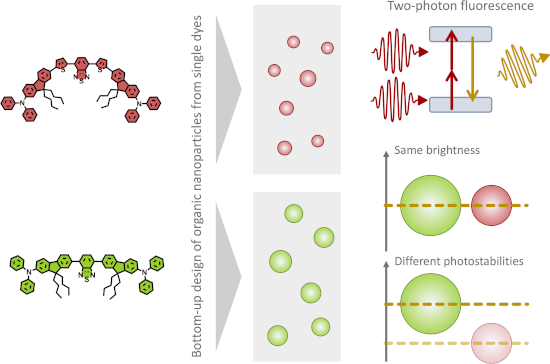
- , CentraleSupélec, LuMIn, 91190 Gif-sur-Yvette, France 10.3762/bjnano.17.48 Abstract Dye-based fluorescent organic nanoparticles (dFONs) represent a promising class of bioimaging probes combining high brightness with molecular tunability. While their fluorescence performance is well established for one-photon
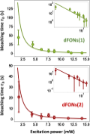
- nanoparticles allowed for an estimation of their two-photon absorption cross sections, which were found to be consistent with ensemble values when taking into account a local-field correction. Time-resolved experiments further revealed that nanoparticles with the highest absorption cross section photobleach
- significantly faster, confirming the trade-off between absorption efficiency and photostability. These results demonstrate that the photophysical behavior of dFONs can be rationally engineered at the molecular level and provide design principles for the development of optimized organic nanoparticles for


Protein-based custom-designed molecular nanotraps for biomedical applications
Beilstein J. Nanotechnol. 2026, 17, 683–687, doi:10.3762/bjnano.17.47
- the desired molecule, which acts as a template. As a result, binding cavities with stereochemical complementarity to the molecular targets are formed in the nascent material. Particular interest was triggered by the possibility of preparing nanosized MIPs, such as MIP nanoparticles, abbreviated either
- nanocages and nanoparticles [10][11]. However, the vast majority of these architectures are constructed through the ordered assembly of folded protein units. In such systems, nanoparticles and higher-order structures arise from the self-assembly of proteins; they combine modularity with a high degree of
- in the shape of nanoparticles. Next, photopolymerization of the double bonds had the purpose of fixing the final bioMIP conformation, preventing it from further structural modification, so as to keep in place the selective molecular recognition sites, conferred by the imprinting process (Figure 1

Cellulose as a photocatalyst support material: extraction, structural features, and environmental applications
Beilstein J. Nanotechnol. 2026, 17, 635–652, doi:10.3762/bjnano.17.44
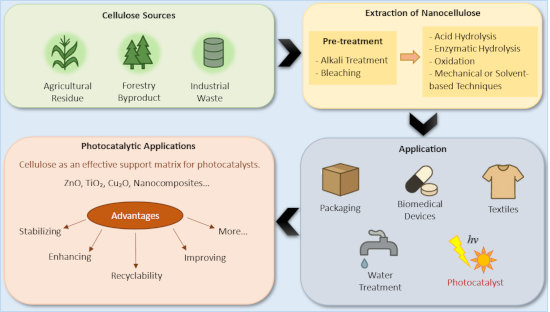
- of functional groups enable it to act as an effective support matrix for photocatalysts such as ZnO, TiO2, Cu2O, and various hybrid nanocomposites. Through stabilizing nanoparticles, preventing their aggregation and contributing to pollutant adsorption, cellulose enhances the overall efficiency of
- are exploring more sustainable alternatives. Enzymatic hydrolysis is an efficient and eco-friendly way to produce cellulose nanoparticles. This method breaks down cellulose fibers with precision under controlled conditions while using very little water and producing non-hazardous waste as well as
- broadening its application potential [22]. CNCs are increasingly gaining attention as reinforcing materials because they are green, biodegradable nanoparticles with great potential for developing sustainable polymer composites, and their production relies on abundant natural raw materials that are available


Two-step laser synthesis of Ag@TiO2 nanomaterials for the photocatalytic degradation of rhodamine B
Beilstein J. Nanotechnol. 2026, 17, 622–634, doi:10.3762/bjnano.17.43
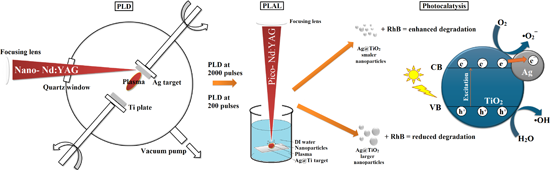
- Techniques, Institute of Physics, Bijenička Cesta 46, 10000 Zagreb, Croatia 10.3762/bjnano.17.43 Abstract This study presents a novel, chemical-free approach for the synthesis of Ag-modified TiO2 (Ag@TiO2) nanoparticles by combining the two laser-based ablation techniques pulsed laser deposition (PLD) and
- UV–vis spectroscopy confirmed the formation of nanoparticles with a predominantly anatase TiO2 phase. The synthesized particles exhibited spherical morphology, with average diameters ranging from 97–331 nm for the 200p sample and 86–144 nm for the 2000p sample. The photocatalytic efficiency was
- numerous modification strategies. Silver-modified titanium dioxide (Ag@TiO2) nanoparticles have gained significant attention as advanced photocatalysts for the degradation of organic pollutants, particularly under visible-light irradiation. The incorporation of silver introduces localized surface plasmon


Towards targeted drugs and next generation of nanomedicines
Beilstein J. Nanotechnol. 2026, 17, 598–601, doi:10.3762/bjnano.17.41
- , Germany 10.3762/bjnano.17.41 Keywords: cellular uptake; drug delivery; intracellular trafficking; nanomedicine; nanoparticles; tumor microenvironment; Nanomedicine is dedicated to the application of nanotechnology in the medical field. Nanosized materials are intended for delivering drugs to their
- potentially create synergistic effects for the treatment of complex pathologies [1][2][3]. Since the approval of the first liposomal drug for cancer therapy, Doxil [4], multiple nanomedicines have reached the market, including lipid nanoparticles for RNA delivery used worldwide for the vaccines against SARS
- for colloids, which were investigated also long before they were called "nanoparticles". On the other hand, such argument leaves out the fact that lipid-based drug carriers and colloids used today in nanomedicine are quite distinct from the ones from the past. For instance, the lipid nanoparticles
Laser–material interactions in liquids for the synthesis of nanomaterials: current status and perspectives
Beilstein J. Nanotechnol. 2026, 17, 571–575, doi:10.3762/bjnano.17.38
- of Wuppertal, 42119 Wuppertal, Germany Department of Materials Science and Engineering, University of Virginia, 395 McCormick Road, Charlottesville, Virginia 22904-4745, USA 10.3762/bjnano.17.38 Keywords: colloidal nanoparticles; green synthesis of nanoparticles; laser ablation in liquids; laser
- –matter interactions; laser processing in liquids; In the ever-evolving landscape of materials science and nanotechnology, laser synthesis and processing of colloids (LSPC) has emerged [1] as a powerful and versatile technique for producing high-purity, surfactant-free nanoparticles from a wide range of
- generation of surfactant-free, high-purity colloidal nanoparticles. Laser fragmentation in liquids (LFL), in turn, involves the irradiation of colloidal micro- or nanoparticle suspensions with high-intensity pulses above the fragmentation threshold, leading to size reduction through photomechanical or
Advances in nanotechnology applied to natural products
Beilstein J. Nanotechnol. 2026, 17, 555–558, doi:10.3762/bjnano.17.36
- nanoplatforms for the delivery of natural products, offering structural stability, tunable release profiles, and controllable surface properties [20]. Polymeric nanoparticles, in particular, can protect bioactive compounds, potentially reduce off-target toxicity, and enhance specific biological responses
- nanomaterials, particularly metallic nanoparticles. Metallic nanoparticles, typically defined as structures with diameters between 1 and 100 nm, exhibit distinctive electrical, optical, and magnetic properties that support a broad range of applications [26]. They can be obtained via green synthesis using
- , metallic nanoparticles have shown promise in antiseptic and therapeutic contexts, including the prevention of biofilm formation and infection in dentistry, integration into restorative or regenerative dental materials, and modulation of biological responses in clinical treatments [28]. Overall, the
Probing internal continua and atomic ultrafast charge transfer within size-controlled nanoparticles by post-collision interaction in core-hole clock spectroscopy
Beilstein J. Nanotechnol. 2026, 17, 505–514, doi:10.3762/bjnano.17.33
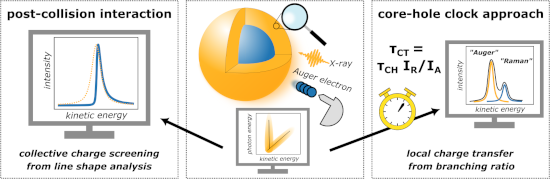
- experimental approach enables the simultaneous observation of collective electronic properties and atom-specific dynamics within in a single measurement under identical sample conditions, an advance particularly valuable for complex, sensitive materials. Keywords: core-hole clock; nanoparticles; post
- -collision-interaction; quantum dots; resonant Auger spectroscopy; Introduction The interplay of electron localization, itinerance, and charge transfer is essential to functional nanoparticles and quantum dots (QDs) [1][2][3][4][5][6]. In terms of electronic structure properties, materials on the nanoscale
- nanoparticles via a line-shape analysis revealing post-collision interaction (PCI) effects within the conduction band continuum. We investigate CdSe/ZnS core–shell nanoparticles with a constant CdSe core size of 3.5 nm and varying shell thicknesses of ZnS that allow for atomic layer control with narrow size



Upcycling agroindustrial waste into graphene oxide supports for gold nanoparticles: toward sustainable nanomaterials
Beilstein J. Nanotechnol. 2026, 17, 489–504, doi:10.3762/bjnano.17.32
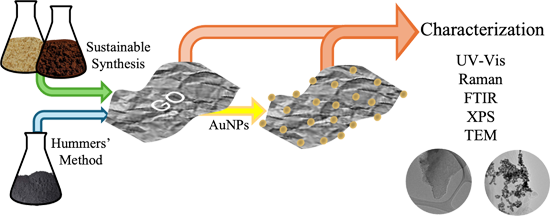
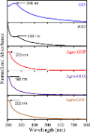
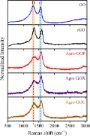
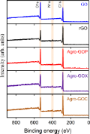
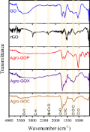
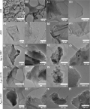
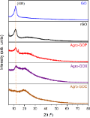
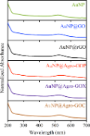
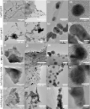
- UV–vis, ATR-FTIR, XPS, XRD, and Raman measurements, complemented by TGA and TEM to assess optical properties, surface chemistry, and structural and morphological features. Additionally, gold nanoparticles (AuNPs) were photochemically deposited onto Agro-GO to evaluate its potential for nanotechnology
- of transforming agroindustrial waste into high-value graphene-based nanomaterials and highlight the potential of sustainable synthesis routes for advancing environmentally responsible carbon-based technologies. Keywords: agroindustrial waste; gold nanoparticles; graphene oxide; green synthesis
- becomes essential to investigate the functionalization potential of Agro-GO materials as viable alternatives to conventionally produced GO [29]. The integration of gold nanoparticles (AuNPs) onto GO yields hybrid materials with synergistic enhancements, such as improved conductivity, plasmonic activity



Defects and defect-mediated engineering of two-dimensional materials: challenges and open questions
Beilstein J. Nanotechnol. 2026, 17, 454–488, doi:10.3762/bjnano.17.31





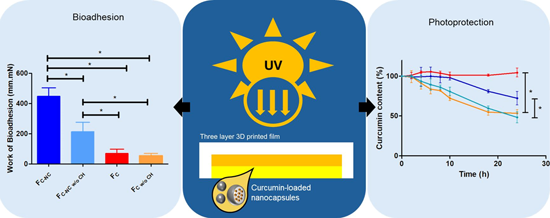
Nanocarrier-integrated multilayer films produced by 3D printing for improved skin adhesion and curcumin photostability
Beilstein J. Nanotechnol. 2026, 17, 440–453, doi:10.3762/bjnano.17.30
- for incorporation into topical dosage forms such as emulsions, fibres, films, and hydrogels for wound-healing applications. However, curcumin also exhibits low aqueous solubility, which limits its use in certain formulations [18]. Nanoparticles have the potential to overcome this limitation, as they
- enable the development of formulations with reduced particle sizes (typically between 100 and 500 nm) and tailored physicochemical properties [19][20]. In the pharmaceutical context, nanoparticles, including polymeric nanoparticles, have been extensively investigated as drug carriers. The use of
- inhibiting MRSA growth in vivo in a murine wound model [21]. More recently, Terzopoulou et al. developed collagen patches containing chitosan nanoparticles loaded with curcumin, which showed efficacy against psoriasis in in vitro assays [22]. Similarly, Olmos-Juste et al. employed 3D printing to produce


Nanoinformatics: spanning scales, systems and solutions
Beilstein J. Nanotechnol. 2026, 17, 423–427, doi:10.3762/bjnano.17.28
- nanomaterial’s behaviour, preparation, or test conditions) [2]. Voyiatzis et al. computationally studied, using atomistic molecular dynamics simulations, the morphological transformations (from molten/amorphous to crystalline) during rapid cooling of 1–8 nm spherical gold and platinum nanoparticles (NPs), which

Biomimetic nanoparticles in cancer photodynamic therapy: a review of targeted delivery systems and therapeutic outcomes
Beilstein J. Nanotechnol. 2026, 17, 396–422, doi:10.3762/bjnano.17.27
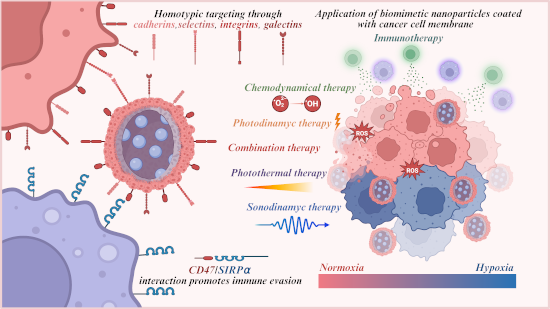
- nanoparticles (BNPs), which combine natural biological materials like cell membranes with synthetic nanocarriers, have emerged as versatile platforms to overcome these challenges. BNPs improve PDT by enhancing tumor-specific delivery of PSs, relieving hypoxia through oxygen delivery or catalytic oxygen
- treatments. Keywords: biomimetic nanoparticles; immunogenic cell death; nanocarriers; photodynamic therapy; targeted drug delivery; tumor hypoxia modulation; Review Introduction Cancer remains a formidable global health challenge, demanding innovative therapeutic strategies that balance efficacy with
- , nanoencapsulation strategies for PSs are being actively developed [7][8]. Encapsulation of hydrophobic PSs in nanocarriers such as liposomes, polymeric nanoparticles, or micelles addresses solubility and stability, preventing aggregation [9]. Nanoparticles with sizes of 10–200 nm passively accumulate in tumor


Polycatecholamine nanocoatings on stainless steel: the effect on attachment of human fibroblasts and platelets
Beilstein J. Nanotechnol. 2026, 17, 365–380, doi:10.3762/bjnano.17.25
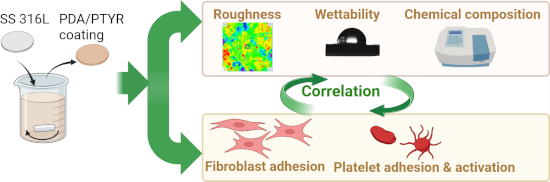
- oxide and forsterite nanoparticles, all of which were shown to enhance fibroblast adhesion, migration, or proliferation [2][3][4][5]. Beyond orthopedic and dental uses, SS 316L is a standard material for cardiovascular implants, particularly stents, due to its strength, ductility and ability to form
- analyzed samples, only the SS-PTYR 24 h variant was characterized with a noticeably higher Ra (0.31 µm) than the control, which can be related to polytyrosine nanoparticles irregularly distributed on the surface. Rku values, representing the sharpness of the profile, also changed only slightly after
- /nanoparticles are visible, presumably consisting of PTYR (indicated by the red arrows). In contrast, the SS-PTYR 24 h coating seemed more homogenous. After the 28-day washing period, the particles were still present; thus, it was assumed that the PTYR coating both on SS-PTYR 30 min and SS-PTYR 24 h endured the