Search results
Search for "necrosis" in Full Text gives 51 result(s) in Beilstein Journal of Nanotechnology.
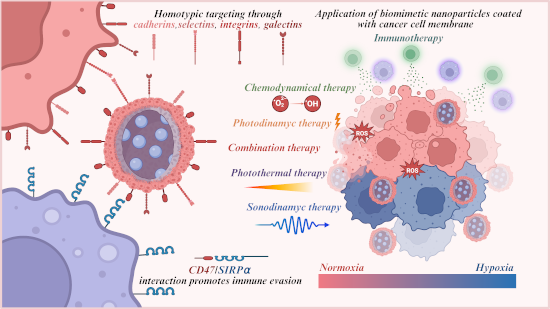
Biomimetic nanoparticles in cancer photodynamic therapy: a review of targeted delivery systems and therapeutic outcomes
Beilstein J. Nanotechnol. 2026, 17, 396–422, doi:10.3762/bjnano.17.27


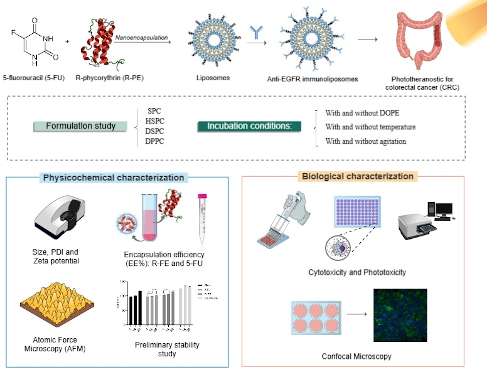
Development and in vitro evaluation of liposomes and immunoliposomes containing 5-fluorouracil and R-phycoerythrin as a potential phototheranostic system for colorectal cancer
Beilstein J. Nanotechnol. 2026, 17, 97–121, doi:10.3762/bjnano.17.7



Rapid synthesis of highly monodisperse AgSbS2 nanocrystals: unveiling multifaceted activities in cancer therapy, antibacterial strategies, and antioxidant defense
Beilstein J. Nanotechnol. 2025, 16, 2105–2115, doi:10.3762/bjnano.16.145
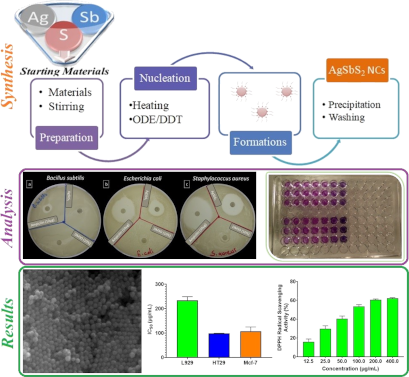
- nanoparticles [44][45]. Cell inhibition in cell lines can be attributed to intracellular accumulation of nanoparticles leading to oxidative stress-induced apoptosis and necrosis [46]. The findings of this investigation demonstrate that NCs exhibit a substantially lower inhibitory effect on healthy cell lines


Multifunctional anionic nanoemulsion with linseed oil and lecithin: a preliminary approach for dry eye disease
Beilstein J. Nanotechnol. 2025, 16, 1711–1733, doi:10.3762/bjnano.16.120
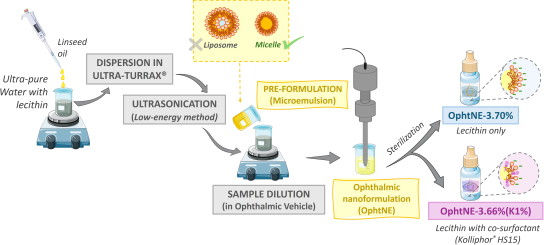
- metalloproteinase-9, intercellular adhesion molecule 1, and tumor necrosis factor [34][35][36]. Downie et al. reported strong clinical evidence supporting the efficacy of nanolipid carrier eye drops infused with omega–3 fatty acids in stabilizing the tear film in patients with meibomian gland dysfunction [31]. In



Ferroptosis induction by engineered liposomes for enhanced tumor therapy
Beilstein J. Nanotechnol. 2025, 16, 1325–1349, doi:10.3762/bjnano.16.97
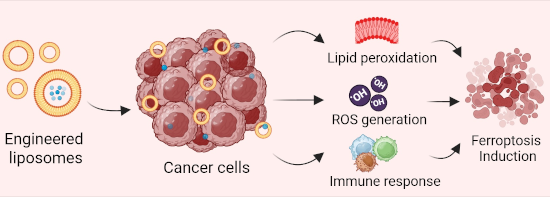
- accumulation of lipid ROS. Ferroptosis clearly differs from necrosis, apoptosis, and autophagy in terms of cellular morphology and function [7]. Recently, studies have indicated that ferroptosis can be utilized for cancer therapy since it effectively eliminates cancer cells and reverses drug resistance [8][9
- ” (iron) and the Greek term “ptosis” (to fall) are the roots of the name ferroptosis [23]. Ferroptosis is a non-apoptotic cell death, a sub-branch of programmed cell death [24]. This type of cell death was first introduced in 2012 [6]. Ferroptosis differs from known forms such as apoptosis, necrosis


Better together: biomimetic nanomedicines for high performance tumor therapy
Beilstein J. Nanotechnol. 2025, 16, 1246–1276, doi:10.3762/bjnano.16.92
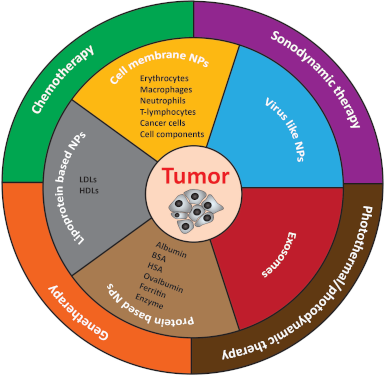
- , respectively. Importantly, following photothermal therapy in R780-RBC and IR780-rRBC groups, a significant necrosis in the tumor and a noticeable suppression in the tumor volume were observed [171]. Li et al. developed hybrid nanovesicles (TT3-oCB NP-EXOs) with enhanced second near-infrared (NIR-II, 900–1700






Colloidal few layered graphene–tannic acid preserves the biocompatibility of periodontal ligament cells
Beilstein J. Nanotechnol. 2025, 16, 664–677, doi:10.3762/bjnano.16.51
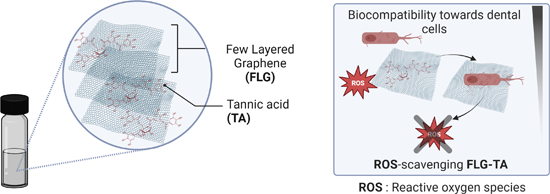
- levels were measured using CellROX green stain. DMSO was employed as a control because of its established capacity to induce oxidative stress through enhanced ROS production and glutathione depletion, accelerating cellular necrosis [35]. This assay complemented the DPPH scavenging assay to assess the




A formulation containing Cymbopogon flexuosus essential oil: improvement of biochemical parameters and oxidative stress in diabetic rats
Beilstein J. Nanotechnol. 2025, 16, 617–636, doi:10.3762/bjnano.16.48
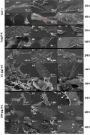
- morphological alterations suggestive of an advanced pathological process. In the liver, coagulative necrosis was identified in large areas of the parenchyma, characterized by the initial preservation of cell contours, but with intensely eosinophilic cytoplasm and loss of nuclear integrity. Structural
- accumulation of mononuclear cells, mainly lymphocytes and macrophages, around the portal spaces and areas of necrosis. In addition, the formation of cavities filled with new inflammatory cells was observed (C), suggesting a persistent and progressive inflammatory process (Figure 10). This infiltration may
- cytoplasmic vesicles, indicating dysfunction in metabolization and impaired cell metabolism. This finding, associated with necrosis and inflammation, suggests an exacerbated cellular response to an aggressive agent, leading to structural collapse of the liver tissue. These histopathological changes indicate




Synthetic-polymer-assisted antisense oligonucleotide delivery: targeted approaches for precision disease treatment
Beilstein J. Nanotechnol. 2025, 16, 435–463, doi:10.3762/bjnano.16.34


Radiosensitizing properties of dual-functionalized carbon nanostructures loaded with temozolomide
Beilstein J. Nanotechnol. 2025, 16, 229–251, doi:10.3762/bjnano.16.18
- via mitochondrial pathway and scavenger receptors, and necrosis [68][69][70]. For example, it has been shown that when single-wall CNTs (SWCNTs) enter into cells, they interact with the actin filaments, rearranging the actin, disrupt the mitochondrial function, and cause abnormalities in cell division
- necrosis was observed, with the involvement of toll-like receptor-, transforming growth factor β-, tumor necrosis factor α-, and mitogen-activated protein kinase-dependent pathways in the signaling pathway network and oxidative stress playing a crucial role in these pathways [75][76]. However, all




Nanocarriers and macrophage interaction: from a potential hurdle to an alternative therapeutic strategy
Beilstein J. Nanotechnol. 2025, 16, 97–118, doi:10.3762/bjnano.16.10
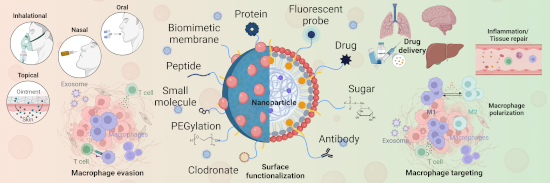
- strong pro-inflammatory response. These cells release cytokines such as tumor necrosis factor-α (TNF-α), interleukin (IL)-6, and IL-1β, essential for pathogen clearance and initiating immune defense mechanisms [19]. However, if an inflammation remains active for extended periods, it can contribute to


Polymer lipid hybrid nanoparticles for phytochemical delivery: challenges, progress, and future prospects
Beilstein J. Nanotechnol. 2024, 15, 1473–1497, doi:10.3762/bjnano.15.118
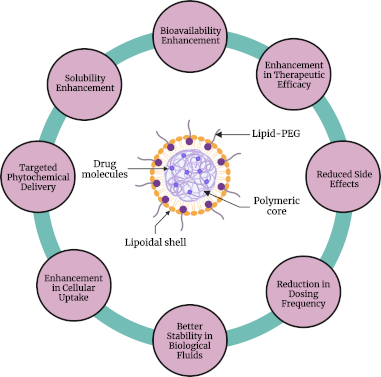
- cells. In vitro anti-inflammatory effects were evaluated by measuring nitric oxide (NO), tumor necrosis factor (TNF)-α, and interleukin (IL)-1β production in the same cells. The RVT-PLHNPs exhibited stronger antioxidant and anti-inflammatory activities than the free RVT solution. Apigenin Apigenin (APN


Nanotechnological approaches for efficient N2B delivery: from small-molecule drugs to biopharmaceuticals
Beilstein J. Nanotechnol. 2024, 15, 1400–1414, doi:10.3762/bjnano.15.113
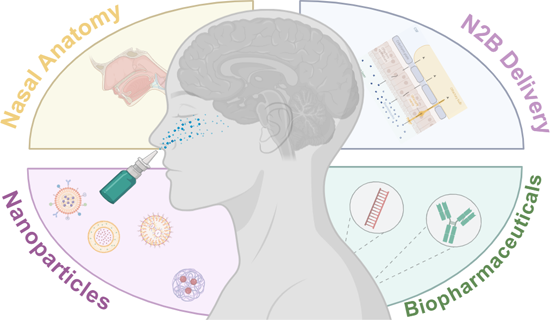
- neutralizing the tumor necrosis factor-related apoptosis-inducing ligand on the surfaces of polymeric NPs and NLCs for the treatment of Alzheimer’s disease. The in vivo studies in a mouse model showed that polymeric NPs and NLCs reached the brain via N2B delivery. They also showed that the adsorption of the


Assessing phytotoxicity and tolerance levels of ZnO nanoparticles on Raphanus sativus: implications for widespread adoptions
Beilstein J. Nanotechnol. 2024, 15, 115–125, doi:10.3762/bjnano.15.11
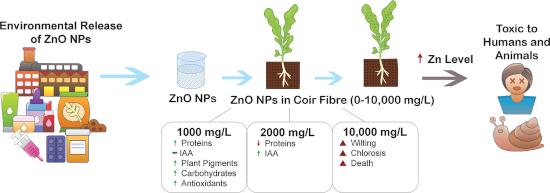
- coir without displaying chlorosis, necrosis, or strong growth inhibition, indicating its tolerance to elevated Zn levels [47]. Its resilience may have implications not only for the plant but also for the surrounding soil environment, microflora, and potentially human health. Metal-based engineered
- noteworthy internalization of Zn by R. sativus at 10,000 mg/L exceeded the healthy level of Zn by 340%. Despite this, R. sativus demonstrated survival at 1000 mg/L without signs of chlorosis, necrosis, or growth inhibition, suggesting its Zn-tolerant nature. This study emphasized the need for proactive


Antibody-conjugated nanoparticles for target-specific drug delivery of chemotherapeutics
Beilstein J. Nanotechnol. 2023, 14, 912–926, doi:10.3762/bjnano.14.75
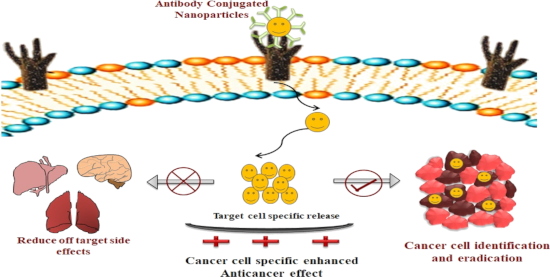
- mechanisms involved in cancer, such as apoptotic proteins (e.g., Bcl-2 survival protein, tumour protein p53, tumour necrosis factor, and nuclear factor kappa-B) [23][24], cancer surface markers (CD44, CD133, and ALDH1) [25] signaling pathways (e.g., PI3K/AKT/mTOR pathway, Hippo pathway, Wnt/β-catenin pathway



Overview of mechanism and consequences of endothelial leakiness caused by metal and polymeric nanoparticles
Beilstein J. Nanotechnol. 2023, 14, 329–338, doi:10.3762/bjnano.14.28
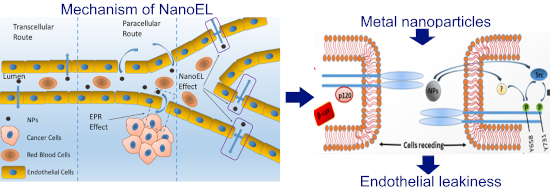
- leukocyte diapedesis and produce inflammatory cytokines such as interleukin 6 (IL-6) or tumor necrosis factor-α (TNF-α) (Figure 1). The factors secreted by the endothelium also include angiokines, which affect the parenchymal cells, thus conditioning the functioning of entire organs. Endothelial cells play
- . observed that direct exposure of HUVECs to SiO2 NPs resulted in oxidative damage induced by ROS, generated by the action of NPs. After 24 h of NP exposure, an increase in cell necrosis and apoptosis was observed. Significant DNA damage and cell cycle arrest at the G2/M point also occurred after NP exposure


In search of cytotoxic selectivity on cancer cells with biogenically synthesized Ag/AgCl nanoparticles
Beilstein J. Nanotechnol. 2022, 13, 1505–1519, doi:10.3762/bjnano.13.124
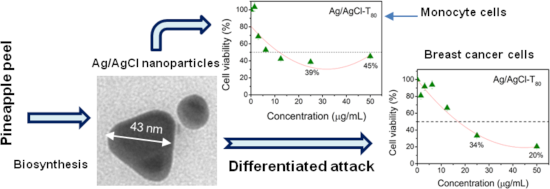
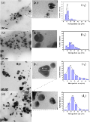
- . This result is consistent with Park et al. [45], who reported that the size of AgNPs is an important factor in cytotoxicity, inflammation, and genotoxicity. In this sense, AgNPs have been shown to induce cytotoxicity through apoptosis and necrosis in different cell lines [46]. Microscopic analysis
- concentrations, however, necrosis (black box) predominates, where the formation of cellular debris and damage to the cell membrane are detected. Depending on the level of stress exerted on the cell, this behavior will trigger cell death [47]. Çìftçì et al. [48] suggested that AgNPs induce apoptosis and necrosis
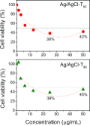
- in MCF-7 cells at lower concentrations, but induce necrosis only at higher concentrations. Despite the strong cytotoxic activity of nanoparticles on MCF-7 cells, it was necessary to examine whether there is any effect on healthy cells. The systems with lower IC50 (Ag/AgCl-T60 and Ag/AgCl-T80) were





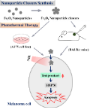
Photothermal ablation of murine melanomas by Fe3O4 nanoparticle clusters
Beilstein J. Nanotechnol. 2022, 13, 255–264, doi:10.3762/bjnano.13.20
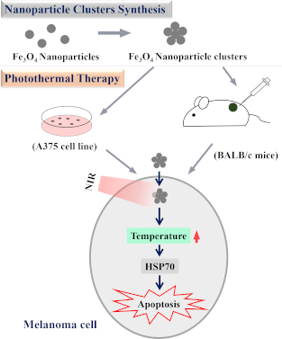
- during NIR irradiation NPCs caused overt apoptosis and necrosis in a dosage-dependent manner (Figure 3a). The strongest effect was observed for the sample with 0.25 mg/mL NPCs. NPCs alone, on the contrary, did not affect cell viability at low concentrations and only caused signs of mild cellular toxicity
- at high concentrations. Similarly, cells in the saline + NIR sample seemed as healthy as those in the saline control group. Consistent with these microscopy observations, flow cytometry analysis, which utilized Annexin V and propidium iodide to quantitate apoptosis and necrosis, showed that the


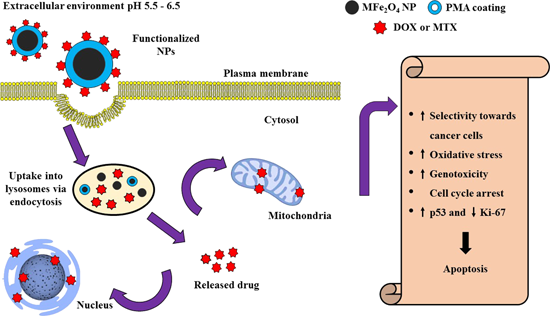
Biocompatibility and cytotoxicity in vitro of surface-functionalized drug-loaded spinel ferrite nanoparticles
Beilstein J. Nanotechnol. 2021, 12, 1339–1364, doi:10.3762/bjnano.12.99


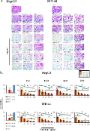
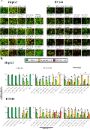
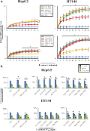
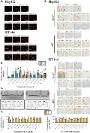

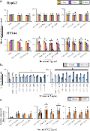


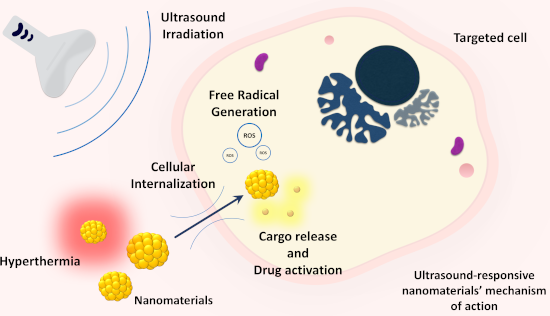
Comprehensive review on ultrasound-responsive theranostic nanomaterials: mechanisms, structures and medical applications
Beilstein J. Nanotechnol. 2021, 12, 808–862, doi:10.3762/bjnano.12.64


Silver nanoparticles induce the cardiomyogenic differentiation of bone marrow derived mesenchymal stem cells via telomere length extension
Beilstein J. Nanotechnol. 2021, 12, 786–797, doi:10.3762/bjnano.12.62
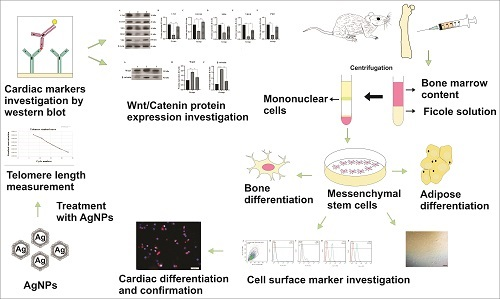
- the number of myocytes due to myocyte necrosis and apoptosis [1]. In the therapies of chronic heart failure (CHF) adrenergic and angiotensin signaling pathways are interrupted, while the therapies do not replace the dying myocytes during CHF progression [2]. Stem cells and some progenitor cells have


A review on the biological effects of nanomaterials on silkworm (Bombyx mori)
Beilstein J. Nanotechnol. 2021, 12, 190–202, doi:10.3762/bjnano.12.15
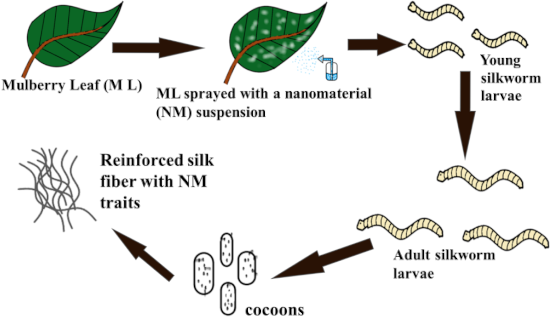
- NPs increased production levels of ROS, which resulted in cell apoptosis, necrosis, and DNA damage [132]. This mortality rate was higher when compared to silkworm groups fed with 1 and 10 ppm of Ag NPs. These results are in accordance with studies carried out by Meng et al., who stated that although
- autophagy, apoptosis, and necrosis in the hemocytes. Xing et al. [154] studied the outcome of introducing Si NPs in the hemolymph of the silkworm. It was reported that 3.9 µg of Si NPs was toxic to the hemocytes when compared to the groups exposed to 0.39 and 0.039 µg of Si NPs. A high dose of Si NPs (3.9


Applications of superparamagnetic iron oxide nanoparticles in drug and therapeutic delivery, and biotechnological advancements
Beilstein J. Nanotechnol. 2020, 11, 1092–1109, doi:10.3762/bjnano.11.94
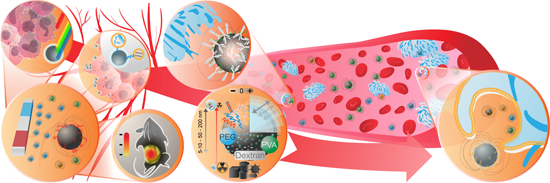
- weight [127]. In an extensive toxicology experiment on iron nanoparticles, Volkovova et al. [171] found that the lethal dose for 50% of rats is 36 mg Fe/kg body weight. Their study was focused on the SPION effects on the liver, where they found only mild necrosis and lipidosis, but the paper did not


Using gold nanoparticles to detect single-nucleotide polymorphisms: toward liquid biopsy
Beilstein J. Nanotechnol. 2020, 11, 263–284, doi:10.3762/bjnano.11.20
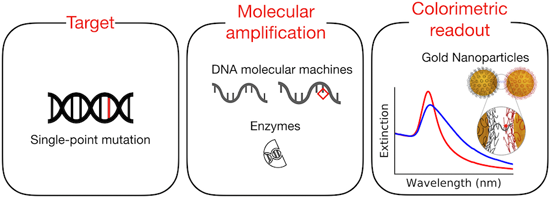
- . Several release mechanisms have been identified. 1) Secretion after cell death through apoptosis and necrosis, 2) secretion from tumor cells in the form of free or encapsulated DNA fragments, and 3) secretion from phagocytized tumor cells [35][36][37][38]. It has been observed that with the increase of
- necrosis [40][41][42][43][44]. Moreover, in solid malignancies, circulating tumor DNA differs from cell-free DNA by somatic mutations [18][46][47]. In leukemia, for example, the increased amount of cfDNA originates from cancer cells. Nonetheless, four main types of gene alterations occurring in cfDNA are
- in the further development of personalized medicine. Alterations in cell-free DNA. Cell-free DNA can be released from both cancerous and normal cells located in the tumor environment through apoptosis, necrosis or secretion. Once in the bloodstream, cfDNA may exist either free or associated with




Rational design of block copolymer self-assemblies in photodynamic therapy
Beilstein J. Nanotechnol. 2020, 11, 180–212, doi:10.3762/bjnano.11.15