


Search results
Search for "nucleic acids" in Full Text gives 81 result(s) in Beilstein Journal of Nanotechnology.
Nanocarrier strategies to overcome P-glycoprotein-mediated drug resistance in cancer therapy
Beilstein J. Nanotechnol. 2026, 17, 882–921, doi:10.3762/bjnano.17.64
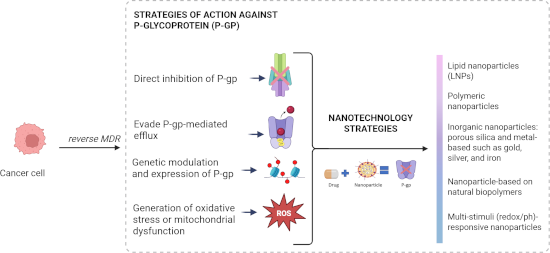
- . Lipid nanoparticles (LNPs) are nanoscale drug delivery systems composed of lipids that enable the encapsulation and transport of active substances such as drugs, nucleic acids, proteins, and other therapeutic compounds [43]. These structures reduce systemic toxicity and improve therapeutic efficacy and
- proteins and nucleic acids from premature degradation and rapid clearance by the body. Unlike other solid nanoparticles, such as metallic ones, polymeric nanoparticles can have empty or permeable internal structures that provide higher drug-loading capacity. Besides, their surface can be functionalized


From shield to spear: Charge-reversible nanocarriers in overcoming cancer therapy barriers
Beilstein J. Nanotechnol. 2026, 17, 159–175, doi:10.3762/bjnano.17.10
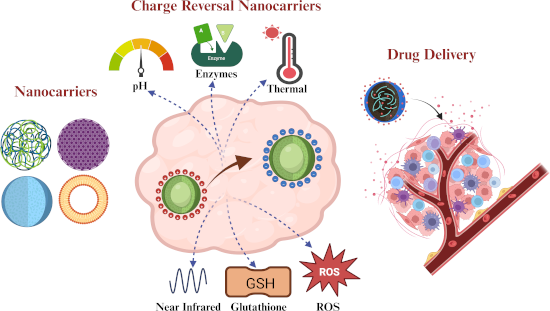
- biodistribution while protecting fragile biomolecules such as proteins and nucleic acids [11]. Through targeted and sustained release, these systems enhance therapeutic efficacy, prolong circulation, and reduce systemic toxicity compared to conventional formulations [12][13]. As illustrated in Figure 1


Exploring the potential of polymers: advancements in oral nanocarrier technology
Beilstein J. Nanotechnol. 2025, 16, 1751–1793, doi:10.3762/bjnano.16.122
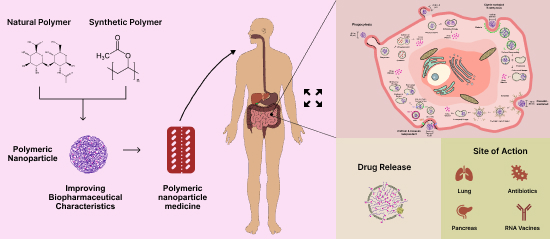
- invasiveness and greater biocompatibility [11]. Polymeric nanoparticles (PNs) have been studied for their potential in the oral delivery of insoluble drugs and biological products [12]. Peptides, such as GLP-1 receptor agonists [13], nucleic acids such as RNA [14], insulin [15], and antigens [16] have been
- , along with the mechanisms of active substance internalization and release within the body. Special attention is given to how PNs have been applied to enhance the oral delivery of peptides, nucleic acids, poorly soluble drugs, and small molecules. Additionally, current strategies for administration and
- , chitosan has been studied for its ability to protect nucleic acids from nuclease degradation, facilitating cellular entry through the formation of polyplexes driven by strong electrostatic interactions [138]. The positive charge of chitosan enables interactions with negatively charged nucleic acids


Advances of aptamers in esophageal cancer diagnosis, treatment and drug delivery
Beilstein J. Nanotechnol. 2025, 16, 1734–1750, doi:10.3762/bjnano.16.121
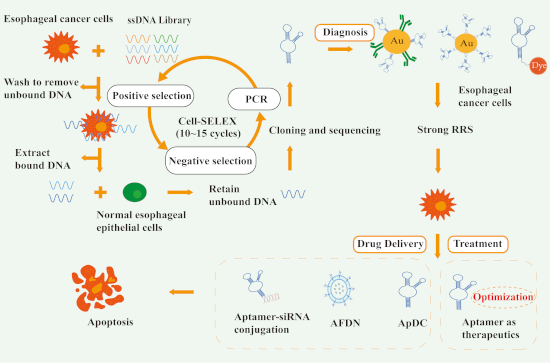
- disease progression, primarily encompassing proteins, nucleic acids, metabolites, and cellular components [44]. To be clinically relevant, these markers must demonstrate both high sensitivity and specificity, enabling robust diagnostic and prognostic capabilities. Most biosensors for cancer detection use


Enhancing the therapeutical potential of metalloantibiotics using nano-based delivery systems
Beilstein J. Nanotechnol. 2025, 16, 1350–1366, doi:10.3762/bjnano.16.98
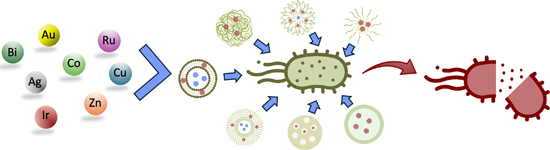
- ]. Dendrimers, with their hyperbranched structures, can be precisely controlled for size, shape, and surface chemistry, allowing for highly targeted delivery of anti-biofilms drugs or nucleic acids [81][82]. Polymeric NPs offer several advantages, including biodegradability, biocompatibility, and stability
- supporting its potential as a functional antibacterial platform. Ruthenium complexes Ruthenium-based metal complexes have been extensively studied, and some of them have shown notable antimicrobial activity [124][125]. This activity can be attributed to their strong binding affinity for nucleic acids and


Better together: biomimetic nanomedicines for high performance tumor therapy
Beilstein J. Nanotechnol. 2025, 16, 1246–1276, doi:10.3762/bjnano.16.92
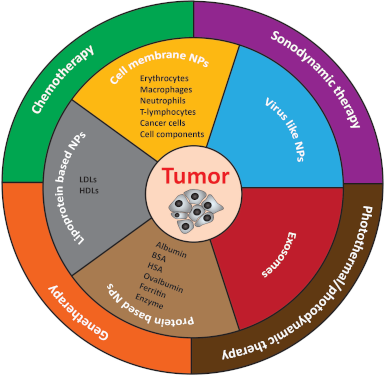
- (LDL). Lipoproteins can load small molecular drugs (including chemotherapeutic agents), nucleic acids, and other macromolecules [61]. LDL was the first lipoprotein used for drug delivery and imaging applications. The particles are smaller than 50 nm and are characterized by surface apolipoprotein B-100
- . Exosomes have also been used to deliver chemotherapeutic agents, nucleic acids, macromolecules, and diagnostic agents. Thus, exosomes are ideal delivery vehicles for therapeutic treatments that should be specific to the targeting sites with low toxicity to other organs, high encapsulation and delivery
- vaccines and improving their immunogenicity [112]. The presence of viral nucleic acids has been a key concern in medical applications, which limits the use of viruses in living organisms. Virus-like particles are multimeric nanoparticles consisting of viral proteins but lack viral genetic material. Thus






Hydrogels and nanogels: effectiveness in dermal applications
Beilstein J. Nanotechnol. 2025, 16, 1216–1233, doi:10.3762/bjnano.16.90
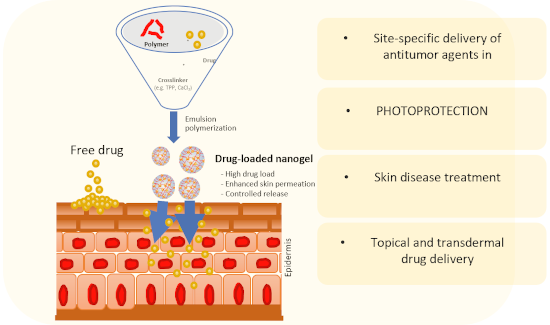
- nucleic acids and proteins [48][132]. Different techniques have been tested for the preparation of chitosan hydrogels, including ionotropic gelation [76], emulsion polymerization [108], and copolymerization [57][133]. Chitosan can be cross-linked with several organic and inorganic compounds due to its
- as drug carriers to deliver hydrophobic [153] and hydrophilic [154] molecules as well as biomolecules, including proteins [155] and nucleic acids [156]. These nanocarriers can be obtained from biodegradable and biocompatible materials [157], showing singular properties, such as stimuli-responsiveness


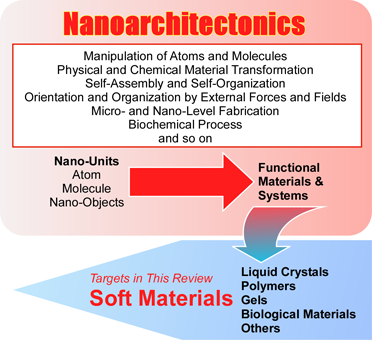
Soft materials nanoarchitectonics: liquid crystals, polymers, gels, biomaterials, and others
Beilstein J. Nanotechnol. 2025, 16, 1025–1067, doi:10.3762/bjnano.16.77






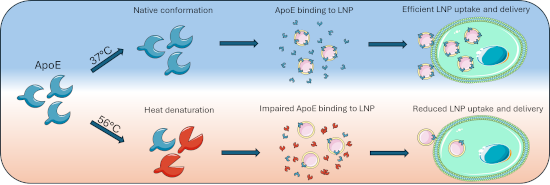
Serum heat inactivation diminishes ApoE-mediated uptake of D-Lin-MC3-DMA lipid nanoparticles
Beilstein J. Nanotechnol. 2025, 16, 740–748, doi:10.3762/bjnano.16.57
- inherent limitations of different classes of therapeutics, ranging from small molecule drugs, to biologicals such as proteins and nucleic acids. Nanoparticles can enhance the solubility and stability of their payload, prolong its circulation time, and improve its biodistribution to increase their safety


Nanomaterials in targeting amyloid-β oligomers: current advances and future directions for Alzheimer's disease diagnosis and therapy
Beilstein J. Nanotechnol. 2025, 16, 561–580, doi:10.3762/bjnano.16.44
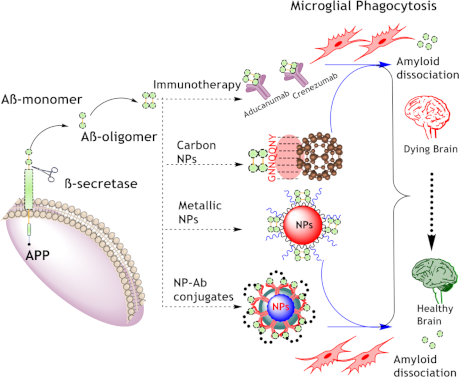
- profile of biomolecules they carry, which reflect the characteristics of their parent cells. These biomolecules, including proteins, nucleic acids, and lipids, serve as a “fingerprint” of the originating cells. When cellular conditions change, such as during disease progression, alterations in the


Functionalized gold nanoflowers on carbon screen-printed electrodes: an electrochemical platform for biosensing hemagglutinin protein of influenza A H1N1 virus
Beilstein J. Nanotechnol. 2025, 16, 540–550, doi:10.3762/bjnano.16.42
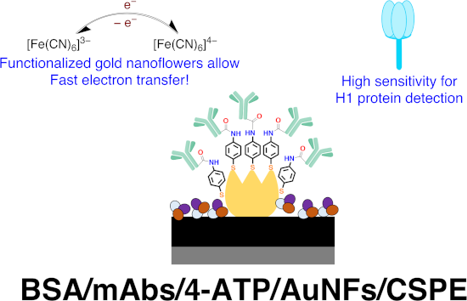
- ][12][13][14][15][16][17][18][19][20], while others have focused on N1 protein [8][21], both H1 and N1 proteins [22], nucleoprotein [23][24][25], both H1 and nucleoprotein [26], nucleic acids [27][28][29], matrix protein [30], and serum amyloid A biomarker [31]. Biosensing technologies are constantly


Synthetic-polymer-assisted antisense oligonucleotide delivery: targeted approaches for precision disease treatment
Beilstein J. Nanotechnol. 2025, 16, 435–463, doi:10.3762/bjnano.16.34

- ′ position of the ribose ring, whereas third-generation ASOs are more diverse, containing a variety of sugar ring modifications or base modifications [19][20]. These include locked nucleic acids (LNAs) [21][22], phosphorodiamidate morpholino oligomers (PMOs) [23][24][25], peptide nucleic acids (PNAs) [26][27
- post-polymerisation modification for drug conjugation or additional targeting [59]. In addition to small molecules, drugs, and proteins, polymers play an essential role in the delivery of nucleic acids as they provide high stability and flexibility [60]. The delivery or nucleic acids can be improved
- negatively charged nucleic acids and enhances cellular uptake, leading to increased accumulation of therapeutic agents at the target site [104]. Extensive literature regarding the biodistribution and cell internalisation of polyamine-based carriers has shown that factors such as the molecular weight [105


Nanocarriers and macrophage interaction: from a potential hurdle to an alternative therapeutic strategy
Beilstein J. Nanotechnol. 2025, 16, 97–118, doi:10.3762/bjnano.16.10
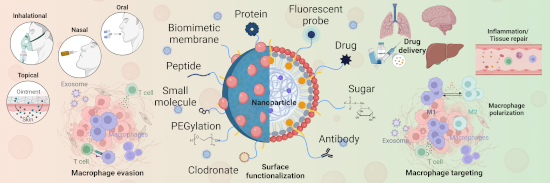
- final effect. Endocytosis poses a significant challenge for delivering drugs and nucleic acids to the cytosol as most remain trapped in endosomes and subsequently degrade. Efficient delivery requires the payload to be released before lysosomal maturation, a crucial stage known as endosomal escape [53
- high buffering capacities in the acidic pH range of endosomes (pH 5–6). Lipid nanoparticles (LNPs), which include cationic and ionizable materials, exhibit such intracellularly triggered delivery mechanisms and are often used to carry nucleic acids into cells. In this case, the endosomal escape is


Unveiling the potential of alginate-based nanomaterials in sensing technology and smart delivery applications
Beilstein J. Nanotechnol. 2024, 15, 1077–1104, doi:10.3762/bjnano.15.88
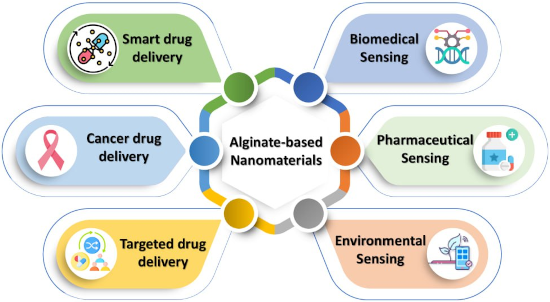
- diagnostics. Researchers have successfully utilized alginate nanoparticles for the detection and quantification of various analytes, such as proteins, enzymes, nucleic acids, and pathogens. For example, alginate nanoparticles have been used for the detection of cancer biomarkers in body fluids, allowing for


Recent progress on field-effect transistor-based biosensors: device perspective
Beilstein J. Nanotechnol. 2024, 15, 977–994, doi:10.3762/bjnano.15.80
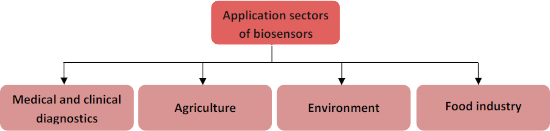
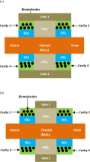
- biosensors for accurate detection of viruses [25], cancer [15], proteins [36], DNA, glucose [17], and nucleic acids has been strongly developed [37]. On the other hand, specific biomolecule classifications by microbiologists has led to the realization and development of different biosensors, significantly
- biosensor. 4 Summary and future research works FET-based biosensors have been designed and developed to achieve higher performance and improved sensitivity in detecting various types of species, such as viruses, cancer cells, proteins, DNA, glucose, and nucleic acids. The latest emerging 3D and 2D FET-based




Identification of structural features of surface modifiers in engineered nanostructured metal oxides regarding cell uptake through ML-based classification
Beilstein J. Nanotechnol. 2024, 15, 909–924, doi:10.3762/bjnano.15.75
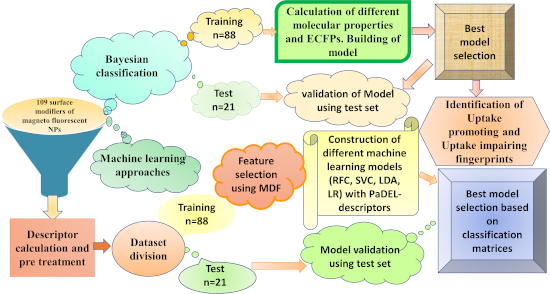
- because of their enhanced reactivity, large surface area, and tunable properties [7][8]. ENMOs can enter the human body [9] and engage with various biomacromolecules, including sugars, lipids, proteins, and nucleic acids. These biomolecules rapidly envelop the nanoparticle surface, creating a dynamic


Comparative analysis of the ultrastructure and adhesive secretion pathways of different smooth attachment pads of the stick insect Medauroidea extradentata (Phasmatodea)
Beilstein J. Nanotechnol. 2024, 15, 612–630, doi:10.3762/bjnano.15.52
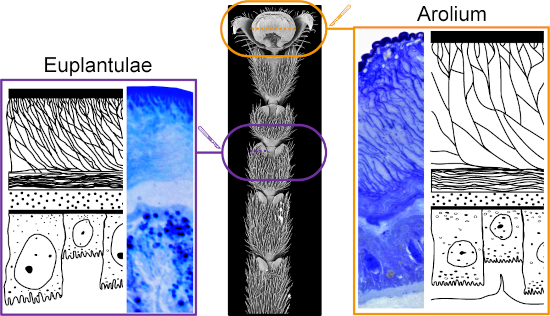
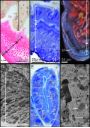
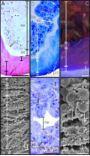
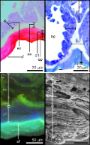
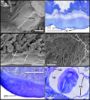
- metachromatic dye, which selectively stains basophilic tissue components and has a high affinity to acidic tissue (nucleic acids are stained blue and polysaccharides purple). Previous experiments have also shown that the dye stains soft parts of the cuticle dark blue, and sclerotized parts of the cuticle light



Silver nanoparticles loaded on lactose/alginate: in situ synthesis, catalytic degradation, and pH-dependent antibacterial activity
Beilstein J. Nanotechnol. 2023, 14, 781–792, doi:10.3762/bjnano.14.64
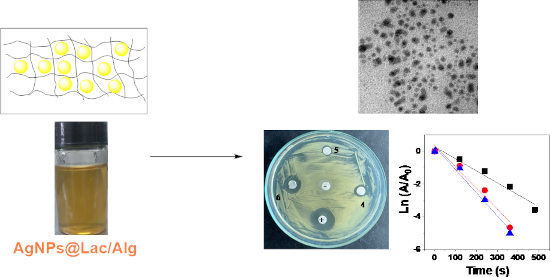
- release of silver ions or electrostatic interaction between AgNPs and microbial cells, have been proposed [21][22]. The AgNPs might release silver ions capable of binding to nucleic acids, thereby, exhibiting antibacterial activity [23][24]. Consequently, any silver-containing composite material with


Metal-organic framework-based nanomaterials as opto-electrochemical sensors for the detection of antibiotics and hormones: A review
Beilstein J. Nanotechnol. 2023, 14, 631–673, doi:10.3762/bjnano.14.52
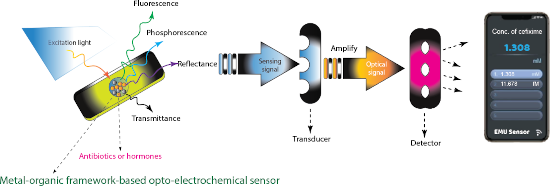
- identification of these emerging contaminants, such as chronoamperometry and electrochemical impedance spectroscopy, have also attracted a lot of interest [7]. Electrochemical biosensors are created by functionalizing the nanomaterial on the working electrode with biomolecules (e.g., nucleic acids, enzymes


Nanoarchitectonics to entrap living cells in silica-based systems: encapsulations with yolk–shell and sepiolite nanomaterials
Beilstein J. Nanotechnol. 2023, 14, 522–534, doi:10.3762/bjnano.14.43
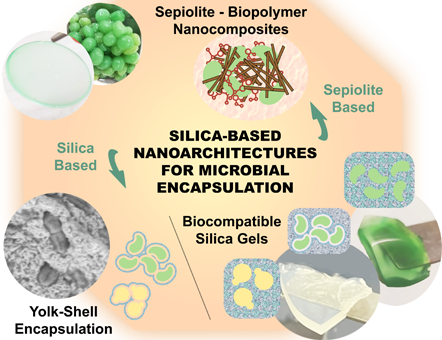
- bionanocomposites that display biomimetic and bioinspired characteristics, derived from their biological components (e.g., polysaccharides, proteins, nucleic acids, enzymes and viruses, etc.) and the inorganic network (e.g., silica and silicates, clay minerals and phosphates) [5][6][7][8]. More complex biohybrid


Overview of mechanism and consequences of endothelial leakiness caused by metal and polymeric nanoparticles
Beilstein J. Nanotechnol. 2023, 14, 329–338, doi:10.3762/bjnano.14.28
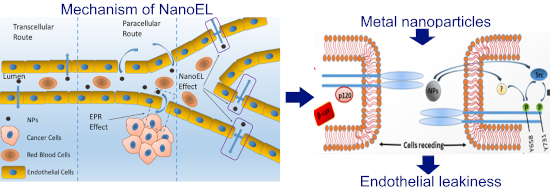
- their various applications. NPs are characterized by a high surface-to-volume ratio, which in turn leads to a large functional surface area. The possibility of combining NPs with various ligands and biologically active molecules, such as nucleic acids, fluorescence dyes, drugs, tumor markers, and


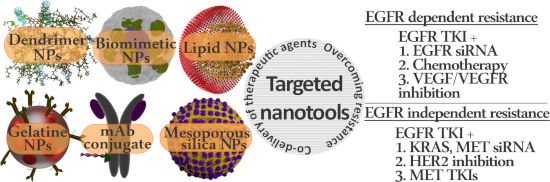
Nanotechnology – a robust tool for fighting the challenges of drug resistance in non-small cell lung cancer
Beilstein J. Nanotechnol. 2023, 14, 240–261, doi:10.3762/bjnano.14.23


Cyclodextrins as eminent constituents in nanoarchitectonics for drug delivery systems
Beilstein J. Nanotechnol. 2023, 14, 218–232, doi:10.3762/bjnano.14.21
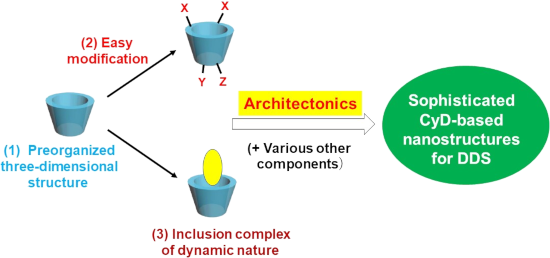
- . Alternatively, therapeutic nucleic acids are stably protected in the nanoarchitectures and delivered to the target site. The efficient delivery of the CRISPR-Cas9 system for gene editing was also successful. Even more complicated nanoarchitectures can be designed for sophisticated DDSs. Cyclodextrin-based
- chromophores, induced by photoirradiation, ultimately decompose the whole nanoarchitecture for drug release. In section 3, various therapeutic nucleic acids are delivered to the target site by CyD nanoarchitectures. By embracing with chemically modified CyDs, otherwise fragile nucleic acids are successfully
- upconversion nanoparticles, which in turn cleaved the covalent linkages between pyrene molecules and the mesoporous silica layer. As the result, the pores were unblocked and the encapsulated drugs were released. 3 CyD-based nanoarchitectures to deliver therapeutic nucleic acids to the target site Therapeutic




Single-step extraction of small-diameter single-walled carbon nanotubes in the presence of riboflavin
Beilstein J. Nanotechnol. 2022, 13, 1564–1571, doi:10.3762/bjnano.13.130
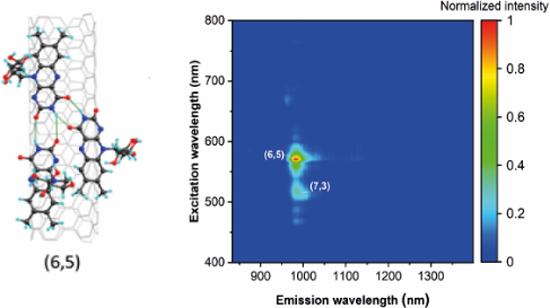
- and discard toxic residual surfactants, which would otherwise limit biological applications. Biopolymers such as DNA and RNA have been widely proven to disperse SWCNTs. Nucleic acids even exhibit sequence-dependent wrapping around nanotubes with different chiralities [12][13][14][15]. The remarkable
- biocompatibility of nucleic acids can support biomedical applications of such dispersions. Unfortunately, an extensive ultrasonic treatment required to obtain a dispersion of individual nanotubes might destroy fragile nucleic acid molecules so that their applications are somewhat inhibited. Flavin compounds are


Orally administered docetaxel-loaded chitosan-decorated cationic PLGA nanoparticles for intestinal tumors: formulation, comprehensive in vitro characterization, and release kinetics
Beilstein J. Nanotechnol. 2022, 13, 1393–1407, doi:10.3762/bjnano.13.115
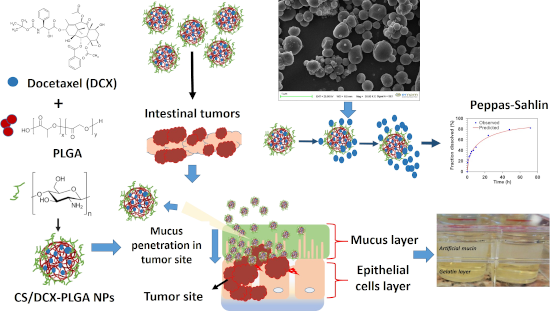
- frequently used in research especially in the development of nanoparticulate drug formulations [17][22][23][24]. Chitosan (CS) is a common biocompatible polymer used extensively in drug delivery applications as a vehicle for drugs, proteins, and nucleic acids. Also, it is used as a coating polymer in nano





