Search results
Search for "polarization" in Full Text gives 390 result(s) in Beilstein Journal of Nanotechnology. Showing first 200.
Influence of an external electric field on the catalytic CO oxidation of nanoscaled CeO2 and its La3+ and Gd3+ congeners
Beilstein J. Nanotechnol. 2026, 17, 1028–1038, doi:10.3762/bjnano.17.70
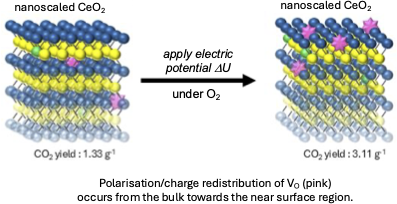
- -surface redox processes [20][36]. Under electrical bias, polarization and charge redistribution at grain surfaces may therefore affect the near-surface Ce3+/Ce4+ population and the availability of oxygen-vacancy-related defect sites involved in CO oxidation. On this basis, the observed CO oxidation
- . It induces interfacial polarization in ceria based catalysts and boosts CO oxidation under noble-metal-free conditions. The magnitude of the enhancement depends critically on dopant-controlled defect interactions, ion mobility, and electronic polaron transport mechanisms. Undoped nCeO2 shows the


Development of Protium heptaphyllum essential oil-loaded nanocapsules: experimental design and biological activity
Beilstein J. Nanotechnol. 2026, 17, 974–990, doi:10.3762/bjnano.17.67
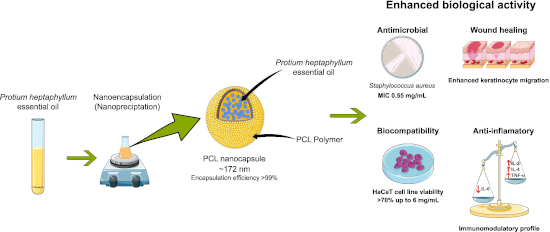
- compound delivery via nanocapsules. Future dose-optimization studies should determine the threshold at which TNF-α shifts from reparative to detrimental. Simultaneously, IL-4 increased only at the highest NPNC concentration (6 mg/mL). IL-4 is a known promoter of M2 macrophage polarization and tissue repair




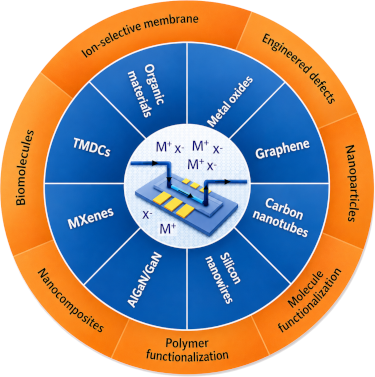
Materials challenges in solid-state sensors for continuous monitoring of ions in water
Beilstein J. Nanotechnol. 2026, 17, 935–973, doi:10.3762/bjnano.17.66



Oxidative atmosphere-driven formation of single-phase spinel CuRh2O4 nanofibers for alkaline water oxidation
Beilstein J. Nanotechnol. 2026, 17, 737–743, doi:10.3762/bjnano.17.50
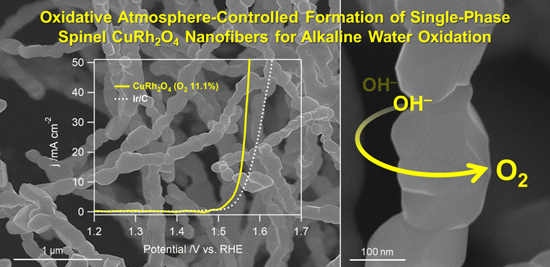
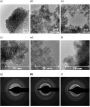
- polarization curves (Figure 6b) [1]. The smaller Tafel slope observed for the sample prepared under 22.2% O2 (42.9 mV·dec−1) indicates a more favorable OER process, suggesting that the catalyst-modified electrode requires a lower overpotential to achieve higher current densities. Additionally, the
- nanomaterials annealed under the O2 concentration of 11.1% (inset: corresponding SAED pattern). SEM images of the as-prepared nanomaterials synthesized under O2 concentrations of (a) 5.6%, (b) 11.1%, and (c) 22.2%. (a) LSV polarization curves of the as-prepared Cu–Rh bimetallic oxides with commercial samples




Molecular engineering of individual dye-based nanoparticle photostability for ultrabright two-photon fluorescence
Beilstein J. Nanotechnol. 2026, 17, 688–696, doi:10.3762/bjnano.17.48
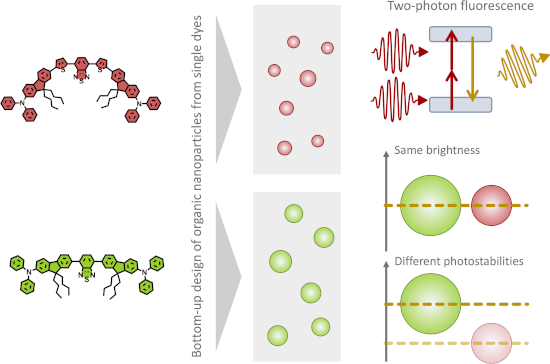
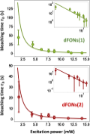
- single molecule into the nanoparticle. The order of magnitude of such local-field correction can be given by the so-called Lorentz model: where P = ε0( − 1)E is the polarization vector. It leads to a coefficient α = (( + 2)/3)2. Considering a refractive index of the pure dye ranging from 1.5 to 1.8 [34


Recent progress in enhancing built-in electric fields of perovskite solar cells via junction engineering
Beilstein J. Nanotechnol. 2026, 17, 602–621, doi:10.3762/bjnano.17.42
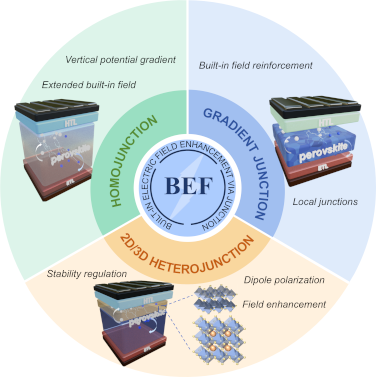
- transport. By contrast, 2D/3D heterojunctions exploit interfacial dipole formation, intrinsic polarization, and phase-penetration effects to amplify and homogenize the BEF, while simultaneously improving energy-level alignment and defect passivation. We systematically compare these strategies within a
- , characterized by band discontinuities or polarization barriers. Its primary role is to modulate the local potential distribution and establish a stable BEF. In materials such as perovskites, which are mixed ionic–electronic conductors, the junction not only determines the driving force for carrier separation
- but also extends the local electric field to a broader spatial region by optimizing its position, extent, and strength. Different types of junctions enhance the magnitude and uniformity of the BEF by improving band bending, suppressing recombination pathways, or introducing additional polarization




Impacts of annealing on structural and photophysical properties of zinc phthalocyanine adsorbed on graphene
Beilstein J. Nanotechnol. 2026, 17, 576–585, doi:10.3762/bjnano.17.39
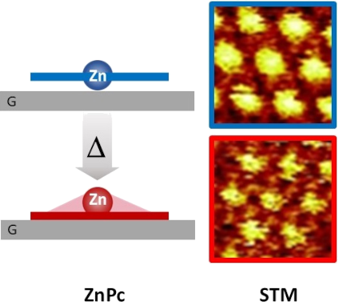
- of the phthalocyanine on HOPG inside the TSB35-C12 matrix. Absorption anisotropy Finally, incidence-angle dependence of the optical absorption in transverse magnetic polarization were measured before and after annealing, as reported in Figure 4. As illustrated in the figure, by varying the incidence
- angle θ in polarization p, the optical electric field varies from in-plane (normal incidence, θ = 0) to out of plane (grazing incidence, θ → 90°). The absorption is maximum when the molecular transition dipole moments of the probed optical transition (here the Q-band) are parallel to the electric field
- on the sample. The polarization was controlled using a linear polarizer (LPVISC100, ThorLabs) to obtain p (i.e., transverse-magnetic) polarization. The incidence angle was tuned by rotating the sample holder from 0 to 65° (5° increments) and the spectrum was recorded at each angle, normalized for


Fractional shot noise of an SU(N) Kondo system
Beilstein J. Nanotechnol. 2026, 17, 515–540, doi:10.3762/bjnano.17.34
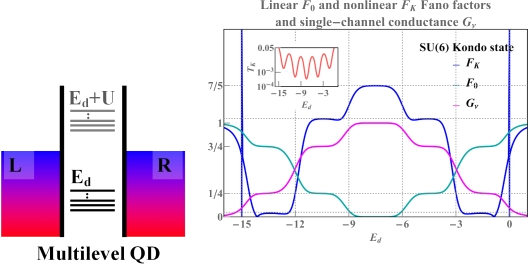
- quasiparticles induced by polarization of the spin singlet determine the higher-order corrections to physical quantities. In the first step, let us write formulas for thermodynamic and transport quantities in the non-interacting quasiparticle picture. The zero-temperature current I and the shot noise can be
- interest here, quasiparticles are scattered elastically by the singlet. They also interact through polarization of the singlet. The FL energy functional, which is biquadratic with respect to quasiparticle creation/annihilation operators (bilinear with respect to quasiparticle fluctuations), is


![[Graphic 127]](/bjnano/content/inline/2190-4286-17-34-i187.svg?max-width=637&scale=1.18182)

Biomimetic nanoparticles in cancer photodynamic therapy: a review of targeted delivery systems and therapeutic outcomes
Beilstein J. Nanotechnol. 2026, 17, 396–422, doi:10.3762/bjnano.17.27

- functionalities: (i) Macrophage membranes exhibit tropism towards inflammatory sites and tumors via chemokine receptors (e.g., CCR2) and adhesion molecules. Pre-polarization to an M1 phenotype ex vivo can further equip these nanoparticles to reprogram the immunosuppressive TME [146][147]. (ii) Neutrophil


Ferroelectric nanodot reservoir for neuromorphic computing
Beilstein J. Nanotechnol. 2026, 17, 352–364, doi:10.3762/bjnano.17.24
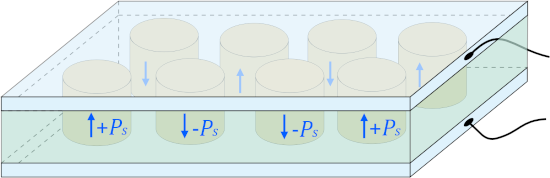
- applications. The reservoir consists of an ensemble of nonlinear ferroelectric nanodots capable of storing information through their stable polarization states. These nanodots are confined between electrodes and form a network of parallel connected capacitive elements, which can either be addressed
- individually or integrated between common conducting plates. By leveraging the intrinsic nonlinearity and memory of ferroelectric polarization switching, the device maps incoming signals into a high-dimensional space of polarization configurations. This physical transformation enables efficient temporal
- information encoding and provides a rich dynamic representation for subsequent processing in a readout layer of a neuromorphic circuit. Keywords: ferroelectric nanodots; multilevel logic; neuromorphic circuits; polarization; topological states; Introduction Neuromorphic computing aims to emulate the


Structure-dependent thermochromism of PAZO thin films: theory and experiment
Beilstein J. Nanotechnol. 2026, 17, 186–199, doi:10.3762/bjnano.17.12
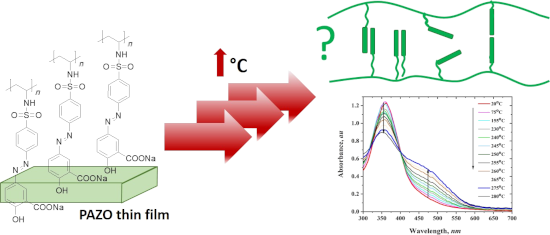
- (⟂) to the polarization direction of the electric field vector of the incident polarized light, resulting in a subsequent creation of birefringence. Photoinduced birefringence of PAZO has been the subject of numerous studies under different experimental conditions. Investigations have been carried out on
- be discussed in more details in the Section “Density functional theory modeling”. Analysis of spectrofluorimetric, infrared, and S and P polarization spectra Two PAZO samples were used for the spectrofluorimetric analysis: the first sample was not thermally treated (red curves in Figure 3A) and the
- illumination, S- and P-polarized absorption spectra were recorded for each case. The results, presented in Figure 4A–D, reveal the polarization sensitivity of the samples under four distinct experimental conditions. As it can be seen, substantial spectral change in P and S spectra are observed for the sample


Functional surface engineering for cultural heritage protection: the role of superhydrophobic and superoleophobic coatings – a comprehensive review
Beilstein J. Nanotechnol. 2026, 17, 63–96, doi:10.3762/bjnano.17.6






Internal 3D temperature mapping in biological systems using ratiometric light-sheet imaging and lipid-coated upconversion nanothermometers
Beilstein J. Nanotechnol. 2025, 16, 2306–2316, doi:10.3762/bjnano.16.159
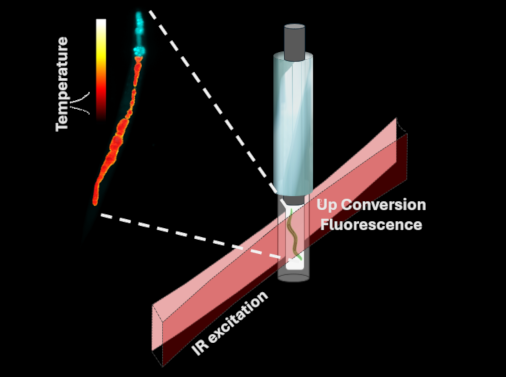
- ratios [18][19][20][21][22][23][24][25][26][27][28][29] and polarization anisotropy [30][31]. In biological applications involving fluorescent nanothermometry, light–tissue interactions must be carefully considered for an accurate temperature measurement. To address this, a wide range of luminescent


Chiral plasmonic nanostructures fabricated with circularly polarized light
Beilstein J. Nanotechnol. 2025, 16, 2245–2264, doi:10.3762/bjnano.16.154
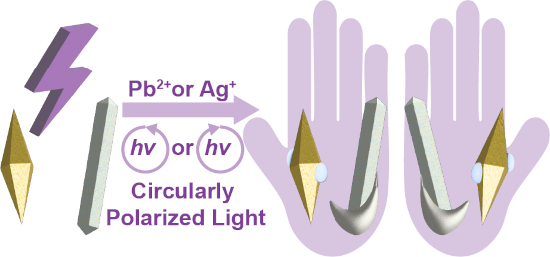
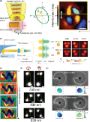
- chiral molecules is essential in the pharmaceutical industry [9]. Distinguishing between enantiomers is inherently challenging due to their identical physical properties. However, chiral molecules interact with light in a polarization-dependent manner. Historically, Arago and Biot demonstrated that cut
- crystals can affect the polarization of light [10][11]. Subsequently, Biot showed that organic compounds, such as turpentine oil, sugar solutions, camphor, and tartaric acid, can also rotate the polarization of linearly polarized light [12], later attributed by Fresnel to birefringence in the chiral medium
- [13]. In 1848, Pasteur achieved the physical separation of enantiomers for the first time. In his experiments, he crystallized the racemic sodium ammonium salt of tartaric acid, forming two distinct crystals that each rotated the polarization of light in opposite manner [14]. The interaction between






Ultrathin water layers on mannosylated gold nanoparticles
Beilstein J. Nanotechnol. 2025, 16, 2183–2198, doi:10.3762/bjnano.16.151
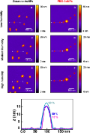
- either to the other dipole orientation of the CH group between the two samples [27], or to the charges of the molecules being opposite [28]. The latter seems unlikely since the isoelectric points of the two samples are similar. From symmetry rules and the ssp-polarization, one can deduce that the CH2
- for ppp polarization (all beams polarized normal to the surface) and 2 min for ssp (laser beams polarized parallel to the surface, sum frequency emission and up-conversion polarized perpendicular and infrared parallel to the plane of incidence). Electron microscopy imaging SEM and STEM images were
- VSFG, s vis, p IR) polarization combination. (A) VSFG spectra in H2O. (B) VSFG spectra in D2O. Note the different intensity scales. (C) Model of the proposed conformations of dimanno-AuNPs and PEG AuNPs. PEG AuNPs (left) show little order in the PEG chains. Dimanno-AuNPs (right) show a stretched-out



Laser ablation in liquids for shape-tailored synthesis of nanomaterials: status and challenges
Beilstein J. Nanotechnol. 2025, 16, 1963–1997, doi:10.3762/bjnano.16.137
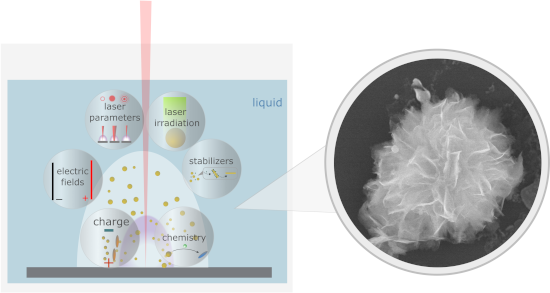
- colloid, preventing aggregation [7]. Charge manipulation can be achieved by applying electric fields or varying laser beam polarization. It can also be used at later stages of the NP formation, ensuring self-assembly and growth into oriented structures. In general, the growth of NPs produced by laser
- femtosecond laser irradiation. As in the case of laser ablation of solid targets, utilization of femtosecond laser beams for laser modification of pre-formed nanomaterials is strongly dependent on the polarization of the laser beam. In [85] copper nanoflakes transformed into nanowires under fs laser
- irradiation with linear polarization during 1–5 min; however, further laser treatment converted the nanowires to NPs. The authors explain the observed changes by the initiation of nanoflakes ablation under laser action, producing atoms, ions, and nanoclusters, which nucleate into seed NPs, deposited on the





Piezoelectricity of layered double hydroxides: perspectives regarding piezocatalysis and nanogenerators
Beilstein J. Nanotechnol. 2025, 16, 1812–1817, doi:10.3762/bjnano.16.124

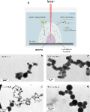
- ultrasound exposure broke the inversion symmetry of Ni/Fe-LDH, causing positive and negative polarization charges to arise. The migration of created charges in opposite directions under external mechanical force caused an intrinsic electric field. The authors also hypothesized that LDHs, as some 2D layered
- interactions within the interfacial bonds induced internal structural reconstruction, which enhanced local polarization and N2 adsorption. As a result, the cleavage of N≡N bonds was accelerated, and the activation energy of the reaction was reduced. Unfortunately, this study also raises concerns regarding the
- parameters, reduced thickness, cationic flexibility, and heterostructure formation, emerge as recurring factors that enhance charge separation and local polarization. Thus, the idea that LDHs can act not only as passive hosts but also as active piezoelectric components is supported by all mentioned works. At

Advances of aptamers in esophageal cancer diagnosis, treatment and drug delivery
Beilstein J. Nanotechnol. 2025, 16, 1734–1750, doi:10.3762/bjnano.16.121
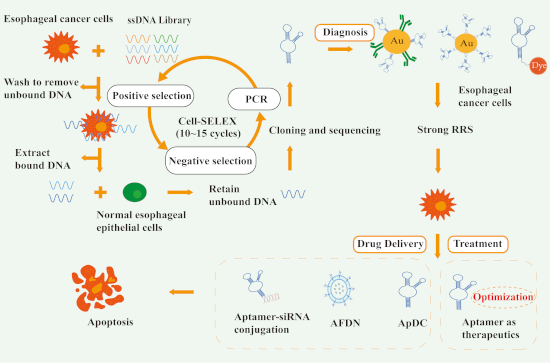
- ], which may make anti-SPP1 autoantibodies a novel serum biomarker for detecting ESCC patients. Wang et al. [100] found that SPP1 can recruit macrophages and activate the CD44/PI3K/AKT signaling axis, which in turn promotes their polarization to the M2 type, creating a microenvironment conducive to tumor


Ambient pressure XPS at MAX IV
Beilstein J. Nanotechnol. 2025, 16, 1677–1694, doi:10.3762/bjnano.16.118
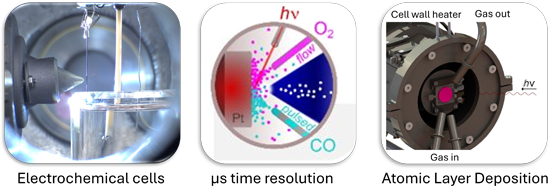
- energy range of 30–1500 eV with variable polarization and high photon flux in the low photon energy range [9]. The optics provide a moderately focused beam (~100 µm). The beamline covers an energy resolution typical for soft X-ray beamlines of resolving power values of the order of 5000–10000 over nearly
- fields of, among others, catalysis research, material characterization, and thin film deposition, utilizing dedicated cells. HIPPIE, on the 3 GeV ring, covers a wider photon energy range than SPECIES (250 to 2500 eV), also with variable polarization [10]. It has two branches, each with its own
- reactor to expose samples up to 1 bar gas atmosphere and 900 °C connected to the main UHV system. In addition, a polarization modulation infrared reflection absorption spectroscope (PM-IRRAS) is also available, enabling simultaneous APXPS and IRRAS measurements. The SLE at HIPPIE is designed as a large






Influence of laser beam profile on morphology and optical properties of silicon nanoparticles formed by laser ablation in liquid
Beilstein J. Nanotechnol. 2025, 16, 1533–1544, doi:10.3762/bjnano.16.108
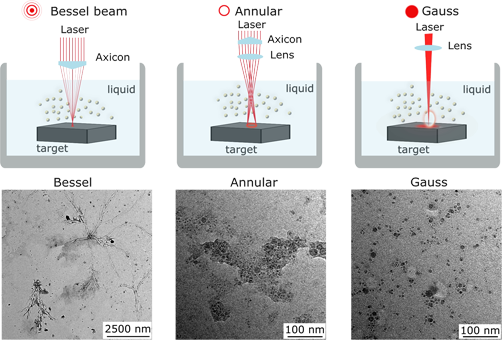
- special configurations of laser ablation experiments, such as laser ablation in an applied external electrical field [14][15][16], variation of liquid composition [13], laser ablation at increased liquid temperature [17][18], and using different light polarization (linear or circular) [19]. As a result, a


Laser processing in liquids: insights into nanocolloid generation and thin film integration for energy, photonic, and sensing applications
Beilstein J. Nanotechnol. 2025, 16, 1428–1498, doi:10.3762/bjnano.16.104






Photochemical synthesis of silver nanoprisms via green LED irradiation and evaluation of SERS activity
Beilstein J. Nanotechnol. 2025, 16, 1417–1427, doi:10.3762/bjnano.16.103
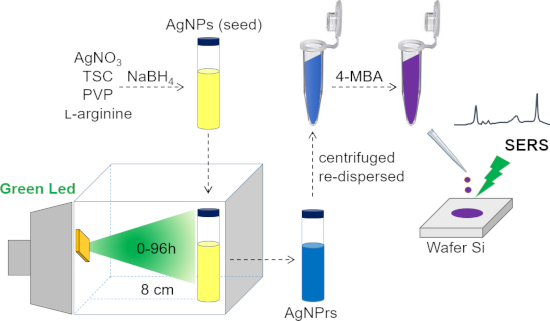
- SERS activity compared to AgNPs (seeds). The measurements were performed under identical experimental conditions, including fixed laser polarization, to ensure consistency and the current comparison is intended to be qualitative in nature. The enhancement factor (EF) was calculated using Equation 3 [23


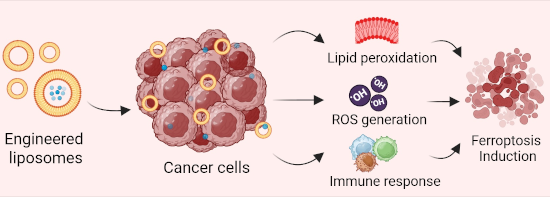
Ferroptosis induction by engineered liposomes for enhanced tumor therapy
Beilstein J. Nanotechnol. 2025, 16, 1325–1349, doi:10.3762/bjnano.16.97


Deep-learning recognition and tracking of individual nanotubes in low-contrast microscopy videos
Beilstein J. Nanotechnol. 2025, 16, 1316–1324, doi:10.3762/bjnano.16.96
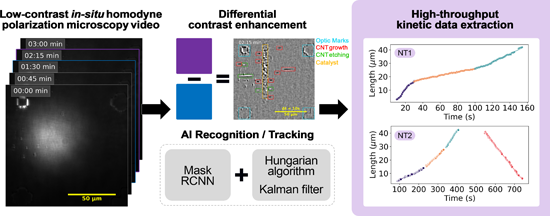
- Vladimir Pimonov Said Tahir Vincent Jourdain Laboratoire Charles Coulomb, Univ Montpellier, CNRS, Montpellier, France 10.3762/bjnano.16.96 Abstract This study addresses the challenge of analyzing the growth kinetics of carbon nanotubes using in situ homodyne polarization microscopy (HPM) by
- ; polarization microscopy; Introduction Carbon nanotubes (CNTs), discovered over three decades ago, continue to present unresolved questions and challenges. Their exceptional properties, both theoretically [1][2] and experimentally demonstrated [3], make them desirable for electronic and optical devices
- selectivity, particularly kinetic selectivity. To address this, we developed a method based on in situ homodyne polarization microscopy (HPM), which is highly sensitive and can detect changes in optical absorption caused by a single carbon nanotube. The technique allows for imaging tens to hundreds of


Wavelength-dependent correlation of LIPSS periodicity and laser penetration depth in stainless steel
Beilstein J. Nanotechnol. 2025, 16, 1302–1315, doi:10.3762/bjnano.16.95
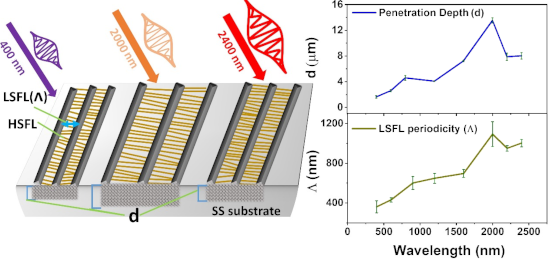
- spatial periodicity (Λ) relative to the laser wavelength (λ). Typically in metal surfaces with high absorbance, the range of LSFL periodicity is λ > Λ > λ/2, oriented perpendicular to the incident polarization, and HSFL periodicities are much smaller and in the range of Λ < λ/2, orientated parallel to the
- incident polarization [40][41][42][43][44][45]. A recent review by Jörn Bonse and Stephan Gräf provides a comprehensive classification based on materials and associated theories [46]. Two primary classes of theories – electromagnetic and matter reorganization – have been proposed to explain LIPSS formation
- modulation of the net localized energy distribution on the surface, and this field absorption is manifested as LIPSS on the surface. This process depends on several experimental factors, namely, incident wavelength, polarization, material dielectric, dielectric, fluence of the laser, pulse width, repetition