


Search results
Search for "polycaprolactone" in Full Text gives 32 result(s) in Beilstein Journal of Nanotechnology.
Development of Protium heptaphyllum essential oil-loaded nanocapsules: experimental design and biological activity
Beilstein J. Nanotechnol. 2026, 17, 974–990, doi:10.3762/bjnano.17.67
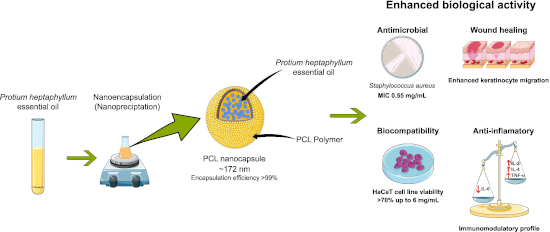
- System for the Management of Genetic Heritage and Associated Traditional Knowledge (SisGen) under registration number A4D47E3. Polycaprolactone (PCL) (Mw ≈ 14,000, CAS 24980-41-4), Span® 80, Amicon® Ultra-15 centrifugal filters (100 kDa cutoff), tryptic soy broth (dehydrated culture medium), PKH26 kit
- system libraries and literature reports. Nanocapsule synthesis and experimental design Nanocapsules were prepared using nanoprecipitation techniques. The organic phase consisted of P. heptaphyllum EO (50–150 mg), polycaprolactone (20–100 mg), and Span® 80 (20 mg), solubilized in 6 mL of acetone




Nanoparticle delivery systems for HIV pre-exposure prophylaxis (PrEP): advances and challenges
Beilstein J. Nanotechnol. 2026, 17, 839–853, doi:10.3762/bjnano.17.60
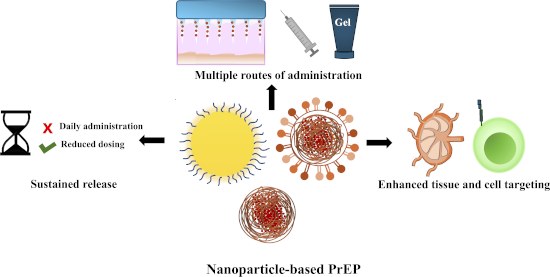
- ), polycaprolactone (PCL), or cellulose acetate phthalate (CAP). These systems are known for their controlled degradation and tunable drug release profiles. Their ability to sustain therapeutic levels over extended periods of time makes them particularly suitable for both systemic and topical LA-PrEP. (2) Lipid-based


Decontamination from water pollutants and pathogens by electrospun nanofibers doped with heavy-atom-free borafluorene-BODIPY photosensitizers
Beilstein J. Nanotechnol. 2026, 17, 668–682, doi:10.3762/bjnano.17.46
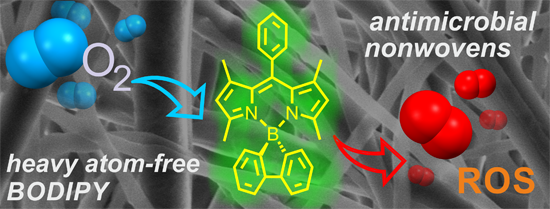
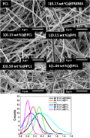
- successfully incorporated into electrospun polymeric nanofibers. Optimization of the material composition revealed that polycaprolactone (PCL), an FDA- and EMA-approved, biodegradable, easily accessible, and cost-efficient polymer, doped with BODIPY at a concentration of only 0.15 wt %, is an efficient
- nanofibers; heavy-atom free photosensitizers; immobilization; polycaprolactone; singlet oxygen; water purification; Introduction Due to the enormous population, economic, and industrial growth, the rapid rise in demand for water resources has become one of the major contemporary issues that needs to be
- -scale industrialized production of membrane filters [40][41][42][43][44][45][46][47][48][49]. We optimized electrospinning conditions and material composition using three different polymers, namely, poly(methyl methacrylate) (PMMA), polycaprolactone (PCL), and polystyrene (PS), doped with various



Exploring the potential of polymers: advancements in oral nanocarrier technology
Beilstein J. Nanotechnol. 2025, 16, 1751–1793, doi:10.3762/bjnano.16.122
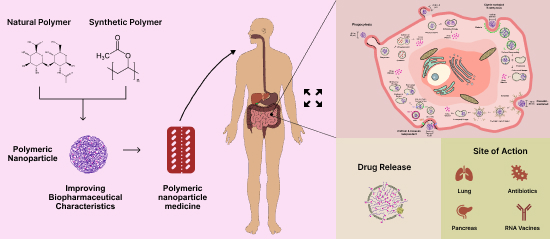
- polymers are classified based on their chemical composition and include polyesters, polyamides, polyethylene glycol derivatives, and responsive polymers, among others. The most frequently used polymers as oral nanocarriers include poly(lactic-co-glycolic) acid (PLGA), polycaprolactone (PCL), and


Transient electronics for sustainability: Emerging technologies and future directions
Beilstein J. Nanotechnol. 2025, 16, 1545–1556, doi:10.3762/bjnano.16.109

- ,5H)-trione pentenoic anhydride (PBTPA), Mo-polybutylene adipate terephthalate (PBAT), W-beeswax, and Mo-polycaprolactone [65][66][67][68][69][70][71]. However, in the case of high-performance devices that require high-resolution micropatterning, the application of conventional silicon


Enhancing the therapeutical potential of metalloantibiotics using nano-based delivery systems
Beilstein J. Nanotechnol. 2025, 16, 1350–1366, doi:10.3762/bjnano.16.98
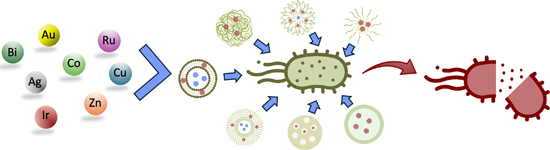
- . Finally, the antibacterial activities of both nanoformulations were higher compared to those of morin-Cu(II) complex, especially in the case of Mor-Cu-PLGA-NPs. More recently, the antibacterial Cu(I) acylthiourea complex 14 (Figure 4) was incorporated into polycaprolactone/lignin (PCL/Lig) electrospun


Polyurethane/silk fibroin-based electrospun membranes for wound healing and skin substitute applications
Beilstein J. Nanotechnol. 2025, 16, 591–612, doi:10.3762/bjnano.16.46
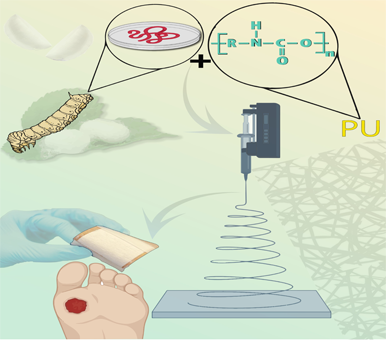
- the body [67]. Yildiz et al. used polycaprolactone (PCL)/SF to develop nanofibers as an improved skin substitute for treating chronic wounds or burns. The addition of SF increased tensile strength and Young’s modulus through intermolecular interactions. Results showed that the PCL/SF nanofibers had
- the fundamental component of PU [119]. There are more than 500 types of polyols that are commercially available, such as polyether, polyester, polycaprolactone, and polycarbonate polyols. The polyol determines the physiochemical properties of PU [120]. The isocyanate can be aliphatic, dicycloaliphatic
- kinetics. The degradation is also affected by surface-modifying macromolecules (SMMs). A variety of SMMs resists enzymatic action. Some SMM formulations are incompatible with PU, which can increase biodegradability. For the medical field, biodegradable polyester PU is derived from polycaprolactone diols



Engineered PEG–PCL nanoparticles enable sensitive and selective detection of sodium dodecyl sulfate: a qualitative and quantitative analysis
Beilstein J. Nanotechnol. 2025, 16, 385–396, doi:10.3762/bjnano.16.29
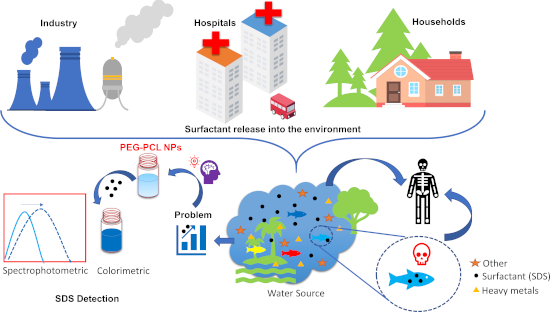
- , labor-intensive, and require specialized technical expertise. This study developed a novel colorimetric method for the selective and sensitive detection of SDS, utilizing polyethylene glycol-polycaprolactone nanoparticles (PEG–PCL NPs) synthesized via a ring-opening polymerization approach. The
- 0.1% (w/v). In order to make sensitive detection of SDS, various metals such as Al3+, Cd2+, Zn2+, Hg2+, Ni2+, Cu2+, Cr3+, Pb2+, Fe3+, Co2+, and As3+, each at a final concentration of 1 ppm were included in the study. The reaction mixture consisted of 400 μL of polyethylene glycol-polycaprolactone (PEG
- mechanism are discussed in Figure 1. Polyethylene glycol–polycaprolactone nanoparticles were synthesized through ring-opening copolymerization (ROC), a widely recognized technique for creating nanoparticles with tailored properties (Figure 1). This method leverages the complementary characteristics of PEG


Enhancing mechanical properties of chitosan/PVA electrospun nanofibers: a comprehensive review
Beilstein J. Nanotechnol. 2025, 16, 286–307, doi:10.3762/bjnano.16.22

- to fabricate chitosan/PVA nanofibers are also reported, but these studies involved electrospinning of chitosan and PVA together as a single blend from one nozzle, while the other nozzle contained different materials such as polycaprolactone (PCL) [62]. There are currently no documented studies


Polymer lipid hybrid nanoparticles for phytochemical delivery: challenges, progress, and future prospects
Beilstein J. Nanotechnol. 2024, 15, 1473–1497, doi:10.3762/bjnano.15.118
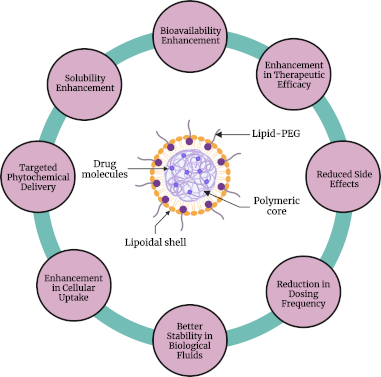
- polyethylene glycol (PEG), poly(lactic-co-glycolic acid) (PLGA), polycaprolactone (PCL), and chitosan (CHS), provides structural integrity, controlled release properties, and protection against premature degradation [14][15]. This hybrid structure improves the encapsulation efficiency of phytochemicals/drugs


Unveiling the potential of alginate-based nanomaterials in sensing technology and smart delivery applications
Beilstein J. Nanotechnol. 2024, 15, 1077–1104, doi:10.3762/bjnano.15.88
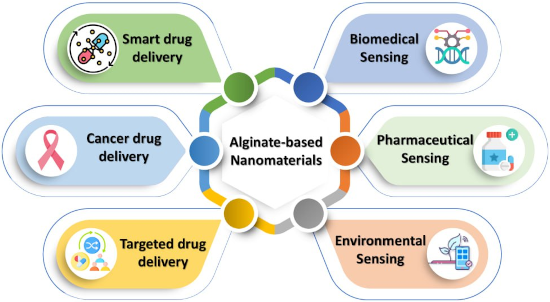
- , to mitigate limitations of simple nanostructures such as low stability and unsuitable drug release features. They investigated capsaicin-loaded alginate nanoparticles embedded in polycaprolactone–chitosan nanofiber mats. This DDS can extend the release time of capsaicin to more than 500 h compared to


Classification and application of metal-based nanoantioxidants in medicine and healthcare
Beilstein J. Nanotechnol. 2024, 15, 396–415, doi:10.3762/bjnano.15.36
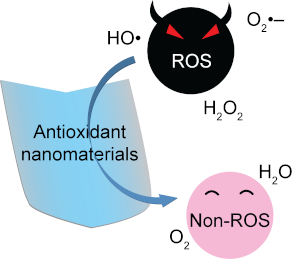
- hydrogels (such as gelatin methacryloyl, chitosan/polycaprolactone, polyvinyl alcohol/chitosan, and polypyrrole-grafted gelatin) were combined to generate diverse combinations of nanocomposites for wound repair [156][157][158][159][160][161]. This strategy not only endows nanoantioxidants with topical


Nanomedicines against Chagas disease: a critical review
Beilstein J. Nanotechnol. 2024, 15, 333–349, doi:10.3762/bjnano.15.30
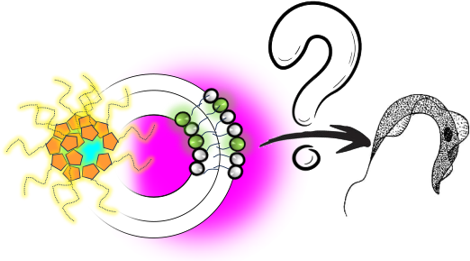
- skeletal tissue, plasma creatine kinase, and tissue leukocyte infiltration) and trypanocidal effects (reduction of parasitemia) in an acute murine model [79]. A complementary use of Theracurmin® with BNZ therapy is suggested. Intravenous polycaprolactone Nps loaded with ursolic acid (UR-PCL), a natural

Berberine-loaded polylactic acid nanofiber scaffold as a drug delivery system: The relationship between chemical characteristics, drug-release behavior, and antibacterial efficiency
Beilstein J. Nanotechnol. 2024, 15, 71–82, doi:10.3762/bjnano.15.7
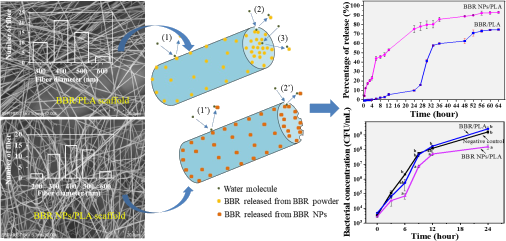
- worthwhile mentioning that the hybrid cross-linked nanofibers in this work were made of a mixture of a hydrophilic polymeric matrix (polyvinyl alcohol and carboxymethyl cellulose) and a hydrophobic polymer (polycaprolactone) [16]. Interestingly, the nature of the drug and the drug–polymer compatibility


Fluorescent bioinspired albumin/polydopamine nanoparticles and their interactions with Escherichia coli cells
Beilstein J. Nanotechnol. 2023, 14, 1208–1224, doi:10.3762/bjnano.14.100
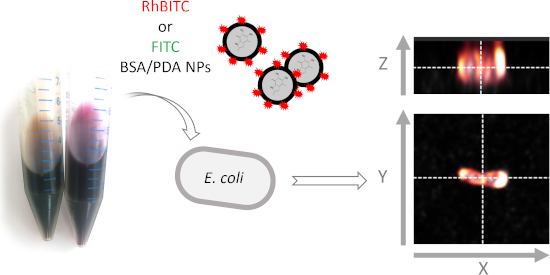
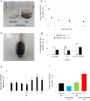
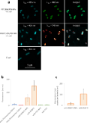
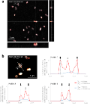
- ) of poly(lactic-co-glycolic acid) (PLGA) [7], polycaprolactone [8], and chitosan [9]. Furthermore, fluorescent ONPs are a promising way to facilitate the localization of NPs in cells through fluorescence imaging. They can also be used for fluorescent labelling of cells, especially for live cell



Nanotechnology – a robust tool for fighting the challenges of drug resistance in non-small cell lung cancer
Beilstein J. Nanotechnol. 2023, 14, 240–261, doi:10.3762/bjnano.14.23
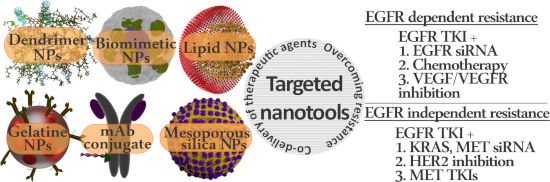
- of a polycaprolactone (PCL) core, a mixed poly(2-dimethylamino)ethyl methacrylate/poly(ethylene oxide) (PDMAEMA(TPP+)/PEO) middle layer, and a PEO corona. The system was self-assembled using poly(ethylene oxide)-poly(ε-caprolactone)-b-poly(ethylene oxide) (PEO113-b-PCL70-b-PEO113) and poly(2
- Pang and co-workers. Clinical studies point to the serious toxicity of conventional application, which might be mitigated with nanotools for co-delivery of therapy for the dual inhibition of VEGF and EGFR pathways. The designed nanocarrier was composed of a polycaprolactone core with bevacizumab and


Biomimetic chitosan with biocomposite nanomaterials for bone tissue repair and regeneration
Beilstein J. Nanotechnol. 2022, 13, 1051–1067, doi:10.3762/bjnano.13.92
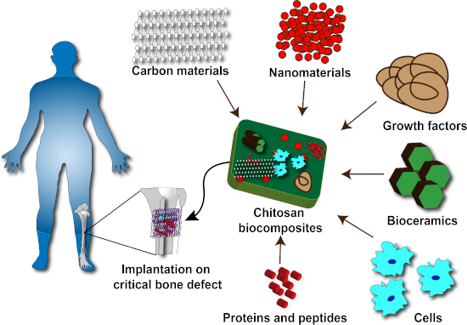
- . Different kinds of polymeric materials have been utilized including chitosan, alginate, fucoidan, carrageenan, and ulvan from natural polymeric materials. Polycaprolactone (PCL), poly ᴅ,ʟ-lactic-co-glycolic acid (PLGA), and polylactic acid (PLA) have been extensively studied with hydroxyapatite to develop
- fabrication of scaffolds for cartilage tissue engineering applications. The 2 cm × 2 cm PLGA electrospun nanofibers were prepared by electrospinning which incorporated those with hydroxybutyl chitosan hydrogels. The polycaprolactone scaffold was 3D printed and reinforced with hydrogel scaffolds to mimic the
Micro- and nanotechnology in biomedical engineering for cartilage tissue regeneration in osteoarthritis
Beilstein J. Nanotechnol. 2022, 13, 363–389, doi:10.3762/bjnano.13.31
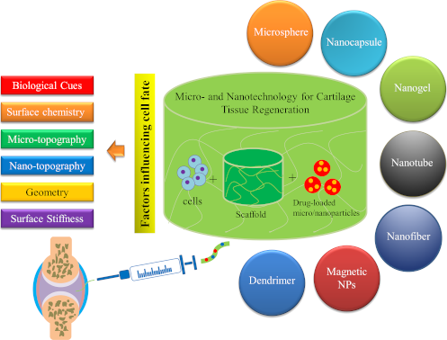
- nanofiber scaffold fabricated from polycaprolactone (PCL) has shown that electrospun nanofibers can be potentially used to provide a scaffold substrate for adipogenic, osteogenic, and chondrogenic differentiation using specific differentiation media [106]. It was observed that the architecture of a scaffold


Engineered titania nanomaterials in advanced clinical applications
Beilstein J. Nanotechnol. 2022, 13, 201–218, doi:10.3762/bjnano.13.15
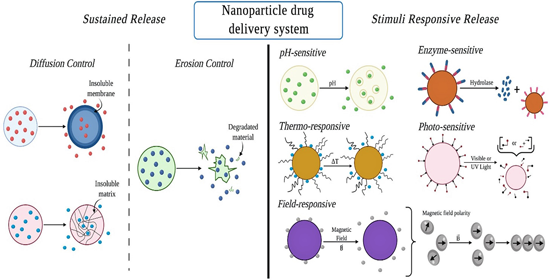
- augmenting better attachment of drug molecules, and the drug release profile was extended to more than 15 days by minimizing the burst release effect [59]. Polycaprolactone is a semi-crystalline biodegradable polymer used as a drug carrier, packaging material, and 3D scaffold for bone tissue engineering
- . However, it is hydrophobic and poor cell adhesion has been reported. In a study of Kiran et al., TiO2 nanoparticles (0, 2, 5, and 7 wt %) were suspended in polycaprolactone forming a polymer/ceramic hybrid composite (PCL/TiO2), which was then used as a coating over biomedical grade commercial pure


A comprehensive review on electrospun nanohybrid membranes for wastewater treatment
Beilstein J. Nanotechnol. 2022, 13, 137–159, doi:10.3762/bjnano.13.10
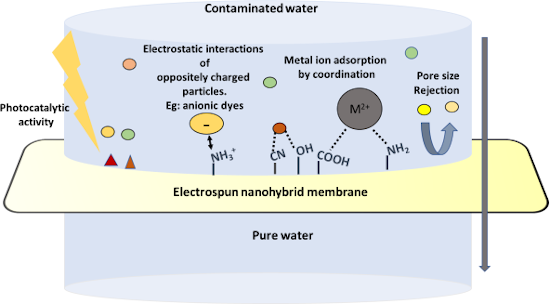
- common synthetic polymer membranes such as polycaprolactone (PCL), polyacrylonitrile (PAN), polyacrylic acid (PAA), polysulfones (PSF), polyimides (PI), polyvinyl alcohol (PVA), polystyrene (PS), polyethylene oxide (PEO), poly(vinylidene fluoride) (PVDF) and natural polymers such as gelatin, keratin




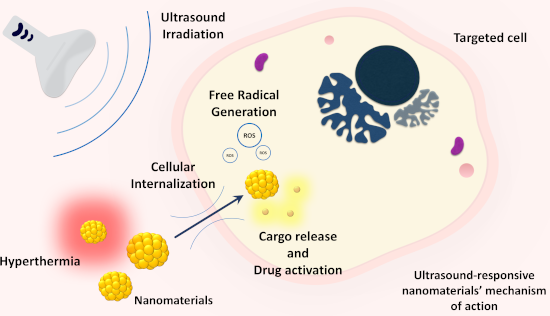
Comprehensive review on ultrasound-responsive theranostic nanomaterials: mechanisms, structures and medical applications
Beilstein J. Nanotechnol. 2021, 12, 808–862, doi:10.3762/bjnano.12.64


The impact of molecular tumor profiling on the design strategies for targeting myeloid leukemia and EGFR/CD44-positive solid tumors
Beilstein J. Nanotechnol. 2021, 12, 375–401, doi:10.3762/bjnano.12.31
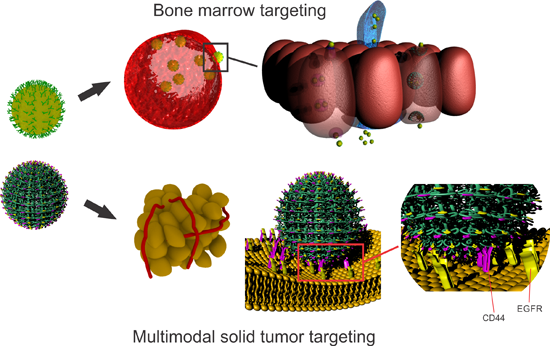
- resistant to IM. Cortese and co-workers developed wool-like hollow polymeric nanoparticles loaded with the abovementioned drug combination for the treatment of CML (Figure 3) [62]. The authors developed core–shell nanoparticles from polycaprolactone (PCL). The core of the nanoparticles was loaded with


Key for crossing the BBB with nanoparticles: the rational design
Beilstein J. Nanotechnol. 2020, 11, 866–883, doi:10.3762/bjnano.11.72
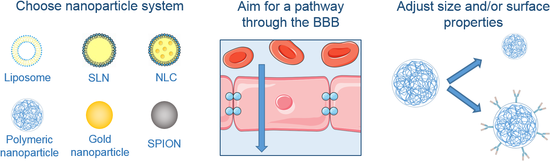
- brain delivery such as polycaprolactone (PCL) [68] or chitosan [80][82] but to a lesser extent than PBCA and PLA/PLGA nanoparticles. For instance, enhanced accumulation in an in vivo intracranial glioma mice model of PEG-PCL nanoparticles functionalized with angiopep-2 could be observed by real-time


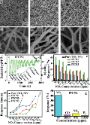
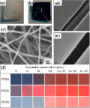
Electrospun one-dimensional nanostructures: a new horizon for gas sensing materials
Beilstein J. Nanotechnol. 2018, 9, 2128–2170, doi:10.3762/bjnano.9.202






Nanoconjugates of a calixresorcinarene derivative with methoxy poly(ethylene glycol) fragments for drug encapsulation
Beilstein J. Nanotechnol. 2018, 9, 2057–2070, doi:10.3762/bjnano.9.195
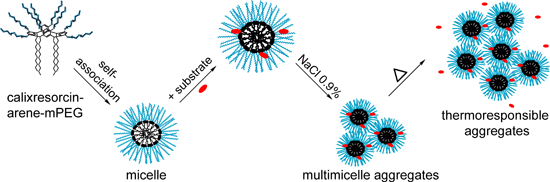
- usage of fragments of known biocompatible polymers, such as PEG, polylactic acid and polycaprolactone. The functionalization of the calixresorcinarene platform with such fragments leads to the formation of hyperbranched three-dimensional structures, which exhibit a higher solubility, lower viscosity and





