


Search results
Search for "tension" in Full Text gives 205 result(s) in Beilstein Journal of Nanotechnology. Showing first 200.
Sustainable fabrication of 2D-based devices through reuse of substrates with microfabricated electrodes
Beilstein J. Nanotechnol. 2026, 17, 818–827, doi:10.3762/bjnano.17.58
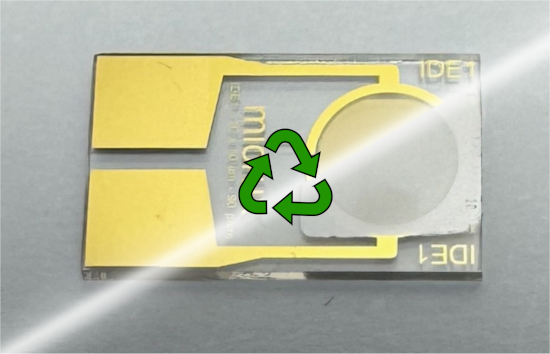
- cleaning conditions. Dihydrolevoglucosenone (Cyrene) has recently emerged as a greener alternative within this class, with solubility parameters and surface tension similar to those of NMP and DMF, but a lower toxicity profile [30][31]. Overall, these observations suggest that the solvent classes effective


Interface-engineered Caco-2 cell culture on a collagen-coated liquid–liquid interface in a microfluidic device
Beilstein J. Nanotechnol. 2026, 17, 760–768, doi:10.3762/bjnano.17.53
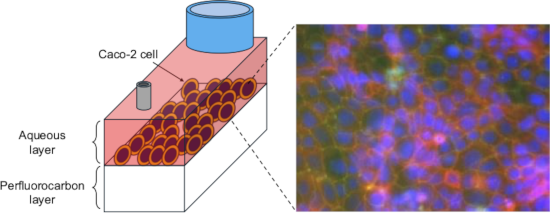
- evaluate whether gravitational forces or interfacial tension dominate when two fluids of different densities are in contact. Here, ρ denotes the density difference between FC-43 and the collagen solution, g is the gravitational acceleration, L is the channel width, and σ is the interfacial tension
- channel widths of 5 and 10 mm, the Bond number increased by one to two orders of magnitude. As the Bond number increases, gravitational forces increasingly dominate over interfacial tension. Thus, for channel widths of 5 and 10 mm, the gravitational effect on the aqueous layer exceeds that of surface
- tension, resulting in a pronounced meniscus and a reduction in rectangularity. In this study, a high rectangularity was interpreted as indicating an interface nearly parallel to the channel bottom, which is favorable for microscopic observation; accordingly, devices exhibiting high rectangularity were


Tailoring Ag–Pt nanoalloys through solid-state dewetting: structural and optical insights
Beilstein J. Nanotechnol. 2026, 17, 748–759, doi:10.3762/bjnano.17.52

- tension) and the energy gained by reducing the total contact area between the film and the substrate (interfacial tension). A comprehensive analysis of the transformation of a thin layer into isolated islands was provided in a series of publications by Thompson and collaborators [13][20][21][22]. They




Missing links in nanomaterials research impacting productivity and perceptions
Beilstein J. Nanotechnol. 2025, 16, 2168–2176, doi:10.3762/bjnano.16.149
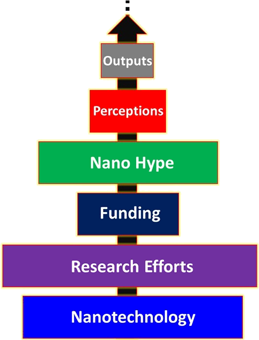
- . However, paradoxically, the same institutions and voices continue to train and graduate large numbers of doctoral students each year for vested interest. This contradiction reflects a broader systemic tension within academic and industrial research ecosystems. Nanomaterials research is now experiencing a
Quality by design optimization of microemulsions for topical delivery of Passiflora setacea seed oil
Beilstein J. Nanotechnol. 2025, 16, 2116–2131, doi:10.3762/bjnano.16.146
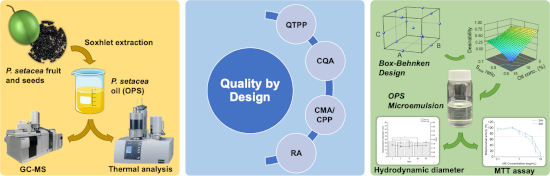
- surfactant and/or co-surfactant concentrations to sufficiently reduce interfacial tension and promote spontaneous formation of stable nanodroplets [6][28]. However, a previous study from our group (Dourado et al. (2022) [13]) successfully developed stable microemulsion regions using the same surfactant blend
- other components such as NaCMC and vitamin E [44][45]. Surface tension The surface tension of the microemulsion was characterized through six replicates, yielding an average value of 40.27 ± 0.22 mN·m−1. Similar surface tension values have been reported for microemulsions in the literature [46][47
- ]. This range is considerably favorable for topical formulations, as lower surface tension enhances spreadability and promotes interaction with the stratum corneum and its lipidic barrier. Due to instrumental limitations associated with the high viscosity resulting from NaCMC addition, the surface tension


Beyond the shell: exploring polymer–lipid interfaces in core–shell nanofibers to carry hyaluronic acid and β-caryophyllene
Beilstein J. Nanotechnol. 2025, 16, 2015–2033, doi:10.3762/bjnano.16.139
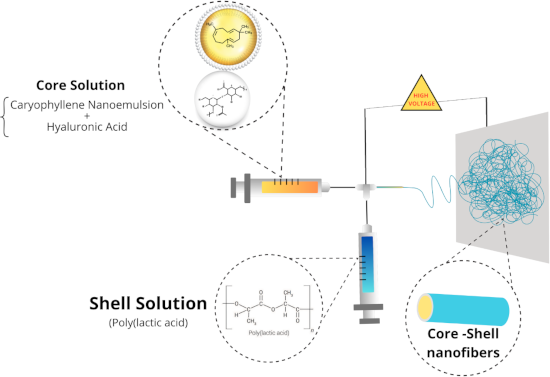
- concentration, surface tension, conductivity, and solvent volatility, alongside careful consideration of electrospinning conditions, such as temperature and humidity [18][19]. The polymer selection of nanofibers intended for biomedical applications must prioritize not only mechanical strength, controlled




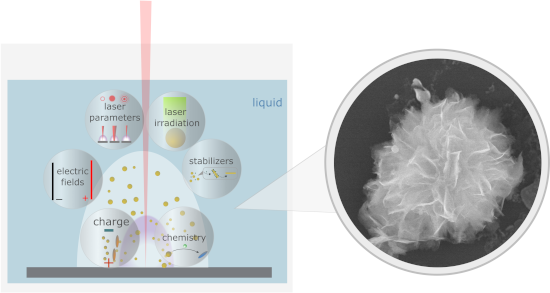
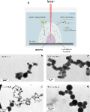
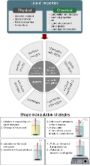
Laser ablation in liquids for shape-tailored synthesis of nanomaterials: status and challenges
Beilstein J. Nanotechnol. 2025, 16, 1963–1997, doi:10.3762/bjnano.16.137




Phytol-loaded soybean oil nanoemulsion as a promising alternative against Leishmania amazonensis
Beilstein J. Nanotechnol. 2025, 16, 1826–1836, doi:10.3762/bjnano.16.126

- fully confirm the long-term stability and therapeutic reliability of the formulation. Additionally, the presence of glycerin as a co-solvent may have contributed to the reduction in interfacial tension and improved droplet uniformity, factors known to enhance long-term stability [41]. Importantly, the


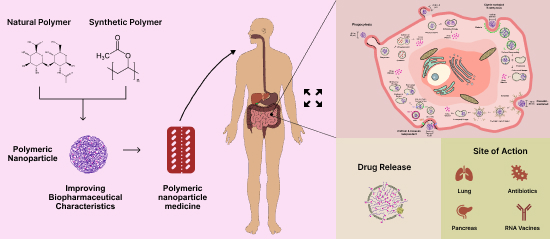
Exploring the potential of polymers: advancements in oral nanocarrier technology
Beilstein J. Nanotechnol. 2025, 16, 1751–1793, doi:10.3762/bjnano.16.122


Multifunctional anionic nanoemulsion with linseed oil and lecithin: a preliminary approach for dry eye disease
Beilstein J. Nanotechnol. 2025, 16, 1711–1733, doi:10.3762/bjnano.16.120
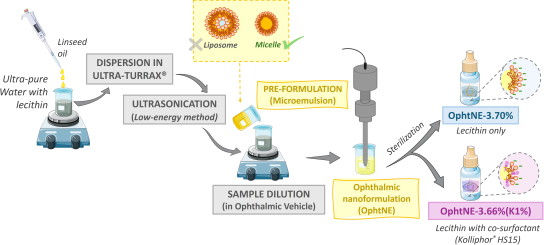
- suggests that the lecithin content in the O/W(L-1%) and O/W(L-2%) pre-formulations is insufficient to effectively reduce surface tension, resulting in incomplete droplet coverage and subsequent coalescence. As the lecithin concentration in the pre-formulations was increased, the hydrodynamic diameter of
- surface tension by fully covering the interfacial surface area, thereby stabilizing the emulsion structure [80][81]. Among the pre-formulations, O/W(L-3%) demonstrated optimal performance, with a hydrodynamic diameter of approximately 300 nm and a PdI value of 0.252. This monomodal intensity distribution
- through ultrasound [96]. The dilution process of the O/W(L-3%) system facilitated a more uniform distribution of lecithin molecules around the surface of the LO droplets, effectively reducing the interfacial tension. This process, coupled with low-energy ultrasound, allowed for the reduction of the



Ambient pressure XPS at MAX IV
Beilstein J. Nanotechnol. 2025, 16, 1677–1694, doi:10.3762/bjnano.16.118
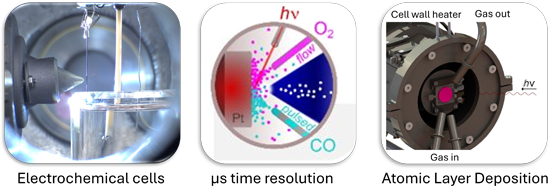
- meniscus must be thin enough to allow photoelectrons to escape, yet thick enough to maintain electrical contact. The meniscus thickness depends on factors such as the wetting properties of the WE, liquid viscosity, surface tension, and pulling speed. This geometry enables true operando studies of solid





Bioinspired polypropylene-based functionally graded materials and metamaterials modeling the mistletoe–host interface
Beilstein J. Nanotechnol. 2025, 16, 1592–1606, doi:10.3762/bjnano.16.113
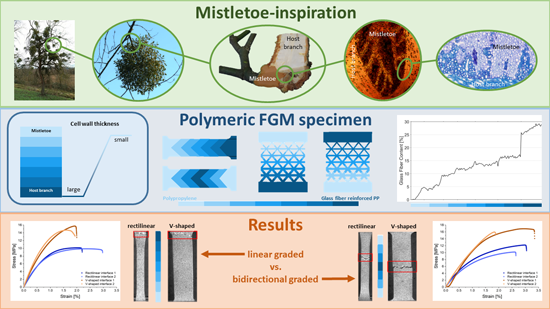
- found for the specimen with V-shaped interfaces (Figure 6D). Functionally graded metamaterials To analyze the mechanical metamaterials, three different geometries were tested under tension, one with a triangular metastructure and two with a graded PP–PPGF metastructure (Figure 2G–I). Figure 7 shows the


Influence of laser beam profile on morphology and optical properties of silicon nanoparticles formed by laser ablation in liquid
Beilstein J. Nanotechnol. 2025, 16, 1533–1544, doi:10.3762/bjnano.16.108
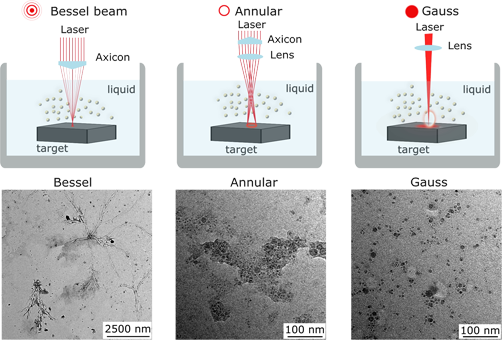
- influence CB evolution. These parameters strongly affect size and morphology of the forming NPs. In general, the dynamics of the CBs [38] is described by a modified Rayleigh–Plesset equation [39], which considers the pressure and size of CBs depending on parameters of both liquid (surface tension, density


Laser processing in liquids: insights into nanocolloid generation and thin film integration for energy, photonic, and sensing applications
Beilstein J. Nanotechnol. 2025, 16, 1428–1498, doi:10.3762/bjnano.16.104
- volume of precursor solution, characterized by low surface tension, is released from a capillary tube either by dripping with negligible initial velocity or by injection with an initial velocity. The droplet is then directed toward the substrate, where the ultrasonic vibration aids in controlling the






Acrocomia aculeata oil-loaded nanoemulsion: development, anti-inflammatory properties, and cytotoxicity evaluation
Beilstein J. Nanotechnol. 2025, 16, 1277–1288, doi:10.3762/bjnano.16.93
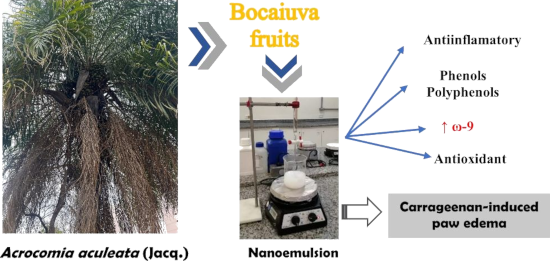
- marked reduction in droplet size, stabilizing between 110 and 120 nm across all time points. This reduction can be attributed to several interrelated physicochemical mechanisms. Primarily, the nonionic surfactants Span 80® and Tween 80® reduce interfacial tension between oil and aqueous phases, a


Mechanical stability of individual bacterial cells under different osmotic pressure conditions: a nanoindentation study of Pseudomonas aeruginosa
Beilstein J. Nanotechnol. 2025, 16, 1171–1183, doi:10.3762/bjnano.16.86
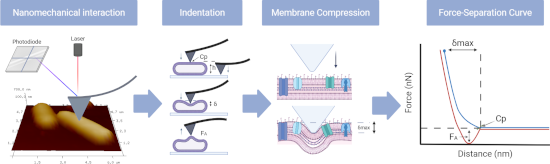
- channels contributing to its selective permeability [12][13]. Also integrated into the outer membrane, specific tension-activated channel proteins are responsible for the osmoregulation of the membrane envelope and its protection from threatening conditions such as severe osmotic downshocks, which can lead
- to an excessive increase in the membrane tension resulting in rupture [14][15]. The mechanosensitive (MS) family of channel proteins have been identified as the main efflux pumps required by PA to regulate the exit of osmolytes and reduce the membrane tension to acceptable life-compatible values
- . Therefore, the type and density of these MS channels triggered at different threshold values of membrane tension determine the survival capacity of the bacteria under drastic changes in osmotic pressure [16][17][18][19][20]. PA is also known to use other channel proteins to overcome the attack by


Piezoelectricity of hexagonal boron nitrides improves bone tissue generation as tested on osteoblasts
Beilstein J. Nanotechnol. 2025, 16, 1068–1081, doi:10.3762/bjnano.16.78
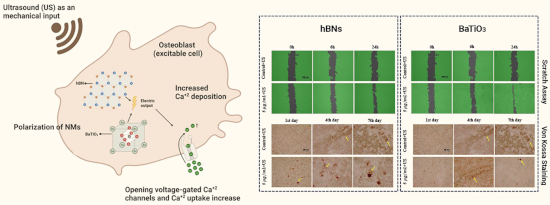
- . Although applying US to the environment is a noninvasive mechanical stimulation, it may still cause acoustic streaming, acoustic microstreaming, and cavitation. This mechanical effect may cause fluid flow in the extracellular environment, creating temporary membrane deformation and tension on osteoblasts


Soft materials nanoarchitectonics: liquid crystals, polymers, gels, biomaterials, and others
Beilstein J. Nanotechnol. 2025, 16, 1025–1067, doi:10.3762/bjnano.16.77






Multifunctional properties of bio-poly(butylene succinate) reinforced with multiwalled carbon nanotubes
Beilstein J. Nanotechnol. 2025, 16, 1014–1024, doi:10.3762/bjnano.16.76
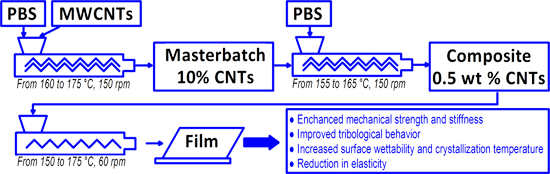
- water absorption (n) was measured following ISO 62:2008 “Plastics – Determination of Water Absorption”, using film samples of a square shape (50 × 50 mm2) with a thickness of 350 µm. The surface tension or wettability (σ) of the films was measured according to ISO 8296:2003 “Plastics – Film and Sheeting
- – Determination of Wetting Tension”. The tests were conducted on the smooth side of the PBS and PBS/CNT_0.5 films. Dynamic (µD) and static (µS) coefficients of friction tests were conducted using the TIRAtest 27025 testing machine (TIRA Maschinenbau GmbH, Schalkau, Germany), equipped with a specialized attachment
- precise positioning of the hardness tester at a right angle to the specimen surface. Mechanical properties tests under static tension were conducted using a TIRAtest 27025 testing machine (TIRA Maschinenbau GmbH, Schalkau, Germany). Maximum stress (Rm), stress at break (Rb), tensile modulus (Et), strain



Ar+ implantation-induced tailoring of RF-sputtered ZnO films: structural, morphological, and optical properties
Beilstein J. Nanotechnol. 2025, 16, 872–886, doi:10.3762/bjnano.16.66
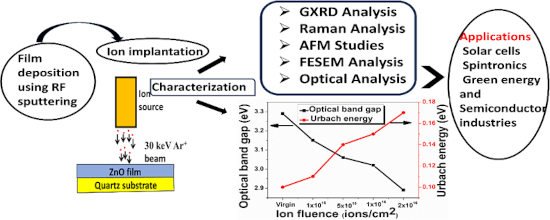
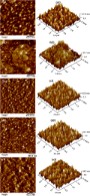
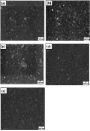
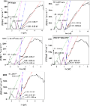
- surface relaxation process, which leads to the smoothening of the surface and is also mentioned as negative surface tension by others [32][33]. This process causes the breaking of larger structures into smaller ones. Thus, one can tune the surface morphology of films using an inert ion beam through a






Aprepitant-loaded solid lipid nanoparticles: a novel approach to enhance oral bioavailability
Beilstein J. Nanotechnol. 2025, 16, 652–663, doi:10.3762/bjnano.16.50
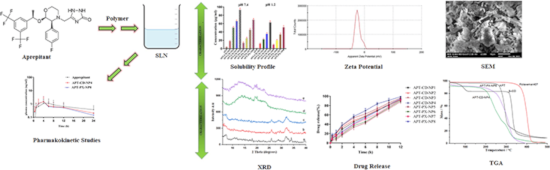
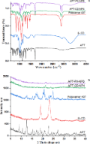
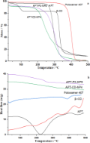
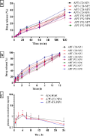
- β-CD concentration converted crystalline entrapped APT into an amorphous state, decreasing surface tension and promoting the solubility profile [14]. A similar behavior was observed for the poloxamer 407 samples with solubilities in the order of APT-PX-NP5 > APT-PX-NP6 > APT-PX-NP7 > APT-PX-NP8 due



Polyurethane/silk fibroin-based electrospun membranes for wound healing and skin substitute applications
Beilstein J. Nanotechnol. 2025, 16, 591–612, doi:10.3762/bjnano.16.46
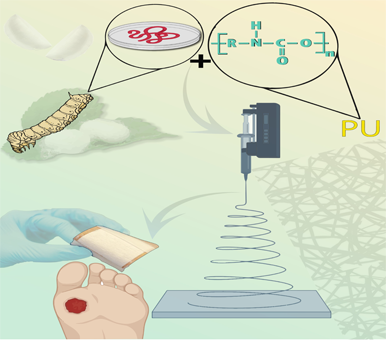
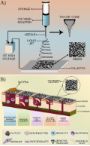
- through a capillary, and a high voltage is applied to charge the solution’s particles, which produces an attractive force [54]. When the solution’s surface tension is overcome at a critical voltage, a jet shoots out of the capillary’s tip toward a grounded collector (Figure 2A) [55]. The morphology of



Enhancing mechanical properties of chitosan/PVA electrospun nanofibers: a comprehensive review
Beilstein J. Nanotechnol. 2025, 16, 286–307, doi:10.3762/bjnano.16.22

- , including irregular fluid jet movement, variations in surface tension, and sensitivity to external parameters such as temperature, humidity, and airflow. These factors can disrupt the uniformity of the fiber formation. When the fiber jets are drawn in the direction of the electric field force, the polymer
- ]. Electrospinning involves applying a high voltage to a polymer solution delivered through a nozzle or capillary [71]. The electrostatic charge builds up at the tip of the droplet, and when the repulsive force of the charges overcomes the droplet’s surface tension, a cone-like jet, known as the Taylor cone, forms


Effect of radiation-induced vacancy saturation on the first-order phase transformation in nanoparticles: insights from a model
Beilstein J. Nanotechnol. 2024, 15, 1453–1472, doi:10.3762/bjnano.15.117

- nanomaterials with phase change and reduction in surface tension serve as suitable systems for elucidation and comparison. In summary, there is a competition among various energetic factors influencing phase stability and transformations in HDCMs during irradiation. These factors include (i) the bulk


New design of operational MEMS bridges for measurements of properties of FEBID-based nanostructures
Beilstein J. Nanotechnol. 2024, 15, 1273–1282, doi:10.3762/bjnano.15.103
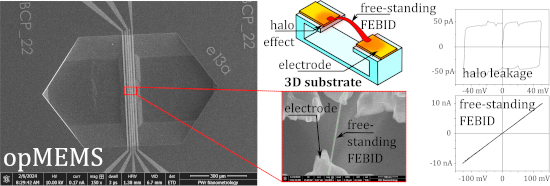
- tension along the cantilevers in the RoI. The pseudo-thermal strain corresponding to the experimentally obtained strain was the result of the sink temperature of 393 K. In the experiment, we observed that gallium FIB with 30 keV energy directed at the RoI bends the cantilevers downwards by changing the





