


Search results
Search for "therapy" in Full Text gives 253 result(s) in Beilstein Journal of Nanotechnology. Showing first 200.
Nanocarrier strategies to overcome P-glycoprotein-mediated drug resistance in cancer therapy
Beilstein J. Nanotechnol. 2026, 17, 882–921, doi:10.3762/bjnano.17.64
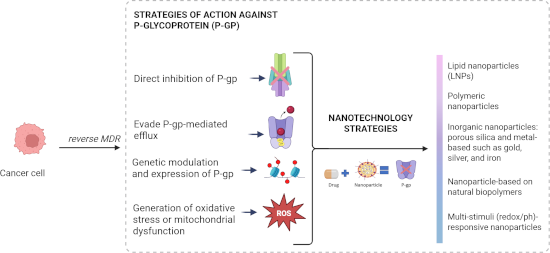
- . Keywords: cancer chemotherapy; efflux transporters; multidrug resistance (MDR); nanoparticles; siRNA nanocarriers; tumor-targeted therapy; Review 1 Introduction 1.1 Cancer and current challenges in chemotherapy Cancer remains one of the leading causes of mortality worldwide, with millions of new cases
- to cancer-related mortality. The World Health Organization reported about 1.9 million new cases and more than 930,000 deaths in 2020, with marked geographical variation in incidence and mortality [3]. A major obstacle in its therapy is MDR, often linked to ABC transporters including P-glycoprotein (P
- cancer is the second most frequently diagnosed cancer in men worldwide. While early-stage prostate cancer can often be managed with hormone therapy or surgery, advanced disease often requires chemotherapy, which frequently becomes ineffective because of acquired MDR mechanisms [9]. In castration


Nanoparticle delivery systems for HIV pre-exposure prophylaxis (PrEP): advances and challenges
Beilstein J. Nanotechnol. 2026, 17, 839–853, doi:10.3762/bjnano.17.60
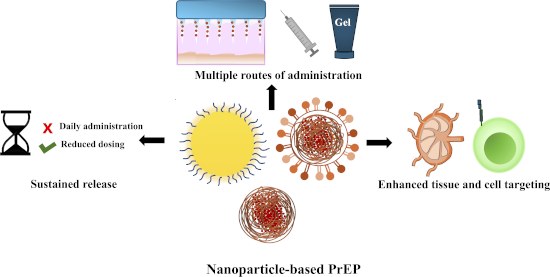
- major global health crisis [1]. The Joint United Nations Program on HIV/AIDS (UNAIDS) reported that 31.6 million patients used antiretroviral (ARV) therapy (ART) in 2024 [1]. Despite significant progress in the management of HIV, more efforts are necessary to further limit the spread of HIV through
- the HIV life cycle and key stages targeted by antiretroviral drugs. Figure 2 was reprinted from [38], the Lancet, vol. 376, by P. A. Volberding; S. G. Deeks, “Antiretroviral Therapy and Management of HIV Infection”, pages 49–62, Copyright (2010), with permission from Elsevier. This content is not


Restorative potential of laser-synthesized silver nanoparticles with Salvia officinalis for periodontal disease treatment: an in vitro study
Beilstein J. Nanotechnol. 2026, 17, 781–795, doi:10.3762/bjnano.17.55
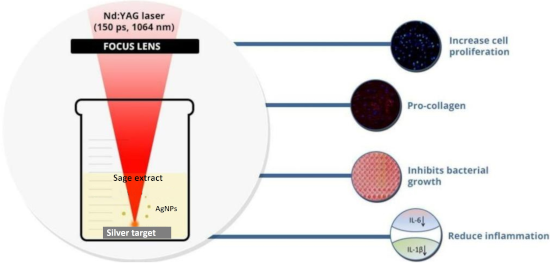
- nanoparticles in the context of periodontal therapy by simultaneously assessing their antibacterial, anti-inflammatory, and regenerative effects on primary human gingival fibroblasts in vitro. Our previous comprehensive characterization of aqueous sage extract obtained by lyophilization revealed high levels of
- , contaminant-free strategy that integrates nanotechnology with plant-derived phytochemicals to achieve positive therapeutic effects relevant for periodontal therapy. Future work should be focused on in vivo validation, mechanistic insights, and the development of clinically translatable formulations for


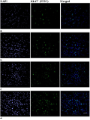

Protein-based custom-designed molecular nanotraps for biomedical applications
Beilstein J. Nanotechnol. 2026, 17, 683–687, doi:10.3762/bjnano.17.47

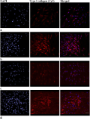
- molecularly selective meta-biomaterials. This innovative approach opens the way for developing next-generation biocompatible and biointegrable recognition materials, expanding towards nanodevices and nanostructures for targeted molecular recognition in nanomedicine and personalized therapy. The specific

Decontamination from water pollutants and pathogens by electrospun nanofibers doped with heavy-atom-free borafluorene-BODIPY photosensitizers
Beilstein J. Nanotechnol. 2026, 17, 668–682, doi:10.3762/bjnano.17.46
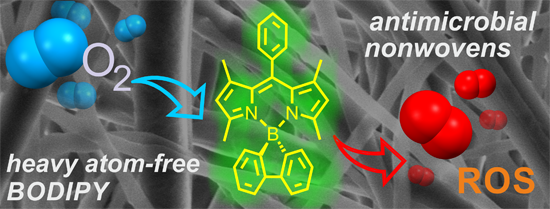
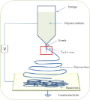
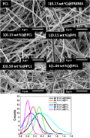
- findings highlight the potential of the electrospun PCL nanofibers as optimal matrix for the immobilization with singlet oxygen photosensitizers and subsequent application in the decontamination of water from pollutants and pathogens. Keywords: antimicrobial photodynamic therapy; BODIPY; electrospun



Towards targeted drugs and next generation of nanomedicines
Beilstein J. Nanotechnol. 2026, 17, 598–601, doi:10.3762/bjnano.17.41
- potentially create synergistic effects for the treatment of complex pathologies [1][2][3]. Since the approval of the first liposomal drug for cancer therapy, Doxil [4], multiple nanomedicines have reached the market, including lipid nanoparticles for RNA delivery used worldwide for the vaccines against SARS
- light or other forms of radiation, magnetic fields, and ultrasounds. These can be applied externally only at the targeted area, hence providing both spatial and temporal control of the therapy [26]. In parallel to this, more recently, endogenous targeting is emerging as another potential strategy to
- , synthesis and functionalization of nanobiomaterials, nanotechnology applied to therapy and medical diagnostics, and pharmaceutical nanotechnology. The collected articles and contributions provide a broad overview on recent advances in the field within the aforementioned topics. Additionally, it includes
Laser–material interactions in liquids for the synthesis of nanomaterials: current status and perspectives
Beilstein J. Nanotechnol. 2026, 17, 571–575, doi:10.3762/bjnano.17.38
- ]), generation of soft magnets for magnetocaloric applications [58], fabrication of photodetectors [59], nanoscale agents for photodynamic [60] and neutron capture therapy [61], incorporation of nanoparticles into solar cells [62], light-harvesting nanofluids [63], and materials with enhanced mechanical [64] or
Advances in nanotechnology applied to natural products
Beilstein J. Nanotechnol. 2026, 17, 555–558, doi:10.3762/bjnano.17.36
- applications, including cancer therapy, where they may be designed as conventional liposomes or as immunoliposomes functionalized with antibodies or ligands to promote targeted delivery to tumor cells or components of the immune microenvironment [18]. Combining liposomes with natural products and co-loaded
Nanoinformatics: spanning scales, systems and solutions
Beilstein J. Nanotechnol. 2026, 17, 423–427, doi:10.3762/bjnano.17.28
- artificial intelligence (AI) and ML approaches to nanomaterials disease therapy, environmental remediation, and to support implementation of the framework for Safe and Sustainable by Design (SSbD); and (iv) infrastructure and tools to underpin the implementation of nanoinformatics. Given the heterogeneity of

Biomimetic nanoparticles in cancer photodynamic therapy: a review of targeted delivery systems and therapeutic outcomes
Beilstein J. Nanotechnol. 2026, 17, 396–422, doi:10.3762/bjnano.17.27
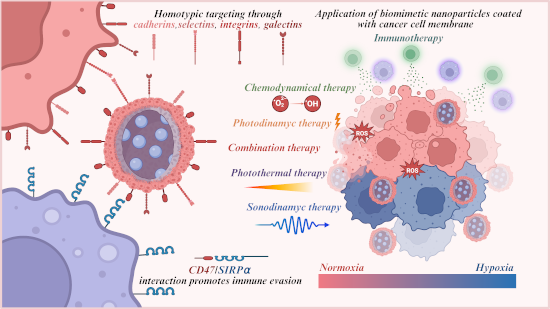
- Valentina I. Gorbacheva Alexey S. Grabovoy Polina S. Marukhina Anastasiia O. Syrocheva Ekaterina P. Kolesova Sirius University of Science and Technology, 1 Olympic Avenue, Sirius, Krasnodar Region, 354340, Russia 10.3762/bjnano.17.27 Abstract Photodynamic therapy (PDT) is a minimally invasive
- treatments. Keywords: biomimetic nanoparticles; immunogenic cell death; nanocarriers; photodynamic therapy; targeted drug delivery; tumor hypoxia modulation; Review Introduction Cancer remains a formidable global health challenge, demanding innovative therapeutic strategies that balance efficacy with
- reduced systemic toxicity [1]. Among emerging treatments, photodynamic therapy (PDT) has garnered considerable attention due to its minimally invasive nature, spatiotemporal control, and ability to selectively destroy tumor tissues while sparing healthy cells [2]. PDT operates through a unique mechanism


Beam shaping techniques for pulsed laser ablation in liquids: Unlocking tunable control of nanoparticle synthesis in liquids
Beilstein J. Nanotechnol. 2026, 17, 309–342, doi:10.3762/bjnano.17.22
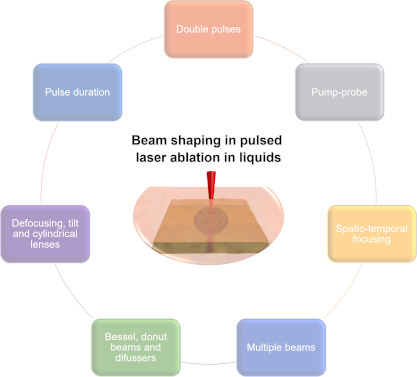
- neutron capture therapy [62][63], viral [64][65] and microbial growth inhibition [42][66], antibacterial agents [67][68], anticancer treatments [67][69], magnetic resonance imaging contrast agent [70], photothermal therapy [71][72], cell imaging [73], proton therapy enhancement [74][75], fluorescence [76







Micro- and nanoscale effects in biological and bioinspired materials and surfaces
Beilstein J. Nanotechnol. 2026, 17, 214–217, doi:10.3762/bjnano.17.14
- medicine, Perini et al. [25] reviewed the importance of biomimetic nanocarriers for drug delivery systems with improved biocompatibility and target specificity, whereas Mohammed et al. [26] focused on biomimetic potential for nanomedicines in tumor therapy. Besides nanotechnological solutions inspired by
From shield to spear: Charge-reversible nanocarriers in overcoming cancer therapy barriers
Beilstein J. Nanotechnol. 2026, 17, 159–175, doi:10.3762/bjnano.17.10
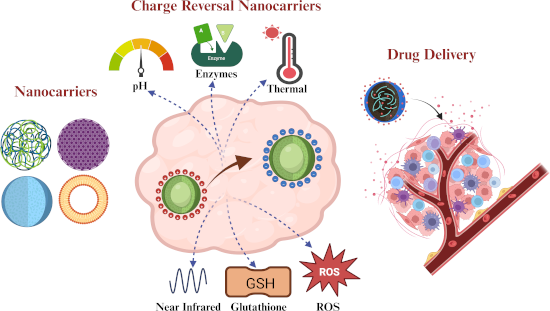
- therapies (e.g., immunotherapy) underscore the transformative potential of charge-reversible nanocarriers in revolutionising cancer treatment and improving patient outcomes. Keywords: cancer; charge reversible nanocarriers; nanocarriers; targeted therapy; tumour microenvironment; Review 1 Introduction
- of death among individuals aged 30 to 69 in 177 countries, accounting for 16.8% of all deaths globally and 30.3% of premature mortality from noncommunicable diseases [3]. Traditional cancer treatments, such as chemotherapy, hormonal therapy for hormone-sensitive cancers, and radiation therapy
- , primarily aim to eliminate rapidly dividing cancer cells. However, these conventional approaches often face limitations in specificity and long-term efficacy [4][5][6]. In recent years, significant advancements have transformed the therapeutic landscape with the introduction of gene therapy, stem cell


Influence of surface characteristics on the in vitro stability and cell uptake of nanoliposomes for brain delivery
Beilstein J. Nanotechnol. 2026, 17, 139–158, doi:10.3762/bjnano.17.9


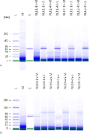
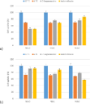


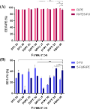
Development and in vitro evaluation of liposomes and immunoliposomes containing 5-fluorouracil and R-phycoerythrin as a potential phototheranostic system for colorectal cancer
Beilstein J. Nanotechnol. 2026, 17, 97–121, doi:10.3762/bjnano.17.7
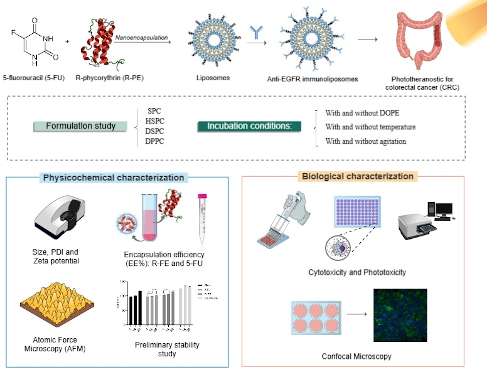
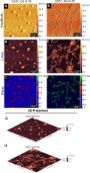
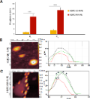
- , the HSPC 50 formulation containing R-PE and 5-FU, functionalized with cetuximab, is a promising alternative for the development of co-encapsulation delivery systems as a phototheranostic nanocarriers. Keywords: colorectal cancer; immunoliposomes; photodynamic therapy; R-phycoerythrin; 5-fluorouracil
- therapy. Another characteristic of this molecule is its fluorescence activity, which is important for use as a diagnosis tool [14]. Recently, our research group has demonstrated the potential of using the fluorescent properties of R-PE in 4T1 (triple-negative breast murine cancer) and PC3 (human prostate
- cancer, but there are cellular mechanisms of resistance, such as membrane transporters, which lower the therapeutic response rate. However, when the treatment with 5-FU was evaluated, associated with photodynamic therapy using Foslip® as a liposomal system, it was found that this treatment was effective



Improving magnetic properties of Mn- and Zn-doped core–shell iron oxide nanoparticles by tuning their size
Beilstein J. Nanotechnol. 2025, 16, 2285–2295, doi:10.3762/bjnano.16.157
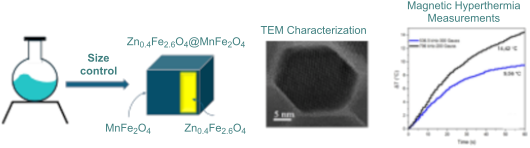
- microscopy (HRTEM) provides a comprehensive understanding of the material’s composition and properties. This work paves the way for the development of next-generation biocompatible magnetic nanoparticles for cancer therapy and other biomedical applications. Materials and Methods Materials Iron



Visualizing nanostructures in supramolecular hydrogels: a correlative study using confocal and cryogenic scanning electron microscopy
Beilstein J. Nanotechnol. 2025, 16, 2274–2284, doi:10.3762/bjnano.16.156
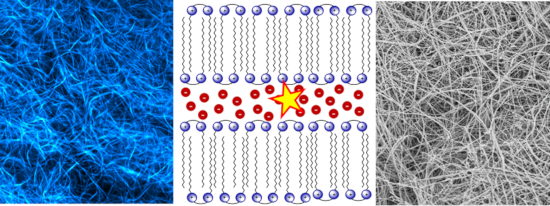
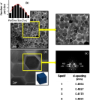
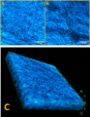
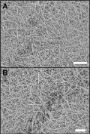
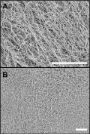
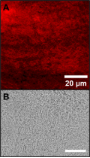
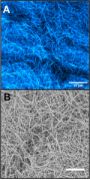
- up at the microscale of an entangled fibrous network. The reliable imaging of these networks containing the bis(imidazolium)-based gel systems is of interest because of the dependence of properties such as drug release [22][23][24], photodynamic therapy [25], photoreactivity [26], additive



Rapid synthesis of highly monodisperse AgSbS2 nanocrystals: unveiling multifaceted activities in cancer therapy, antibacterial strategies, and antioxidant defense
Beilstein J. Nanotechnol. 2025, 16, 2105–2115, doi:10.3762/bjnano.16.145
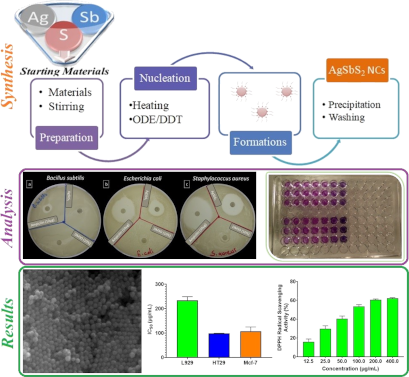
- effects by efficiently eliminating DPPH activity. This research highlights the potential of AgSbS2 NCs as versatile agents with applications in biomedical and environmental domains, including cancer therapy, antimicrobial strategies, and free radical neutralization. Keywords: AgSbS2 nanocrystals
- therapeutic approaches [2]. Currently, the assessment of nanotechnology’s impact on the health of both humans and animals, along with its potential in therapy, has become an imperative scientific consideration. Nanotechnology, which is multidisciplinary, is the synthesis of materials and particles with
- from antibacterial activity to tumor therapy activity [5][6][7]. The escalating global concern regarding antimicrobial resistance presents a considerable threat to public health. Researchers are persistently exploring alternative strategies to address this pressing issue and the critical demand for


Toward clinical translation of carbon nanomaterials in anticancer drug delivery: the need for standardisation
Beilstein J. Nanotechnol. 2025, 16, 2092–2104, doi:10.3762/bjnano.16.144
- updated every decade [23][24]. The hallmarks framework has enabled researchers to develop more nuanced, spatially informed approaches to cancer therapy, reinforcing its role in driving multidisciplinary strategies for predicting treatment response [25]. Targeted drug delivery is an emerging
- cases, is invasive and not always feasible, especially if cancer has metastasised. Radiation therapy similarly suffers if the cancer has metastasised, and may damage healthy tissues and organs, causing long-term complications. Chemotherapy can also indiscriminately kill healthy cells and result in
- nanoscale materials, highlighting key agencies, legislative instruments, and guidance initiatives. Supporting Information Supporting Information File 18: Overview of conventional drug delivery methods in cancer therapy, including administration routes, key characteristics, and example drugs. Funding The



Targeting the vector of arboviruses Aedes aegypti with nanoemulsions based on essential oils: a review with focus on larvicidal and repellent properties
Beilstein J. Nanotechnol. 2025, 16, 1894–1913, doi:10.3762/bjnano.16.132
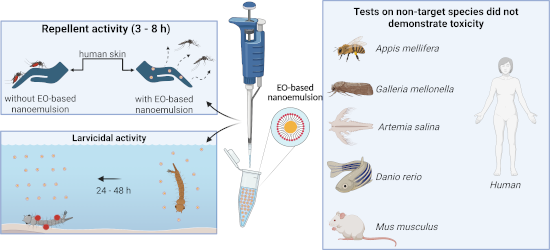
- ], photodynamic therapy [96], antimicrobial applications [97], intracellular parasites such as Trypanosoma cruzi and Leishmania spp. [98][99], and for antioxidant potential [100], larvicidal, and repellent activities against arthropod vectors [101]. Nanotechnology has shown the potential to enhance the


On the road to sustainability – application of metallic nanoparticles obtained by green synthesis in dentistry: a scoping review
Beilstein J. Nanotechnol. 2025, 16, 1851–1862, doi:10.3762/bjnano.16.128
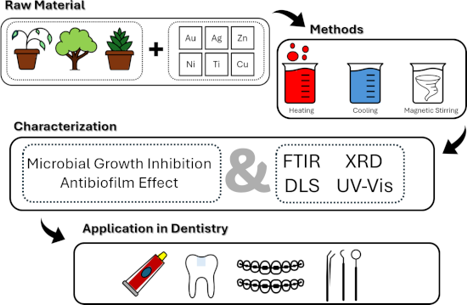
- caries and periodontal disease progression. In periodontal therapy, green-synthesized nanoparticles have been formulated into bioadhesive gels, local delivery systems, and coated dental flosses to sustain antimicrobial release in periodontal pockets [18]. Such approaches improve the control of


Phytol-loaded soybean oil nanoemulsion as a promising alternative against Leishmania amazonensis
Beilstein J. Nanotechnol. 2025, 16, 1826–1836, doi:10.3762/bjnano.16.126

- and effective topical therapy for cutaneous leishmaniasis. Keywords: cutaneous leishmaniasis; Leishmania amazonensis; nanoemulsion; negleted tropical disease; phytol; Introduction Leishmaniasis is one of the 20 listed neglected tropical diseases (NTDs), affecting over 350 million people globally
- the cutaneous to the mucocutaneous form [6], particularly involving the nasal septum and ears) resulting in scarring, anatomical disfigurement, and consequent social stigmatization [7][8][9]. Current therapeutic strategies for leishmaniasis rely on pentavalent antimonial compounds (first-line therapy
- amastigotes forms, in vivo validation, and clinical translation of PHYT-NE as a safe and effective topical therapy for cutaneous leishmaniasis. Conclusion This is the first time that a soybean oil-based nanoemulsion containing phytol with antileishmanial potential has been reported. The results of this study


Piezoelectricity of layered double hydroxides: perspectives regarding piezocatalysis and nanogenerators
Beilstein J. Nanotechnol. 2025, 16, 1812–1817, doi:10.3762/bjnano.16.124

- biocompatibility might exhibit a piezoelectric effect under ultrasound irradiation and generate superoxide anion radicals [5]. The results confirmed the potential of the selected LDH for application in novel piezocatalytic tumor therapy as an effective sonosensitizer. The obtained data indicated that the

Exploring the potential of polymers: advancements in oral nanocarrier technology
Beilstein J. Nanotechnol. 2025, 16, 1751–1793, doi:10.3762/bjnano.16.122
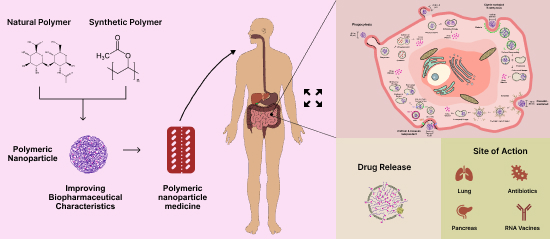
- route is the simplest and most effective method for administering medications with minimal side effects. It is cost-effective, corresponding medications are easy to produce on a large scale, and it promotes high patient adherence to therapy. This makes this route the largest market for pharmaceutical
- CME, enabling targeted therapy [81]. The dimeric protein caveolin-1 is the primary agent in CvME, playing key roles in cell signaling, lipid regulation, and vesicular transport. It also defines the characteristic flask-like shape of vesicles and is located on the cytosolic side of the membrane
- immunomodulatory activity, which plays a key role in antitumor therapy by inducing cell apoptosis [133]. Building on this, Imperiale et al. [114] evaluated the pharmacokinetic profile of chitosan NPs loaded with IFNα and analyzed the cellular compatibility of the NPs in intestinal epithelial cells (Caco-2) and the


Advances of aptamers in esophageal cancer diagnosis, treatment and drug delivery
Beilstein J. Nanotechnol. 2025, 16, 1734–1750, doi:10.3762/bjnano.16.121
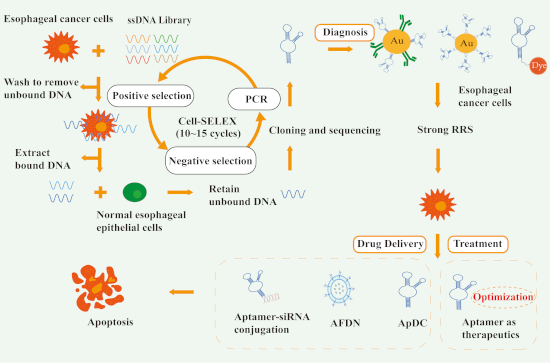
- , leveraging the high target specificity of well-selected aptamers may bring new breakthroughs in the diagnosis, treatment and drug delivery of EC. Keywords: aptamers; detection; drug delivery; esophageal cancer; esophageal squamous cell carcinoma; therapy; Review 1 Introduction Esophageal cancer (EC) is
- further play a role in diagnosis and therapy by identifying and regulating the expression level of targets. In addition, SELEX has also been further developed into cell-SELEX [30], subtractive EMSA-SELEX [31], and CE-SELEX [32] along with technological progress, which is helpful to improve screening
- . Pegaptanib and Avacincaptad pegol can be administered topically by intravitreal injection, easily achieving ideal bioavailability. However, the clinical utility of aptamer-based therapeutics remains limited. Developing new aptamers for esophageal cancer therapy presents multiple challenges, such as lack of





