


Search results
Search for "wood" in Full Text gives 41 result(s) in Beilstein Journal of Nanotechnology.
Cellulose as a photocatalyst support material: extraction, structural features, and environmental applications
Beilstein J. Nanotechnol. 2026, 17, 635–652, doi:10.3762/bjnano.17.44
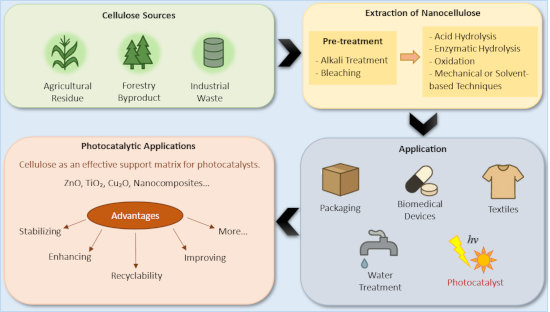
- technologies. Keywords: biomass waste; cellulose; green technology; photocatalysis; sustainable materials; Introduction The utilization of biomass has gained a lot of interest among researchers; biomass materials for extraction of biopolymers originate from plants, wood, and waste such as fruit peels and
- chemical properties [5]. Cellulose occurs naturally in cotton and wood, where it has long provided essential resources for clothing and shelter. Also, through chemical and mechanical processing, pulp fibers can be extracted from these sources to serve as the primary raw material for paper production. Pulp
- ). Manufacturers produce cellulose at both the microscale and the nanoscale, where materials such as MCC consist of microscopic particles up to 1 µm in length and over 1 µm in width; MFC is typically obtained through mechanical or chemical treatment of wood, and microfibrils appear as individual fibers measuring


Upcycling agroindustrial waste into graphene oxide supports for gold nanoparticles: toward sustainable nanomaterials
Beilstein J. Nanotechnol. 2026, 17, 489–504, doi:10.3762/bjnano.17.32
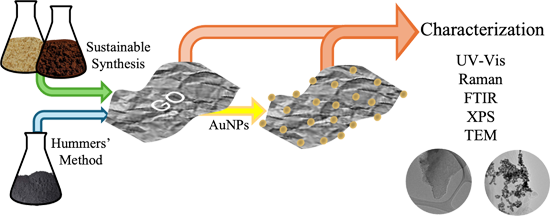
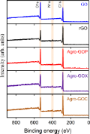
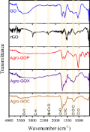
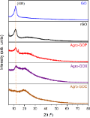
- et al. obtained GO from coconut-shell waste by carbonizing it at 600 °C for 3 h and subsequently applying a modified Hummers' method, which still depends on high temperatures and harsh acids such as HF and concentrated H2SO4 [19]. Mensah et al. produced few-layer GO from birch wood by impregnating



Comparative study on 3D morphologies of delignified, single tracheids and fibers of five wood species
Beilstein J. Nanotechnol. 2026, 17, 239–250, doi:10.3762/bjnano.17.16
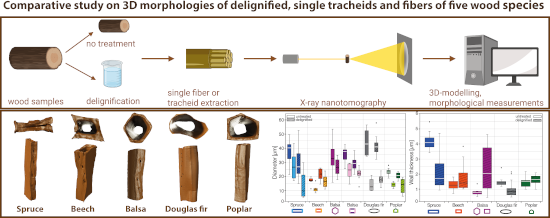
- , Technical University of Munich, Straubing, Germany Helmholtz-Zentrum Hereon, Geesthacht, Germany 10.3762/bjnano.17.16 Abstract Wood tracheids and fibers exhibit diverse structures and shapes across plant species. The hierarchical structure and composition of cellulose, hemicelluloses, and lignin enables
- wood to withstand high stress. This structural resilience makes wood a versatile material for applications ranging from construction to advanced composites. However, a detailed understanding of how delignification affects softwood tracheid and hardwood fiber morphology is crucial for predicting
- material behavior and developing modified wood products. This study investigated the overall structural changes due to delignification, in five wood species, namely, spruce, beech, balsa, Douglas fir, and poplar. It additionally provides detailed morphology of delignified single tracheids and fibers


Functional surface engineering for cultural heritage protection: the role of superhydrophobic and superoleophobic coatings – a comprehensive review
Beilstein J. Nanotechnol. 2026, 17, 63–96, doi:10.3762/bjnano.17.6
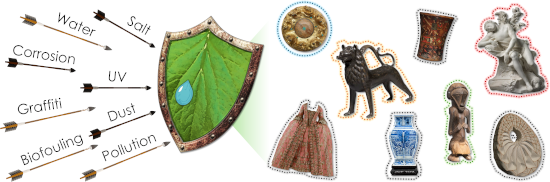
- explores recent advancements in protective strategies for heritage materials including stone, concrete, ceramic, glass, metal, wood, and textiles. Special attention is given to the development and application of superhydrophobic and superoleophobic coatings, which offer promising defense against moisture
- to summarize relevant papers and materials advancements related to their application in the growing field of cultural heritage protection, with a major focus on superhydrophobic and superoleophobic characteristics. It starts with the substrate materials (stone, wood, metal, ceramics/glass, and
- vulnerability of the material through porosity and microstructure; and (iv) the chemical composition of the material itself, that is, stone, wood, metal, or ceramic. For this reason, it is necessary to fix a single factor and evaluate the variation of the others. Herein, we have chosen the substrate material to




Targeting the vector of arboviruses Aedes aegypti with nanoemulsions based on essential oils: a review with focus on larvicidal and repellent properties
Beilstein J. Nanotechnol. 2025, 16, 1894–1913, doi:10.3762/bjnano.16.132
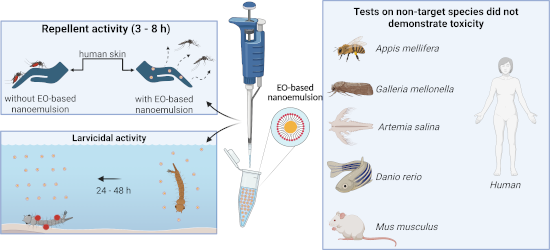
- . (2022) developed an oil-in-water nanoemulsion containing Santalum album (sandalwood) essential oil and evaluated its larvicidal activity against Ae. aegypti [120]. The essential oil was extracted by hydrodistillation from the wood and roots of Santalum album, a tree native to India, East Asia, northern


Current status of using adsorbent nanomaterials for removing microplastics from water supply systems: a mini review
Beilstein J. Nanotechnol. 2025, 16, 1837–1850, doi:10.3762/bjnano.16.127
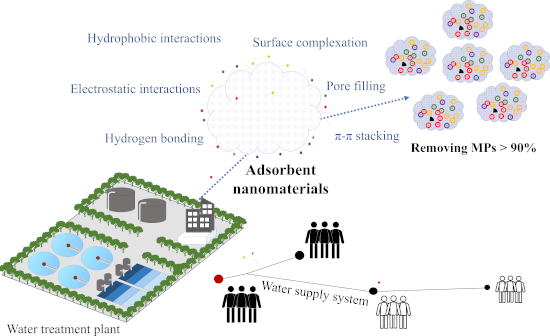
- ]. Similarly, You et al. reported on MOFs grown on a wood aerogel, ZIF-8@Aerogel, achieving removal efficiencies for polyvinylidene fluoride (PVDF) and PS particles of 91.4% and 85.8%, respectively [62]. Through electrostatic interactions, mesoporous UiO-66-NH2/P123 exhibited exceptional performance, achieving


Beyond the bilayer: multilayered hygroscopic actuation in pine cone scales
Beilstein J. Nanotechnol. 2025, 16, 1695–1710, doi:10.3762/bjnano.16.119
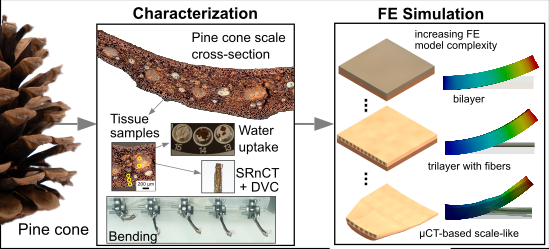
- Breisgau, Germany Plant Biomechanics Group @ Botanic Garden, University of Freiburg, Freiburg im Breisgau, Germany Department of Microsystems Engineering—IMTEK, University of Freiburg, Freiburg im Breisgau, Germany Biomimetics Group, Institute for Wood Sciences, University of Hamburg, Hamburg, Germany
- Thünen Institute of Wood Research, Hamburg, Germany Institute of Materials Physics, Helmholtz-Zentrum Hereon, Geesthacht, Germany 10.3762/bjnano.16.119 Abstract The anisotropic hygroscopic behavior of pine cone scales and its effect on bending motion, with implications for bioinspired actuation, is
- , winged seeds are blocked and protected by the scales under wet conditions and released under dry conditions for wind dispersal. The inspiration provided by such biological motion principles has driven innovation in a variety of fields, including wood elements for weather-responsive and self-forming


Nanotechnology-based approaches for the removal of microplastics from wastewater: a comprehensive review
Beilstein J. Nanotechnol. 2025, 16, 1607–1632, doi:10.3762/bjnano.16.114
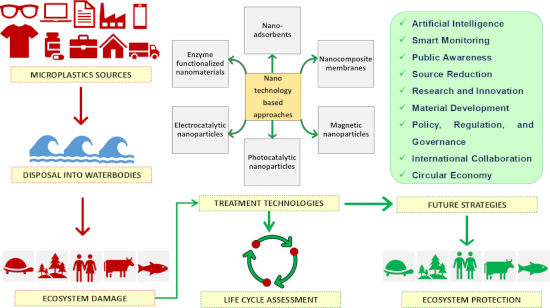
- innovative solutions in MPs remediation. You et al. [119] synthesized a robust composite material, ZIF-8@Aerogel, by growing Zn-based MOF ZIF-8 directly onto wood-derived aerogel fibres. This composite demonstrated effective MP removal in both freshwater and seawater simulations. Specifically, it achieved a


The role of biochar in combating microplastic pollution: a bibliometric analysis in environmental contexts
Beilstein J. Nanotechnol. 2025, 16, 1401–1416, doi:10.3762/bjnano.16.102
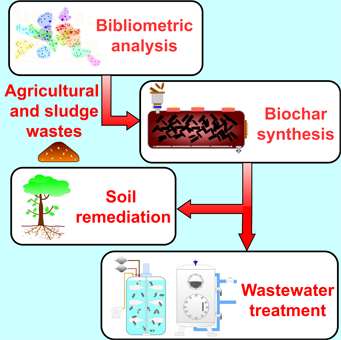
- interactions in soil [31]. Biochar properties The physical and chemical properties of biochar depend significantly on the composition of its feedstock [46]. Molecular model calculations and quantum chemistry analyses suggest that biochar derived from wood exhibits superior physical properties, such as porosity



Hymenoptera and biomimetic surfaces: insights and innovations
Beilstein J. Nanotechnol. 2024, 15, 1333–1352, doi:10.3762/bjnano.15.107
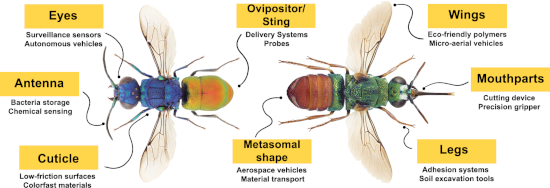
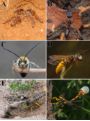
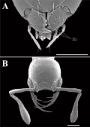
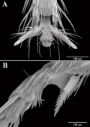
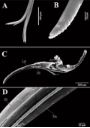
- sliding along each other [154] (Figure 7A,B). The size of this structure can vary significantly, ranging from micrometers to the longest ovipositors documented in Arthropoda with lengths of over 100 mm [155][156], facilitating oviposition in diverse substrates such as wood, soil, or within other organisms
- Centre have drawn inspiration from the wood wasp to create a drilling system that is simple, robust, lightweight, and efficient for use on extra-terrestrial subsurface exploration [165][166][167][168]. The ovipositor’s structural and functional characteristics can inform the design of robotic systems



Functional fibrillar interfaces: Biological hair as inspiration across scales
Beilstein J. Nanotechnol. 2024, 15, 664–677, doi:10.3762/bjnano.15.55
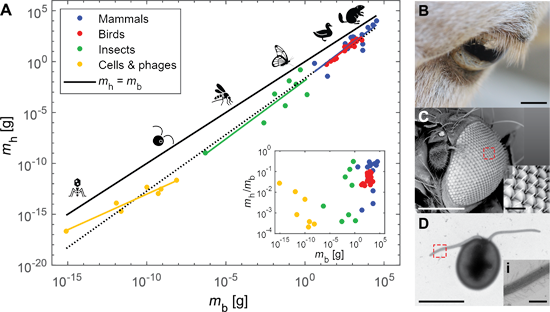
- of gigapascals, comparable to typical values for wood. Therefore, they can be quite robust to mechanical stimuli from external sources. Mammals possess guard hairs, that are interspersed with the rest of their body hairs or furs. These hairs are distinctly thicker than the rest and have been reported


Microneedle patches – the future of drug delivery and vaccination?
Beilstein J. Nanotechnol. 2023, 14, 494–495, doi:10.3762/bjnano.14.40

- clinical use since the 17th century. The first bevelled metal hypodermic needles were introduced by Francis Reed in 1844, followed by the syringe and needle combination, due to Alexander Wood, in 1853. Needles for a single intravenous dose (IV push) or bolus normally use a fixed intravenous hollow needle
Conjugated photothermal materials and structure design for solar steam generation
Beilstein J. Nanotechnol. 2023, 14, 454–466, doi:10.3762/bjnano.14.36
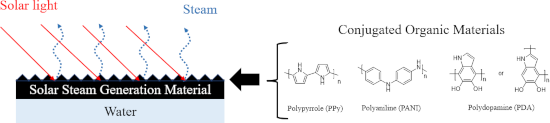
- ][49][50]. In 2021, Zou et al. developed a biodegradable and sustainable bilayer composite for highly efficient solar evaporation based on a photothermally enhanced arginine-doped polydopamine (APDA) and raw wood [47]. In this study, APDA coatings with enhanced photothermal effects were prepared by
- , eventually resulting in APDA derivatives (Figure 8a). The formed APDA derivatives displayed a strong and broad absorption in the range of 500–1400 nm (Figure 8b). APDA was then combined with wood. It was coated on the surface of a wood piece and allowed to dry under ambient conditions. This simple process
- produced the homogeneous formation of the APDA layer on the wood surface. The APDA-coated wood sample efficiently absorbed UV–visible light to more than 96%. In addition, the NIR absorption efficiency was also improved to more than 87% (Figure 8c). SSG structure In order to obtain a high vaporization


Non-stoichiometric magnetite as catalyst for the photocatalytic degradation of phenol and 2,6-dibromo-4-methylphenol – a new approach in water treatment
Beilstein J. Nanotechnol. 2022, 13, 1531–1540, doi:10.3762/bjnano.13.126
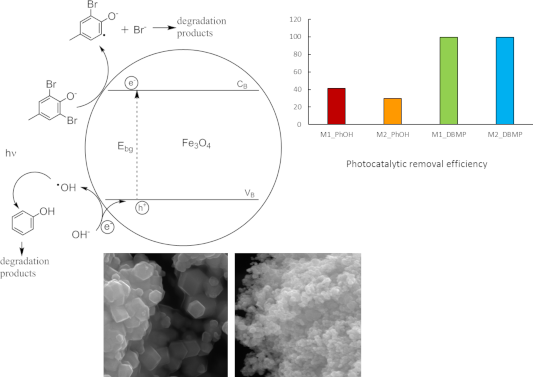
- , BFRs), wood preservatives, and components in the polymer industry [4][5]. Bromophenols from various industries can cause severe contamination of soil, sediment, and water [6][7]. The United States Environmental Protection Agency (US EPA) has listed BPs as hazardous waste with strict environmental


Straight roads into nowhere – obvious and not-so-obvious biological models for ferrophobic surfaces
Beilstein J. Nanotechnol. 2022, 13, 1345–1360, doi:10.3762/bjnano.13.111
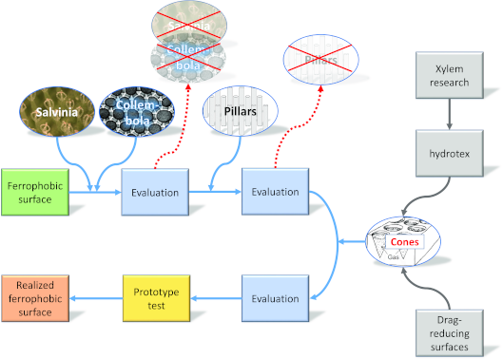
- principle was aimed at in the research project “Energy self-sufficient fibre based long-distance transport of liquids” (see appendix A). The xylem is the plant tissue that transports water from the roots to the leaves. In trees and shrubs, the xylem is represented by the wood. It consists of conduits of


Growing up in a rough world: scaling of frictional adhesion and morphology of the Tokay gecko (Gekko gecko)
Beilstein J. Nanotechnol. 2022, 13, 1292–1302, doi:10.3762/bjnano.13.107
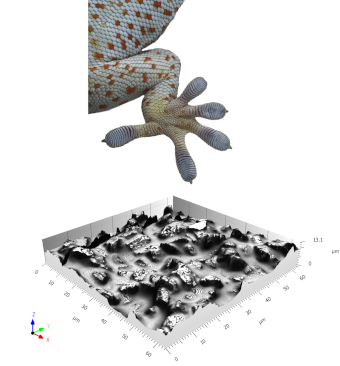
- structure on speed and acceleration capacity in climbing geckos, and they found that acceleration was greatest on the smoothest surface (wood) where the most contact between the adhesive system and the surface could be made [27]. This illustrates that the main issue faced by geckos that are attaching via


Application of nanoarchitectonics in moist-electric generation
Beilstein J. Nanotechnol. 2022, 13, 1185–1200, doi:10.3762/bjnano.13.99
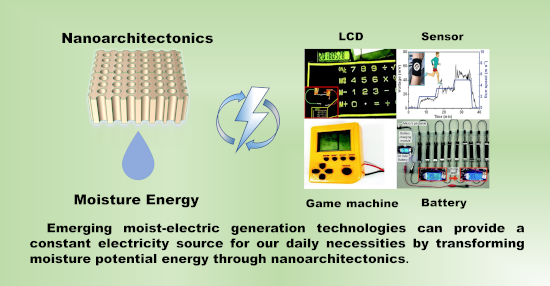
- materials such as paper [79], cellulose nanofibrils, which were exfoliated mechanically from naturally biomass [80], natural wood [81]. In other works with cellulose doping [55][82][83], voltages of, respectively, 250, 100, and 300 mV were obtained. Li et al. studied in detail the effects of various
- Chemistry A., vol. 7, issue 36, © 2019); permission conveyed through Copyright Clearance Center, Inc. This content is not subject to CC BY 4.0. (b) A picture of a wood nanogenerator, a SEM image of beech wood, and a schematic illustration of the device are shown from left to right. Figure 7b was reprinted


Progress and innovation of nanostructured sulfur cathodes and metal-free anodes for room-temperature Na–S batteries
Beilstein J. Nanotechnol. 2021, 12, 995–1020, doi:10.3762/bjnano.12.75
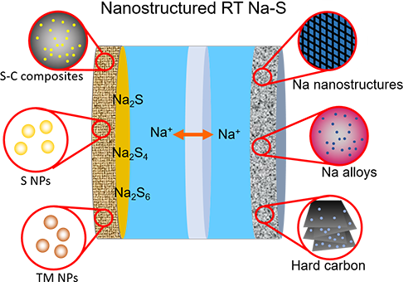
- two fabrication methods of dispersed Na anodes. In one liquid Na is soaked into a porous scaffold, while in the other Na ions plate the porous host material. An example of the former method is the use of carbonized wood, into the open pore system of which liquid Na is soaked (Figure 9A) [67]. Also




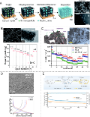
Nanogenerator-based self-powered sensors for data collection
Beilstein J. Nanotechnol. 2021, 12, 680–693, doi:10.3762/bjnano.12.54
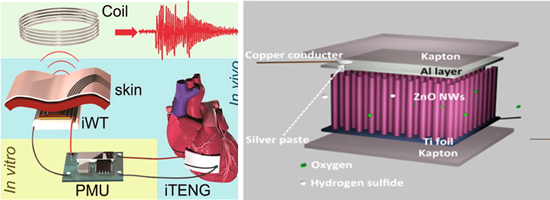
- [28][29][30], body fluid composition [31][32][33][34][35][36][37][38][39], biological nerve impulses [40], and gas sensors [18][19][20]. Self-powered sensors based on NGs can analyze objects from a new perspective. The materials of NG come from a wide range of sources, such as wood [41][42], paper [43

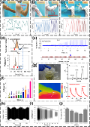
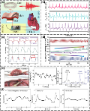


Novel reversibly switchable wettability of superhydrophobic–superhydrophilic surfaces induced by charge injection and heating
Beilstein J. Nanotechnol. 2019, 10, 840–847, doi:10.3762/bjnano.10.84
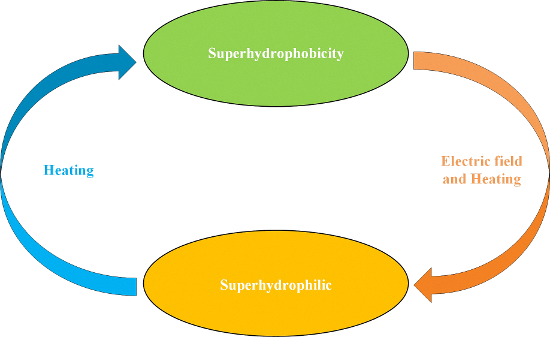
- for converting superhydrophobic surfaces into superhydrophilic surfaces after only 10 min of ultraviolet irradiation. Gao et al. [6] prepared 18 alkyltrichlorosilane-modified TiO2 films for the reversible switching between superhydrophilicity and superhydrophobicity of a wood surface. Feng et al. [7


Topochemical engineering of composite hybrid fibers using layered double hydroxides and abietic acid
Beilstein J. Nanotechnol. 2019, 10, 589–605, doi:10.3762/bjnano.10.60
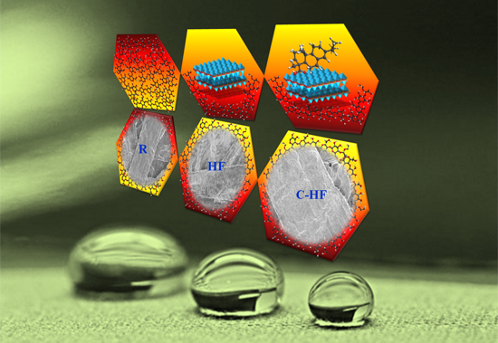
- composites by utilizing the intermolecular hydrogen bonds in natural materials. These materials include wood pulp fibers, abietic acid (resin acid) and inexpensive metal salts. In this work, a hybrid composite was created using bleached and unbleached kraft pulp fibers as cellulose platform. In situ co
- materials and applied chemistry, which strive to develop new end-products with novel functionalities via chemical bonds and physical interactions [1]. Wood pulp is one of these renewable materials. It is obtained from forest products industries and stands as a source of many polymeric materials such as
- addition, these –OH groups facilitate binding between cellulose fibers strands in wood pulp via intermolecular hydrogen bonding. Thus, they contribute to the moderate inherent tensile strength of the fibers as well [9]. On the contrary, there has been always a research motivation to make cellulose




Nanocellulose: Recent advances and its prospects in environmental remediation
Beilstein J. Nanotechnol. 2018, 9, 2479–2498, doi:10.3762/bjnano.9.232
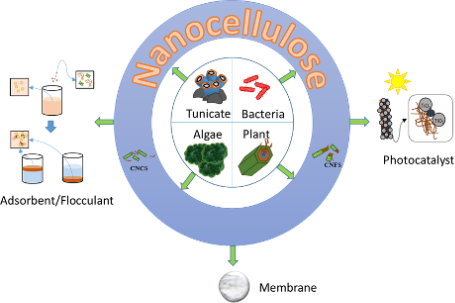
- common type of plant fibre used for cellulose fabrication is wood pulps (categorized under other fibres) due to its relatively high cellulose purity, durable and ductile networks, and good physical properties compared with other plant-based sources [51]. In the past decade, wood pulp nanocellulose has
- produced via chemical pretreatment, mechanically disintegrated nanocellulose is clustered (agglomerated) with larger dimensions [66]. According to Park et al. [67], the chemical composition in wood-based CNF has an effect on the defibrillation efficiency in wet disk-milling, which improved defibrillation
- poor solubility in acidic solution and hence, limits its practical application as a flocculant in these conditions [136]. Therefore, chemical pretreatments such as carboxymethylation [79], periodate-chlorite oxidation [79][131], aminoguanidine-reacted wood celluloses [131], 2,2,6,6-tetramethylpiperidin


Review on nanoparticles and nanostructured materials: history, sources, toxicity and regulations
Beilstein J. Nanotechnol. 2018, 9, 1050–1074, doi:10.3762/bjnano.9.98

- drugs that can inhibit the growth of these harmful bacteria in its early stage. Nanoparticles and nanostructures in plants Wood is made of natural fibers that are considered as cellular hierarchical bio-composites. Natural fibers are composites of cellulosic-fibrils at the nanoscale level. The simplest
- form of nanometer-sized cellulosic-fibrils are 100–1000 nm long, containing both crystalline and amorphous segments. The unique strength and extreme performance properties of various natural fibers such as wood are attributed to their elementary hierarchical structure with nanofibrillar components [187
- orders are provided. It is observed that wood termite (Schedorhinotermes sp.) and cicada (Meimuna microdon) wings are concealed by a denticle layer, while hornet (Vespa sp.) wings are covered by multiple setae. The water contact angles (WCA) are observed to be less than 150° for both the structures [224


Bioinspired self-healing materials: lessons from nature
Beilstein J. Nanotechnol. 2018, 9, 907–935, doi:10.3762/bjnano.9.85
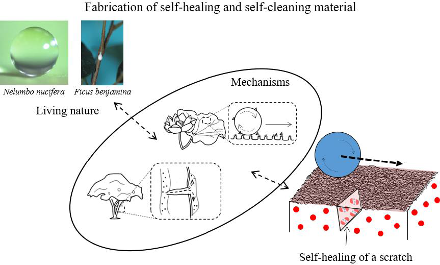
- plants that complete their entire lifecycle in a year, and perennials/biennials regrow from a part of the plant that stays alive but submerged during part of the year. Woody plants refer to those plants that stay alive above ground each year and are characterized by the wood tissue that continually grows
- those plants that survive above ground all year, encompassing trees, shrubs, and lianas (woody vines). Wood, the characteristic tissue in these plants, is fibrous cellulose composite. Primary growth refers the elongation of plant tissue that is seen across most plant species. While some herbaceous

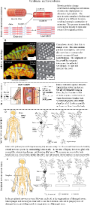

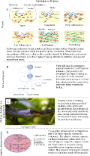


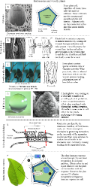



Humidity-dependent wound sealing in succulent leaves of Delosperma cooperi – An adaptation to seasonal drought stress
Beilstein J. Nanotechnol. 2018, 9, 175–186, doi:10.3762/bjnano.9.20
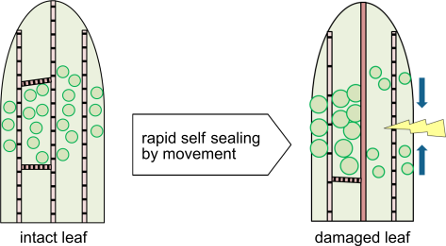
- tension during ontogeny and which are more efficient in supporting the larger adult woody plant body. However, in some species, adult plants remain locked in the production of initial wide-band tracheid in their wood. This can be interpreted as a case of paedomorphosis [12][13]. In leaves of D. cooperi





