


Search results
Search for "Fe3O4" in Full Text gives 132 result(s) in Beilstein Journal of Nanotechnology.
Ferromagnetic resonance spectra of linear magnetosome chains
Beilstein J. Nanotechnol. 2024, 15, 157–167, doi:10.3762/bjnano.15.15
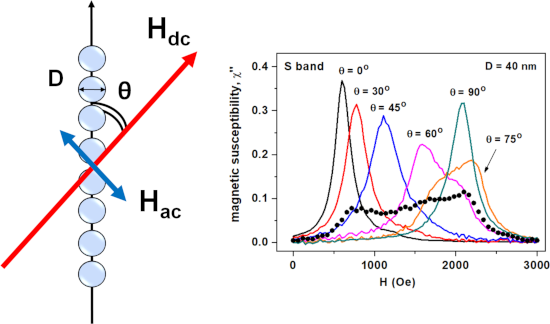
- field acting on a separate nanoparticle can be calculated as a derivative of the total chain energy W = Wmc + Wmd + WZ: The cubic magneto-crystalline anisotropy energy of Fe3O4 nanoparticles is where V = πD2/6 is the volume of spherical particle, Kc is the cubic anisotropy constant, and (e1i, e2i, e3i


Nanoarchitectonics of photothermal materials to enhance the sensitivity of lateral flow assays
Beilstein J. Nanotechnol. 2023, 14, 988–1003, doi:10.3762/bjnano.14.82
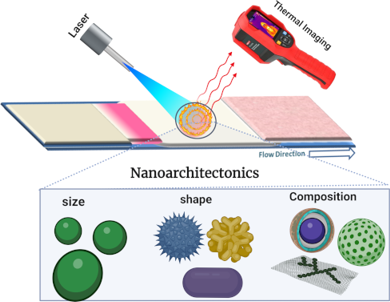
- materials with other functional materials have been found to be useful. Covalent organic frameworks (COFs) are a new class of organic polymers containing B, C, Si, N, and O in their backbones. Conjugation of COFs with Fe3O4 nanoparticles will yield a two to three times higher PCE than that of bare Fe3O4
- nanoparticles. COF–CuSe can also increase the photothermal conversion efficiency up to 26%, which is higher than that of COF-Fe3O4 [36]. Nanoarchitectonics of photothermal materials The photon-to-heat conversion efficiency of nanomaterials depends on intrinsic factors, such as shape, size, crystallinity, and
- materials, such as Fe3O4@Cu2−xS, the photothermal properties can also be changed [44]. In addition, because of the high surface-to-volume ratio and highly functional surface ligands, the material can be easily conjugated with a wide variety of biomolecules on its surface, which is useful in applications


ZnO-decorated SiC@C hybrids with strong electromagnetic absorption
Beilstein J. Nanotechnol. 2023, 14, 565–573, doi:10.3762/bjnano.14.47
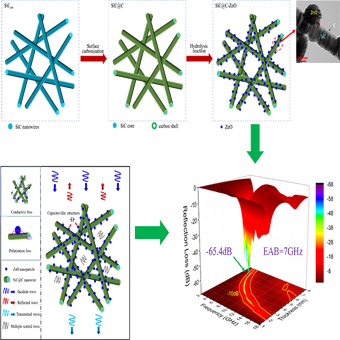
- could be well controlled by adjusting the fractions of pristine materials and filler load of the absorbers. A comprehensive comparison with materials from our previous works (SiC@C and SiC@C-Fe3O4) and other reported materials (such as ZnO-decorated SiCnw or graphene/SiC) [16][24][34][35] shows that the


Two-step single-reactor synthesis of oleic acid- or undecylenic acid-stabilized magnetic nanoparticles by thermal decomposition
Beilstein J. Nanotechnol. 2023, 14, 11–22, doi:10.3762/bjnano.14.2
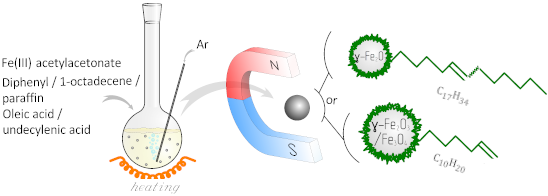
- oxide nanoparticles in biomedicine requires in-depth studies of their structure and properties. It was well-established that different iron oxides (e.g., magnetite (Fe3O4), maghemite (γ-Fe2O3), goethite (α-FeOOH), and wüstite (FeO)), have a divergent impact on biological objects [7]. In this regard
- , cubic, octahedral) is another great advantage of this method [17][18]. It has been previously reported that by using oleylamine as a stabilizer, the decomposition of thermally unstable Fe(III) acetylacetonate was observed at temperatures above 150 °C, followed by the formation of 10–16 nm FeO/Fe3O4
- ), without additional co-stabilizers or reducing agents, could be applied to obtain monodisperse nanoparticles of iron oxide (Fe3O4, Fe2O3, or their mixtures) with controlled dimensions using the single-reactor synthesis, which involves the vacuum-controlled formation of Fe(III) alkanoates. It was


Non-stoichiometric magnetite as catalyst for the photocatalytic degradation of phenol and 2,6-dibromo-4-methylphenol – a new approach in water treatment
Beilstein J. Nanotechnol. 2022, 13, 1531–1540, doi:10.3762/bjnano.13.126
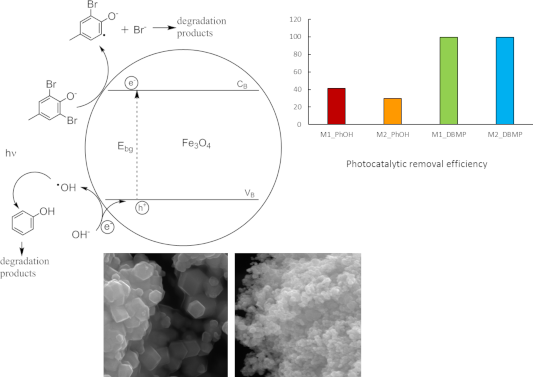
- octahedral iron chain handles its conductivity and redox properties, causing the magnetite to initialize oxidation/reduction reactions. Fe3O4 nanoparticles have been used as a photocatalyst for the degradation of azo dyes [15], for wastewater treatment [16][17], for water decomposition, and for Cr(VI
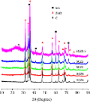
- was performed using a powder X-ray diffractometer (Figure 1a). The XRD spectra revealed that the diffraction peaks at 2θ = 30.2°, 35.3°, 43.7°, 53.9°, 57.1°, and 62.7° (Figure 1a) correspond to those of Fe3O4 (reference code COD 01-089-3854); they belong to a cubic structure system corresponding to
- the facets (220), (311), (400), (422), (511), and (440) of Fe3O4, respectively [21]. The absence of the (210) and (211) peaks confirms that the catalysts were indeed magnetite. The mean size of the catalyst crystallites (D) was calculated from the high-reflection X-ray diffraction profiles by


Comparative molecular dynamics simulations of thermal conductivities of aqueous and hydrocarbon nanofluids
Beilstein J. Nanotechnol. 2022, 13, 620–628, doi:10.3762/bjnano.13.54
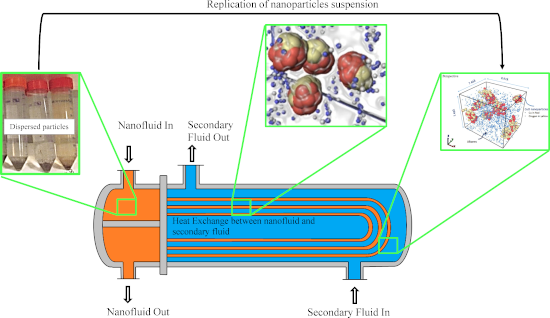
- -dimensional free convective hybrid nanofluid (Fe3O4 + MWCNT/H2O) stream over a resilient cylinder under the influence of a light magnetic field. The heat transportation problem was resolved by combining two methods (FEM and FVM) and an understanding that the temperature near the wall escalated due to an


A new method for obtaining the magnetic shape anisotropy directly from electron tomography images
Beilstein J. Nanotechnol. 2022, 13, 590–598, doi:10.3762/bjnano.13.51
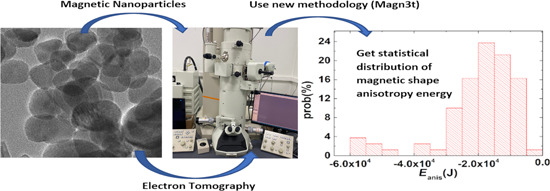
- MNPs with a diameter of roughly 47 nm and with the Fe3O4 crystal structure. In addition to the XRD, electron tomography showed that the size of MNPs is indeed in the 40 nm range, but they have a slightly elongated morphology (Figure 4). For a quantitative description of the shape and extraction of the
- ), segmented data volume (b), different outputs of Magn3t (c, d). XRD pattern of Fe3O4 MNPs and associated Rietveld refinement (in red) (a). Tomviz perspectives on experimental tomogram data as obtained by Genfire (b) and tomogram data after segmentation and particle separation using Magn3t (c). Each of the


Coordination-assembled myricetin nanoarchitectonics for sustainably scavenging free radicals
Beilstein J. Nanotechnol. 2022, 13, 284–291, doi:10.3762/bjnano.13.23
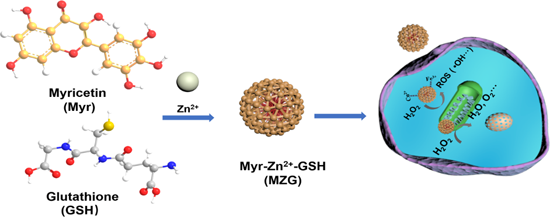
- used for effectively scavenging multiple ROS. Metal-based nanomaterials, such as CeO2 and Fe3O4, have been widely applied for antioxidant therapy [10]. In addition, bioactive small-molecule compounds, such as bilirubin and curcumin, and antioxidant peptides such as glutathione (GSH) and casein


Photothermal ablation of murine melanomas by Fe3O4 nanoparticle clusters
Beilstein J. Nanotechnol. 2022, 13, 255–264, doi:10.3762/bjnano.13.20
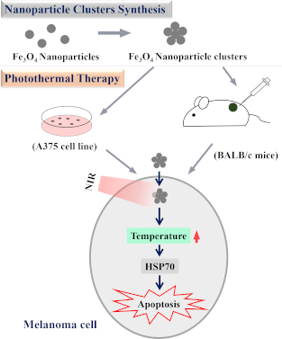
- development of resistance. Here, we fabricated Fe3O4 nanoparticle clusters (NPCs), which have drawn widespread attention, and investigated their role in the treatment of melanoma by photothermal therapy (PTT). Scanning electron microscopy imaging shows that our synthesized NPCs are spherical with an average
- diameter of 329.2 nm. They are highly absorptive at the near-infrared wavelength of 808 nm and efficient at locally converting light into heat. In vitro experiments using light-field microscopy and cell viability assay showed that Fe3O4 NPCs, in conjunction with near-infrared irradiation, effectively
- ablated A375 melanoma cells by inducing overt apoptosis. Consistently, in vivo studies using BALB/c mice found that intratumoral administration of Fe3O4 NPCs and concomitant in situ exposure to near-infrared light significantly inhibited the growth of implanted tumor xenografts. Finally, we revealed, by


Engineered titania nanomaterials in advanced clinical applications
Beilstein J. Nanotechnol. 2022, 13, 201–218, doi:10.3762/bjnano.13.15
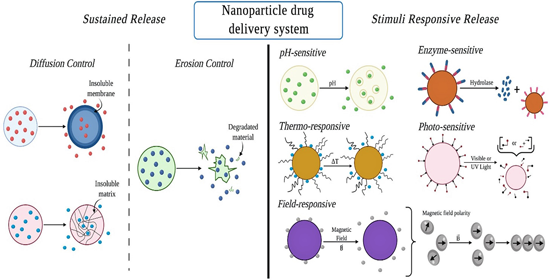
- their use as a matrix for immobilizing enzymes for maintaining their biocatalytic activity for a longer duration [16]. Chen et al. describe the use of TiO2 as a molecular sieve by designing flower-like microspheres consisting of a magnetic Fe3O4 core and a hierarchical mesoporous and macroporous TiO2


A comprehensive review on electrospun nanohybrid membranes for wastewater treatment
Beilstein J. Nanotechnol. 2022, 13, 137–159, doi:10.3762/bjnano.13.10
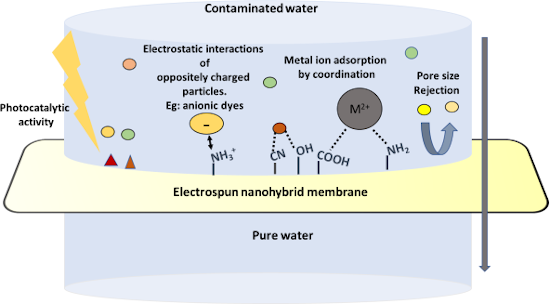
- membrane from PEO and CS with immobilized carbon quantum dots (CQDs) and Fe3O4 for the efficient removal of mercury ions from water [61]. The synergistic effect of nanofibrous polymer material and inorganic nanoparticles resulted in a maximum monolayer adsorption capacity of 148 mg/g. The Hg2+ sorption
- gravity-driven oil separation through the membrane was fast with a separation efficiency greater than 99% [71]. Jiang et al. fabricated a PVDF/PS magnetic nanofibrous membrane by selective inclusion of Fe3O4 nanoparticles in PS via a two-nozzle electrospinning process (Figure 3). Integration of magnetic
- Fe3O4 NPs to the composite mat helped in the easy recovery of the mats after application in oil–water separation, while PVDF provided mechanical strength. The membrane exhibited an oil sorption capacity of 35–46 g/g for four types of oils, namely sunflower oil, soybean oil, motor oil, and diesel oil [72





Theranostic potential of self-luminescent branched polyethyleneimine-coated superparamagnetic iron oxide nanoparticles
Beilstein J. Nanotechnol. 2022, 13, 82–95, doi:10.3762/bjnano.13.6
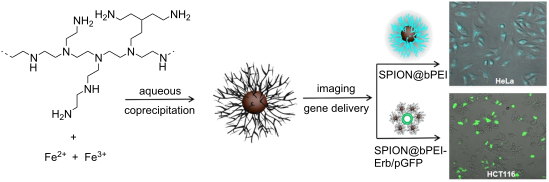
- sensitivity the results obtained from TEM are usually more reliable [52]. The XRD pattern of SPION@bPEI synthesized in situ indicates a crystalline magnetite structure composed of both magnetite (Fe3O4) and maghemite (Fe2O3), including nanoparticles (Figure 1c). Considering only XRD patterns it would be




Biocompatibility and cytotoxicity in vitro of surface-functionalized drug-loaded spinel ferrite nanoparticles
Beilstein J. Nanotechnol. 2021, 12, 1339–1364, doi:10.3762/bjnano.12.99
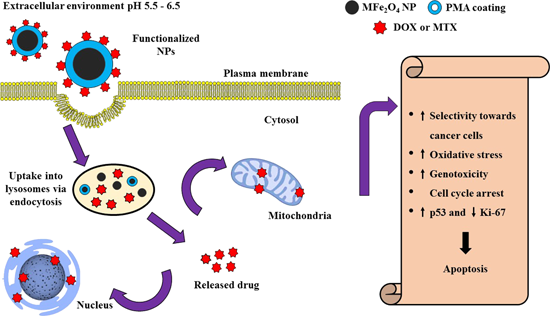
- -assisted control of the behavior of MNPs makes them suitable candidates for targeted drug delivery, hyperthermia, biosensors, magnetic resonance imaging (MRI), and magnetic separation [9][10]. Magnetite (Fe3O4) nanoparticles (NPs), belonging to the spinel ferrite class, are the most extensively studied




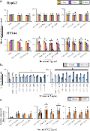


pH-driven enhancement of anti-tubercular drug loading on iron oxide nanoparticles for drug delivery in macrophages
Beilstein J. Nanotechnol. 2021, 12, 1127–1139, doi:10.3762/bjnano.12.84
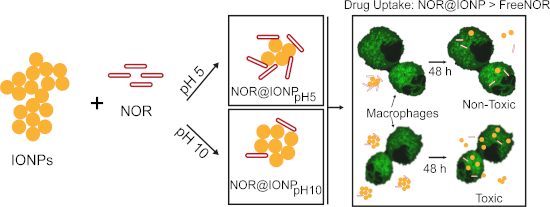
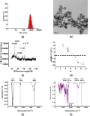
- synthesized by co-precipitation of ferrous and ferric chloride salts [47]. An aqueous solution of Fe2+:Fe3+, taken in the molar ratio of 1:2, was stirred at 700 rpm with nitrogen purging, for 10 min, at 80 °C. The reduction to Fe3O4 was carried out with the addition of 15 mL of 25% ammonia solution. Stirring



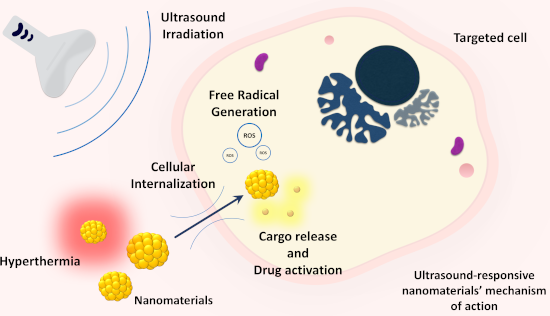
Comprehensive review on ultrasound-responsive theranostic nanomaterials: mechanisms, structures and medical applications
Beilstein J. Nanotechnol. 2021, 12, 808–862, doi:10.3762/bjnano.12.64


Recent progress in magnetic applications for micro- and nanorobots
Beilstein J. Nanotechnol. 2021, 12, 744–755, doi:10.3762/bjnano.12.58
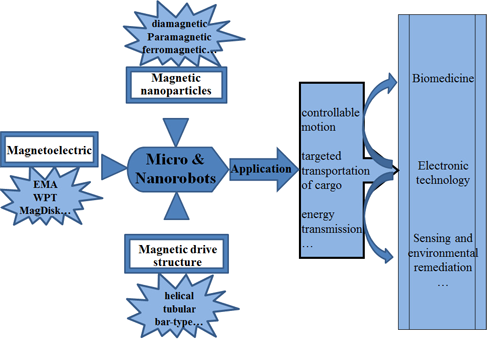
- FMSM had a two-layer nanoparticle coating. In order to drive the FMSM by an external magnetic field, Yang et al. coated magnetic Fe3O4 nanoparticles onto the outside surface of the spores for magnetization, and conjugated carbon dots onto the outside and inside walls of the magnetic spores. The MagDisk
- analyte. The magnetic bead (MaB) architecture is composed of a 15 nm iron oxide (Fe3O4) superparamagnetic core encased in a silica shell. The DNA strands are conjugated to the polymeric brush using a flexible linker. The brush permits passage of the nanoparticles through cell membranes, and prevents


Differences in surface chemistry of iron oxide nanoparticles result in different routes of internalization
Beilstein J. Nanotechnol. 2021, 12, 270–281, doi:10.3762/bjnano.12.22
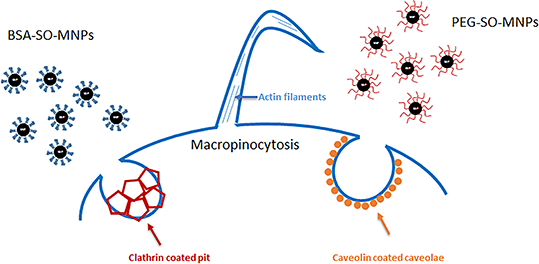
- of new nanotechnology-based pharmaceuticals and their targeting to specific intracellular locations. Experimental Magnetic iron oxide nanoparticles (MNPs) Synthesis, coating, and physicochemical characteristics of the spherical magnetic iron oxide nanoparticles with magnetite (Fe3O4) core and



Bio-imaging with the helium-ion microscope: A review
Beilstein J. Nanotechnol. 2021, 12, 1–23, doi:10.3762/bjnano.12.1
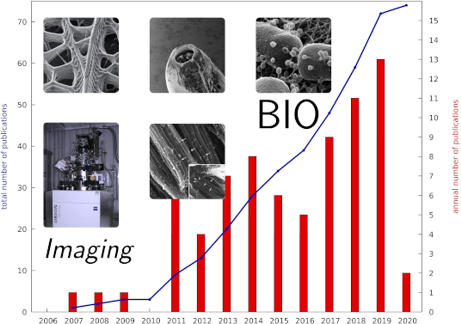
- instruments lack the spatial resolving power of the HIM [44]. An interesting and well-characterised geomicrobiological test system for HIM-SIMS spectrometers would be magnetosomes synthesised by magnetotactic bacteria, which are Fe3O4 nanocrystals of about 50 nm length [45]. HIM-SIMS also appears to be a


Free and partially encapsulated manganese ferrite nanoparticles in multiwall carbon nanotubes
Beilstein J. Nanotechnol. 2020, 11, 1891–1904, doi:10.3762/bjnano.11.170
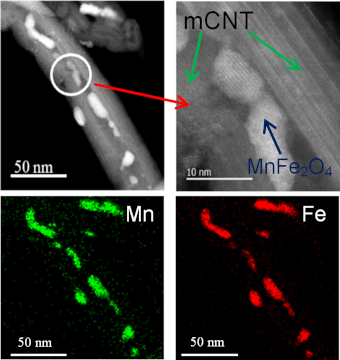
- materials have the potential to be used for the transport of drugs to specific locations in the body as well as in medical diagnosis without the need for surgical interference [6]. Pal et al. synthesized Fe3O4 encapsulated in carbon nanostraws and reported an enhancement in the magnetic properties, which




Antimicrobial metal-based nanoparticles: a review on their synthesis, types and antimicrobial action
Beilstein J. Nanotechnol. 2020, 11, 1450–1469, doi:10.3762/bjnano.11.129
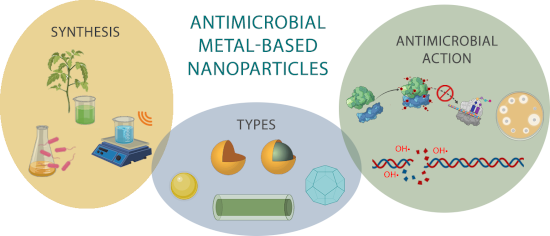
- modification, intrinsic properties and the type of targeted microorganism [18]. A special category of metallic NPs is superparamagnetic iron-oxide nanoparticles (SPIONs) (e.g., magnetite (Fe3O4) and maghemite (γ-Fe2O3) NPs) whose antimicrobial activity increases upon the application of an external magnetic
- most known and studied SPIONs. Magnetite (Fe3O4) and maghemite (γ-Fe2O3) are two crystalline phases of iron oxide that present superparamagnetic properties at the nanoscale (<20 nm). This superparamagnetism is generated due to the reduced size of these nanoparticles which allow for a higher surface-to


Transient coating of γ-Fe2O3 nanoparticles with glutamate for its delivery to and removal from brain nerve terminals
Beilstein J. Nanotechnol. 2020, 11, 1381–1393, doi:10.3762/bjnano.11.122
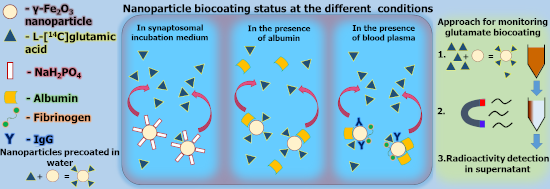
- moderate stirring. The forming black suspension was left to maturate for 45 min still under stirring and nitrogen flushing. The black precipitate of magnetite (Fe3O4) was then repeatedly washed with Milli-Q water with the help of magnetic separation (approx. 10×) until spontaneous deflocculation was


Magnetic-field-assisted synthesis of anisotropic iron oxide particles: Effect of pH
Beilstein J. Nanotechnol. 2020, 11, 1230–1241, doi:10.3762/bjnano.11.107
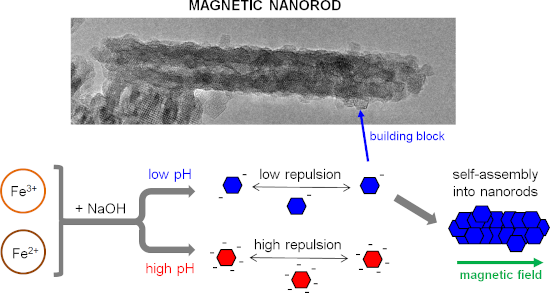
- University, Albert-Einstein-Allee 11, 89069 Ulm, Germany 10.3762/bjnano.11.107 Abstract The synthesis of magnetite (Fe3O4) nanorods using reverse co-precipitation of Fe3+ and Fe2+ ions in the presence of a static magnetic field is reported in this work. The phase composition and crystal structure of the
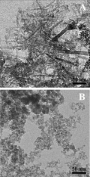
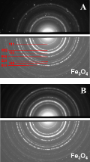
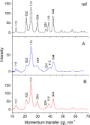
- synthesized material were investigated using electron diffraction, Raman spectroscopy, and transmission electron microscopy. It was shown that the morphology of the reaction product strongly depends on the amount of OH− ions in the reaction mixture, varying from Fe3O4 nanorods to spherical Fe3O4 nanoparticles
- . Fe3O4 nanorods were examined using high-resolution transmission electron microscopy proving that they are single-crystalline and do not have any preferred crystallographic orientation along the axis of the rods. According to the data obtained a growth mechanism was proposed for the rods that consists of





Influence of the magnetic nanoparticle coating on the magnetic relaxation time
Beilstein J. Nanotechnol. 2020, 11, 1207–1216, doi:10.3762/bjnano.11.105
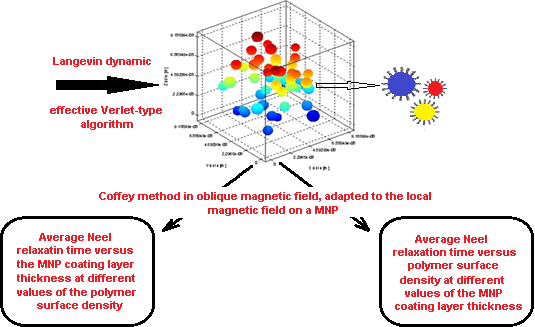
- generating heat. This heat increases the tumour cell temperature which leads to cell death [1][2][3][4]. Iron-oxide magnetic nanoparticles, in particular magnetite (Fe3O4) and maghemite (γ-Fe2O3), have been intensely studied in the context of magnetic hyperthermia applications. These nanoparticles can be


Photothermally active nanoparticles as a promising tool for eliminating bacteria and biofilms
Beilstein J. Nanotechnol. 2020, 11, 1134–1146, doi:10.3762/bjnano.11.98
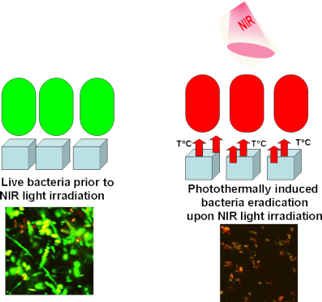
- formation are controversial as the Ag nanoparticles seem to be effective against the Gram-negative but not so much against the Gram-positive strains [6]. The antibacterial properties of a wide range of nanoparticles and their corresponding nanocomposites, such as ZnO [17][18], TiO2 [19][20], Fe3O4 [21][22
- irradiated gold nanocrosses attached to the bacteria was effective in eliminating and preventing bacterial regrowth. By combining the magnetic and optical properties of Fe3O4 and gold nanoparticles, respectively, multifunctional nanohybrids based on Fe3O4@Au (i.e., magnetite nanoparticles decorated with gold
- nanoparticles with a magnetic Fe3O4 shell, displaying strong magnetic responsiveness and tunable plasmonic properties (absorption maximum in the 480–825 nm range), were prepared as a multifunctional tool for bacterial disinfection [72]. The prepared nanoparticles displayed enhanced photothermal stability, high


Gram-scale synthesis of splat-shaped Ag–TiO2 nanocomposites for enhanced antimicrobial properties
Beilstein J. Nanotechnol. 2020, 11, 1119–1125, doi:10.3762/bjnano.11.96
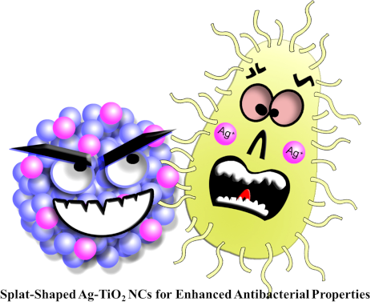
- , silver (Ag), zinc oxide (ZnO), copper oxide (CuO), iron oxide (Fe3O4) and titanium oxide (TiO2) are well recognized options due to their outstanding antibacterial properties. These nanoparticles have antibacterial activity due to the production of reactive oxygen species (ROS) [9][10][11]; more





