Search results
Search for "NaCl" in Full Text gives 224 result(s) in Beilstein Journal of Nanotechnology. Showing first 200.
Zeolite materials with Ni and Co: synthesis and catalytic potential in the selective hydrogenation of citral
Beilstein J. Nanotechnol. 2025, 16, 520–529, doi:10.3762/bjnano.16.40
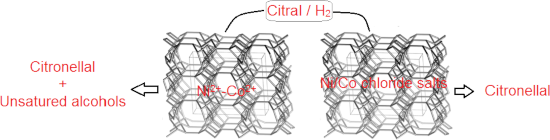
- (OH)3, card 96-231-0849). The diffraction peak at 29.5° is associated with NiCl2 (card 96-900-9133), but it could also be assigned to FeCl2 (lawrencite, card 96-901-9129) or CaCl2·2H2O (sinjarite, card 96-100-1836). The peak at 28.5° can be related to FeCl2·2H2O (card 96-231-0808), NaCl (halite, card


Development of a mucoadhesive drug delivery system and its interaction with gastric cells
Beilstein J. Nanotechnol. 2025, 16, 371–384, doi:10.3762/bjnano.16.28

- -EudAlg nanoparticles through a simple mucus layer was studied based on a similar technique performed by Ungaro and colleagues [61]. Artificial mucus was prepared by dissolving gastric mucin (250 mg), DTPA (0.295 mg), NaCl (250 mg), KCl (110 mg), and sterile egg yolk emulsion (250 µL) in 50 mL ddH2O. In


Graphene oxide–chloroquine conjugate induces DNA damage in A549 lung cancer cells through autophagy modulation
Beilstein J. Nanotechnol. 2025, 16, 316–332, doi:10.3762/bjnano.16.24
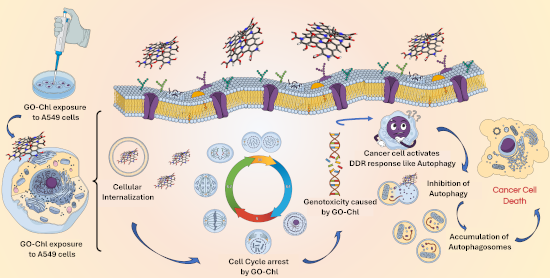
- ice to allow gelation. Duplicate slides for each sample were prepared and were kept in freshly prepared and chilled lysis solution (146.1 g NaCl, 37.2 g EDTA, 1.2 g Tris, pH 10 with 1% Triton X 100 added just before use) at 4 °C overnight. Further, the slides were placed in a horizontal gel



Synthesis and the impact of hydroxyapatite nanoparticles on the viability and activity of rhizobacteria
Beilstein J. Nanotechnol. 2025, 16, 216–228, doi:10.3762/bjnano.16.17
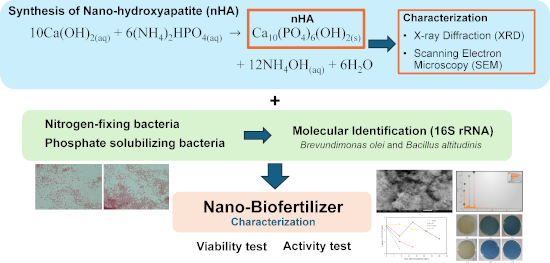
- using a NFB medium [42]. This medium comprises K2HPO4, FeCl3·6H2O, MgSO4·7H2O, NaCl, CaCl2, MnSO4·7H2O, biotin, KOH, malic acid, bromothymol blue, Na2MoO4, and bacto agar. Rhizobacteria loaded onto nHA were introduced into the medium and left to incubate for 14 days. The nitrogen-fixing capability was


Probing the potential of rare earth elements in the development of new anticancer drugs: single molecule studies
Beilstein J. Nanotechnol. 2025, 16, 187–194, doi:10.3762/bjnano.16.15
- SM1711) in 10 mM Tris-HCl buffer with the addition of 10 mM of MgCl2 (pH 8.0), which is needed to reliably deposit the DNA molecules on mica substrates. PBS buffer cannot be used here since its high NaCl concentration disturbs the DNA adsorption on the substrates. The solution of DNA + ligand is first


A nanocarrier containing carboxylic and histamine groups with dual action: acetylcholine hydrolysis and antidote atropine delivery
Beilstein J. Nanotechnol. 2025, 16, 11–24, doi:10.3762/bjnano.16.2

- evaluated against human red blood cells (hRBCs) [38]. Following a 10 min, 800 rpm centrifugation of fresh hRBCs with EDTA, the cells were washed three times with PBS (35 mM PB/0.15 M NaCl, pH 7.3) before being resuspended in PBS. Then, 0.5 mL of a hRBC stock solution in PBS was mixed with samples dissolved


Facile synthesis of size-tunable L-carnosine-capped silver nanoparticles and their role in metal ion sensing and catalytic degradation of p-nitrophenol
Beilstein J. Nanotechnol. 2024, 15, 1576–1592, doi:10.3762/bjnano.15.124
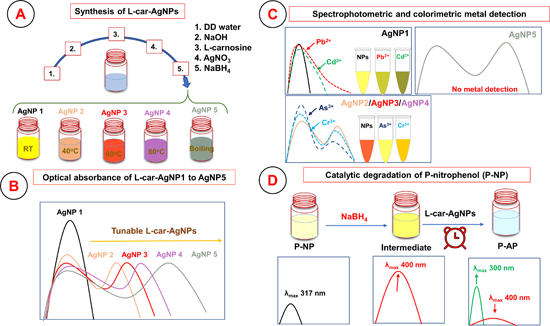
- , purity 99.99%) were obtained from Cayman Chemical, Merck, and Sigma Aldrich, respectively. p-Nitrophenol (P-NP, cat. no. 144956, purity 99.5%) and sodium chloride (NaCl, cat. no. 41721, purity 99.9%) were purchased from SRL Chemicals, India. Sodium hydroxide (NaOH, cat. no. TC1460, purity 99.0%), along
- ), 1 mL AgNO3 (0.01 M), and 2 mL NaBH4 (0.001 M). The term “ʟ-car-AgNPs” is used throughout the article to refer to the synthesized silver nanoparticles collectively. Furthermore, nanopowders of the samples were prepared using 1 M NaCl solution via the precipitation method, and the obtained precipitate
- NaCl. In addition, NaOH used in the synthesis process acts as a source of sodium in the EDX spectrum. Crystalline structures of ʟ-car-AgNPs were analyzed using X-ray diffraction. The XRD pattern of one sample representative of all synthesized ʟ-carnosine-capped silver nanospheres is given here (Figure




Ion-induced surface reactions and deposition from Pt(CO)2Cl2 and Pt(CO)2Br2
Beilstein J. Nanotechnol. 2024, 15, 1427–1439, doi:10.3762/bjnano.15.115

- were referenced to the solvent. IR spectra were obtained on a PerkinElmer Spectrum ONE FTIR spectrometer using a solution cell equipped with NaCl windows and a path length of 1.0 mm. cis-Pt(CO)2Br2 The compound was synthesized using a modified literature procedure [73]. In a glove box, a glass pressure



A biomimetic approach towards a universal slippery liquid infused surface coating
Beilstein J. Nanotechnol. 2024, 15, 1376–1389, doi:10.3762/bjnano.15.111
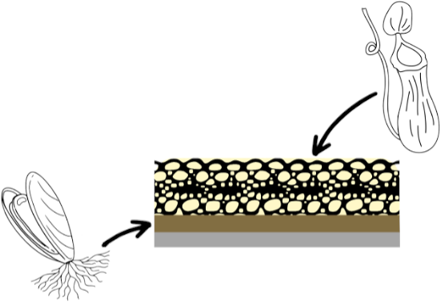
- . Platelet-rich plasma was centrifuged at 1000g for 10 min at room temperature. The supernatant platelet-poor plasma (PPP) was transferred and used for fibrin generation studies. The platelet pellet was resuspended in Tyrode’s buffer (129 mM NaCl, 20 mM HEPES, 12 mM NaHCO3, 2.9 mM KCl, 1 mM MgCl2, and 0.34
- . FXIIa assays were performed using methods adapted from Bates and colleagues [33]. A solution of FXII (200 nM), prekallikrein (PK) (50 nM), and high-molecular-weight kininogen (HMWK) (50 nM) in vacuum-filtered and degassed buffer (25 mM HEPES pH 7.4, 150 mM NaCl, and 0.1% BSA) was prepared, and 120 μL
- 7.4, 150 mM NaCl). Plasma was then recalcified with 50 μL 25 mM CaCl2. Absorbance measurements were taken every 1 min for 60 min at 405 nm. Three separate experiments were performed for a total sample size of 18 per donor. Fibrin generation time was defined as the time to reach a 5% increase over the




Nanoarchitectonics with cetrimonium bromide on metal nanoparticles for linker-free detection of toxic metal ions and catalytic degradation of 4-nitrophenol
Beilstein J. Nanotechnol. 2024, 15, 1312–1332, doi:10.3762/bjnano.15.106
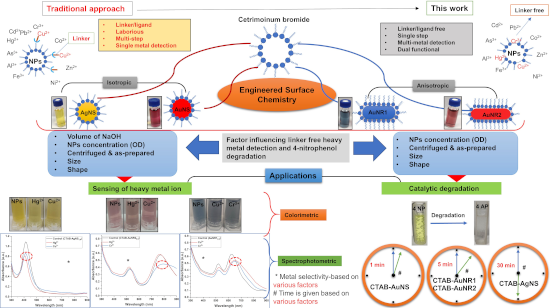
- to confirm the peak value of the compound. The supernatants of centrifuged CTAB-capped nanoparticles were used for CTAB quantification. Stability of CTAB-capped metal nanoparticles in NaCl and NaOH solutions In order to determine the ability and functionality of CTAB on metal nanoparticle surfaces
- the vicinity of 0.5 ± 0.1 and 1.0 ± 0.1. Aliquots of 1 M NaOH (volumes ranging between 5–50 μL) was added to the nanoparticle solutions. Also, CTAB-AgNS, CTAB-AuNS, CTAB-AuNR1, and CTAB-AuNR2 were added to 1 M NaCl solution while keeping the optical density of the nanoparticles constant at 0.5 and 1
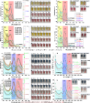
- borohydride removed CTAB from metal surfaces for ligand exchange, which helped in the detection of heavy metal ions [32]. The impact of NaOH and NaCl was assessed regarding the stability of the synthesized metal nanoparticles at extreme concentrations (Figure 1b). The addition of 1 M NaOH at various volumes




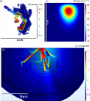
A low-kiloelectronvolt focused ion beam strategy for processing low-thermal-conductance materials with nanoampere currents
Beilstein J. Nanotechnol. 2024, 15, 1197–1207, doi:10.3762/bjnano.15.97

- was purified by NaCl precipitation at acidic and then neutral pH. Collagen sponges were prepared using purified type-I collagen, glutaraldehyde fixation, and freeze drying, also as previously described [17]. Stopping and range of ions in matter (SRIM) simulations of 5 keV gallium ions in skin The



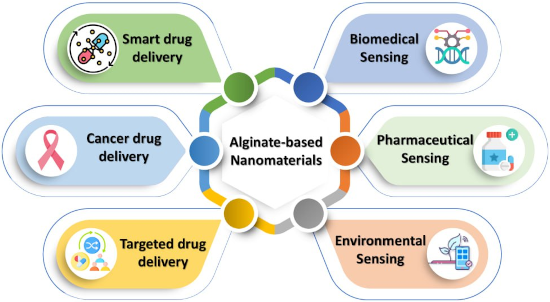
Unveiling the potential of alginate-based nanomaterials in sensing technology and smart delivery applications
Beilstein J. Nanotechnol. 2024, 15, 1077–1104, doi:10.3762/bjnano.15.88


Effect of wavelength and liquid on formation of Ag, Au, Ag/Au nanoparticles via picosecond laser ablation and SERS-based detection of DMMP
Beilstein J. Nanotechnol. 2024, 15, 1054–1069, doi:10.3762/bjnano.15.86

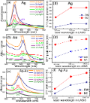
- Abstract The present study investigates the effects of input wavelength (1064, 532, and 355 nm) and surrounding liquid environment (distilled water and aqueous NaCl solution) on the picosecond laser ablation on silver (Ag), gold (Au), and Ag/Au alloy targets. The efficacy of the laser ablation technique
- investigated the impact of 355, 532, and 1064 nm wavelengths on picosecond laser ablation of silver, gold, and silver/gold alloy samples within two distinct liquid media: distilled water (DW) and aqueous NaCl solution. Significant variations in the productivity and size of NPs were observed across different
- . Stability tests revealed that NPs in the electrolyte (NaCl) solution displayed a quicker decline in SERS signal than those obtained in DW, despite satisfactory initial signal strengths. However, gold NPs in DW demonstrated optimal long-term stability, maintaining uniform SERS intensities over 60 days


Interface properties of nanostructured carbon-coated biological implants: an overview
Beilstein J. Nanotechnol. 2024, 15, 1041–1053, doi:10.3762/bjnano.15.85
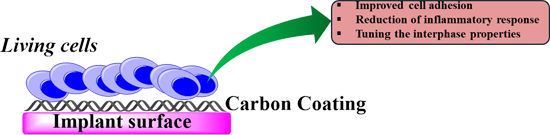
- thickness of 12 μm. The same technique was used by Chen et al. [155] for the deposition of GO onto magnesium alloys. The authors investigated the corrosion in 0.9 wt % NaCl solution, showing beneficial effects of GO mainly due to both being a physical barrier and having a low reactivity. Similar results can



Therapeutic effect of F127-folate@PLGA/CHL/IR780 nanoparticles on folate receptor-expressing cancer cells
Beilstein J. Nanotechnol. 2024, 15, 954–964, doi:10.3762/bjnano.15.78
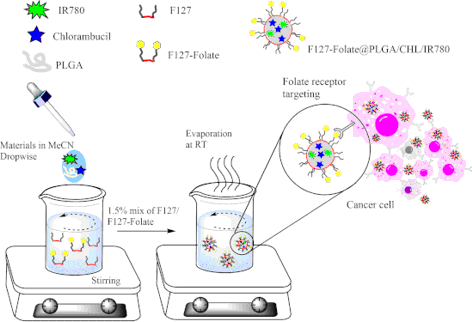
- content in the formulation was determined according to Drug release from nanoparticles The F127-folate@PLGA/CHL/IR780 were kept in diluted 0.1× PBS (NaCl 13.7 mM, KCl 0.27 mM, NaH2PO4 1 mM, and KHPO4 0.18 mM) and incubated at 37 °C for various time points, (24, 48, 72, and 168 h) at 37 °C at pH 7.4 and
- nanoparticles after incubation at 37 °C after 24, 48, 72, and 168 h at pH 7.4 and pH 5.4 in 0.1× PBS (NaCl 13.7 mM, KCl 0.27 mM, NaH2PO4 1 mM, and KHPO4 0.18 mM) (Figure 3). There were no differences between the CHL release from F127-folate@PLGA/CHL/IR780 and F127-folate@PLGA/CHL/IR780 at different time points
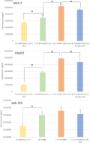
- and 510 nm. The release of chlorambucil from F127-folate@PLGA/CHL/IR780 and F127@PLGA/CHL/IR780 after 24, 48, 72, and 168 h of incubation in 0.1× PBS (NaCl 13.7 mM, KCl 0.27 mM, NaH2PO4 1 mM, and KHPO4 0.18 mM) at pH 7.4 and pH 5.4 at 37 °C; n = 3. Cell viability of HepG2 and MCF-7. Control: cells



Electron-induced ligand loss from iron tetracarbonyl methyl acrylate
Beilstein J. Nanotechnol. 2024, 15, 797–807, doi:10.3762/bjnano.15.66
- use. 1H nuclear magnetic resonance spectra (NMR) were obtained on a Bruker 400 MHz spectrometer. IR spectra were obtained on a PerkinElmer Spectrum ONE FTIR spectrometer using a solution cell equipped with NaCl windows and a path length of 1.0 mm. Synthesis The compound was synthesized according to



Electrospun polysuccinimide scaffolds containing different salts as potential wound dressing material
Beilstein J. Nanotechnol. 2024, 15, 781–796, doi:10.3762/bjnano.15.65
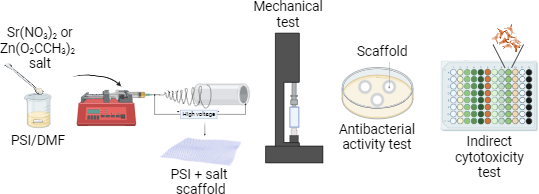
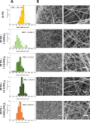
- different salts (NaCl, NaHCO3, CaCl2) was investigated, the presence of inorganic salts substantially decreased the average fiber diameter and made them more uniform [57]. Juhász et al. also investigated the effect of adding different salts in different concentrations to PSI with an outcome similar to our



Gold nanomakura: nanoarchitectonics and their photothermal response in association with carrageenan hydrogels
Beilstein J. Nanotechnol. 2024, 15, 678–693, doi:10.3762/bjnano.15.56

- the stability of the synthesized nanomakuras, different dispersion media were used. The relevant media for biological applications were used for the stability assessment of the nanoparticles. Figure 2a–c shows colloidal stability of AuNMs in ethanol (70%), NaCl (0.9%), and PBS (1X), respectively. The
- DTAB-AuNM, respectively, over a wavelength range 300–900 nm. Stability of AuNMs (CTAB-AuNM, MTAB-AuNM, and DTAB AuNM) in different media at the ratio (NPs:media) 3:1 where (a), (b), and (c) represent the stability of AuNMs in ethanol (70%), NaCl (0.9%), and 1X phosphate buffer saline (PBS). (a) k-CG






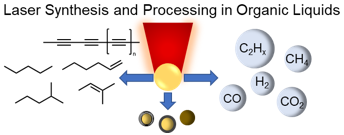
Laser synthesis of nanoparticles in organic solvents – products, reactions, and perspectives
Beilstein J. Nanotechnol. 2024, 15, 638–663, doi:10.3762/bjnano.15.54
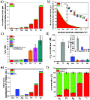
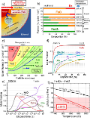
- resulting in nanoparticles, depicting the ambivalent behavior of ROS. Nanoparticle surface oxidation during LSPC can either be suppressed by degassing the water used [86][87] or amplified by adding salts such as NaCl [88]. Ziefuß et al. found an inverse linear trend during the LFL of gold when correlating





Directed growth of quinacridone chains on the vicinal Ag(35 1 1) surface
Beilstein J. Nanotechnol. 2024, 15, 556–568, doi:10.3762/bjnano.15.48
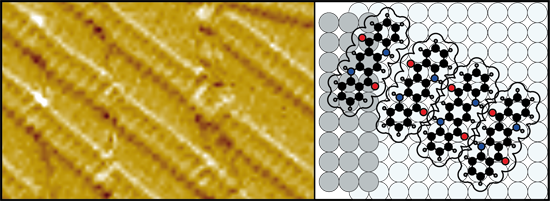
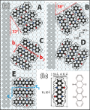
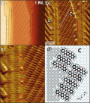
- situation of PTCDA molecules at KCl, NaCl, or KBr step edges [40][41][42]. A corresponding structure model of QA chains at Ag step edges is displayed in Figure 4d. Furthermore, the STM image shows several small protrusions where the QA chains end at the Ag step edge. We assign these to small clusters of the


Cholesterol nanoarchaeosomes for alendronate targeted delivery as an anti-endothelial dysfunction agent
Beilstein J. Nanotechnol. 2024, 15, 517–534, doi:10.3762/bjnano.15.46
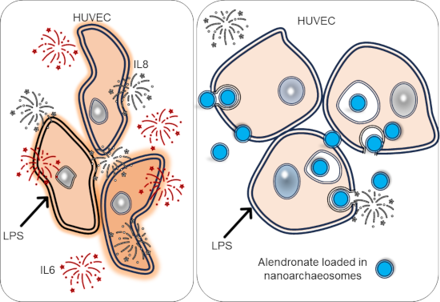
- that aim, blends of lipids were dissolved in chloroform/methanol 1:1 v/v, and the solvents were rotary-evaporated until complete removal. The lipid films were flushed with N2 and hydrated with Tris buffer (10 mM Tris-HCl buffer pH 7.4 with NaCl 0.9% w/w) to obtain the void nanovesicles or 14 mg/mL ALN





Electron-induced deposition using Fe(CO)4MA and Fe(CO)5 – effect of MA ligand and process conditions
Beilstein J. Nanotechnol. 2024, 15, 500–516, doi:10.3762/bjnano.15.45
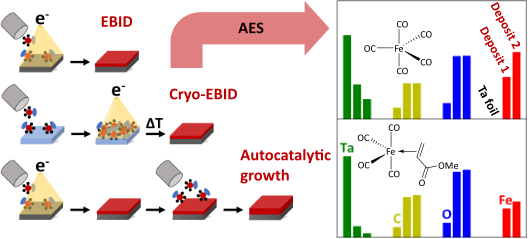
- (benzene-d6) for NMR was purchased from Cambridge Isotopes Lab and was stored over 4 Å molecular sieves for 24 h prior to use. IR spectra in hexane were obtained on a PerkinElmer Spectrum ONE FT-IR spectrometer using a solution cell equipped with NaCl windows and a path length of 1.0 mm. Fe(CO)5. Fe(CO)5



Multiscale modelling of biomolecular corona formation on metallic surfaces
Beilstein J. Nanotechnol. 2024, 15, 215–229, doi:10.3762/bjnano.15.21
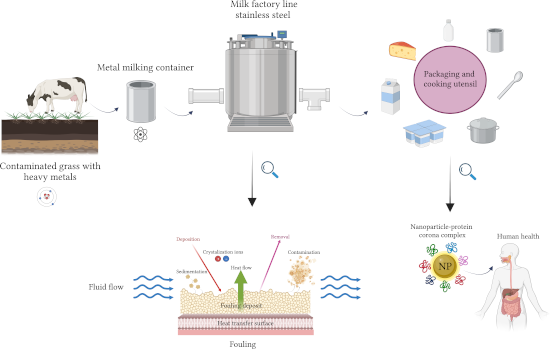
- ions. The system’s pH value was maintained at a neutral level, and the NaCl salt concentration was set to 150 mM, mimicking the overall ionic strength of milk and equivalent to one salt molecule per 10 nm3. The system underwent equilibration for 1.0 ns under constant pressure conditions at 1.0 bar and




Nanocarrier systems loaded with IR780, iron oxide nanoparticles and chlorambucil for cancer theragnostics
Beilstein J. Nanotechnol. 2024, 15, 180–189, doi:10.3762/bjnano.15.17
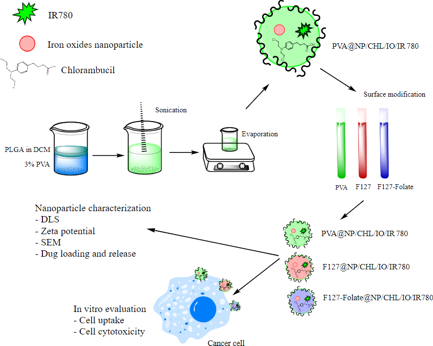
- were performed in both 0.1× PBS (13.7 mM of NaCl, 0.27 mM of KCl, 1 mM of Na2HPO4, and 0.18 mM of KH2PO4, pH 7.4) and animal cell culture media containing DMEM and 10% FBS. Scanning electron microscopy For scanning electron microscopy (SEM) experiments, 10 μL of F127-folate@NP was loaded on the silica


Fluorescent bioinspired albumin/polydopamine nanoparticles and their interactions with Escherichia coli cells
Beilstein J. Nanotechnol. 2023, 14, 1208–1224, doi:10.3762/bjnano.14.100
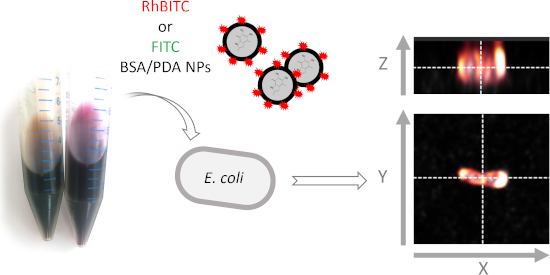
- film of PDA on the beaker’s wall), whereas they stabilize PDA NPs above this amount. The suspension stability was maintained when BSA/PDA NPs were in suspension in H2O or 150 mM NaCl solution. However, the mean hydrodynamic diameter varied with the solvent, with an increase by up to 50% for a BSA/DA
- ratio of 3 and 60% for a BSA/DA ratio of 10. The smallest BSA/PDA NPs had a mean diameter of 9 nm in 50 mM Tris and of 10 nm in H2O, but of 18 nm in 150 mM NaCl solution (Figure 3d). This increase was attributed to two co-existing phenomena related to the high salt concentration in 150 mM NaCl. First
- , the high ionic strength of 150 mM NaCl decreased long-range effect and intensity of electrostatic interactions compared to the other solvents, thus favoring other types of interactions (such as attractive van der Waals interactions) and, therefore, aggregation. Second, the increase in salt