Search results
Search for "PLGA" in Full Text gives 71 result(s) in Beilstein Journal of Nanotechnology.
Nanocarrier systems loaded with IR780, iron oxide nanoparticles and chlorambucil for cancer theragnostics
Beilstein J. Nanotechnol. 2024, 15, 180–189, doi:10.3762/bjnano.15.17
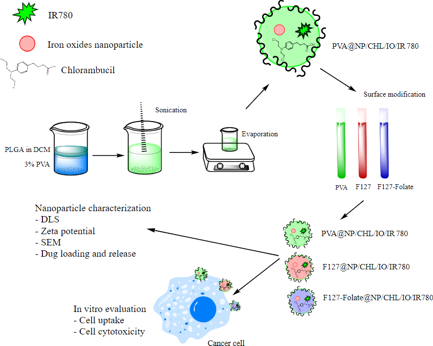
- of these systems to serve as medication and imaging agent carriers for cancer treatment and diagnostics, respectively. Keywords: cancer; chlorambucil; F127-folate; IR780; iron oxide nanoparticles; PLGA; theragnostics; Introduction Theragnostic nanoparticles (NPs) are a diagnostic and therapeutic
- delivery system. The delivery system is comprised of three components: the carrier, the imaging agent, and the therapeutic drug, all of which need clinical approval before being used in humans. Poly(lactic-co-glycolic acid) (PLGA) is an approved biodegradable and biocompatible material for clinical use [1
- ]. Particularly, PLGA is widely used for nanoparticle formulation because it is a versatile material that can serve multiple functions, including transporting of therapeutic drugs and imaging agents [2][3]. In addition, PLGA can be altered in numerous ways to increase the half-life of nanoparticles in the blood


Curcumin-loaded nanostructured systems for treatment of leishmaniasis: a review
Beilstein J. Nanotechnol. 2024, 15, 37–50, doi:10.3762/bjnano.15.4
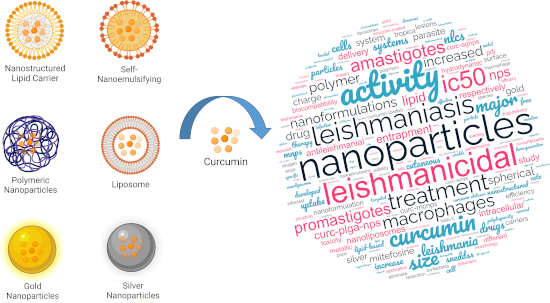
- , lipid nanoparticles, nano- and microemulsions, liposomes, or metallic nanoparticles [68]. Costa-Lima and colleagues incorporated bisnaphthalimidopropyldiaaminooctane (BNIPDaoct) into PLGA polymeric nanoparticles and obtained particles with sizes around 150 nm, with encapsulation efficiency around 90
- system and consequently the intracellular leishmanicidal activity [50][105]. Poly(lactic-co-glycolic) acid (PLGA) is another polymer used for the development of nanoparticles for the treatment of leishmaniasis [107][108]. PLGA is an FDA-approved polymer that is commonly used in the synthesis of
- nanoparticles due to its special features such as biocompatibility, biodegradability, low toxicity, and adjuvanticity [109][110]. Given these properties, Tiwari and co-workers produced curcumin-loaded Eudragit-PLGA-nanoparticles (curc-E-PLGA-NPs) and evaluated their leishmanicidal activity with miltefosine


Nanotechnological approaches in the treatment of schistosomiasis: an overview
Beilstein J. Nanotechnol. 2024, 15, 13–25, doi:10.3762/bjnano.15.2
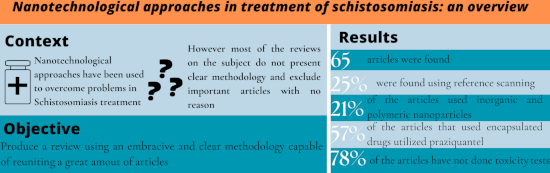
- , an exponential drug release [17][20]. Our research found that many articles utilized poly(lactic-co-glycolic acid) (PLGA) and chitosan nanoparticles, especially because they are biocompatible polymers and present great biodegradability. The polymer PLGA is approved for clinical use by Food and Drug
- nanoparticles are among the most widely utilized nanotechnological systems. Most research articles utilized gold nanoparticle as inorganic nanoparticles, while PLGA and chitosan are commonly utilized to produce polymeric nanoparticles due to its biocompatibility reported in various animal studies. However


Fluorescent bioinspired albumin/polydopamine nanoparticles and their interactions with Escherichia coli cells
Beilstein J. Nanotechnol. 2023, 14, 1208–1224, doi:10.3762/bjnano.14.100
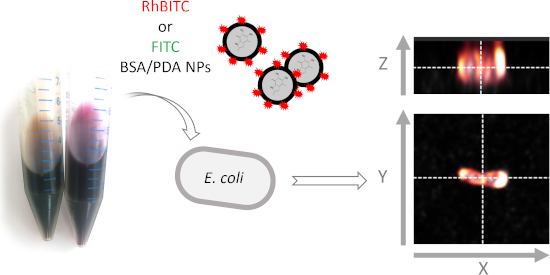
- ) of poly(lactic-co-glycolic acid) (PLGA) [7], polycaprolactone [8], and chitosan [9]. Furthermore, fluorescent ONPs are a promising way to facilitate the localization of NPs in cells through fluorescence imaging. They can also be used for fluorescent labelling of cells, especially for live cell
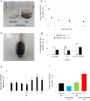
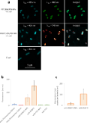
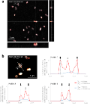
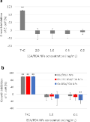
- nanoplastics can penetrate and accumulate in bacterial cells [22], thus suggesting that other ONPs may have a similar fate in bacteria. In general, the mechanisms of action of ONPs used as drug nanocarriers in antibacterial applications are expected to vary with the nanoparticle type (e.g., liposomes or PLGA



Elasticity, an often-overseen parameter in the development of nanoscale drug delivery systems
Beilstein J. Nanotechnol. 2023, 14, 1149–1156, doi:10.3762/bjnano.14.95
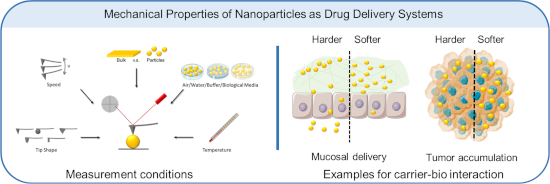
- filled with poly(lactic-co-glycolic acid) (PLGA) cores of different sizes resulting in interfacial water layers with different thicknesses and therefore with tunable elasticity [38]. Semielastic particles whose Young’s moduli were around 50 mPa showed the fastest diffusion in mucus. However, harder
- particles showed better cellular uptake if no mucus layer was present. In contrast to this, the cellular uptake for semielastic particles was not significantly affected by the presence of a mucus layer [38]. Liposomes with PLGA cores were used by Yu et al. to increase the stiffness in combination with


Antibody-conjugated nanoparticles for target-specific drug delivery of chemotherapeutics
Beilstein J. Nanotechnol. 2023, 14, 912–926, doi:10.3762/bjnano.14.75
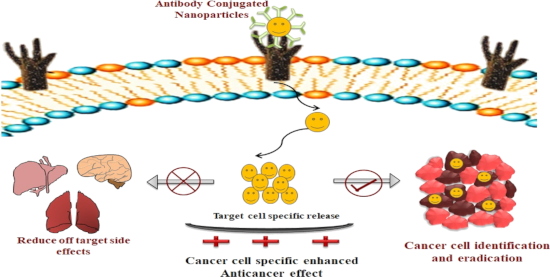
- . In a two-step reaction, NHS/sulfo-NHS evades the intra- and intermolecular cross-linking of the antibodies as the antibodies have both amine and carboxyl groups [48]. Acharya et al. prepared rapamycin-loaded polymeric PLGA NPs and conjugated them with cetuximab using EDC/NHS cross-linking chemistry
- stable irreversible thioether linkages [55]. Swaminathan et al. used the maleimide conjugation technique to coat the surface of paclitaxel-loaded-PLGA NPs with anti-CD133 antibody. The antibody-conjugated NPs improved the intracellular uptake of paclitaxel as well as the targeting effectiveness of the



Polymer nanoparticles from low-energy nanoemulsions for biomedical applications
Beilstein J. Nanotechnol. 2023, 14, 339–350, doi:10.3762/bjnano.14.29
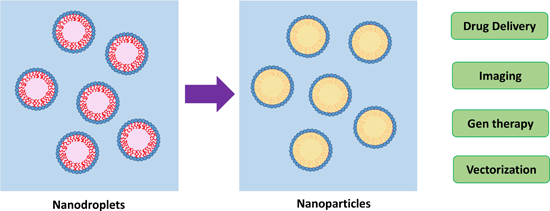
- , nanoparticle concentration, surface functionalization, and the type of polymers that can be processed. Keywords: ethyl cellulose; nanoemulsions; nanomedicine; phase inversion composition (PIC) method; PLGA; polymer nanoparticles; polyuria; polyurethane; surfactants; Review 1 Introduction The field of
- diameter dE = 50 ± 12 nm (estimated by cryo-TEM), whereas the diameter of the derived PLGA nanoparticles (dP) was 25 ± 7 nm as estimated from TEM [24], which gives a dP/dE ratio of 0.5. Higher dP/dE ratios were found by dynamic light scattering, especially at low polymer concentrations (note that the
- . Conventional emulsification methods generally yield nanoparticles with sizes larger than those described above. For example, emulsions prepared with poly(vinylalcohol) (PVA) as stabilizer produce PLGA polymer microparticles with a size of several tens of micrometers after extraction or evaporation of the




Recent progress in cancer cell membrane-based nanoparticles for biomedical applications
Beilstein J. Nanotechnol. 2023, 14, 262–279, doi:10.3762/bjnano.14.24
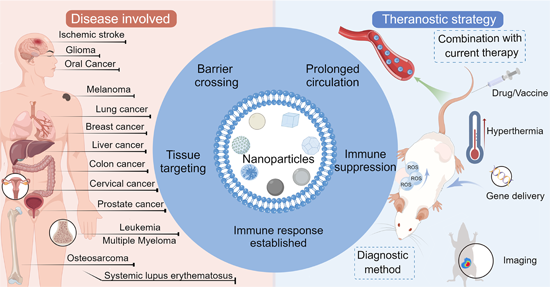
- , cancer cell membrane-encapsulated NPs can achieve better targeting toward tumors. Fang et al. coated poly (lactic-co-glycolic acid) (PLGA) NPs with the MDA-MB-435 human breast cancer cell membrane. The encapsulated biomimetic NPs exhibited a stronger affinity for cultured MDA-MB-435 cells in vitro than
- storage time than bare NPs because of the higher colloidal stability of the prepared colloidal particles [53]. In one study, liver cancer cell membrane-encapsulated PLGA NPs maintained a stable size in water and PBS for a long time, while bare PLGA NPs progressively grew larger (Figure 4B) [31]. 3
- ]. A biomimetic particle model using PLGA NPs as a carrier for the anticancer drug doxorubicin (Dox) encapsulated by the HepG2 liver cancer cell membrane was designed for the treatment of HCC [31]. The HepG2 cell membrane-encapsulated NPs exhibited superior antitumor effects compared to bare NPs and


Nanotechnology – a robust tool for fighting the challenges of drug resistance in non-small cell lung cancer
Beilstein J. Nanotechnol. 2023, 14, 240–261, doi:10.3762/bjnano.14.23
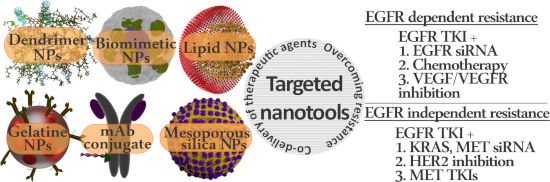
- example of biomimetic NPs was described designed by Wang and co-workers. They used the natural tropism of mouse bone marrow mesenchymal cells (MSCs) for lung tumors for improved targeting of docetaxel (DTX) NPs (DTX-loaded polylactide-co-glycolide-b-poly(ethylene glycol); PLGA-b-PEG) loaded into the MSCs
- . The authors used animal models to show predominant lung trapping of MSCs in both rabbit and monkey. In vitro experiments in A549 NSCLC cells pointed to the release of the DTX-loaded PLGA-b-PEG NPs from the MSCs and their subsequent internalization. Efficient internalization and tumor inhibition were


Orally administered docetaxel-loaded chitosan-decorated cationic PLGA nanoparticles for intestinal tumors: formulation, comprehensive in vitro characterization, and release kinetics
Beilstein J. Nanotechnol. 2022, 13, 1393–1407, doi:10.3762/bjnano.13.115
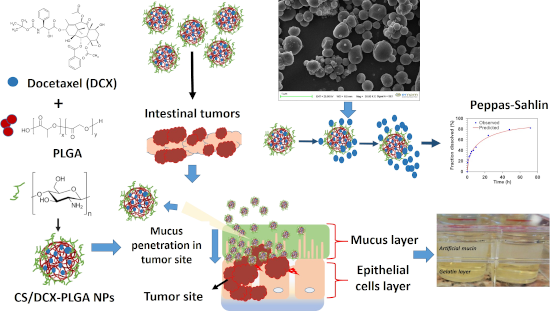
- drug delivery system loaded with docetaxel (DCX) as an anticancer drug, using poly(lactic-co-glycolic acid) (PLGA) as nanoparticle material, and modified with chitosan (CS) to gain mucoadhesive properties. In this context, an innovative nanoparticle formulation that can protect orally administered DCX
- from GIT conditions and deliver the drug to the intestinal tumoral region by accumulating in mucus has been designed. For this purpose, DCX-PLGA nanoparticles (NPs) and CS/DCX-PLGA NPs were prepared, and their in vitro characteristics were elucidated. Nanoparticles around 250–300 nm were obtained. DCX
- -PLGA NPs had positive surface charge with CS coating. The formulations have the potential to deliver the encapsulated drug to the bowel according to the in vitro release studies in three different simulated GIT fluids for approximately 72 h. Mucin interaction and penetration into the artificial mucus


Microneedle-based ocular drug delivery systems – recent advances and challenges
Beilstein J. Nanotechnol. 2022, 13, 1167–1184, doi:10.3762/bjnano.13.98
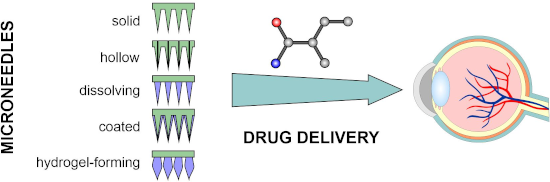
- ) [130], and poly(lactic-co-glycolic)acid (PLGA) [131] are widely investigated as microneedle materials. Among them, there are hydrogel-forming agents swelling upon the contact with interstitial fluid in the skin during microneedle application. These polymers include poly(ethylene glycol) diacrylate
- ], calcium sulfate and gelatin [135], gelatin and hydroxyapatite [136], and PLGA microparticles combined with PLA [137] are available in the scientific literature. Taking into consideration the shape and geometry of microneedles, they can be categorized as pyramids, cones, arrowheads, cylinders, bullets
- in PLGA-based nanoparticles by a water-in-oil-in-water double emulsion method. The nanoparticles were used to form microneedles in combination with various types of PVA. Then, after drying, a base layer made of an aqueous hydrogel was attached. It turned out that the MNs had adequate mechanical


Biomimetic chitosan with biocomposite nanomaterials for bone tissue repair and regeneration
Beilstein J. Nanotechnol. 2022, 13, 1051–1067, doi:10.3762/bjnano.13.92
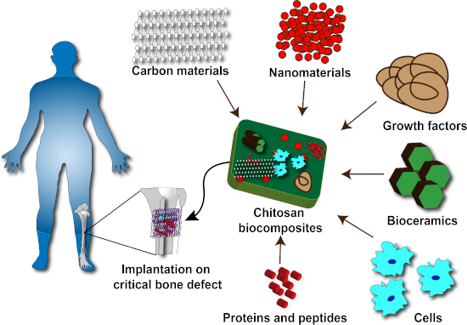
- . Different kinds of polymeric materials have been utilized including chitosan, alginate, fucoidan, carrageenan, and ulvan from natural polymeric materials. Polycaprolactone (PCL), poly ᴅ,ʟ-lactic-co-glycolic acid (PLGA), and polylactic acid (PLA) have been extensively studied with hydroxyapatite to develop
- fabrication of scaffolds for cartilage tissue engineering applications. The 2 cm × 2 cm PLGA electrospun nanofibers were prepared by electrospinning which incorporated those with hydroxybutyl chitosan hydrogels. The polycaprolactone scaffold was 3D printed and reinforced with hydrogel scaffolds to mimic the
Gelatin nanoparticles with tunable mechanical properties: effect of crosslinking time and loading
Beilstein J. Nanotechnol. 2022, 13, 778–787, doi:10.3762/bjnano.13.68
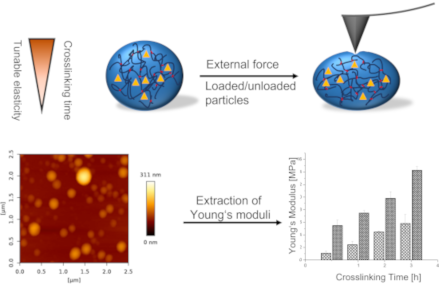
- . demonstrated the impact of the measurement setup for polymeric nanoparticles [4]. Young’s moduli obtained by measurements conducted on bulk materials and nanoparticles composed of PLA and PLGA vary significantly from each other. Furthermore, they showed the impact of measurements in water and at physiological


Fabrication and testing of polymer microneedles for transdermal drug delivery
Beilstein J. Nanotechnol. 2022, 13, 629–640, doi:10.3762/bjnano.13.55
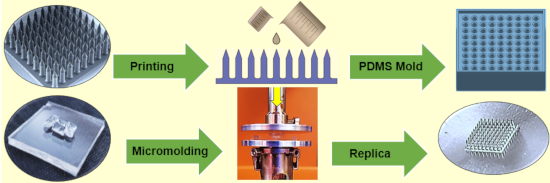
- (PLGA) MNs with a similar base diameter (200 μm) and lengths (700–1500 μm) [22]. Simulation and experimental investigation on MN insertion force To investigate the insertion force and failure modes of MN arrays into the skin, the insertion of a single MN was simulated using FEA software. Figure 6a



Stimuli-responsive polypeptide nanogels for trypsin inhibition
Beilstein J. Nanotechnol. 2022, 13, 538–548, doi:10.3762/bjnano.13.45
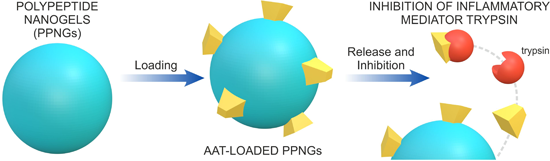
- ) (PLGA) nanoparticles loaded with AAT were successfully manufactured and AAT release profiles from the nanoparticles were investigated [21][22]. In our previous studies, we investigated and described in detail the process of nanogelation from Nα-ʟ-lysine-grafted α,β-poly[(2-propyne)-ᴅ,ʟ-aspartamide-ran
- studies using PLGA particles as delivery system for AAT [21][22]. However, the PLGA particles did not exhibit any undesired entrapment of AAT as the polypeptide nanogels did. In contrast, our polypeptide nanogels are more advantageous due to the fact that they have a more favorable size, are soft, and


Micro- and nanotechnology in biomedical engineering for cartilage tissue regeneration in osteoarthritis
Beilstein J. Nanotechnol. 2022, 13, 363–389, doi:10.3762/bjnano.13.31
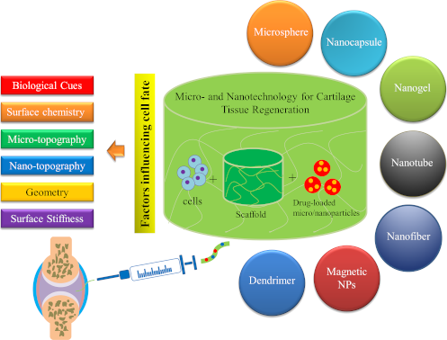
- ) (PLGA) microspheres coated with TGF-β3 loaded heparin/poly(ʟ-lysine) NPs showed extended growth factor release for 28 days and were found to be excellent structures for cell adhesion and chondrogenic differentiation [27]. Apart from serving as cell adhesion platforms and growth factor supplements
- , microsphere structures can be independently used as carriers for the delivery of drugs and bioactive molecules to repair cartilage defects. The sustained release of PTH (1-34) from PLGA microspheres improved papain-induced defects in a rat model of OA and retained the bioactivity of the released peptide up to
- 19 days [28]. In another study, researchers developed PLGA-based microspheres to control the release of rapamycin in the joint [29]. The microspheres provided sustained and controlled release of rapamycin for several weeks, retained drug potency, and prevented OA-like changes in chondrocytes cultured


Effects of drug concentration and PLGA addition on the properties of electrospun ampicillin trihydrate-loaded PLA nanofibers
Beilstein J. Nanotechnol. 2022, 13, 245–254, doi:10.3762/bjnano.13.19
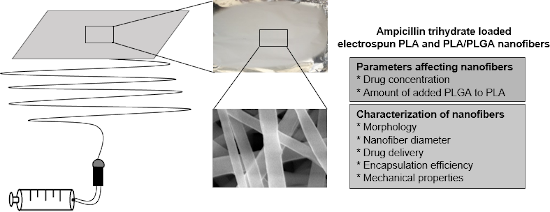
- produce ampicillin trihydrate-loaded poly(lactic acid) (PLA) and PLA/poly(lactic-co-glycolic acid) (PLA/PLGA) polymeric nanofibers via electrospinning using 1,1,1,3,3,3-hexafluoro-2-propanol (HFIP) as the solvent for local application in tissue engineering. The effects of ampicillin trihydrate
- concentration (4–12%) and addition of PLGA (20–80%) on the spinnability of the solutions, morphology, average nanofiber diameter, encapsulation efficiency, drug release, and mechanical properties of PLA and PLA/PLGA nanofibers were examined. All nanofibers were bead-free and uniform. They had favorable
- and controlled drug release for ten days was obtained with nanofibers containing 8% of drug. Thus, the ideal drug concentration was determined to be 8%. Nanofibers containing PLA/PLGA had a larger diameter than those including PLA. In addition, both the strength and elongation of nanofibers decreased


Engineered titania nanomaterials in advanced clinical applications
Beilstein J. Nanotechnol. 2022, 13, 201–218, doi:10.3762/bjnano.13.15
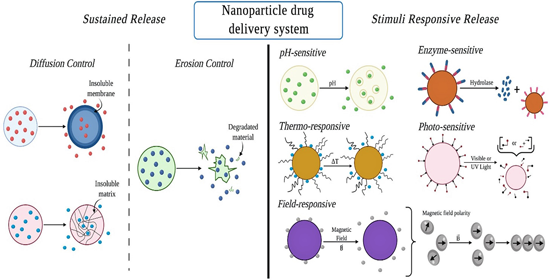
- contributes to hydroxyapatite (HA) formation and bone matrix mineralization [71]. Likewise, nanophase titania/poly(lactic-co-glycolic acid) (PLGA) composites have been designed that showed greater osteoblast adhesion compared to plain PLGA [72]. In vivo tissue engineering (TE) holds tremendous potential in


Use of nanosystems to improve the anticancer effects of curcumin
Beilstein J. Nanotechnol. 2021, 12, 1047–1062, doi:10.3762/bjnano.12.78
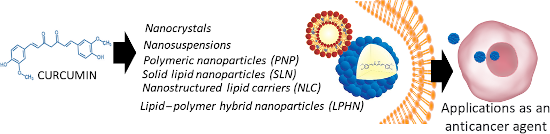
- -loaded polymeric (PNP with PLGA) and lipid nanoparticles (SLN with hydrogenated coco-glycerides and poloxamer 188). They reported greater stability at 135 days (>90% retention), lower average particle size (127.10 ± 11.30 nm), and higher EE% (90.49 ± 1.20%) in CUR-SL, as compared to CUR-PNP (338.20
- inhibiting nitric oxide in cancer cells [14]. Dev et al. [142] reported that CUR-loaded BSA nanoparticles (6 µM) exposed to blue LED light inhibited the growth of glioblastoma stem cells better than F-CUR, which was attributed to an improved sustained intracellular release of CUR. Curcumin-loaded PLGA [poly


An overview of microneedle applications, materials, and fabrication methods
Beilstein J. Nanotechnol. 2021, 12, 1034–1046, doi:10.3762/bjnano.12.77
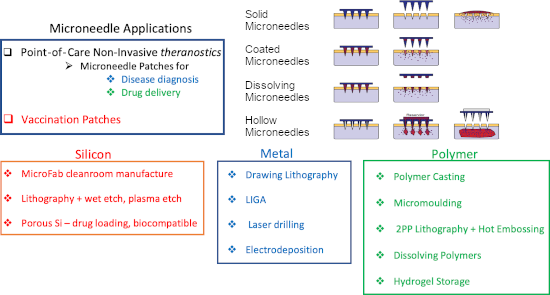
- microneedles of soluble poly(lactic-co-glycolic acid) (PLGA) and PLGA–polyvinylpyrrolidone (PLGA–PVP) layered combinations have been used to provide controlled drug delivery of bovine serum albumin (BSA), rather than instantaneous release [60]. There are only a few published studies demonstrating the
- and sizes for a wide range of applications. Metals such as titanium [61][62], stainless steel [58][63][64], silicon [65][66][67], ceramics [68][69], biodegradable polymers such as polylactic acid (PLA) [70], PLGA [71], and polyglycolic acid (PGA) [72], and non-degradable polymers such as


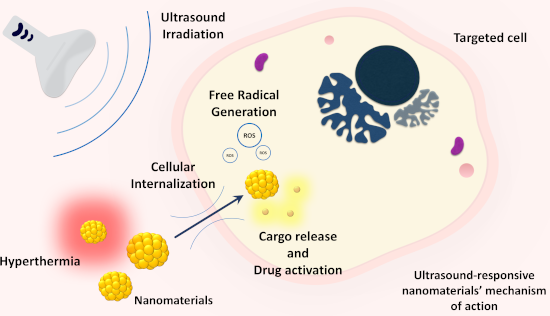
Comprehensive review on ultrasound-responsive theranostic nanomaterials: mechanisms, structures and medical applications
Beilstein J. Nanotechnol. 2021, 12, 808–862, doi:10.3762/bjnano.12.64


The impact of molecular tumor profiling on the design strategies for targeting myeloid leukemia and EGFR/CD44-positive solid tumors
Beilstein J. Nanotechnol. 2021, 12, 375–401, doi:10.3762/bjnano.12.31
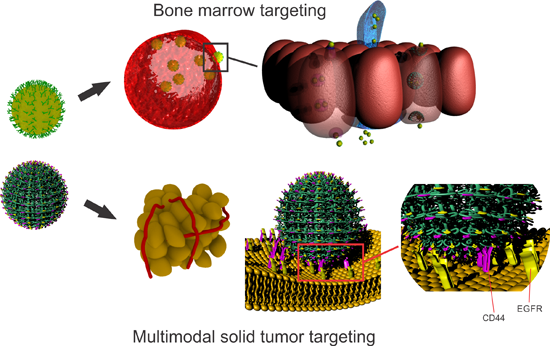
- with higher turnover rates [33]. The authors used alendronate as a surface-exposed ligand for directing bortezomib-loaded nanoparticles consisting of poly(ᴅ,ʟ-lactic-co-glycolic acid) (PLGA) and poly(ethylene glycol) (PEG) to the bone microenvironment, which resulted in a 9.6-fold increase of bone
- localization of the functionalized nanoparticles relative to the non-functionalized nanoparticles. Additionally, the loaded PLGA–PEG–alendronate nanoparticles demonstrated satisfactory results in myeloma growth inhibition and overall survival of the murine models. Considering the toxicity of bortezomib


Differences in surface chemistry of iron oxide nanoparticles result in different routes of internalization
Beilstein J. Nanotechnol. 2021, 12, 270–281, doi:10.3762/bjnano.12.22
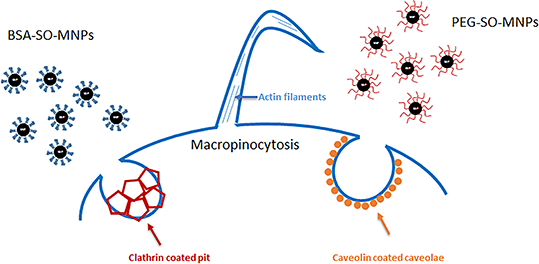
- , essential for the interpretation of their biological effects, including cellular uptake [43]. Nevertheless, PEG-SO-MNPs were more efficiently internalized into A549 cells than BSA-SO-MNPs. Interestingly, the magnetic nanospheres (PEG-SO-MNPs coated with polylactic-co-glycolic acid, PLGA) were taken up by



Key for crossing the BBB with nanoparticles: the rational design
Beilstein J. Nanotechnol. 2020, 11, 866–883, doi:10.3762/bjnano.11.72
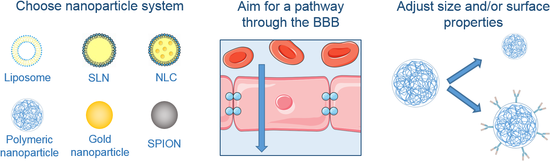
- polymeric nanoparticles prepared with PBCA and polymers from the poly(ethylene) family such as poly(lactic acid) (PLA) and poly(lactic-co-glycolic acid) (PLGA) [25][26]. Liposomes and other lipidic nanoparticles have also been reported as able to pass the BBB [27], as well as protein-based nanoparticles
- were observed for PLGA nanoparticles stabilized with PS80 or P188. PLGA nanoparticles loaded with either loperamide or doxorubicin were coated with PS80 or P188 and tested in vivo in rodents [56]. In both cases, P188-coated PLGA nanoparticles showed a higher efficacy than PS80-coated nanoparticles, but
- both formulations were able to cross the BBB and deliver their cargo. On the other hand, in another study, coumarin-6-loaded PLGA nanoparticles coated with either chitosan or PS80 showed a better crossing ability than P188-coated nanoparticles [57]. This result seems to be in accordance with the


Rational design of block copolymer self-assemblies in photodynamic therapy
Beilstein J. Nanotechnol. 2020, 11, 180–212, doi:10.3762/bjnano.11.15