


Search results
Search for "Pt" in Full Text gives 493 result(s) in Beilstein Journal of Nanotechnology. Showing first 200.
Mechanical stability of individual bacterial cells under different osmotic pressure conditions: a nanoindentation study of Pseudomonas aeruginosa
Beilstein J. Nanotechnol. 2025, 16, 1171–1183, doi:10.3762/bjnano.16.86
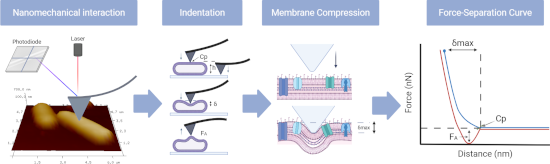
- within the first stages of nanoindentation, similar values in the slopes of the curves reflected a stable stiffness of about kB = 20 mN/m and turgor pressures of Pt = 12.1 kPa. Interestingly, a change in the nonlinear regime of the force curves and a gradual increase in maximal deformation by the AFM tip
- response of the outer envelope. At the same time, for deeper deformations, a linear behavior in the force curve reflects the magnitude of internal turgor pressure Pt [51]. It is worth mentioning that for our case, only a handful of force curves, particularly in Milli-Q, presented a long tail upon approach
- prevented by the rapid reaction of the MS channels, which act as safety valves which open as soon as the internal Pt causes an increase in the tension of the envelope above a specific threshold value. Then, it rapidly releases contained osmolytes to deflate the internal pressure and avoid membrane rupture


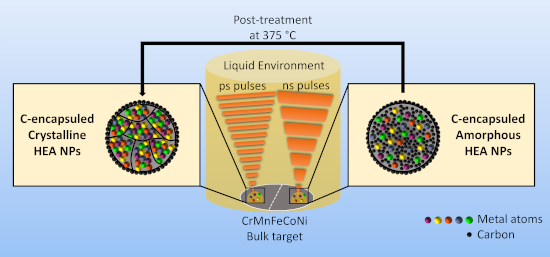
Crystalline and amorphous structure selectivity of ignoble high-entropy alloy nanoparticles during laser ablation in organic liquids is set by pulse duration
Beilstein J. Nanotechnol. 2025, 16, 1141–1159, doi:10.3762/bjnano.16.84




Fabrication of metal complex phthalocyanine and porphyrin nanoparticle aqueous colloids by pulsed laser fragmentation in liquid and their potential application to a photosensitizer for photodynamic therapy
Beilstein J. Nanotechnol. 2025, 16, 1088–1096, doi:10.3762/bjnano.16.80
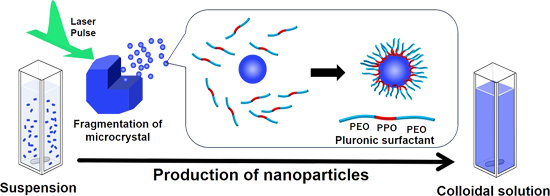
- = AlCl, Fe, Co, Zn) and Pt complex octaethylporphyrin (PtOEP) by nanosecond laser fragmentation of the corresponding microcrystalline powders in an aqueous solution of the amphiphilic polymer Pluronic® F-127. All nanoparticles dispersed stably in phosphate-buffered saline and cell culture media without
- acetate [23], paclitaxel [24], naproxen and fenofibrate [25], curcumin [26], and cinnamon [27]. This work aims to fabricate aqueous colloids of MPc (M = AlCl, Fe, Co, Zn) and Pt complex octaethylporphyrin (PtOEP) (Figure 1) nanoparticles with a high dispersion stability and to demonstrate the potential


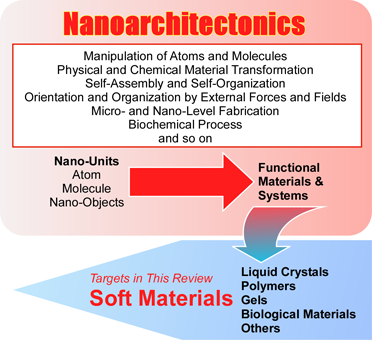
Soft materials nanoarchitectonics: liquid crystals, polymers, gels, biomaterials, and others
Beilstein J. Nanotechnol. 2025, 16, 1025–1067, doi:10.3762/bjnano.16.77
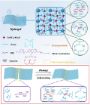
- synergistically combining it with an O2-absorbing MOF using LbL assembly [275]. The oxygen reduction reaction (ORR) represents a pivotal process in electrochemical energy conversion systems. Instead of costly Pt-based electrocatalysts, the potential of conducting polymers as ORR catalysts has been explored. This




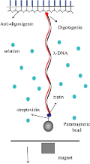


Time-resolved probing of laser-induced nanostructuring processes in liquids
Beilstein J. Nanotechnol. 2025, 16, 968–1002, doi:10.3762/bjnano.16.74
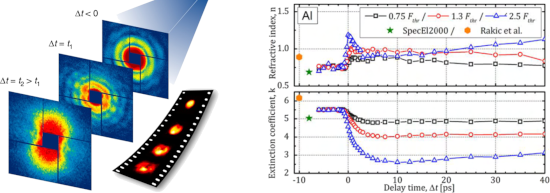
- a photocathode-based ultrashort electron pulse generator into a lab-based electron microscope, dynamic imaging of single specimens via pump–probe electron microscopy became possible. For instance, a spin state transition in the metal–organic framework Fe(pyrazine)Pt(CN)4 NPs was induced by


Focused ion beam-induced platinum deposition with a low-temperature cesium ion source
Beilstein J. Nanotechnol. 2025, 16, 910–920, doi:10.3762/bjnano.16.69
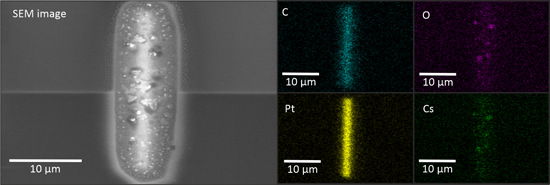
- surface is a frequently used process of focused ion beam (FIB) systems. Here, we report on the deposition of platinum (Pt) with a new kind of cesium (Cs) FIB, in which the cesium ions are produced by a low-temperature ion source. Platinum was deposited at different acceleration voltages and ion beam
- conditions, but the deposit has lower Pt content for Cs+. The electrical resistivity of the deposit is found to be higher for Cs+ than for Ga+ and decreasing with increasing acceleration voltage. Keywords: cesium ion source; cold atom ion source; focused ion beam (FIB); FIB-induced deposition (FIBID
- are more advanced with respect to source development because of their relatively low requirements regarding the cooling laser. Milling [10] as well as induced deposition of platinum (Pt) [11] and tungsten (W) [12] have been studied for a prototype FIB with an ultracold Rb+source. Further, a Cs+ laser


Insights into the electronic and atomic structures of cerium oxide-based ultrathin films and nanostructures using high-brilliance light sources
Beilstein J. Nanotechnol. 2025, 16, 860–871, doi:10.3762/bjnano.16.65

- was possible to identify different types of interactions between Pt NPs and cerium oxide surfaces including electron transfer from Pt NPs to CeO2 and transport of oxygen atoms from ceria to Pt NPs, the latter occurring only when the ceria support surface is nanostructured [26]. In addition, thanks to
- its sensitivity, the method, when combined with other techniques, has provided quantitative information on the number of electrons transferred per particle to the support (Figure 2), enabling the optimization of the size of the supported active Pt catalyst [27]. This is a crucial factor in minimizing
- minimum of the inelastic mean free path. A study by Simon et al. on porous Pt-doped cerium oxide films prepared by direct liquid injection chemical vapor deposition, comparing conventional and synchrotron-radiation based XPS, has demonstrated that the Pt atoms are uniformly dispersed in the nanoparticles


Synchrotron X-ray photoelectron spectroscopy study of sodium adsorption on vertically arranged MoS2 layers coated with pyrolytic carbon
Beilstein J. Nanotechnol. 2025, 16, 847–859, doi:10.3762/bjnano.16.64
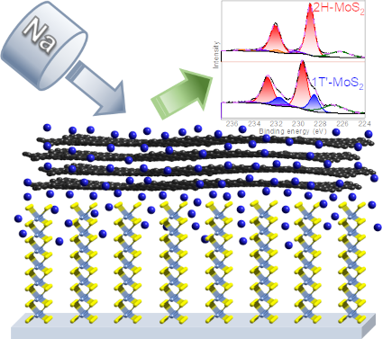
- molybdenum layer sputtered for 90 s. Part of the film surface was covered with a protective Pt layer and a lamella was cut using a focused ion beam (FIB) system (see the Experimental section for details). Figure 1d shows the SEM image of the cross section of the lamella. The bright round spots on the film
- surface correspond to Pt nanoparticles, the presence of which is confirmed by energy-dispersive X-ray (EDX) spectroscopy (Supporting Information File 1, Figure S1). These nanoparticles have a uniform size and are densely distributed on the sample surface, in contrast to the polysulfide particles of
- deposition. Initially, a Pt layer of 21 nm was electrodeposited at 5 keV and 1 nA. After that, a thick Pt cap layer was ion-plated at 30 keV and 250 pA. Then, the FIB was operated at an ion accelerating voltage of 30 keV and ion current of 20 nA to cut the sample. Finally, the section was finely polished at


Facile one-step radio frequency magnetron sputtering of Ni/NiO on stainless steel for an efficient electrode for hydrogen evolution reaction
Beilstein J. Nanotechnol. 2025, 16, 837–846, doi:10.3762/bjnano.16.63
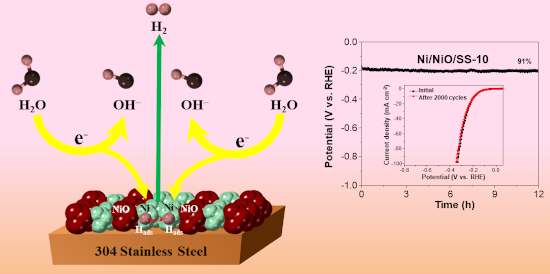
- electrocatalysts have been well accepted as potential candidates to replace Pt-based electrocatalysts for HER because of their suitable Gibbs free hydrogen adsorption energy, good intrinsic catalytic properties, and high stability. However, solution-based synthetic approaches can be highly harmful to human beings
- efficiency compared to gasoline, coal, and natural gas. Currently, hydrogen produced by water electrolysis is well accepted as an ecologically clean, sustainable method compared to other techniques, such as coal gasification and steam methane reforming [5][6][7][8][9][10]. According to reported works, Pt
- catalysts were recognized as the best material for electrochemical hydrogen evolution reaction (HER) [11][12][13]. However, it is challenging to use Pt-based nanomaterials for industrial applications because of their non-abundance and high cost. As a result, many studies have explored Pt-free catalysts


Supramolecular hydration structure of graphene-based hydrogels: density functional theory, green chemistry and interface application
Beilstein J. Nanotechnol. 2025, 16, 806–822, doi:10.3762/bjnano.16.61
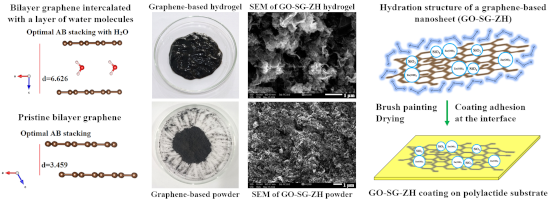
- microscopy and energy-dispersive X-ray spectroscopy were performed using a JSM-IT200 system (JEOL). Samples were coated with Pt before the SEM-EDS analysis. X-ray diffraction was performed on a D8 Advance instrument (Bruker). Fourier-transform infrared spectroscopy (FTIR) was characterized with a FT/IR-6600


Thickness dependent oxidation in CrCl3: a scanning X-ray photoemission and Kelvin probe microscopies study
Beilstein J. Nanotechnol. 2025, 16, 749–761, doi:10.3762/bjnano.16.58
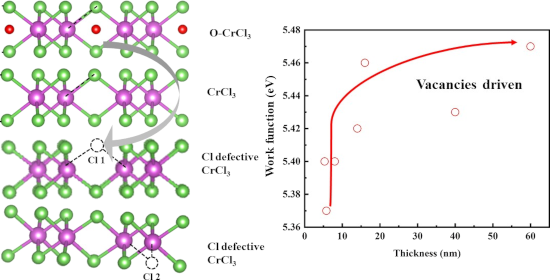
- values of L and T flakes are 0.10 and 0.04 V, respectively. Based on these values, the work functions of L and T flakes are about 5.40 and 5.46 eV, respectively, given the work function of the Pt tip of 5.50 eV. As a control, the work function of SiO2 was measured correctly as 5.00 eV. To complete the
- cantilever coated with Pt at the resonance frequency of 68 kHz with an elastic constant of 1–5 N/m (AppNano) and doped diamond tips with 120 kHz and 8 N/m elastic constant (ADAMA). Kelvin probe force microscopy images were taken via double passage before and after applying an electric field by elevating the
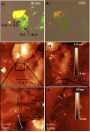
- SiO2/Si substrate. (a) Topography from non-contact mode AFM of two flakes with different thicknesses; (b) Kelvin surface potential of the samples on SiO2; (c) z-profiles of the two flakes; (d) Kelvin surface potential scans along the profiles of (a). A Pt-coated tip was used. (a)Topography from non





Nanoscale capacitance spectroscopy based on multifrequency electrostatic force microscopy
Beilstein J. Nanotechnol. 2025, 16, 637–651, doi:10.3762/bjnano.16.49

- nanospectroscopy experiments. The microcapacitors were produced by focused ion beam (FIB) milling on a silicon wafer with a 300 nm layer of SiO2 and a 14 nm sputtered layer of Pt on it (Figure 2). Results and Discussion To investigate whether the C″-sensitive detection leads to an improved spatial resolution of
- together with the parameters of a regular EFM cantilever (NuNano SPARK 70 Pt) and an electrical drive of V = 2 V and a mechanical amplitude of Am = 10 nm. Comparing the graphs, we can immediately see that the total C′ signal retains a significant long-range contribution even at a tip–sample separation of
- of 1.5–4.0 Ωcm, and with p-type doping with B atoms. These wafers were thermally oxidized with 300 nm SiO2. A compact coating unit 010/LV with the sputter head SP010 was used to sputter 14 nm of Pt on top of the wafer. The microcapacitors were then milled out of the surface using a FEI Nova600




Focused ion and electron beams for synthesis and characterization of nanomaterials
Beilstein J. Nanotechnol. 2025, 16, 613–616, doi:10.3762/bjnano.16.47

- the substrate. Metallic structures can be fabricated directly or through post-purification methods, such as water-assisted treatment, which has been effective for Au and Pt deposits [10]. Interestingly, morphological changes in the underlying SiO2 layer were observed during the process, resembling
- focused electron beam-induced etching (FEBIE), can effectively control edge profiles, supported by continuum modeling [12]. Additionally, using alternative precursors such as Pt(CO)2Cl2 and Pt(CO)2Br2 with low-energy ion irradiation enables the fabrication of high-purity Pt deposits. This process involves
- ion beam interactions [15]. In addition, the extension of the continuum model has proven useful in predicting the outcomes of ion beam milling processes in multilayered systems, as demonstrated in the case of the Si/SiO2/Pt system [16]. To identify the current state of the technology and routes

Retrieval of B1 phase from high-pressure B2 phase for CdO nanoparticles by electronic excitations in CdxZn1−xO composite thin films
Beilstein J. Nanotechnol. 2025, 16, 551–560, doi:10.3762/bjnano.16.43

- , we reported a local pressure-driven structural phase transformation (PT) from B1 (NaCl) to B2 (CsCl) in CdxZn1−xO (x = 0.4) composite binary oxide thin films [1]. The radiation stability of these phases is crucial for optoelectronic applications in space, where the exposure to high-energy particles
- the B1 to B2 PT in CdxZn1−xO (x = 0.4) binary oxide thin films subjected to various annealing temperatures of 700, 800, 850, and 900 °C [1]. The data reveals the emergence of the B2 phase characterized by the (100) Bragg reflection in CdO nanoparticles as the annealing temperature increases. In
- contrast, the ZnO nanoparticles consistently exhibit the hexagonal wurtzite phase. Figure 1b portrays the effect of 80 MeV O and 120 MeV Ag ion irradiation on the CZ900_Pris sample, wherein the complete transition from B1 to B2 PT has already occurred. The reflections corresponding to the hexagonal


Functionalized gold nanoflowers on carbon screen-printed electrodes: an electrochemical platform for biosensing hemagglutinin protein of influenza A H1N1 virus
Beilstein J. Nanotechnol. 2025, 16, 540–550, doi:10.3762/bjnano.16.42
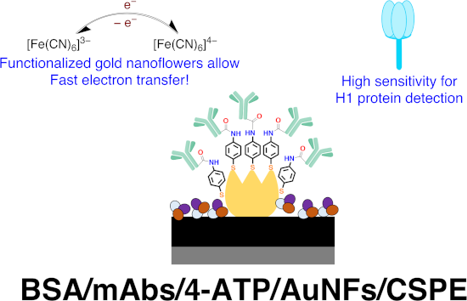
- , the existence of this effect in a material appears to depend on the size of the superficial nanostructures. A similar effect has been reported for 4-ATP-functionalized multilayered nanostructures of Ag, Au, and Pt with a size range between 48 and 130 nm [36][37] as well as for 4-ATP-functionalized


Effect of additives on the synthesis efficiency of nanoparticles by laser-induced reduction
Beilstein J. Nanotechnol. 2025, 16, 464–472, doi:10.3762/bjnano.16.35
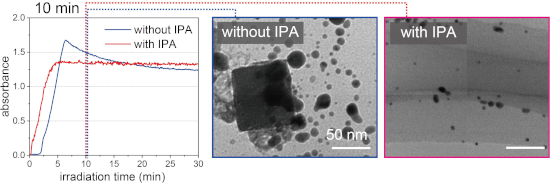
- Au–Pt alloy (atomic ratio, Au/Pt = 1:1) that has an immiscible gap in the binary phase diagram and is difficult to form a solid–solution alloy in a bulk form. Figure 6 shows a a) TEM image and b) STEM-EDS mappings of the particles produced after laser irradiation. The TEM results (Figure 6a
- ) confirmed the formation of nanoparticles with a diameter of less than 20 nm. The STEM-EDS mappings (Figure 6b) clearly showed that Au and Pt were uniformly present within each particle, and the atomic ratio was Au/Pt = 1:1, which was consistent with the mixing ratio of the precursor ions. Namely, it was
- spectrum after 30 min of laser irradiation in aqueous solutions of tetra chloroauric acid with various concentrations. a) Without glycerin, b) with glycerin. a) A TEM image, b) a high-angle annular dark-field (HAADF) image and STEM-EDS mappings of Au–Pt alloy nanoparticles (atomic ratio Au/Pt = 1:1


Quantification of lead through rod-shaped silver-doped zinc oxide nanoparticles using an electrochemical approach
Beilstein J. Nanotechnol. 2025, 16, 422–434, doi:10.3762/bjnano.16.33
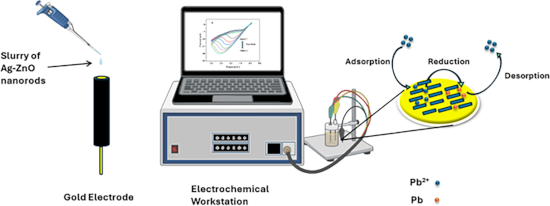
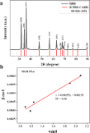
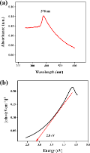
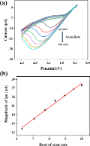
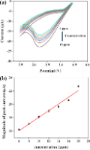
- voltammetry. This evaluation involved the usage of a three-electrode system and a gold electrode modified with Ag–ZnO nanorods. The modified electrode was used as a working electrode in the three-electrode system, while the reference electrode was made of Ag/AgCl (sat. KCl), and the Pt electrode was used as a





Size control of nanoparticles synthesized by pulsed laser ablation in liquids using donut-shaped beams
Beilstein J. Nanotechnol. 2025, 16, 407–417, doi:10.3762/bjnano.16.31
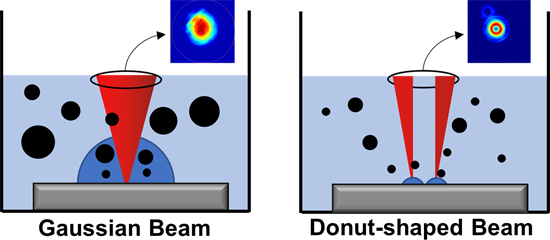
- most elegant, surfactant-free size quenching method by micromolar anion addition only works for soft Lewis-acid nanoparticle materials, in particular, Au, Pt, and Pd, as the process is driven by anion adsorption Hofmeister effects, but not for oxide or multi-base metal materials such as the Cantor


ReactorAFM/STM – dynamic reactions on surfaces at elevated temperature and atmospheric pressure
Beilstein J. Nanotechnol. 2025, 16, 397–406, doi:10.3762/bjnano.16.30
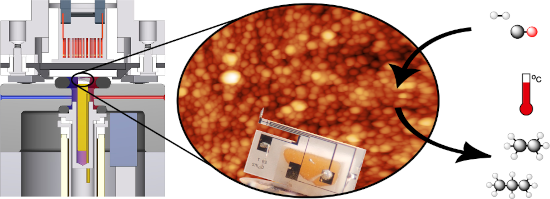
- serves as a protection against the high-pressure gases, as well as a shield from high piezovoltages. The scanner range can go up to 3.6 μm × 3.6 μm and does not have a coarse range in the x and y directions. Tip preparation Tips are fabricated by electrochemical etching of a 25 μm Pt/Ir wire immersed in
- a CaCl2 electrolytic solution (CaCl2 5 g, H2O 30 mL, acetone 2 mL). An alternating current (AC) voltage (50 Hz, 1–10 V) is applied between the tip and a gold ring electrode with the etching solution in suspension resulting in a sharp tip, which serves as the probe. In a second step, the etched Pt/Ir
- tip displacement and vibration modes that might occur for tip heights longer than 400 μm [22]. A Pt/Ir tip is chosen such that it does not oxidize in reaction conditions. Electronics and data acquisition The tunneling current is collected using a preamplifier (DLPCA-200 preamp, Femto Messtechnik GmbH


Pulsed laser in liquid grafting of gold nanoparticle–carbon support composites
Beilstein J. Nanotechnol. 2025, 16, 349–361, doi:10.3762/bjnano.16.26
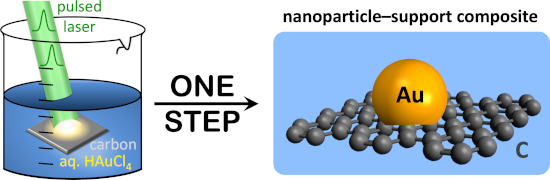
- electrode was a Pt foil (Aldrich, 0.025 mm thick, 99.9%), and an Ag/AgCl (BaSi) reference electrode, calibrated against a reversible hydrogen electrode (Gaskatel HydroFlex®), was used. Produced gas was detected by an in-line gas chromatograph (GC, SRI, Multi-Gas #5 configuration) connected to the 2 mL


Comparison of organic and inorganic hole transport layers in double perovskite material-based solar cell
Beilstein J. Nanotechnol. 2025, 16, 119–127, doi:10.3762/bjnano.16.11
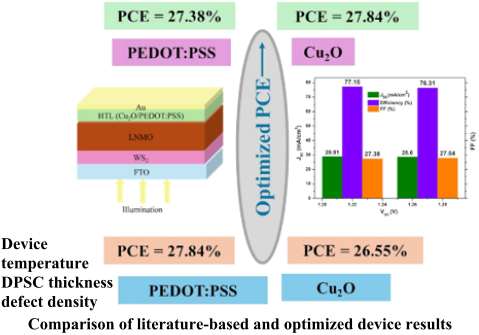
- Karapinar [2] fabricated a dye-sensitized solar cell (DSSC) with selenium@activated carbon (Se@AC) composites as an alternative to the Pt counter electrode (CE) via chemical activation. The fabricated DSSC showed a power conversion efficiency (PCE) of 5.67%, an open-circuit voltage (VOC) of 0.648 V, a short
- -circuit current density (JSC) of 13.26 mA/cm2, and a fill factor (FF) of 66%. The PCE is close to that of the Pt-based counter electrode (PCE = 6.86%). Akman [3] used hydrothermal methods to synthesize the photoanodes with different doping sources to further improve the stability of DSSCs. For 1.0 mol


Precursor sticking coefficient determination from indented deposits fabricated by electron beam induced deposition
Beilstein J. Nanotechnol. 2025, 16, 35–43, doi:10.3762/bjnano.16.4

- itself once the first closed layer is formed. In another series of surface-science-oriented works, the sticking coefficient has been studied for small organic molecules, such as allyl methyl ether on Si(100) [17], trimethylamine on Si(001) [18], tetrahydrofuran on Si(001) [19], and benzene on Pt(111) [20
- temperature. The AFM scans in Figure 5 clearly indicate a flat-top deposit from which a growth rate of 1.75 nm/s can be deduced. In contradistinction to the volcano-shaped deposits observed for the Cr-precursor, with the Pt-precursor no elevated rim region develops, the reasons for which are discussed next
- precursor, deposits using Me3CpPtMe did not show any indent even at the highest currents available for our instrument, which suggests that the diffusion coefficient and residence time for the Cr(C6H6)2 precursor are noticeably larger than the ones for Me3CpPtMe. The larger growth rate of the Pt-precursor is


Ion-induced surface reactions and deposition from Pt(CO)2Cl2 and Pt(CO)2Br2
Beilstein J. Nanotechnol. 2024, 15, 1427–1439, doi:10.3762/bjnano.15.115

- 10.3762/bjnano.15.115 Abstract Ion beam-induced deposition (IBID) using Pt(CO)2Cl2 and Pt(CO)2Br2 as precursors has been studied with ultrahigh-vacuum (UHV) surface science techniques to provide insights into the elementary reaction steps involved in deposition, complemented by analysis of deposits formed
- under steady-state conditions. X-ray photoelectron spectroscopy (XPS) and mass spectrometry data from monolayer thick films of Pt(CO)2Cl2 and Pt(CO)2Br2 exposed to 3 keV Ar+, He+, and H2+ ions indicate that deposition is initiated by the desorption of both CO ligands, a process ascribed to momentum
- transfer from the incident ion to adsorbed precursor molecules. This precursor decomposition step is accompanied by a decrease in the oxidation state of the Pt(II) atoms and, in IBID, represents the elementary reaction step that converts the molecular precursor into an involatile PtX2 species. Upon further



New design of operational MEMS bridges for measurements of properties of FEBID-based nanostructures
Beilstein J. Nanotechnol. 2024, 15, 1273–1282, doi:10.3762/bjnano.15.103
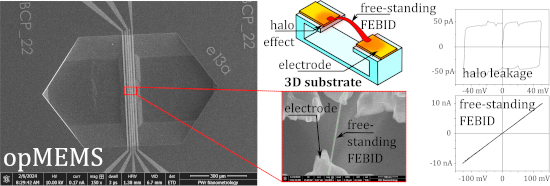
- mismatch in the thermal expansion coefficients of the opMEMS materials (Pt: 8.9 µm/mK, Si3N4: 3.3 μm/mK) [37]. Joule heat is dissipated in the actuation lines (Figure 2b,c), which then causes transverse bending of the whole opMEMS bridge. The opMEMS bridges are also susceptible to electromagnetic actuation
- (GIS) for the supply of precursors required in the FEBID processes. In the experiments carried out, trimethyl(methylcyclopentadienyl)platinum(IV) (MeCpPtMe3) was used to deposit the Pt(C) material. Microfabrication of nanostructures and modification of opMEMS, both mechanically and electrically, is


Photocatalytic methane oxidation over a TiO2/SiNWs p–n junction catalyst at room temperature
Beilstein J. Nanotechnol. 2024, 15, 1132–1141, doi:10.3762/bjnano.15.92
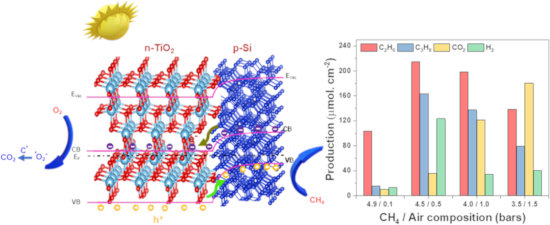
- photocatalytic efficiency. For years, doping of metal nanoparticles (NPs) into a semiconductor matrix has been extensively studied to enhance photocatalytic CH4 oxidation performance. Metal NPs in, for example, Au/TiO2, Au@Pd/ZnO, and Pt@Cu/TiO2 composites act as electron scavenger centers and own more free





