Search results
Search for "adherence" in Full Text gives 45 result(s) in Beilstein Journal of Nanotechnology.
Liquid-crystalline nanoarchitectures for tissue engineering
Beilstein J. Nanotechnol. 2018, 9, 205–215, doi:10.3762/bjnano.9.22
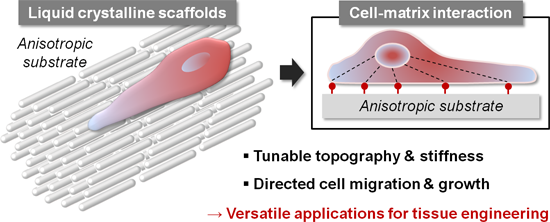
- response to external stimuli, LCEs have been used as biologically relevant soft actuators, often being considered as artificial muscles [96], as first proposed by de Gennes [97]. However, LCEs exhibit a hydrophobic nature and lack cell adherence sites. Thus, in order to be applied for tissue engineering
- domains have been fabricated by Stupp and co-workers, based on the self-assembly of cholesteryl oligo(L-lactic acid) [109]. In this system, the incorporation of the cholesteryl moiety and the short lactic acid chain enables cell membrane adherence and biodegradability, respectively. Thus, the layer-by


Surfactant-induced enhancement of droplet adhesion in superhydrophobic soybean (Glycine max L.) leaves
Beilstein J. Nanotechnol. 2017, 8, 2345–2356, doi:10.3762/bjnano.8.234
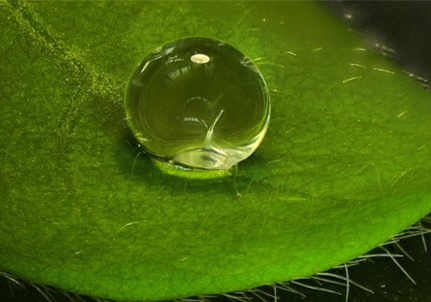
- epicuticular wax showed that 1-triacontanol (C30H61OH) is the main wax component of the soybean leaf surfaces. A water contact angle (CA) of 162.4° (σ = 3.6°) and tilting angle (TA) of 20.9° (σ = 10.0°) were found. Adherence of pure water droplets on the superhydrophobic leaves is supported by the hydrophilic
- of wax platelets composed of n-hexatriacontane [43]. Smaller sizes of wax crystals reduce the surface roughness and the contact angle and also increase the adherence of the droplets to the surfaces, as indicated by the hysteresis or given tilt angles [42][43]. Surfactants with a high HLB value (XP ED


Parylene C as a versatile dielectric material for organic field-effect transistors
Beilstein J. Nanotechnol. 2017, 8, 1532–1545, doi:10.3762/bjnano.8.155
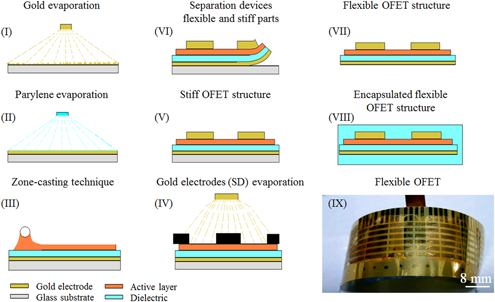
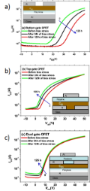
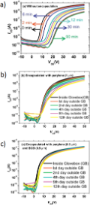
- adhesion of this polymer to different substrates. According to the literature Parylene C exhibits a satisfactory adherence to gold, platinum and silicon nitride [61], which is, however, in contradiction to older reports [62][63]. Its adherence to polyimide, on the other hand, is found to be very low [61




Low uptake of silica nanoparticles in Caco-2 intestinal epithelial barriers
Beilstein J. Nanotechnol. 2017, 8, 1396–1406, doi:10.3762/bjnano.8.141
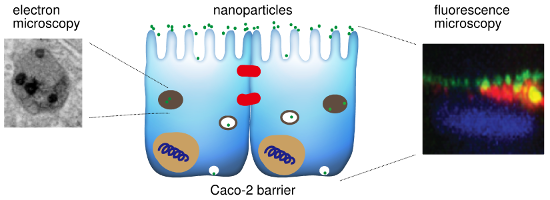
- polarisation. Additionally, though it is known that biomolecules adsorbed to nanoparticles affect their cell adherence [35], uptake [26][35] and translocation [34], we wish to clarify their role in the full process, from adherence to translocation, in both undifferentiated and mature Caco-2 barriers. To this



Optical response of heterogeneous polymer layers containing silver nanostructures
Beilstein J. Nanotechnol. 2017, 8, 1065–1072, doi:10.3762/bjnano.8.108
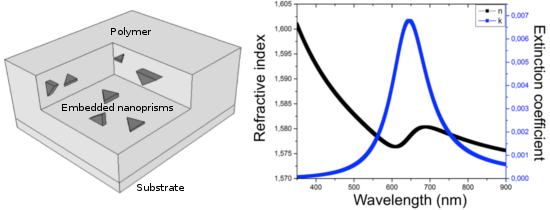
- the adherence of the NPs to the substrate [28]. Attempts to deposit the nanoparticles directly on the substrates did not succeed as the optical properties of the measured substrates did not show any nanoparticle optical signature. PVP is commonly used to stabilize silver NPs [29][30]. PVP is also a


Viability and proliferation of endothelial cells upon exposure to GaN nanoparticles
Beilstein J. Nanotechnol. 2016, 7, 1330–1337, doi:10.3762/bjnano.7.124
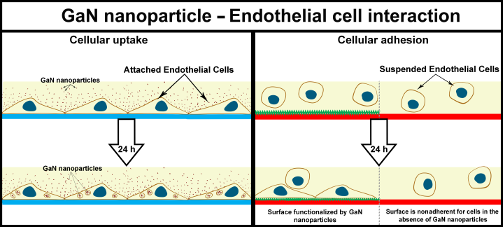
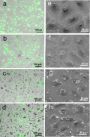
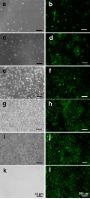
- . Secondly, the adherence and growth of porcine aortic endothelial cells was examined on GaN-functionalized glass coverslips. The glass coverslips were coated with silicone alone (negative control for cellular adherence, Figure 4a,b) or silicone plus GaN nanoparticles (Figure 4c–h). Figure 4b shows minimal
- adherence of endothelial cells to nonfunctionalized silicone. GaN nanoparticles of increasing concentration were coated on silicone and microscopically visualized (Figure 4c,e,g,i). Endothelial cell adherence was assessed on coverslips functionalized with different concentrations of GaN nanoparticles
- biocompatible material to which cells cannot efficiently attach. We observed minimal adherence of endothelial cells to clean silicone surfaces after three days of incubation, while an increasing number of attached cells were observed on surfaces functionalized by nanoparticles. The number of attached cells



Improved biocompatibility and efficient labeling of neural stem cells with poly(L-lysine)-coated maghemite nanoparticles
Beilstein J. Nanotechnol. 2016, 7, 926–936, doi:10.3762/bjnano.7.84
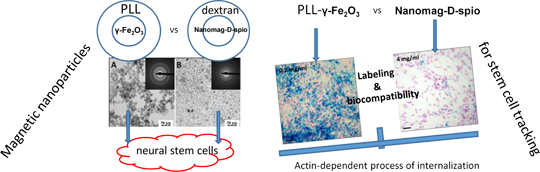
- was used. The quantification of cell labeling by cytometry was considered superior to Prussian blue image quantification due to the possible adherence of stain both to the cells and to the coated dish surface. By using flow cytometry and measuring the increase of the side scattered light (SSC) of the




Surface coating affects behavior of metallic nanoparticles in a biological environment
Beilstein J. Nanotechnol. 2016, 7, 246–262, doi:10.3762/bjnano.7.23
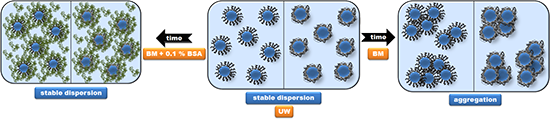
- silver and superparamagnetic iron oxide NPs [46] in different biological environments was investigated in adherence to the experimental scheme presented in Figure 1. Characteristics of prepared AgNPs and SPIONs As the first step, the physicochemical properties of freshly synthesized NPs were carefully




Sonochemical co-deposition of antibacterial nanoparticles and dyes on textiles
Beilstein J. Nanotechnol. 2016, 7, 1–8, doi:10.3762/bjnano.7.1
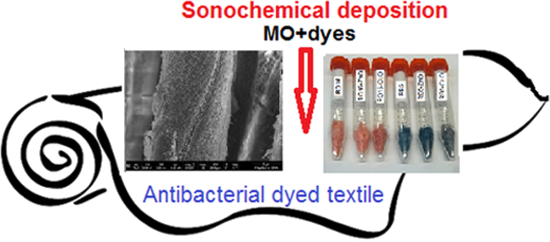
- coating technique guarantees a very good adherence of the deposited NPs to the substrate resulting from the high speed (>500 m/s) at which the NPs are thrown at the substrate by microjets created after the collapse of the acoustic bubbles near a solid surface [8]. The excellent adherence is reflected in
- subjected to HRTEM measurements. The results did not reveal the presence of NPs on the grid, indicating that nanoparticles are not released from the coated surface, confirming their strong adherence onto the surface. A total loss in the range of 2.5–12.2% of the metal oxides was found. This loss is due to




Nanostructured surfaces by supramolecular self-assembly of linear oligosilsesquioxanes with biocompatible side groups
Beilstein J. Nanotechnol. 2015, 6, 2377–2387, doi:10.3762/bjnano.6.244
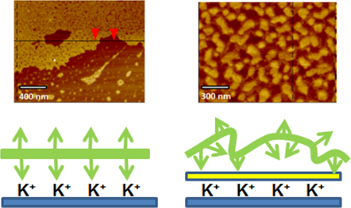
- the amide unit with K+ on the surface of mica. AFM was used to analyse the structure of coated samples (Figure 4). We found that the priming compounds evenly cover the surface. The adherence of the used molecules to mica is very high. Dewetting of the adsorbed materials was not observed and the upper
- adherence is good. The morphology of the samples prepared on muscovite mica treated with citric acid (mica-CA, Figure 5) is governed by the presence of the residual carboxyl groups. The homopolymer P1 (LPSQ-COOH) can form very smooth assemblies on native mica but on mica-CA it tends to coil into fine




Atomic force microscopy as analytical tool to study physico-mechanical properties of intestinal cells
Beilstein J. Nanotechnol. 2015, 6, 1457–1466, doi:10.3762/bjnano.6.151
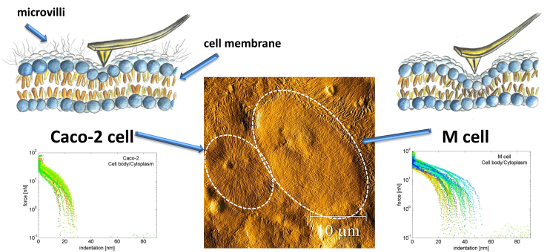
- , differing in lengths as well as diameters. This suggests that the absence of a well-developed brush border in M cells may facilitate the adherence of antigens on the cell surface and, as a consequence, cellular uptake processes [2]. By contrast, the large surface area of intestinal microvilli is more
- properties of cells can be directly linked to cell adhesion, adhesion to the smooth and more elastic surface of M cells is enhanced, thus, facilitating the adherence of antigens and, as a consequence, cellular uptake processes. Experimental Cell cultures Raji B cells were a kind gift from R. Fuchs (Medical


Characterization of nanostructured ZnO thin films deposited through vacuum evaporation
Beilstein J. Nanotechnol. 2015, 6, 971–975, doi:10.3762/bjnano.6.100
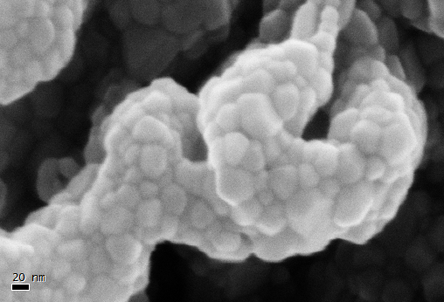
- 1000 °C for 1 h in air), in order to observe the evolution in the formation of these 2D nanostructures. Thin films were deposited using the vacuum metal evaporation system Jeol model JEE-420. The annealing process was done in a conventional oven to reorganize the crystallites and increase the adherence
- of particles that do not have an ordering, and thus the grain boundaries from each nanoparticle are not activated. Therefore, the adherence to the substrate is poor, which is also seen in the transmittance results. Varying the duration for which the films are annealed results in a perceptible


Hematopoietic and mesenchymal stem cells: polymeric nanoparticle uptake and lineage differentiation
Beilstein J. Nanotechnol. 2015, 6, 383–395, doi:10.3762/bjnano.6.38
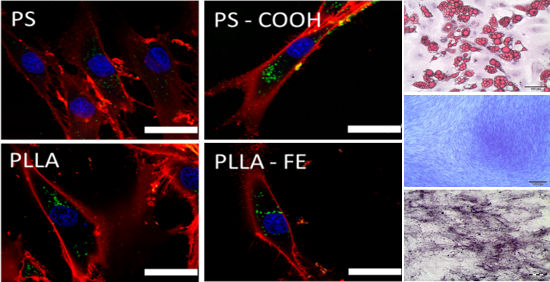
- (Fluka, Buchs, Switzerland) in a humidified incubator with 5% CO2 at 37 °C. For particle uptake and cell viability experiments, cells were seeded at a density of 10,000 cells/cm2 in 6-well plates (Greiner Bio, Frickenhausen, Germany). After adherence, the cells were incubated with 300 µg/mL nanoparticles


Increasing throughput of AFM-based single cell adhesion measurements through multisubstrate surfaces
Beilstein J. Nanotechnol. 2015, 6, 157–166, doi:10.3762/bjnano.6.15
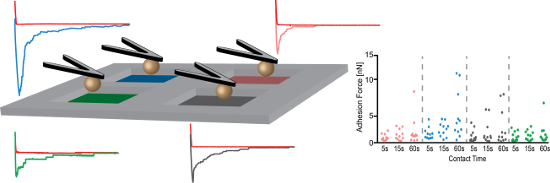
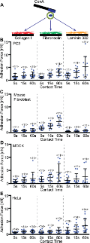
- adherence to various ECM proteins, necessitating the investigation of the adhesive properties of the cells. Atomic force microscopy (AFM)-based single-cell force spectroscopy (SCFS) provides a versatile tool to quantify the adhesion of single cells in near-physiological conditions [14][15][16]. In AFM-based


Mammalian cell growth on gold nanoparticle-decorated substrates is influenced by the nanoparticle coating
Beilstein J. Nanotechnol. 2014, 5, 2479–2488, doi:10.3762/bjnano.5.257
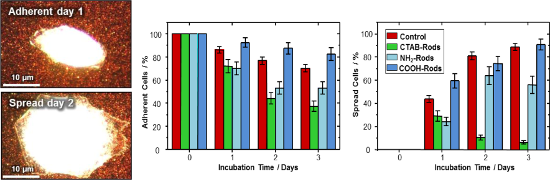
- spreading area at day two. This example is chosen as a representative of the average behavior in increase of the surface coverage with individual cells showing a smaller or even larger expansion compared to the presented cell. Adherence The adherence of cells was indicated by the amount of adherent cells
- reduction in adherence by 30% as compared to the untreated control results from the cell growth on the NH2–PEG nanorod-decorated substrate, whereas immobilization of COOH–PEG nanorods does not have an influence. Proliferation The increase in the spreading area of an adherent cell is interpreted as a sign of
- times) [30]. As only the CTAB nanorods display a significant impact on cell adherence and proliferation, we focus on these particles in the micromotion assay. In the assay, CTAB nanorods with mean particle densities from 65 to 2,000 particles/µm² were immobilized on the substrate and a baseline signal


Coating with luminal gut-constituents alters adherence of nanoparticles to intestinal epithelial cells
Beilstein J. Nanotechnol. 2014, 5, 2308–2315, doi:10.3762/bjnano.5.239
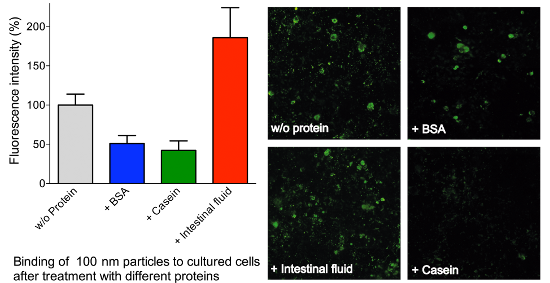
- gut-constituents on the adherence of nanoparticles to intestinal epithelial cells. Carboxylated polystyrene particles 20, 100 and 200 nm in size represented our anthropogenic NPs, and differentiated Caco-2 cells served as model for mature enterocytes of the small intestine. Pretreatment with the
- proteins BSA and casein consistently reduced the adherence of all NPs to the cultured enterocytes, while incubation of NPs with meat extract had no obvious effect on particle adherence. In contrast, contact with intestinal fluid appeared to increase the particle-cell interaction of 20 and 100 nm NPs
- . Conclusion: Luminal gut-constituents may both attenuate and augment the adherence of NPs to cell surfaces. These effects appear to be dependent on the particle size as well as on the type of interacting protein. While some proteins will rather passivate particles towards cell attachment, possibly by



Antimicrobial nanospheres thin coatings prepared by advanced pulsed laser technique
Beilstein J. Nanotechnol. 2014, 5, 872–880, doi:10.3762/bjnano.5.99
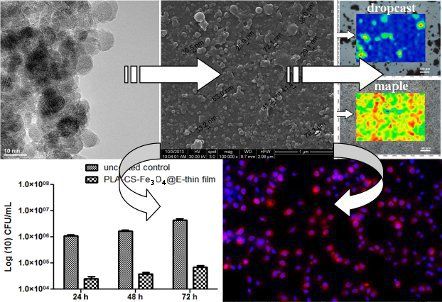
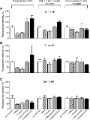
- -CS-Fe3O4@EUG nanospheres diameter sizes range between 20 and 80 nm. These MAPLE-deposited coatings acted as bioactive nanosystems and exhibited a great antimicrobial effect by impairing the adherence and biofilm formation of Staphylococcus aureus (S. aureus) and Pseudomonas aeruginosa (P. aeruginosa




Hole-mask colloidal nanolithography combined with tilted-angle-rotation evaporation: A versatile method for fabrication of low-cost and large-area complex plasmonic nanostructures and metamaterials
Beilstein J. Nanotechnol. 2014, 5, 577–586, doi:10.3762/bjnano.5.68
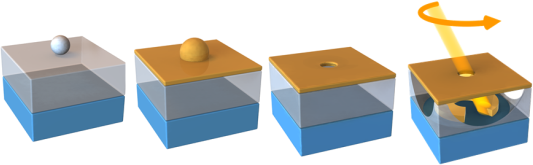
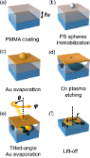
- hydrophobicity of the PMMA layer. Before drop coating of the polystyrene (PS) spheres, which have negative electric surface charges, we should bring at first a net positive charge to the polymer layer for a better adherence and arrangement. Here we use a poly(diallyldimethylammonium chloride) (PDDA) solution


Exploring the retention properties of CaF2 nanoparticles as possible additives for dental care application with tapping-mode atomic force microscope in liquid
Beilstein J. Nanotechnol. 2014, 5, 36–43, doi:10.3762/bjnano.5.4
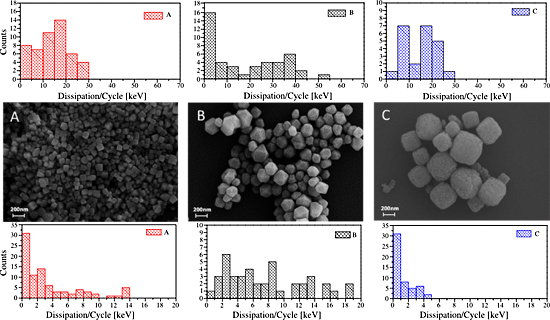
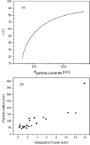
- nanoparticles are candidates for additives in dental care products as they could serve as fluorine-releasing containers preventing caries during a cariogenic acid attack on the teeth. We show that the adherence of the nanoparticles is increased on the enamel substrate compared to mica, independently of the


Forming nanoparticles of water-soluble ionic molecules and embedding them into polymer and glass substrates
Beilstein J. Nanotechnol. 2012, 3, 267–276, doi:10.3762/bjnano.3.30
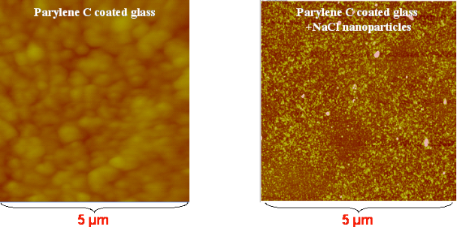
- toward the substrate at such a high speed (>500 m/s) that it leads to the strong adherence of the NPs to the surface without the need for any binding agents [11][12]. In the present work we report for the first time on a novel general method for the preparation of water-soluble NPs of ionic salts. The