


Search results
Search for "adhesion" in Full Text gives 472 result(s) in Beilstein Journal of Nanotechnology. Showing first 200.
The cement of the tube-dwelling polychaete Sabellaria alveolata: a complex composite adhesive material
Beilstein J. Nanotechnol. 2025, 16, 1998–2014, doi:10.3762/bjnano.16.138
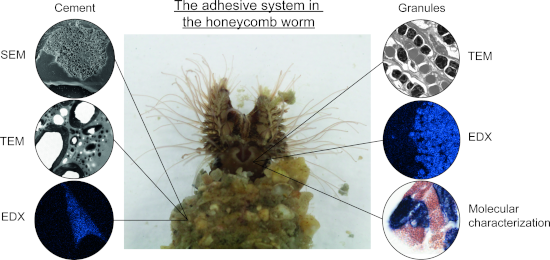
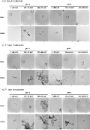
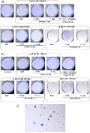
- underwater adhesive materials for various applications, particularly in the industrial and biomedical fields [3][4]. Polychaetes of the family Sabellariidae are one of the model organisms that have been studied extensively for their adhesion and have fascinated researchers since the 18th century [5]. Two
- occurrence of protein phosphorylation in biological adhesion has been reported in various organisms such as sandcastle worms, sea cucumbers, and mussels, and proposed to be an important component for their adhesion [19][44]. For example, mfp-5, an adhesive protein found in the mussel foot, has been shown to
- acids in adhesion, the enzymes involved in phosphorylation are not fully understood. In a previous study, researchers attempted to identify and locate a serine kinase responsible for phosphorylating the serine residues of the Pc-3 adhesive proteins in P. californica, but the sequence could not be found



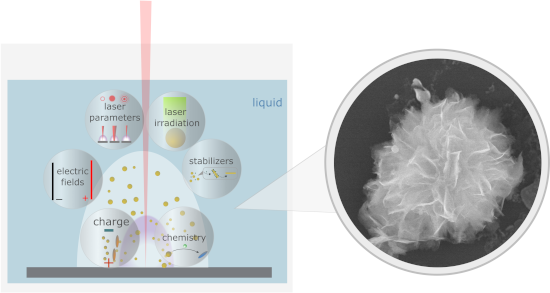
Laser ablation in liquids for shape-tailored synthesis of nanomaterials: status and challenges
Beilstein J. Nanotechnol. 2025, 16, 1963–1997, doi:10.3762/bjnano.16.137
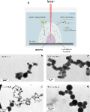
- nanostructures for both wavelengths used. Therefore, the authors attribute the formation of sheet-shaped particles to the adhesion of the spherical NPs. The increase of the laser pulse energy favoured the formation of spherical particles and hindered the growth of sheet-shaped structures, which the authors
- explained by the decrease of the adhesion of NPs. The variation of the NP shape can be more significant in organic liquids. For example, Singh et al. [33] produced drop-shaped ZnO quantum dots by laser ablation of Zn in methanol, which were prone to spontaneous self-assembly after the end of the synthesis




Mechanical property measurements enabled by short-term Fourier-transform of atomic force microscopy thermal deflection analysis
Beilstein J. Nanotechnol. 2025, 16, 1952–1962, doi:10.3762/bjnano.16.136
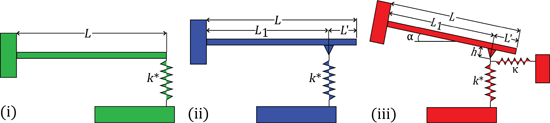
- of adhesion, which can be calculated from the pull-off force in experiments. We calculated the Tabor parameter, μT, and the transition parameter, λ, for each material pair, which are given in Table 2. Rather than fitting data with Tabor parameters smaller than 0.1 with the DMT model and greater than




Evaluating metal-organic precursors for focused ion beam-induced deposition through solid-layer decomposition analysis
Beilstein J. Nanotechnol. 2025, 16, 1942–1951, doi:10.3762/bjnano.16.135
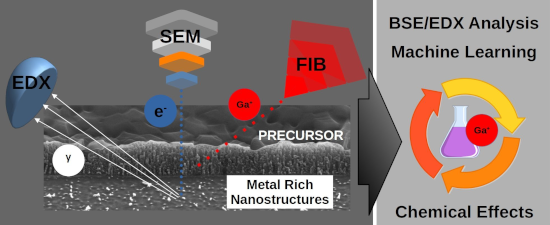
- significant beam-induced substrate defects (e.g., Ga atom implantation). Additionally, material growth is required to compete with the FIB milling process [4][9]. The use of ions instead of electrons, like in FEBID, offers several benefits, including enhanced film quality and adhesion, better control over the


Self-assembly and adhesive properties of Pollicipes pollicipes barnacle cement protein cp19k: influence of pH and ionic strength
Beilstein J. Nanotechnol. 2025, 16, 1863–1872, doi:10.3762/bjnano.16.129
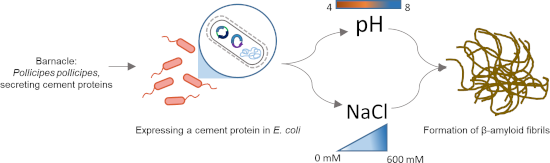
- under low pH/low salt concentration conditions, while pre-formed fibrils retained their adhesion ability upon switching to a high pH/high salt concentration environment, which was designed to mimic the change in the protein environment upon secretion in vivo. These findings support the hypothesis that
- fibril formation occurs in the acidic, iso-osmotic gland of the barnacle, with delayed cement curing enabling fibril secretion for sustained adhesion of the organism. The study provides insight into the environmental sensitivity of cp19k structure–function dynamics and may support the design of
- , ship hulls, and even other organisms [1]. These bioadhesives function under challenging aquatic conditions, including high and fluctuating salinity, and constant turbulence. Unlocking the molecular mechanisms behind their ability to achieve robust, long-term adhesion under wet and dynamic conditions


Exploring the potential of polymers: advancements in oral nanocarrier technology
Beilstein J. Nanotechnol. 2025, 16, 1751–1793, doi:10.3762/bjnano.16.122
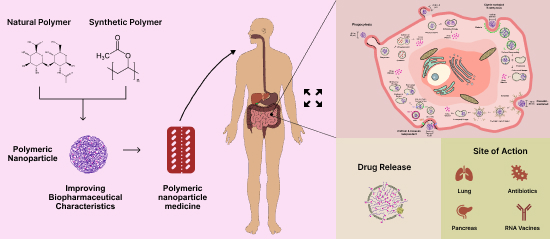
- macromolecules composed of repeating monomers linked by covalent bonds [90]. These materials are highly attractive as vehicles for oral drug delivery systems due to their strong mucosal adhesion properties and their ability to enhance paracellular transport of drug molecules. Additionally, they are easy to


Advances of aptamers in esophageal cancer diagnosis, treatment and drug delivery
Beilstein J. Nanotechnol. 2025, 16, 1734–1750, doi:10.3762/bjnano.16.121
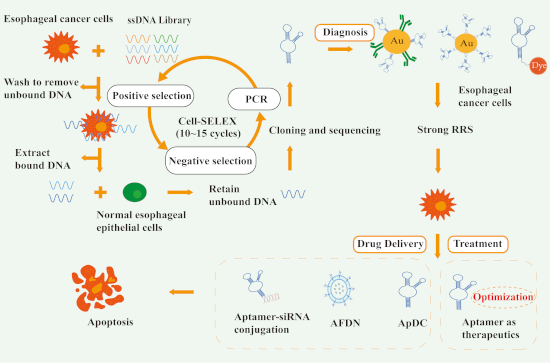
- domains, including RGD [94], and participates in cell adhesion, migration, proliferation, and signal transduction [95]. Five subtypes of OPN are co-upregulated in primary EAC, among which OPNc expression was relatively low, inducing cell separation via an integrin-independent binding mode, probably due to


Multifunctional anionic nanoemulsion with linseed oil and lecithin: a preliminary approach for dry eye disease
Beilstein J. Nanotechnol. 2025, 16, 1711–1733, doi:10.3762/bjnano.16.120
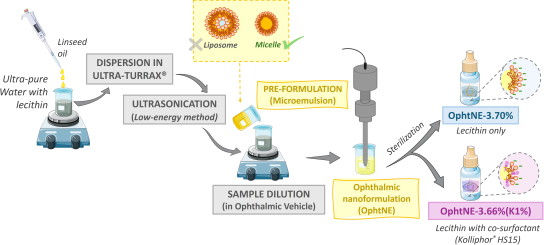
- metalloproteinase-9, intercellular adhesion molecule 1, and tumor necrosis factor [34][35][36]. Downie et al. reported strong clinical evidence supporting the efficacy of nanolipid carrier eye drops infused with omega–3 fatty acids in stabilizing the tear film in patients with meibomian gland dysfunction [31]. In



Nanotechnology-based approaches for the removal of microplastics from wastewater: a comprehensive review
Beilstein J. Nanotechnol. 2025, 16, 1607–1632, doi:10.3762/bjnano.16.114
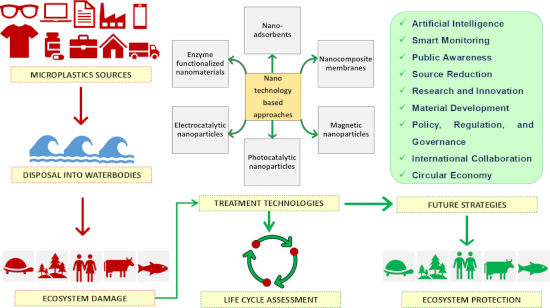
- contact angle decreasing from 84.6° ± 1° to 64.2° ± 1.2°), work of adhesion, wetting energy, porosity, and pore dimensions. Among various loadings, the membrane with 0.5 wt % MIL-100 (Fe) (M0.5) showed the best overall performance. It delivered a pure water flux over ten times higher than M0 and achieved


Bioinspired polypropylene-based functionally graded materials and metamaterials modeling the mistletoe–host interface
Beilstein J. Nanotechnol. 2025, 16, 1592–1606, doi:10.3762/bjnano.16.113
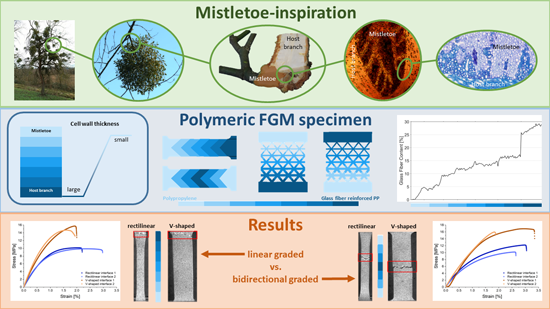
- demonstrated the potential for creating functionally graded structures using multimaterial 3D printing [18][19][20]. However, these methods mainly focus on structural gradients [21] and face significant challenges in part integrity due to the layer-by-layer fabrication process, which results in poor adhesion


Laser processing in liquids: insights into nanocolloid generation and thin film integration for energy, photonic, and sensing applications
Beilstein J. Nanotechnol. 2025, 16, 1428–1498, doi:10.3762/bjnano.16.104
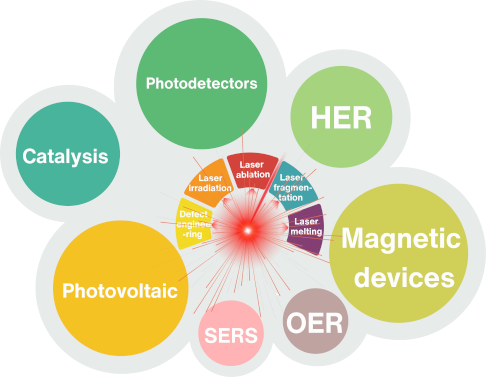
- deposited by doctor blade exhibit higher porosity and distinct clustering compared to those made by laser ablation. This increased porosity in the doctor blade films is likely responsible for the better dye absorption observed. However, a disadvantage of the doctor blade method is the poor adhesion of the
- substrates kept on a temperature-controlled hotplate. The resulting films were stable and uniform with good adhesion to the substrates. The average thickness of films by spraying one liter of nanocolloid was around 1 mm as evaluated by SEM and profilometry. The morphology of as-deposited and annealed SnS


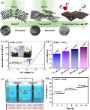


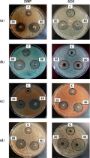


Synthesis and antibacterial properties of nanosilver-modified cellulose triacetate membranes for seawater desalination
Beilstein J. Nanotechnol. 2025, 16, 1380–1391, doi:10.3762/bjnano.16.100
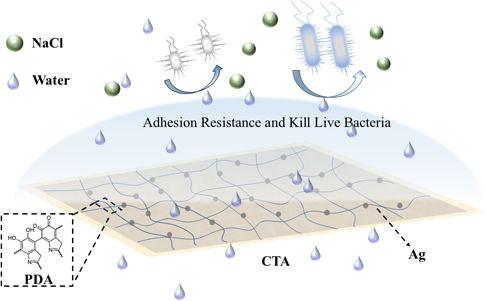
- the Ag@PCTA membrane illustrate a well-defined PDA layer that maintains its uniformity and adhesion to the underlying CTA substrate (Figure 4f). Notably, Ag nanoparticles are not discernible in the cross-sectional view, indicating their confinement within the PDA layer. The underlying CTA layer


Enhancing the therapeutical potential of metalloantibiotics using nano-based delivery systems
Beilstein J. Nanotechnol. 2025, 16, 1350–1366, doi:10.3762/bjnano.16.98
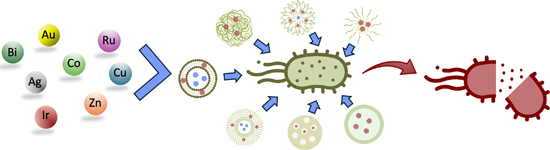
- activity was attributed to the synergistic effect of the bismuth complex and tobramycin, as well as the ability of liposomes to facilitate intracellular delivery. Furthermore, LipoBiEDT-TOB effectively inhibited bacterial adhesion of B. cenocepacia to lung cells, supporting its potential to interfere with


Hydrogels and nanogels: effectiveness in dermal applications
Beilstein J. Nanotechnol. 2025, 16, 1216–1233, doi:10.3762/bjnano.16.90
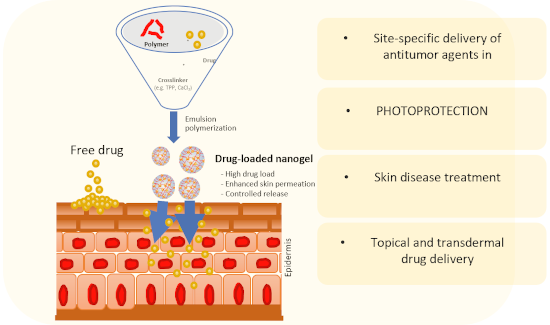
- . (2017), the authors developed an innovative hydrogel that can be directly injected into the injured skin. The benefits associated with wound healing stand out: self-regeneration potential, antibacterial activity, neutralization of free radicals, high adhesion to the skin, and biocompatibility. These


Mechanical stability of individual bacterial cells under different osmotic pressure conditions: a nanoindentation study of Pseudomonas aeruginosa
Beilstein J. Nanotechnol. 2025, 16, 1171–1183, doi:10.3762/bjnano.16.86
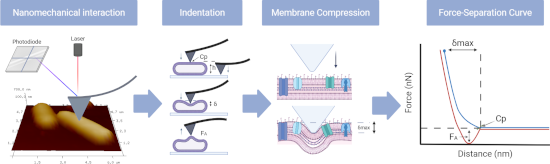
- . Therefore, the pre-programed grid in FV defines the amount of information (number of nanoindentations per scanned line) taken from the sample surface and also its resolution. Typical parameters obtained using the FV mode are the height, stiffness, adhesion, elasticity modulus, and dissipation of the sample
- conditions. Of particular interest was the extraction and comparison of nanomechanical maps obtained in the low range of loading forces to quantify its morphology, membrane stiffness, Young’s modulus of elasticity and adhesion when PA was tested in hypotonic (Milli-Q water), isotonic (0.1 M phosphate
- bacterial adhesion through short-range electrostatic and hydrophobic interactions. Before deposition on the PLL-coated substrate, the bacterial suspension was centrifuged at 2500 rpm for 3 min, and the resulting supernatant was removed. The bacteria were then resuspended in 150 μL of PBS to increase their


Influence of ion beam current on the structural, optical, and mechanical properties of TiO2 coatings: ion beam-assisted vs conventional electron beam evaporation
Beilstein J. Nanotechnol. 2025, 16, 1097–1112, doi:10.3762/bjnano.16.81
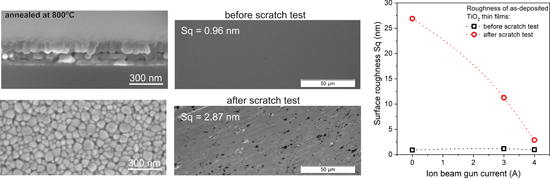
- adhesion to substrates and a densely packed structure. Also, the deposition rate is low, which affects the high residual stress of the coating [7]. In order to improve the properties of vapor-deposited coatings, it is necessary to increase the total energy of the particles reaching the substrates. In
- migration. This can result in much better adhesion of the films to the substrate [11]. In addition, the advantage of using additional ion beam assistance in the EBE processes is an increased packing density of the coatings, making them more resistant to moisture [8][12]. Moreover, the IBAD technique has
- substrates during deposition. In fact, this contributes to the increased density of the thin films. This increases the resistance to material removal and improves adhesion, which prevents delamination during abrasion. Moreover, the increased energy of ions during deposition led to the formation of a finer




Single-layer graphene oxide film grown on α-Al2O3(0001) for use as an adsorbent
Beilstein J. Nanotechnol. 2025, 16, 1082–1087, doi:10.3762/bjnano.16.79
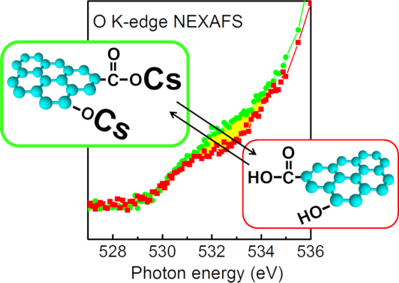
- zeolites. Consequently, SLGO was demonstrated to be a promising adsorbent. As SLGO grown on α-Al2O3(0001) exhibits stable adhesion to the substrate and possess a large surface area, we are interested in exploring a broad spectrum of potential applications. These applications may include sensing materials


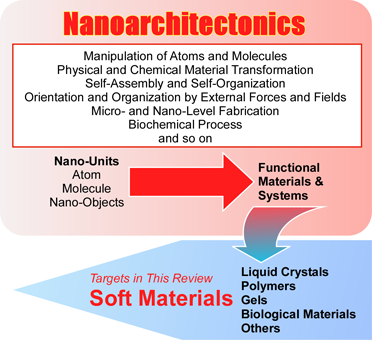
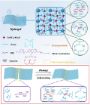
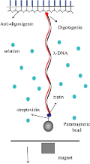
Soft materials nanoarchitectonics: liquid crystals, polymers, gels, biomaterials, and others
Beilstein J. Nanotechnol. 2025, 16, 1025–1067, doi:10.3762/bjnano.16.77






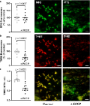
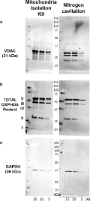
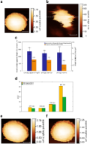
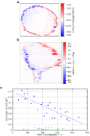
Shape, membrane morphology, and morphodynamic response of metabolically active human mitochondria revealed by scanning ion conductance microscopy
Beilstein J. Nanotechnol. 2025, 16, 951–967, doi:10.3762/bjnano.16.73
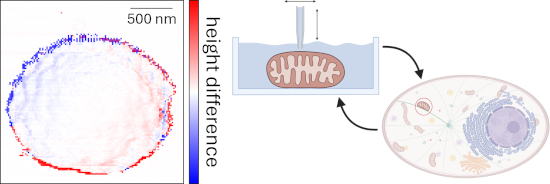
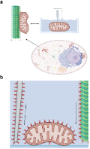
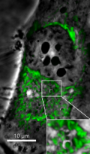
- spherical sample geometry and insufficient immobilisation. While cells adhere to suitable substrates, often facilitated by membrane proteins that increase the contact area, mitochondria lack this ability. SICM studies of cells typically do not show displacement caused by the nanopipette, as their adhesion
- field originating from the ζ-potential acting as the mediating stimulus. The intermittency effect: This phenomenon is attributed to the geometry of the mitochondria, which are only weakly in contact with the substrate due to their spherical or ellipsoidal shapes. Additionally, the lack of adhesion
- gently rinsed with approx. 1 mL Krebs–Ringer medium and carefully refilled with 3 mL of fresh medium. It is important to add the medium gently, as the immobilisation of the mitochondria is very weak compared to cell adhesion. Excessively rapid addition of the medium risks washing the mitochondria away



Facile one-step radio frequency magnetron sputtering of Ni/NiO on stainless steel for an efficient electrode for hydrogen evolution reaction
Beilstein J. Nanotechnol. 2025, 16, 837–846, doi:10.3762/bjnano.16.63
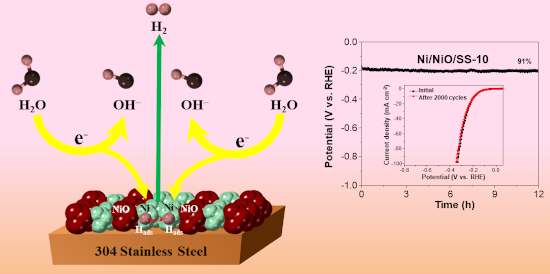
- adhesion and uniform distribution of materials on various substrates [23][24][25]. For instance, Ren et al. used the magnetron sputtering method to introduce Si into an iridium electrode to achieve efficient water electrolysis [26]. Additionally, this technique’s fast deposition rate and high level of the


Supramolecular hydration structure of graphene-based hydrogels: density functional theory, green chemistry and interface application
Beilstein J. Nanotechnol. 2025, 16, 806–822, doi:10.3762/bjnano.16.61
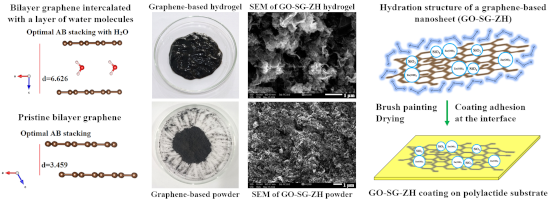
- coating on polymer substrates, typically polylactide films. Interfacial adhesion of graphene-based nanosheets on polylactide substrates made the antibacterial coating stable for several application purposes. In general, supramolecular graphene-based hydrogels are bioinspired hydration structures to
- nanosheets. Large GO nanosheets are important to provide effective surface area for coating adhesion to the flat substrate and cross-linking in the coating network. Interactions at the interface between the coating and substrate include electrostatic interaction, hydrogen bonding, and van der Waals
- due to the load transfer from the polylactide substrate to the graphene-based coating during the tensile process. Effective coating adhesion to the substrate and high elastic modulus of graphene-based nanosheets contributed to the higher tensile properties. Supporting Information File 1, Figure S6


The impact of tris(pentafluorophenyl)borane hole transport layer doping on interfacial charge extraction and recombination
Beilstein J. Nanotechnol. 2025, 16, 678–689, doi:10.3762/bjnano.16.52
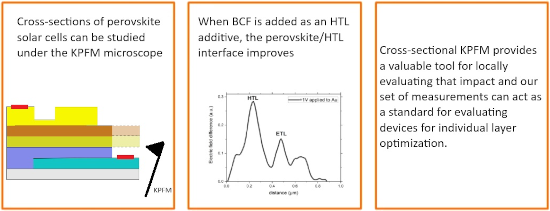
- )amine] (PTAA) [24]. These compounds exhibit favorable solubility, reasonable energetic alignment with most perovskites, and an amorphous nature. The main issues that arise from their usage involve poor conductivity and mechanical stability [25], the existence of pinholes, and a poor adhesion with the


Colloidal few layered graphene–tannic acid preserves the biocompatibility of periodontal ligament cells
Beilstein J. Nanotechnol. 2025, 16, 664–677, doi:10.3762/bjnano.16.51
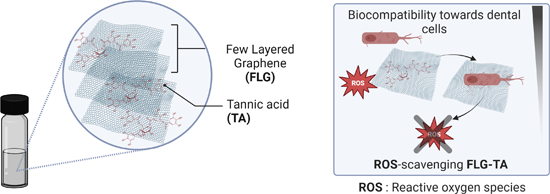
- , demonstrating no cytotoxicity to periodontal ligament cells up to 200 µg·mL−1 while promoting cellular adhesion and maintaining chromatin integrity. Overall, because of its favorable biocompatibility FLG–TA holds promise as a novel biomaterial for dental applications. Keywords: antioxidant properties
- demonstrated that cell adhesion may influence metabolic programming through regulation of adhesion molecules and glucose transport pathways [26][27]. Additionally, the molecular structure of tannic acid allows for potential enzymatic conversion into glucose derivatives via cellular metabolic pathways [28][29
- scavenging ROS, thus enhancing biocompatibility. Second, TA molecules potentially modify graphene’s surface structure, improving cellular adhesion. The effect of FLG–TA on ROS production in PDL cells was investigated. PDL cells were exposed to FLG–TA at concentrations of 1, 25, and 200 μg·mL−1, and ROS




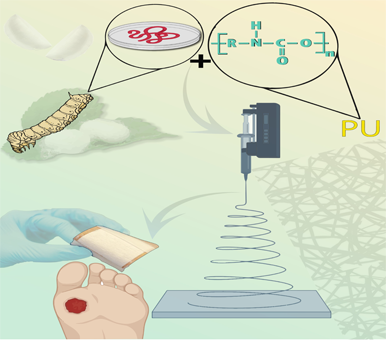
Polyurethane/silk fibroin-based electrospun membranes for wound healing and skin substitute applications
Beilstein J. Nanotechnol. 2025, 16, 591–612, doi:10.3762/bjnano.16.46
- ) on these scaffolds and adding CGF. The results demonstrated that the SF/CS/nHA scaffold combined with CGF promoted better cell adhesion, proliferation, and osteogenic differentiation of BMSCs than other groups. In vivo, a rabbit model with major bone defects was used to assess the scaffold’s
- exhibit slower degradation [101]. Additionally, there is a direct correlation between immune cell infiltration and silk degradation. Although other cell types may contribute to silk degradation, immune cells are primarily responsible for this process [102]. Silk can be modified, allowing for cell adhesion
- also be modified to improve cell adhesion and proliferation, facilitating its integration with biological systems [116]. Moreover, PU can be tailored to have particular mechanical characteristics and controlled degradation rates, allowing it to be adapted to various biological environments [117]. Its



Functionalized gold nanoflowers on carbon screen-printed electrodes: an electrochemical platform for biosensing hemagglutinin protein of influenza A H1N1 virus
Beilstein J. Nanotechnol. 2025, 16, 540–550, doi:10.3762/bjnano.16.42
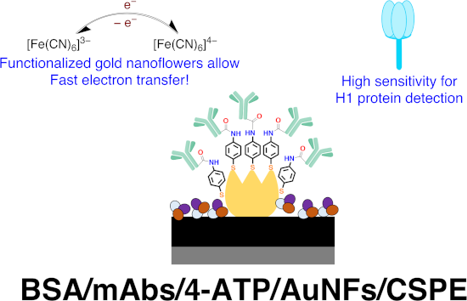
- process, forming stable AuNFs that remain at the surface of the electrode upon contact with water and ethanol as no change in the CV was observed after contact with these solvents (Supporting Information File 1, Figure S1). This suggests strong mechanical adhesion of the AuNFs to the CSPE surface. The





