


Search results
Search for "animals" in Full Text gives 158 result(s) in Beilstein Journal of Nanotechnology.
Biomimetic nanocarriers: integrating natural functions for advanced therapeutic applications
Beilstein J. Nanotechnol. 2024, 15, 1619–1626, doi:10.3762/bjnano.15.127

- substances, increasing medication accumulation at the infection site, and reducing the adverse effects of the free medication [75]. Additionally, in tests with mice treated with PLGA-LPV@M, a 60% of improvement survival was observed compared to the control group (saline treated). Untreated animals rapidly


Natural nanofibers embedded in the seed mucilage envelope: composite hydrogels with specific adhesive and frictional properties
Beilstein J. Nanotechnol. 2024, 15, 1603–1618, doi:10.3762/bjnano.15.126
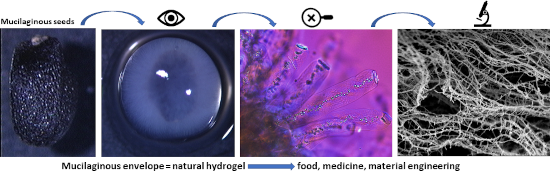
- important biological functions, such as supporting seed germination, protecting seeds against pathogens and predators, and allowing the seed to attach to diverse surfaces (e.g., soil or animals). The attachment properties of mucilage are thus responsible for seed dispersal. Mucilage represents a hydrophilic
- of the mucilage – from pressed layers to a 3D network Substances with gel character (slime, mucus, and mucilage) are ubiquitous in nature and are produced by diverse organisms such as bacteria, plants representing diverse groups (algae, ferns, and higher plants), and animals (fishes, frogs, and
- reliable results about the 3D organisation of the polysaccharides within the mucilage envelope. CPD is a technique used for diverse biological samples (plants, animals, and microorganisms) that are very fragile and contain water. CPD allows for drying of samples without deforming them or collapsing the


Liver-targeting iron oxide nanoparticles and their complexes with plant extracts for biocompatibility
Beilstein J. Nanotechnol. 2024, 15, 1593–1602, doi:10.3762/bjnano.15.125
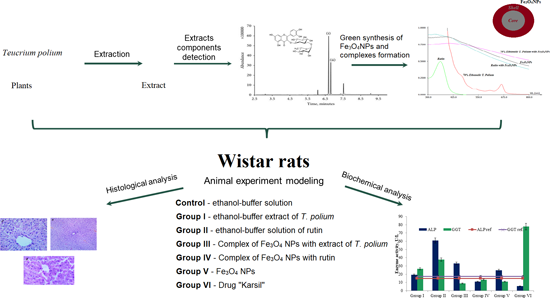
- , there is an increase in HDL cholesterol (groups II, III, and VI), while in others, there is a decrease in HDL cholesterol (groups I, IV, and V), with almost identical minimal values in groups IV and V. Assessment of the impact on liver synthetic function In the control group of animals, the level of
- well as SREBP1c, whose increased activity in liver tissue leads to hypoactivation and suppression of cholesterol and triglyceride synthesis, as well as hyperexpression of GPx [59]. The increase in protein and albumin content in the plasma of experimental animals may be associated with the ability of
- model Experiments were conducted on mature male white Wistar rats weighing 190–210 g. The animals were kept on a regular diet and water regimen at a temperature of 25 ± 2 °C, 55% ± 5% humidity, and a 12 h day/night cycle. The animals were randomly divided into seven experimental groups of five to six


Ultrablack color in velvet ant cuticle
Beilstein J. Nanotechnol. 2024, 15, 1554–1565, doi:10.3762/bjnano.15.122

- spectacle among animals. These colors with high absorption are formed in nature by a sophisticated arrangement of microstructures (i.e., structures visible under microscope) alongside pigment depositions in underlying tissues [9][10]. For instance, in male peacock spiders (Figure 1A), ultrablack
- ultrablack colors in animals underscores the convergent evolution of anti-reflective mechanisms as an important strategy for survival and reproductive success across diverse habitats and ecological contexts. The evolution of ultrablack colors in animals highlights nature’s ingenuity in achieving structurally
- absorption due to complex arrangements of microstructures at the cuticle surface above absorptive lamellae. The surface microstructure of the ultrablack cuticle (setae and microsculpturing) bear some structural resemblance to the ultrablack surfaces in other animals [10][13]. Moreover, there are lamellae



The round-robin approach applied to nanoinformatics: consensus prediction of nanomaterials zeta potential
Beilstein J. Nanotechnol. 2024, 15, 1536–1553, doi:10.3762/bjnano.15.121
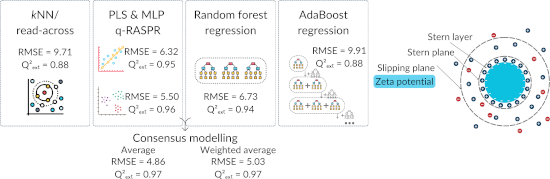
- use of in silico methods allows for the identification of potential hazardous effects caused by NMs’ interactions with biological systems with a simultaneous decrease of workload, cost, research duration, and use of laboratory animals. Several computational approaches [7][8][9] and predictive models


Electrochemical nanostructured CuBTC/FeBTC MOF composite sensor for enrofloxacin detection
Beilstein J. Nanotechnol. 2024, 15, 1522–1535, doi:10.3762/bjnano.15.120
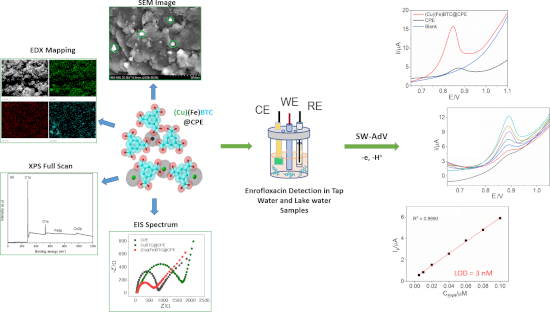
- severe adverse effects, including skeletal, reproductive, immune, and digestive disorders; moreover, ENR cannot be completely absorbed by most animals, it easily enters the environment through the excrement of organisms, also in the form of metabolites [3][4]. Nowadays, the concentration of ENR in





Nanotechnological approaches for efficient N2B delivery: from small-molecule drugs to biopharmaceuticals
Beilstein J. Nanotechnol. 2024, 15, 1400–1414, doi:10.3762/bjnano.15.113
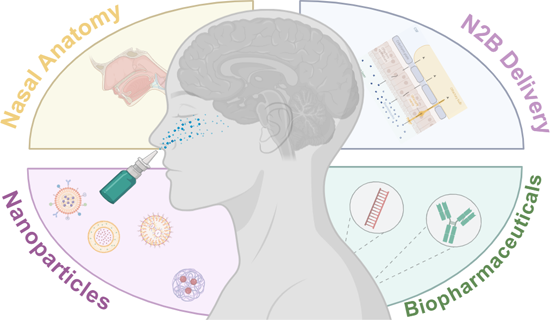
- promising, it should be also noted that most of the in vivo studies are conducted with mice and rats. However, nasal administration depends on multiple factors from administration device to the total volume of administration, and these are limited for small animals such as mice and rats. In fact, rats were
- found to be very different from humans. Large animals (e.g., rabbits and dogs) are more suitable for assessing in vivo pharmacokinetics and pharmacodynamics more accurately and as closely as possible to the human situation [24]. In another study by Salade et al., the researchers designed chitosan-coated


Hymenoptera and biomimetic surfaces: insights and innovations
Beilstein J. Nanotechnol. 2024, 15, 1333–1352, doi:10.3762/bjnano.15.107
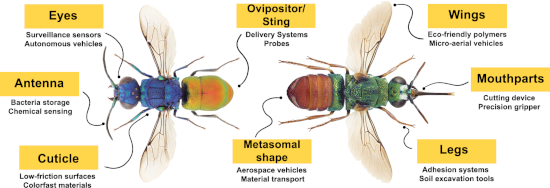
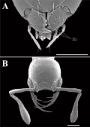
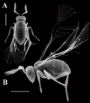
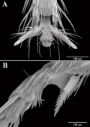
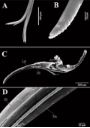
- ., epicuticular multilayer reflectors), which can produce brilliant and iridescent colors [26][27][28]. The examples range from the metallic wings of some bees to the striking iridescent colors of wasps [29][30]. Blue coloration is hard to find in nature because blue pigments are rare; hence, animals tend to



Dual-functionalized architecture enables stable and tumor cell-specific SiO2NPs in complex biological fluids
Beilstein J. Nanotechnol. 2024, 15, 1238–1252, doi:10.3762/bjnano.15.100
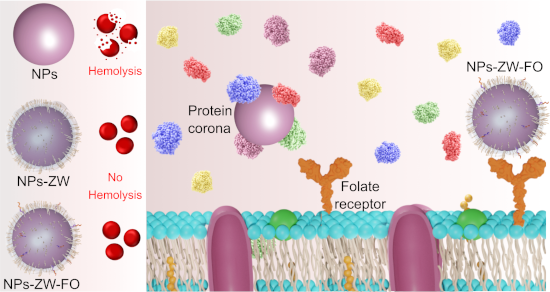
- to cause hemolysis was also evaluated using mouse blood. For these experiments, ten Swiss mice were used, obtained from the Multidisciplinary Center for Biological Investigation of the State University of Campinas (CEMIB/ UNICAMP). All animals obtained from CEMIB received water and food ad libitum
- (Nuvilab) and were kept in the vivarium of the Department of Cellular and Structural Biology (Area of Anatomy) of the Institute of Biology, under the responsibility of Dr. Valéria Helena Alves Cagnon Quitete, until they reached the experimental age for euthanasia. At 2 months of age, the animals were
- animal. The procedures were approved by the Ethics Committee on Animal Use (protocol 5725-1/2021) and conducted in accordance with the Ethical Principles for Research with Animals, established by the Brazilian College of Animal Experimentation (COBEA). The detailed experimental procedure is described in


Realizing active targeting in cancer nanomedicine with ultrasmall nanoparticles
Beilstein J. Nanotechnol. 2024, 15, 1208–1226, doi:10.3762/bjnano.15.98
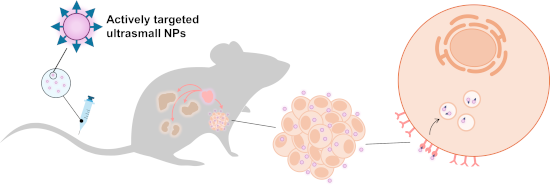
- survival relative to control groups. Animals treated with 0.5 mCi (milliCurie) of targeted C’ dots demonstrated improved survival compared to those treated with the same dose of non-targeting C’ dots. 5.4 PSMA-targeting ligands/PMSA receptor Luo et al. developed AuNCs covered with PSMA-1 for selective
- PET imaging, yielding an average value of 13.2% ID/g within 24–48 h p.i. (Figure 7B,C). Tumor uptake varied among animals, ranging from 10.3 to as high as 17.2% ID/g at 24 h p.i., likely reflecting differences in HER2 expression levels. By contrast, significantly lower tumor uptake values (≈5% ID/g
- -noise ratio for MM detection, surpassing levels achievable with other clinically approved imaging modalities. As early as 30 min post-administration, animals treated with the targeted usNPs demonstrated a ≈3-fold improvement in SNR for plasmacytomas in the spine. Song et al. synthesized AuNCs protected


Entry of nanoparticles into cells and tissues: status and challenges
Beilstein J. Nanotechnol. 2024, 15, 1017–1029, doi:10.3762/bjnano.15.83
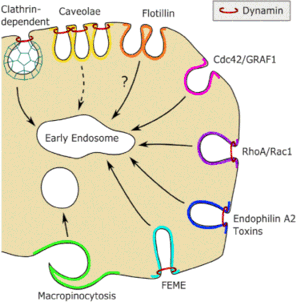
- ) are important tools to diagnose and treat diseases, and have proven useful in basic mechanistic studies of cells and animals. Thus, knowledge about cellular uptake, intracellular transport, and metabolism of NPs in cells, as well as their biodistribution, degradation, and excretion following
- /disadvantages of using various methodological approaches [81]. So far, most ADME studies with small animals have been performed using fluorescence; however, labelling with radioactive isotopes for PET or SPECT imaging is growing in popularity due to enhanced imaging depth and spatial resolution for whole-body
- advantages of producing NPs consisting of endogenous lipids or albumin, or having other substances that are degraded and excreted. Although the so-called quantum dots have been found useful for basic studies of cells and small animals, they are too toxic to be approved for human use [90][102]. It should be


Recent progress on field-effect transistor-based biosensors: device perspective
Beilstein J. Nanotechnol. 2024, 15, 977–994, doi:10.3762/bjnano.15.80




Beyond biomimicry – next generation applications of bioinspired adhesives from microfluidics to composites
Beilstein J. Nanotechnol. 2024, 15, 965–976, doi:10.3762/bjnano.15.79
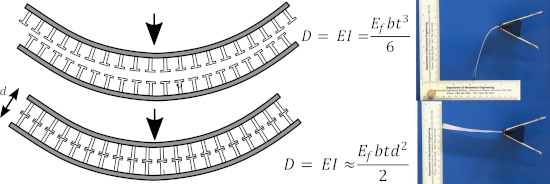
- draws inspiration from nature, as it is quite common for many animals to include multiple adhesion mechanisms. Between multimaterial 3D printing and the use of newer techniques to precisely define micro/nanofeatures [34] that are beyond the capabilities of traditional lithography, there is a good deal


The effect of age on the attachment ability of stick insects (Phasmatodea)
Beilstein J. Nanotechnol. 2024, 15, 867–883, doi:10.3762/bjnano.15.72

- to attach to various surfaces is helpful for climbing animals [11][14], and adapting to the quality of the substrate is especially important for motile animals, which may come into contact with different surfaces, such as plants [9][11][15]. In ageing cockroaches, attachment pad discoloration and
- observations in locusts walking on abrasive sandpaper, leading to the formation of scars in older animals. Scars and stiffened cuticle likely conflict with the functionality of soft adhesive pads as the contact formation of the cuticle is hampered by the reduced material compliance. Phasmatodea, also known as
- investigated various functions of this system and how it changes under certain conditions, such as substrate geometry [36], the presence or absence of claws [37], different surface characteristics of substrates [33][38][39], and the combined effect with pad fluids [40]. For these animals, whose lives strongly


Investigation on drag reduction on rotating blade surfaces with microtextures
Beilstein J. Nanotechnol. 2024, 15, 833–853, doi:10.3762/bjnano.15.70
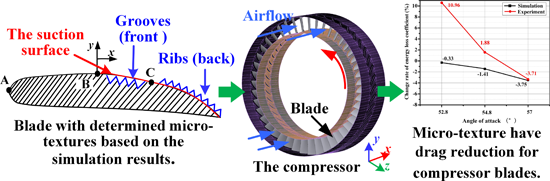
- moving animals, such as the “denticles” found on the surface of shark skin, which enable high-speed swimming [2], as well as the texture of bird feathers [3]. The phenomenon of drag reduction can also be observed on the surface of plants. For example, there is a superhydrophobic structure on the surface


Simultaneous electrochemical determination of uric acid and hypoxanthine at a TiO2/graphene quantum dot-modified electrode
Beilstein J. Nanotechnol. 2024, 15, 719–732, doi:10.3762/bjnano.15.60
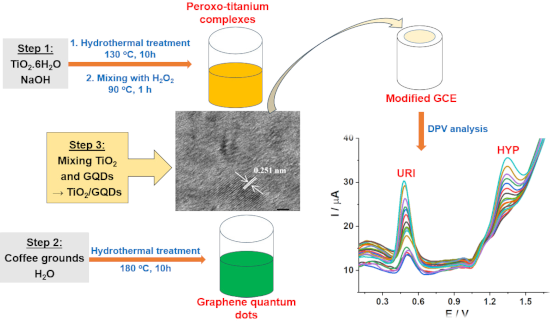
- compared to healthy individuals is related to Parkinson’s disease [4]. The oxidation of HYP yields xanthine, which can be further oxidized to URI. Meat from shrimp, fish, and some other animals contain large amounts of HYP. High consumption of these foods has been considered to result in elevated levels of


Functional fibrillar interfaces: Biological hair as inspiration across scales
Beilstein J. Nanotechnol. 2024, 15, 664–677, doi:10.3762/bjnano.15.55
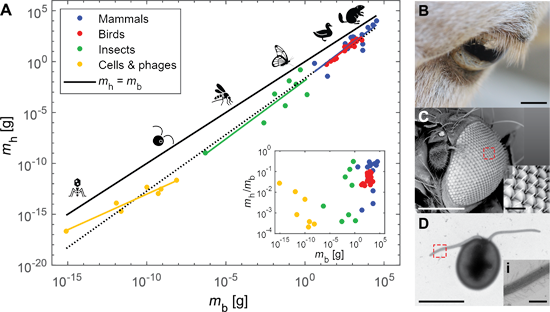
- the fact that, with respect to certain characteristics, organisms are scaled copies of each other [6]. For example, as expected from isometry, the total surface area of a salamander was found to scale with [7], and the same scaling was found for the total area of adhesive pads of animals within the
- , hair-like trichomes on plant surfaces [27]. Overall, to promote homeostasis in plants, animals, bacteria, and bacteriophages, fibrillar structures contribute to the following functions: protection (e.g., thermal insulation and defense), locomotion and feeding, and sensing. This review will present how
- biological hairs, or fibrillar structures, contribute to those functions across 20 orders of magnitude in organism mass and six orders of magnitude in hair thickness, from the nanometer-thick fibers on bacteriophages to the millimeter-thick hair and fur on mammals. Review Protection Plants and animals often


Comparative analysis of the ultrastructure and adhesive secretion pathways of different smooth attachment pads of the stick insect Medauroidea extradentata (Phasmatodea)
Beilstein J. Nanotechnol. 2024, 15, 612–630, doi:10.3762/bjnano.15.52
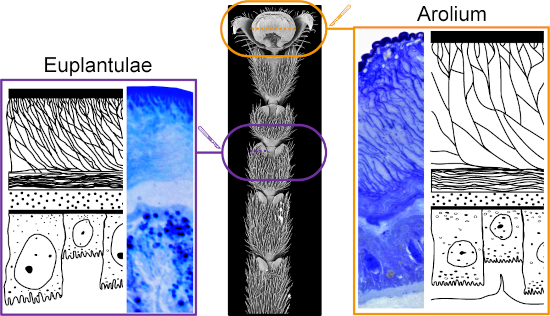
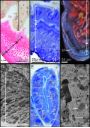
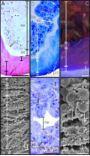
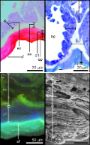
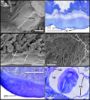
- Department of Functional Morphology and Biomechanics (Kiel University, Germany). The insects were fed with blackberry leaves ad libitium and kept in a regular day and night cycle. Only adult female individuals were selected. The animals were kept with blackberry leaves in clean hard plastic boxes to reduce



Fabrication of nanocrystal forms of ᴅ-cycloserine and their application for transdermal and enteric drug delivery systems
Beilstein J. Nanotechnol. 2024, 15, 465–474, doi:10.3762/bjnano.15.42
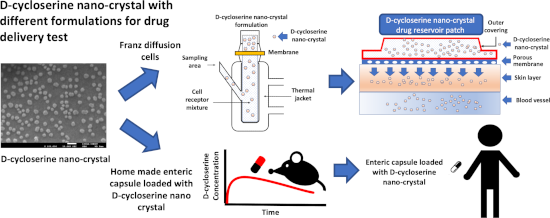
- housing, experimentation, and animal disposal were performed in general accordance with the Guide for the Care and Use of Laboratory Animals (National Academy Press, Washington, DC, 2011). In addition, Eurofins (Taiwan site) conducted the animal studies. Eight-week-old Sprague Dawley rats were randomly


Classification and application of metal-based nanoantioxidants in medicine and healthcare
Beilstein J. Nanotechnol. 2024, 15, 396–415, doi:10.3762/bjnano.15.36
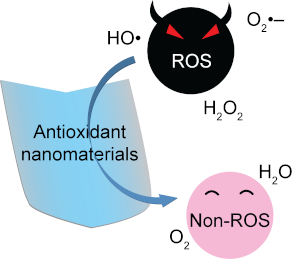
- normal metabolism or an effect of exposure to external factors [3][4]. However, the natural antioxidants in our body do not always work efficiently because ROS are so pervasive. Although antioxidant supplements from natural sources such as plants and animals are considered an effective strategy to combat
- resistance to severe environments than the antioxidants originating from plants and animals. More interestingly, through nanoencapsulation and nanodelivery, antioxidant nanomaterials improve the pharmacokinetics of natural antioxidants by preventing their degradation under stress conditions [9][10
- diseases such as cancers, Alzheimer’s disease, and Parkinson′s disease. Although natural antioxidants from plants and animals play an important role in overcoming oxidative stress, such antioxidants have several limitations such as low stability, difficult long-term storage, and high cost of large-scale


Nanomedicines against Chagas disease: a critical review
Beilstein J. Nanotechnol. 2024, 15, 333–349, doi:10.3762/bjnano.15.30
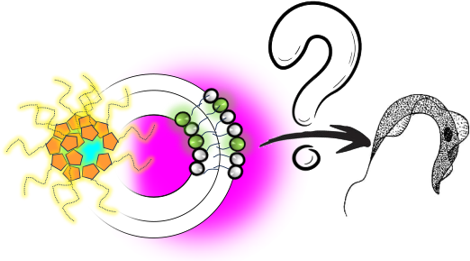
- and NFX, respectively) over 5 days ensured 30 dpi survival in two-thirds of treated animals [53]. BNZ was also loaded in Eudragit L-100 nanocapsules (BNZ-NCP). Their administration at 20 mg/kg/day for 8 days yielded reduced parasitemia, and 50% of treated mice survived 30 dpi [54]. Intravenous BNZ
- ], short doses of liposomal amphotericin B were expected to act effectively against CD. Unfortunately, the trials did not exceed the preclinical phase. Liposomal amphotericin B cleared blood trypomastigotes and improved survival but did not cure mice [64][65]. All animals treated with liposomal
- plasma clearance in comparison with free LYC [73], protecting the host against the cardiotoxicity of LYC [74]. Higher doses (12 mg/kg/day) of oral LYC-PLA-PEG-NCs cured 75% of animals in the acute phase and 88% of those in the chronic phase of murine models [75]. Orally administered to acute and chronic

Green SPIONs as a novel highly selective treatment for leishmaniasis: an in vitro study against Leishmania amazonensis intracellular amastigotes
Beilstein J. Nanotechnol. 2023, 14, 893–903, doi:10.3762/bjnano.14.73
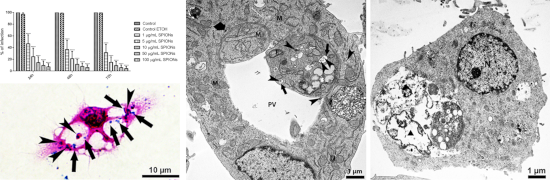
- decrease in the replication of Leishmania spp. in different tissues of infected animals due to the interaction with reactive oxygen and nitrogen species [31][32]. Several studies have shown the potential of using nanoparticles as a new method for treating leishmaniasis. However, only a few studies report
- ethanol concentration in cultures did not exceed 0.5%, which did not interfere with cell growth. The nanoparticles used in the biological tests were stored at −20 °C. Ethics committee for the use of laboratory animals The assays that used mammalian macrophages and parasites from animal models were
- approved by the Ethics Committee for the Use of Laboratory Animals (CEUA) of the Centro de Ciências da Saúde from the Universidade Federal do Rio de Janeiro according to the Brazilian Federal Law (11794/2008, Decreto No. 6,899/2009). For the use of peritoneal macrophages resident in mice and the


Biomimetics on the micro- and nanoscale – The 25th anniversary of the lotus effect
Beilstein J. Nanotechnol. 2023, 14, 850–856, doi:10.3762/bjnano.14.69

- concept of “copying” nature or learning from it arose (e.g., the story of Daedalus and Icarus [4]). This and other examples show that often physical phenomena in animals and plants can be described; however, it is not possible to immediately understand the mechanisms behind them and to transfer those to
- treatment on the elastic modulus of locust cuticle obtained by nanoindentation”, investigate the mechanical properties of the cuticle that builds the surface of insects and related groups of animals. The cuticle is one of the most abundant, but least studied biological composites. In their study, the
- and the geometry of the setae with age and size of the animals. The authors find that the diameter of the fibres and their density in the toepad do not change with size in this species. The toepads scale isometrically with body size, and the setae get relatively shorter with body size. The scaling is


Metal-organic framework-based nanomaterials as opto-electrochemical sensors for the detection of antibiotics and hormones: A review
Beilstein J. Nanotechnol. 2023, 14, 631–673, doi:10.3762/bjnano.14.52
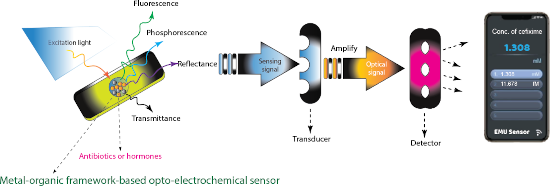
- . Particularly inexpensive quinolones, a class of synthetic antibiotics, are frequently used to treat bacterial infections in animals, particularly fish, cattle, and poultry. However, the presence of these antibiotic residues in foods derived from animals, such as eggs, milk, meat, and fats, can have a number of
- ]. Synthetic hormones are often used to accelerate plant and poultry growth, as well as to boost the production of milk in cattle and other animals [9]. In the world today, the use of synthetic hormones for oral contraception, bodybuilding, and weightlifting has increased at an unprecedented rate. These


Suspension feeding in Copepoda (Crustacea) – a numerical model of setae acting in concert
Beilstein J. Nanotechnol. 2023, 14, 603–615, doi:10.3762/bjnano.14.50
- Ukraine, 83114 Donetsk, Ukraine Department of Behavioral Biology, Institute of Cell and Systems Biology of Animals, Universität Hamburg, Martin-Luther-King-Platz 3, 20146 Hamburg, Germany Department of Mammalogy and Paleoanthropology, Leibniz Institute for the Analysis of Biodiversity Change, Martin
- field of filtration technologies. Keywords: adhesion; confocal laser scanning microscopy (CLSM); feeding efficiency; feeding structures; mechanical properties; Introduction Particle capture mechanisms are common in a huge variety of aquatic animals, such as polychaetes, bryozoans, bivalves, sponges





