Search results
Search for "aqueous solution" in Full Text gives 455 result(s) in Beilstein Journal of Nanotechnology. Showing first 200.
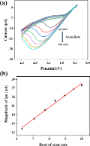
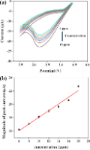
Quantification of lead through rod-shaped silver-doped zinc oxide nanoparticles using an electrochemical approach
Beilstein J. Nanotechnol. 2025, 16, 422–434, doi:10.3762/bjnano.16.33
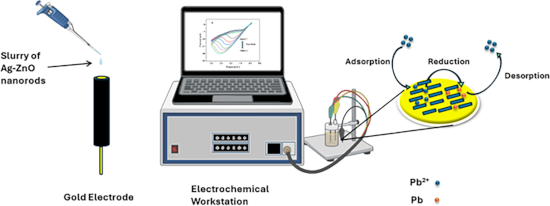
- consistent performance throughout time, which is critical for obtaining accurate and repeatable electrochemical results. The lead chemical sensor was fabricated by utilizing the Ag–ZnO nanorods, which functioned as efficient electron mediators. An aqueous solution which includes freshly produced Ag–ZnO
- -Aldrich and used as such without any additional purification steps. Firstly, a 2 mL aqueous solution of silver nitrate (AgNO3) (0.1 M) and a 100 mL aqueous solution of zinc nitrate hexahydrate (Zn (NO3)2·6H2O) (0.1 M) were simultaneously prepared. After that, the silver nitrate solution was mixed with the





Engineered PEG–PCL nanoparticles enable sensitive and selective detection of sodium dodecyl sulfate: a qualitative and quantitative analysis
Beilstein J. Nanotechnol. 2025, 16, 385–396, doi:10.3762/bjnano.16.29
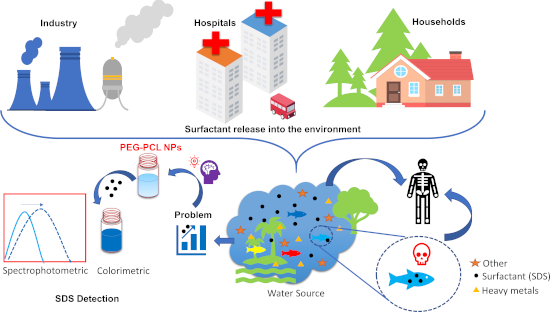
- , selective, and cost-effective sensor for SDS detection in an aqueous solution. The advent of nanotechnology increased their demand for developing colorimetric sensors to detect chemical compounds, toxicants, nutrients, and biomolecules. The nanotechnology field consists of synthesis, characterization, and


Graphene oxide–chloroquine conjugate induces DNA damage in A549 lung cancer cells through autophagy modulation
Beilstein J. Nanotechnol. 2025, 16, 316–332, doi:10.3762/bjnano.16.24
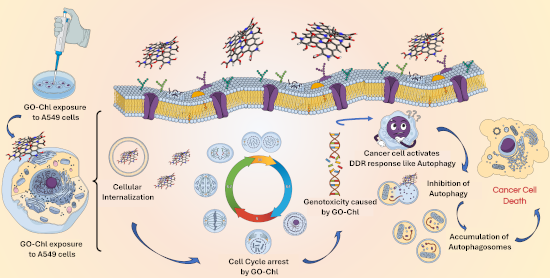
- ) nanosheets was mixed with 15 mL of an aqueous solution of Chl diphosphate (250 μg/mL) under continuous stirring at room temperature in the dark for 24 h. The final GO–Chl nanoconjugate was collected by centrifugation at 9500 rpm for 15 min followed by freeze-drying. The supernatant was separated for

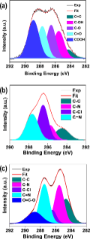


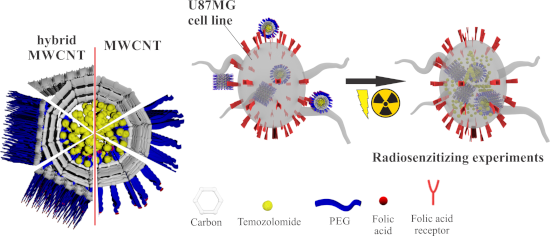
Radiosensitizing properties of dual-functionalized carbon nanostructures loaded with temozolomide
Beilstein J. Nanotechnol. 2025, 16, 229–251, doi:10.3762/bjnano.16.18


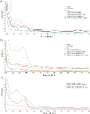


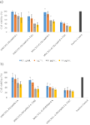
Facile synthesis of size-tunable L-carnosine-capped silver nanoparticles and their role in metal ion sensing and catalytic degradation of p-nitrophenol
Beilstein J. Nanotechnol. 2024, 15, 1576–1592, doi:10.3762/bjnano.15.124
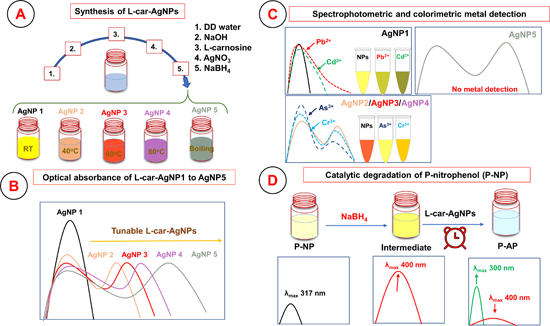
- Raman spectra of ʟ-carnosine-capped silver nanoparticles, as well as ʟ-carnosine, as solid and in aqueous solution, were recorded at RT using an excitation source of 532 nm. The light source was a diode-pumped solid-state Nd3+:YAG laser (Cobolt Samba 0532-01-0500-500, Cobolt AB, Sweden). For solid ʟ
- -carnosine and ʟ-car-AgNPs and 100 s for ʟ-carnosine in aqueous solution. DFT calculations Theoretical insights into the FTIR and Raman measurements were obtained through molecular structure optimization of ʟ-carnosine, its anionic form, and probable ʟ-carnosine–(Ag)4 complexes. The structure optimization
- frequencies of ʟ-carnosine, its anion, and the probable Ag4 complexes were computed at the optimized geometries. Subsequently, the theoretical vibrational spectra were compared with the experimental Raman spectra of ʟ-carnosine in various forms, namely, in the solid state, in aqueous solution, in alkaline




Green synthesis of silver nanoparticles derived from algae and their larvicidal properties to control Aedes aegypti
Beilstein J. Nanotechnol. 2024, 15, 1566–1575, doi:10.3762/bjnano.15.123
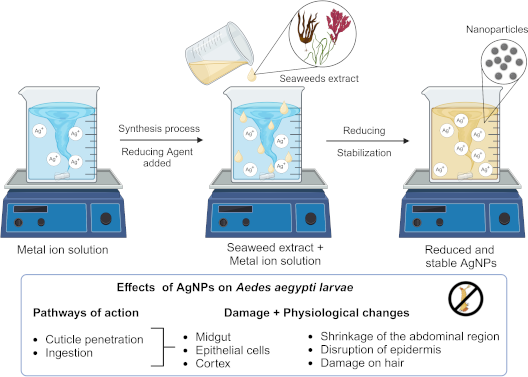
- /100 mL of purified water) by heating the mixture for 5 min and decanting for 1 h. After this process, the mixture was filtered and stored for 5 days at 15 °C. Finally, the filtered solution was treated with an aqueous solution of AgNO3 (1 mM) and incubated at room temperature. The chemical compounds
- ) under boiling for 5 min. The filtrate was treated with aqueous AgNO3 solution (1 mM; the ratio of aqueous solution to AgNO3 solution was not mentioned) and incubated at room temperature. Finally, a yellowish-brown solution was observed, indicating the formation of AgNPs. Chemical analysis of the AgNPs


A biomimetic approach towards a universal slippery liquid infused surface coating
Beilstein J. Nanotechnol. 2024, 15, 1376–1389, doi:10.3762/bjnano.15.111
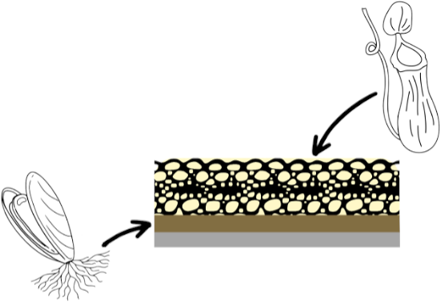
- at a pH of 8.5. PDA-coated samples were rinsed with DI and then introduced to a 10 mM aqueous solution of 1H,1H,2H,2H-perfluorodecanethiol (FDT) (Sigma-Aldrich, St. Louis, MO) and triethylamine [19]. Following FDT functionalization, the samples were thoroughly rinsed and sonicated in DI water and




Green synthesis of carbon dot structures from Rheum Ribes and Schottky diode fabrication
Beilstein J. Nanotechnol. 2024, 15, 1369–1375, doi:10.3762/bjnano.15.110
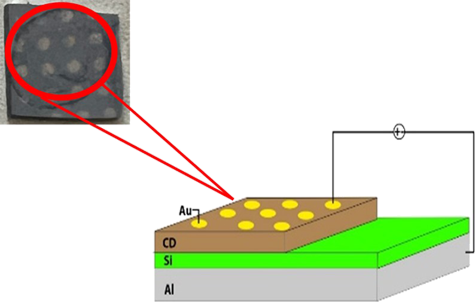
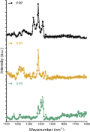
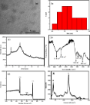
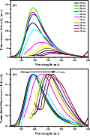
- electron microscopy (SEM), I–V/C–V measurements, UV–vis spectroscopy, and steady-state fluorescence spectroscopy, respectively. CDs synthesis 2.5 g of the powdered Rheum ribes plant was placed in an autoclave bottle, and 50 mL of pure water was added to the bottle. This aqueous solution was placed in an




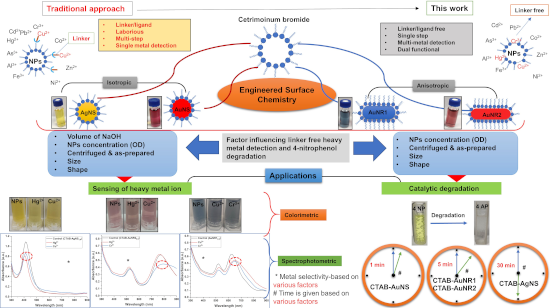
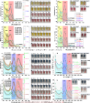
Nanoarchitectonics with cetrimonium bromide on metal nanoparticles for linker-free detection of toxic metal ions and catalytic degradation of 4-nitrophenol
Beilstein J. Nanotechnol. 2024, 15, 1312–1332, doi:10.3762/bjnano.15.106




Mn-doped ZnO nanopowders prepared by sol–gel and microwave-assisted sol–gel methods and their photocatalytic properties
Beilstein J. Nanotechnol. 2024, 15, 1283–1296, doi:10.3762/bjnano.15.104
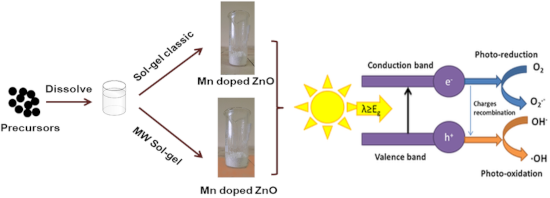
- signal of the SG sample (assigned to surface oxygen vacancies and defects) and can be further analyzed taking into account the photocatalytic test results. Photocatalytic activity Oxidative photodegradation of oxalic acid in aqueous solution (Figure 13) was used to compare the catalytic activity of the
- recorded with an Analytik Jena Specord 200 Plus spectrophotometer. Photocatalytic tests were performed in a photoreactor provided with a quartz window and thermostated at 180 °C by a chiller. A quantity of 0.025 g catalyst was suspended by sonication in 120 mL aqueous solution containing 0.1 g oxalic acid


Enhanced catalytic reduction through in situ synthesized gold nanoparticles embedded in glucosamine/alginate nanocomposites
Beilstein J. Nanotechnol. 2024, 15, 1227–1237, doi:10.3762/bjnano.15.99
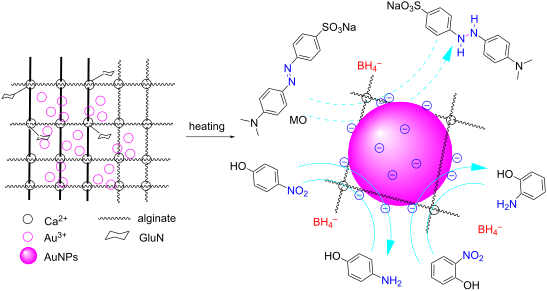
- throughout the experimentation. Preparation of nanocomposites The preparation of the blank GluN/Alg nanocomposite involved an ionotropic gelation as outlined in our recent work [25]. In brief, calcium acetate aqueous solution (7.18 mL; 583 mg·mL−1) was gradually mixed with sodium alginate aqueous solution
- (20 mL; 7.0 mg·mL−1) while stirring for 1 h at 1300 rpm. Following overnight settling, the Alg/Ca2+ gelispheres underwent centrifugation at 3000 rpm for 10 min and were washed three times with 10 mL of distilled water each time to remove any impurities. Next, an aqueous solution of GluN (12.0 mL; 1.6
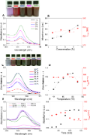
- excess of NaBH4. Initially, 3.0 mg of the AuNPs@GluN/Alg solid was placed in a quartz cell with 1 cm path length, along with an aqueous solution of the organic dyes (2.5 mL, 0.1 mM). Then, 0.5 mL of NaBH4 solution (0.06 M) was added to start the reaction. The reduction process of the dyes was in situ



Unveiling the potential of alginate-based nanomaterials in sensing technology and smart delivery applications
Beilstein J. Nanotechnol. 2024, 15, 1077–1104, doi:10.3762/bjnano.15.88
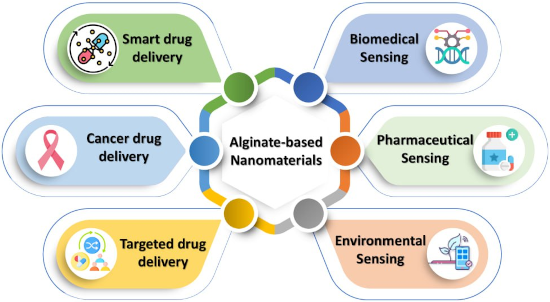
- -linking agent to form a gel-like solution. Then, glucose oxidase is incorporated into the alginate mixture. Next, the mixture is sonicated to evenly distribute the alginate-based nanoparticles in an aqueous solution. Once the nanoparticles are formed, they can be immobilized onto a substrate or electrode


Effect of wavelength and liquid on formation of Ag, Au, Ag/Au nanoparticles via picosecond laser ablation and SERS-based detection of DMMP
Beilstein J. Nanotechnol. 2024, 15, 1054–1069, doi:10.3762/bjnano.15.86

- factor, which could prevent the absorption of the aqueous solution at a given laser wavelength. This approach helps to achieve a delicate balance between maximizing the absorption in the target material while minimizing energy loss in the surrounding liquid and NPs, thereby enhancing the overall


Therapeutic effect of F127-folate@PLGA/CHL/IR780 nanoparticles on folate receptor-expressing cancer cells
Beilstein J. Nanotechnol. 2024, 15, 954–964, doi:10.3762/bjnano.15.78
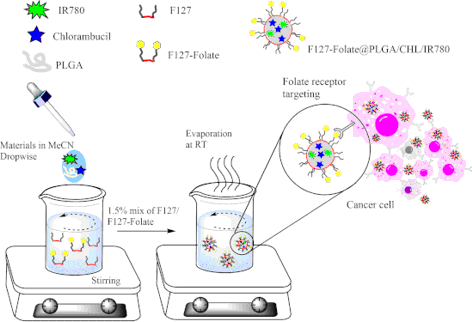
- emulsion, or nanoprecipitation [1][4], in which copolymers are dissolved in an organic solvent, called the organic phase, and then are put into an immiscible aqueous solution, called the water phase, to form the nanoparticles. Various surfactants, including poly(vinyl alcohol) (PVA), sodium cholate, or



Intermixing of MoS2 and WS2 photocatalysts toward methylene blue photodegradation
Beilstein J. Nanotechnol. 2024, 15, 817–829, doi:10.3762/bjnano.15.68
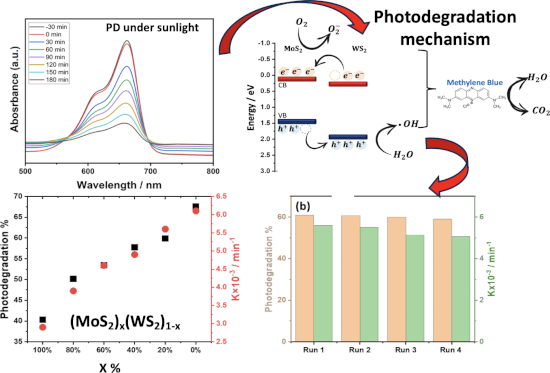
- absorption peak at 631 nm was used to monitor the concentration of MB in aqueous solution. This peak is commonly associated with photon absorption by the conjugated double bonds of MB molecules. Several measurements conducted on various MB concentrations were analyzed to obtain a correlation between the


Synthesis of silver–palladium Janus nanoparticles using co-sputtering of independent sources: experimental and theorical study
Beilstein J. Nanotechnol. 2024, 15, 808–816, doi:10.3762/bjnano.15.67
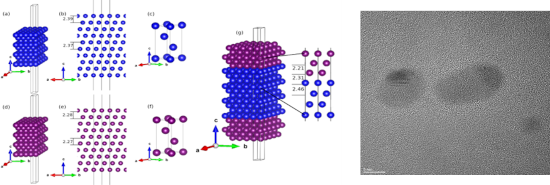
- poisoning, resulting in an increase in the useful life of the catalyst. Chunling An et al. synthesized AgPd BNPs in aqueous solution with sizes from 4 to 5 nm and demonstrated that they exhibit greater electrocatalytic activity and better long-term performance than silver nanoparticles [9]. Janus




Electrospun polysuccinimide scaffolds containing different salts as potential wound dressing material
Beilstein J. Nanotechnol. 2024, 15, 781–796, doi:10.3762/bjnano.15.65
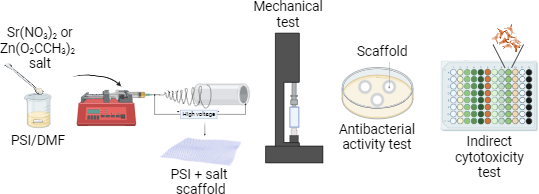
- Information File 1, Figure S2). At low salt concentrations, the conductivity in the aqueous solution is directly proportional to the concentration. Table 3 shows that for the samples containing Sr(NO3)2, almost 100% of the salinity was dissolved after 5–8 h. In the case of the Zn(O2CCH3)2 scaffold, only 48



Effect of repeating hydrothermal growth processes and rapid thermal annealing on CuO thin film properties
Beilstein J. Nanotechnol. 2024, 15, 743–754, doi:10.3762/bjnano.15.62
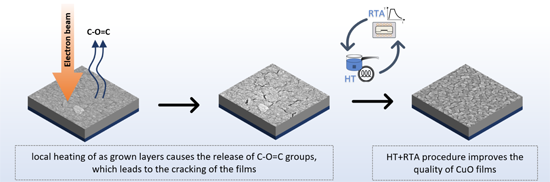
- silicon (100) substrates (Siegert Wafer). These substrates were covered with a nucleation layer in the form of gold nanoislands sputtered using a turbomolecular-pumped coater Quorum Q150T ES. CuO films were obtained according to the following procedure. First, an aqueous solution of copper(II) acetate




Photocatalytic degradation of methylene blue under visible light by cobalt ferrite nanoparticles/graphene quantum dots
Beilstein J. Nanotechnol. 2024, 15, 475–489, doi:10.3762/bjnano.15.43
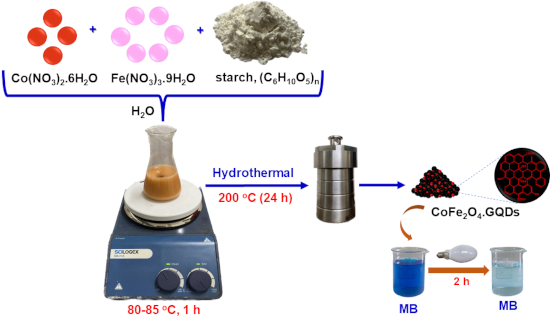
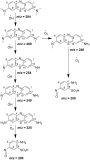
- , available to react with H2O to produce •OH radicals. The electrons in the CB band directly reduce MB to its degradation products or interact with oxygen in the aqueous solution to form peroxy anion radicals (). A part of h+ oxidizes water to form hydroxyl radicals (•OH), or it can oxidize directly MB to its




Fabrication of nanocrystal forms of ᴅ-cycloserine and their application for transdermal and enteric drug delivery systems
Beilstein J. Nanotechnol. 2024, 15, 465–474, doi:10.3762/bjnano.15.42
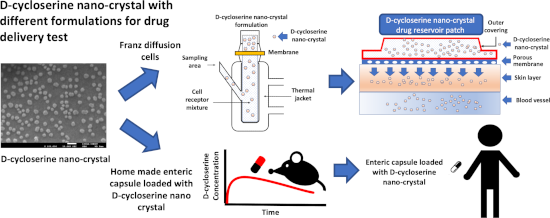
- vitro transdermal delivery and in vivo pharmacokinetic (PK) studies. Materials and Methods Preparation of DCS nanocrystals A saturated DCS aqueous solution was prepared by dissolving 100 mg of DCS powder (Stride Pharma Science Ltd.) in 1 mL of deionized water. Then, 10 mL of the saturated DCS solution
- detection was accomplished with a LYNXEYE detector (Bruker AXS GmbH), and the XRPD patterns were obtained on a D8 ADVANCE (Bruker AXS GmbH). Preparation of different hydrophobic formulations mixed with DCS aqueous solution for the reservoir transdermal delivery The DCS aqueous solution was mixed with
- storage conditions for the formulation of the DSC aqueous solution, and any potential incompatibilities between the DSC aqueous solution and other excipients. We found that without adding NaOH solution to the Formulation Test 2 and 3 in Table 1, the color of the DCS solution changed from colorless to dark


Vinorelbine-loaded multifunctional magnetic nanoparticles as anticancer drug delivery systems: synthesis, characterization, and in vitro release study
Beilstein J. Nanotechnol. 2024, 15, 256–269, doi:10.3762/bjnano.15.24
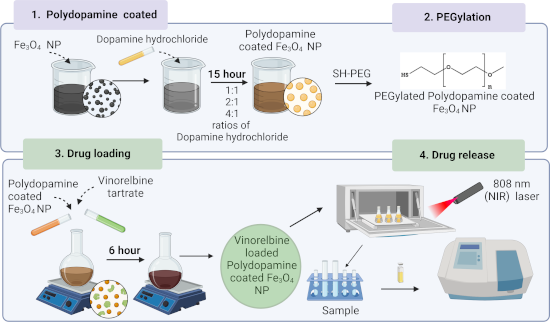
- aqueous solution, showing promising prospects for use in magnetically targeted therapy. Determination of photothermal stability and efficiency To evaluate the photothermal performance of the nanostructures, the NPs were irradiated with an 808 nm laser at a power density of 1 W/cm2 for 5 min. A slight


New application of bimetallic Ag/Pt nanoplates in a colorimetric biosensor for specific detection of E. coli in water
Beilstein J. Nanotechnol. 2024, 15, 95–103, doi:10.3762/bjnano.15.9
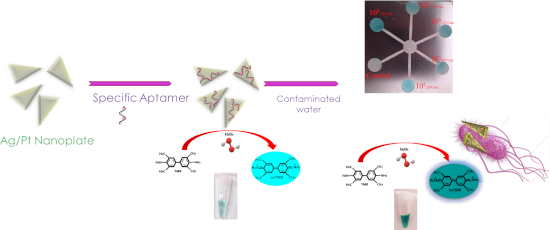
- spectroscopy (EDS) was used to examine Ag and Pt on the synthesized NPLs (Figure 1b). The percentage of Pt is smaller than that of Ag, indicating that a thin layer of Pt ions has been coated on the surface of Ag NPLs. In the aqueous solution, the Ag/Pt NPLs appear bluish purple. To predict the secondary
- /Pt NPLs A modified chemical reduction method was used to create Ag NPLs [26][38]. The aqueous solution synthesis of Ag-Pt NPL is described below. To begin, 50 L of 0.05 M AgNO3 aqueous solution was mixed with 10 mL of 2.5 × 10⁻⁴ M sodium citrate aqueous solution. After that, 25 µL of 0.1 M ascorbic
- acid solution was gradually added to a stirred mixture of sodium citrate and AgNO3. The purple Ag seed solution was then obtained. In addition, 10 mL of 0.05 M AgNO3 aqueous solution was mixed with 20 mL of 0.1 M hexadecyltrimethylammonium bromide (CTAB) aqueous solution. Slowly, 10 mL of 0.1 M


Curcumin-loaded albumin submicron particles with potential as a cancer therapy: an in vitro study
Beilstein J. Nanotechnol. 2023, 14, 1127–1140, doi:10.3762/bjnano.14.93
- solution produced by reverse engineering, and make quality control more challenging [19]. Additionally, the degummed silk tends to aggregate when stored for long periods in an aqueous solution, typically for weeks at room temperature and for months at 4 °C [20]. Amongst various carriers, albumin seems to
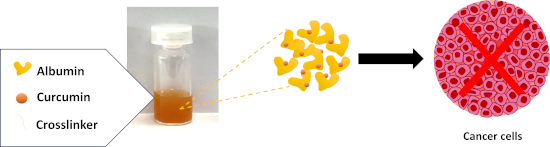
- -HSA-MPs yielded CUR concentrations of 0.55–0.60 mg/mL as estimated by absorbance measurements, which is a more than 400-fold increase in solubility compared to free CUR (1.34 µg/mL [8]). Due to its hydrophobic nature, CUR aggregates in aqueous solution and interacts with the hydrophobic clusters of




Upscaling the urea method synthesis of CoAl layered double hydroxides
Beilstein J. Nanotechnol. 2023, 14, 927–938, doi:10.3762/bjnano.14.76
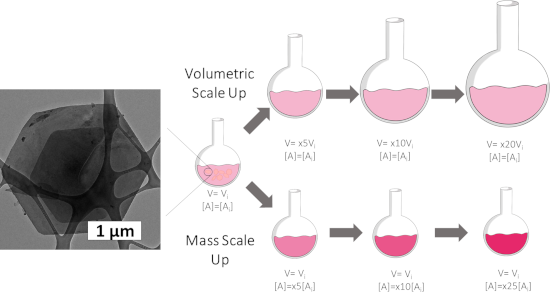
- Synthesis method based on urea hydrolysis The synthesis of the CoAl layered double hydroxide phase was carried out by hydrolysis of urea in a two-neck flask (with a reflux condenser) using 50 mL of an aqueous solution of the metal salts at 97 °C for 48 h under Ar atmosphere. The system was continuously


N-Heterocyclic carbene-based gold etchants
Beilstein J. Nanotechnol. 2023, 14, 865–871, doi:10.3762/bjnano.14.71
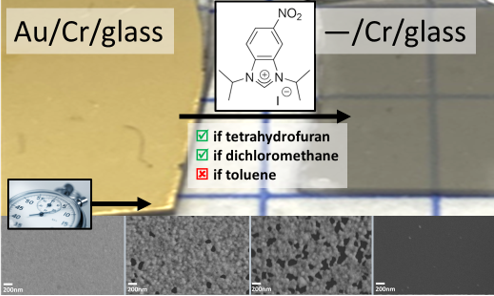
- reported the use of a benzimidazolium gold complex in dichloromethane (DCM) that readily functionalizes gold nanoparticles (AuNPs) in aqueous solution [15][19]. In our work using solution-based approaches to form NHC monolayers on gold thin films, we observed a loss of gold from our substrates. It is
- aqueous solution with 10 μL of 5.00 × 10⁻³ M of 1 in THF. No appreciable change in the UV–vis spectrum was observed over 6 h of hourly measurements (Figure 5), indicating no detectable change in diameter (ca. 47 nm) and concentration of the nanoparticles [26]. This is not surprising given the low